


Sveti Lovreč, Church of St. Martin
Century/year: mid-11th century
Historical-cultural period: Romanesque period
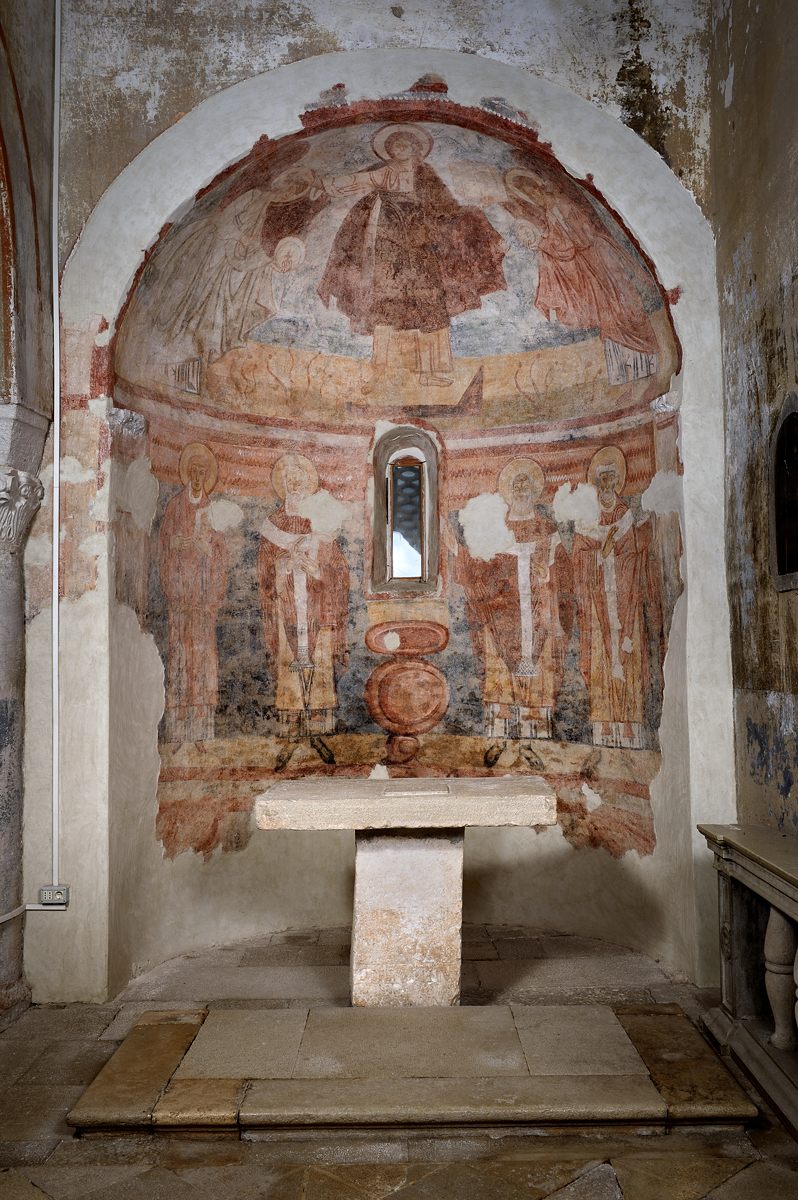
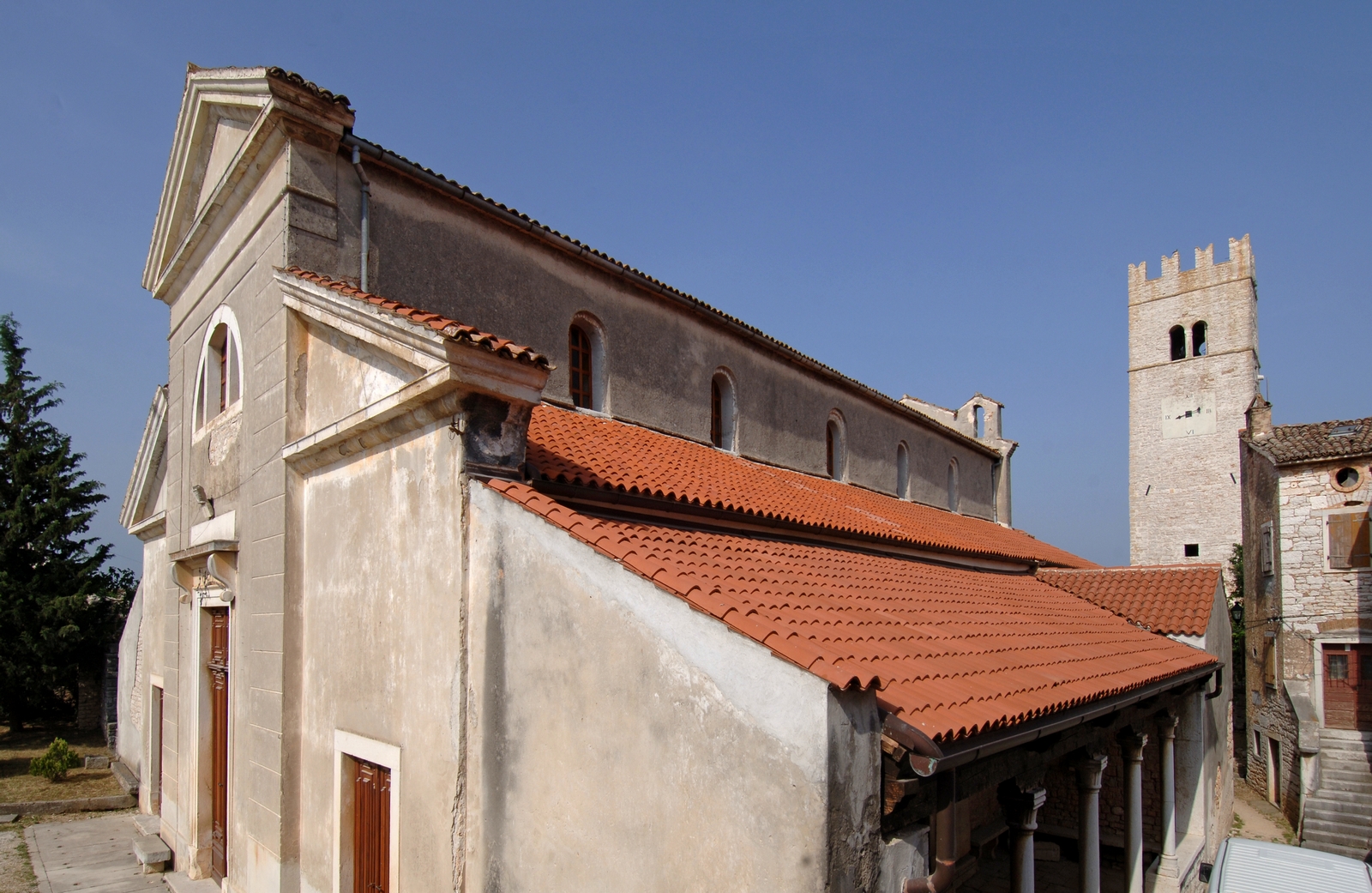
The Parish Church of St. Martin is today located in the centre of Sveti Lovreč Pazenatički. It was originally situated outside the early medieval castrum, with its western wall leaning against the city walls. According to a record from 1836, the town palace was located on the other side of the walls, opposite the church. It was demolished that same year, and in 1838 the church received a new facade. The position of the building, as well as its appearance prior to the remodelling of the facade, suggest that at the time of its construction, it was intended as a private church of a local ruler.
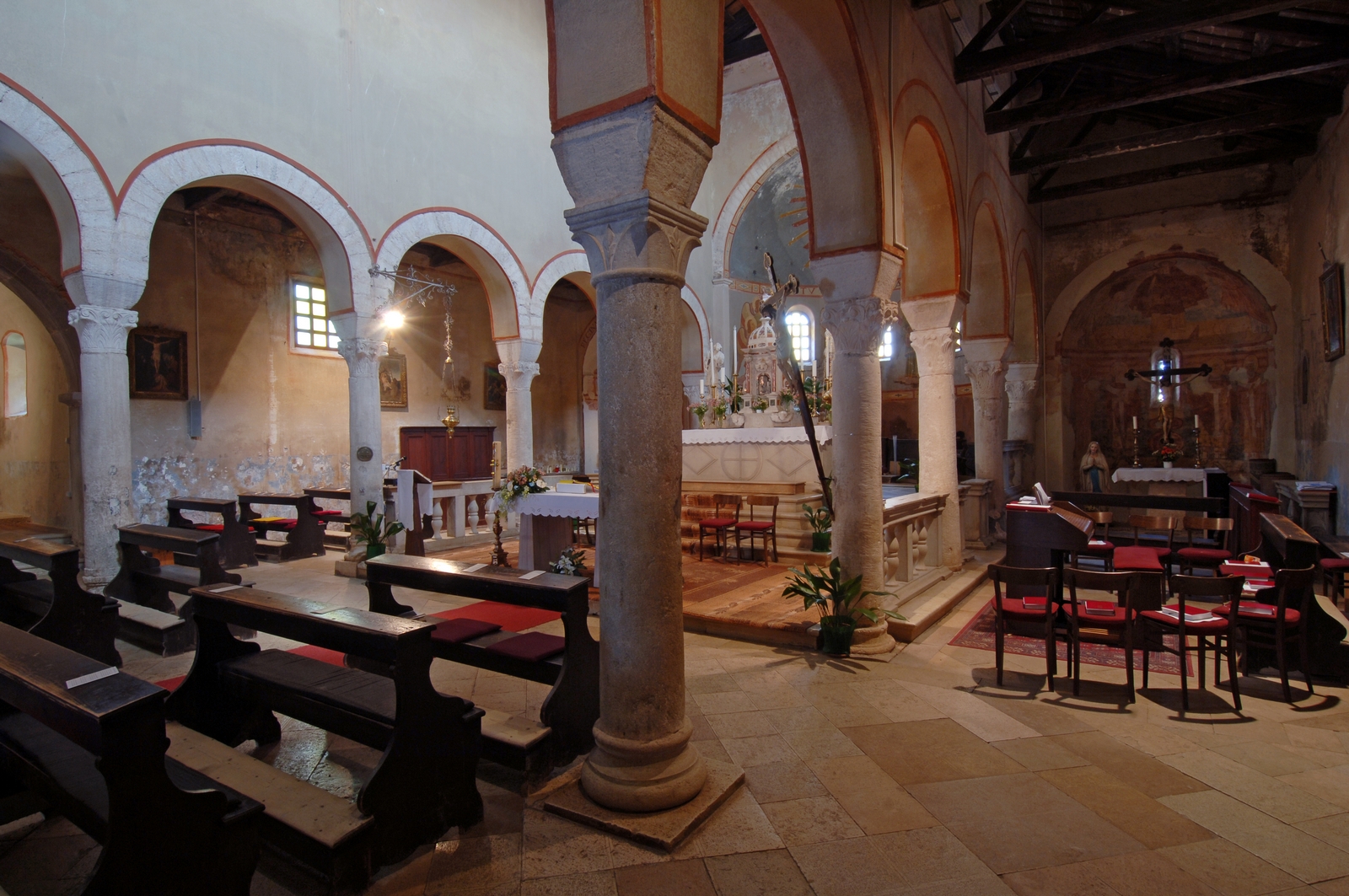
The building belongs to the Early Romanesque type of sacral architecture. It is designed as a three-aisled basilica with a triapsidal sanctuary, consisting of three inscribed semi-circular apses. Due to its dimensions and spatial articulation, the Church of St. Martin represents the most monumental example of Early Romanesque architecture in present-day Croatia. Its typological and morphological features suggest a dating to the first half of the 11th century, with primary analogies found in the Early Romanesque structures of north-eastern Italy. This dating is further confirmed by the preserved architectural sculpture, such as the window transennas with interlace motifs in the northern and southern apses and on the southern side wall, as well as the capitals of the colonnades in the interior.
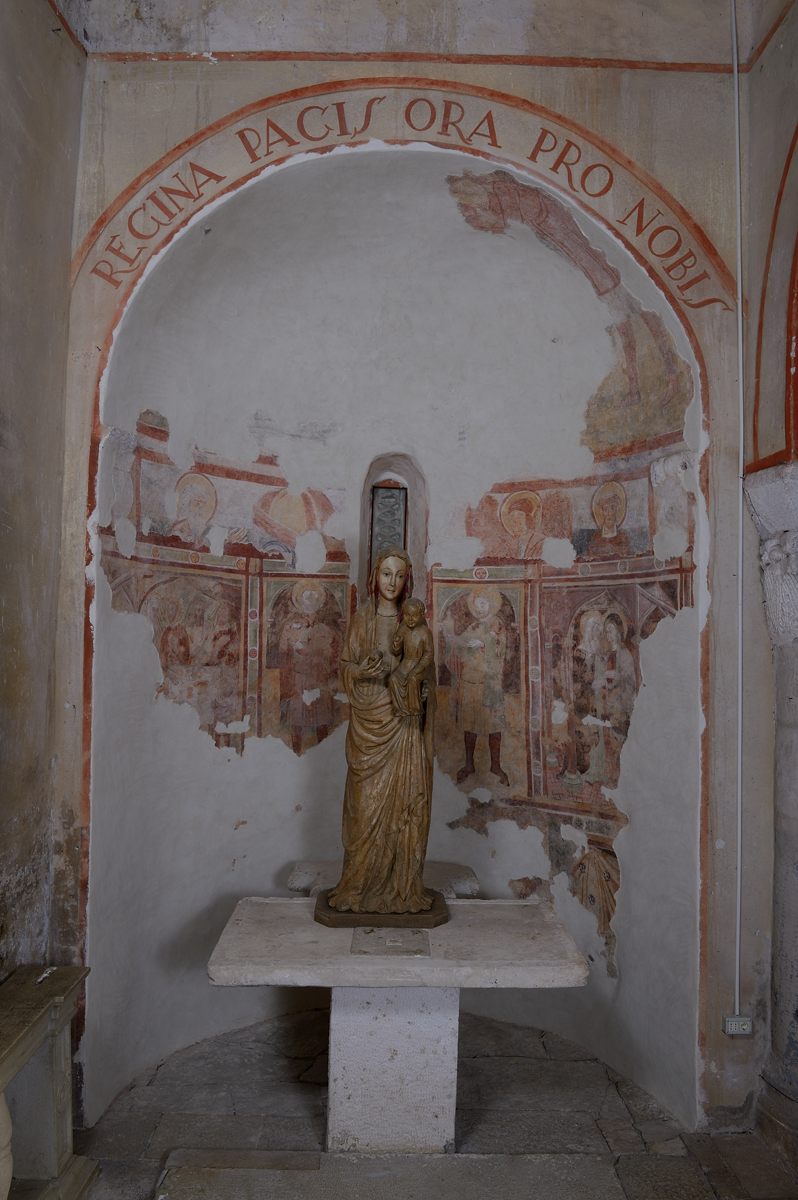
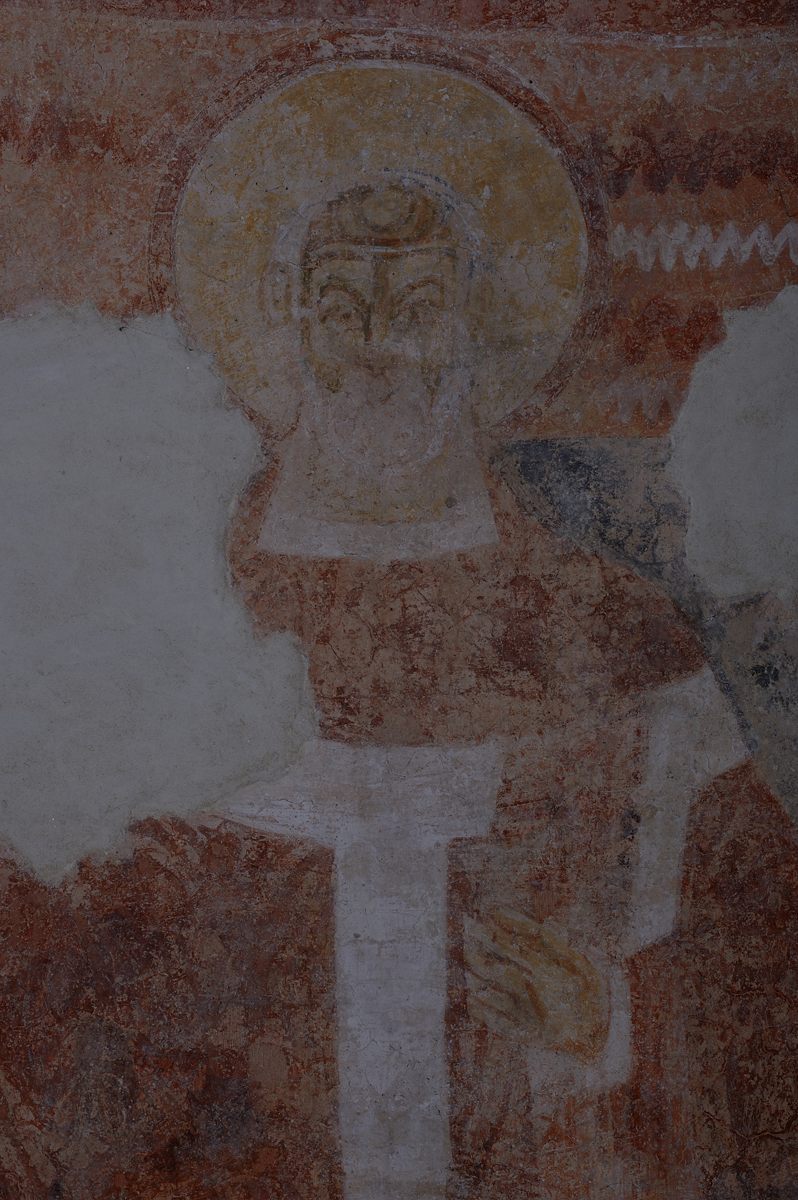
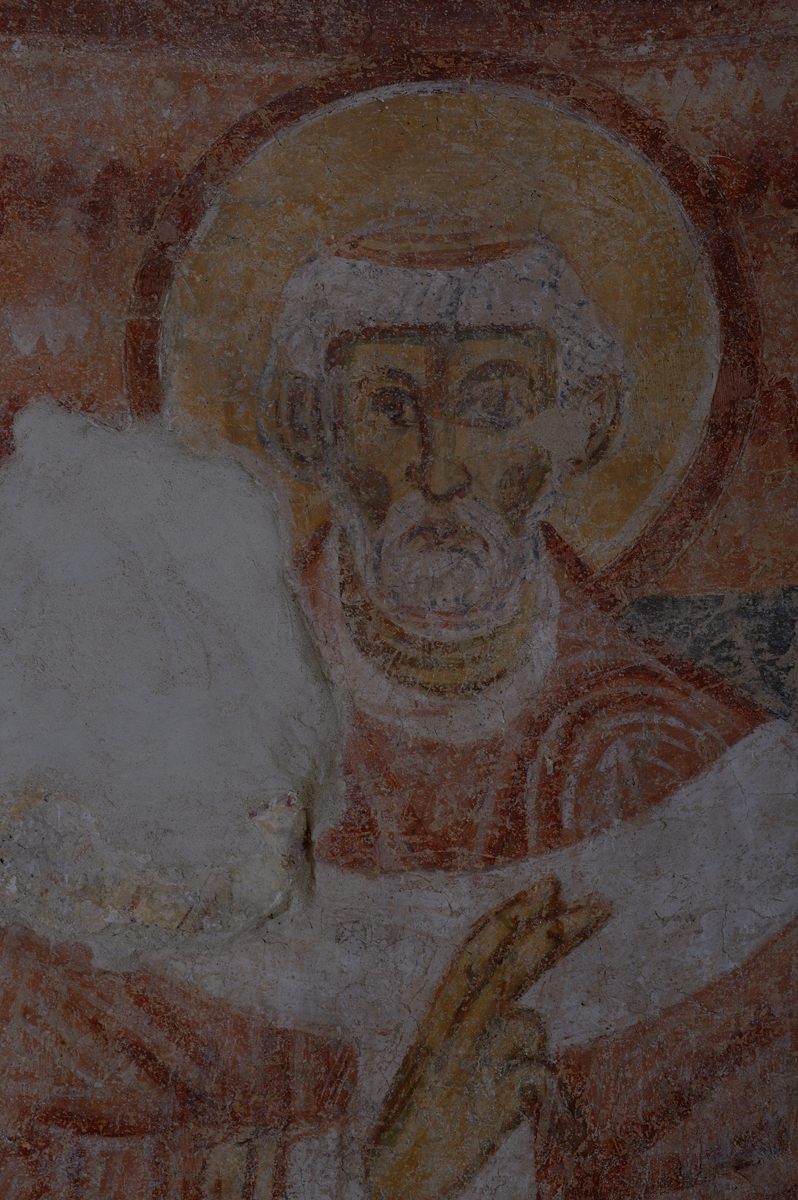
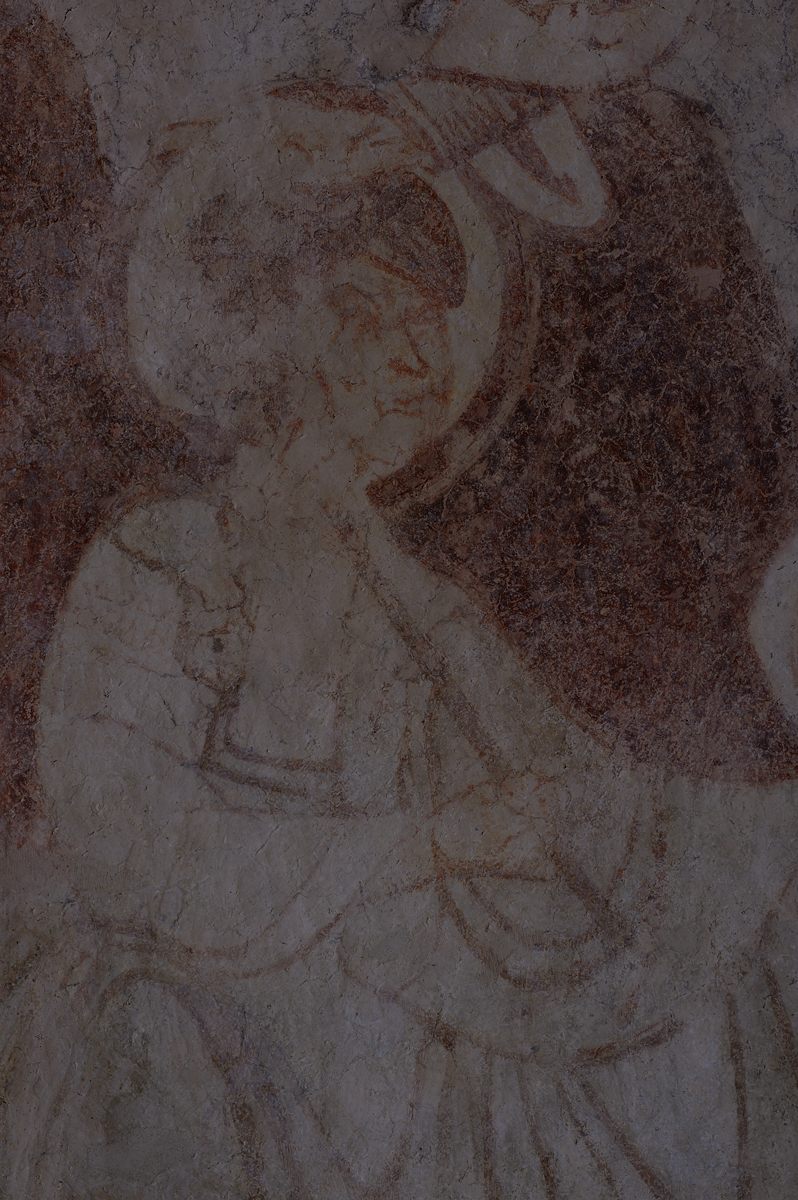
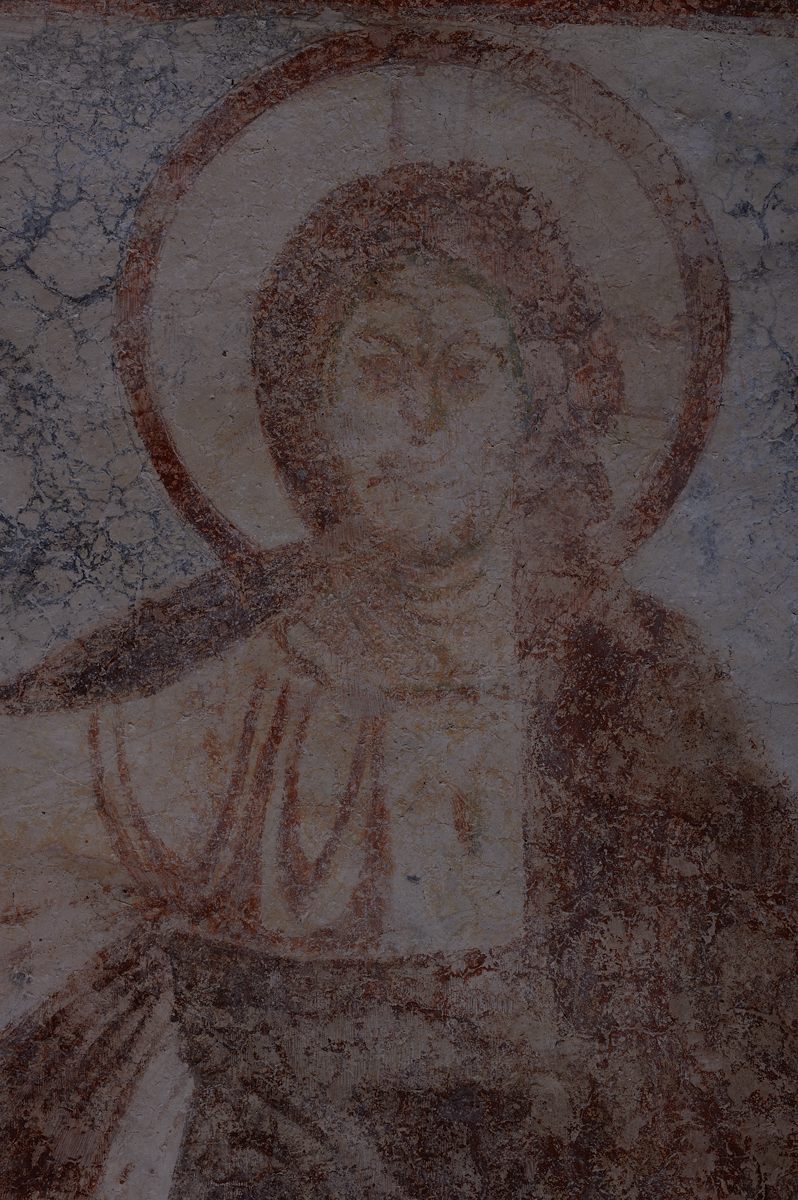
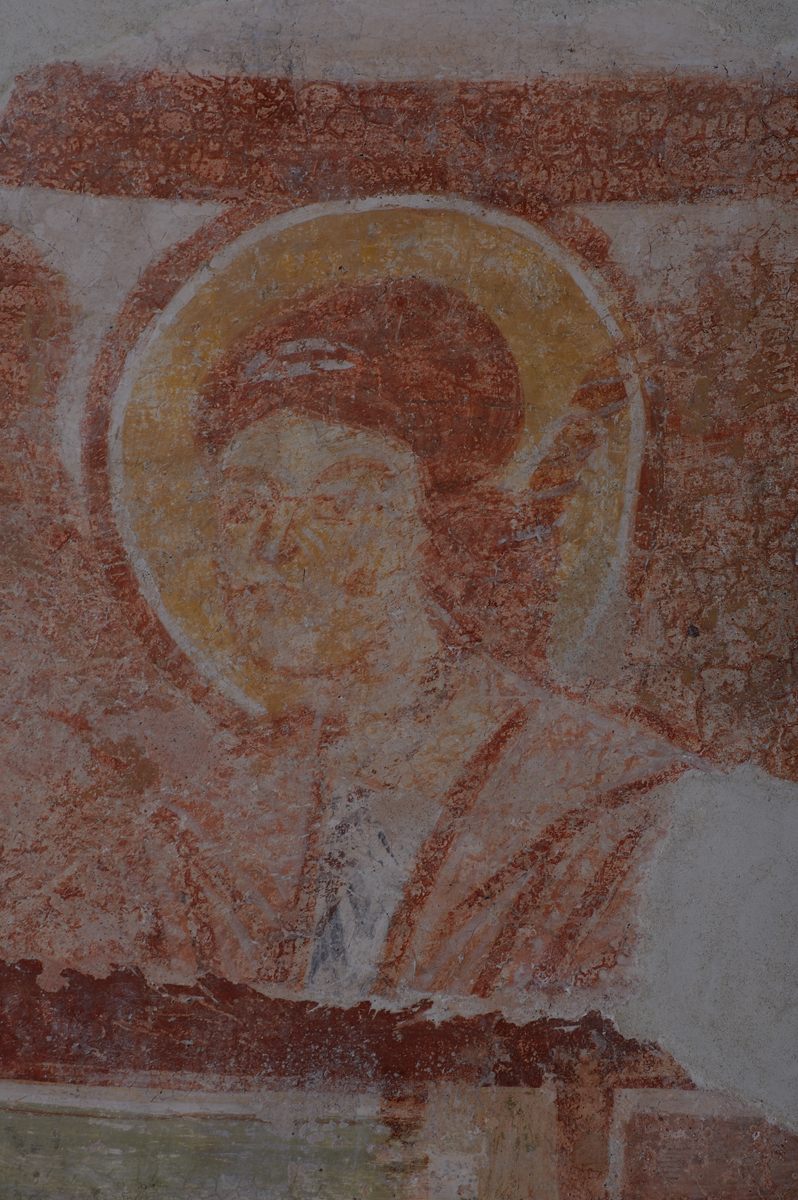
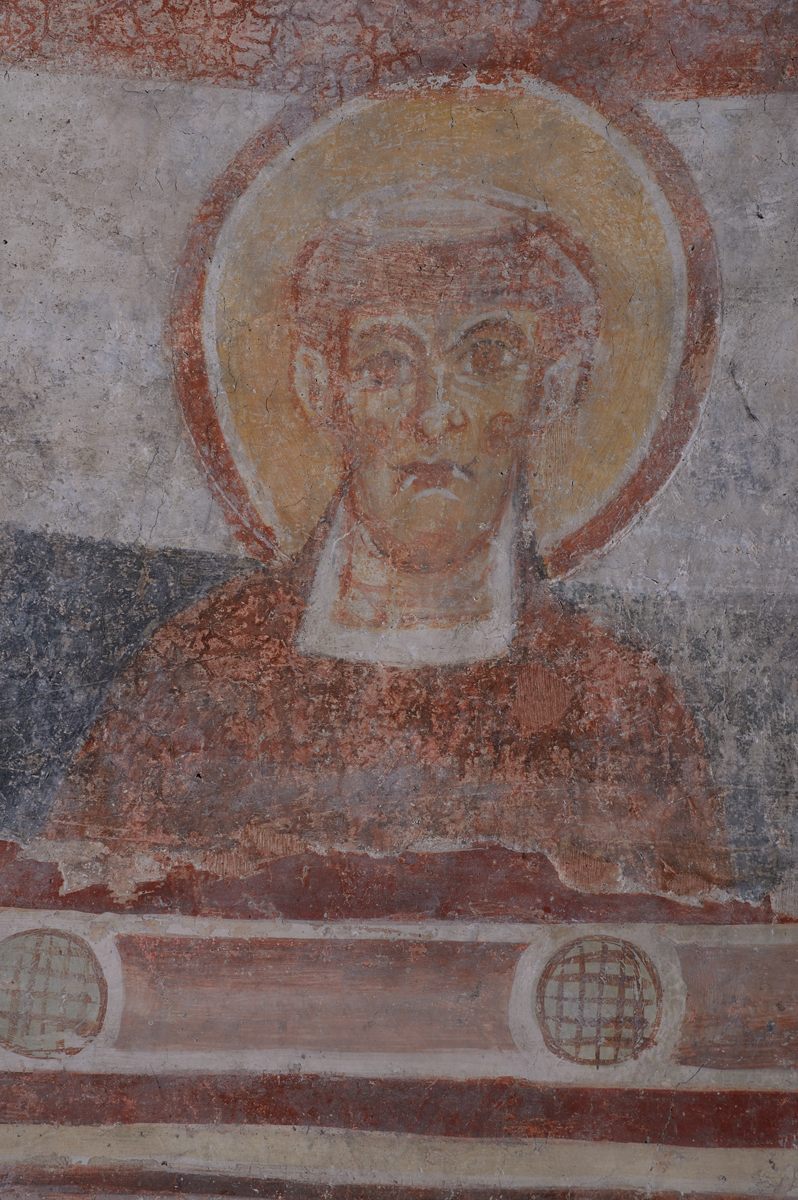
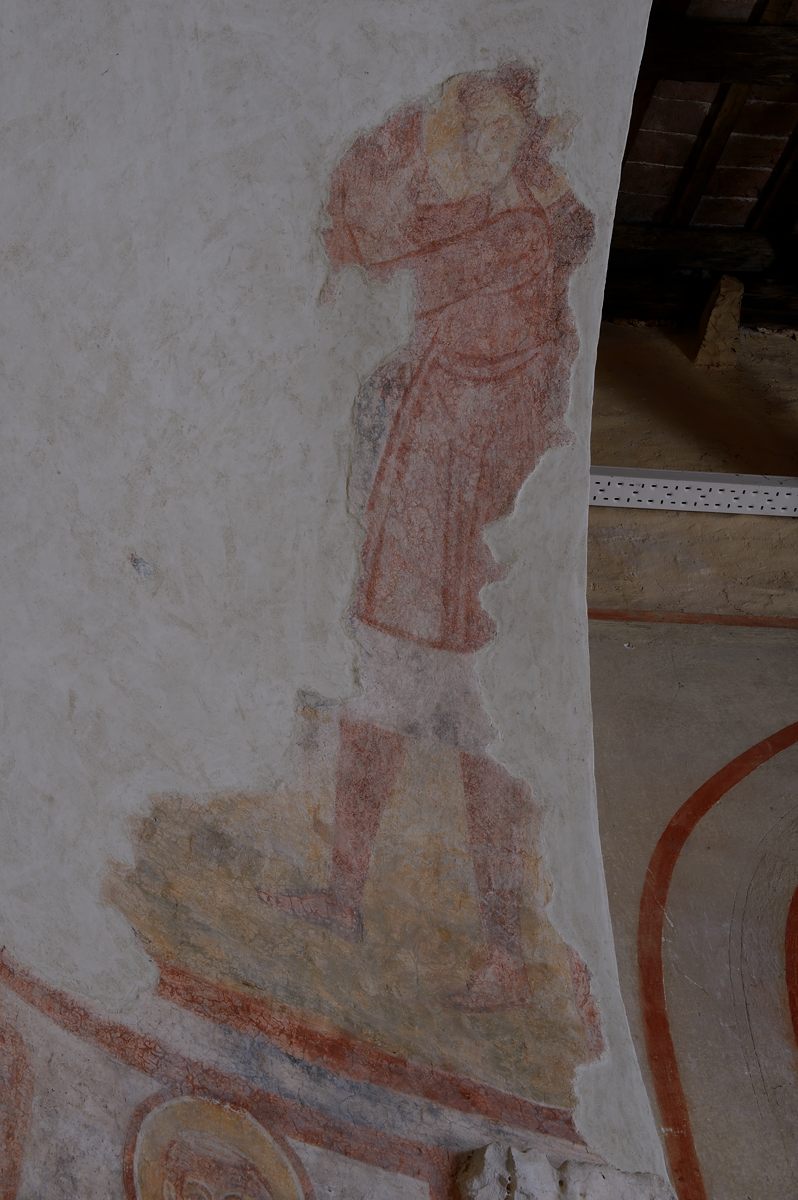
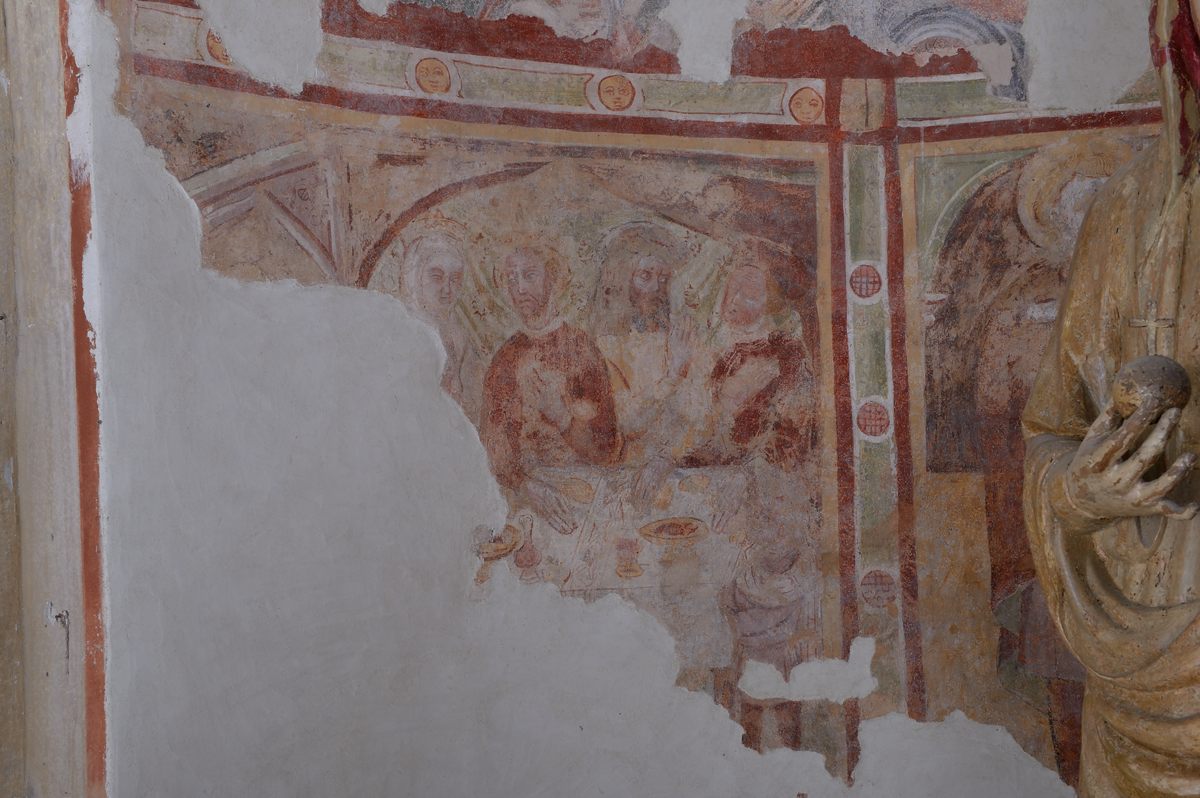
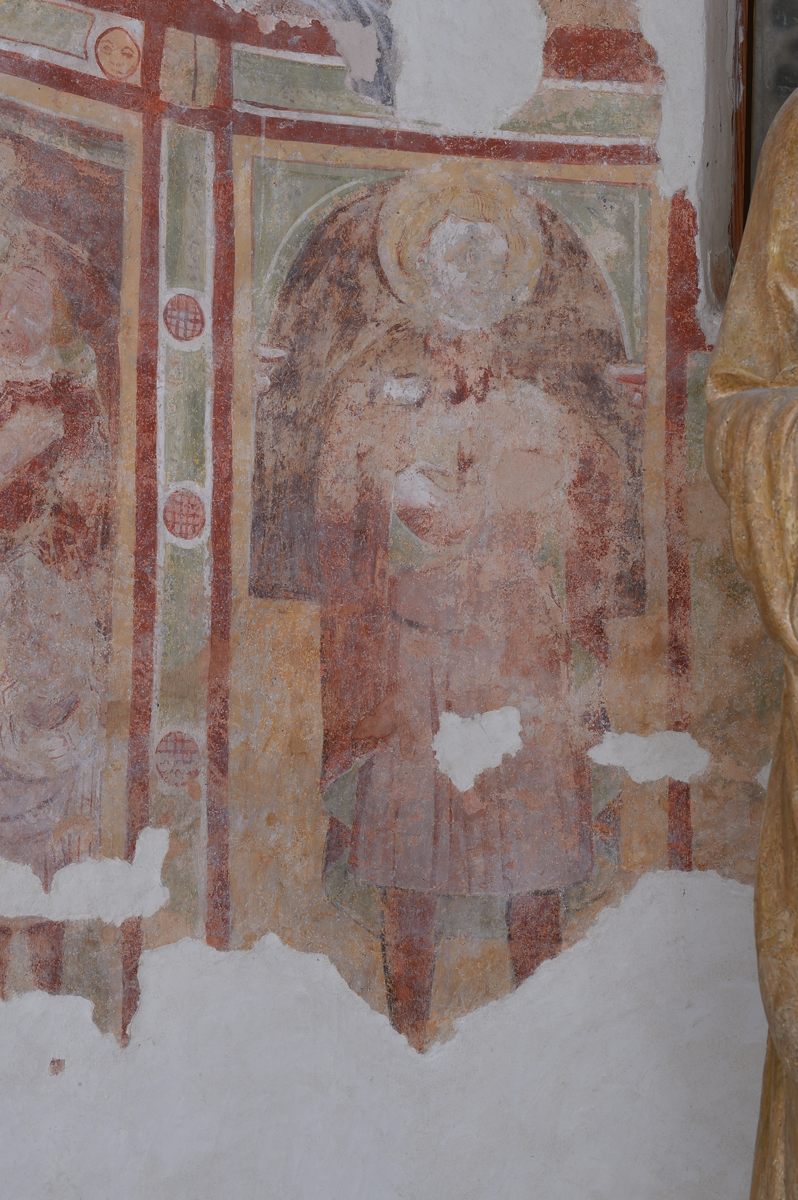
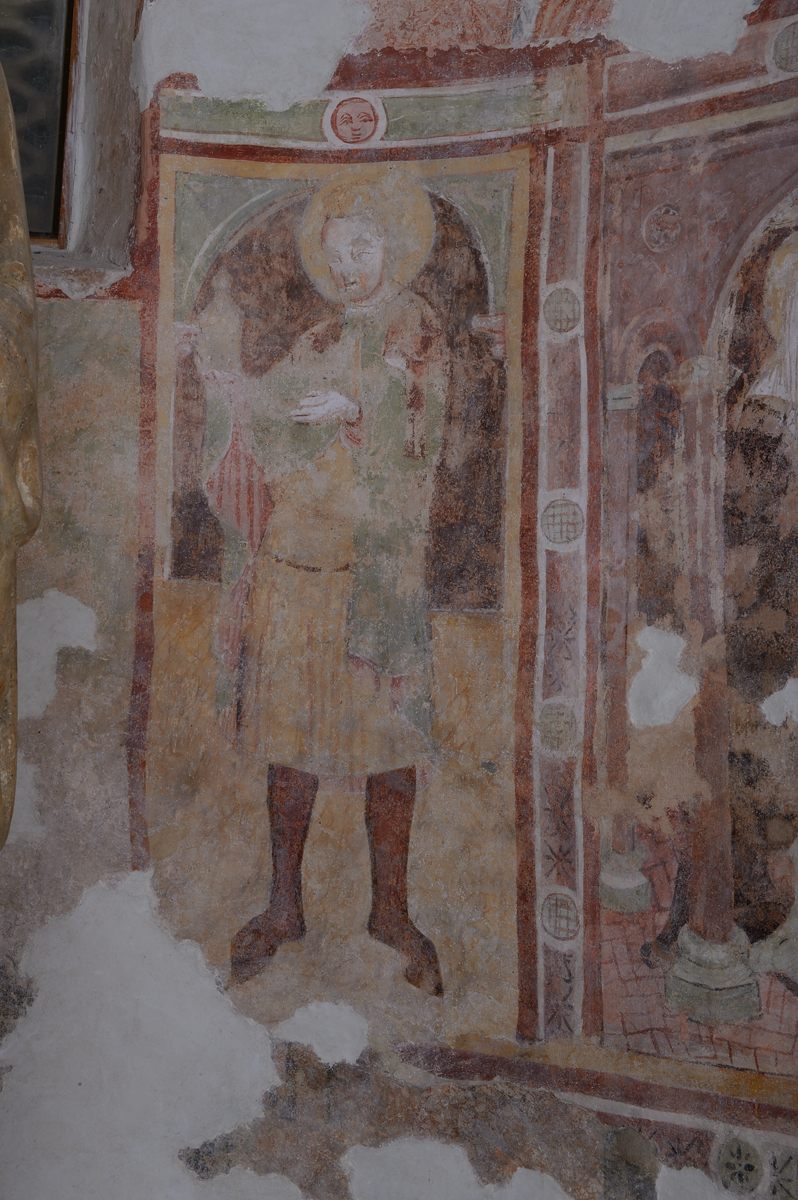
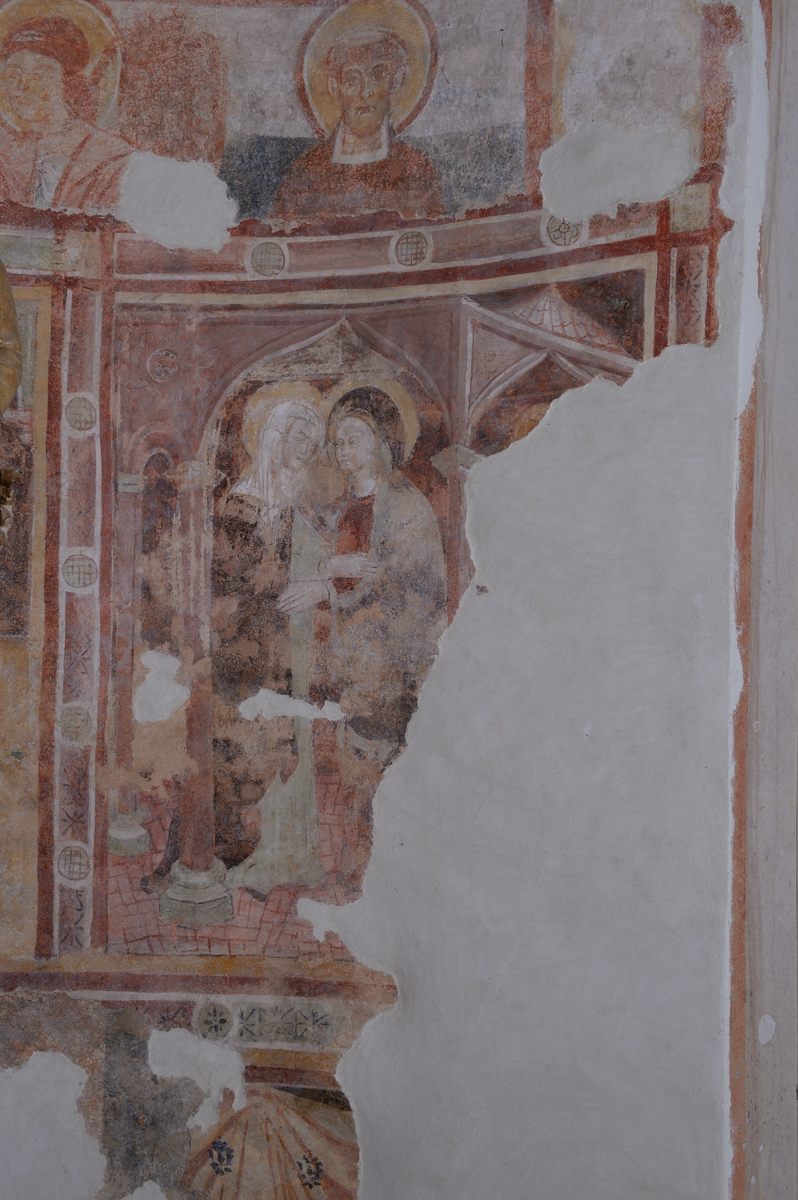
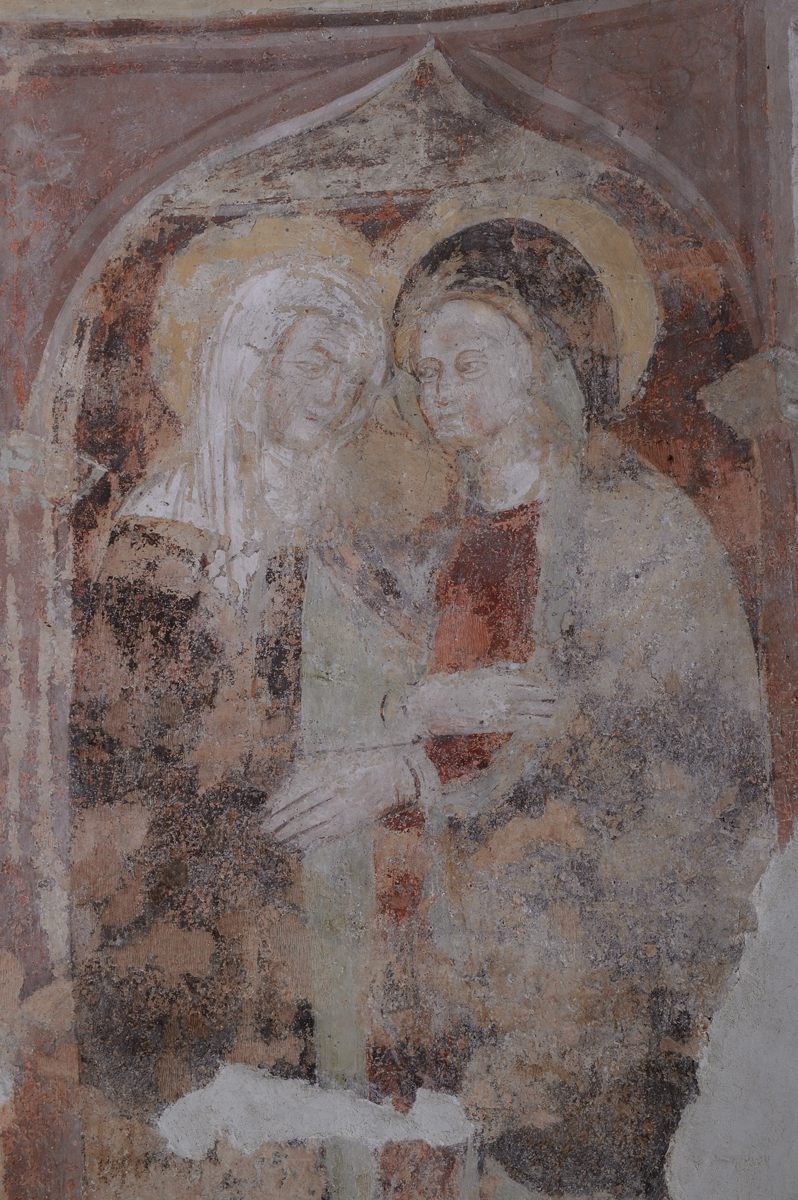
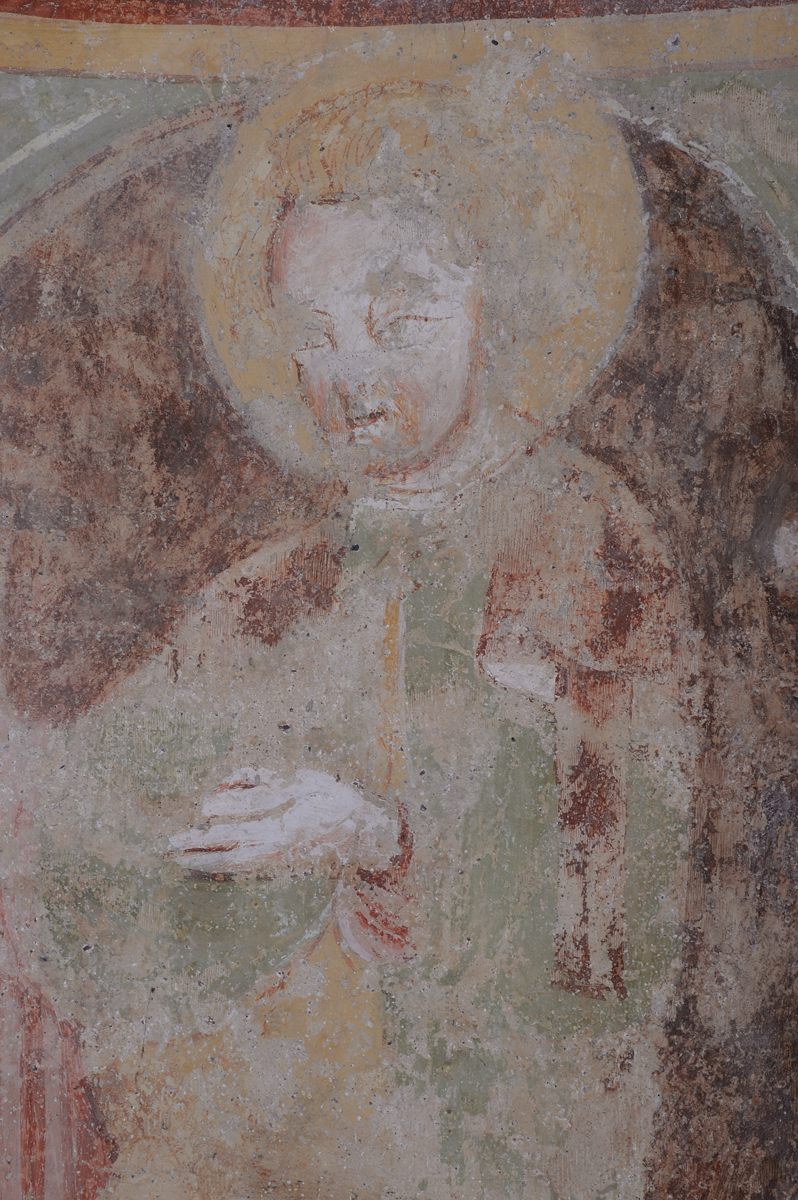
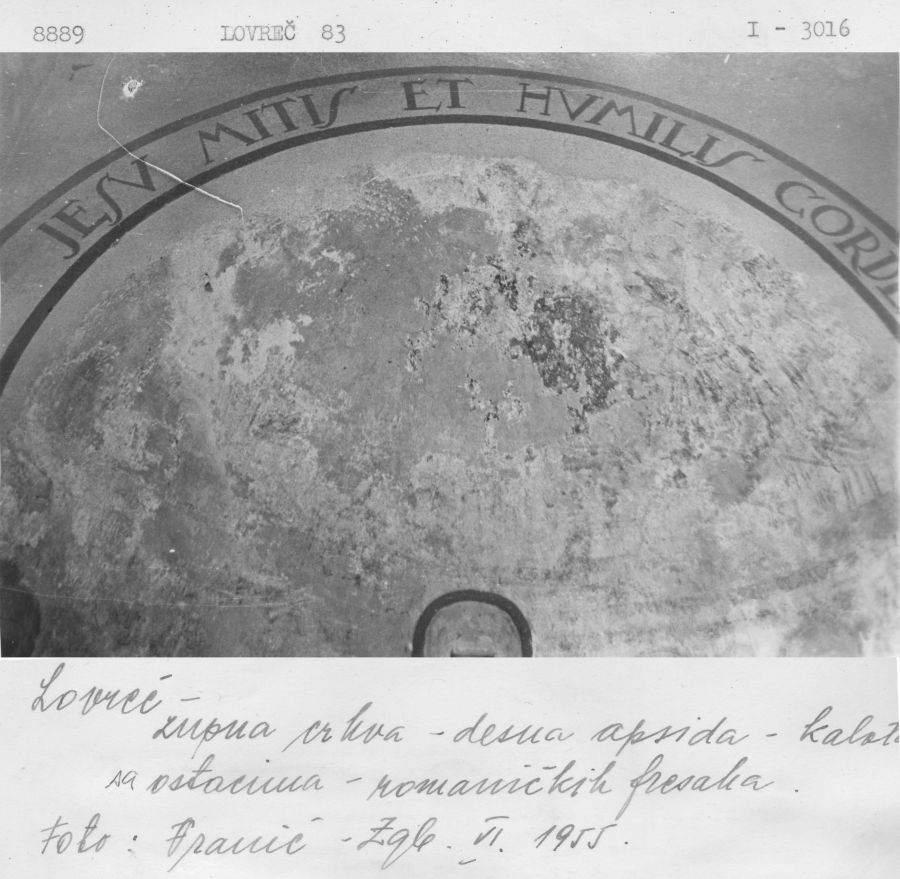
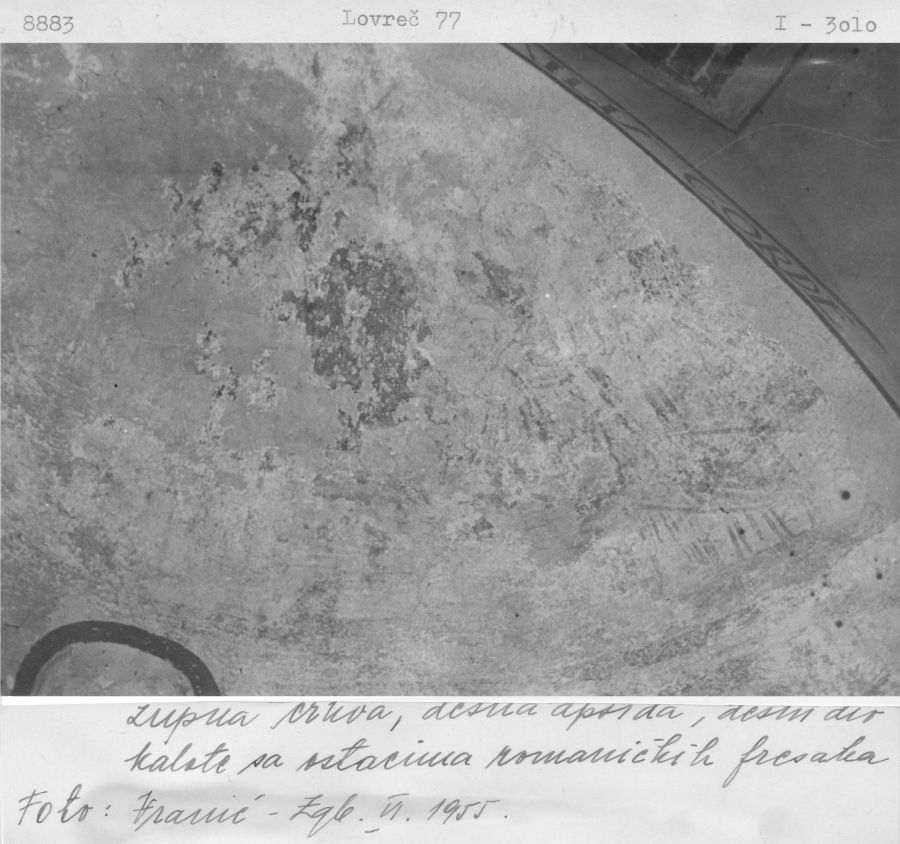
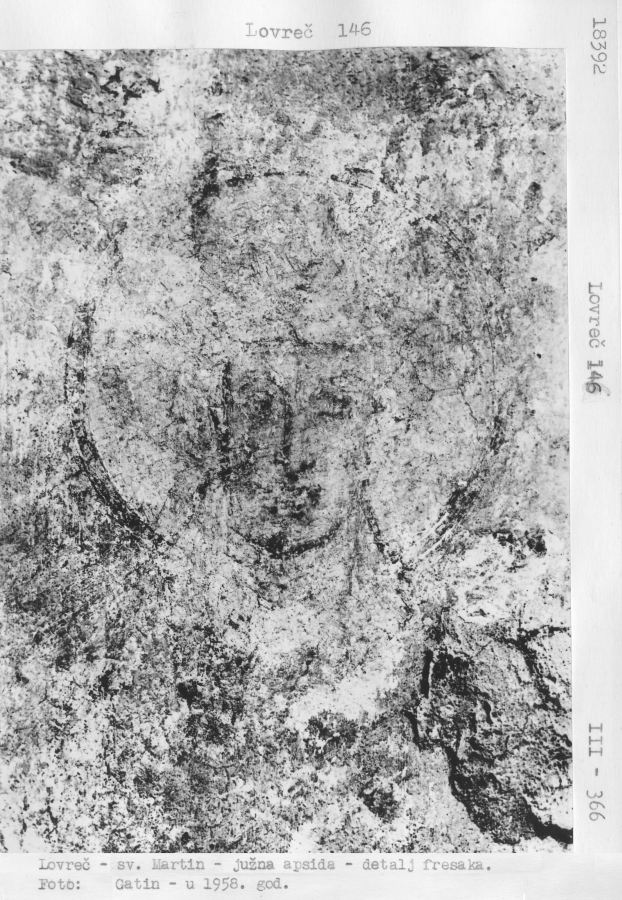
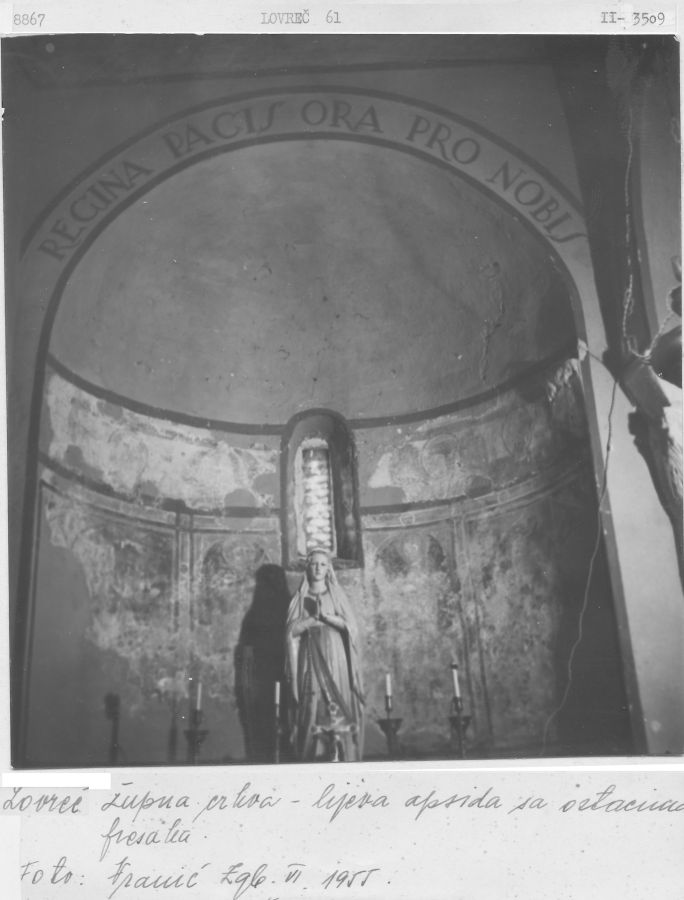
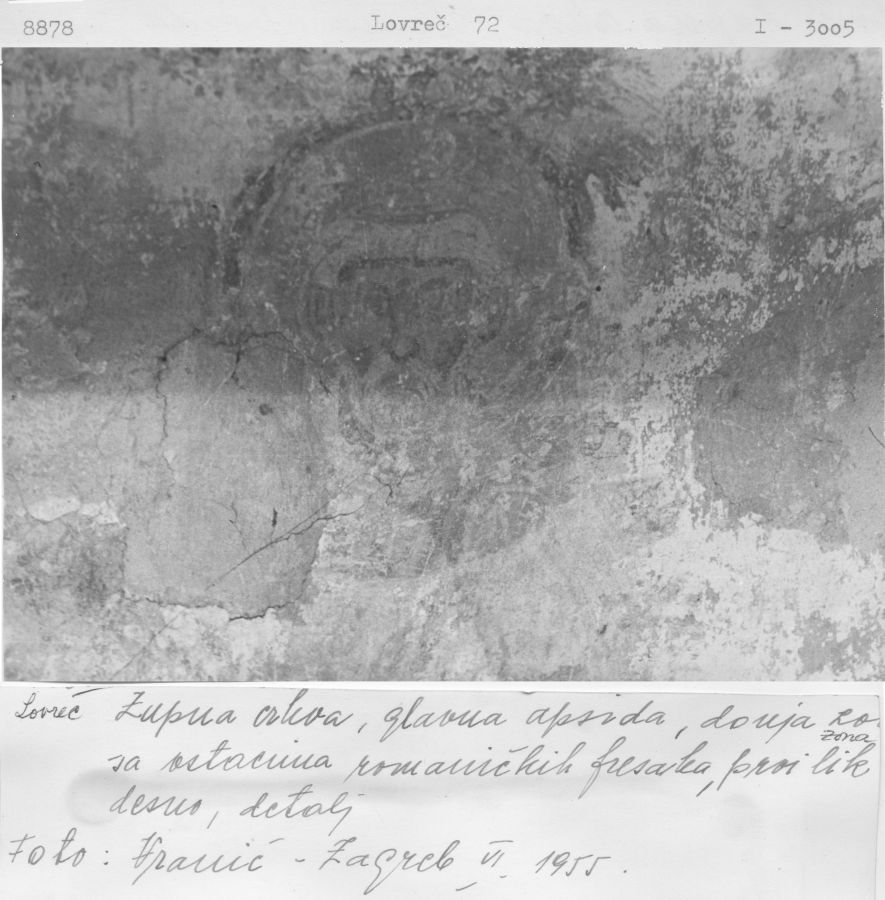
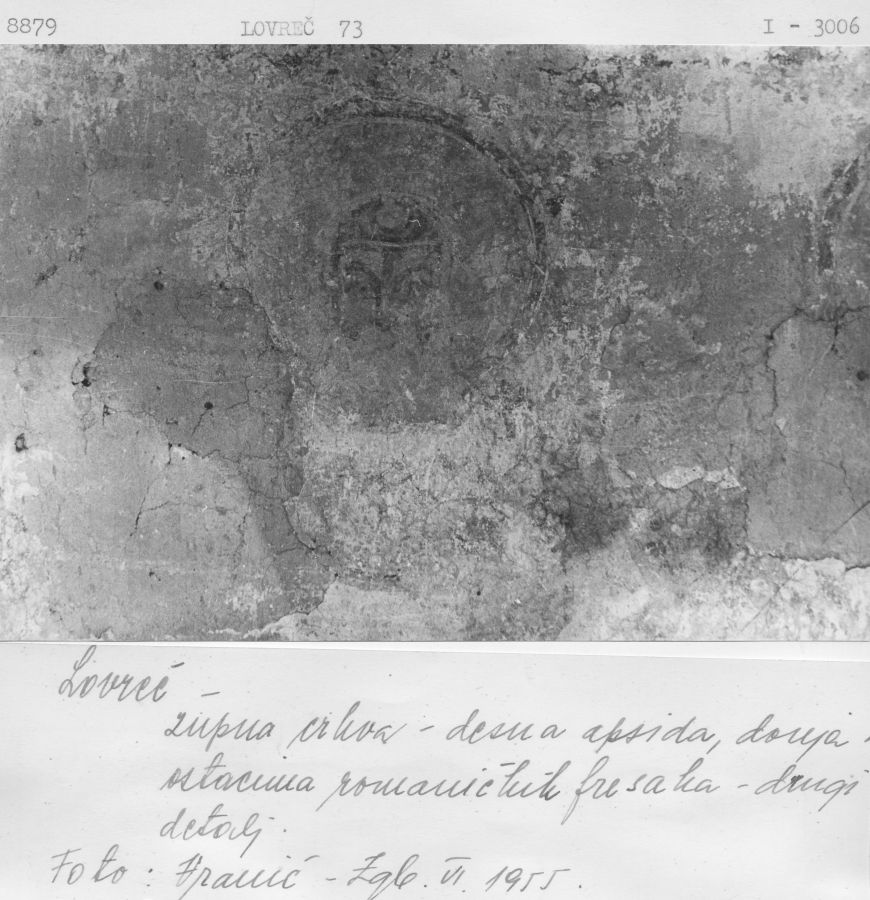
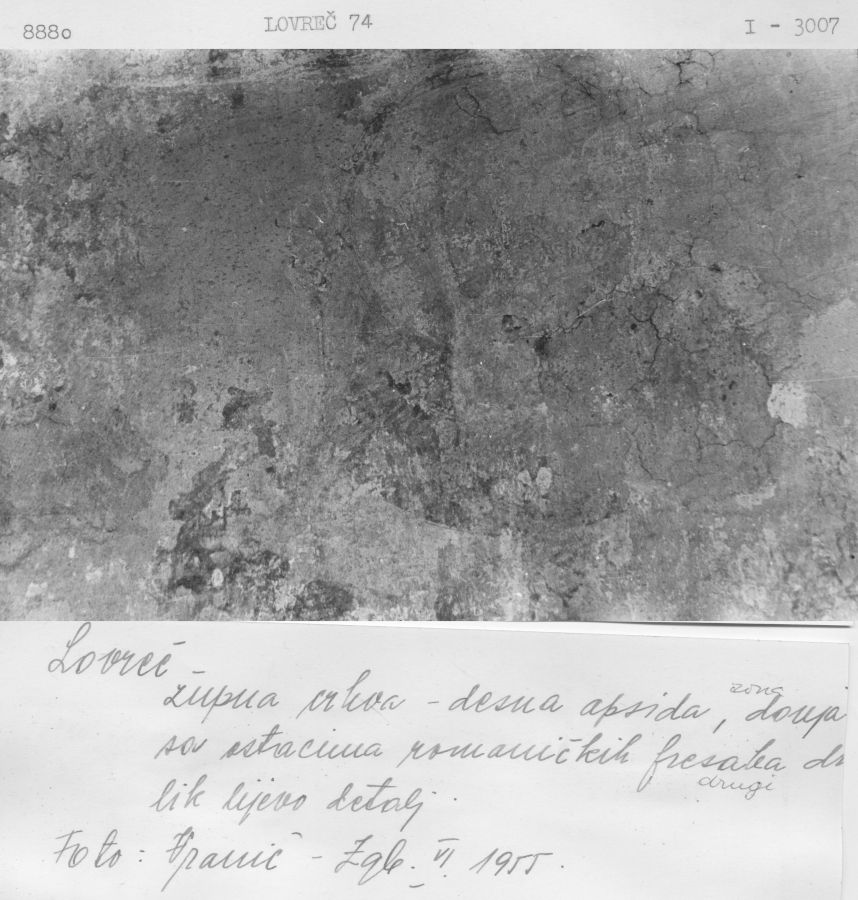
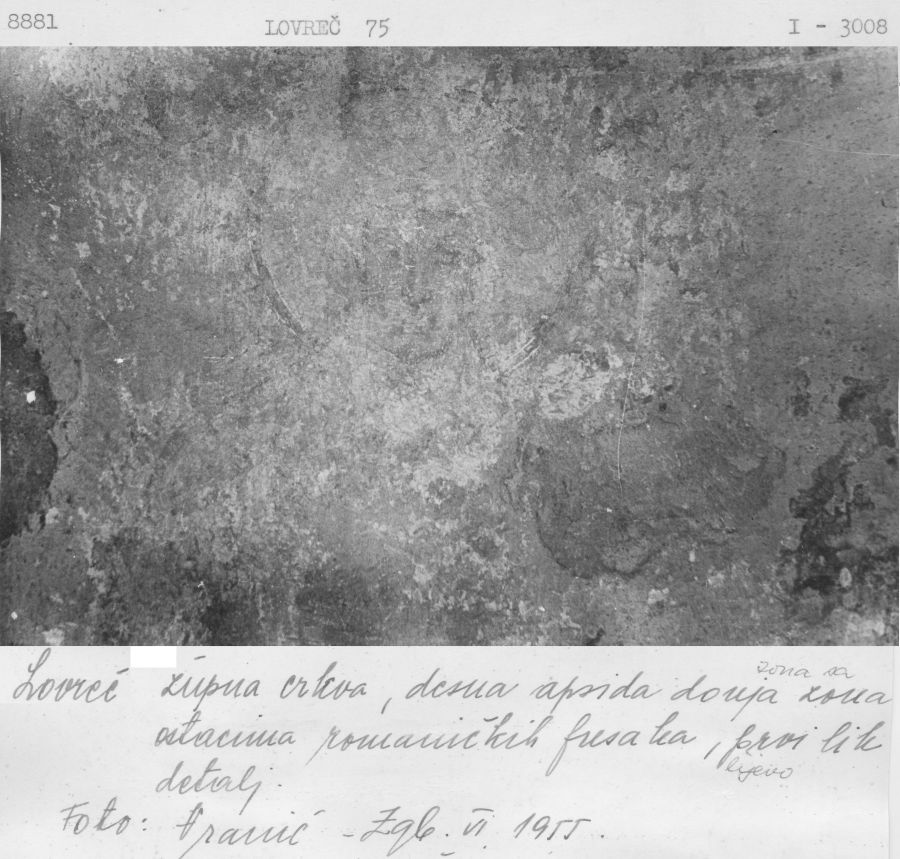
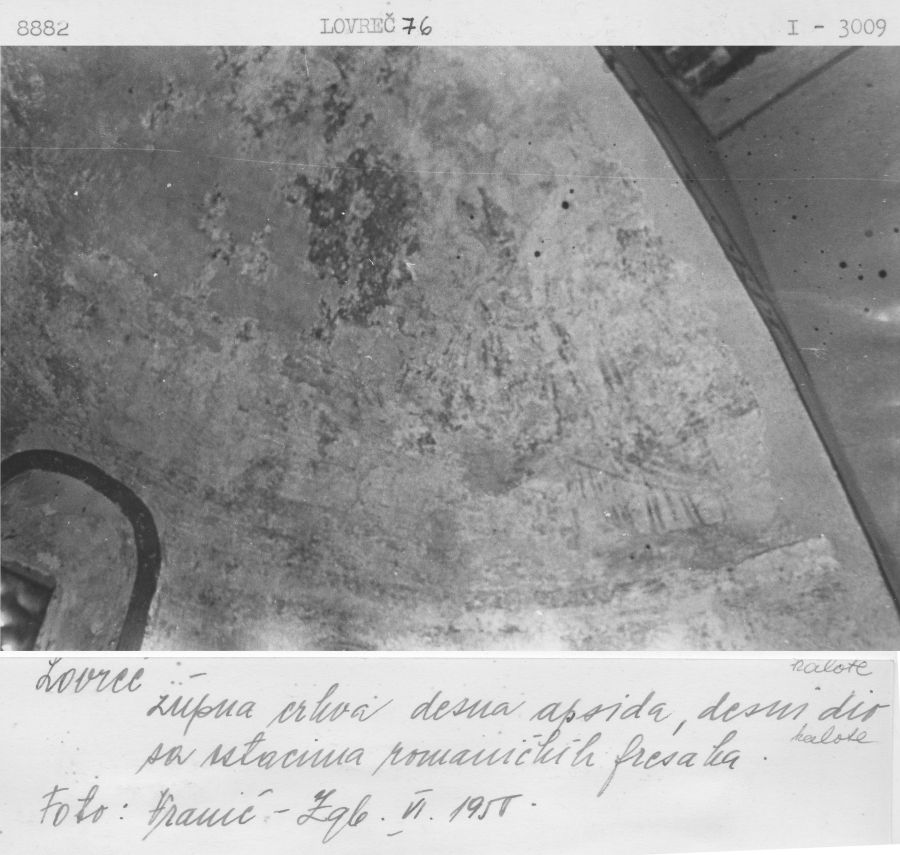
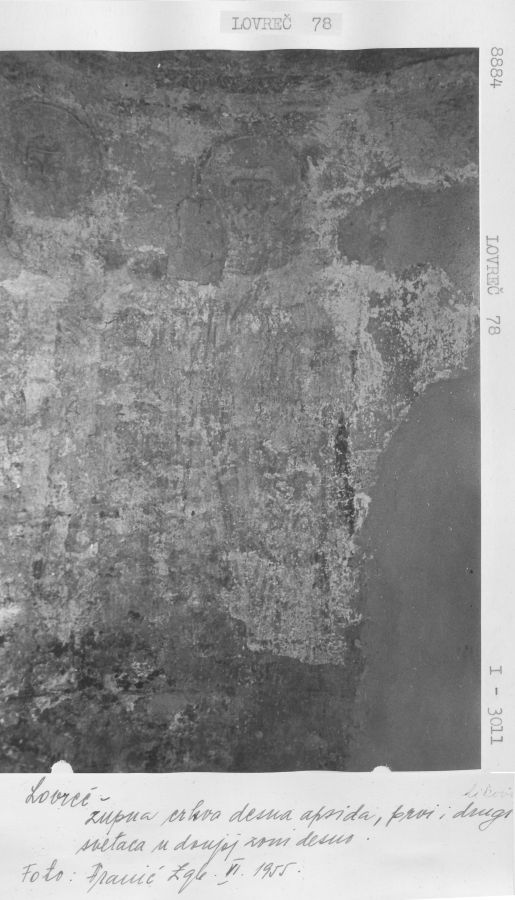
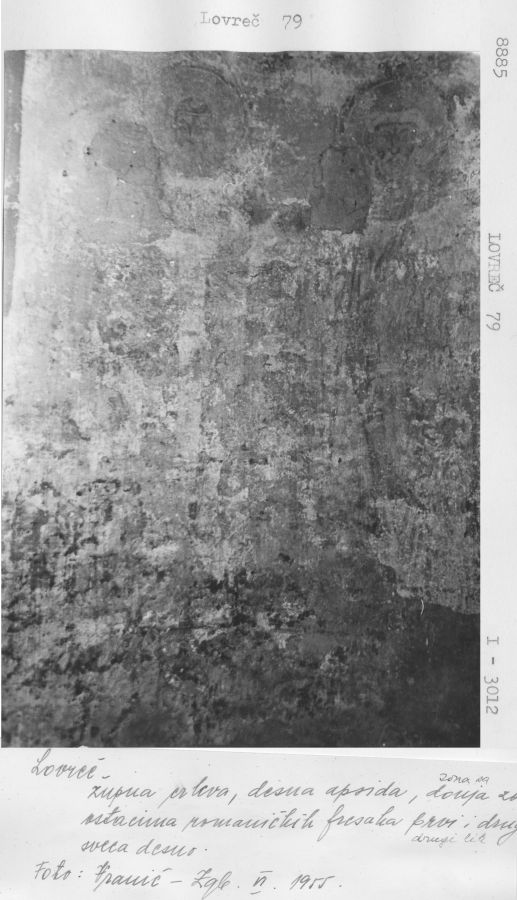
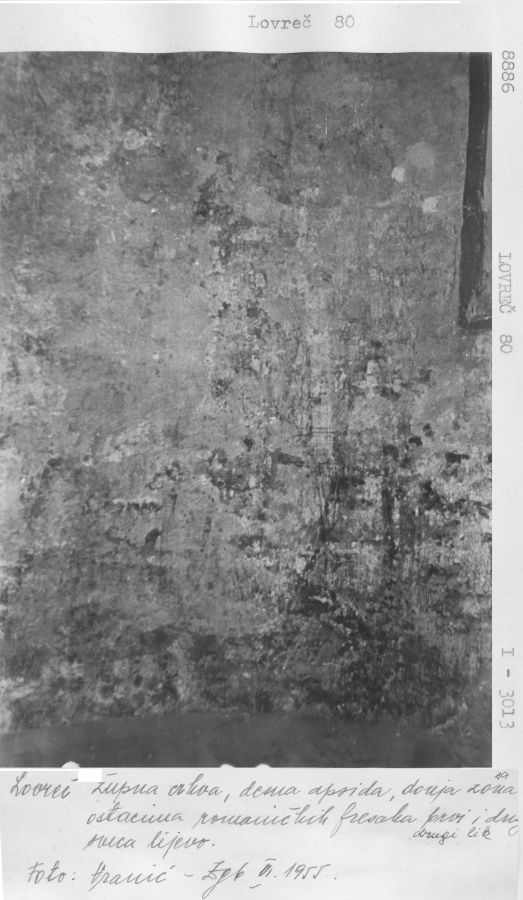
The wall paintings have been preserved in the side apses and fragmentarily in the nave. Their stylistic features align with the Ottonian and post-Ottonian painting corpus of Southern Germany and Northern Italy. Based on formal and stylistic characteristics, the Sveti Lovreč frescoes are associated with painters trained in the region of Bavaria and are dated to the mid-11th century.
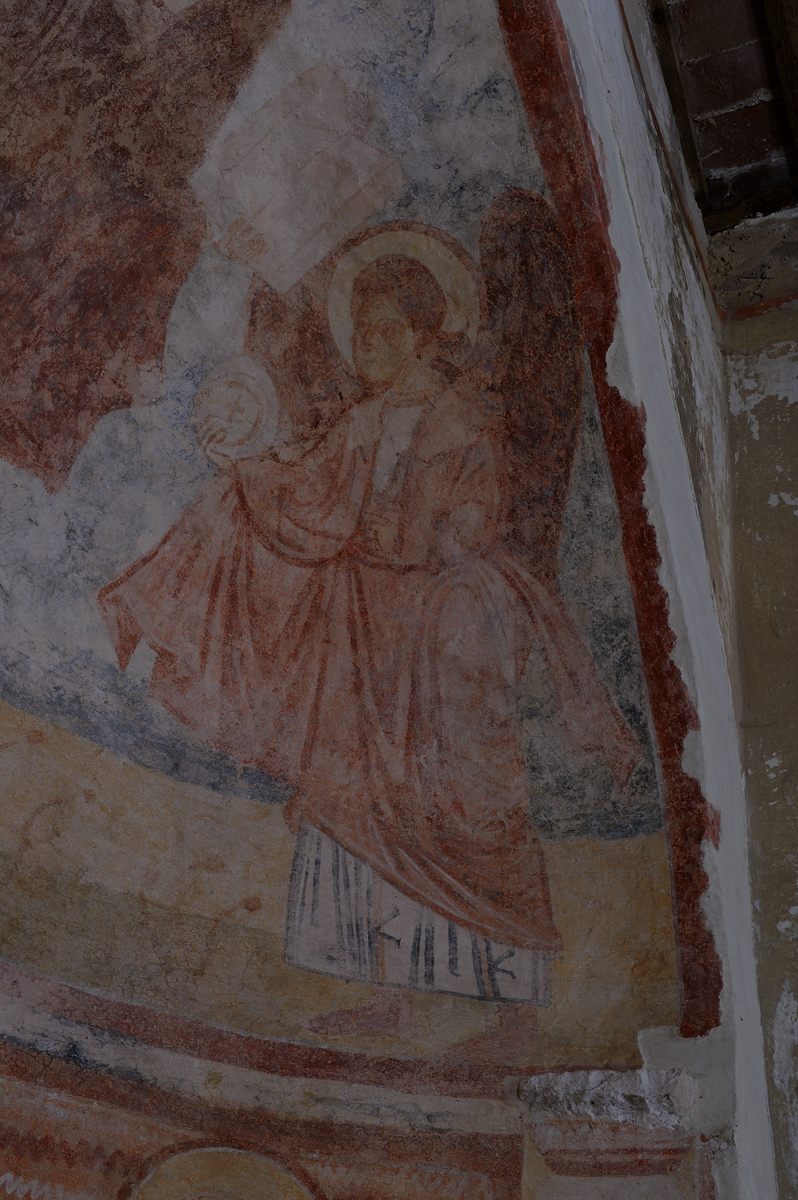
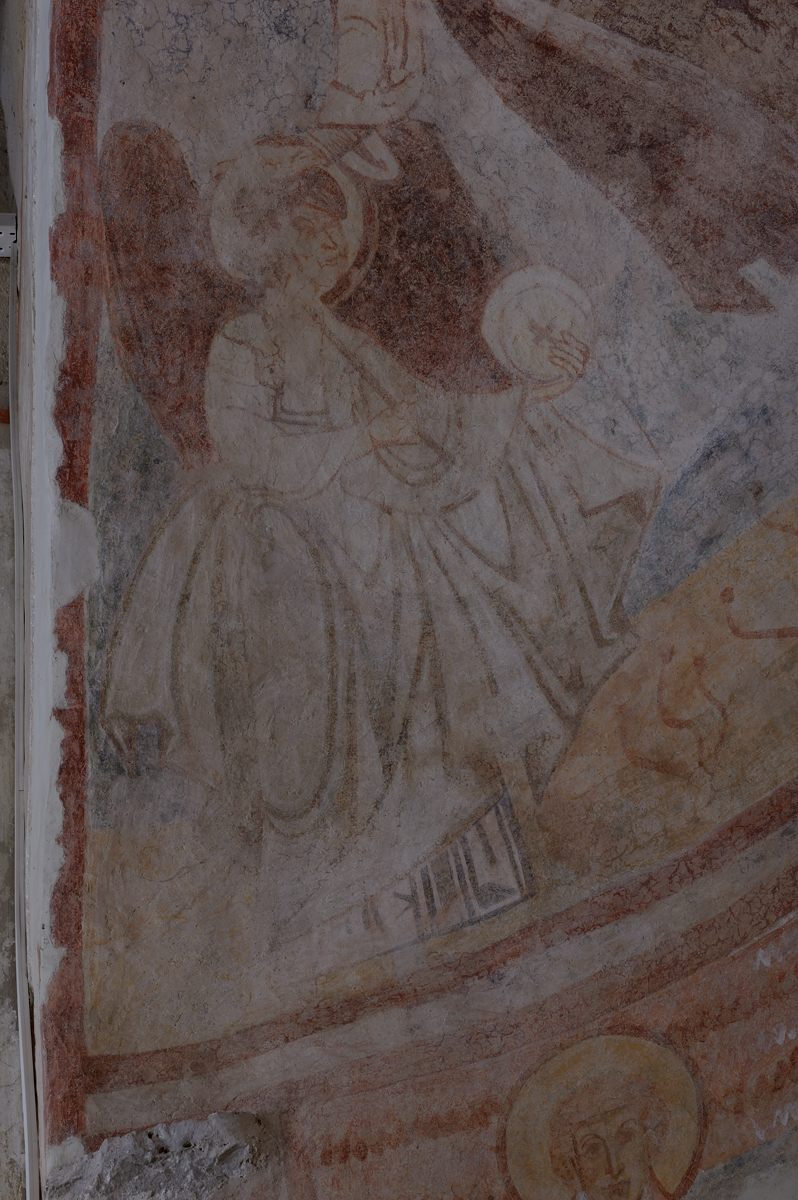
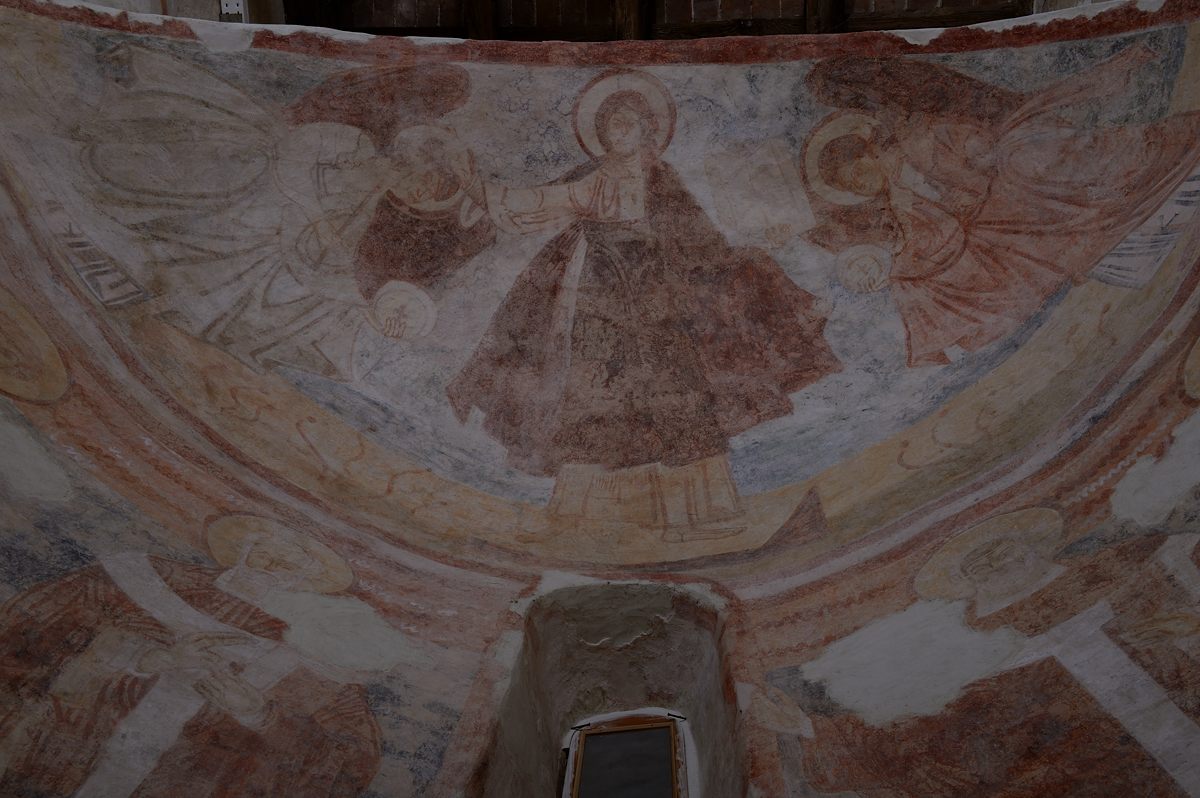
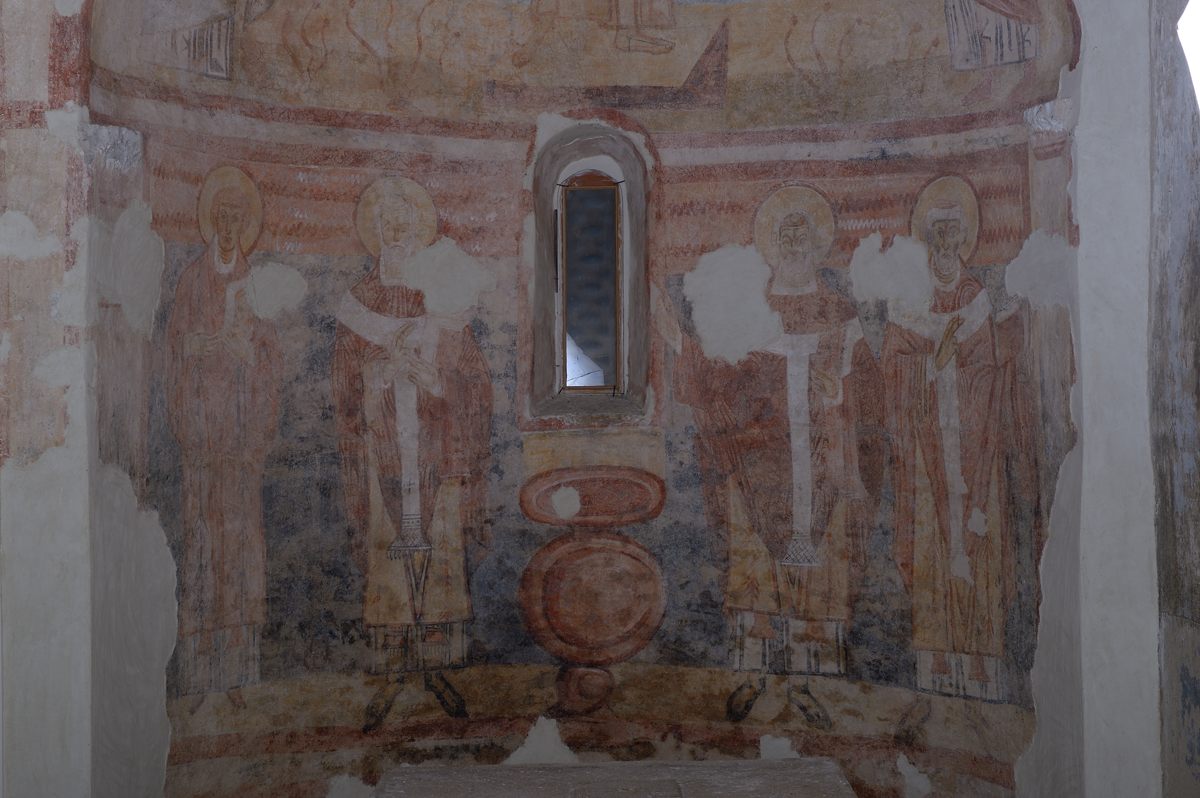
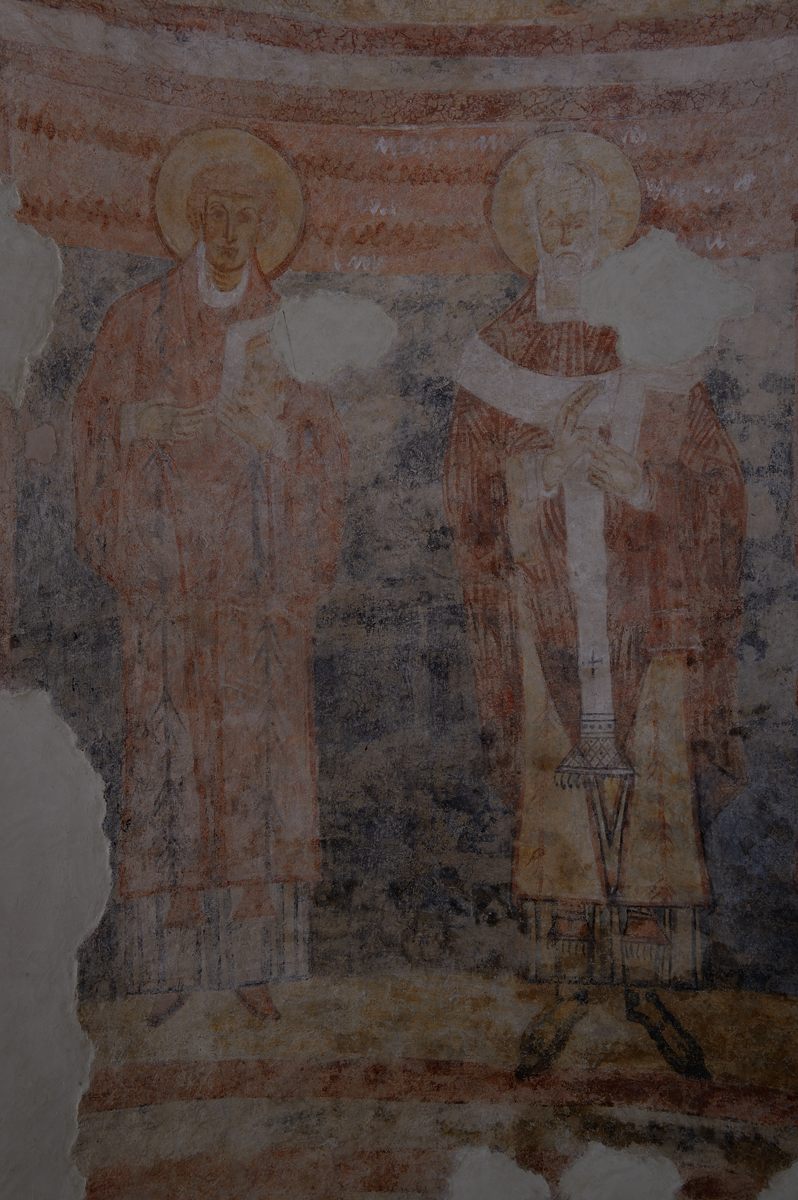
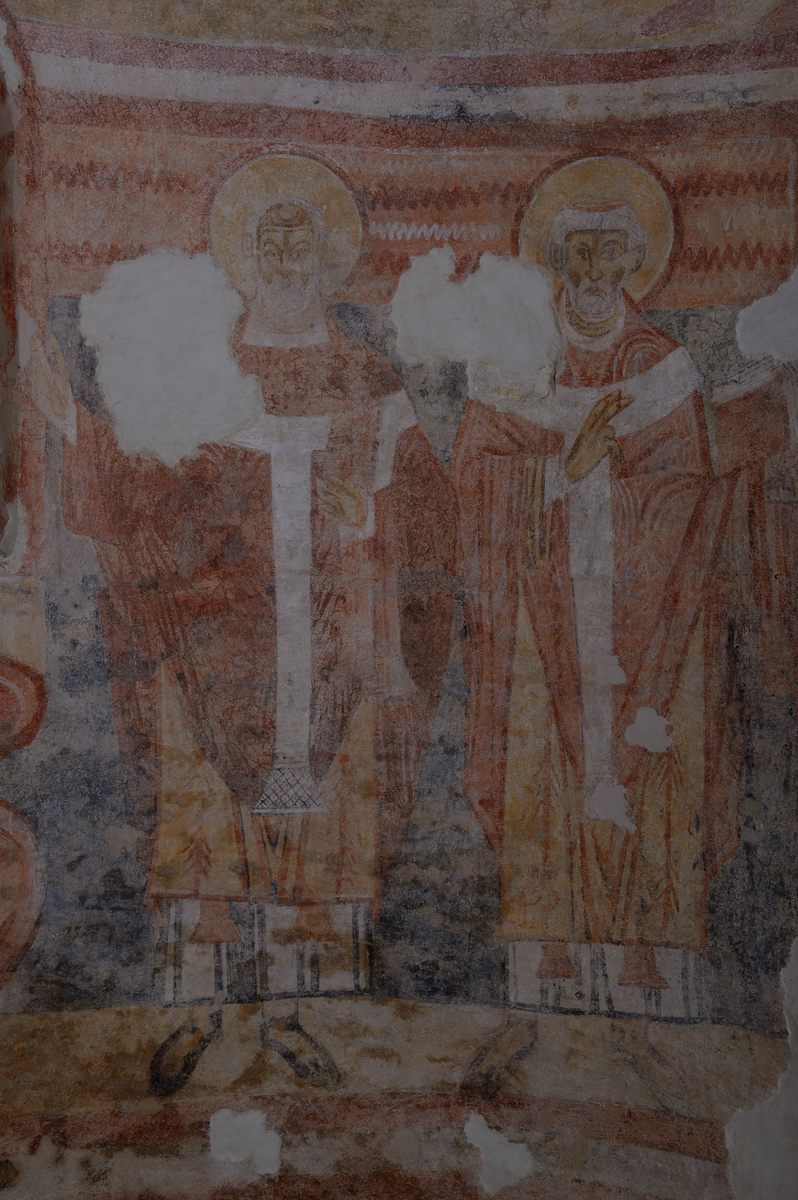
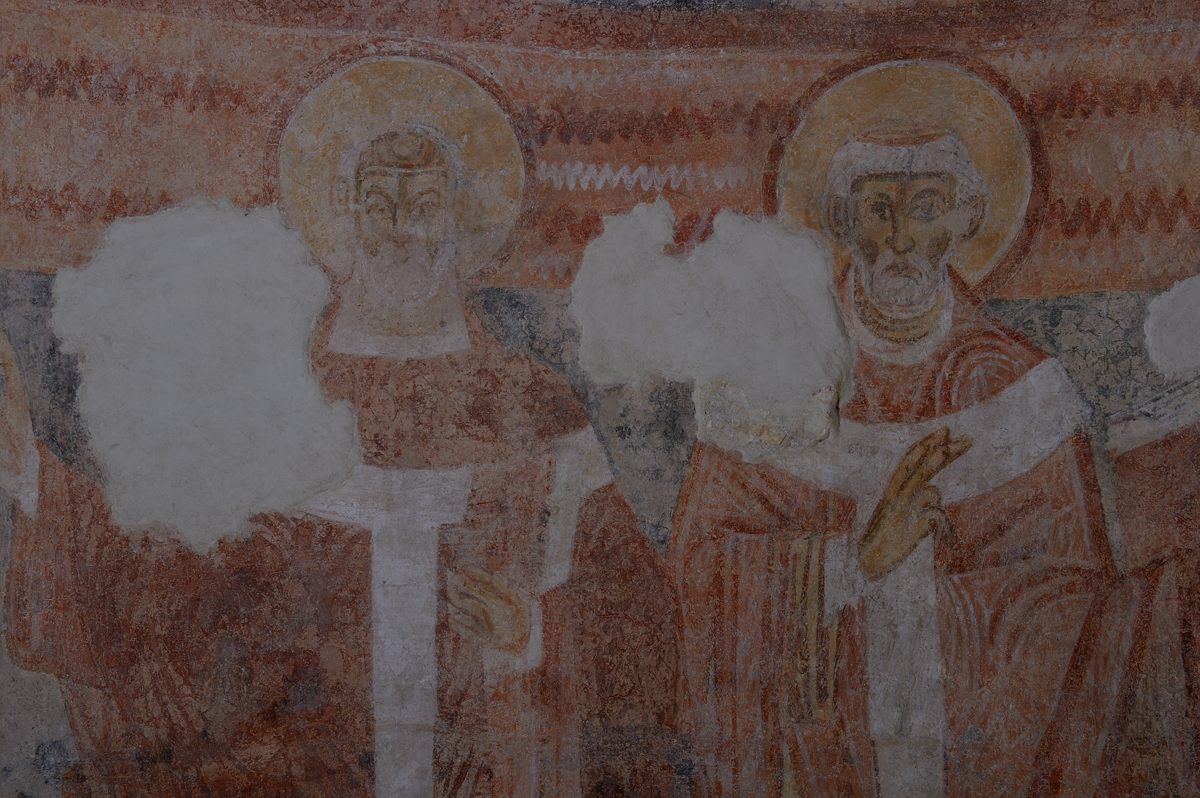
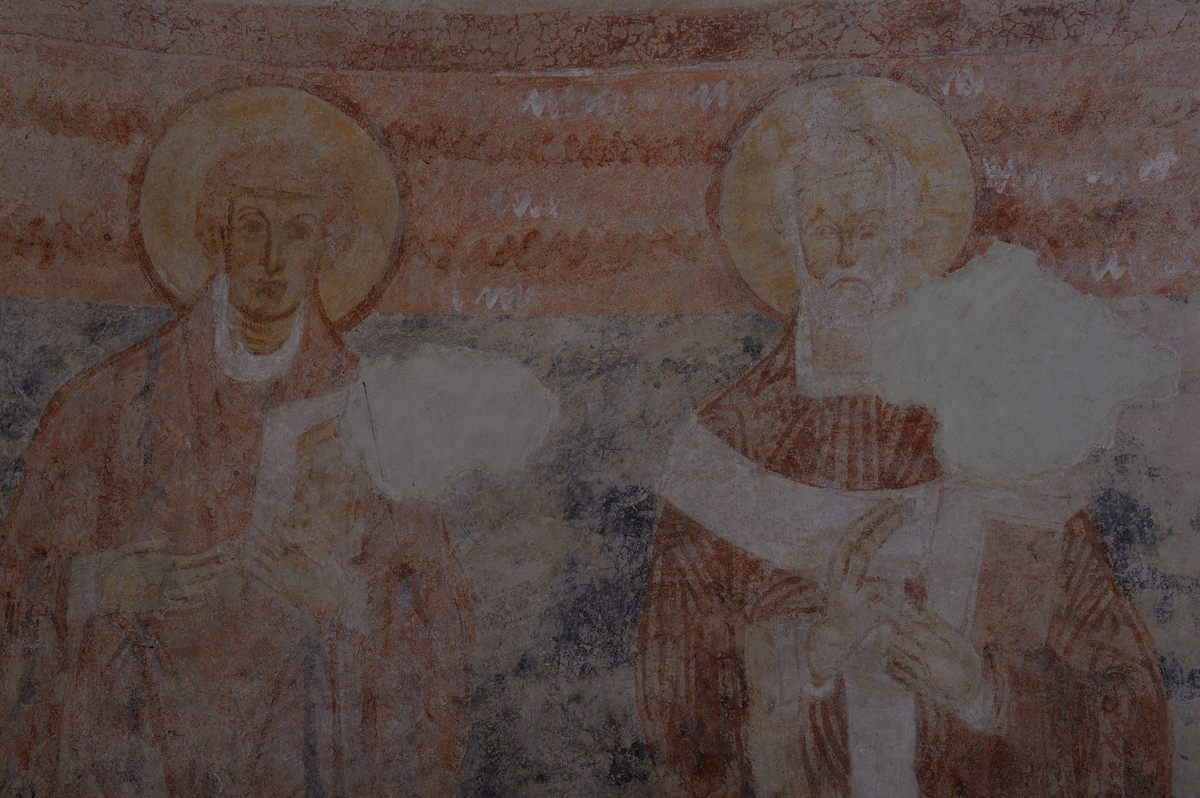
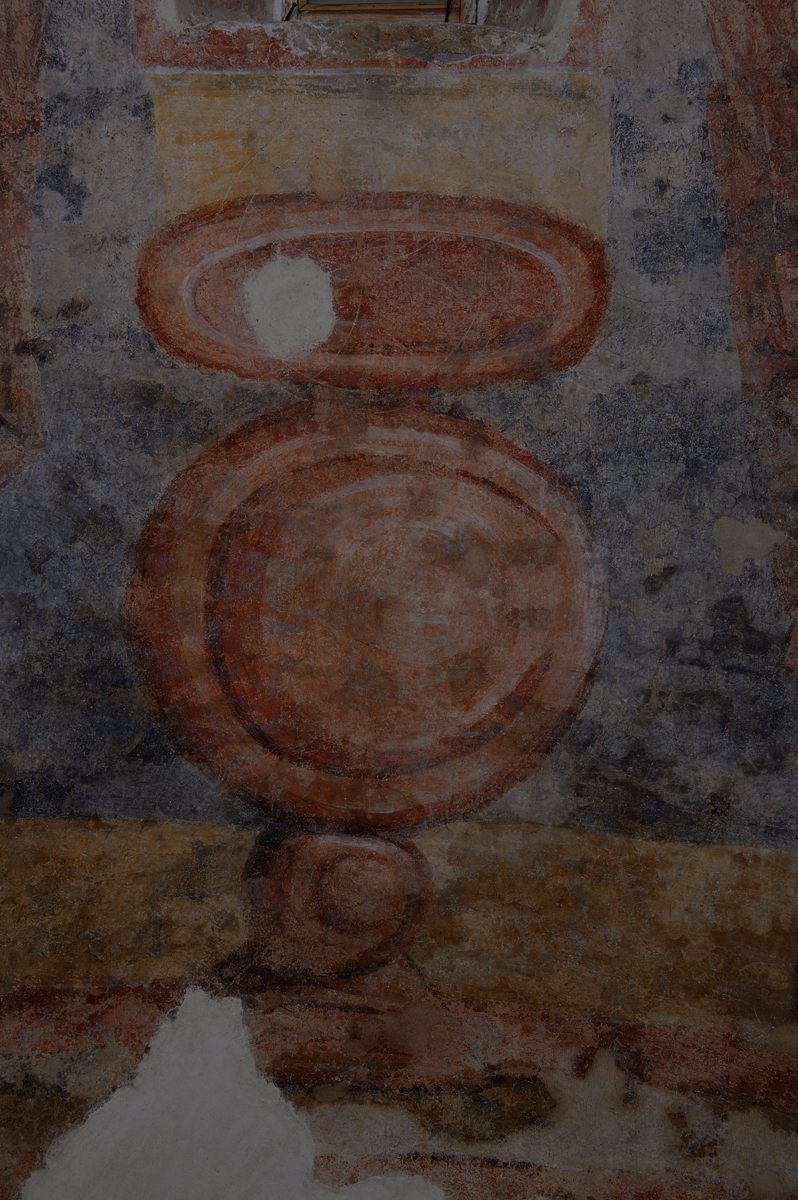
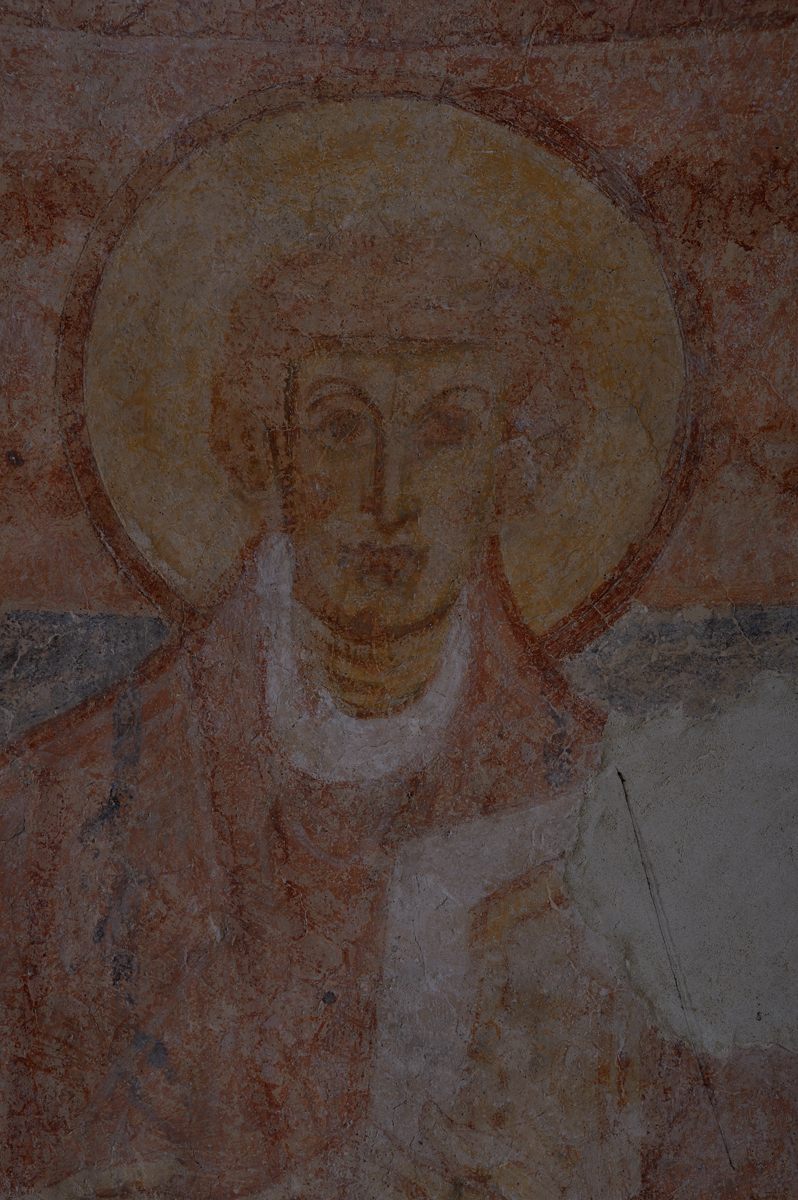
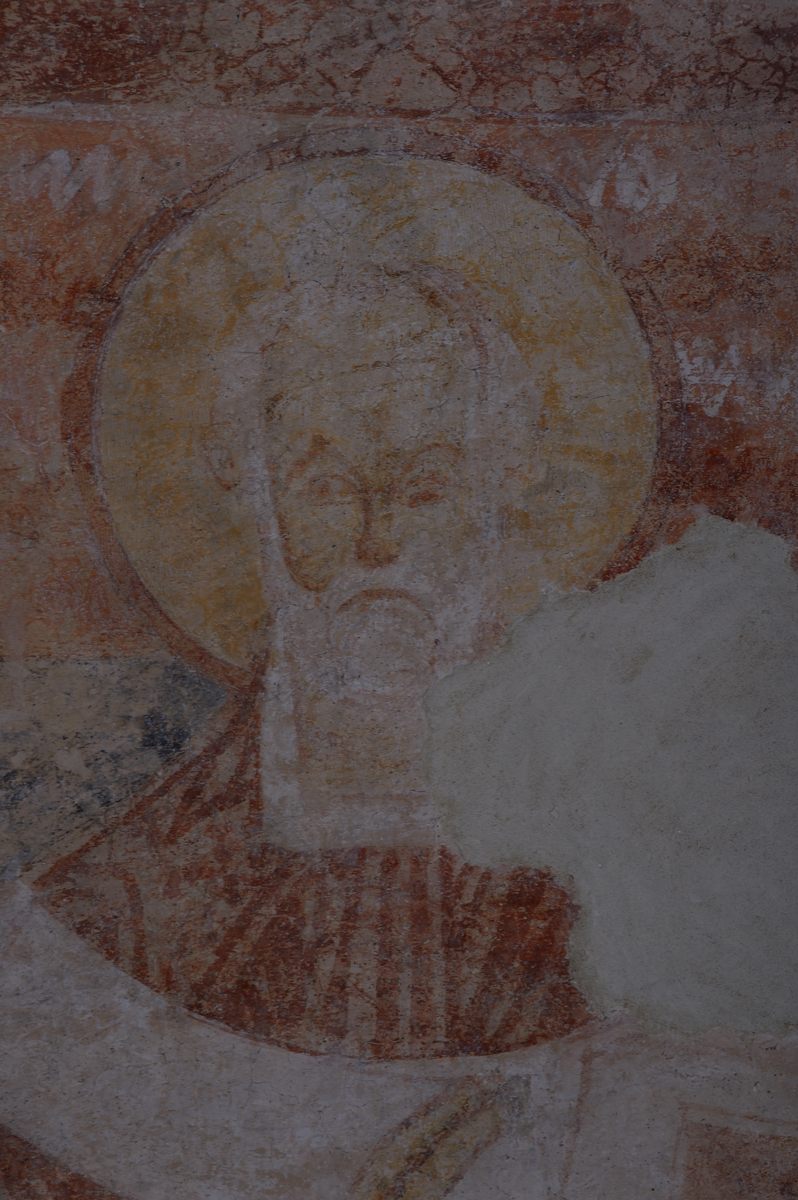
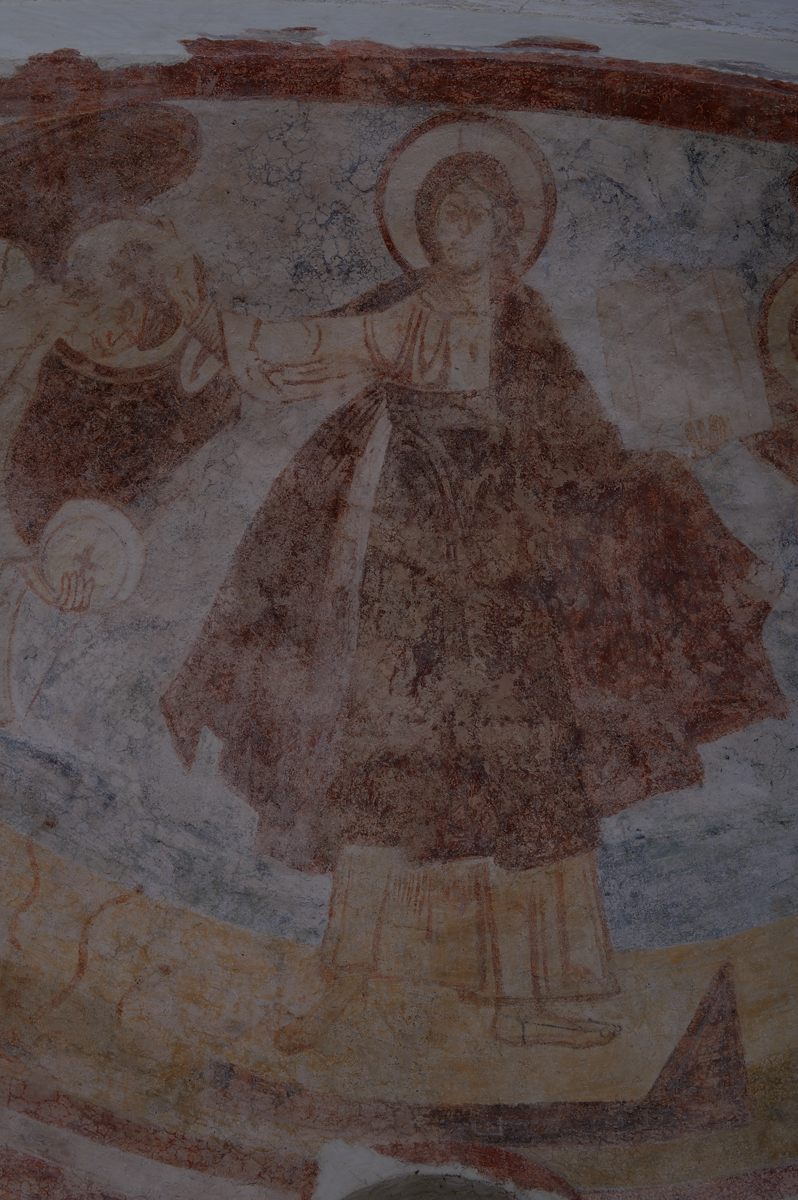
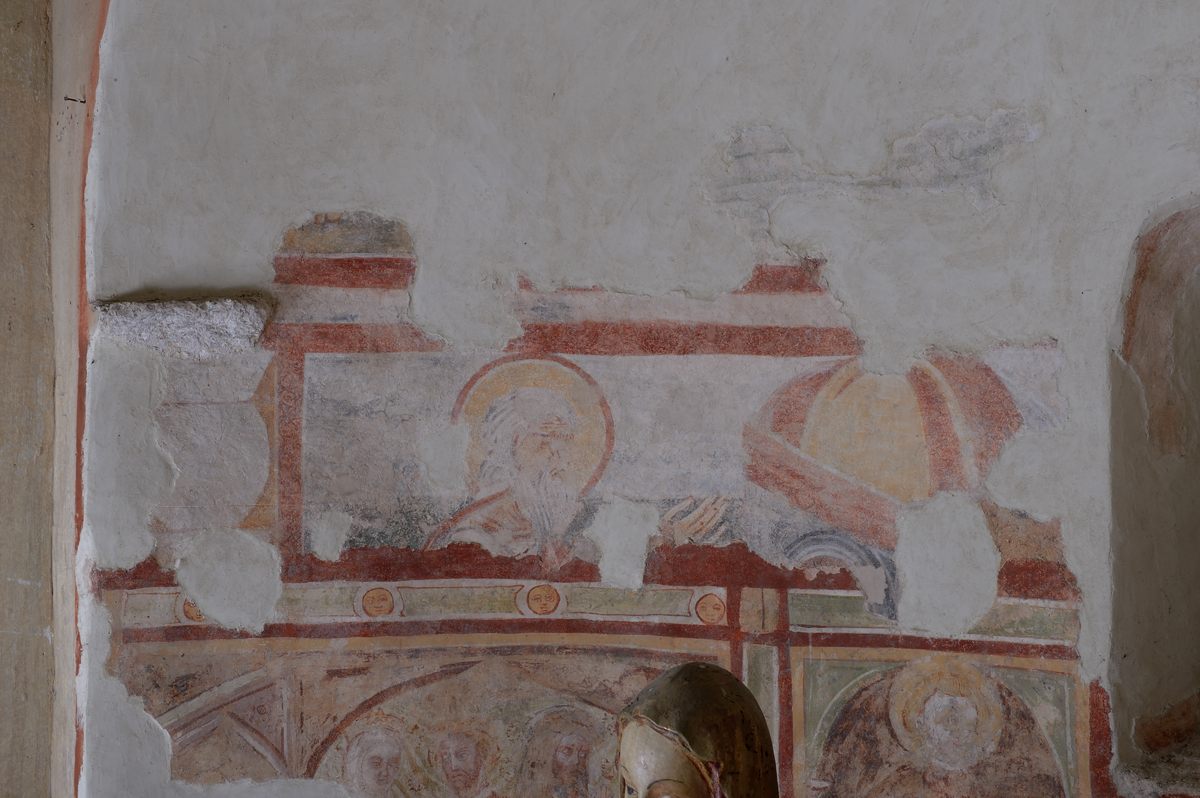
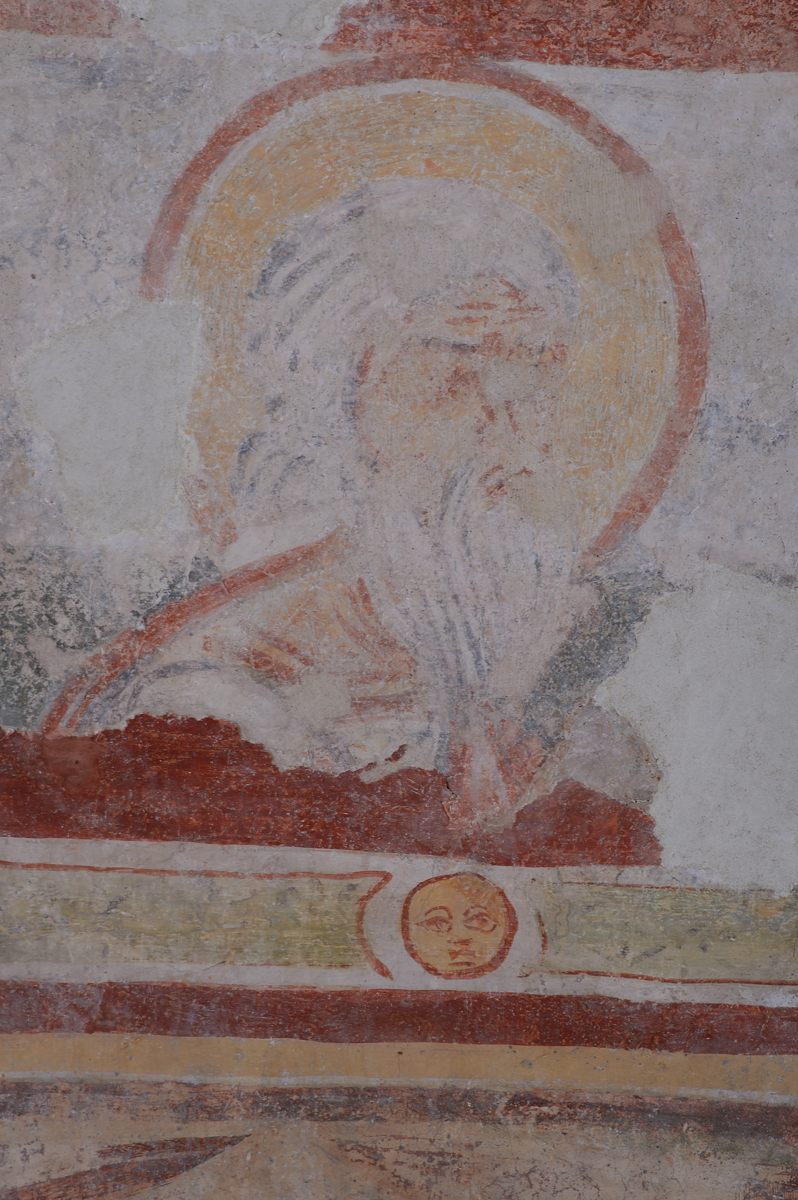
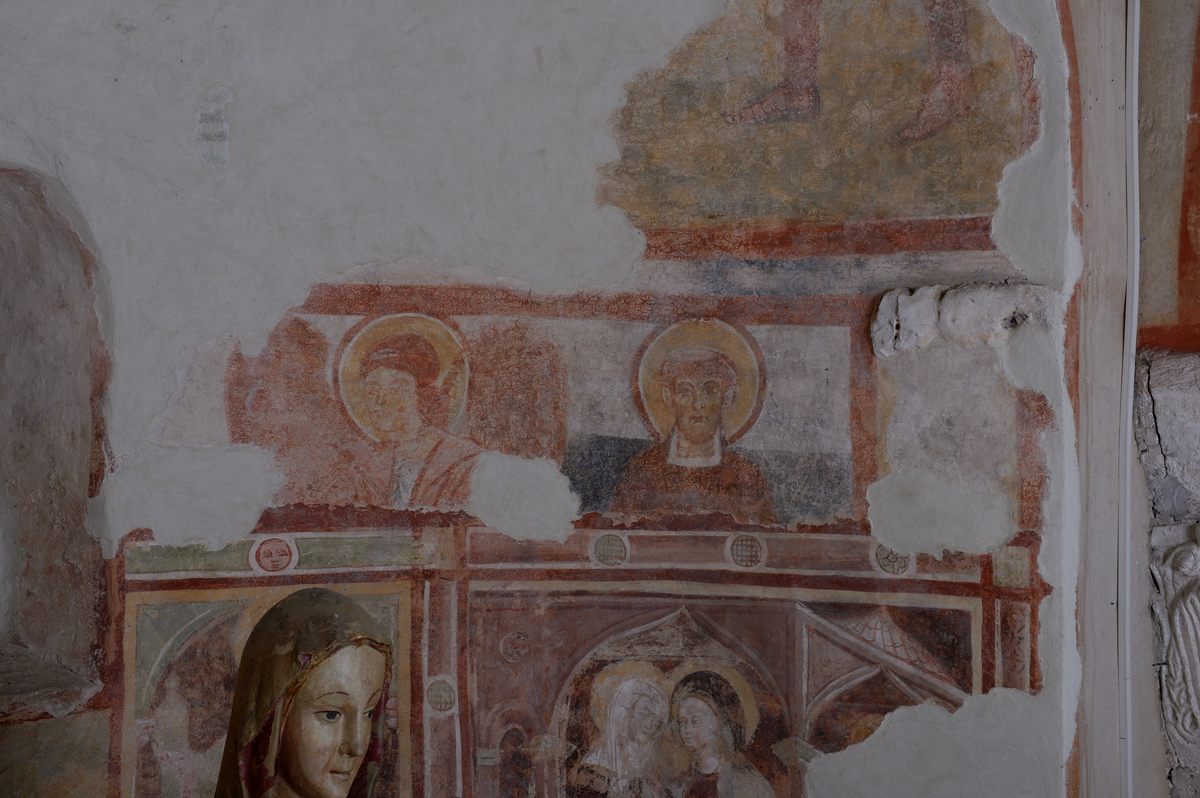
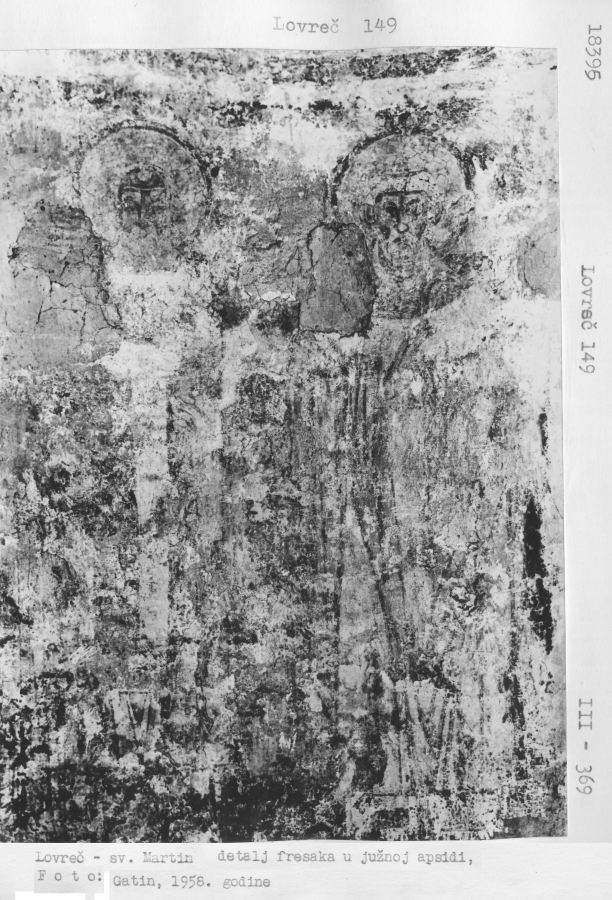
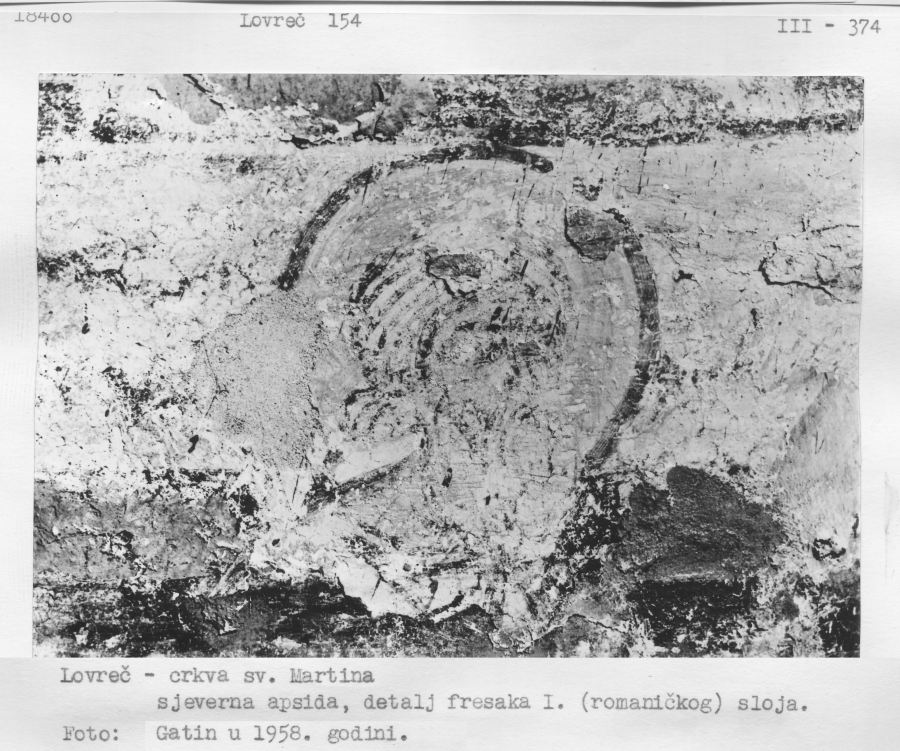
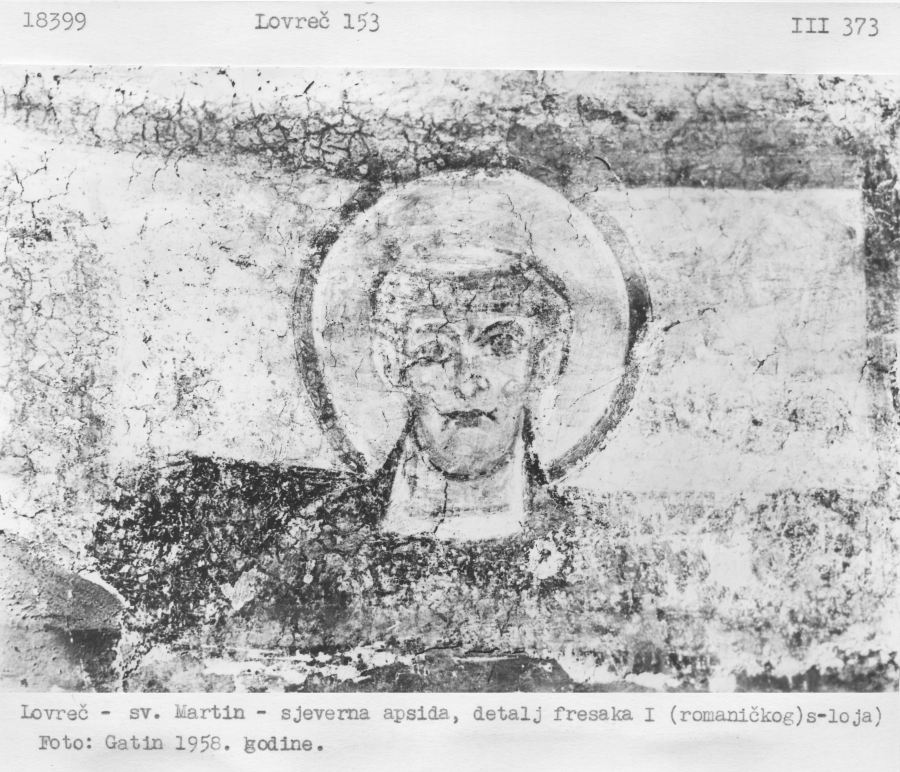
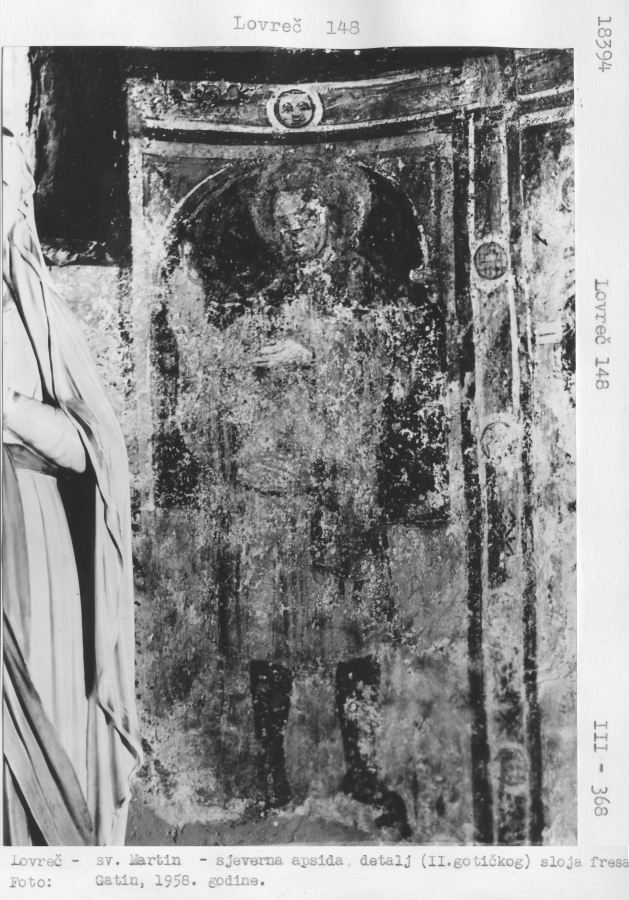
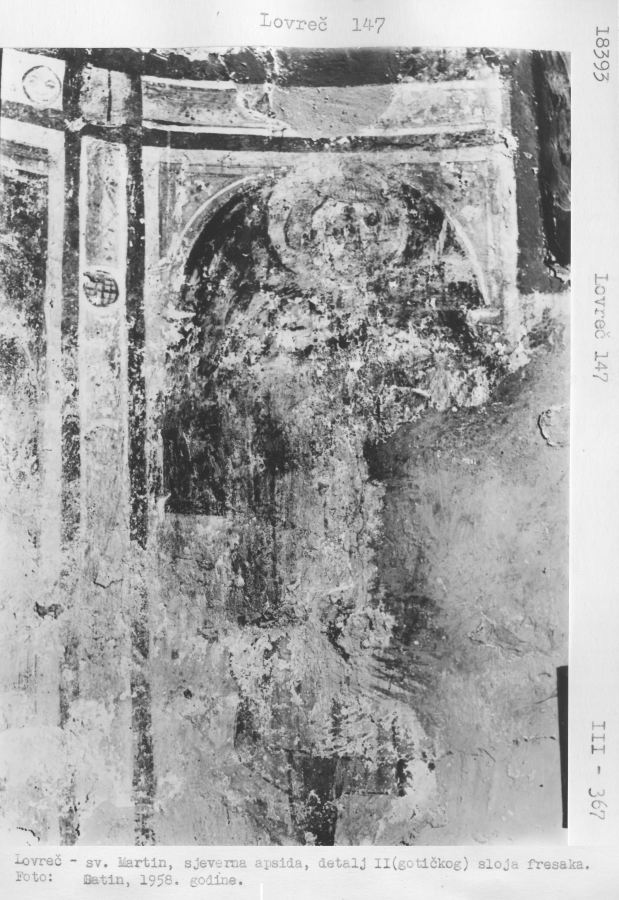
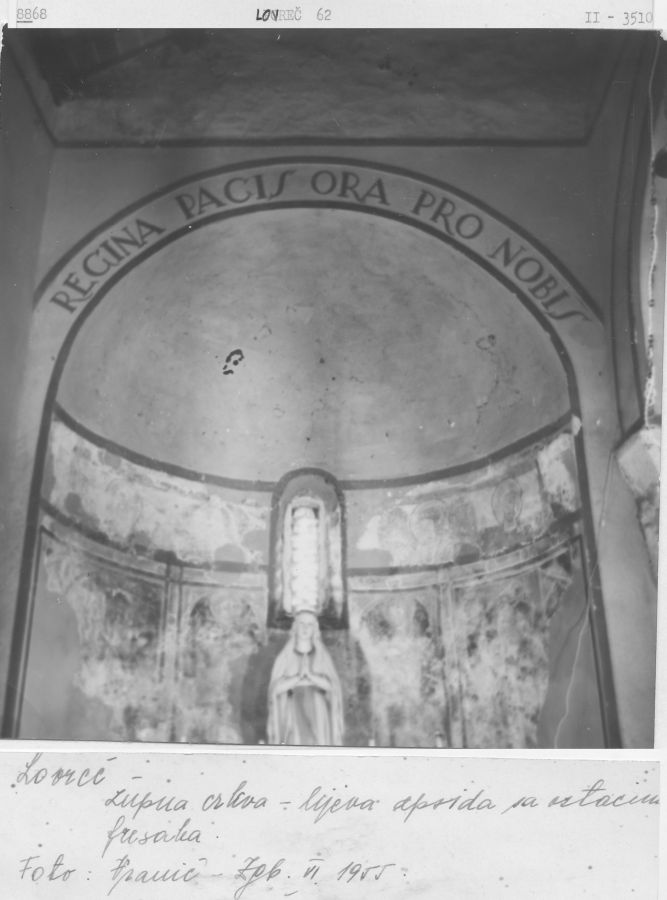
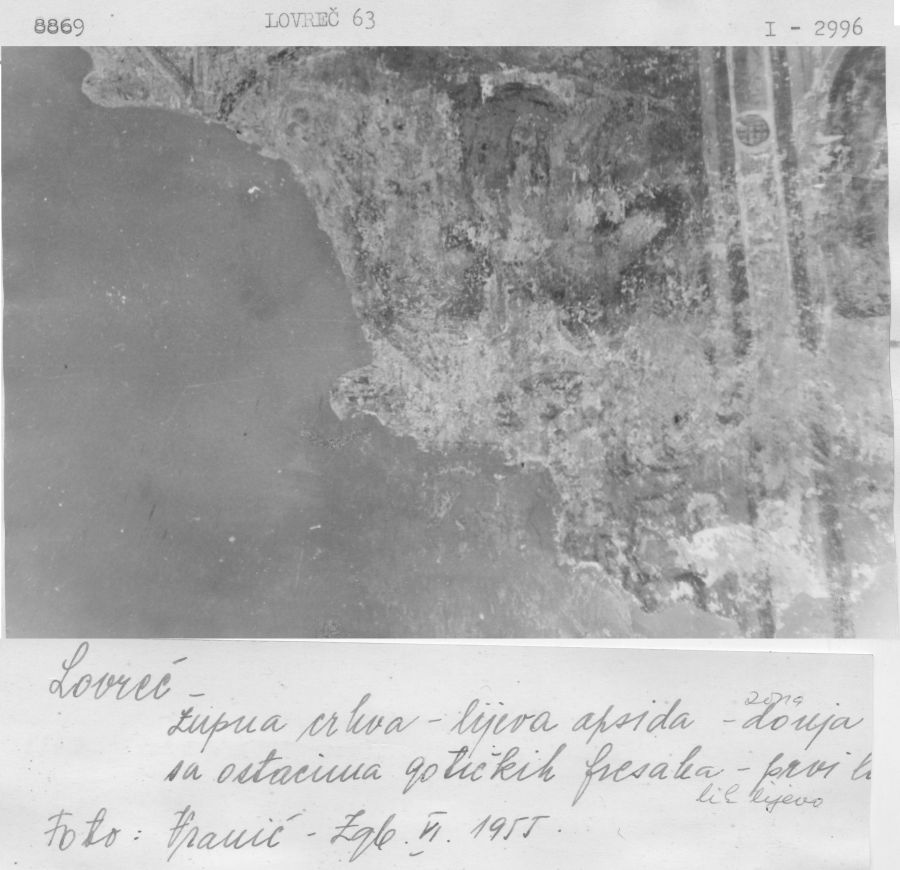
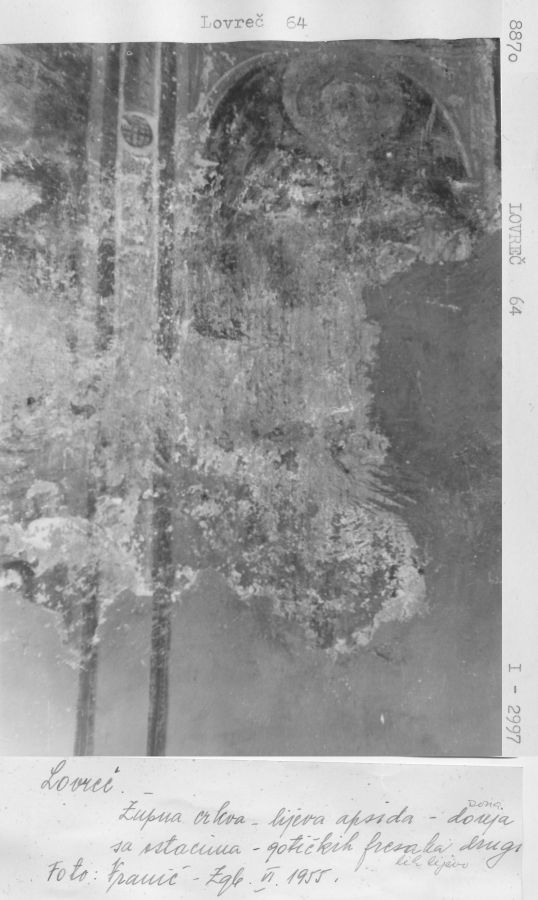
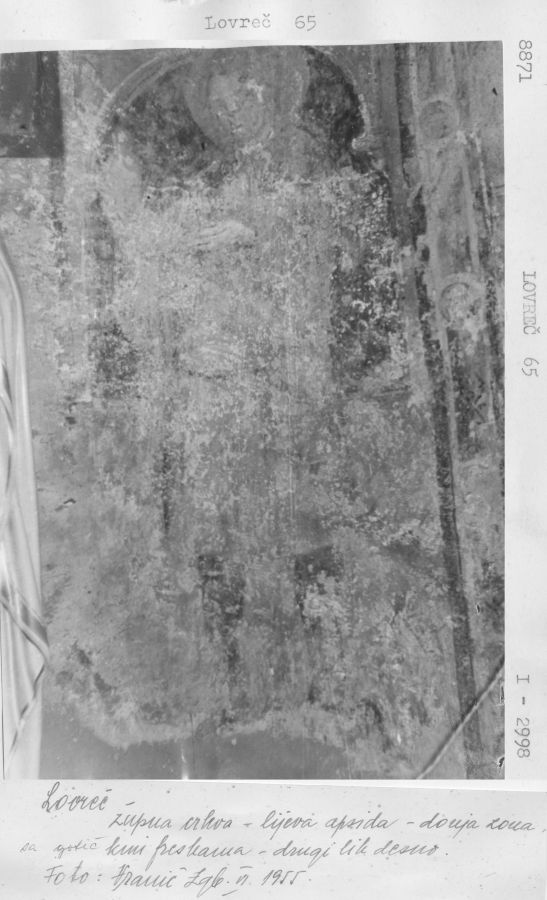
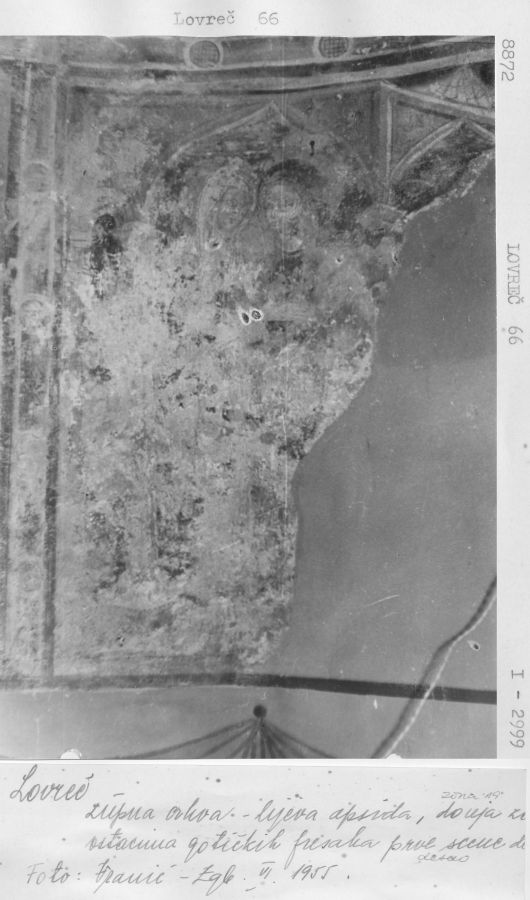
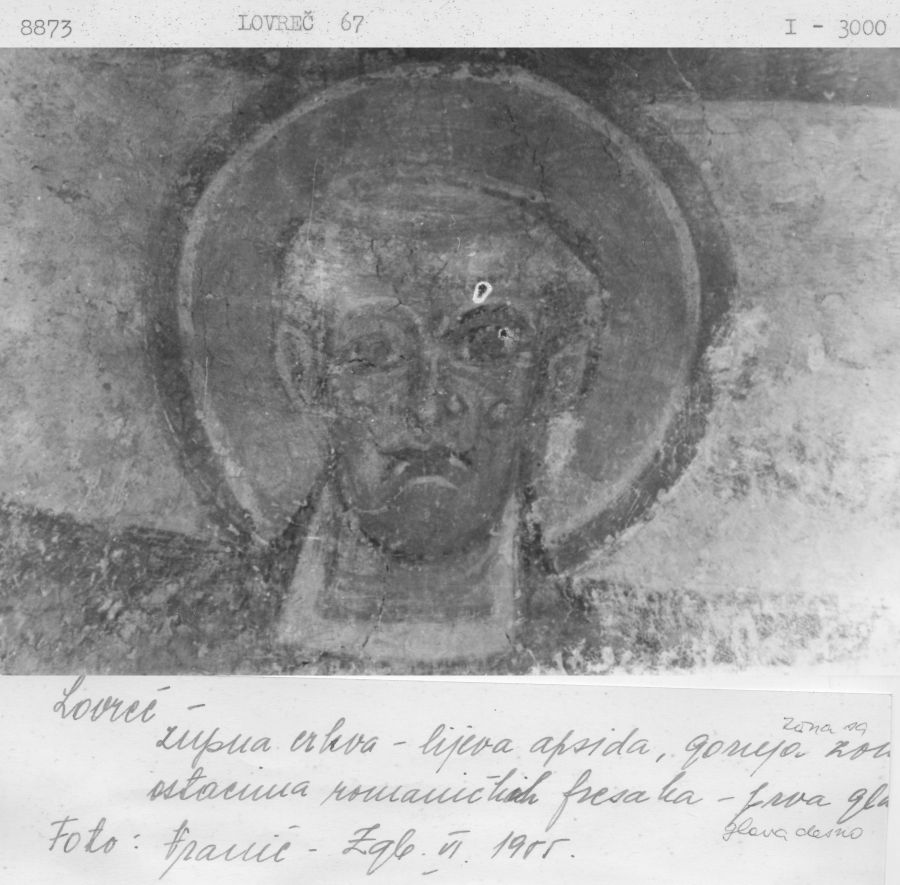
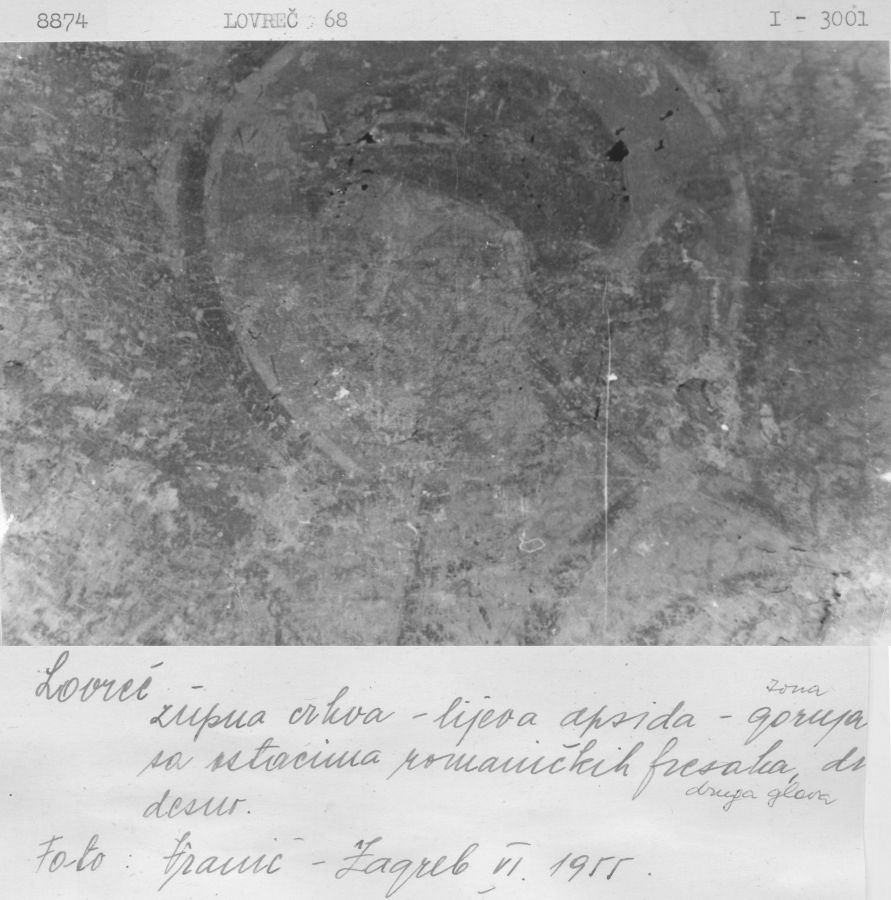
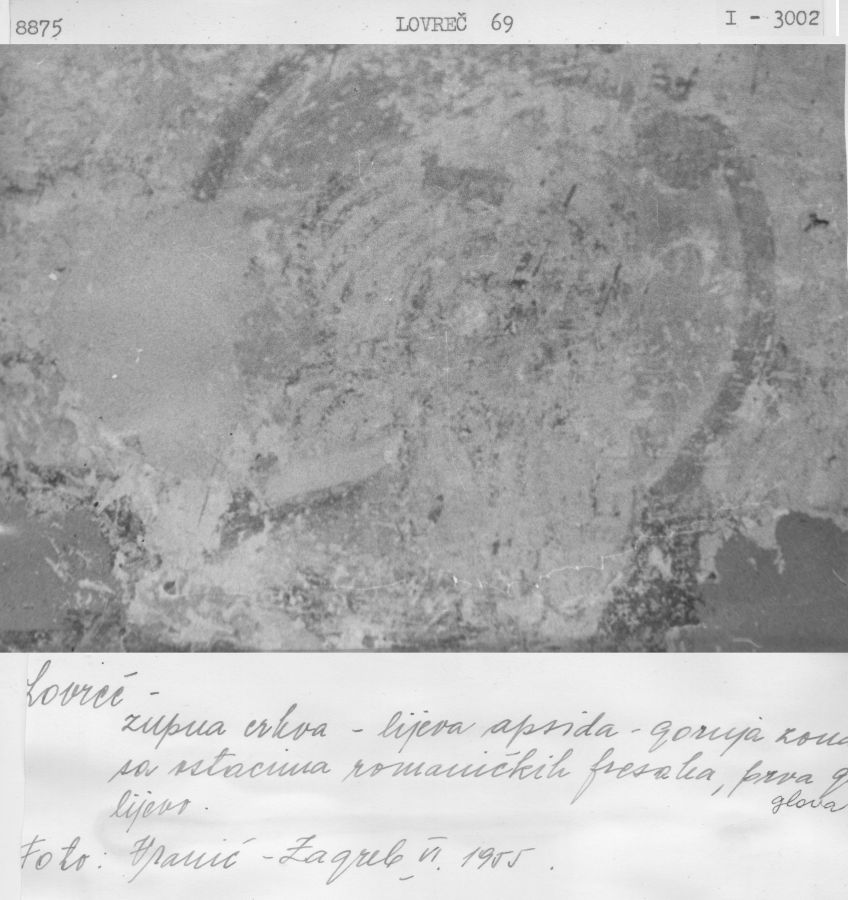
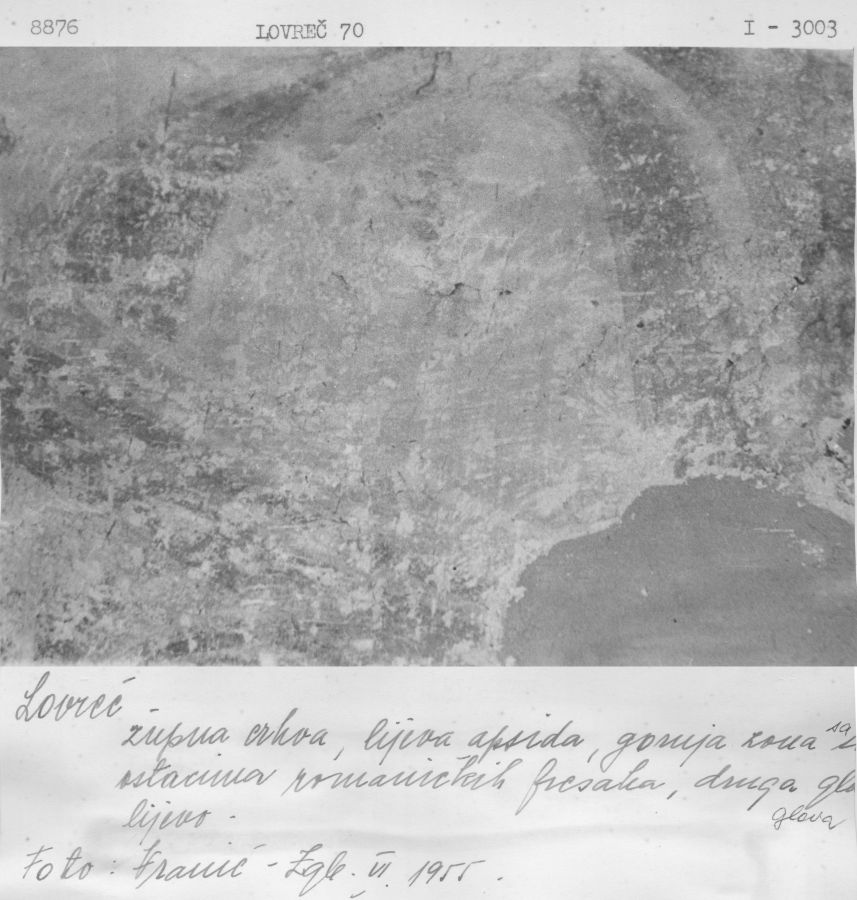
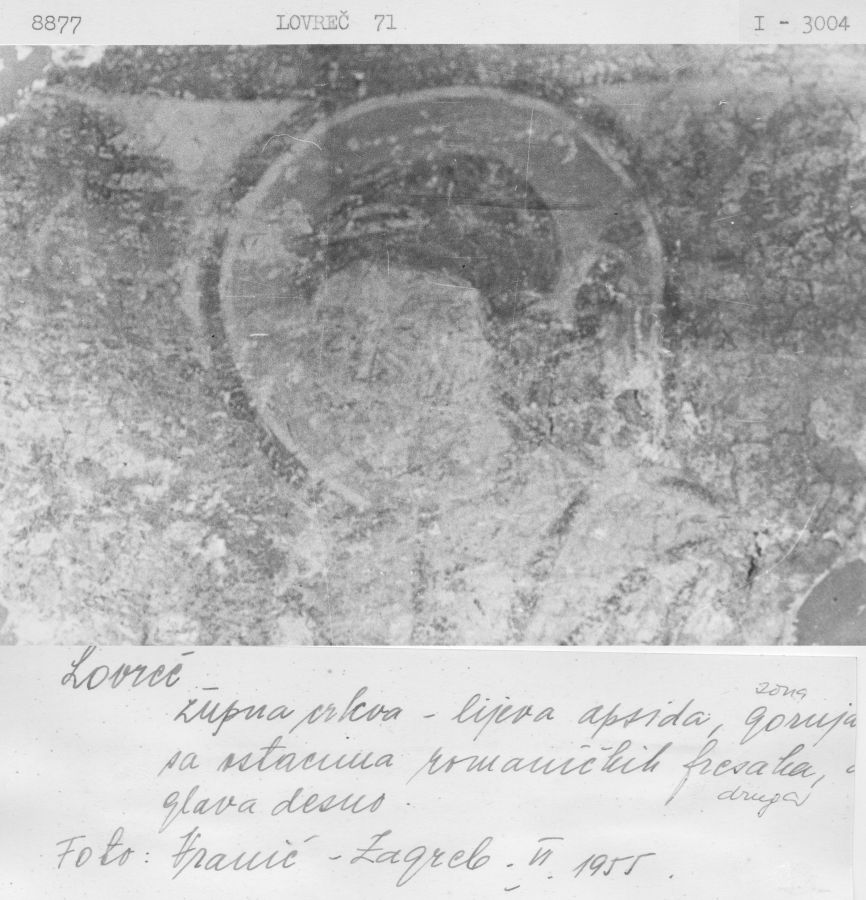
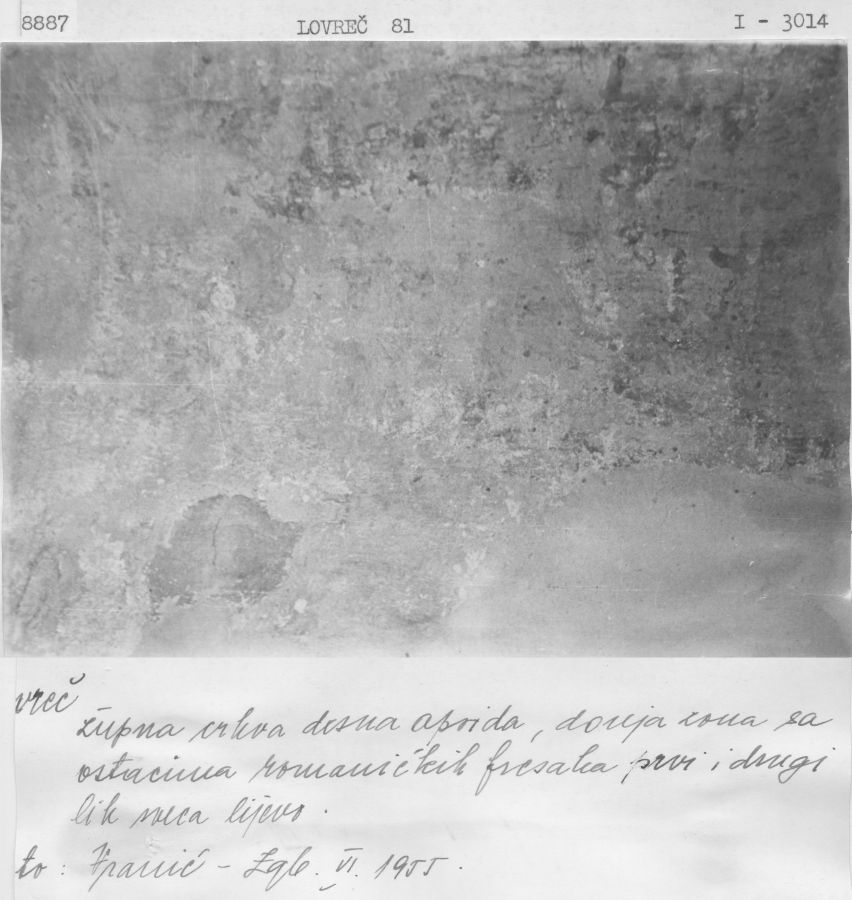
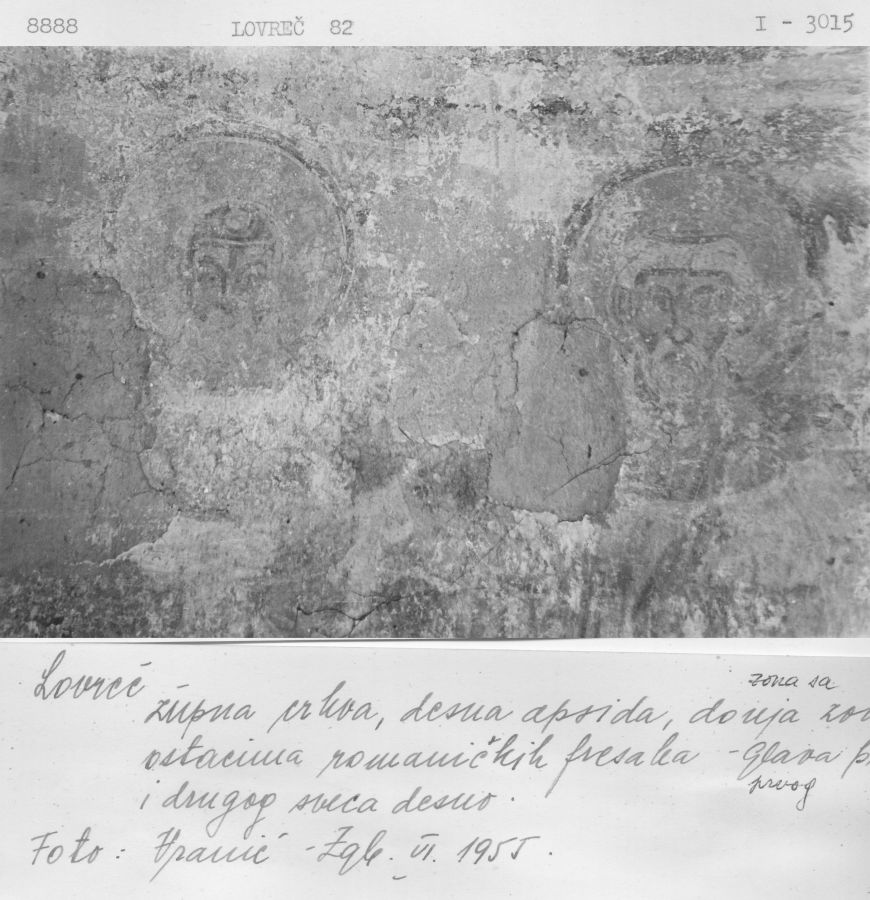
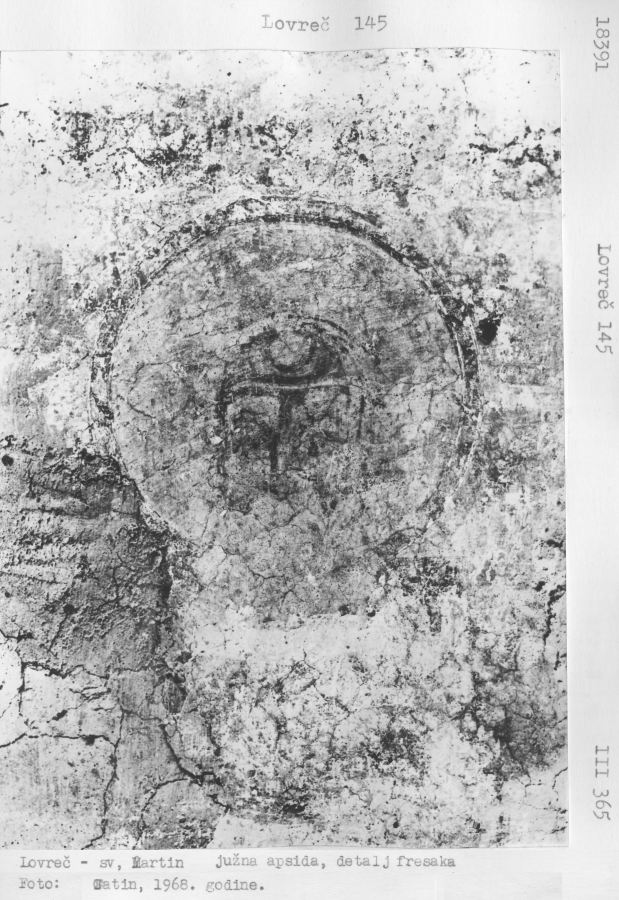
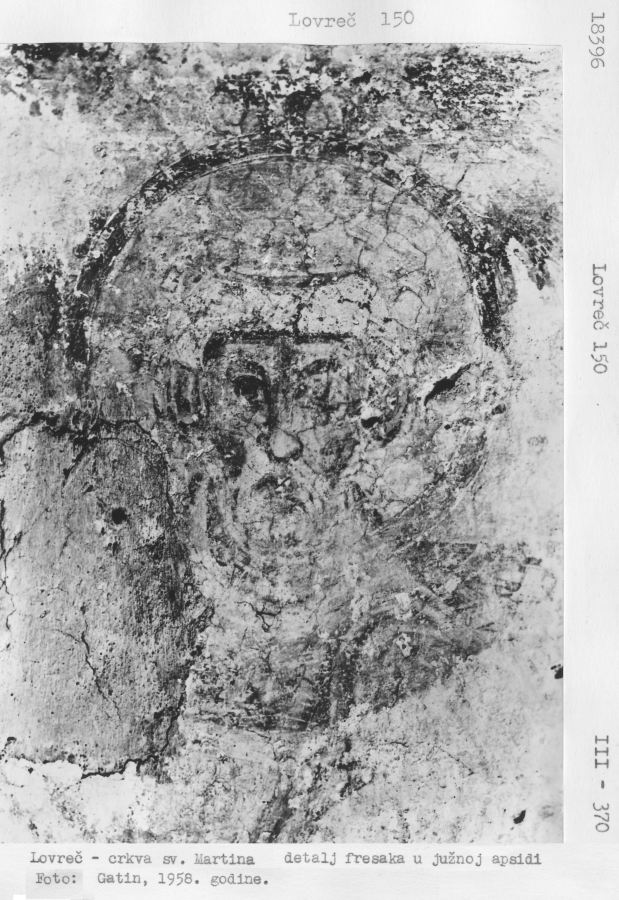
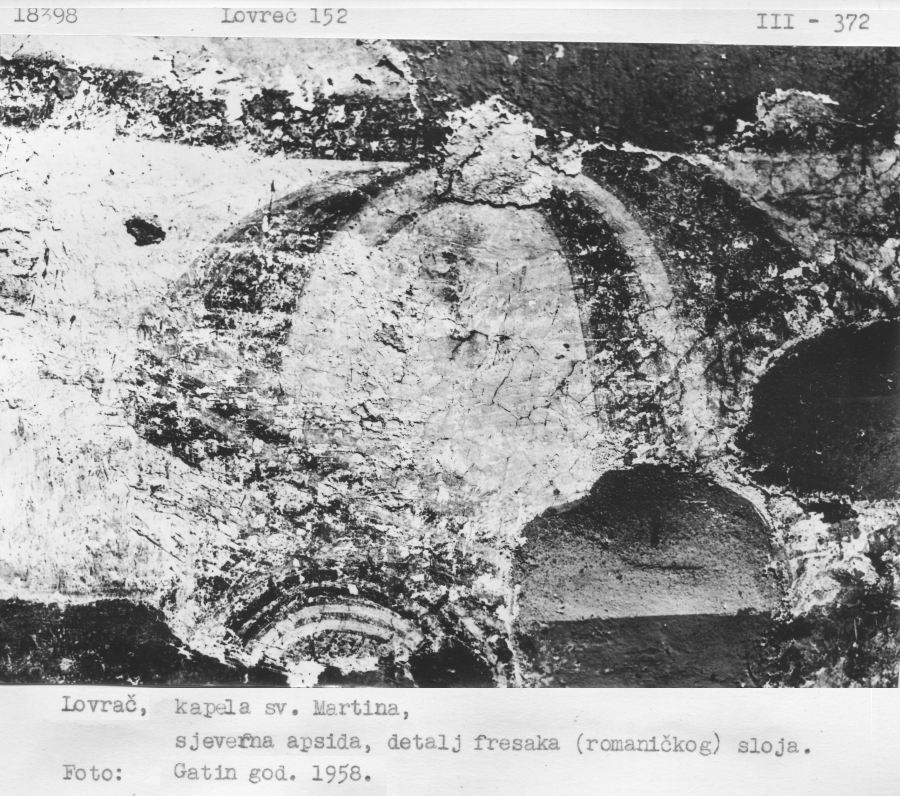
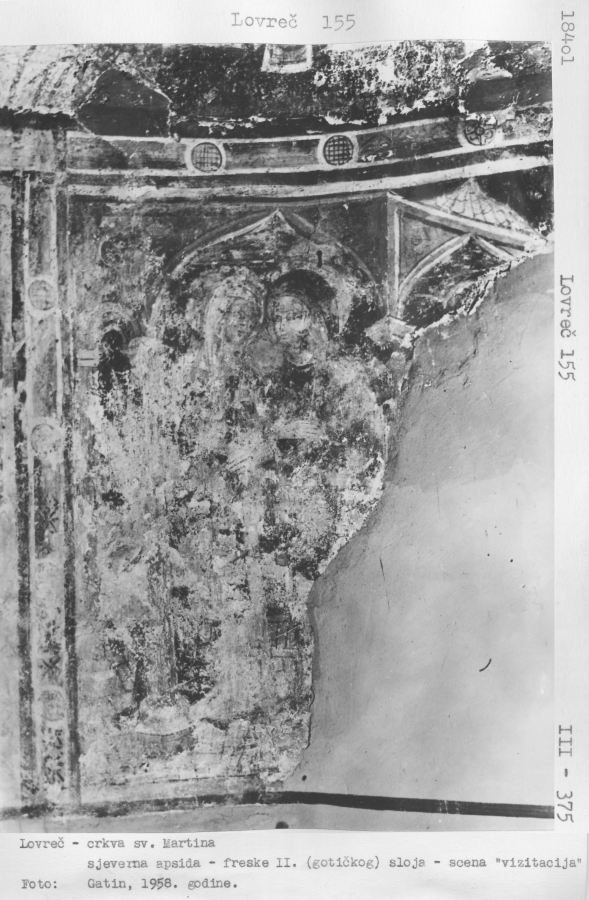
The conch of the southern apse depicts Christ with two archangels who hold spheres bearing the sign of the cross. In the lower zone, four figures of saints are arranged, while the centre of the composition features a decorative (?) motif in the form of a vessel. The scenes are set within a stylized two-tone landscape and are separated from one another by red-and-white borders. In the conch of the northern apse, a fragment of a figural depiction has been preserved, while in the lower zone, only the heads of the figures are visible. The remainder of the wall surface is covered by paintings from the 15th century.
The commission of the wall paintings should be connected with a member of the highest social strata of Istria at the time, most likely the feudal lord of the Sveti Lovreč castrum in the mid-eleventh century. This conclusion is further supported by the presumed contacts of the patron with the South German regions, as well as by familiarity with contemporary practices in the design of sacral spaces in the southern parts of the Empire.
The frescoes were discovered during conservation and restoration works in 1942. The first comprehensive scientific analysis was provided by M. Mirabella Roberti in 1953, in the work „La chiesa e le mura di San Lorenzo del Pasenatico“, published in the journal Atti e Memorie della Società Istriana di Archeologia e Storia Patria.
Iconographic Program:
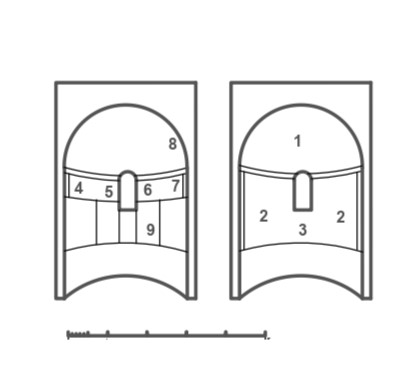
Southern apse: 1 Christ and a pair of archangels, 2 Four saints, 3 A vessel-like object with a stand. Northern apse: 4 Head of a saint, 5 Architecture (baldachin), 6 Angel, 7 Head of a saint, 8 Remains of a male figure, 9 A new layer of frescoes.
Scene locations
LJ. KARAMAN, 1949, O srednjovjekovnoj umjetnosti Istre, Historijski zbornik, 2, 1949, 115-130. 120; M. MIRABELLA-ROBERTI, 1979-1980 (1953), La chiesa e le mura di San Lorenzo del Pasenatico, Atti e Memorie della Società Istriana di Archeologia e Storia Patria, 27-28, 1979-1980, 63-86; F. STELÉ, 1953, Le bysantinisme dans la peinture murale yougoslave, u: Atti dello VIII Congresso Internazionale di Studi Bizantini, Palermo 3-10 aprile 1951, vol. II, Roma, 1953, 253-259. 258; ISTI, 1960, Umetnost v Primorju, Ljubljana, 1960. 69; B. FUČIĆ, 1963, Istarske freske, Zagreb, 1963. 13, 15, KAT. 5; I. PERČIĆ, 1963, Zidno slikarstvo Istre, katalog izložbe, Zagreb, 1963., KAT. 3; B. FUČIĆ, 1964a, Srednjovjekovno zidno slikarstvo u Istri, doktorska disertacija, Filozofski fakultet Sveučilišta u Ljubljani, Rijeka-Ljubljana, 1964., PASSIM, OSOBITO 112-115 I 517; I. PERČIĆ, 1964, Ikonografija srednjovjekovnih istarskih fresaka, doktorska disertacija, Filozofski fakultet Sveučilišta u Zagrebu, 1964., 169-172; S. BETTINI, 1964-1965, La pittura veneta dalle origini al Duecento (II parte), dispense delle lezioni, Università degli Studi di Padova, Facoltà di Lettere e Filosofia, 1964-1965., 67; H. H. BUCHWALD, 1966, Eleventh Century Corinthian Palmette Capitals in the Region of Aquileia, The Art Bulletin, 48/2, 1966, 147-158; B. FUČIĆ, 1966, Slika i arhitektonski prostor u srednjovjekovnom zidnom slikarstvu u Istri, u: Ljetopis JAZU, 71, Zagreb, 1966, 391-412., 392, 410; G. GHIRARDI, 1972, Affreschi Istriani del Medioevo, Padova, 1972., 37-43; F. SFORZA VATTOVANI, 1981, Apporti nordoccidentali nella pittura romanica dell'Altoadriatico, Antichità Altoadriatiche, 19, 1981, 377-393., 387; A. ŠONJE, 1982, Crkvena arhitektura zapadne Istre. Područje porečke biskupije od IV. do XVI. stoljeća, Zagreb-Pazin, 1982. 108, 112, 124-125; S. TAVANO, 1983, Presenze bizantine nella prima pittura romanica del territorio di Aquileia, u: Il Friuli dagli Ottoni agli Hohenstaufen. Atti del Convegno internazionale di studio, 4-8 dicembre 1983, Udine, 1984, 425-455., 438; I. FISKOVIĆ, 1987, Romaničko slikarstvo u Hrvatskoj, Zagreb, 1987., 19-20; G. BERGAMINI – S. TAVANO, 1991, Storia dell'arte nel Friuli Venezia Giulia, Udine, 1991., 189; S. GRKOVIĆ, 1995 Bordure u srednjovjekovnome zidnome slikarstvu Istre, Peristil, 38, 1995, 43-50.; ISTA, 1995a Odnos slike i arhitekture u srednjovjekovnom graditeljstvu Istre, magistarski rad, Filozofski fakultet Sveučilišta u Zagrebu, Zagreb, 1995.; R. RATKOVČIĆ, 1998, Prostor i ornament u srednjovjekovnom zidnom slikarstvu Istre, magistarski rad, Filozofski fakultet Sveučilišta u Zagrebu, 1998., 34-36, 51-53; D. DEMONJA, 2007, Romaničke crkve u Istri, Zagreb, 2007., 33-34, 37-38, 56; Ž. BISTROVIĆ, 2009, Predromaničko i romaničko slikarstvo u Istri, Annales. Series Historia et Sociologia, 19/1, 2009, 21-30; N. MARAKOVIĆ, 2009, Zidno slikarstvo u Istri od 11. do 13. stoljeća. Revalorizacija lokalne umjetničke baštine u europskom kontekstu, doktorska disertacija, Filozofski fakultet Sveučilišta u Zagrebu, 2009., 51-102, KAT. 02; ISTA, 2010, Le pitture murali nella chiesa di San Martino a San Lorenzo del Pasenatico: nuove interpretazioni di un capolavoro pittorico di XI secolo in Istria, Hortus Artium Medievalium, 16, 2010, 311-332; ISTA, 2011, Zidne slike u crkvi sv. Martina u Svetom Lovreču (Istra): nove spoznaje na tragu Fučićevih opažanja, u: Az grišni diak Branko pridivkom Fučić, Radovi međunarodnog znanstvenog skupa o životu i djelu akademika Branka Fučića (1920-1999), Malinska, Dubašnica, otok Krk, 30. siječnja – 1. veljače 2009. godine, priredio T. Galović, Malinska – Rijeka – Zagreb, 2011, 281-316; E. COZZI, 2016, Affreschi medievali in Istria, Trieste, 2016., 77-95; N. MARAKOVIĆ, S. MUSTAČ, 2021, I capitelli della chiesa di S. Martino a San Lorenzo del Pasenatico nel contesto della scultura del primo romanico nel Nord Adriatico, u: Mens acris in corpore commodo. Zbornik povodom sedamdesetog rođendana Ivana Matejčića, Disertationes et monographiae, 17, Zagreb-Motovun, 2021, 219-232.