


Gradišće pri Divači, Church of St Helena
Century/year: 1491.
Historical-cultural period: Gothic style
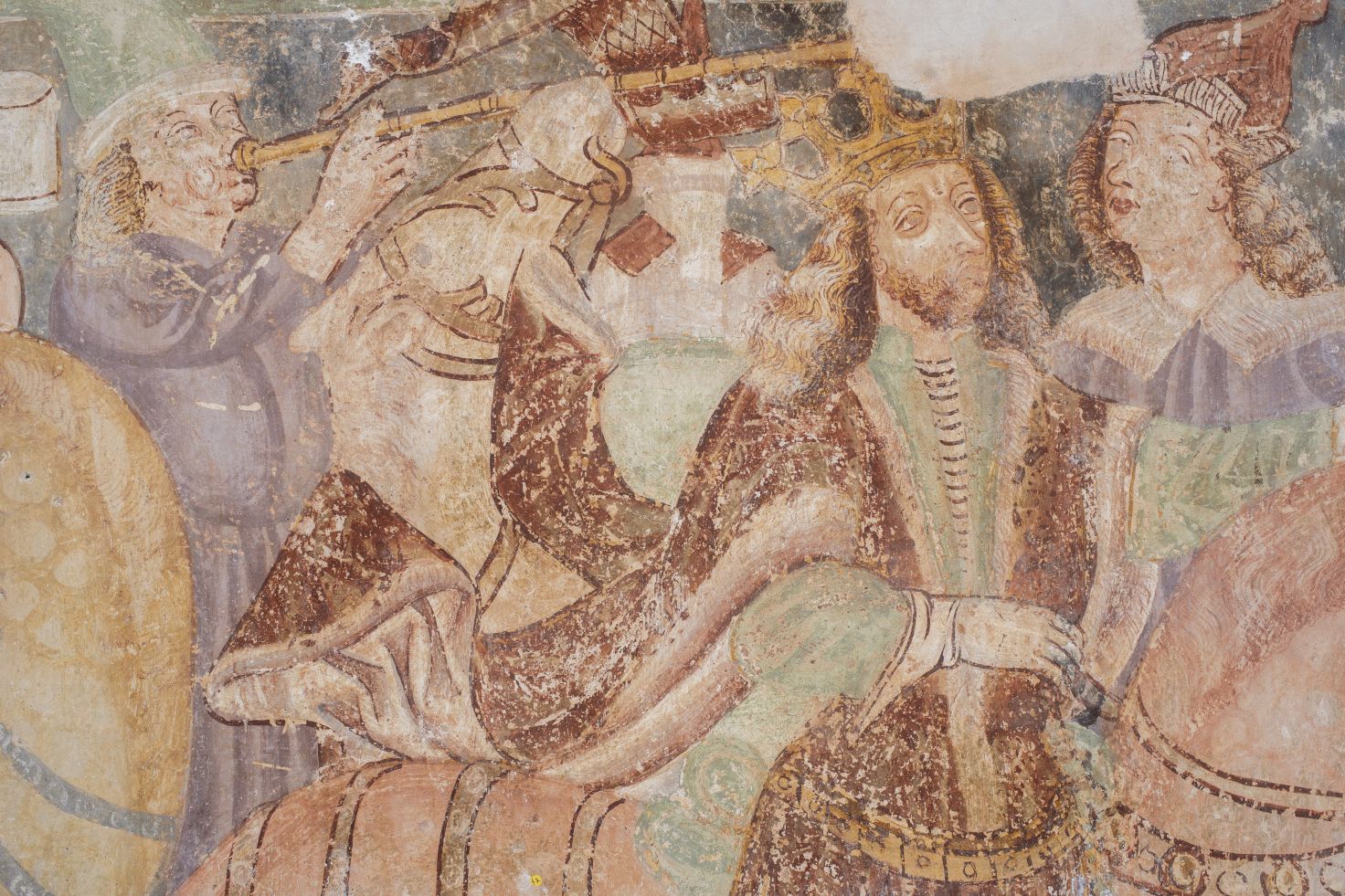
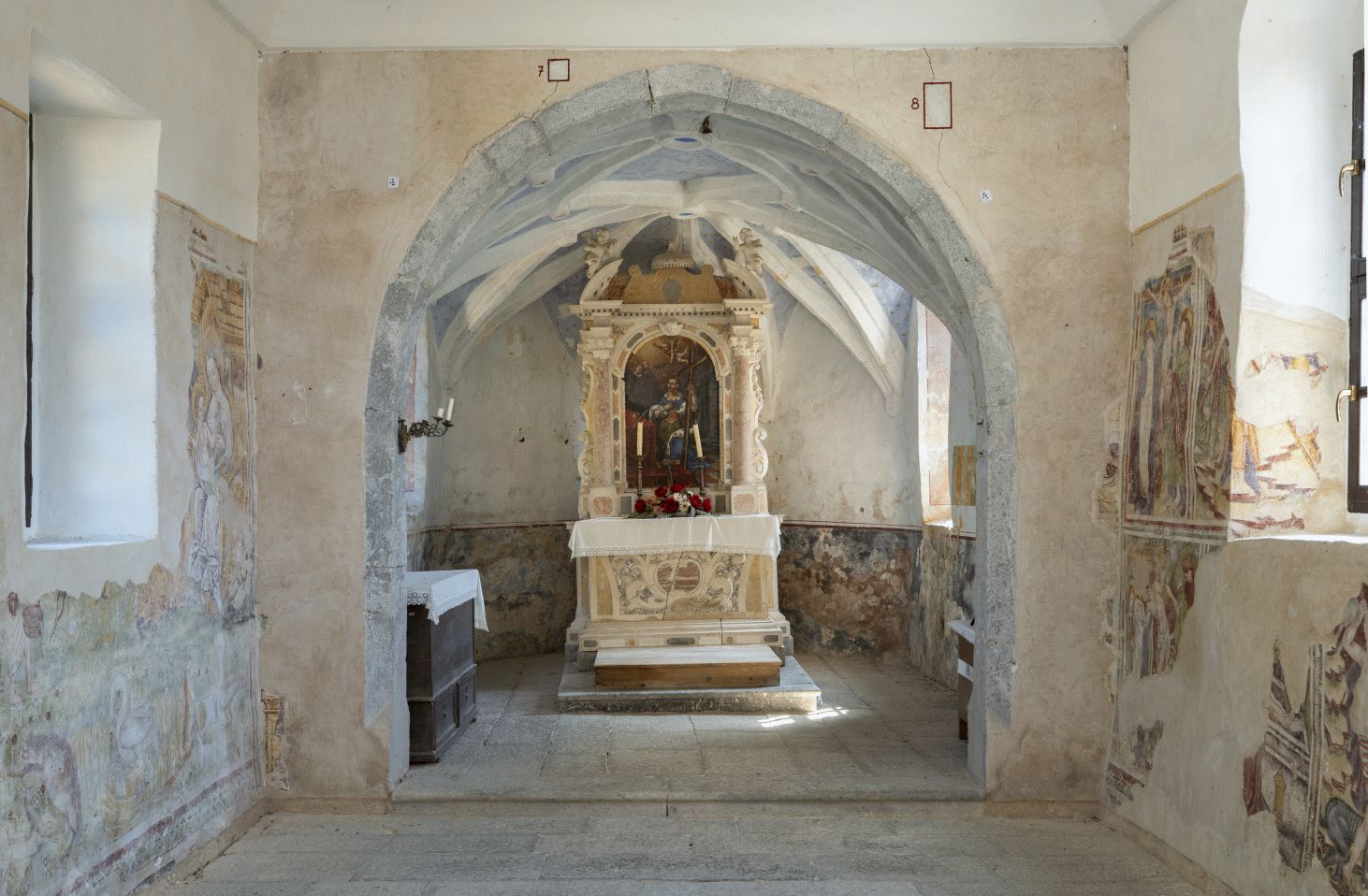
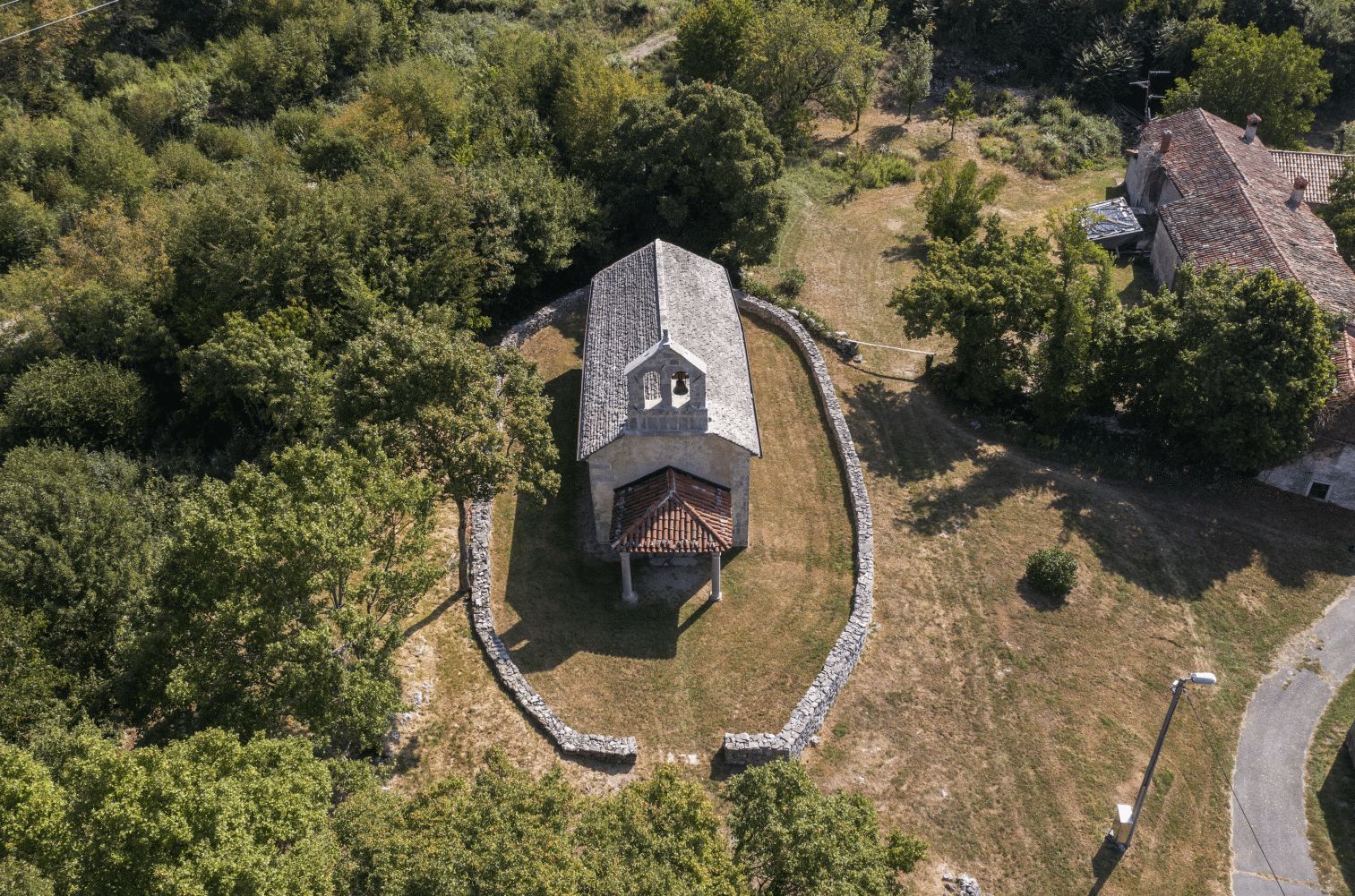
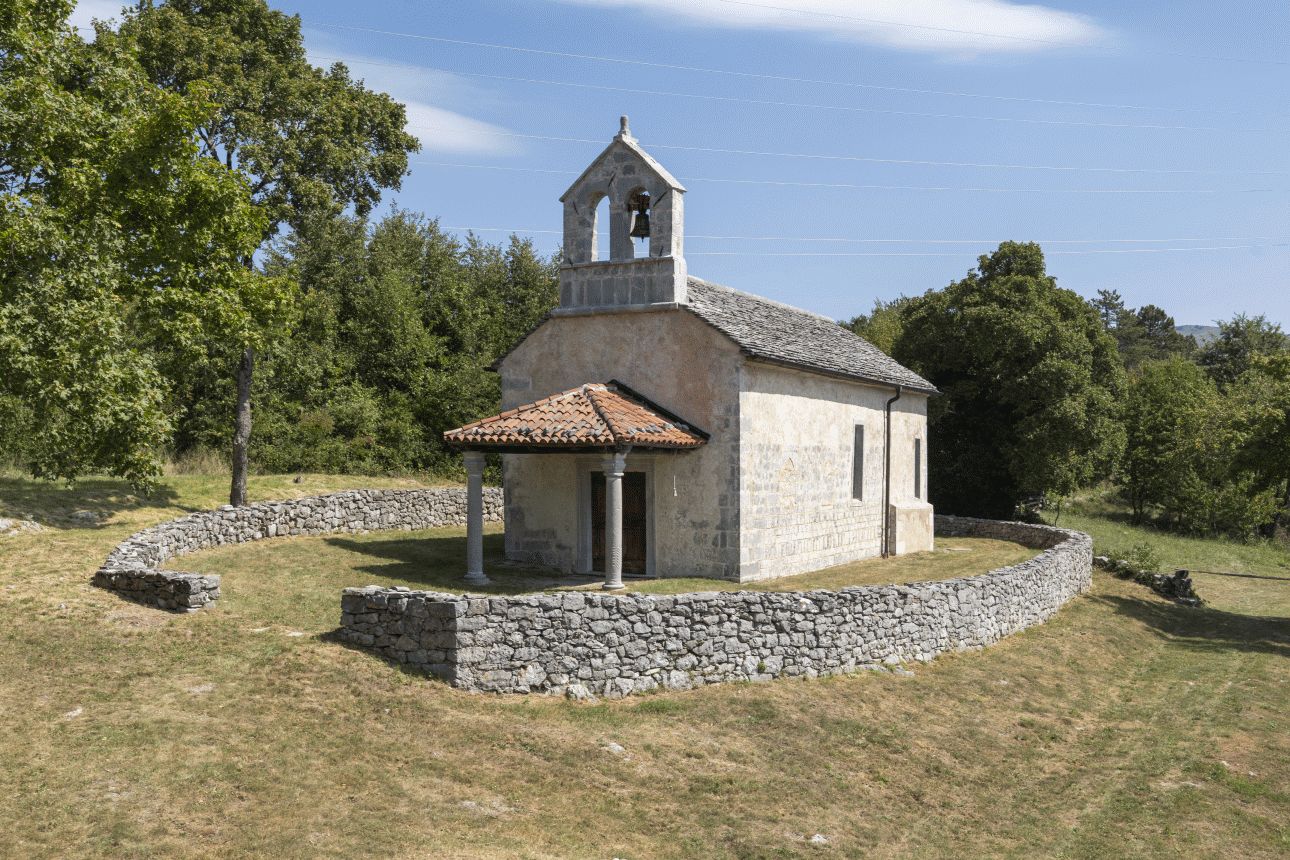
The Gothic Church of St Helena is situated on a hill above the settlement of Gradišče near Divača, in the Slovenian Karst. It is a single-nave church with a polygonal sanctuary covered by a stellar ribbed vault. During the Baroque remodelling, the church was heightened, a new triumphal arch was constructed, and window openings were inserted into the lateral walls. A porch was added to the façade, along with a massive bell-cote designed to accommodate two bells. These interventions, dated by an inscription on the portal to 1653, have been associated with the master builder Gašper Perhavec from Dolnje Ležeče and the masons Andrej and Ivan Cerkvenik.
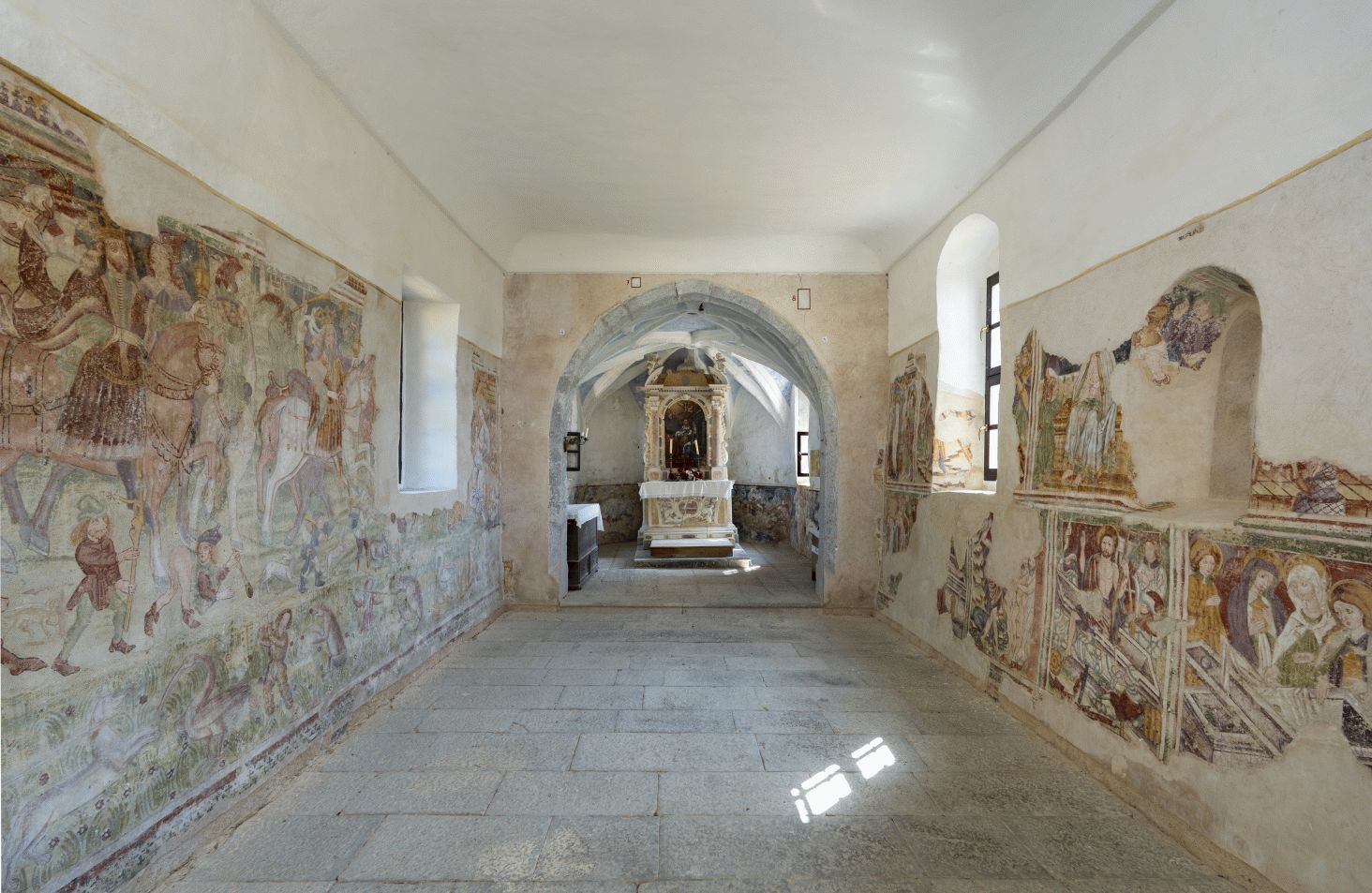
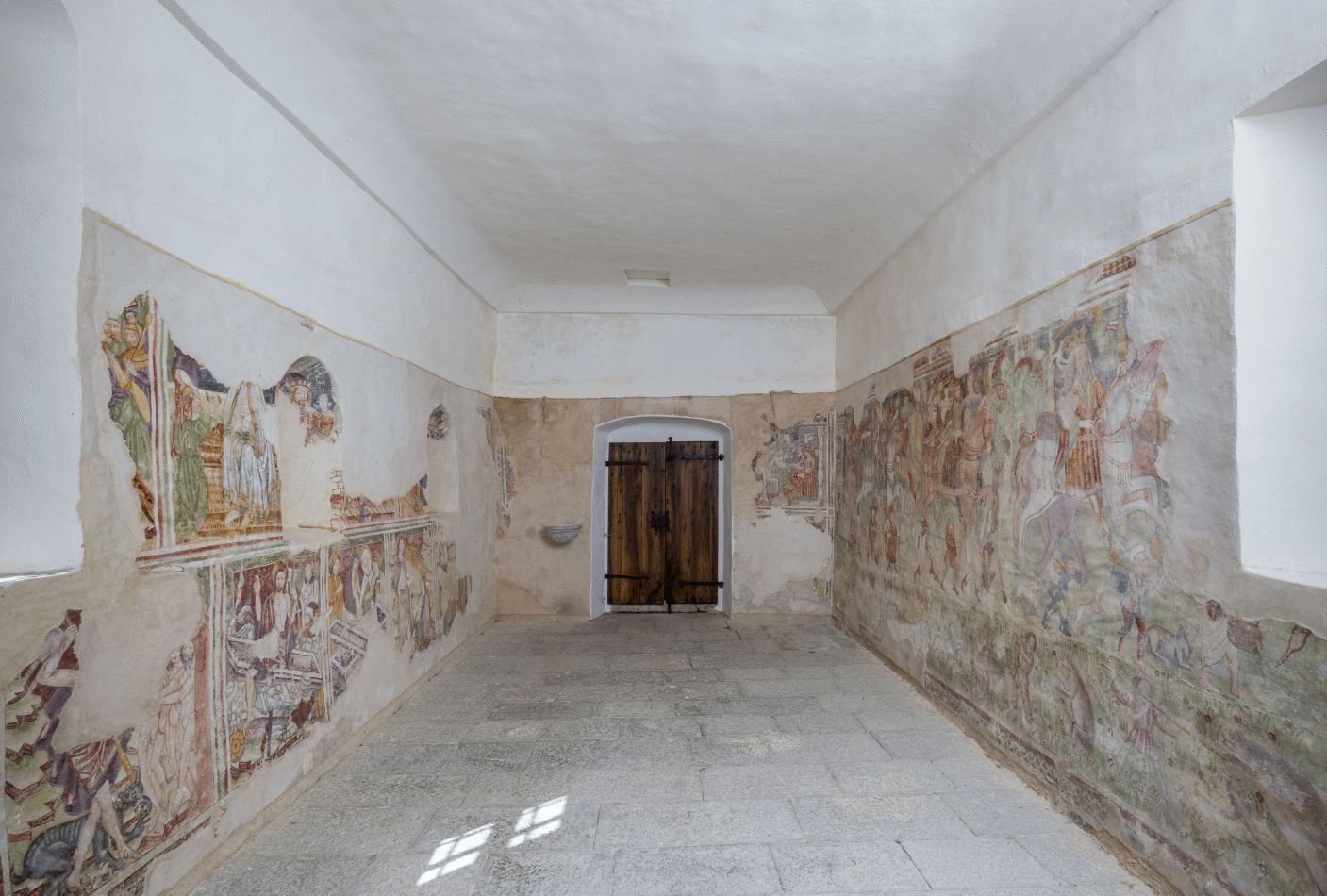
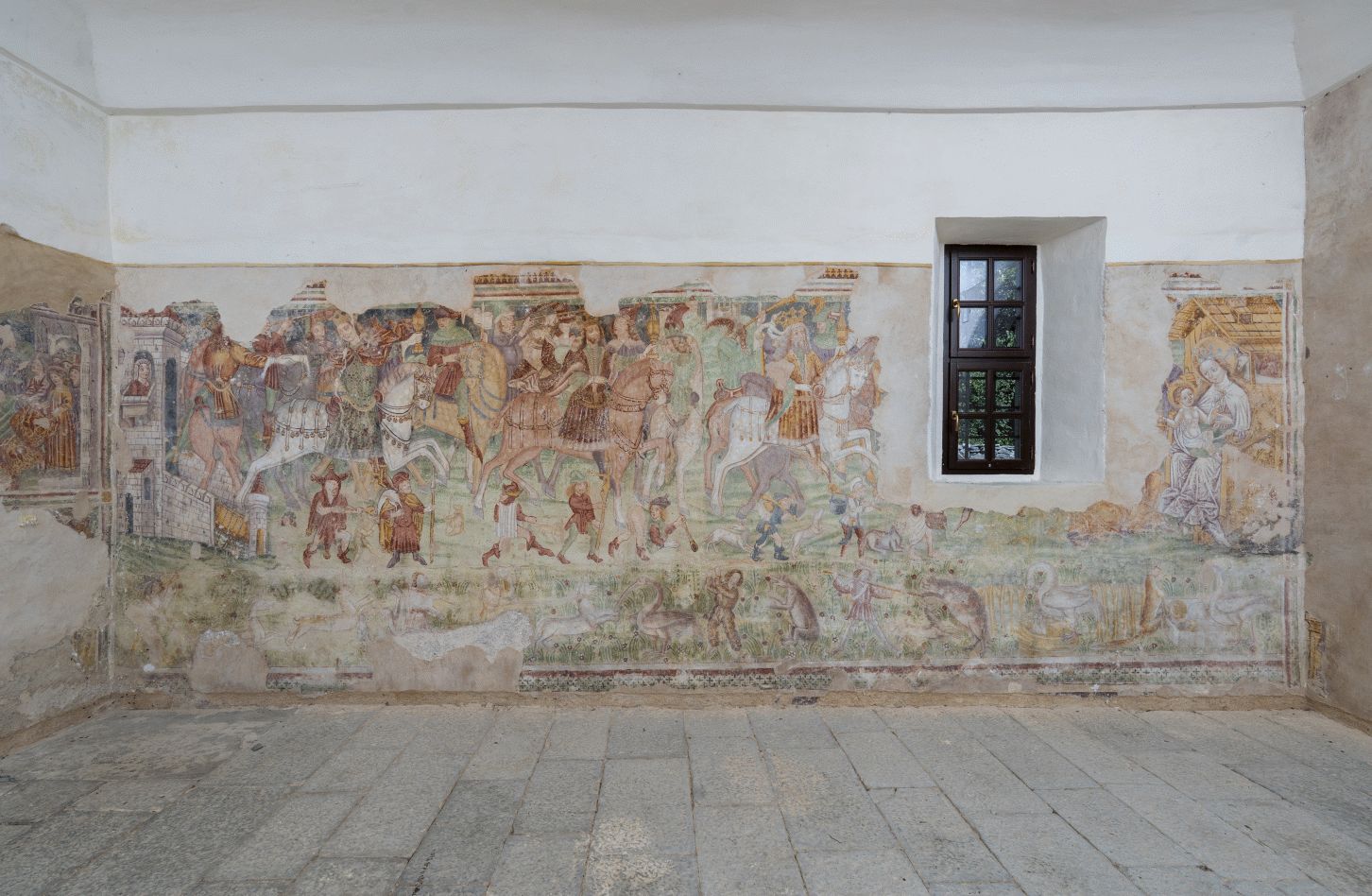
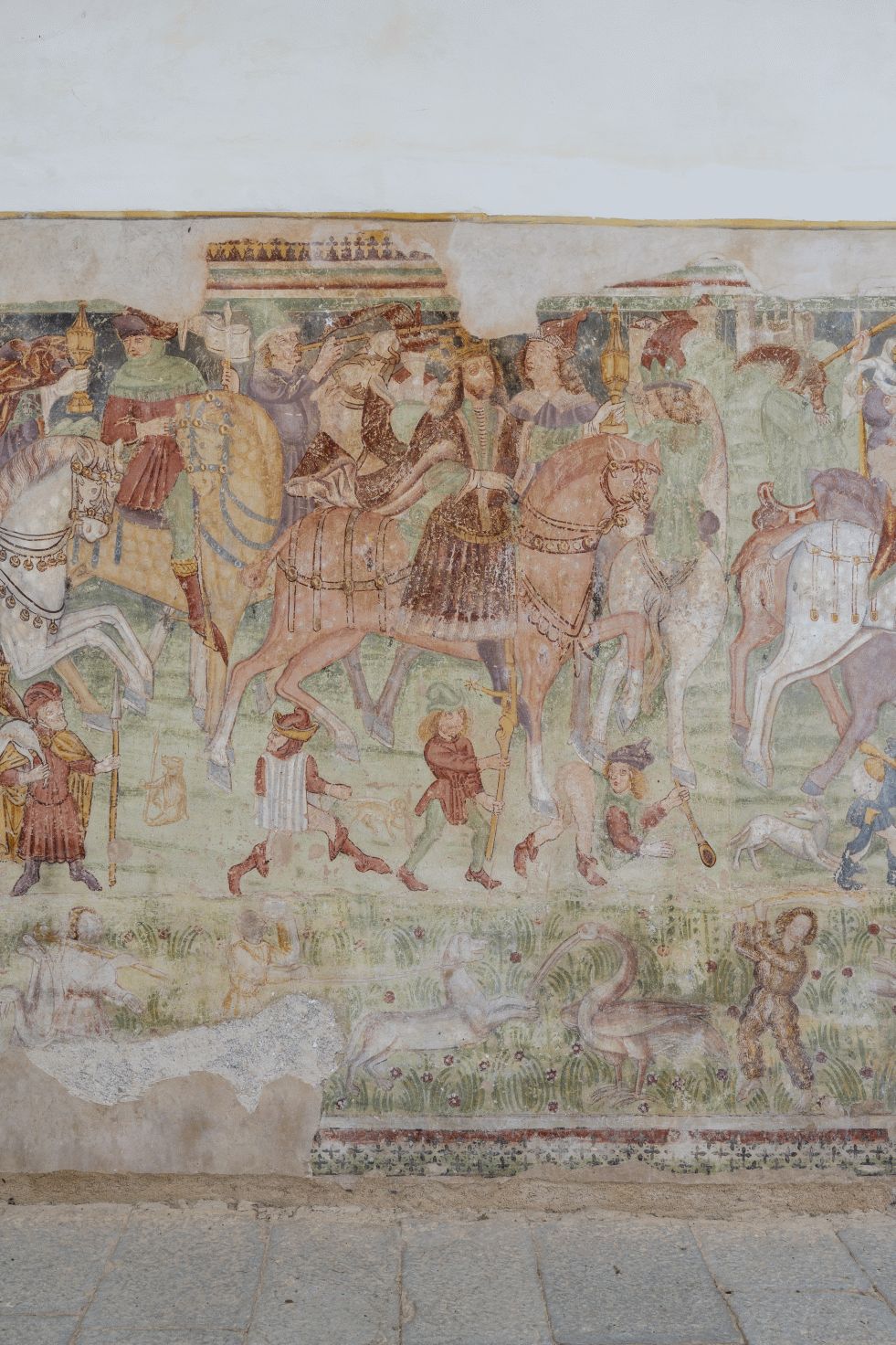
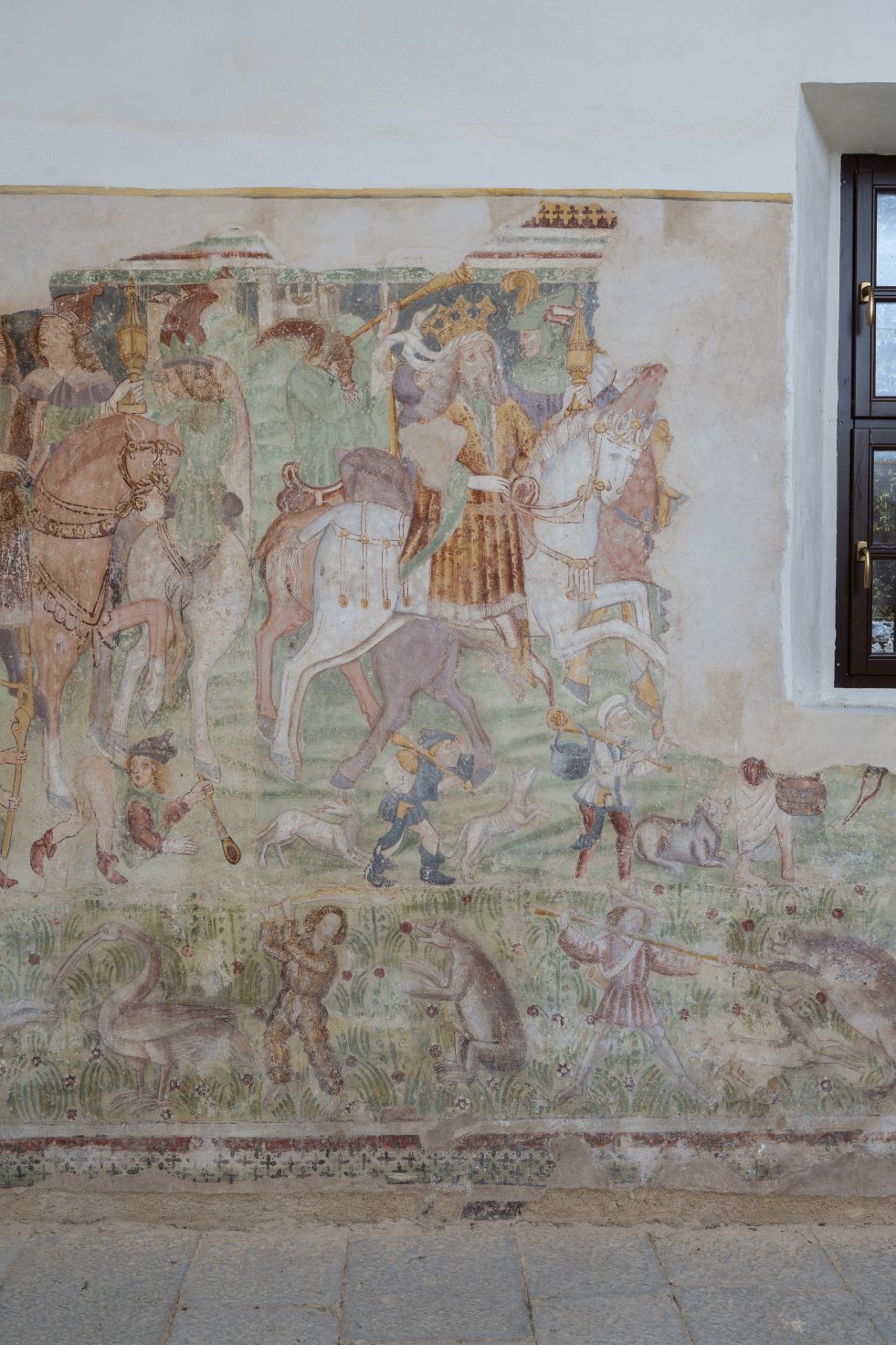
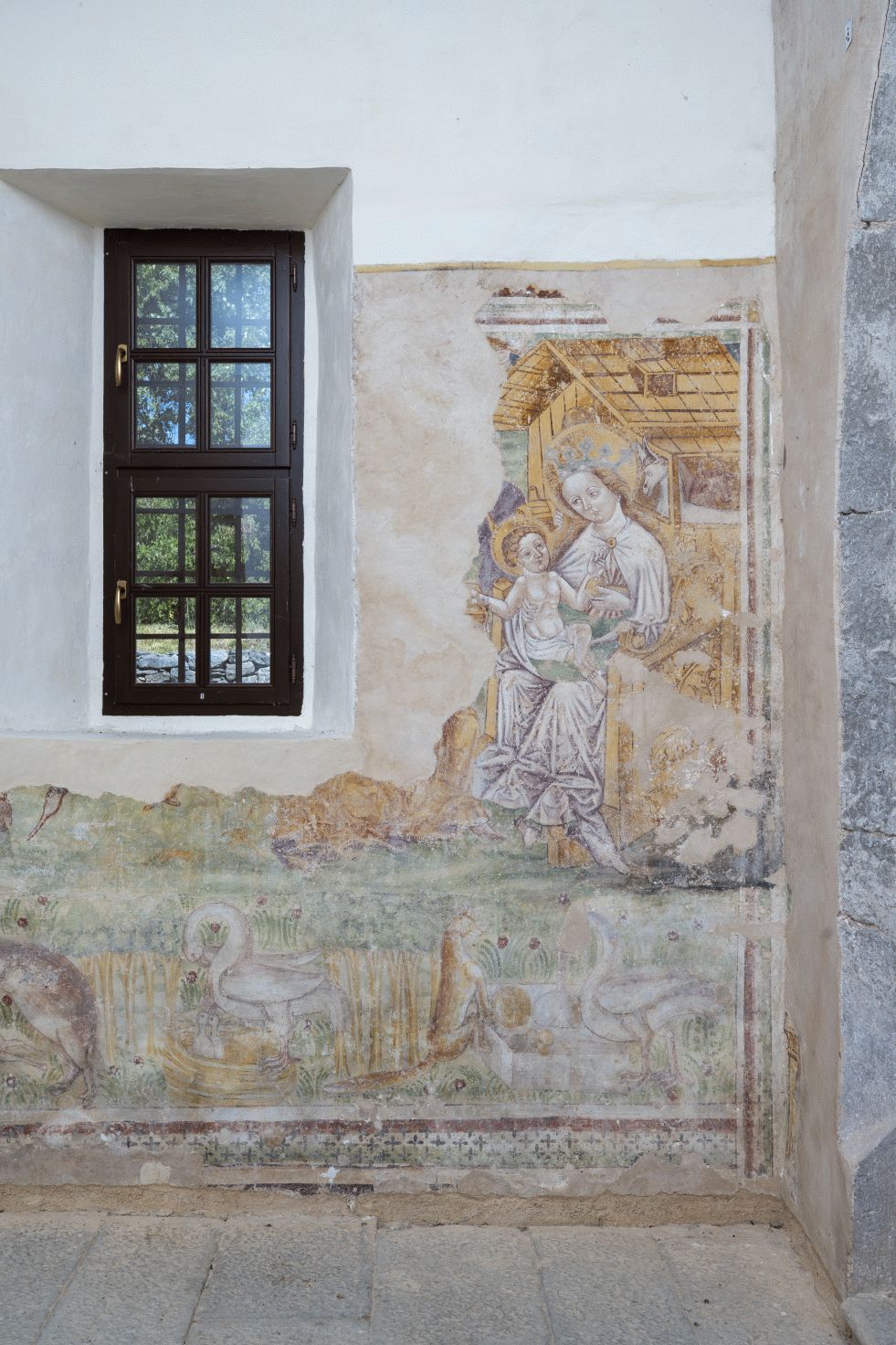
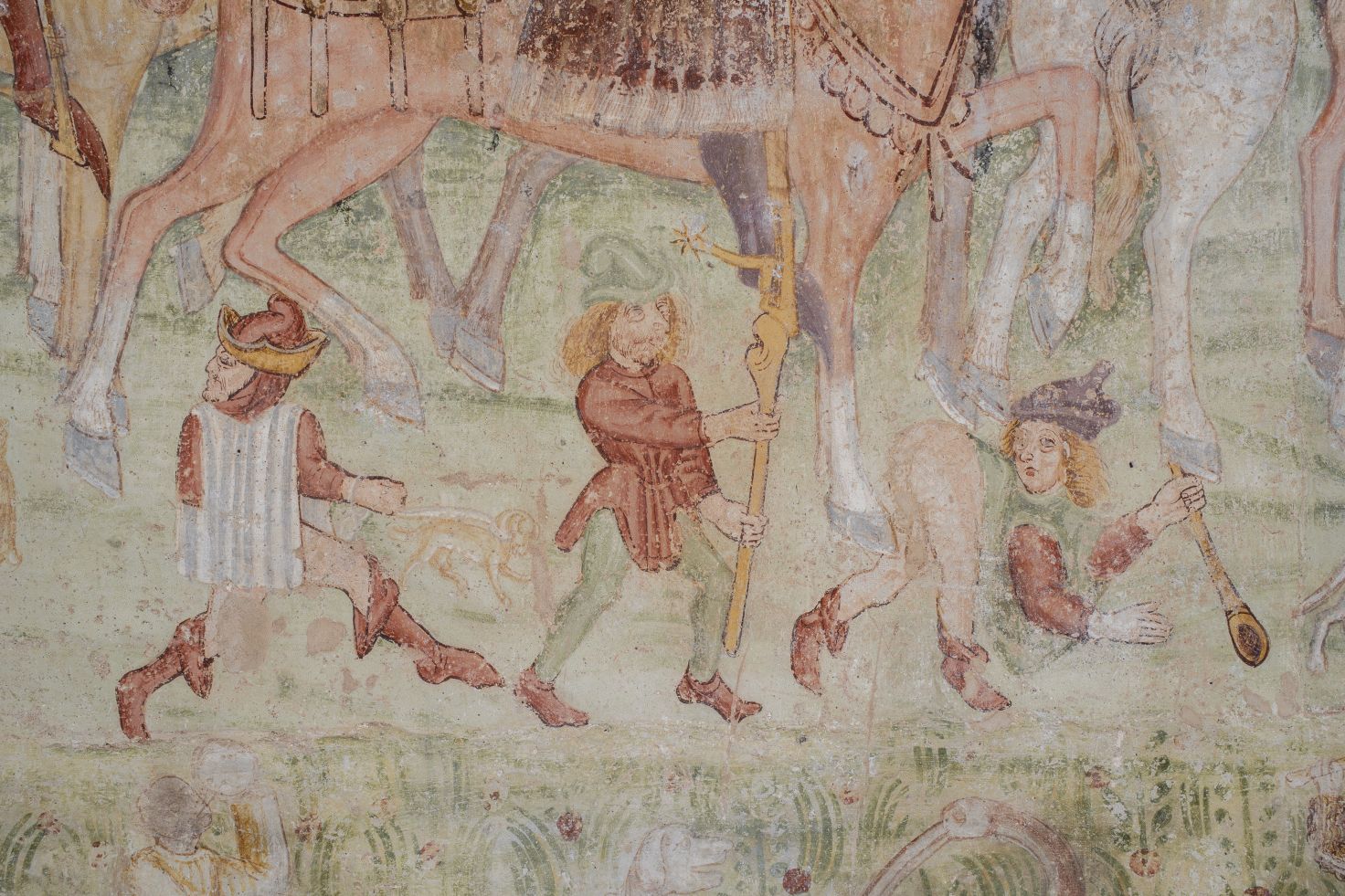
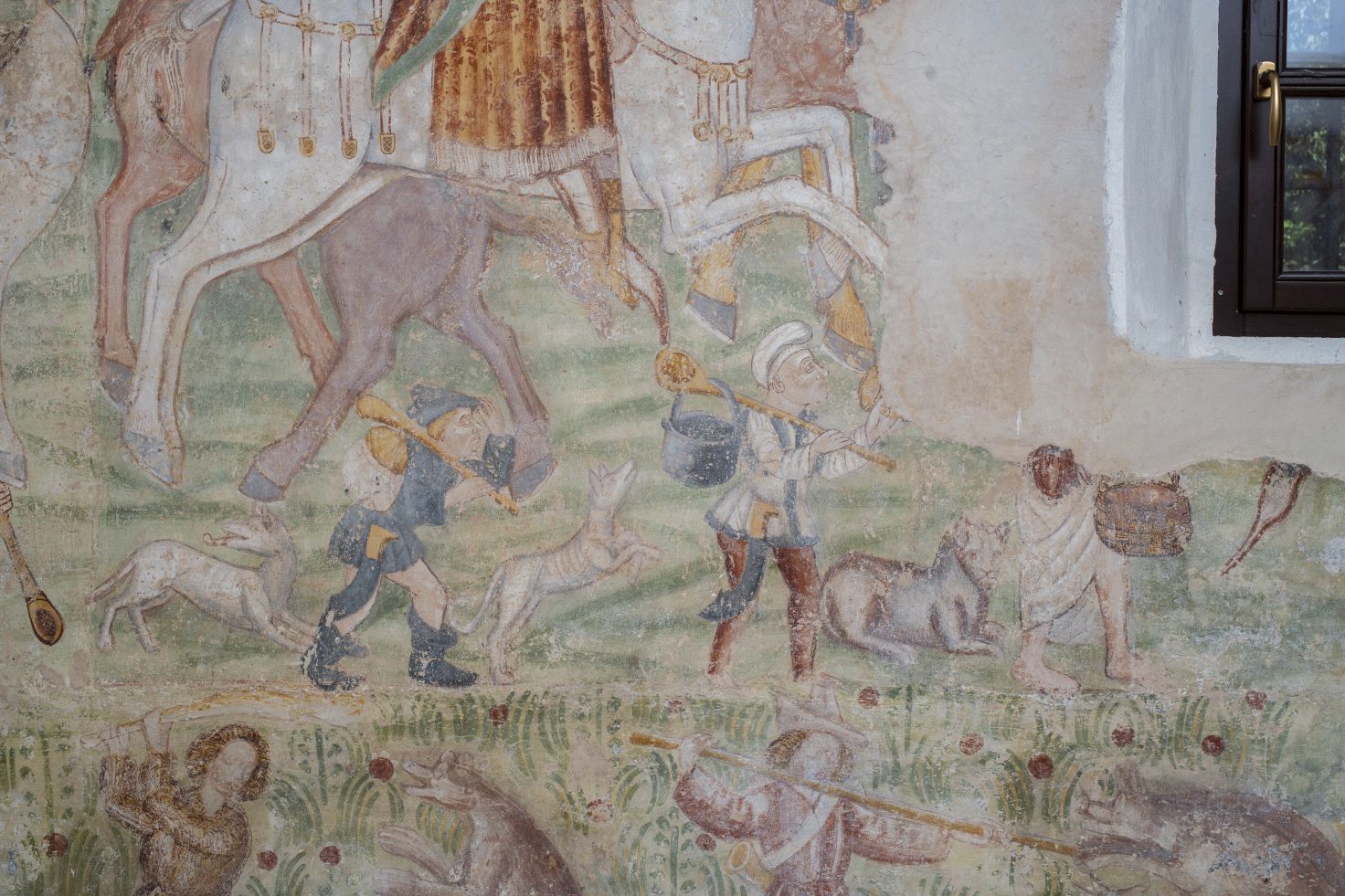
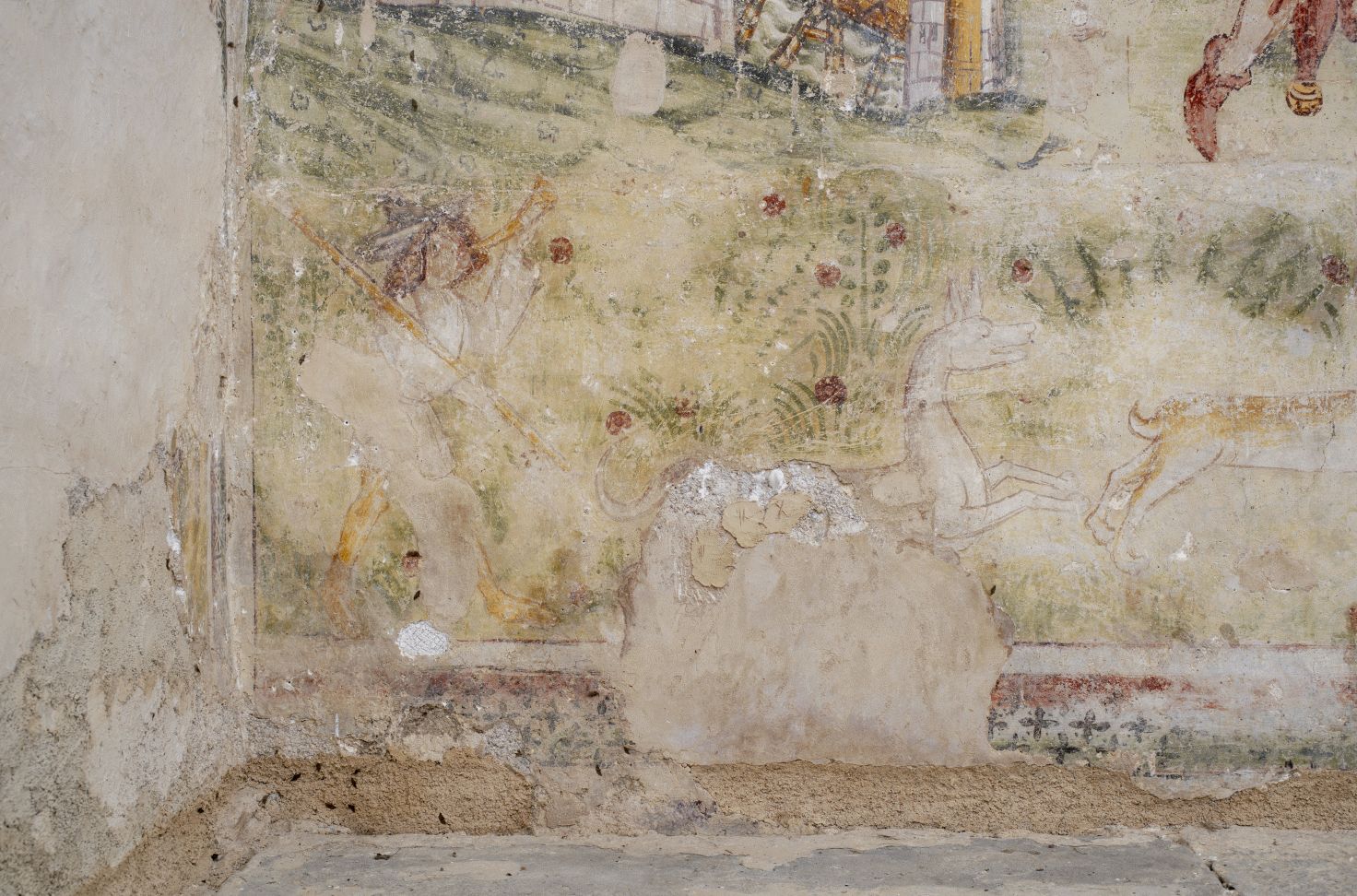
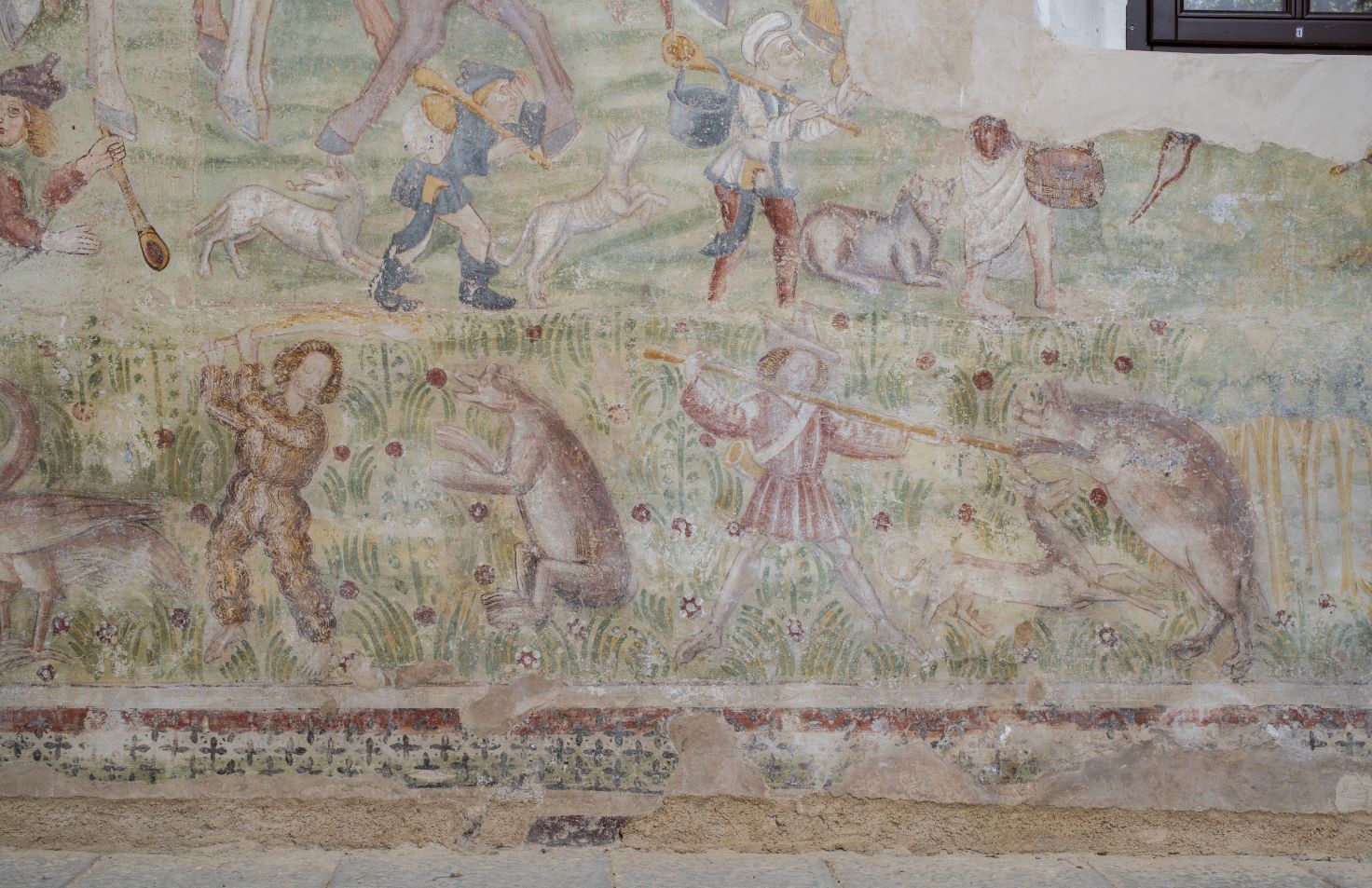
The interior of the church is adorned with medieval wall paintings attributed to the workshop of John of Kastav and dated by inscription to 1491.
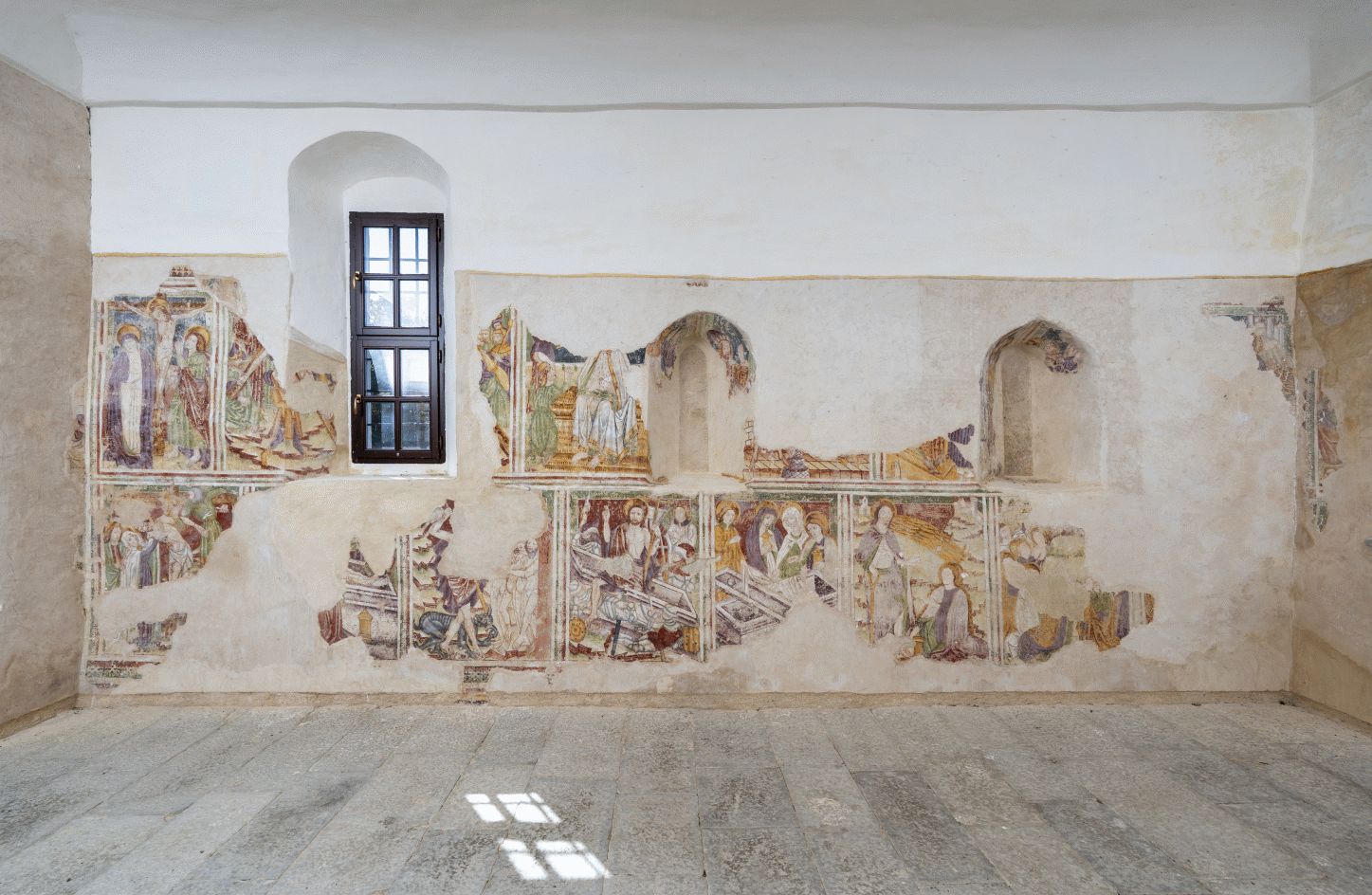
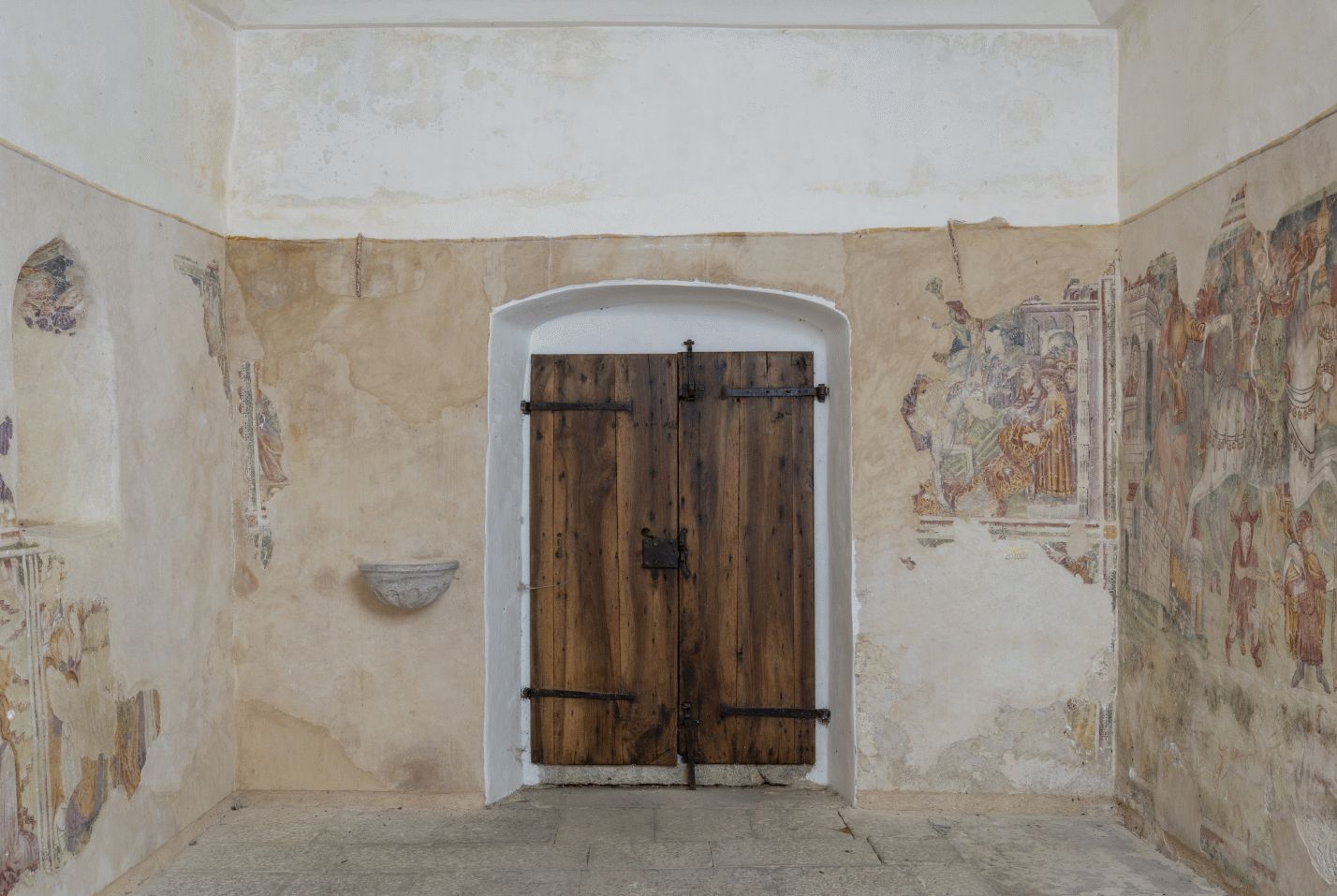
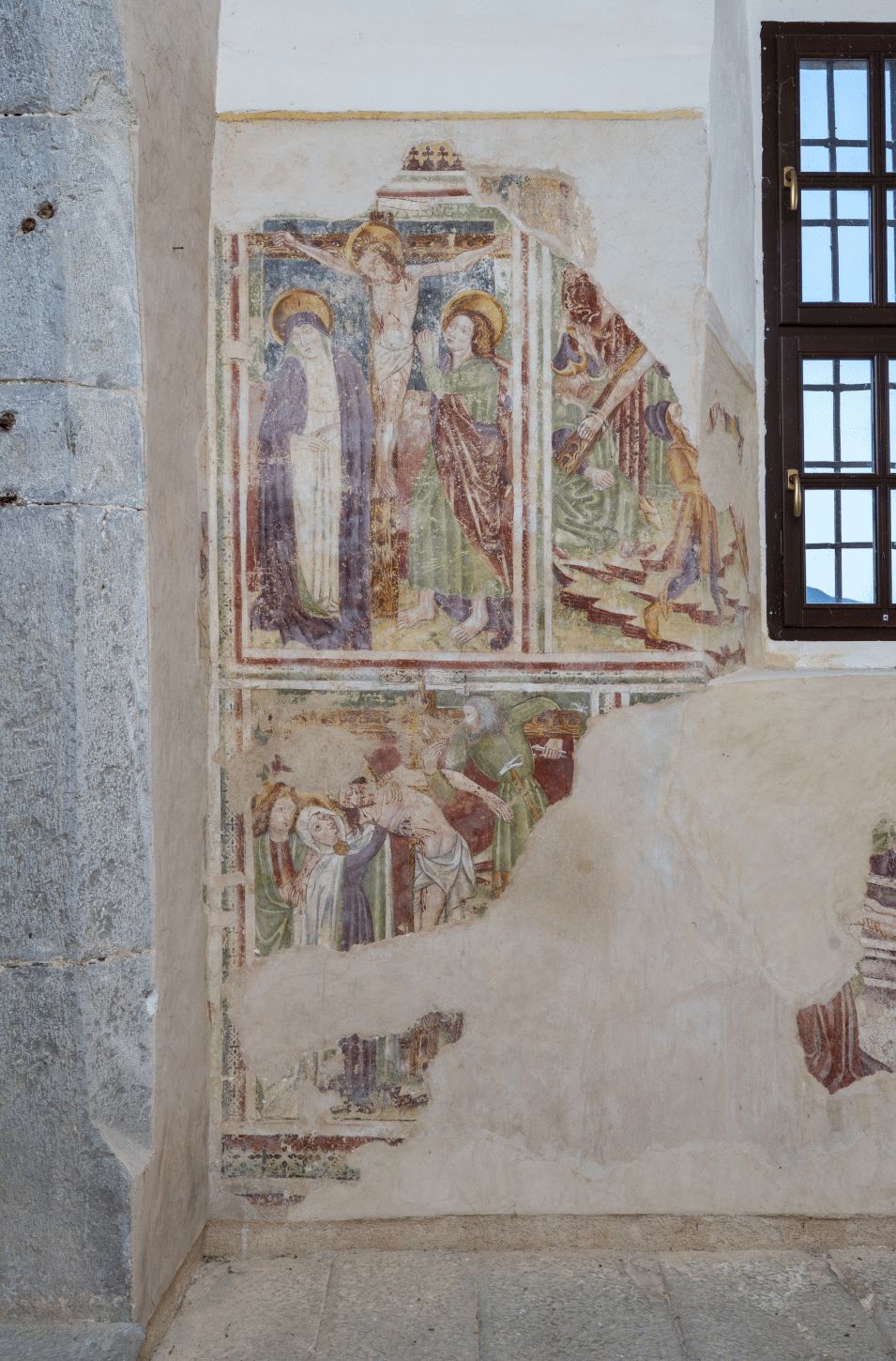
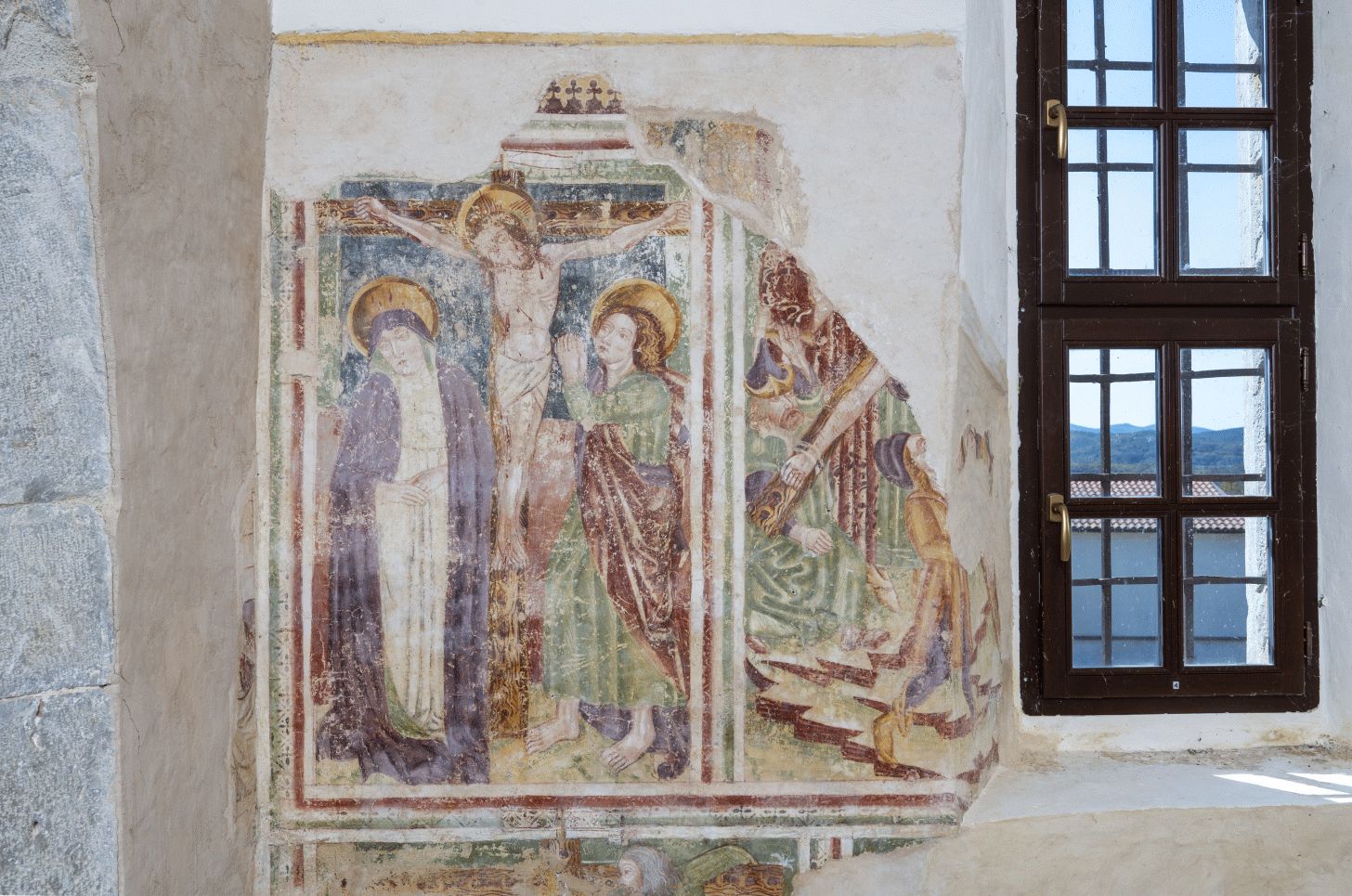
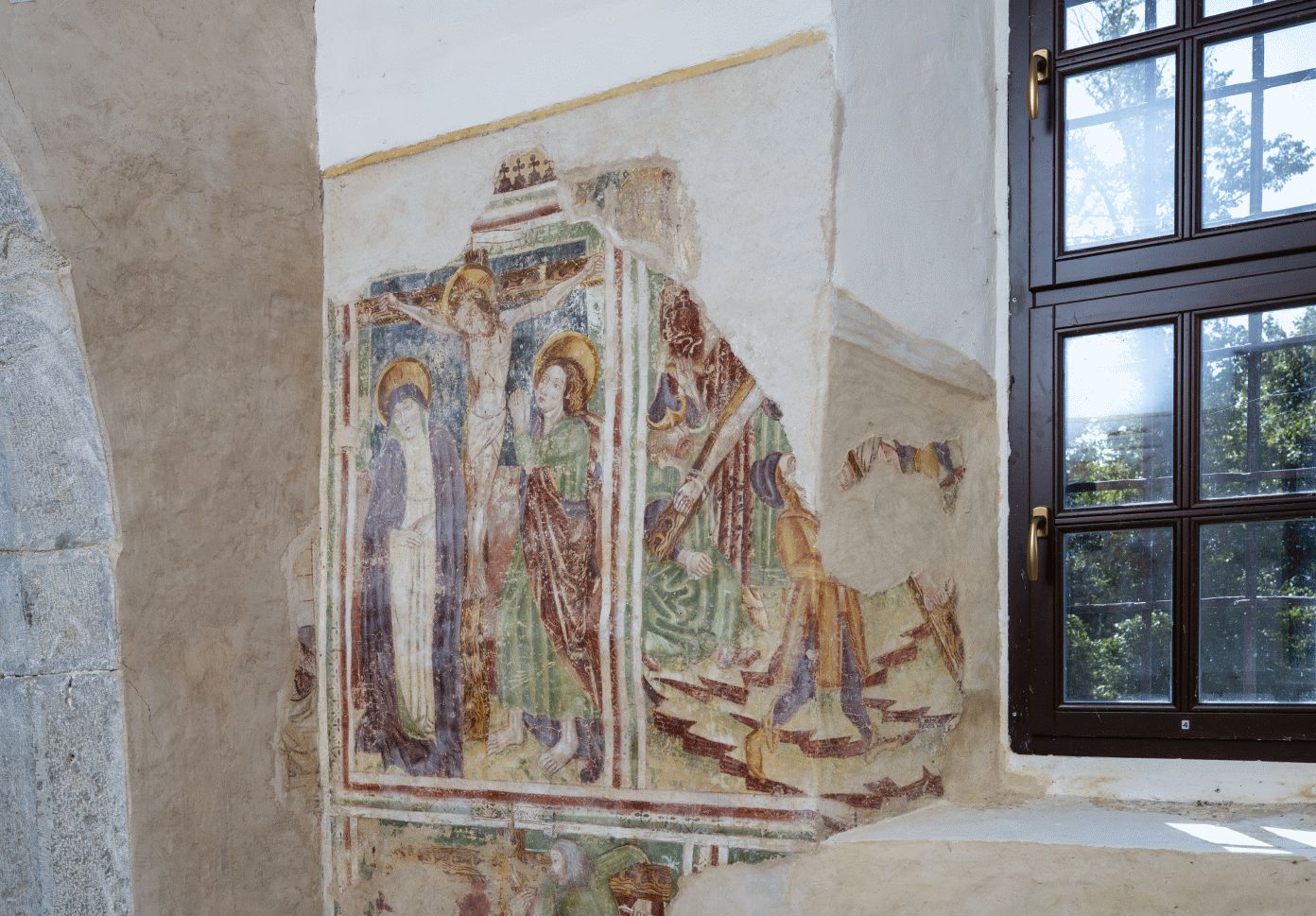
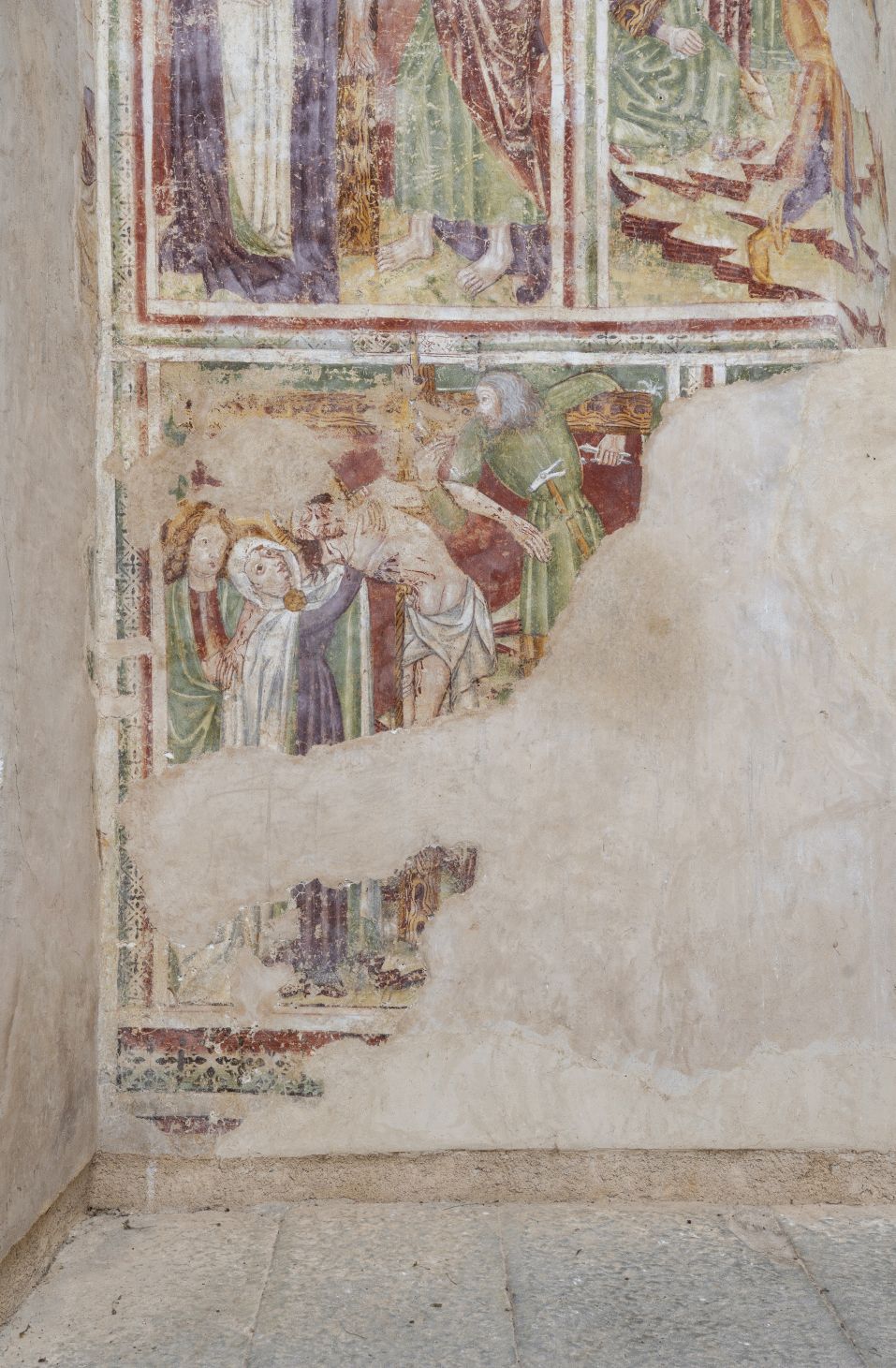
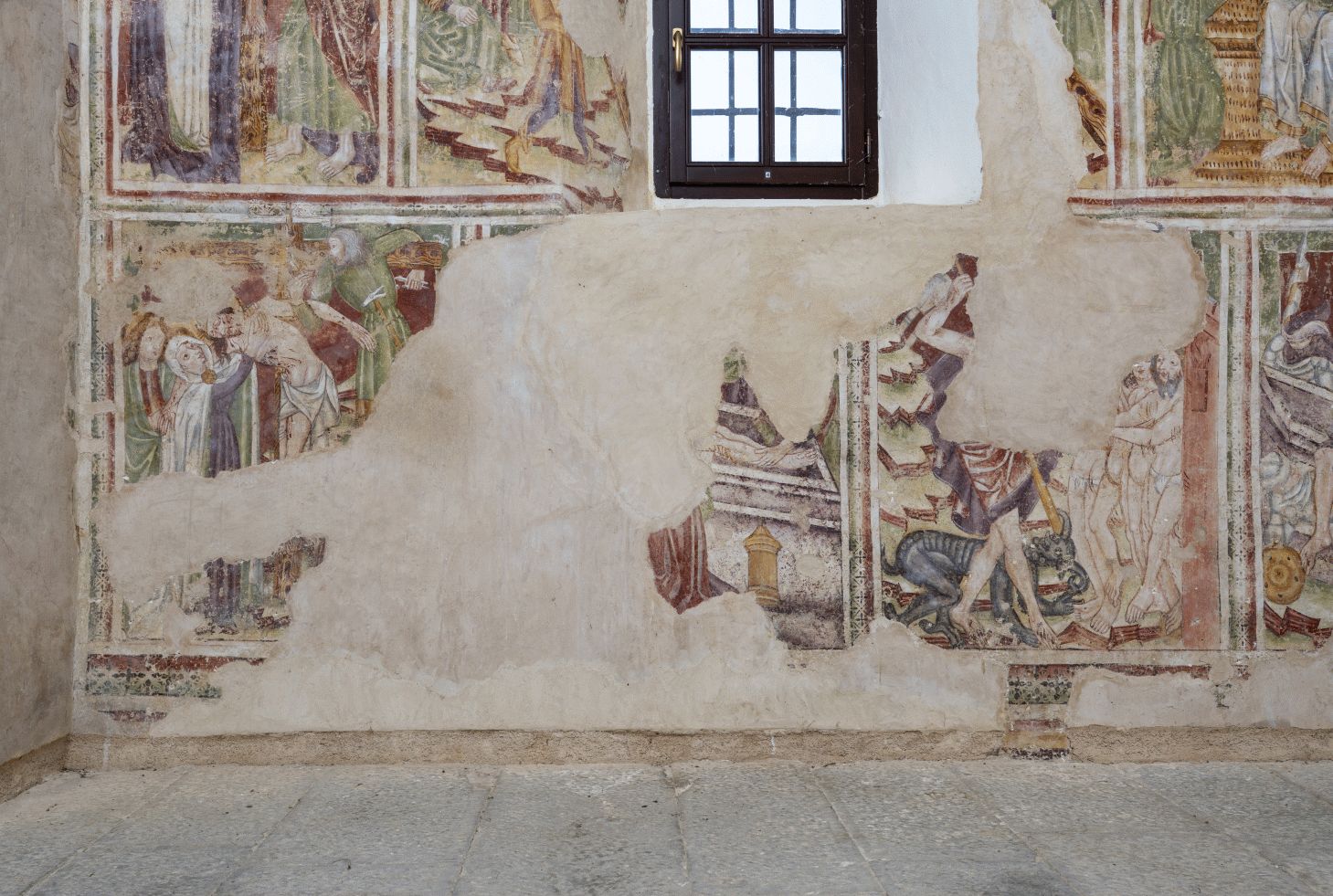
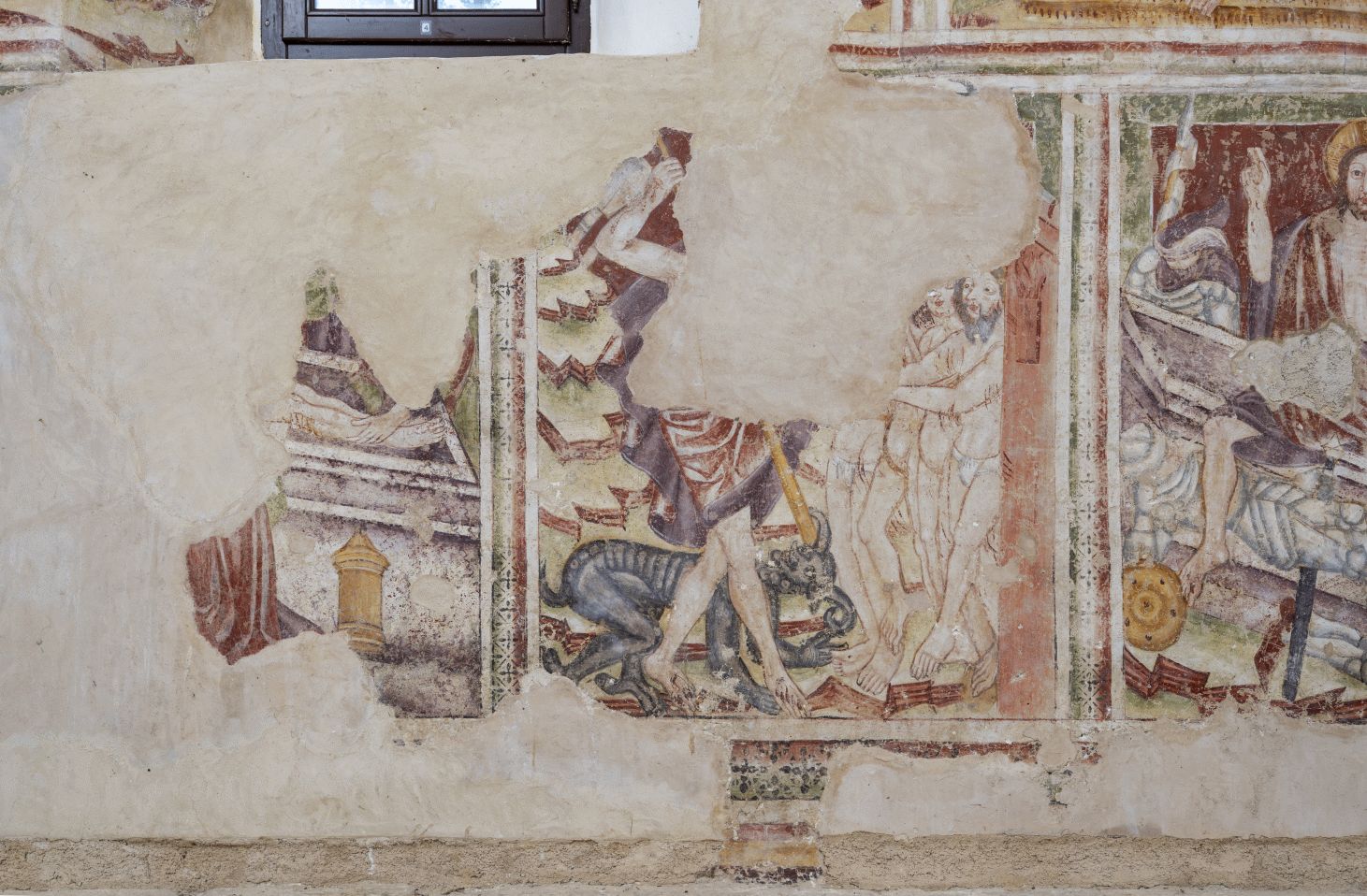
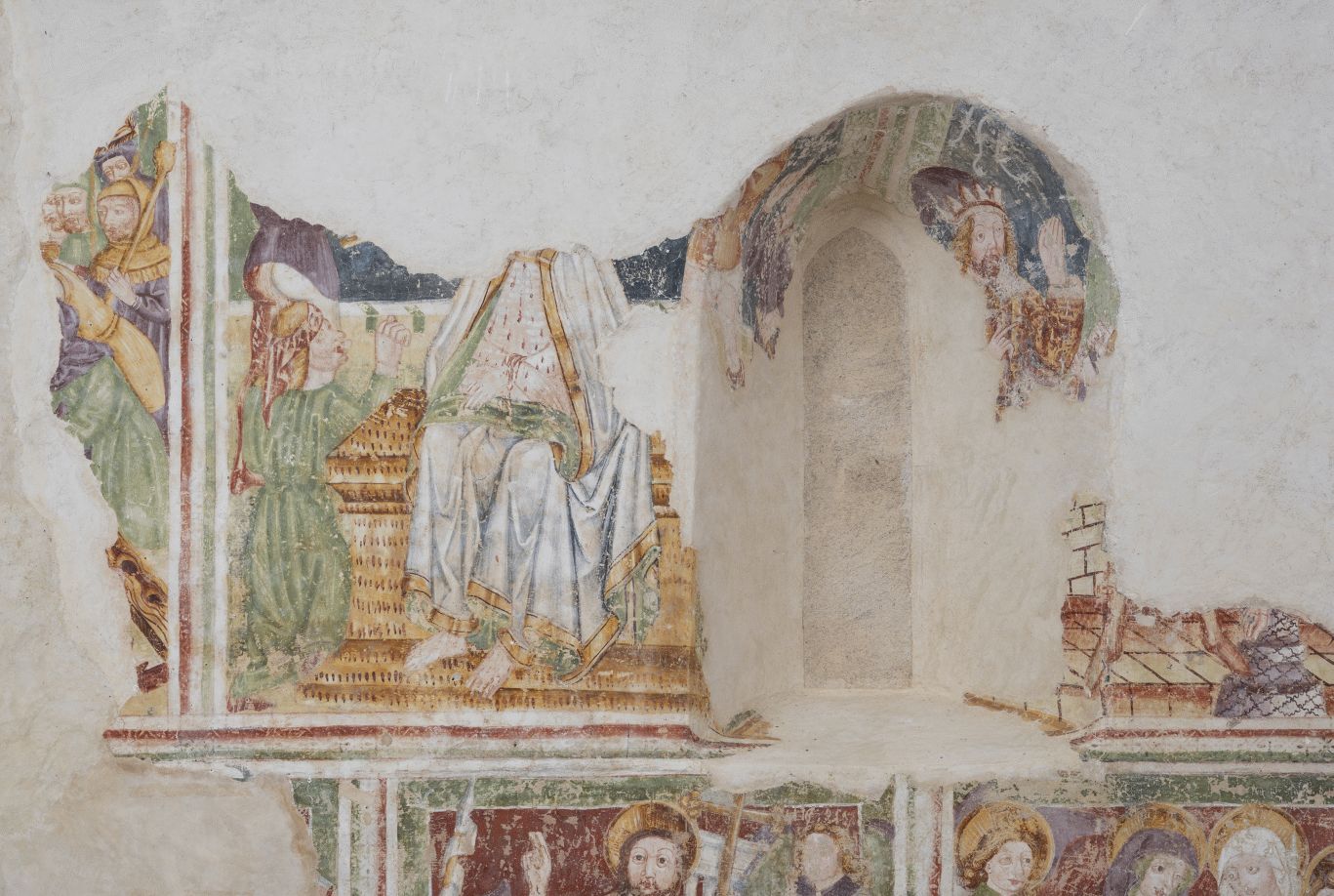
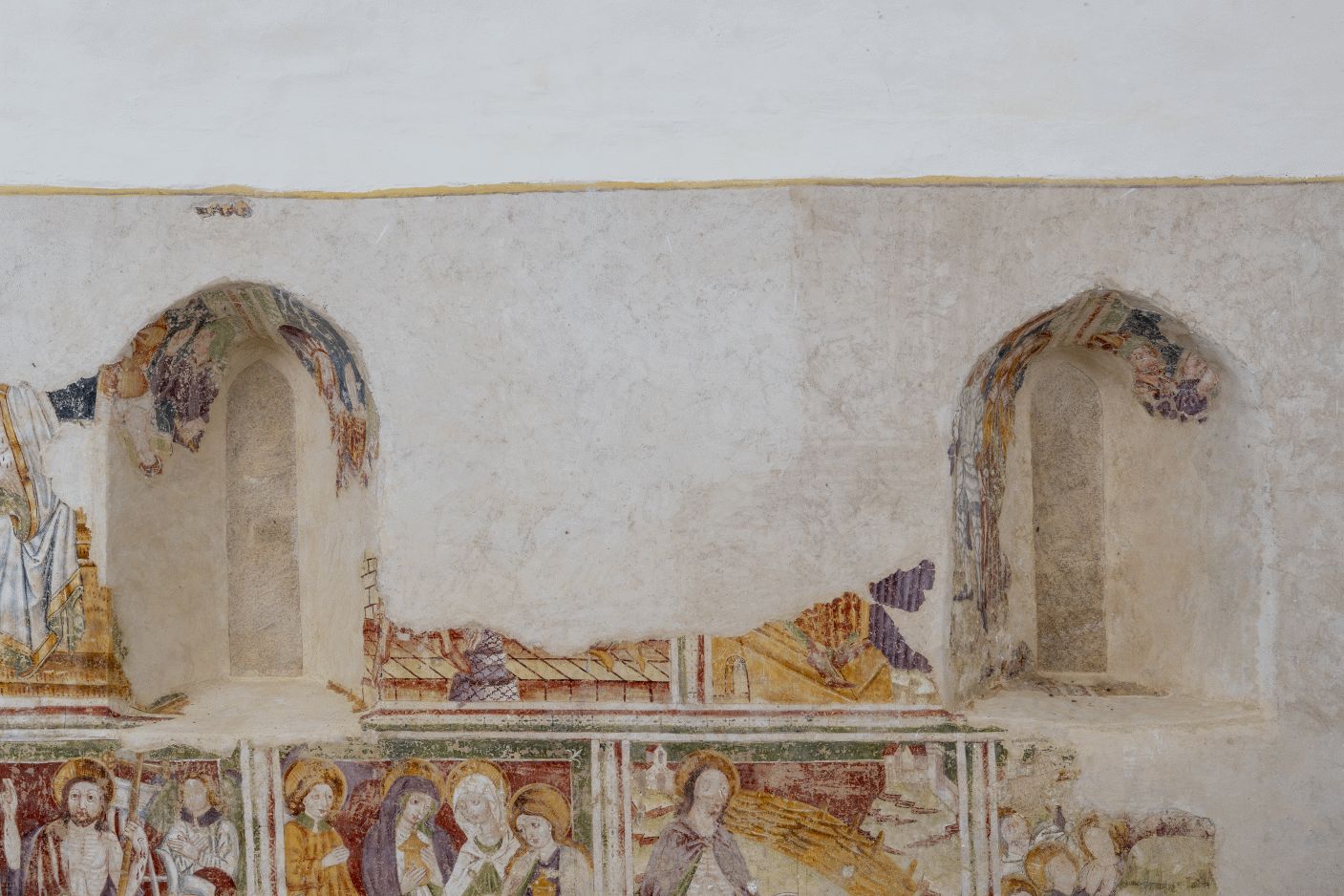
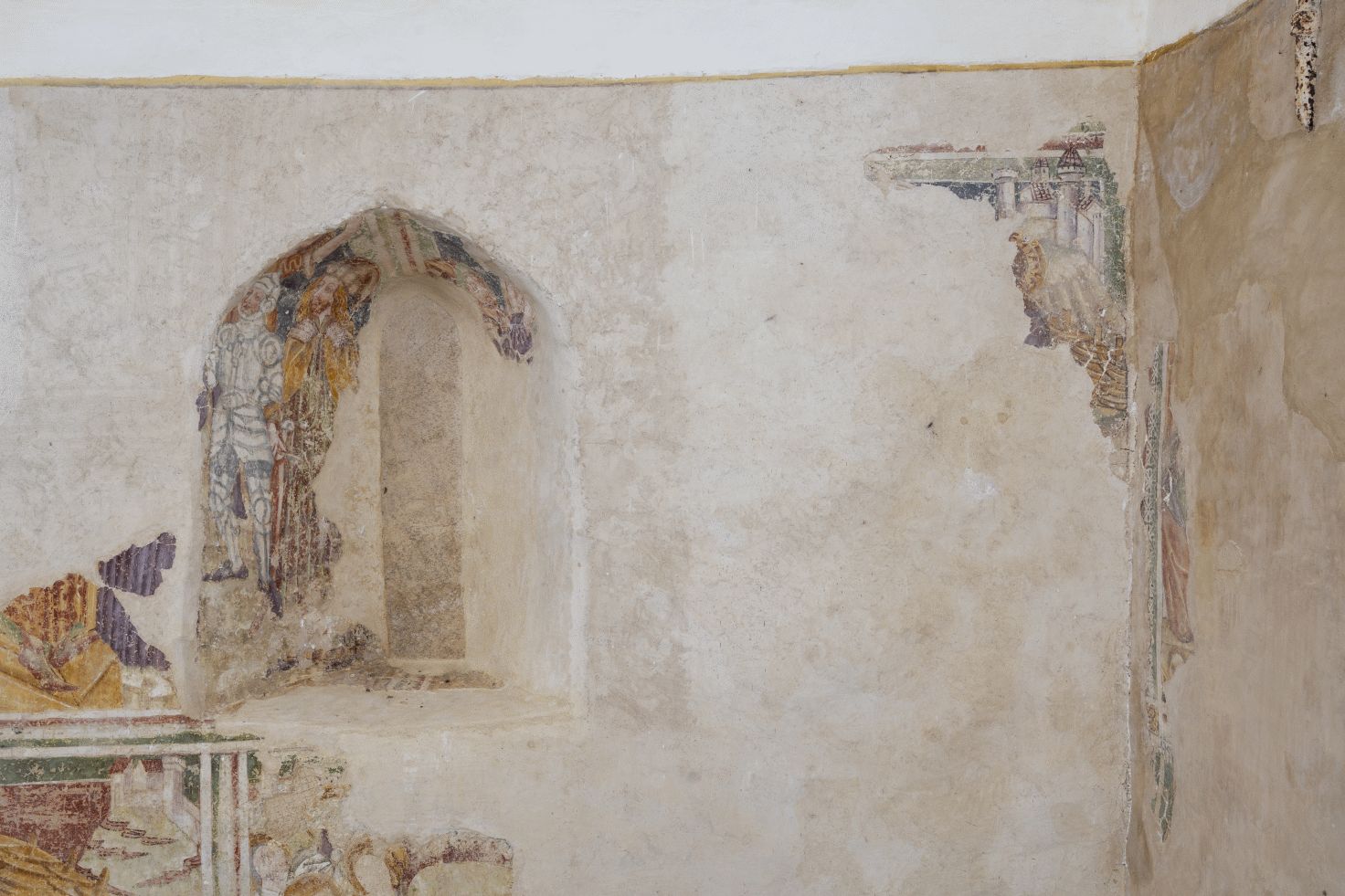
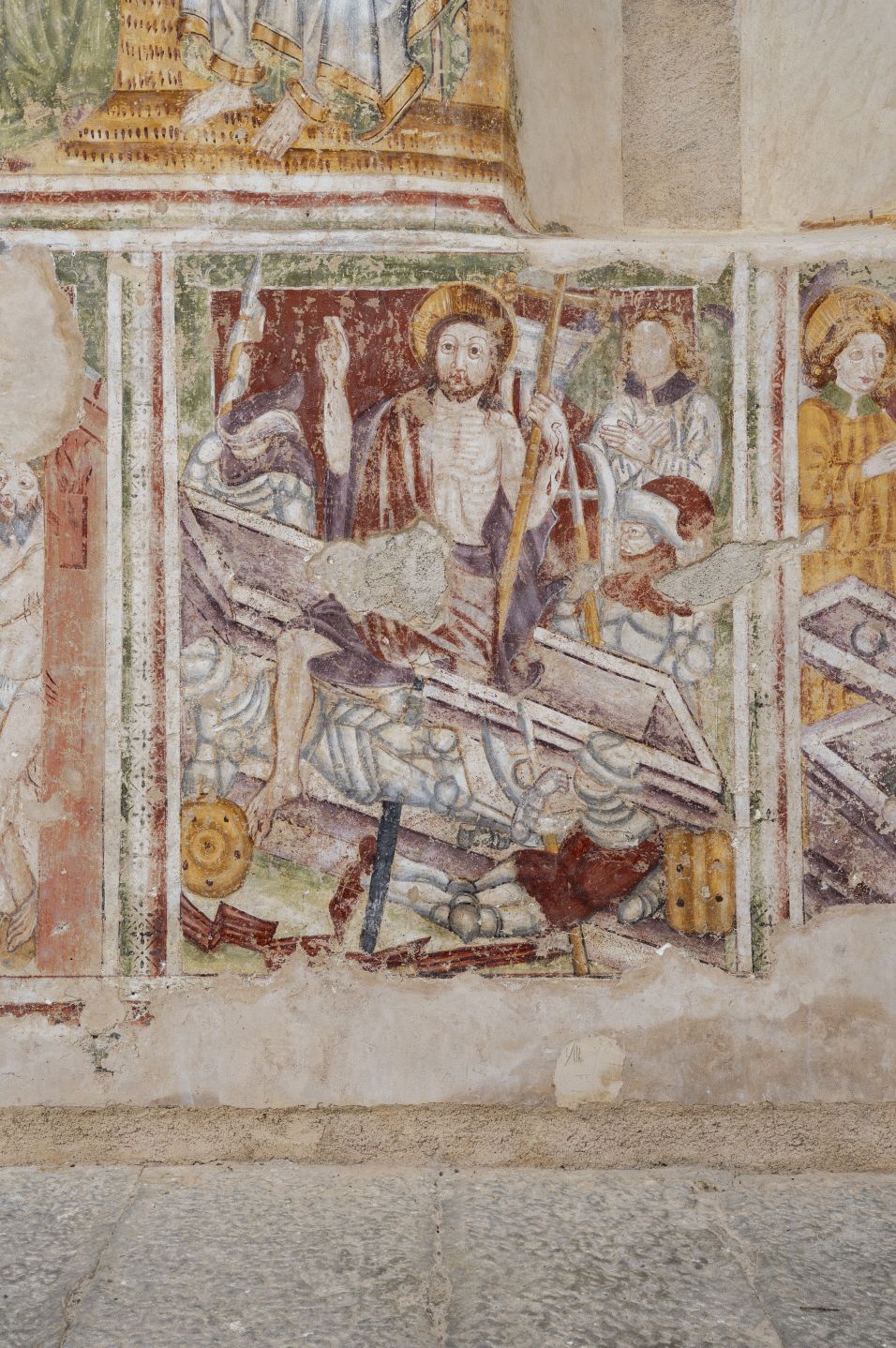
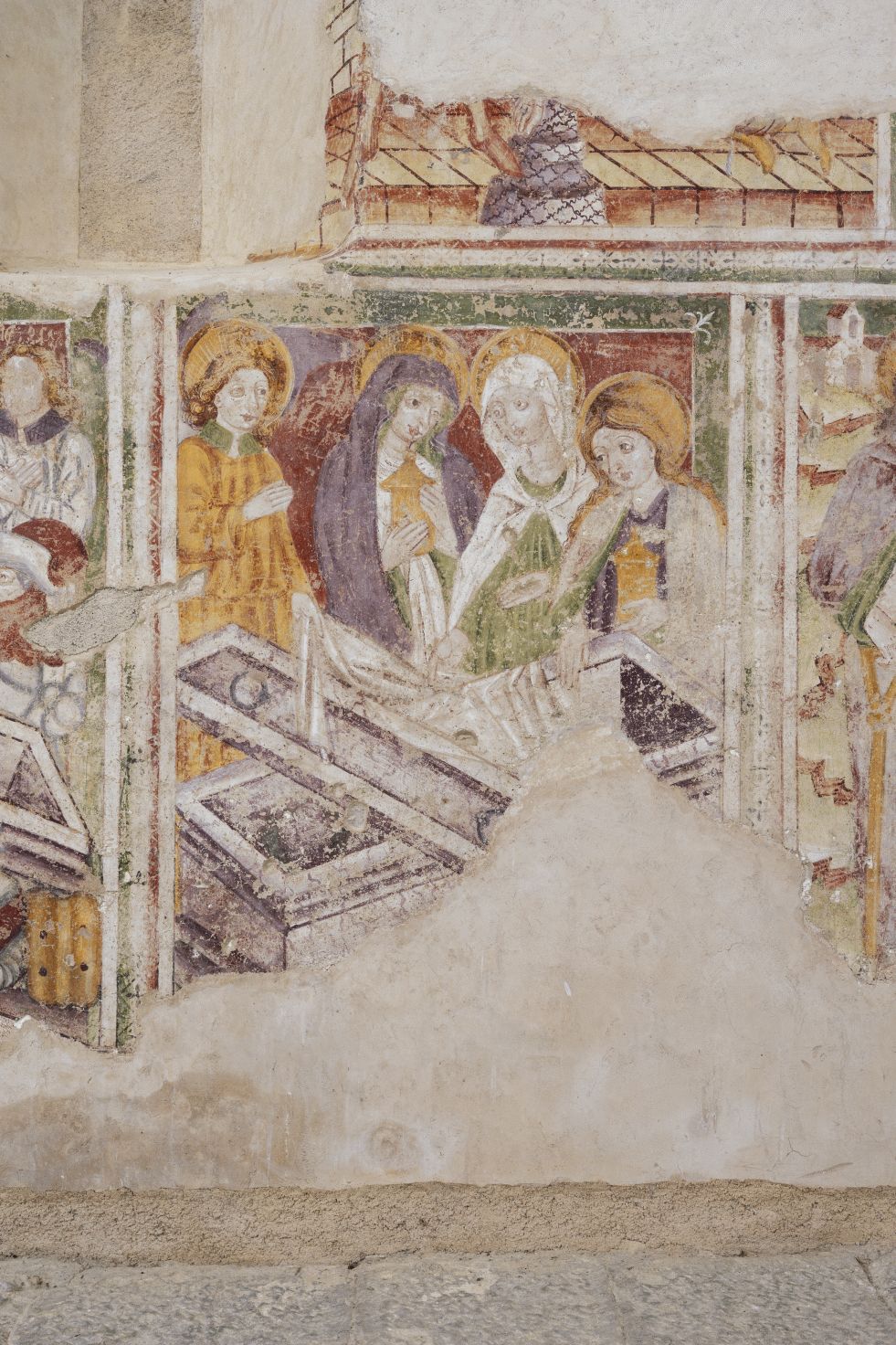
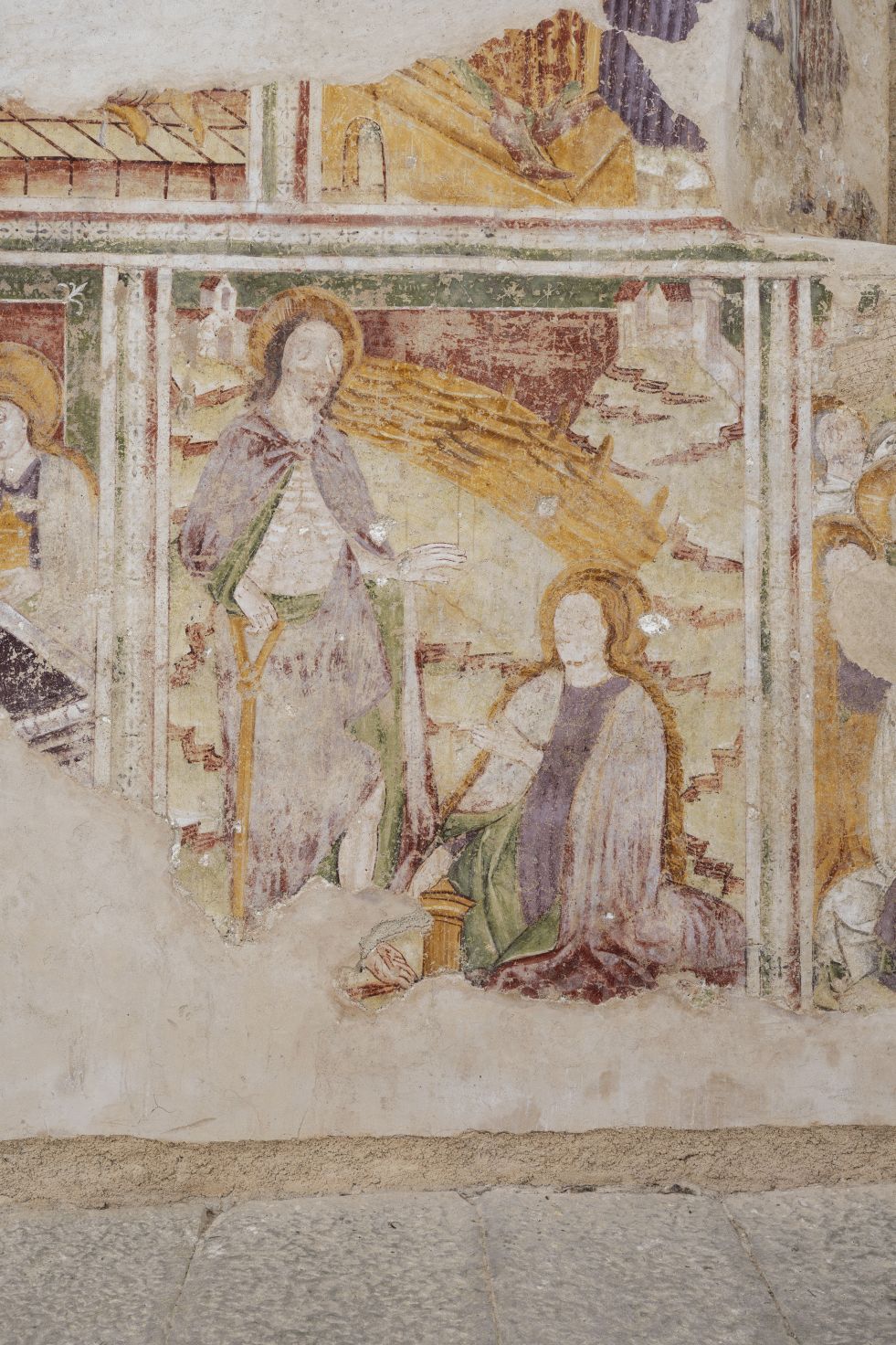
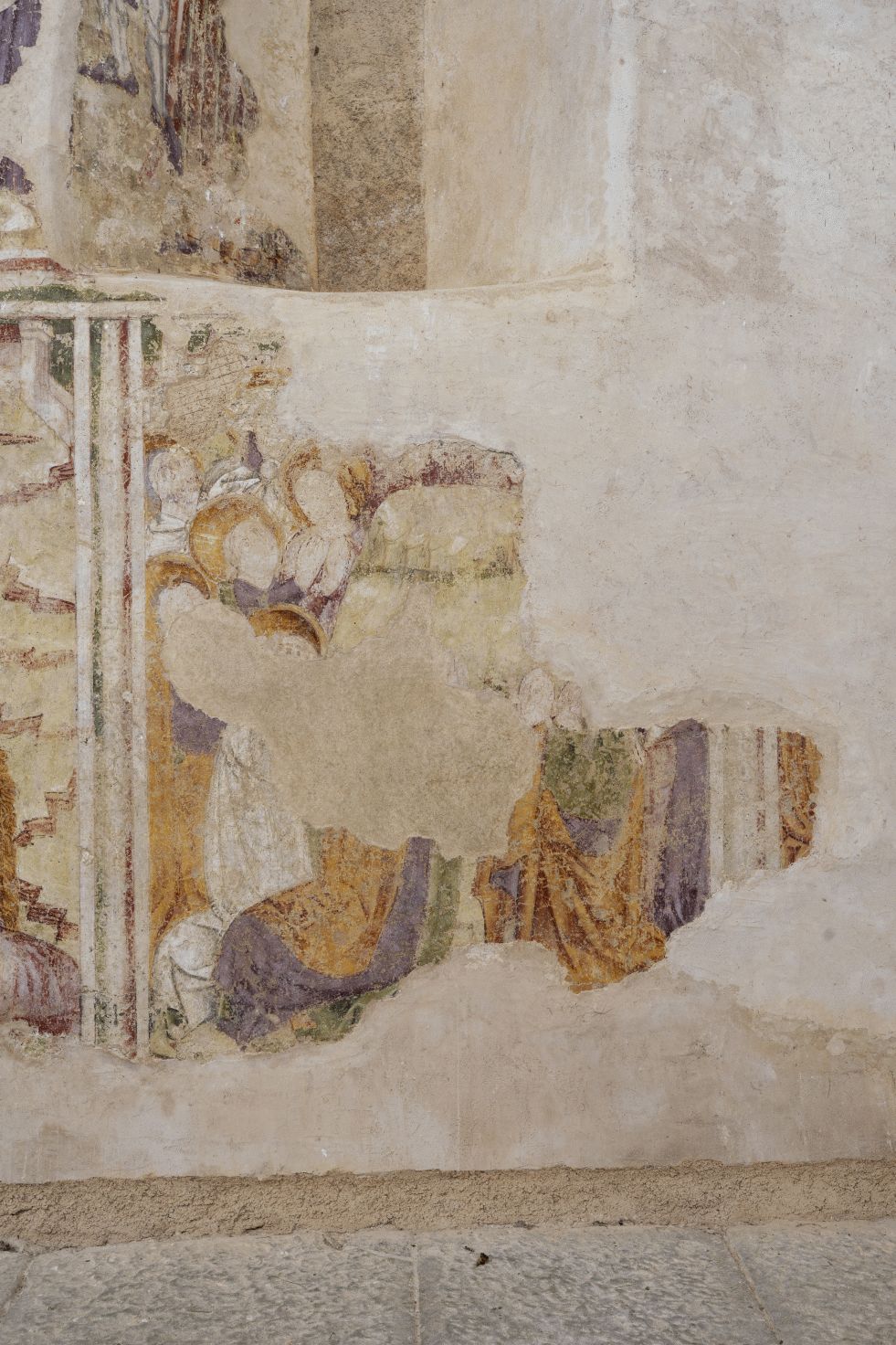
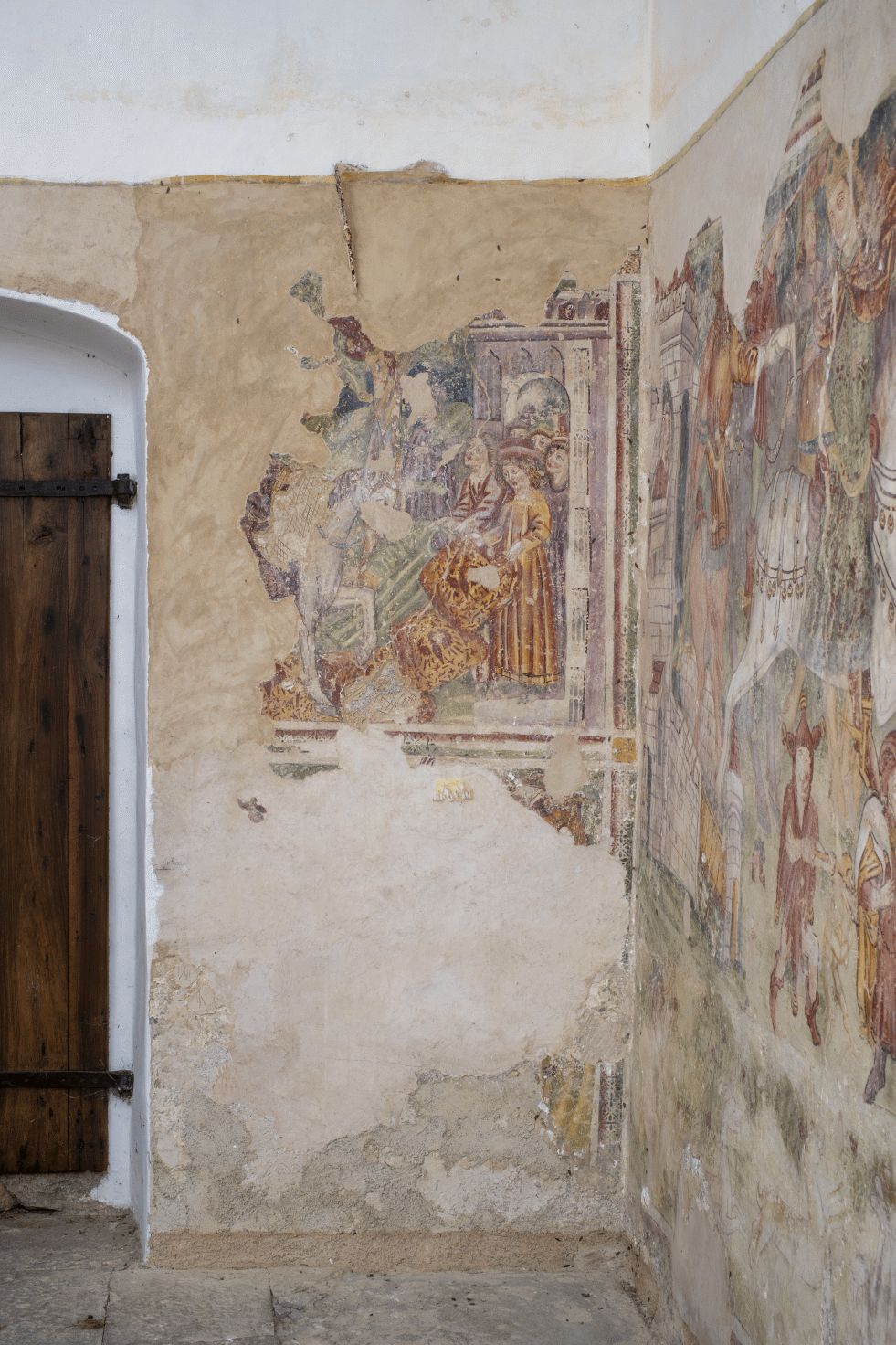
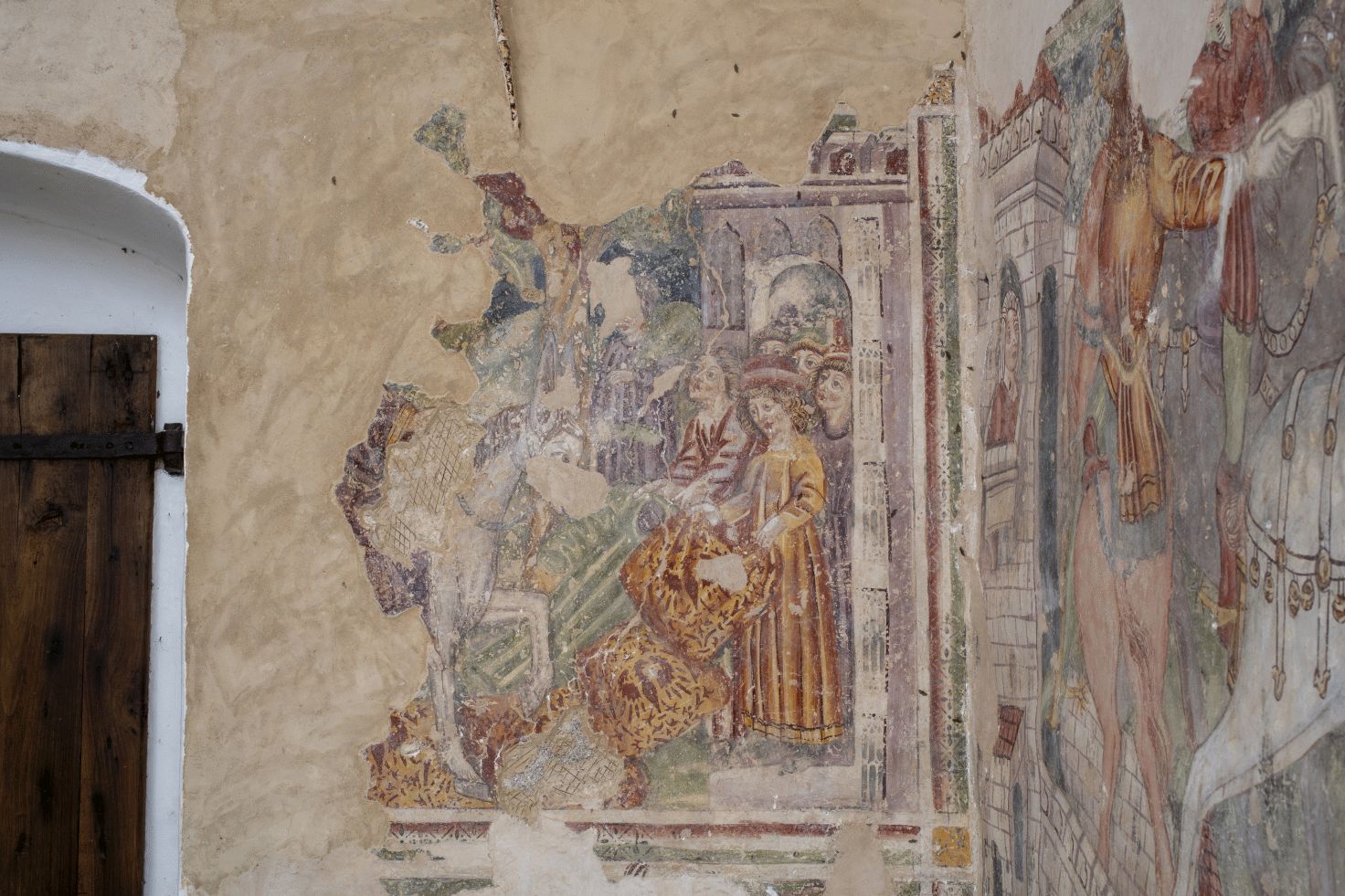
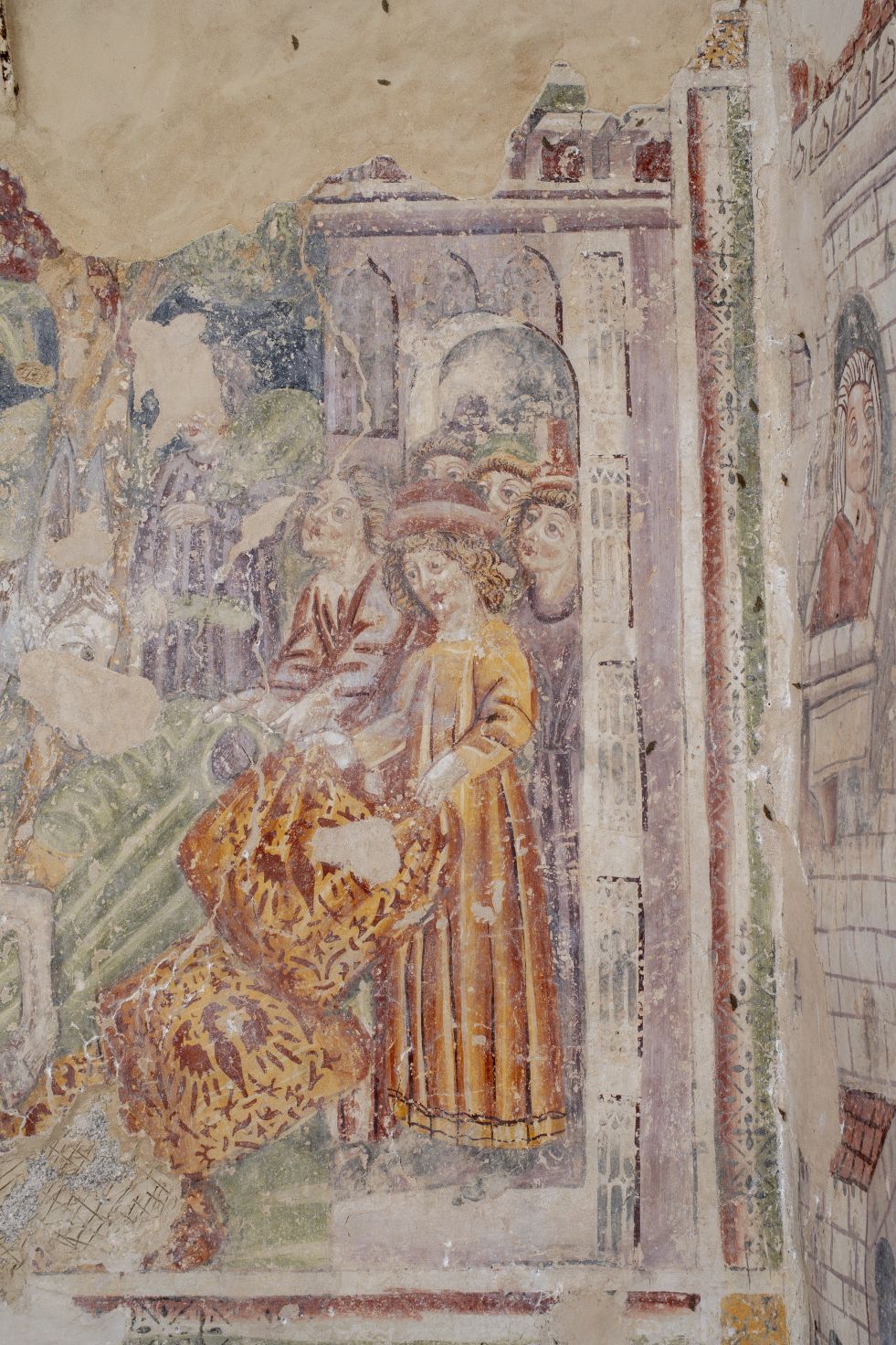
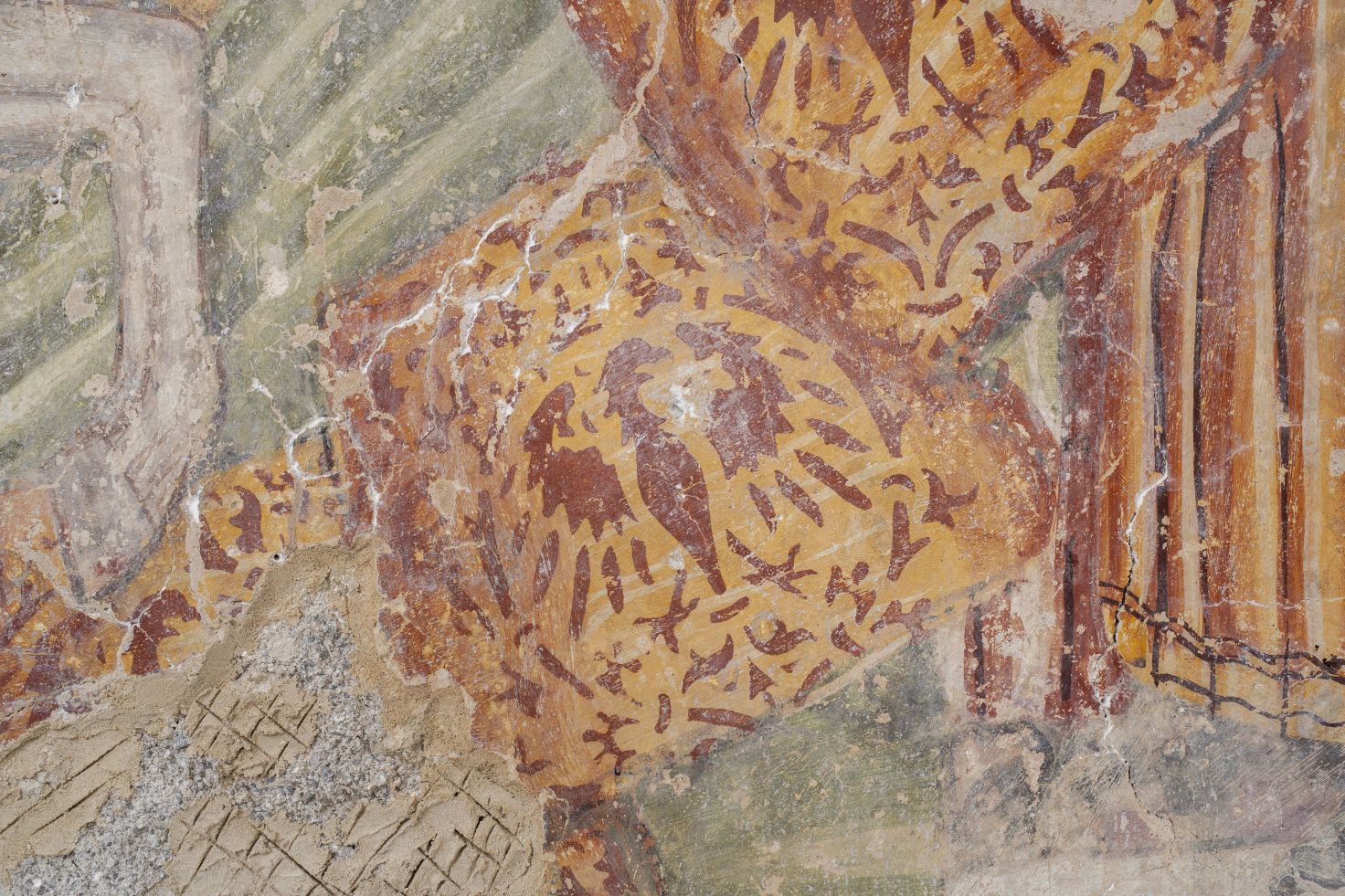
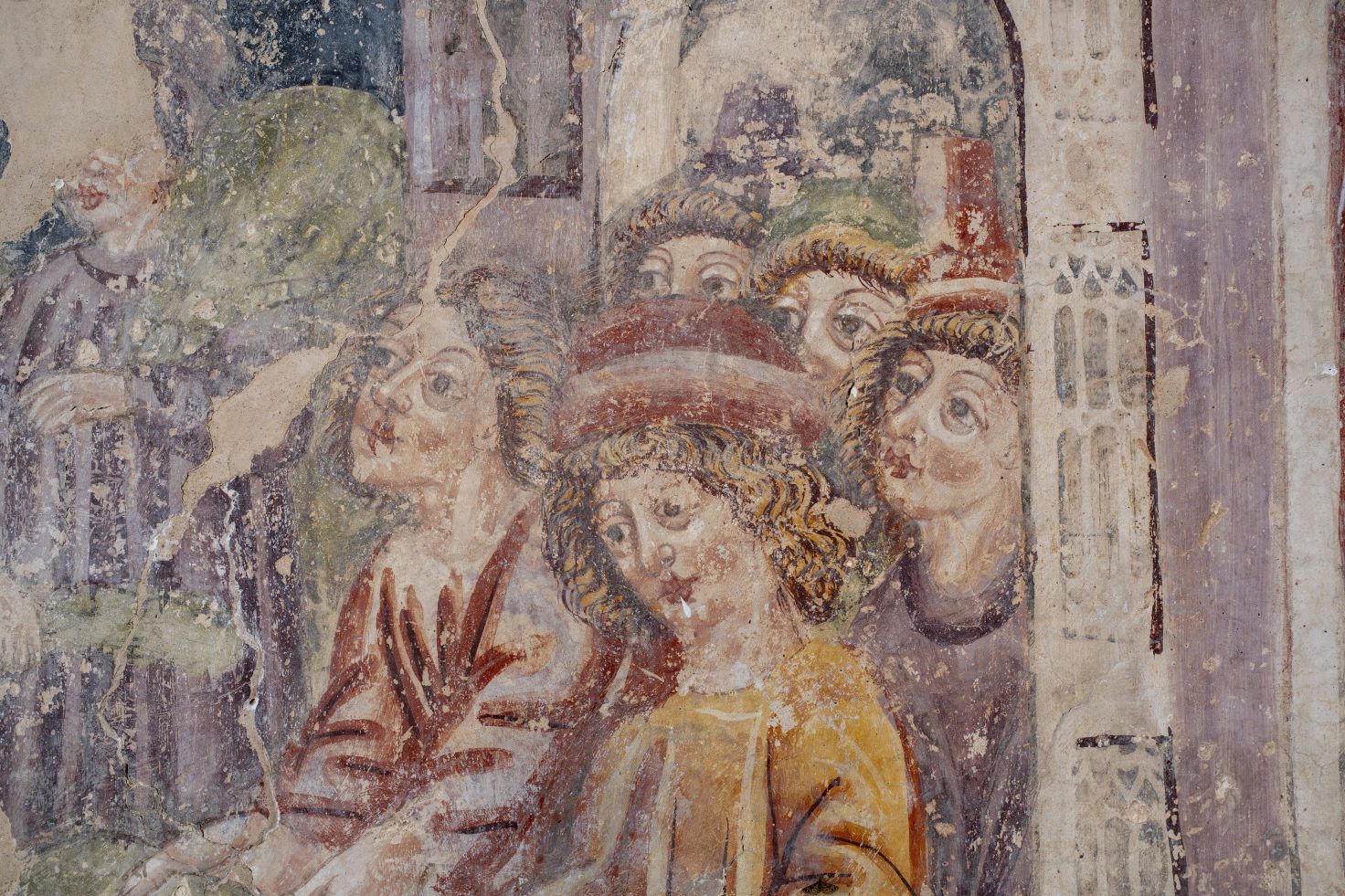
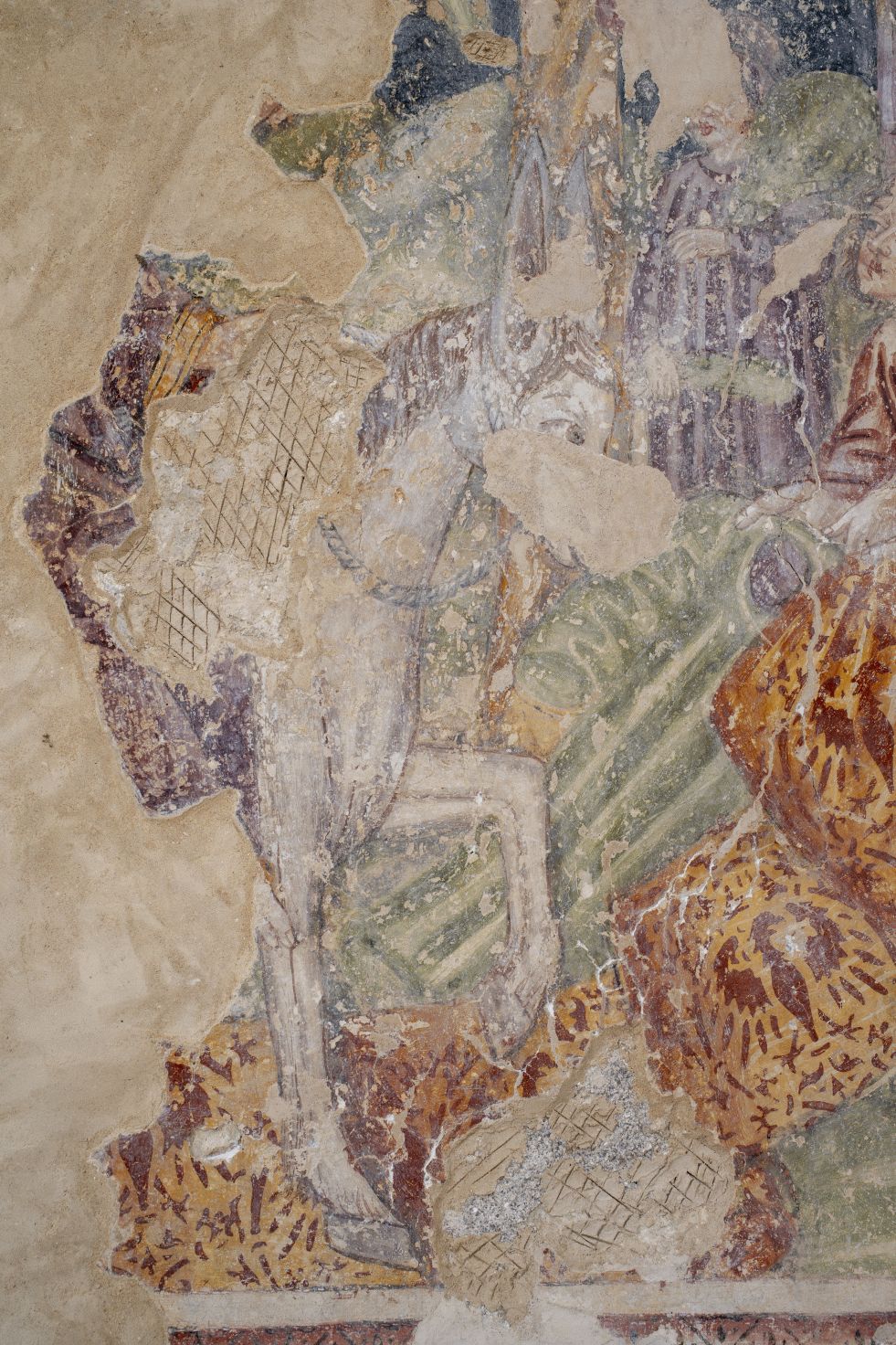
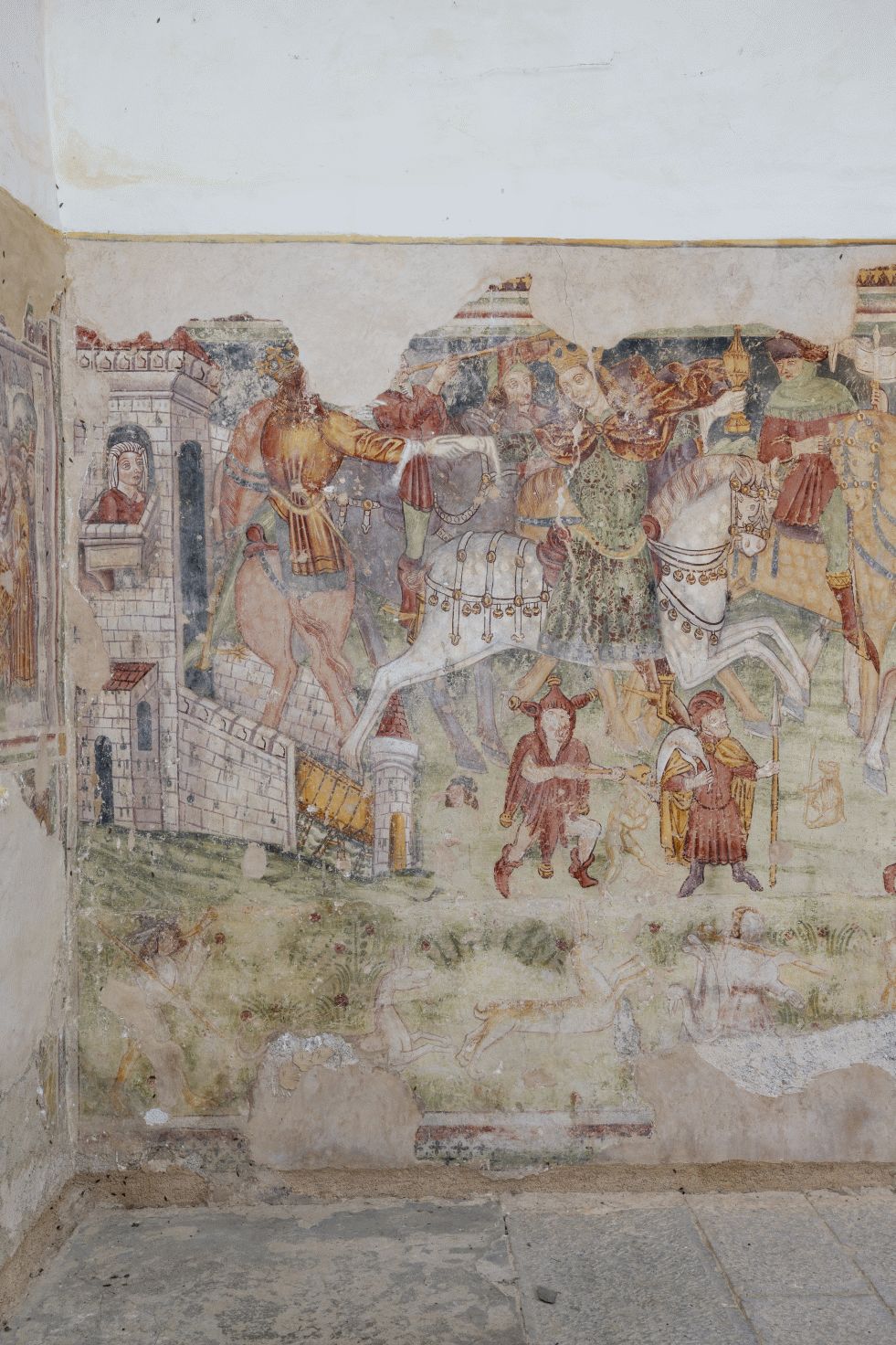
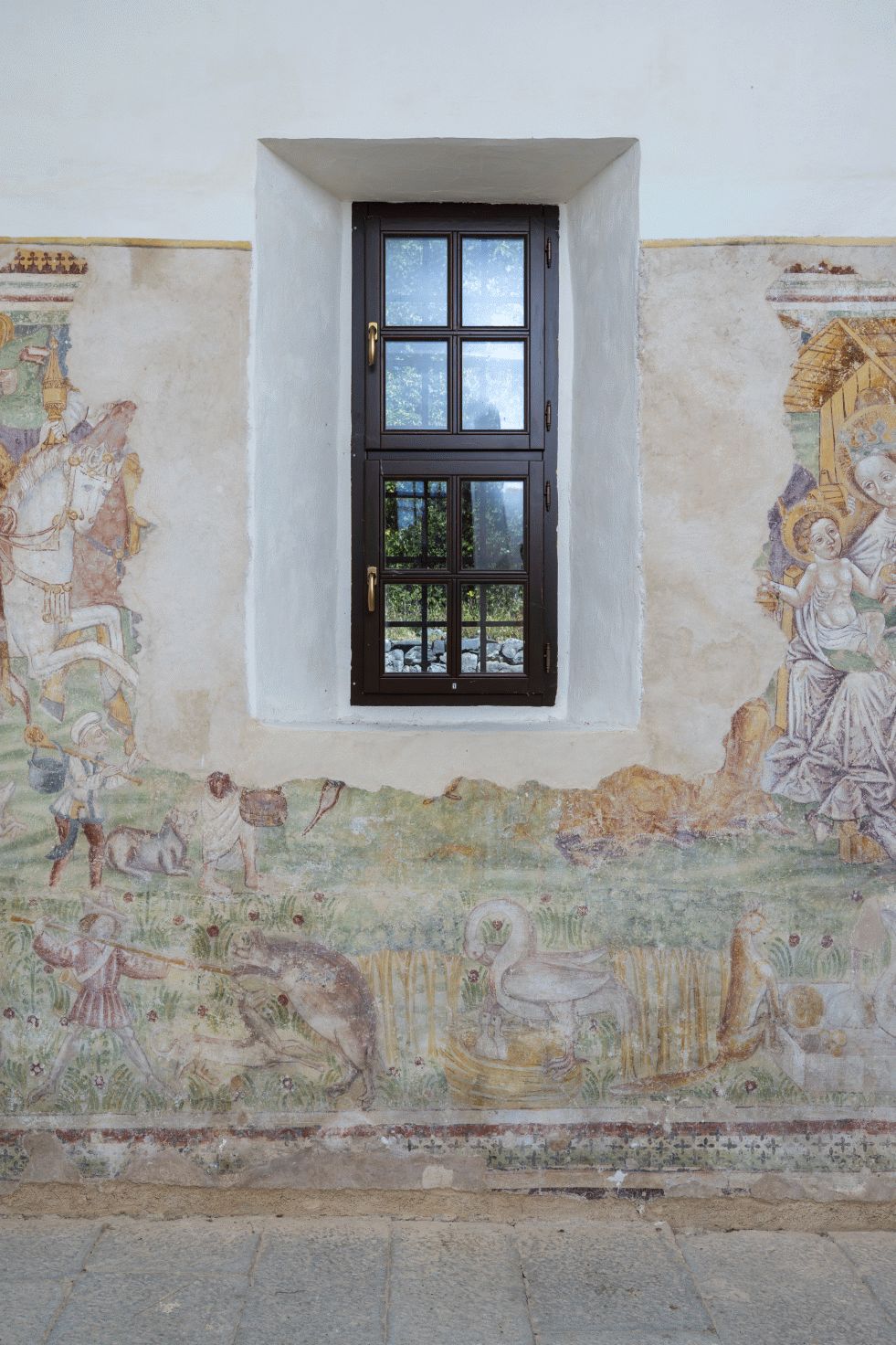
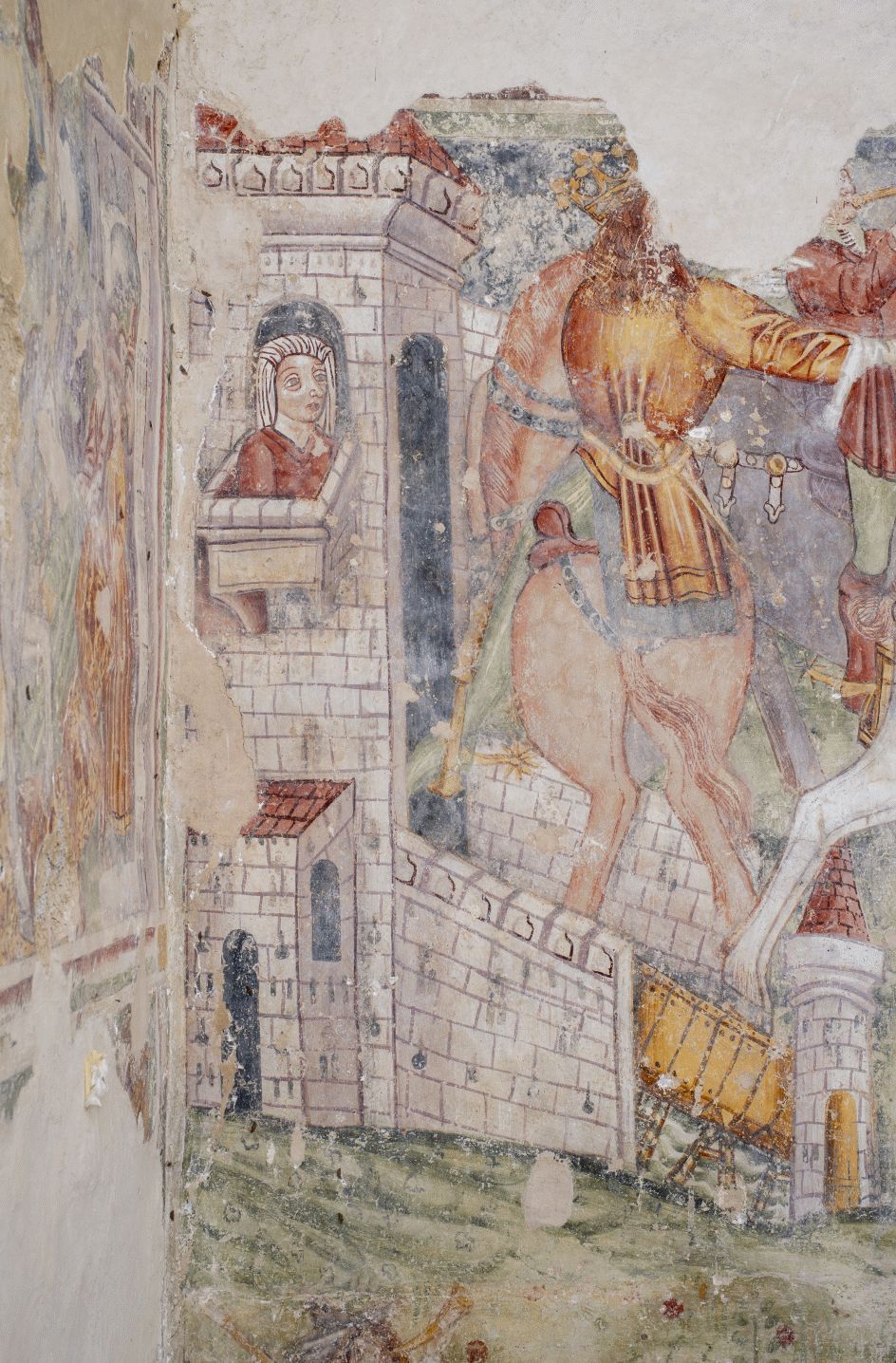
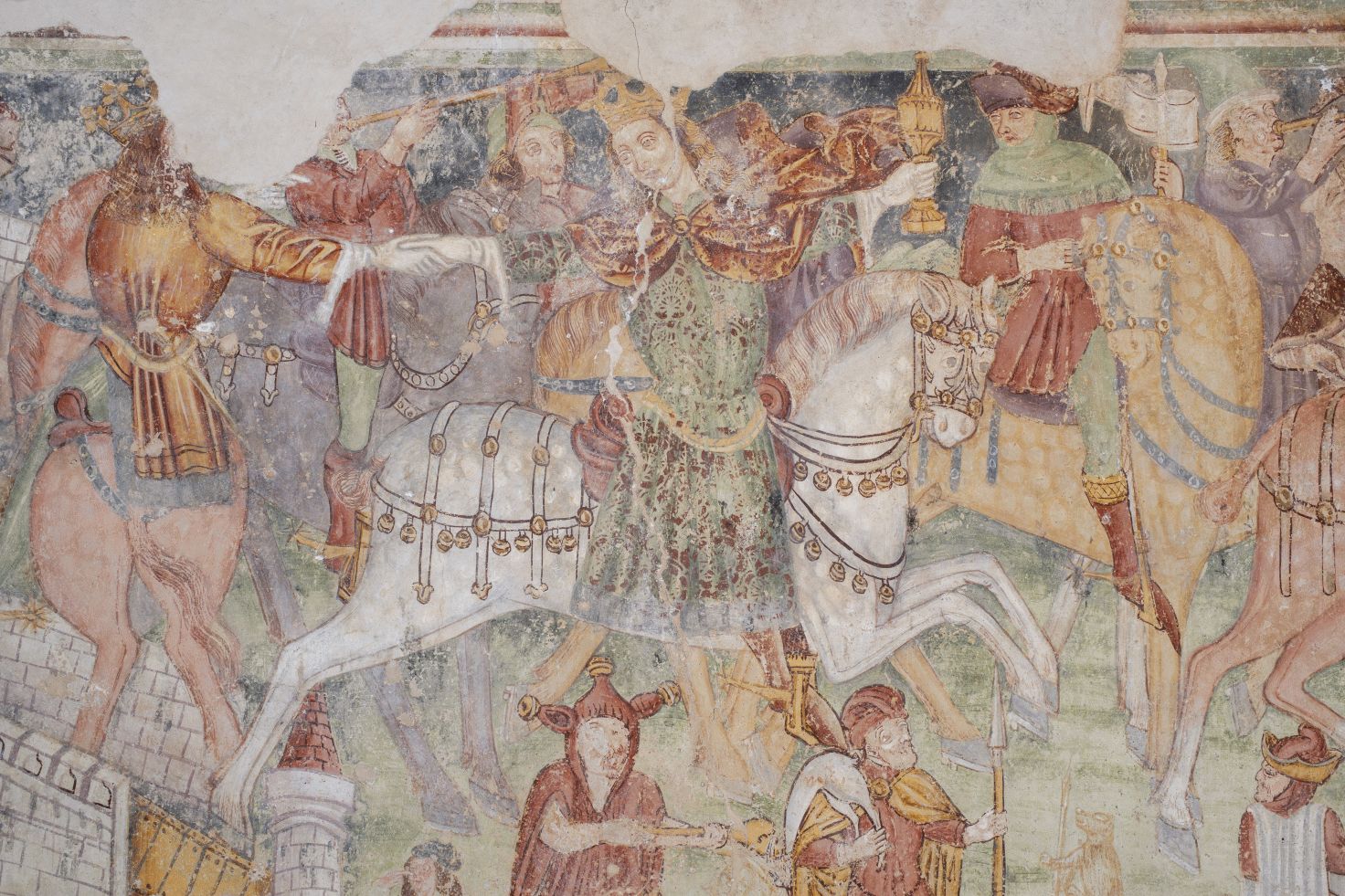
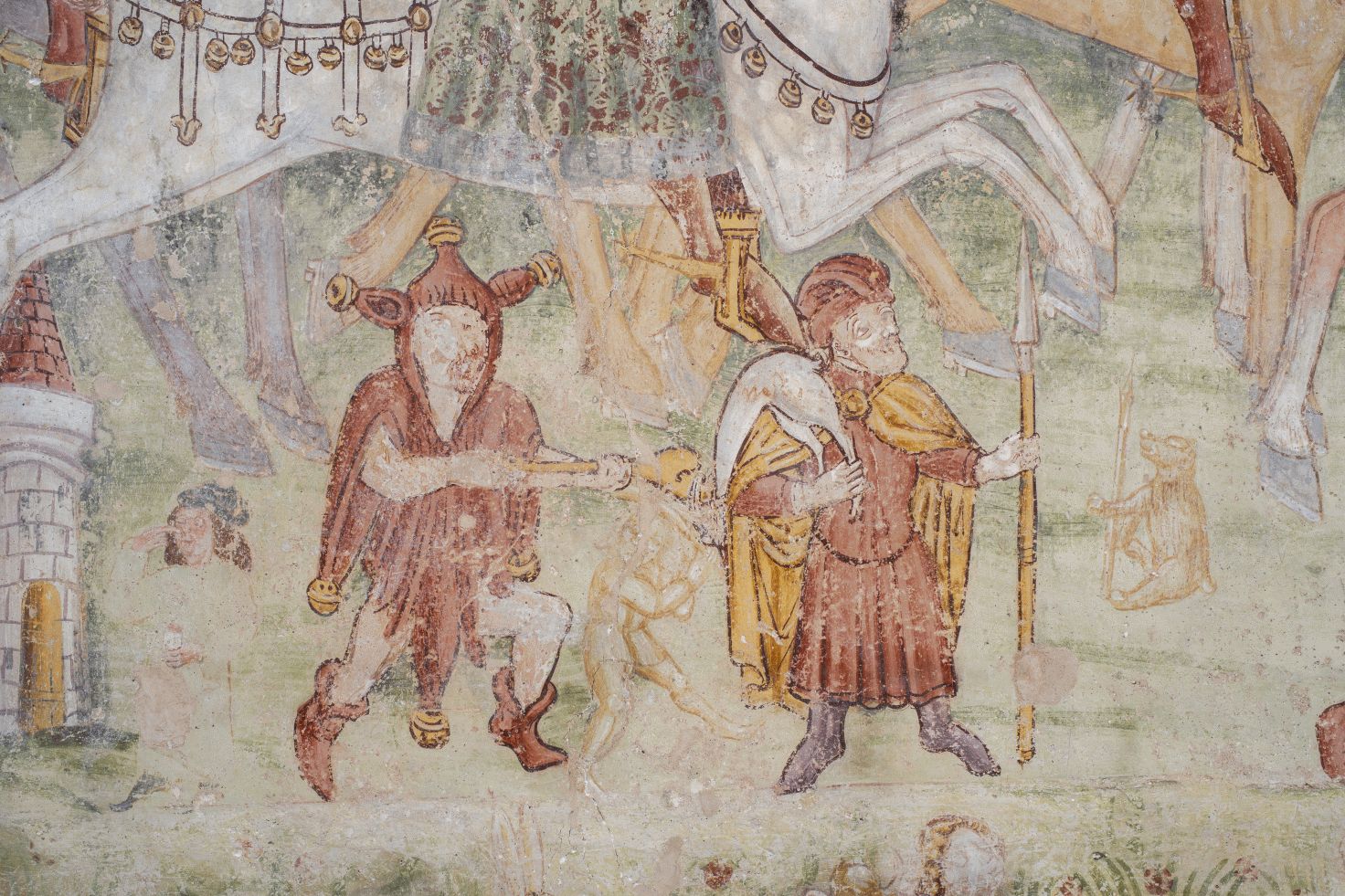
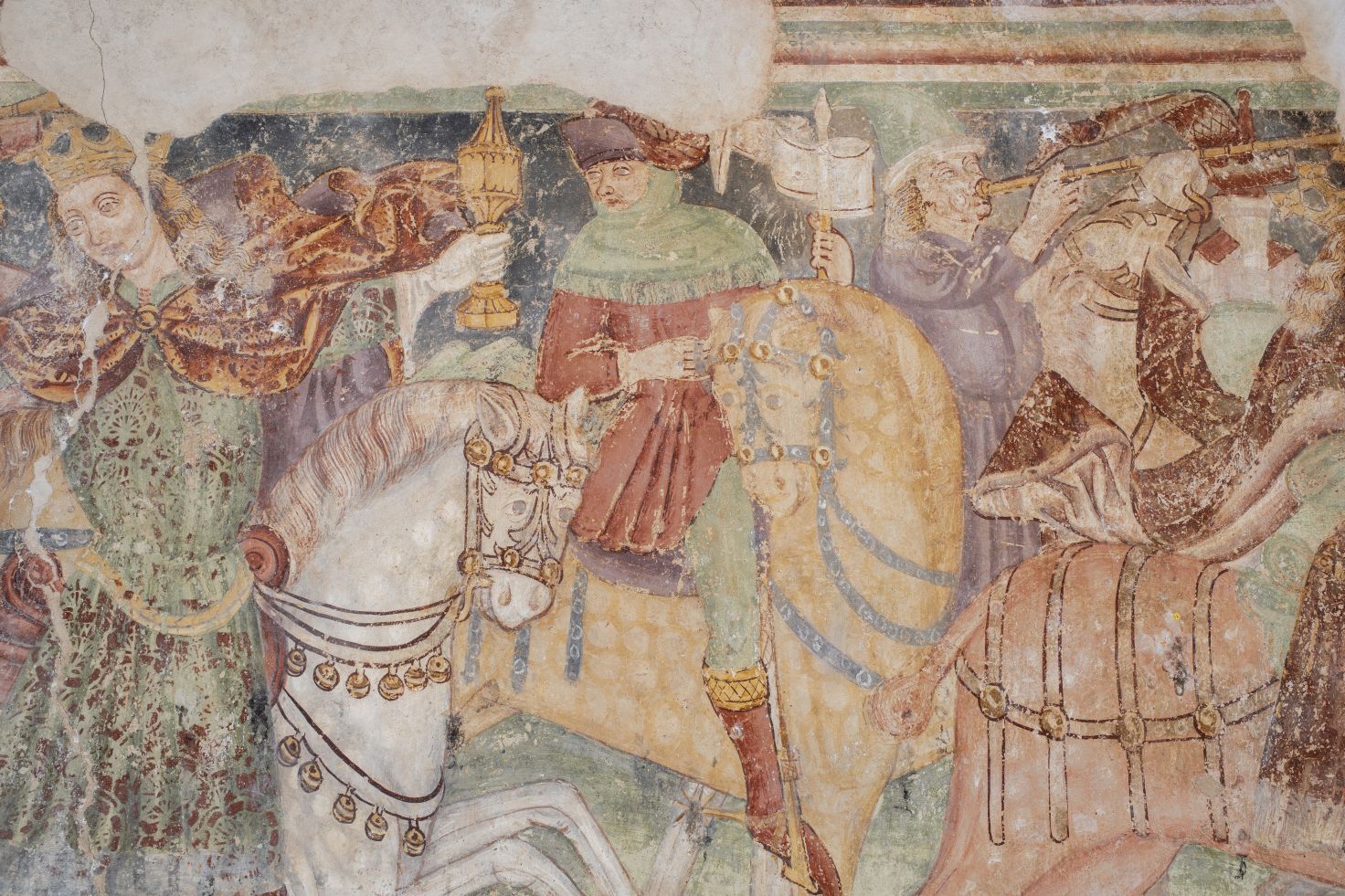
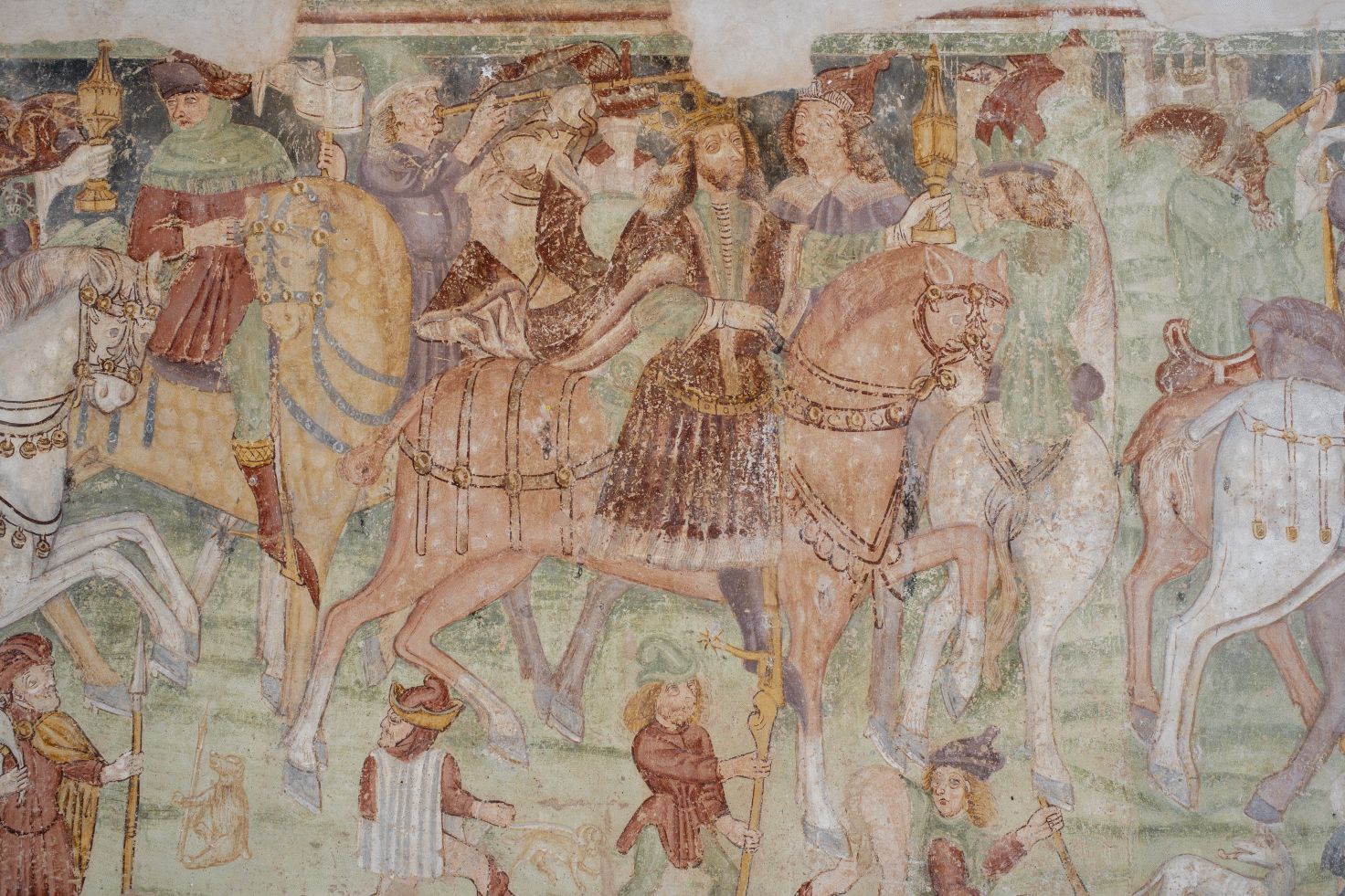
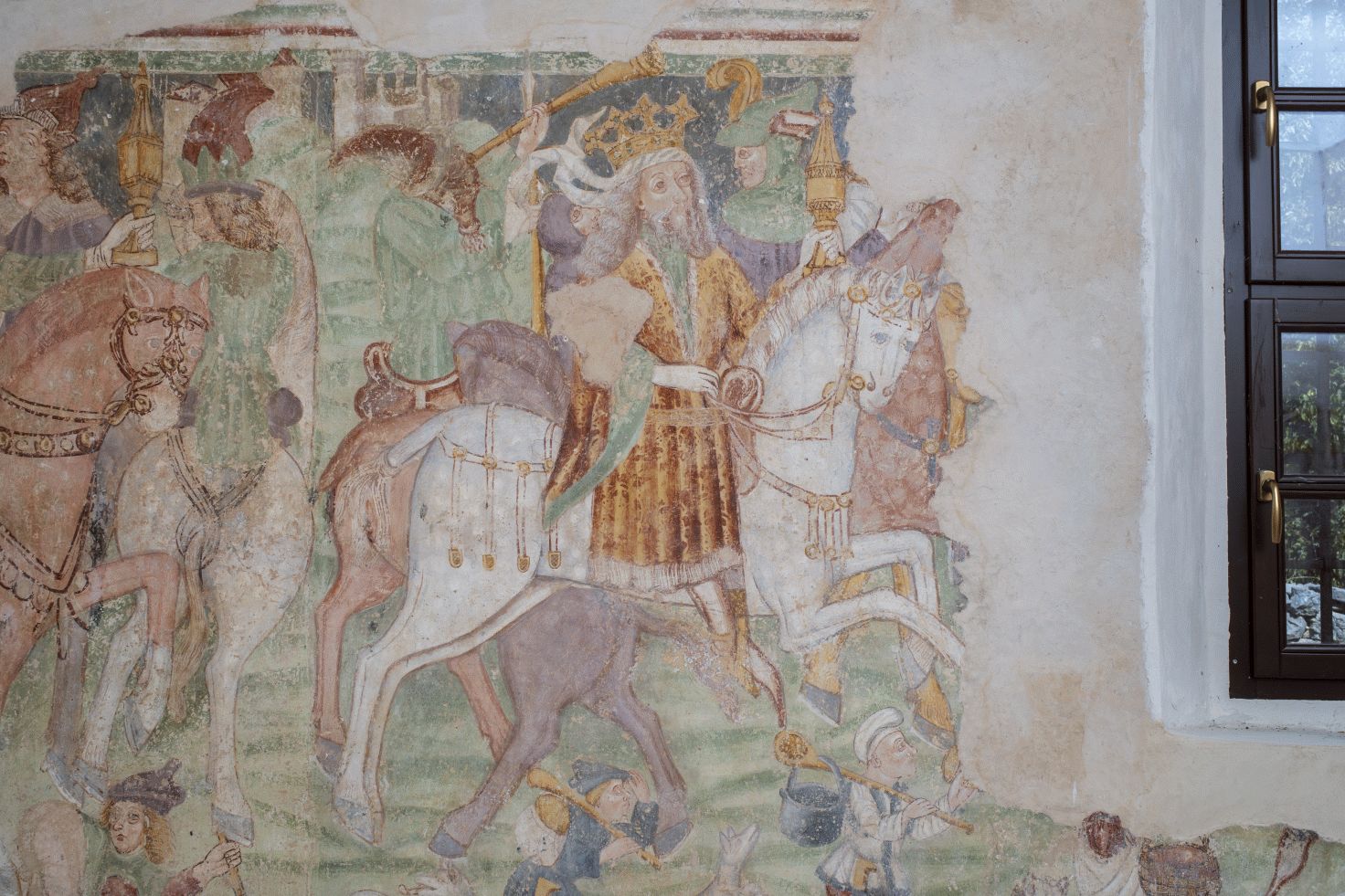
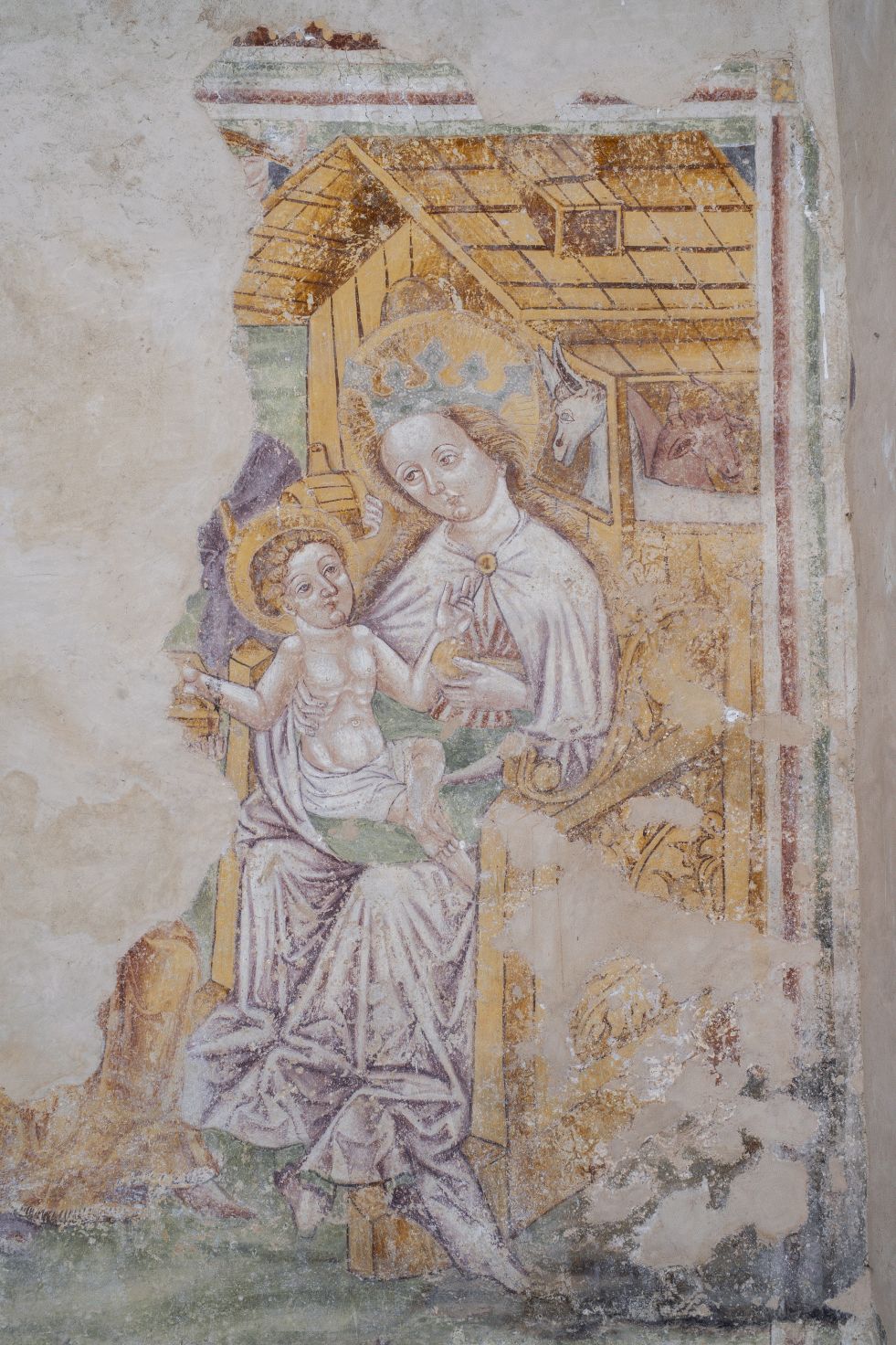
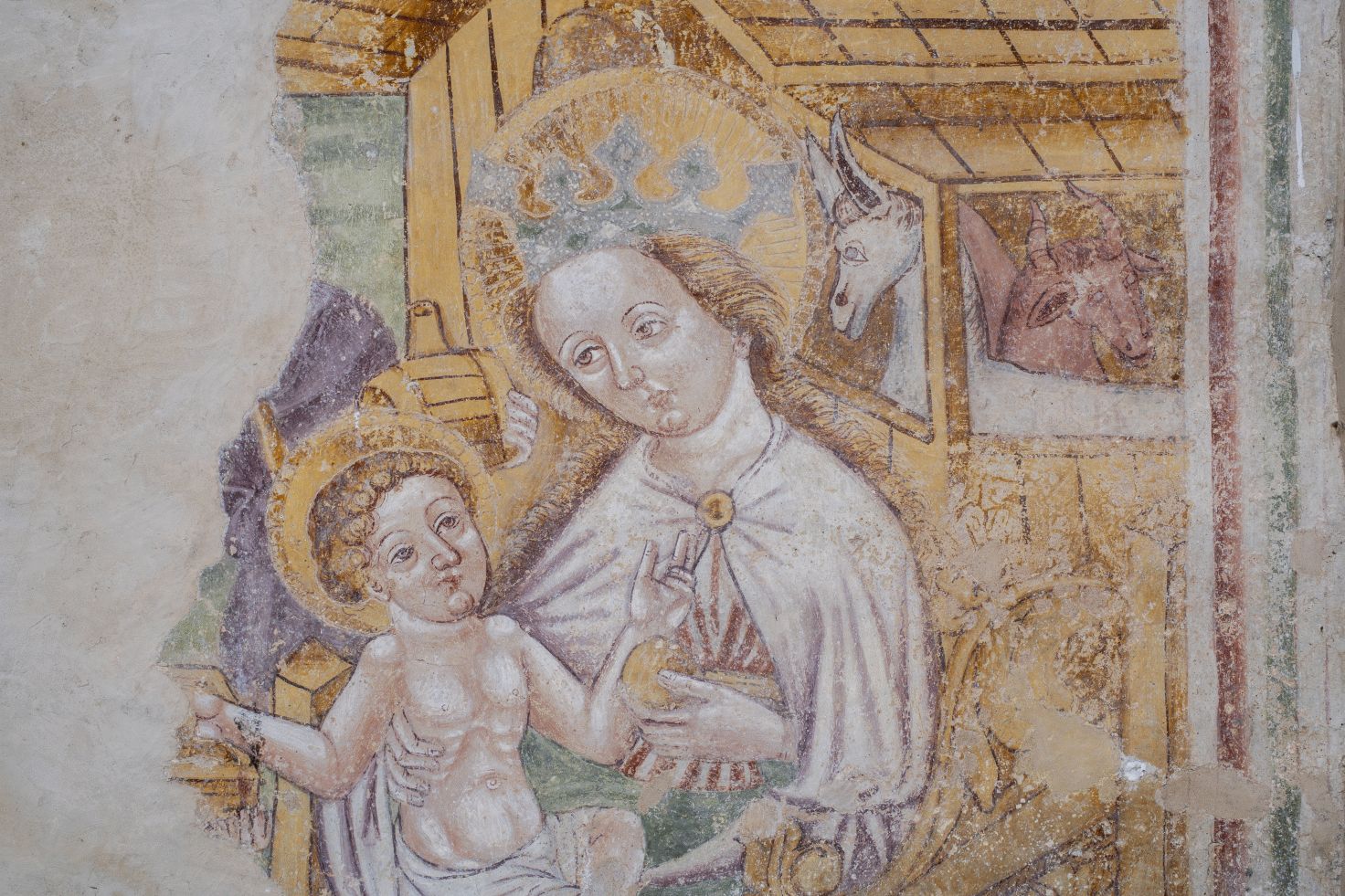
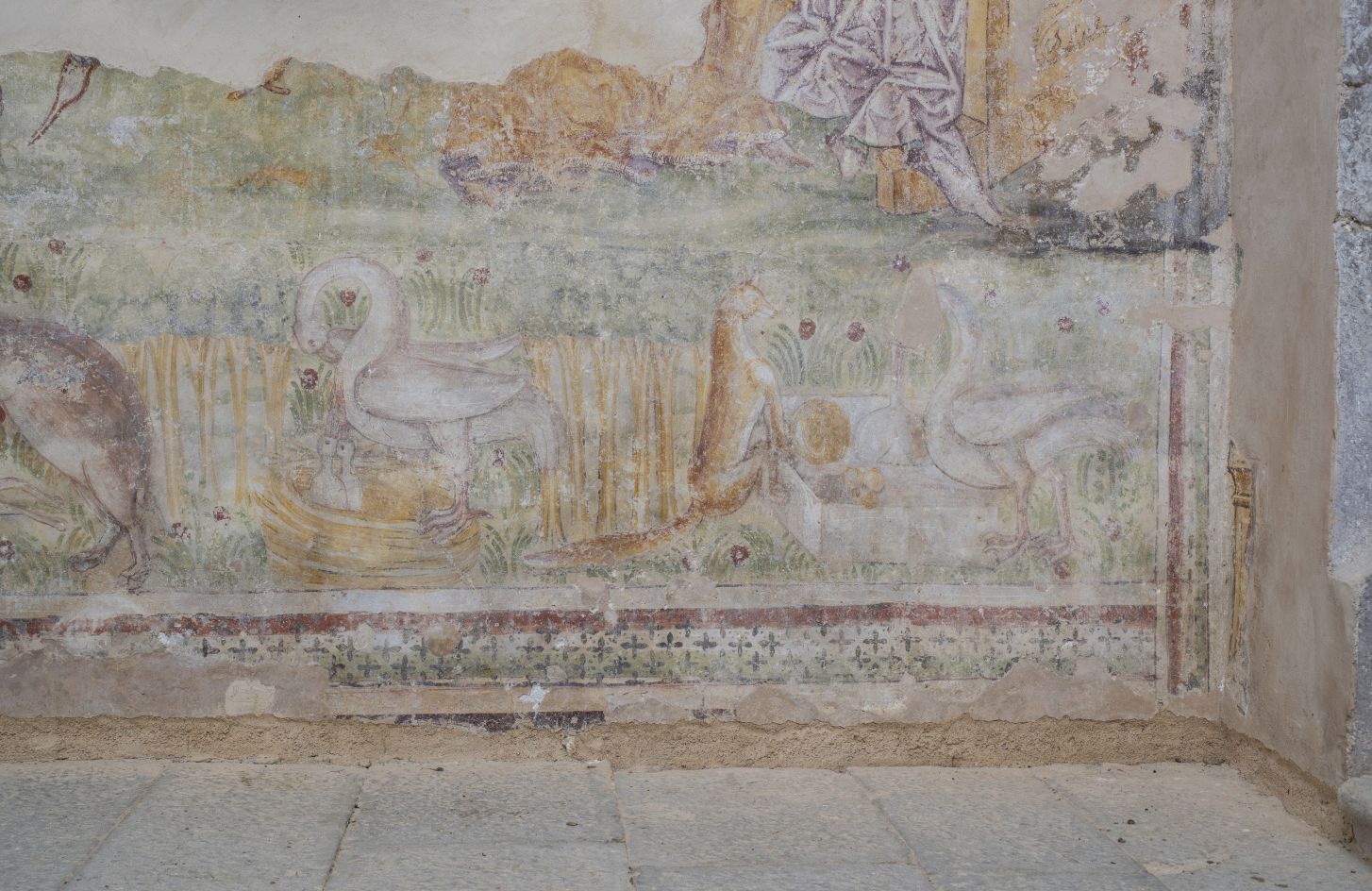
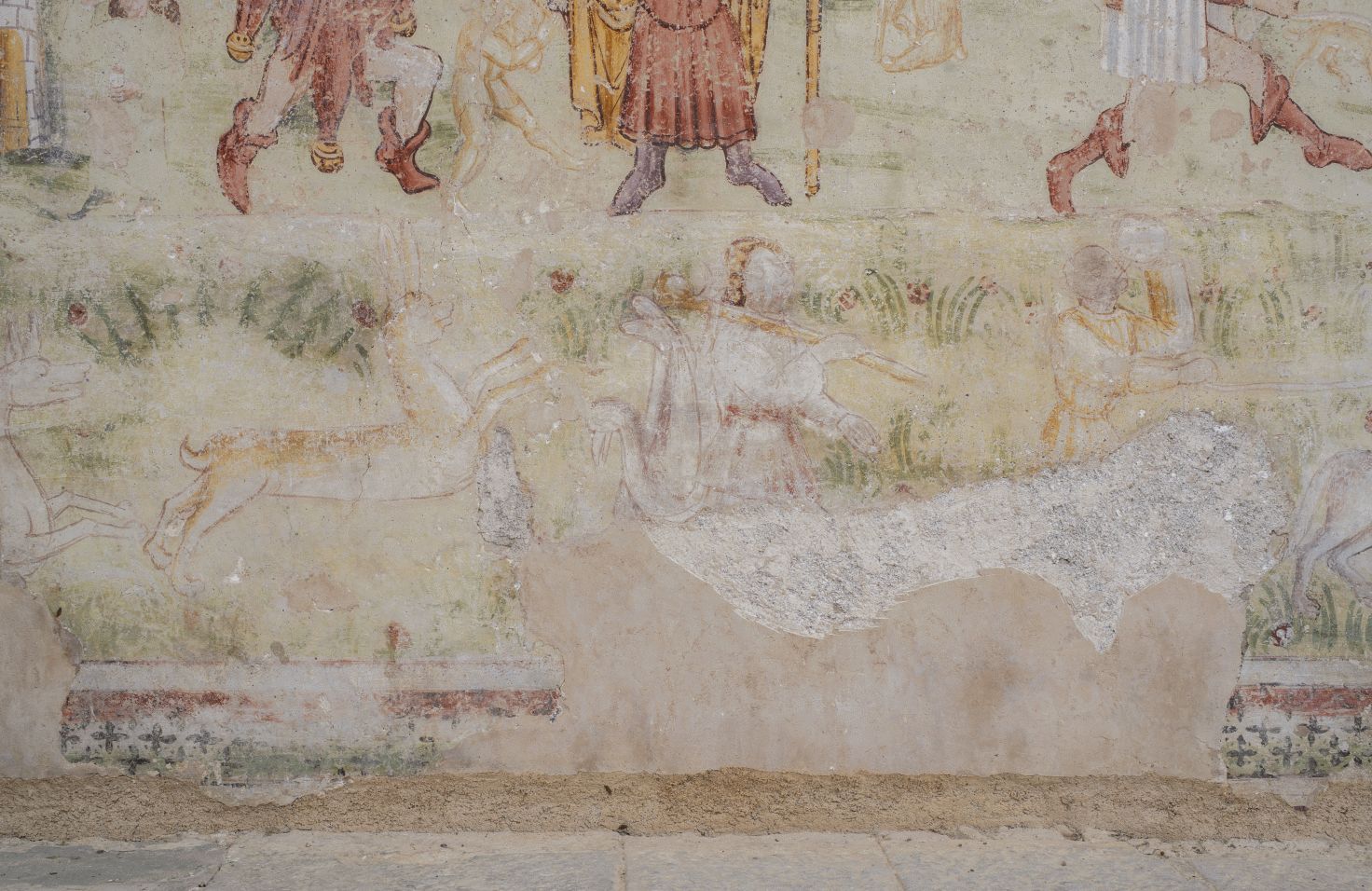
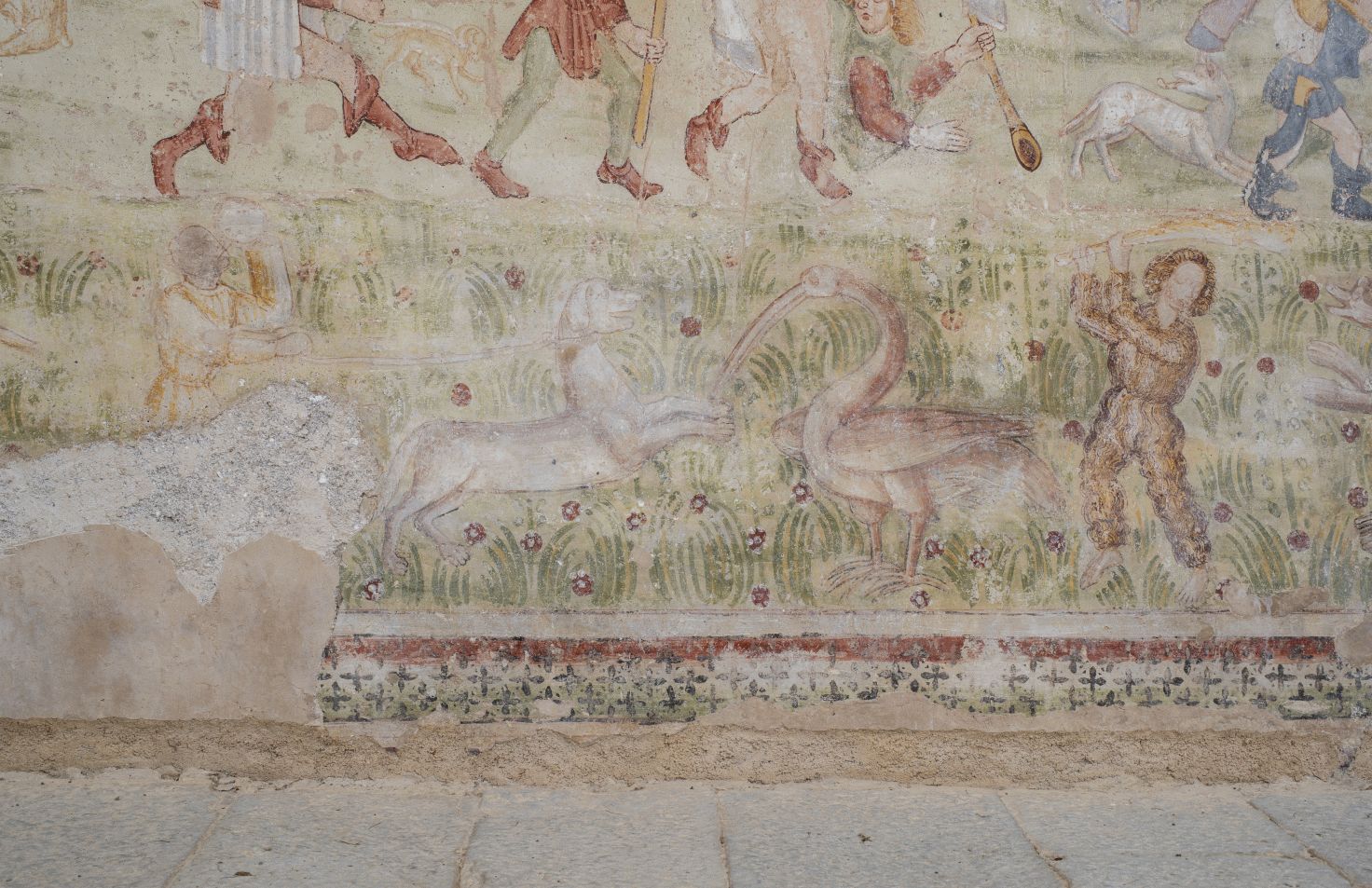
The entire surface of the north wall is occupied by scenes of the Visitation and the Adoration of the Magi. The composition is enriched with numerous subsidiary scenes drawn from fables, including a combat between a man and a bear and Aesop’s tale of the fox and the stork. The wall paintings on the south and west walls are organised into two registers and depict scenes from the Passion of Christ. The cycle begins on the west wall with the Entry into Jerusalem and continues on the right-hand side of the south wall. Due to the later insertion of windows on the south wall, the paintings have been significantly damaged. For the same reason, the depiction of the Adoration of the Magi on the north wall is incomplete. The scenes are framed by a tricoloured border with a rainbow motif and stencilled ornament, a feature frequently encountered at sites associated with the workshops of John and Vincent of Kastav.
The wall paintings were discovered in 1957 by the parish priest Pavlič from Lokve near Divača, marking the beginning of their systematic scholarly evaluation. The first conservation and restoration interventions were carried out in 1967. Between 2021 and 2023, the church became the centre of the International Summer School for the Conservation and Restoration of Wall Paintings – the Gradišče Summer School.
Iconographic programme:
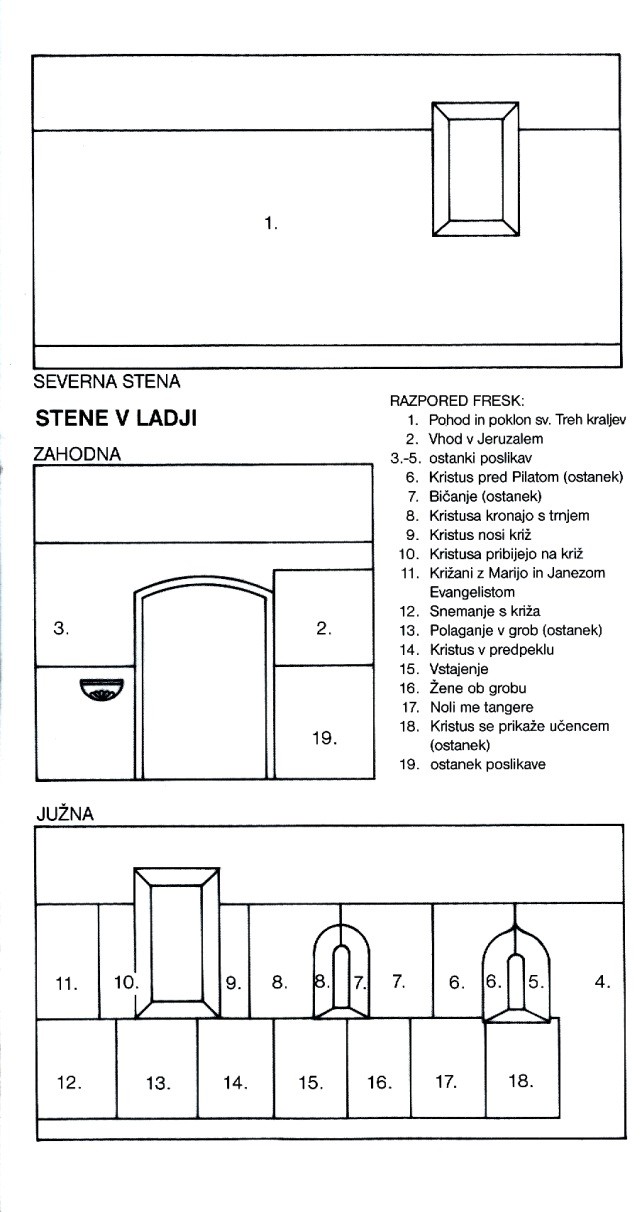
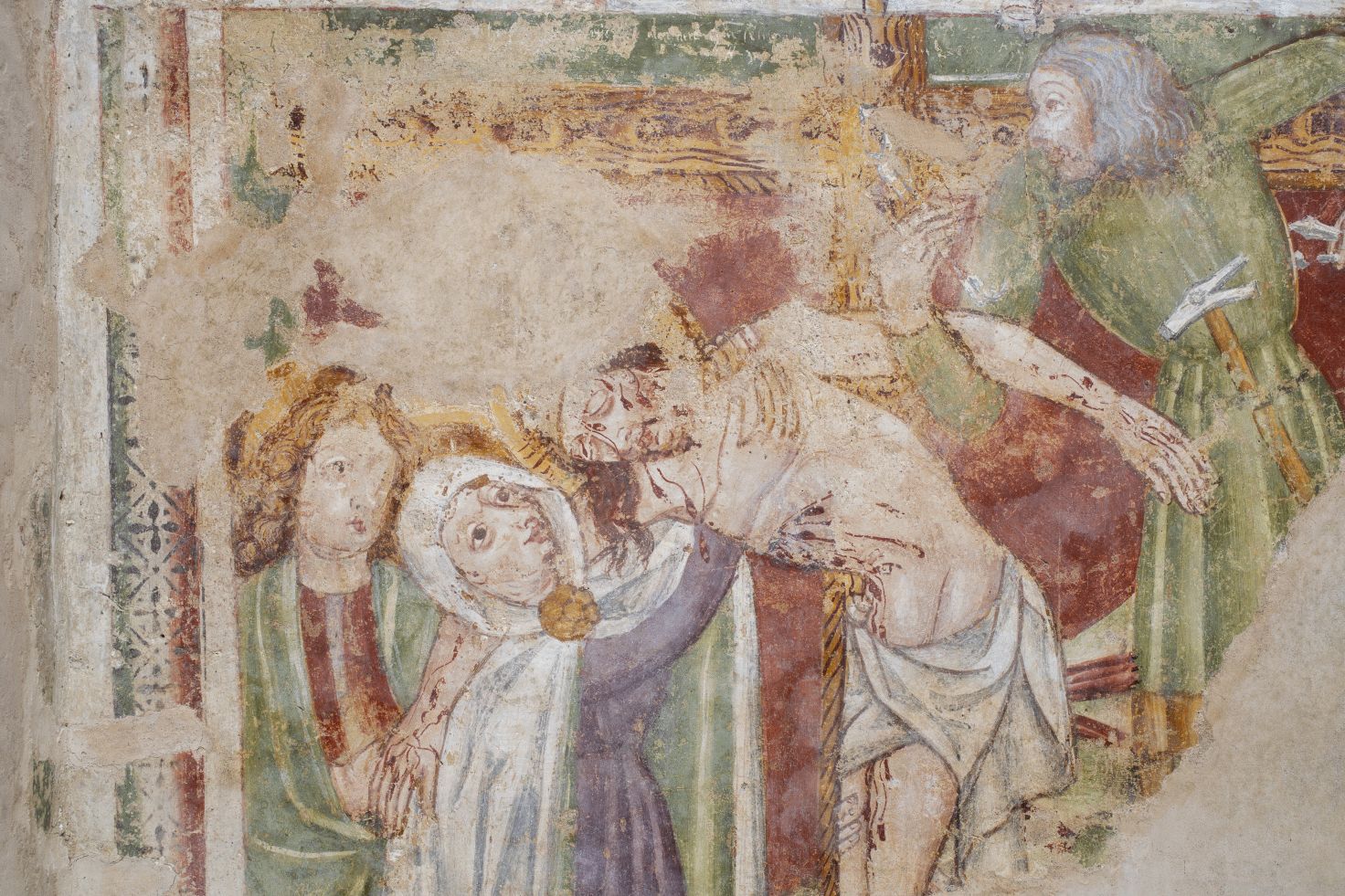
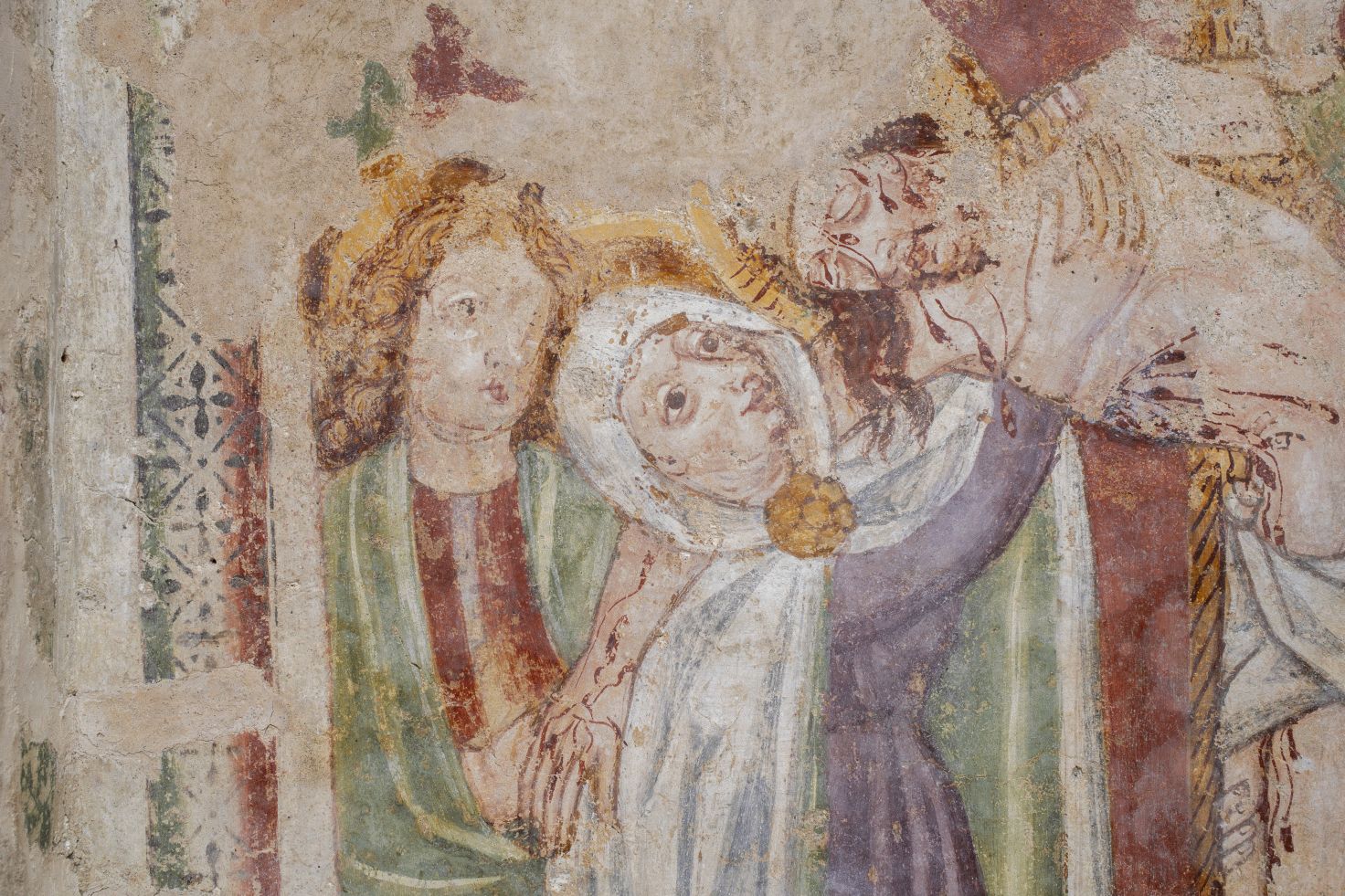
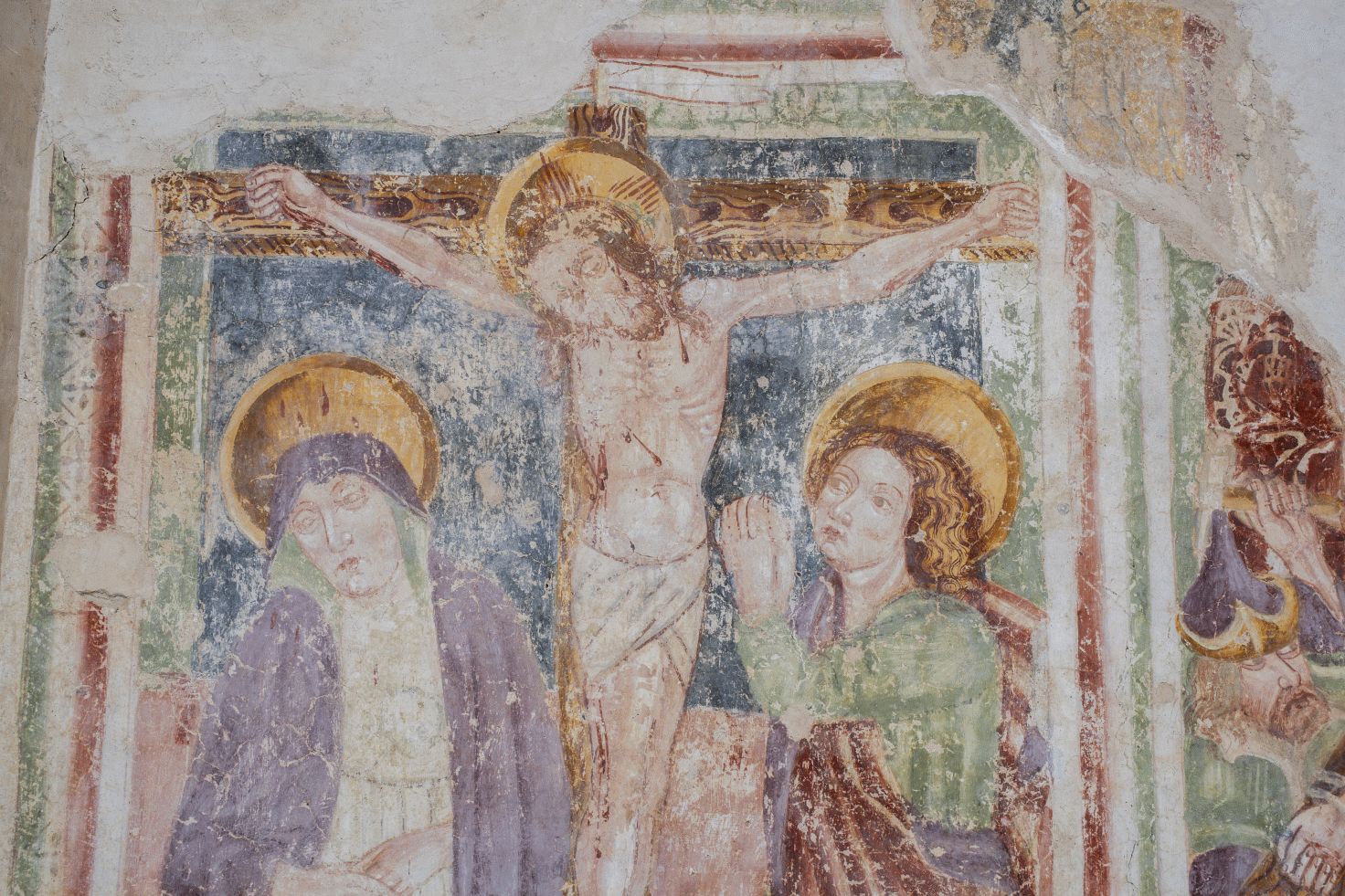
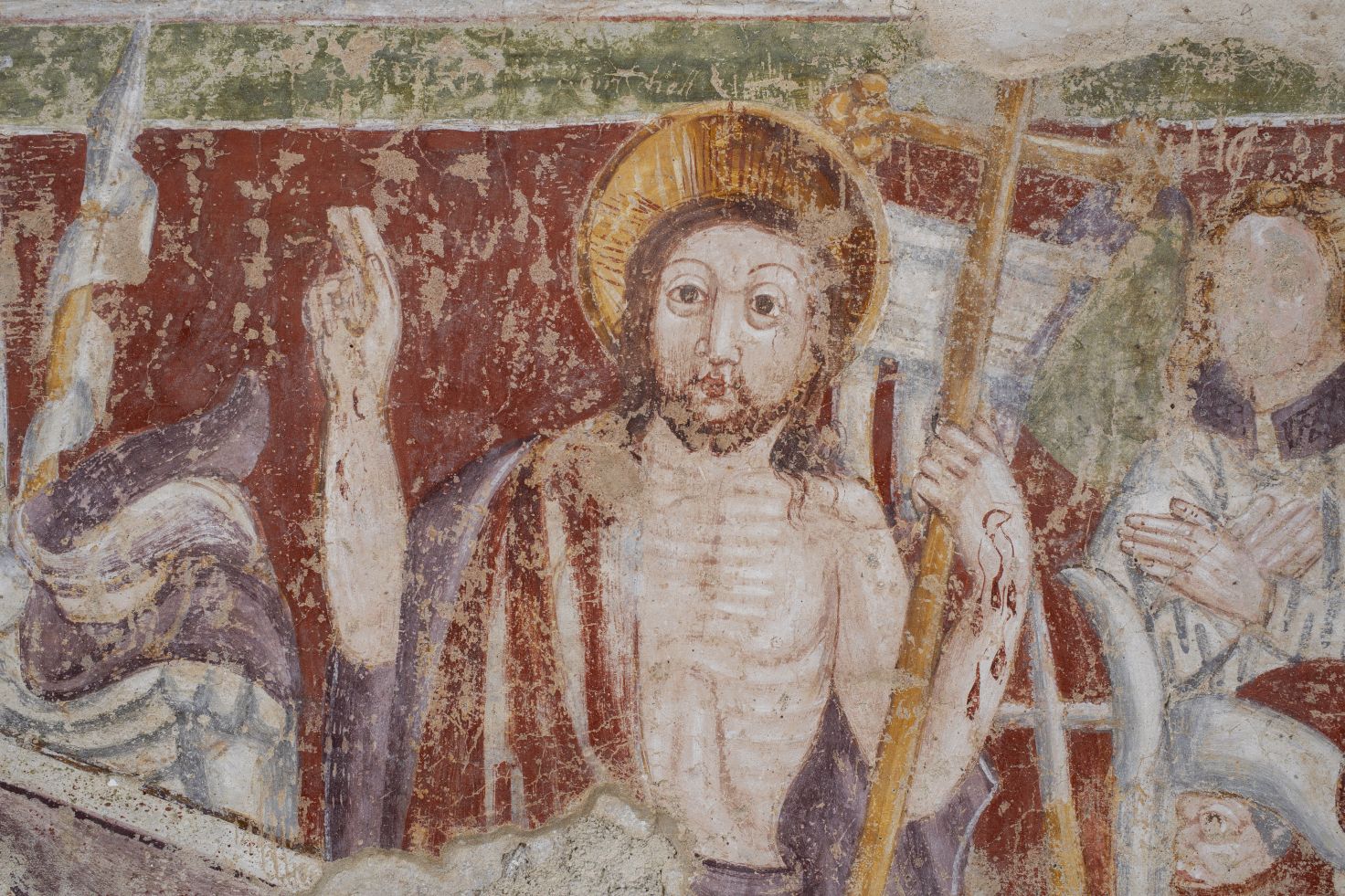
North wall: 1. Visitation and Adoration of the Magi. West wall: 2. Entry into Jerusalem; 3. Last Supper (?); 19. Poorly preserved fragment. South wall: 4–5. Poorly preserved fragments; 6. Christ before Pilate; 7. Flagellation of Christ; 8. Crowning with Thorns; 9. Christ Carrying the Cross; 10. Nailing to the Cross; 11. Crucifixion with the Virgin Mary and St John; 12. Deposition from the Cross; 13. Entombment; 14. Descent into Limbo; 15. Resurrection; 16. The Three Marys at the Tomb; 17. Noli me tangere; 18. Christ Appearing to the Disciples.
Scene locations
M. ZADNIKAR, 1959., Konzervatorska poročila za leta 1955-1957, Varstvo spomenikov, VI, Ljubljana, 1959., 73.; E. CEVC, 1966., Slovenska umetnost, Ljubljana, 1966., 57.; I. KOMELJ, 1966., Dvajset let odkrivanja srednjeveških stenskih slik, Varstvo spomenikov, X, Ljubljana, 1966., 48, 58, 222.; F. KOKALJ, 1967., Umetnosti in urbanistični spomeniki, Varstvo spomenikov, XI, 1966, Ljubljana, 1967, 144.; E. SMOLE, 1967., Umetnostni in urbanistični spomeniki, Varstvo spomenikov, XII, 1967, Ljubljana, 1968, 116.; F. STELÈ, 1969., Slikarstvo v Sloveniji od 12. do srede 16. stoletja, Ljubljana, 1969.; ISTI, 1972., Gotsko stensko slikarstvo, izredna knjiga zbirke Ars Sloveniae, Ljubljana, 1972.; B. URŠIĆ; M. URŠIĆ, 1990., Umetnostna preteklost doline Reke, Reka Timav, Podobe, zgodovina in ekologija kraške reke, Ljubljana, 1990.; J. HÖFLER, 1997., Srednjeveške freske v Sloveniji. Primorska, 2., Ljubljana, 1997., 89-91.; B. CERKVENIK, 2005., Gradišče pri Divači – vas z roba Regijskega parka Škocjanske jame, Divača, 2005.