


Nova Vas, Church of the Holy Spirit
Century/year: first half of the 16th century
Historical-cultural period: Renaissance period
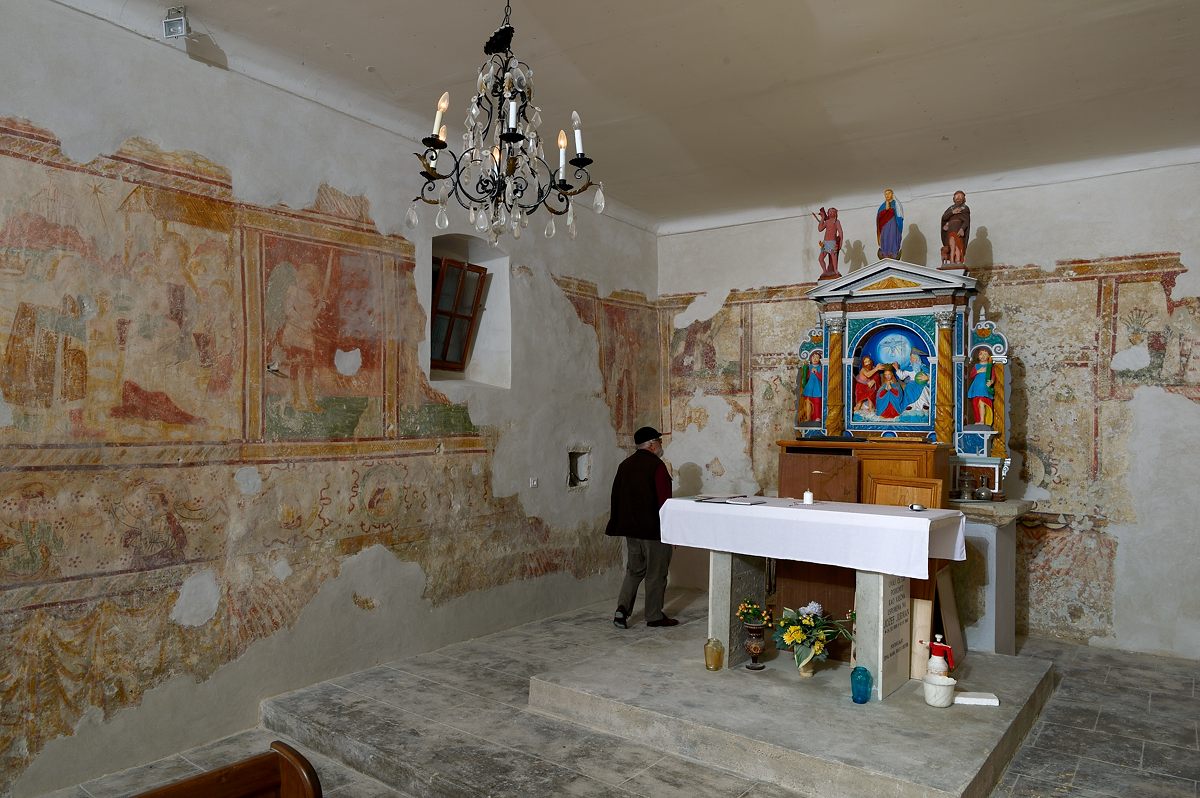
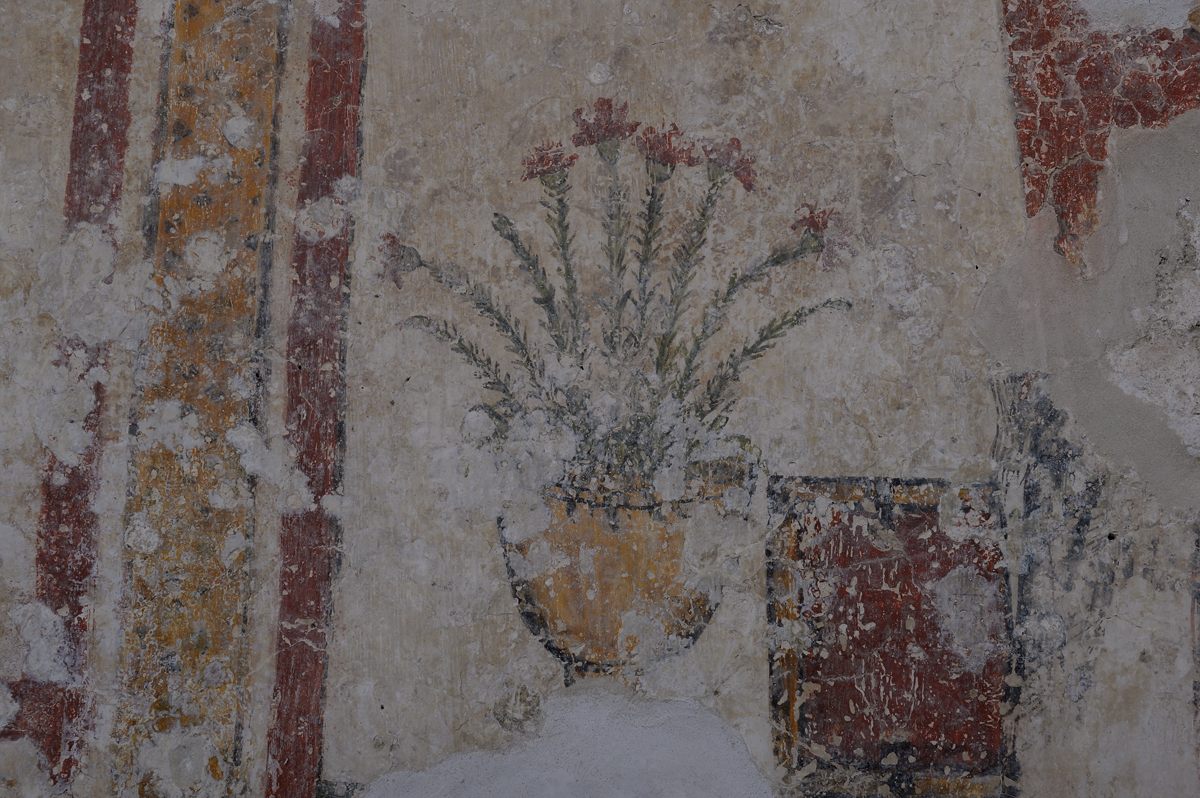
The single-nave church of the Holy Spirit was erected in the sixteenth century in the local cemetery of the settlement of Nova Vas near Sušnjevica. Above the façade rises a bell-gable with two bells, while the round-arched entrance portal is flanked laterally by two smaller windows. Within the simple, rectangular interior with a flat east wall, an extensive cycle of wall painting dating to the early sixteenth century has been preserved.
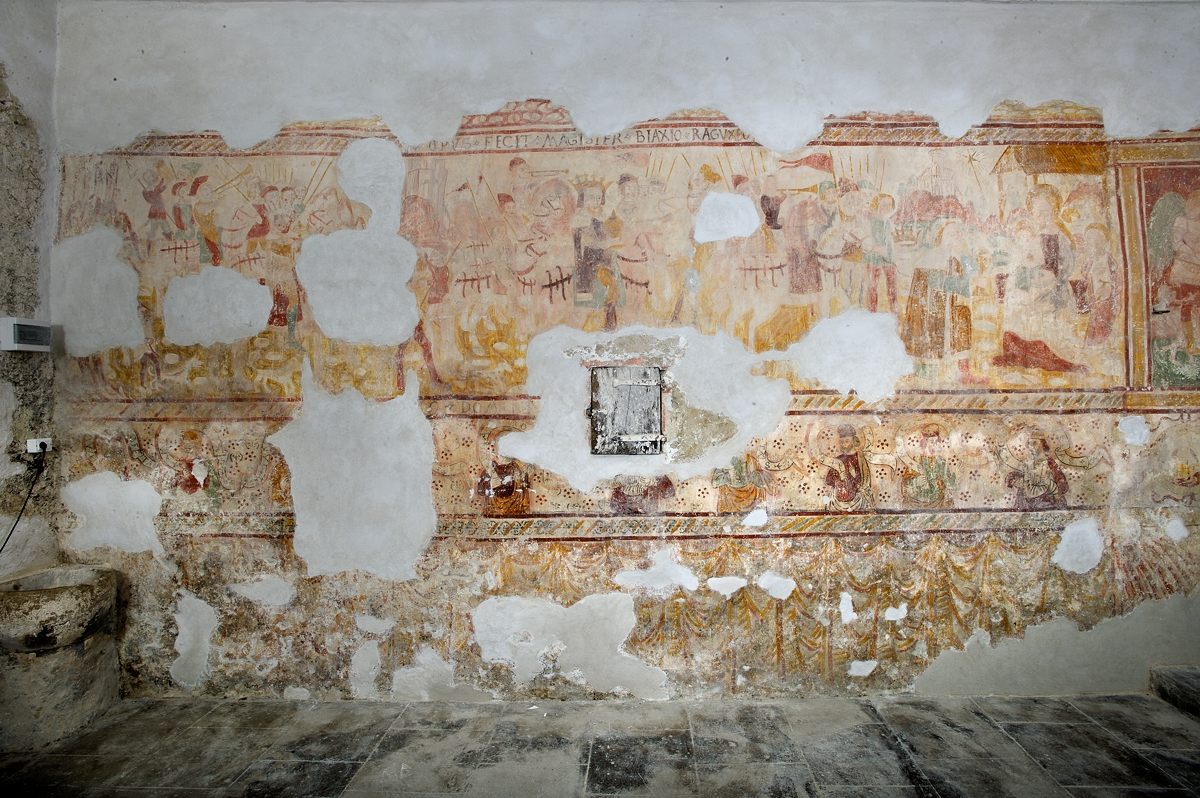
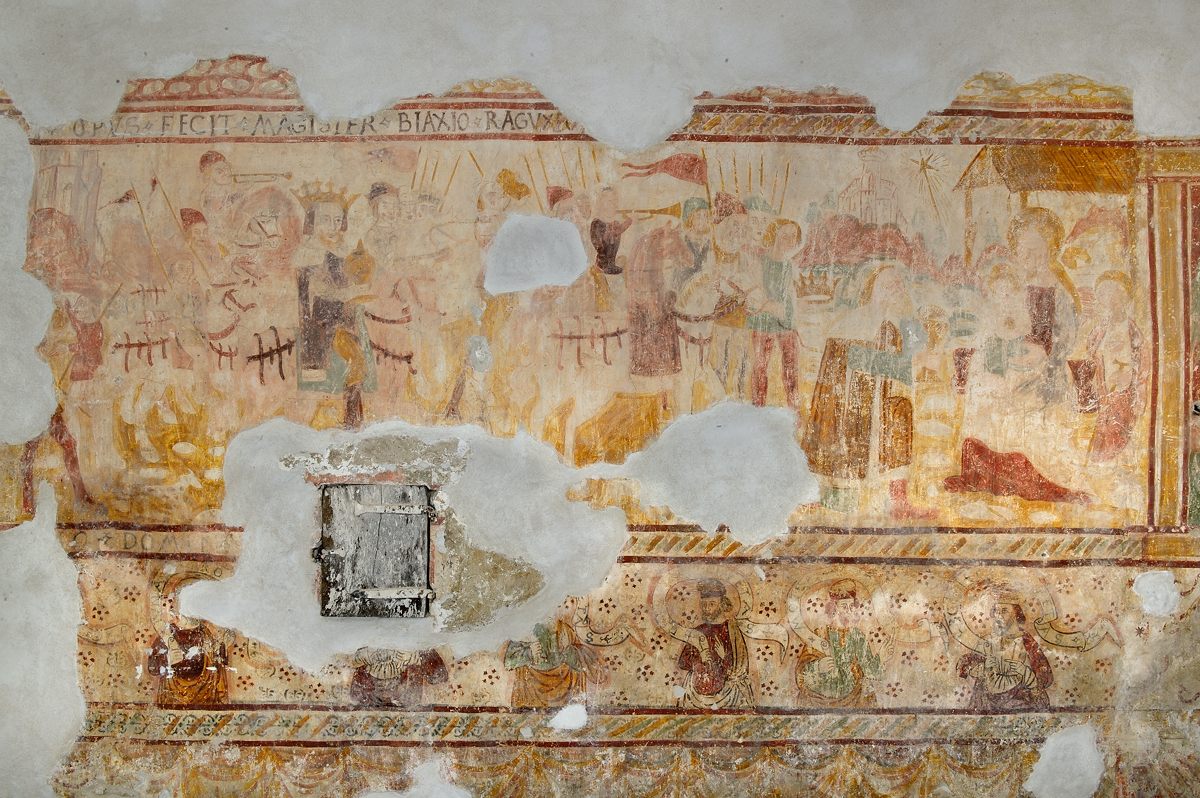
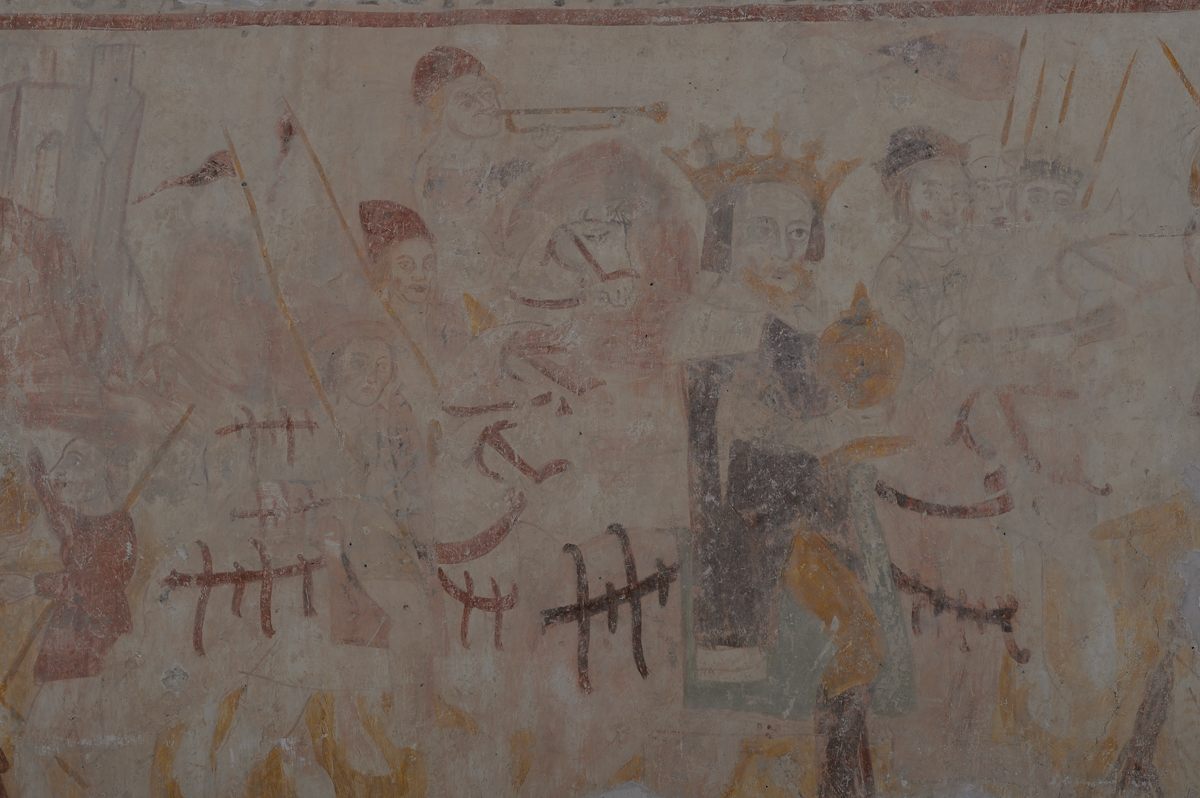
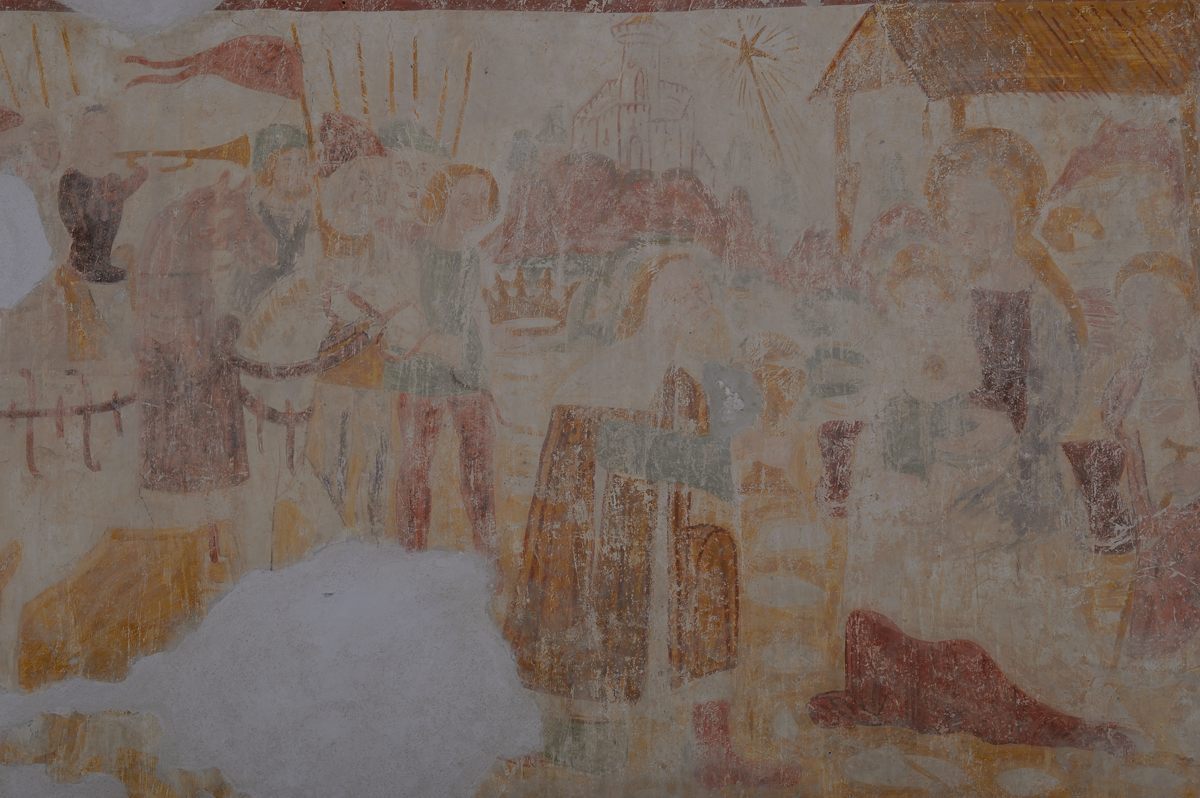
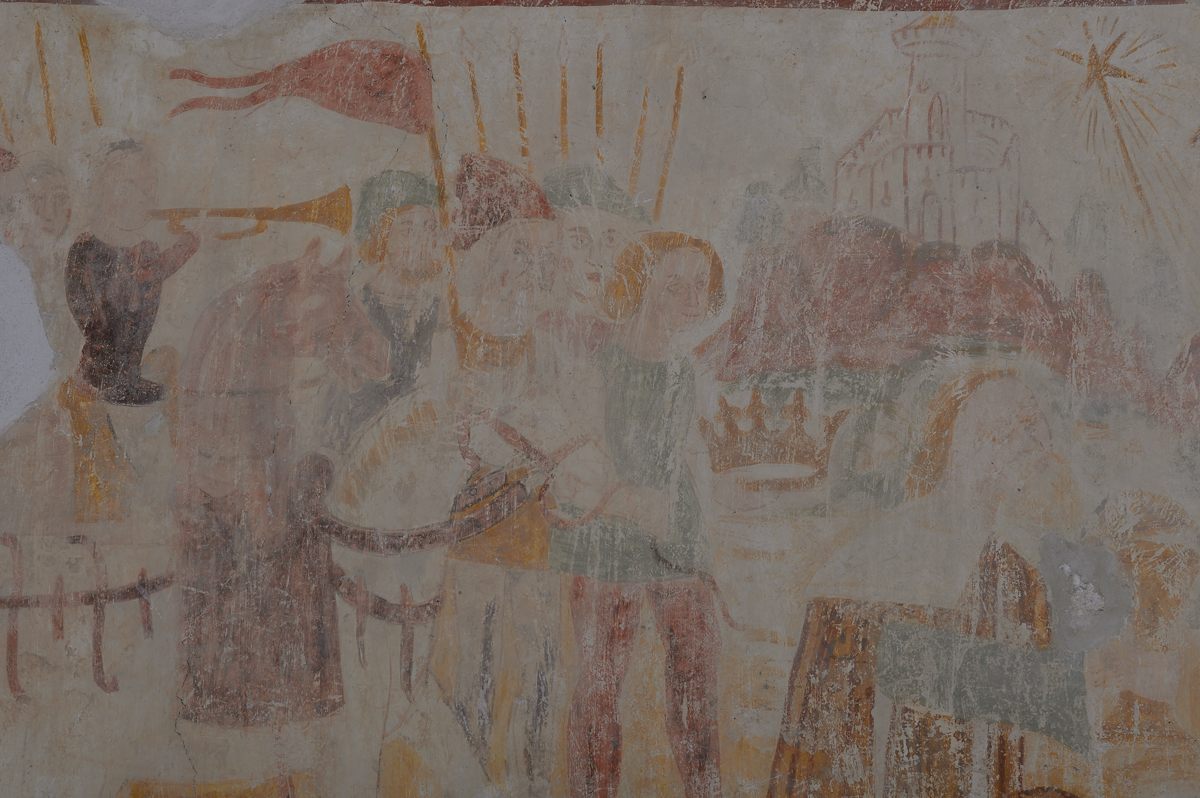
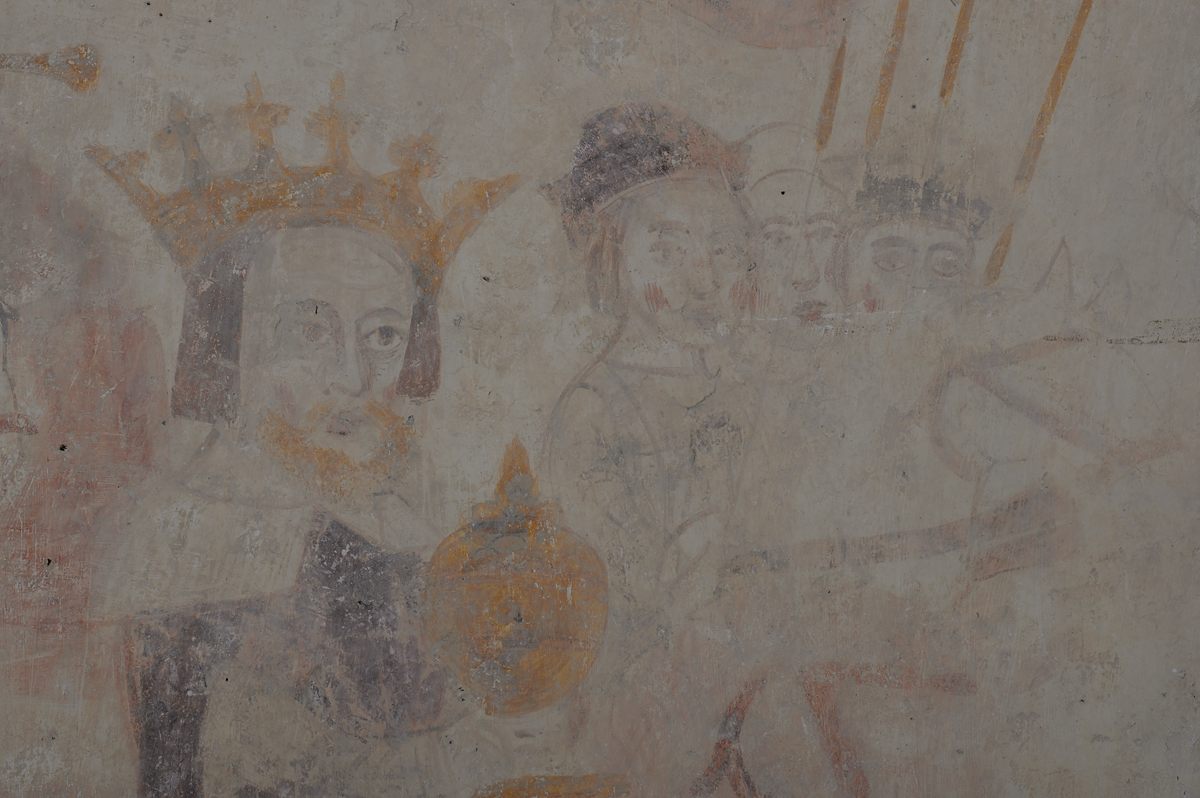
The name of the author is known owing to an inscription above the scene of the Adoration of the Magi, which records that the frescoes were executed by Blaž of Dubrovnik. The painted layer survives on the northern, eastern, and southern wall surfaces, and differences in the spatial and formal treatment of individual scenes suggest the participation of assistants from the workshop of Blaž of Dubrovnik. The stylistic expression is characterised by archaic elements permeated with a vernacular interpretation of North Italian Quattrocento influences.
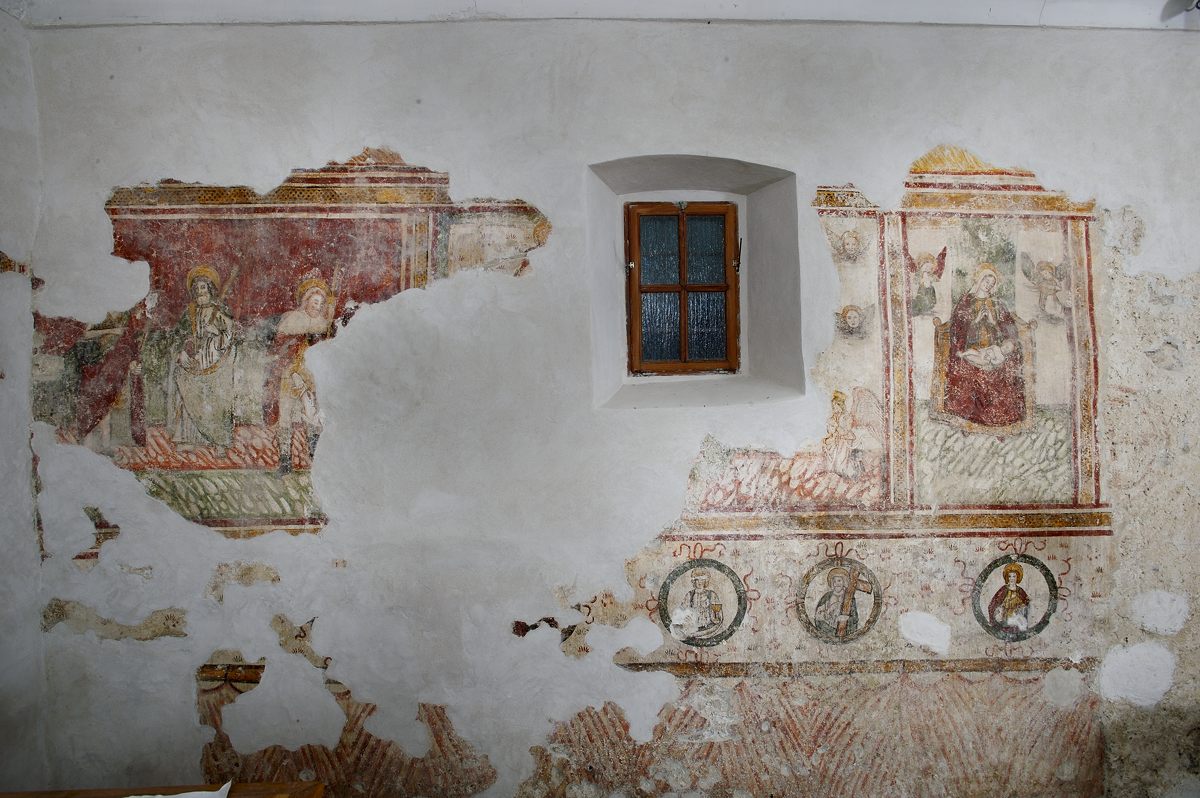
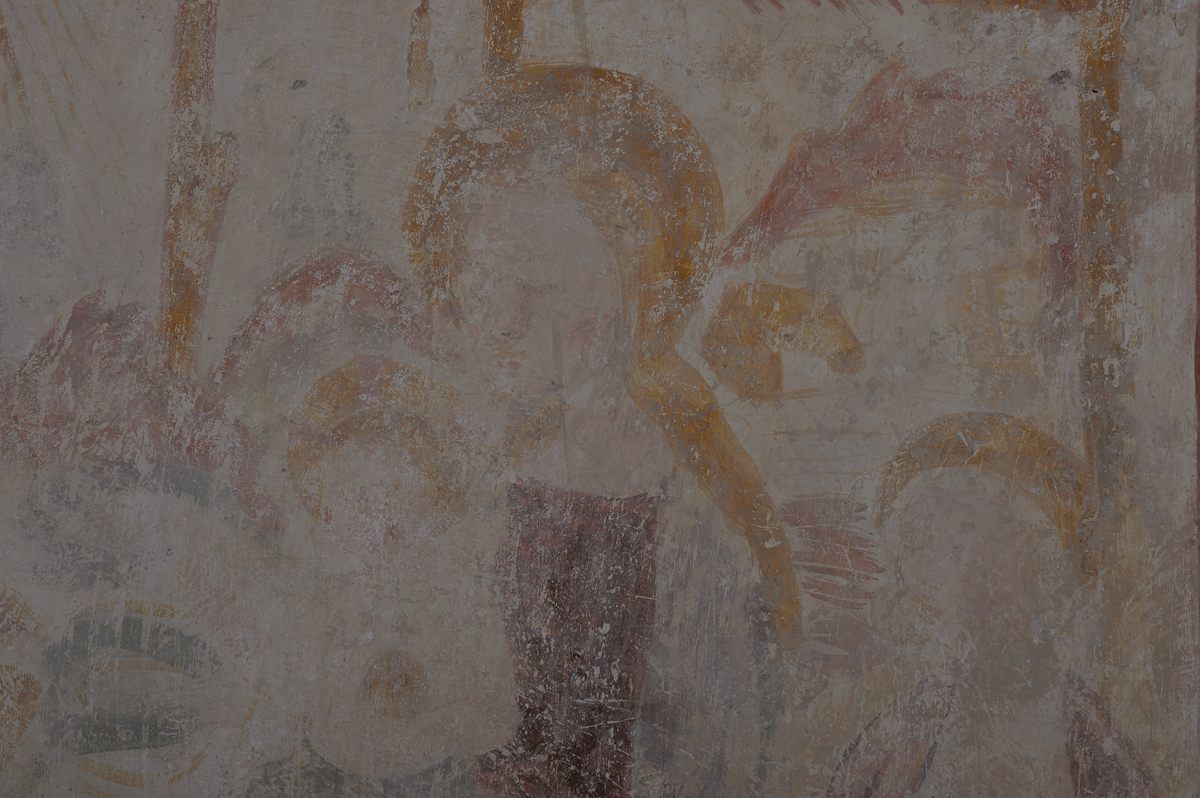
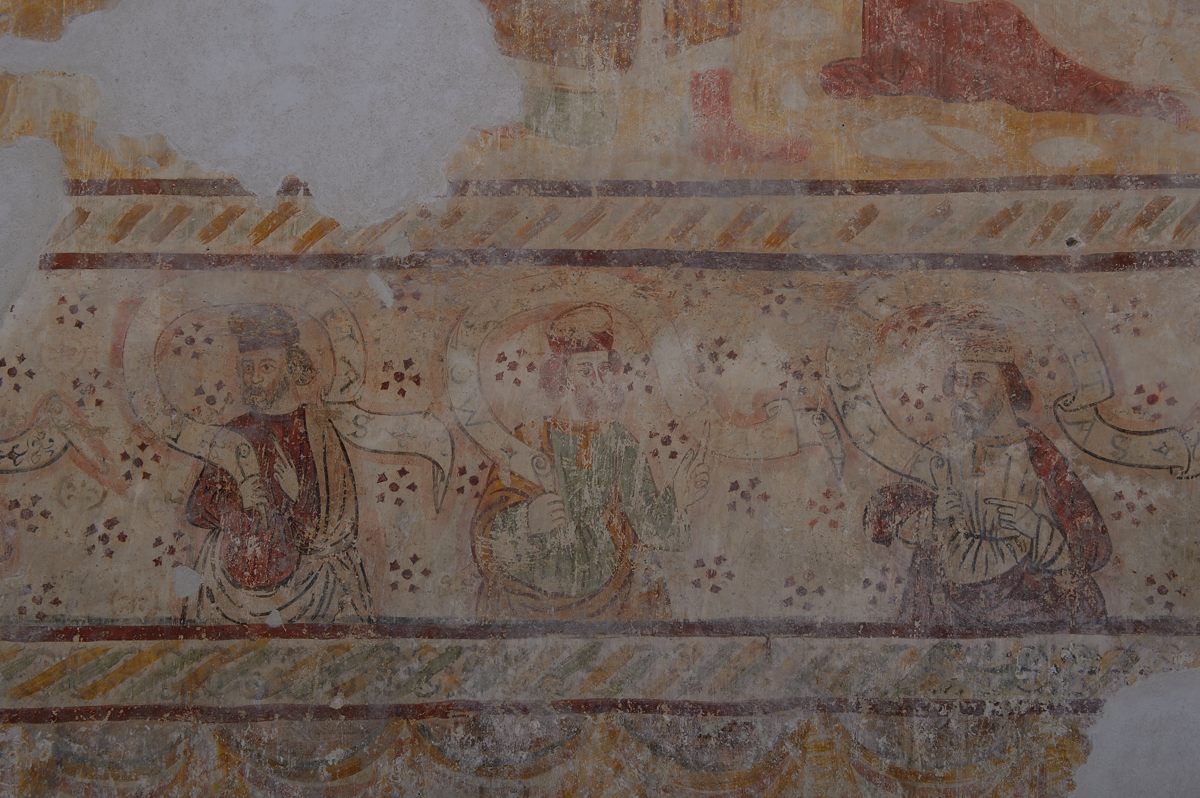
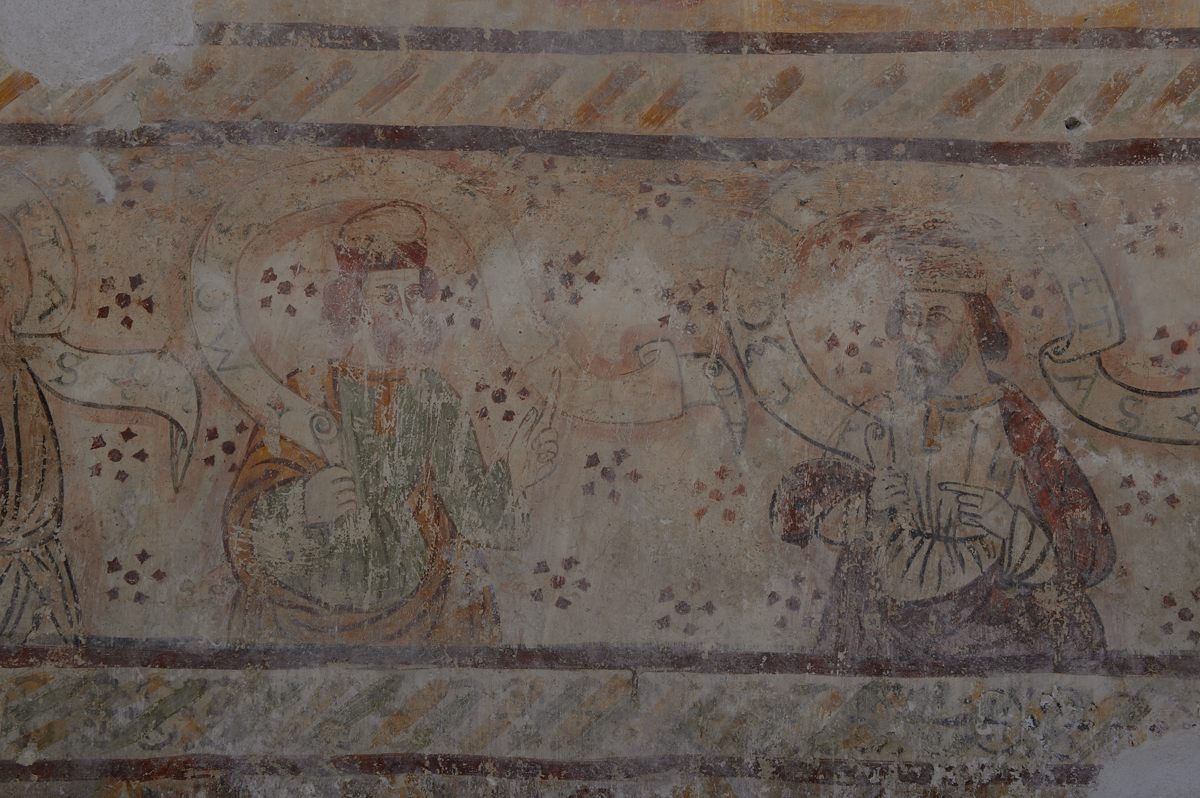
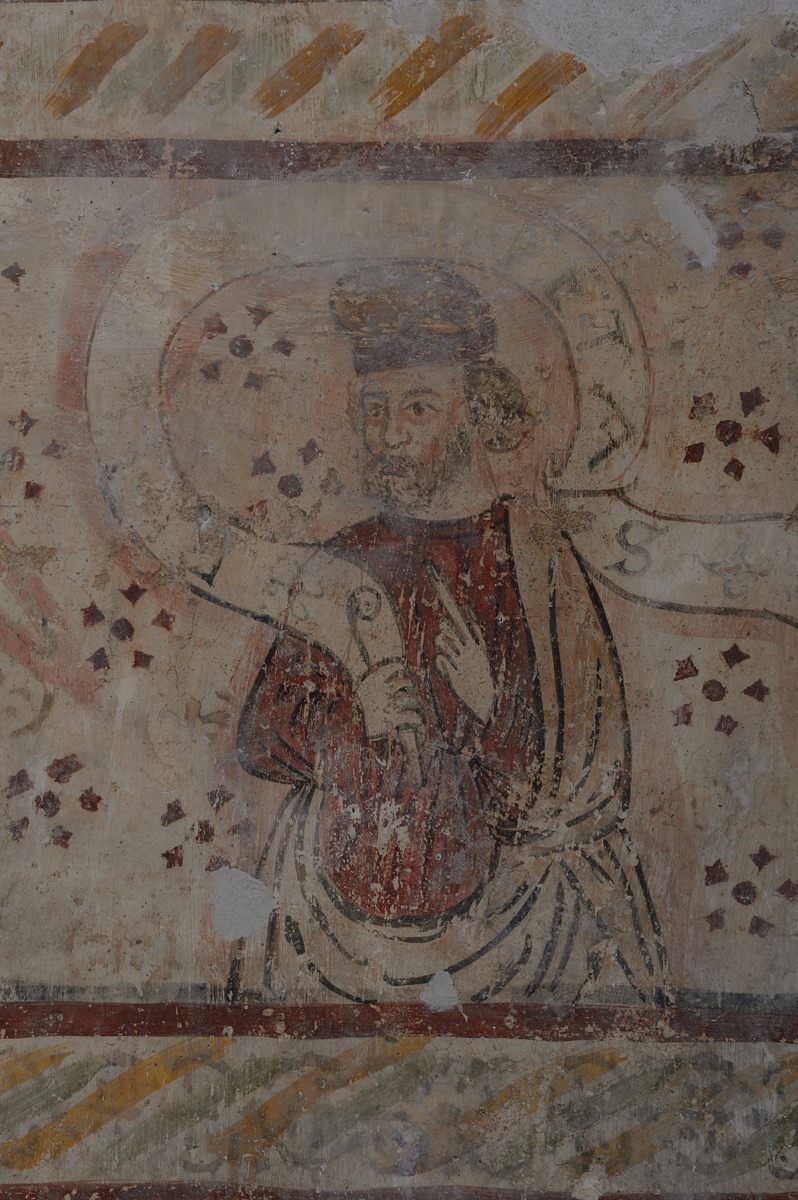
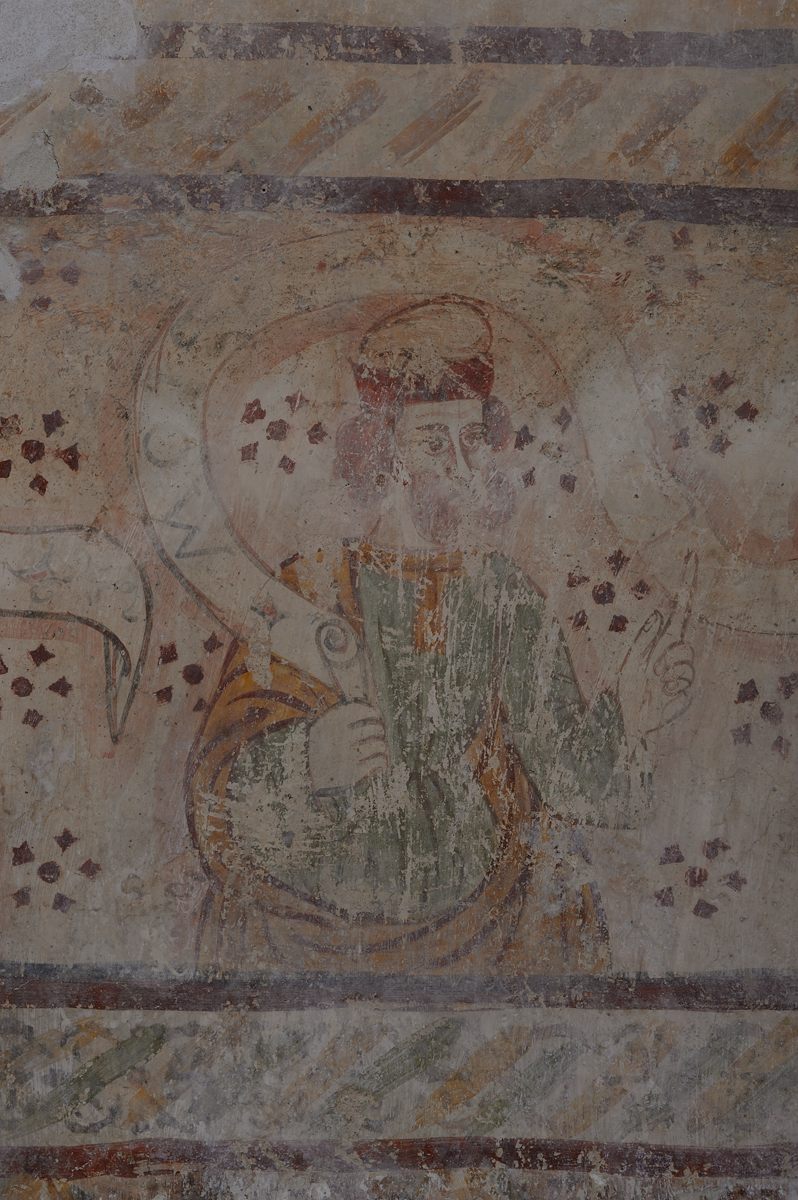
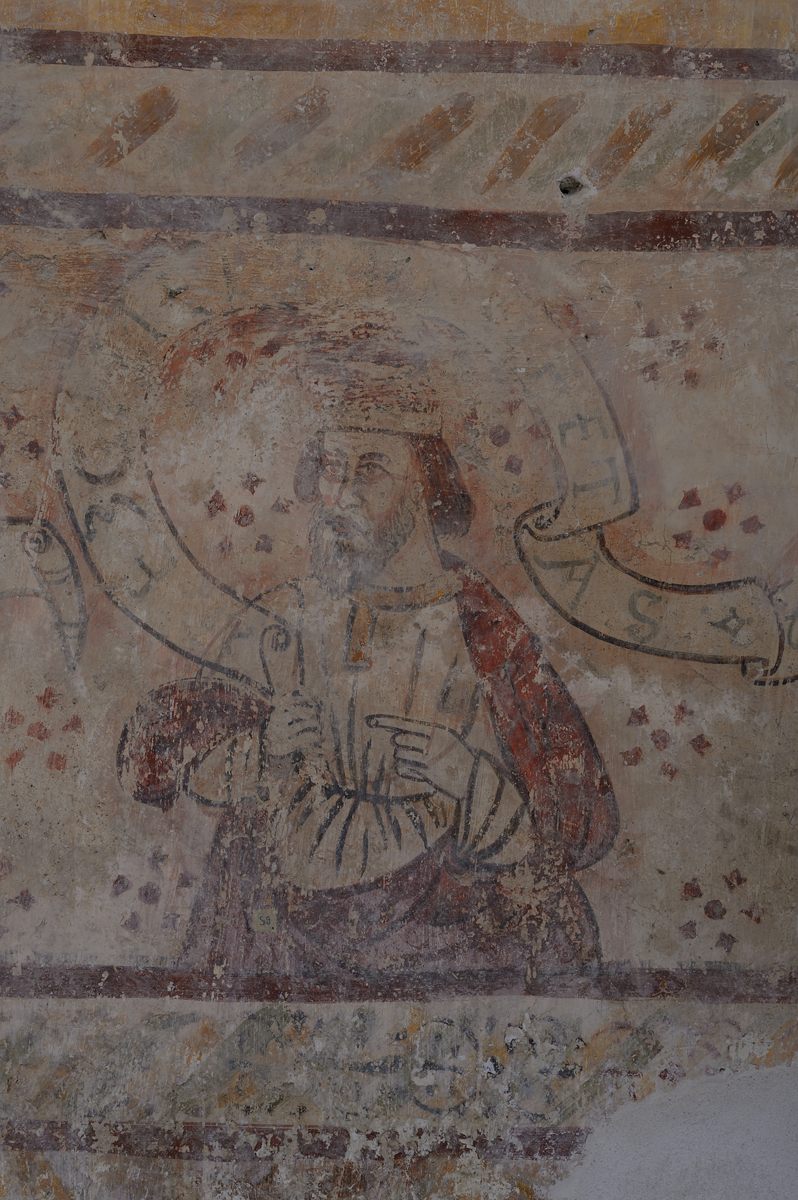
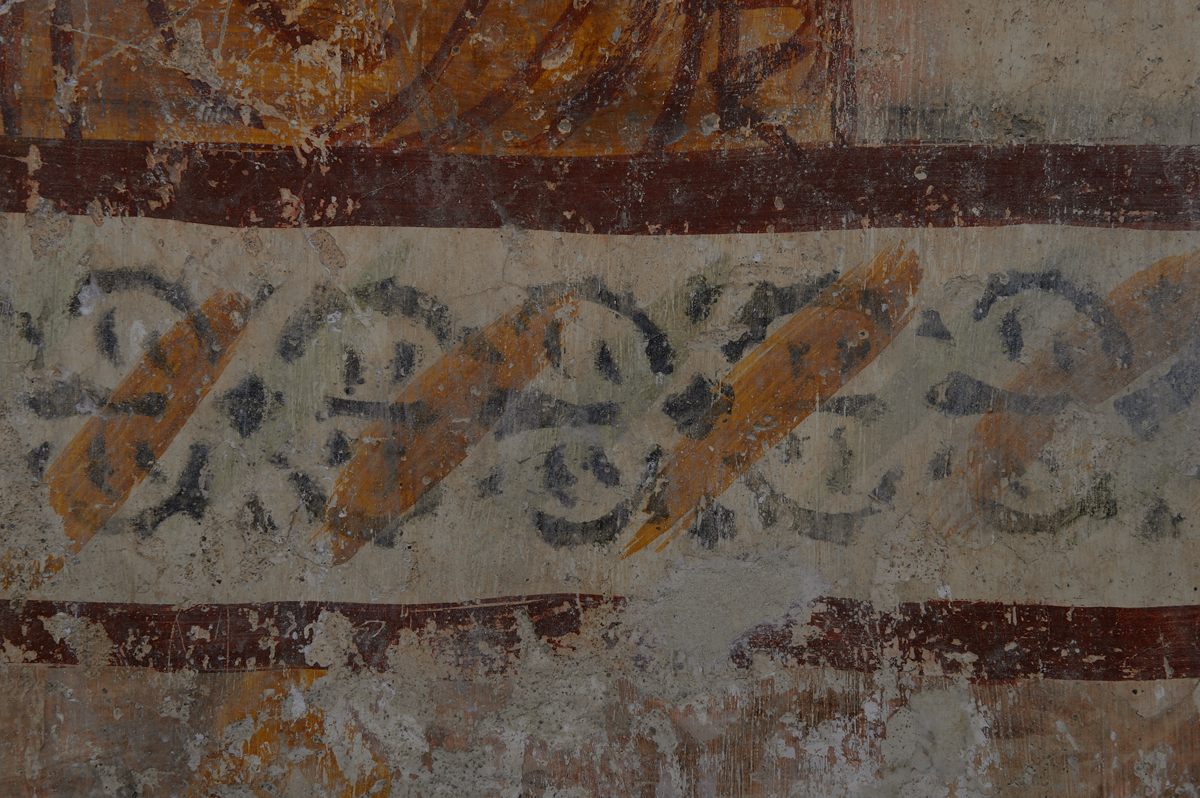
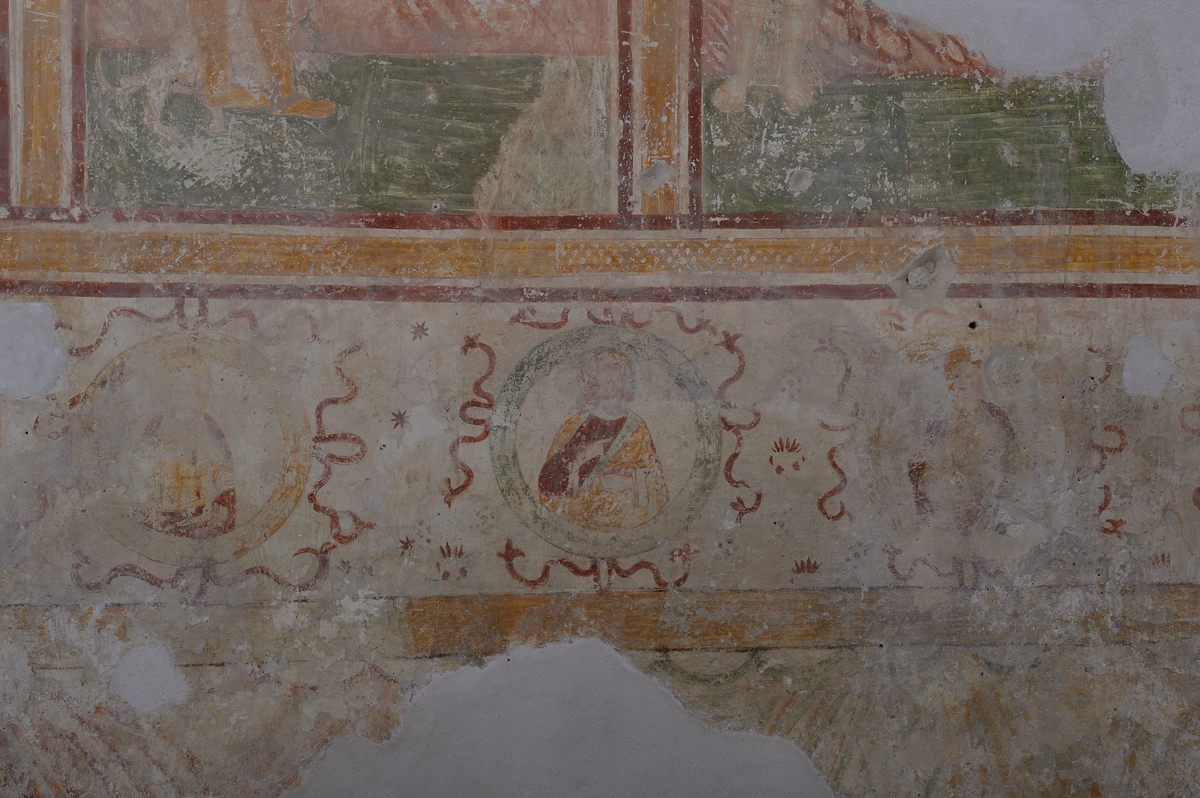
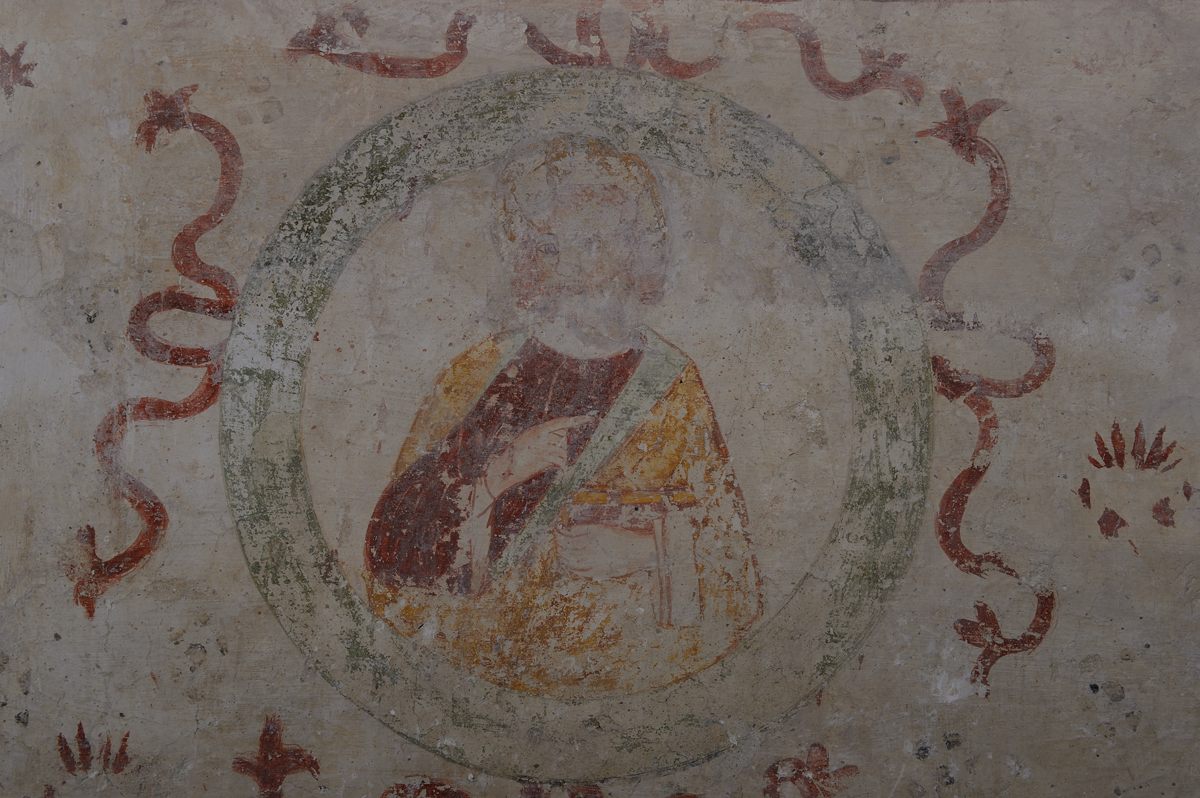
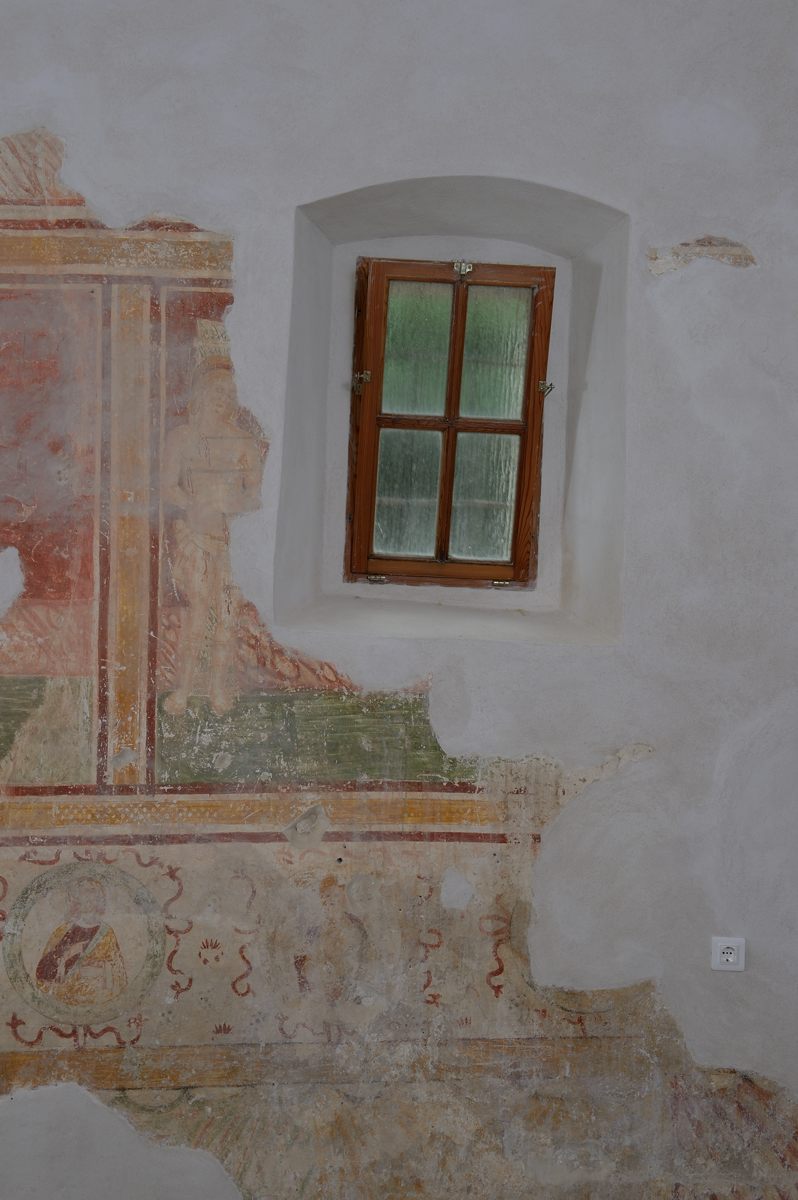
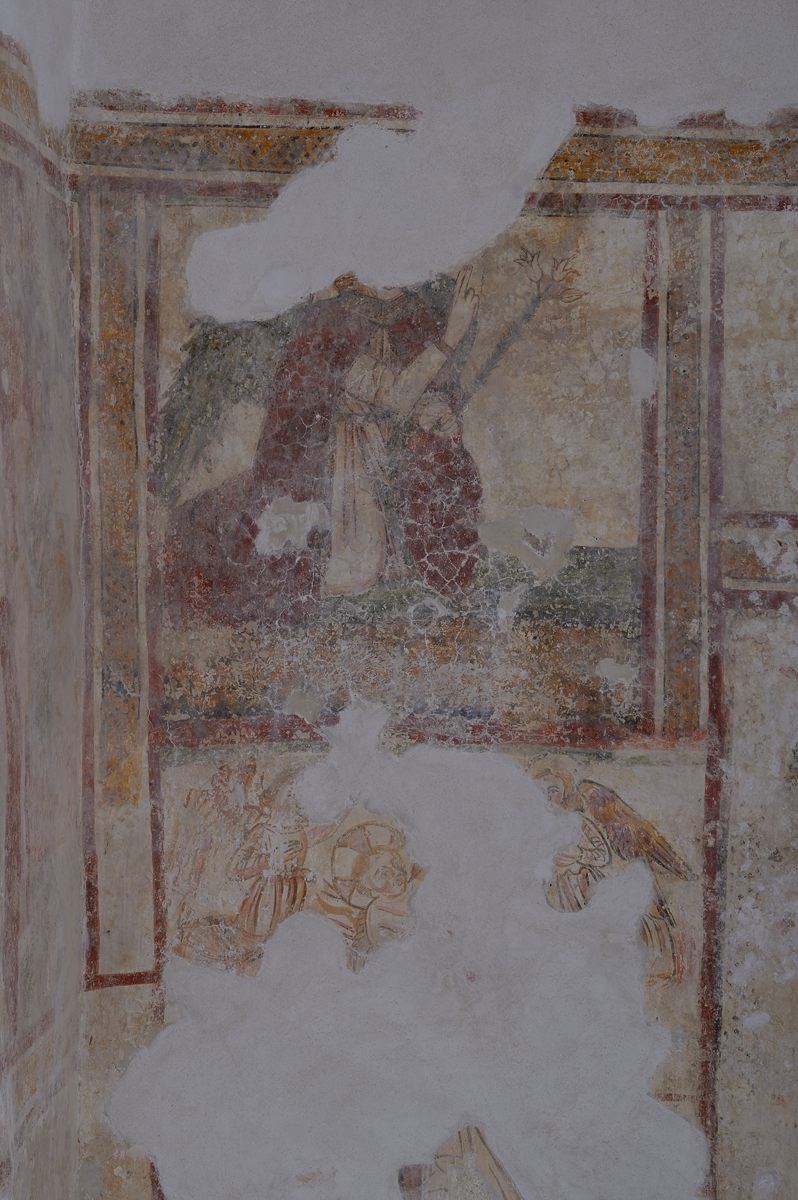
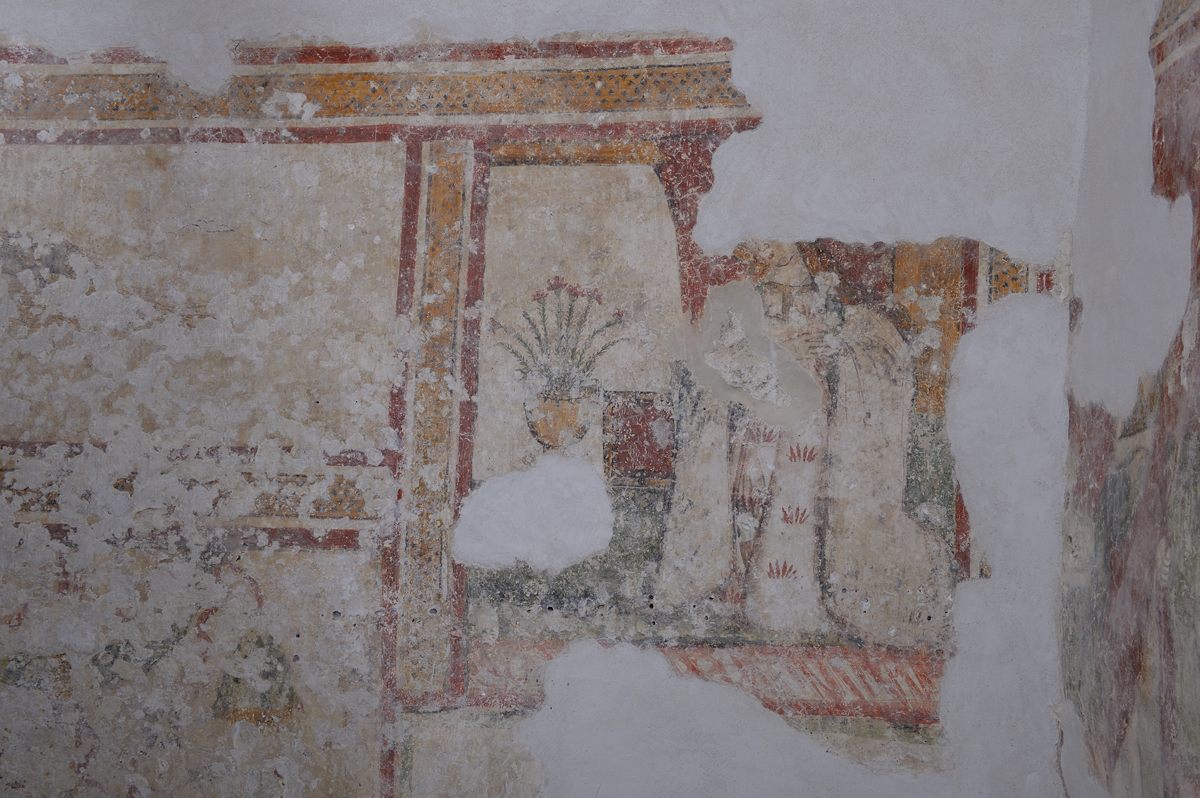
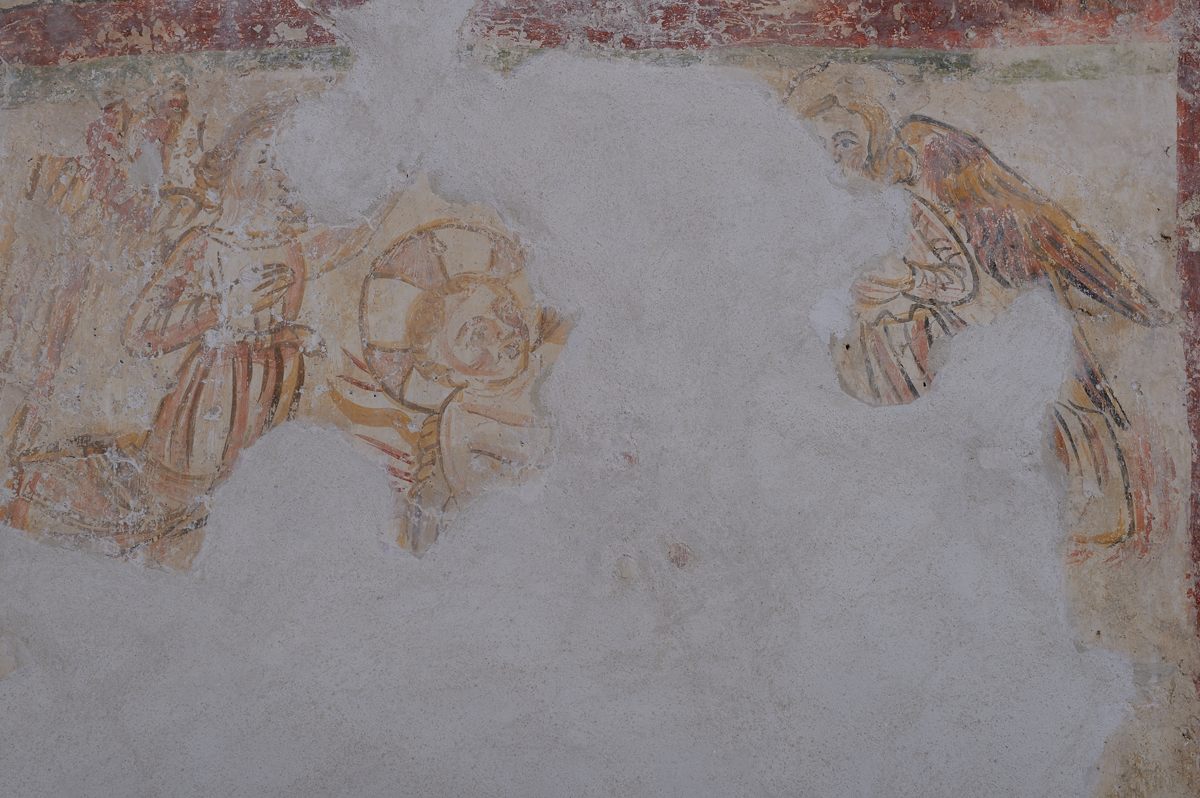
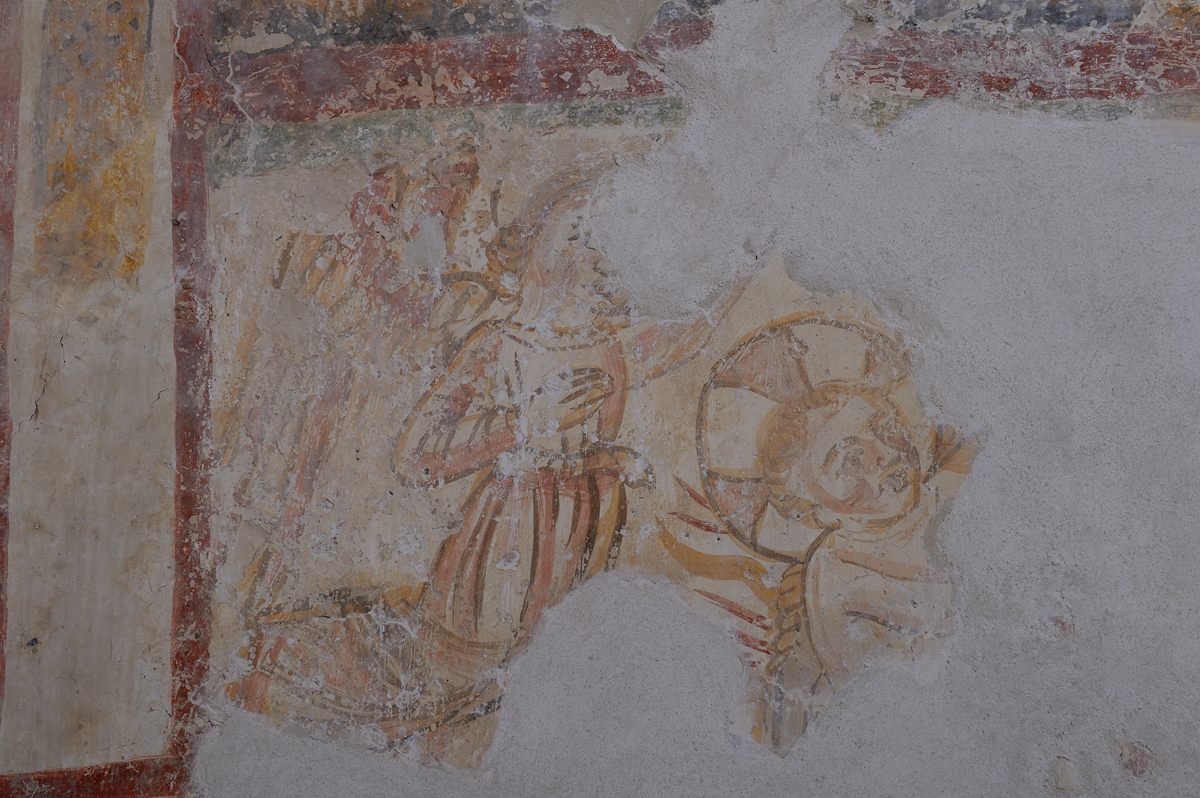
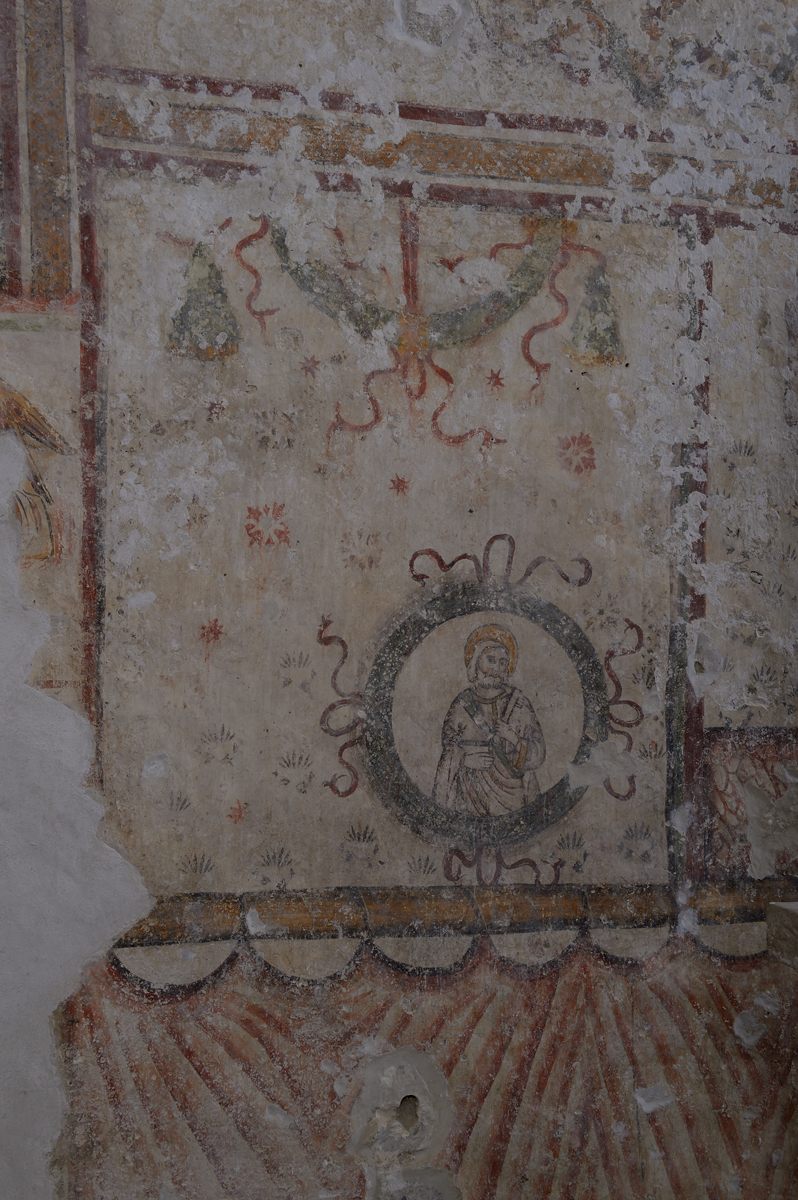
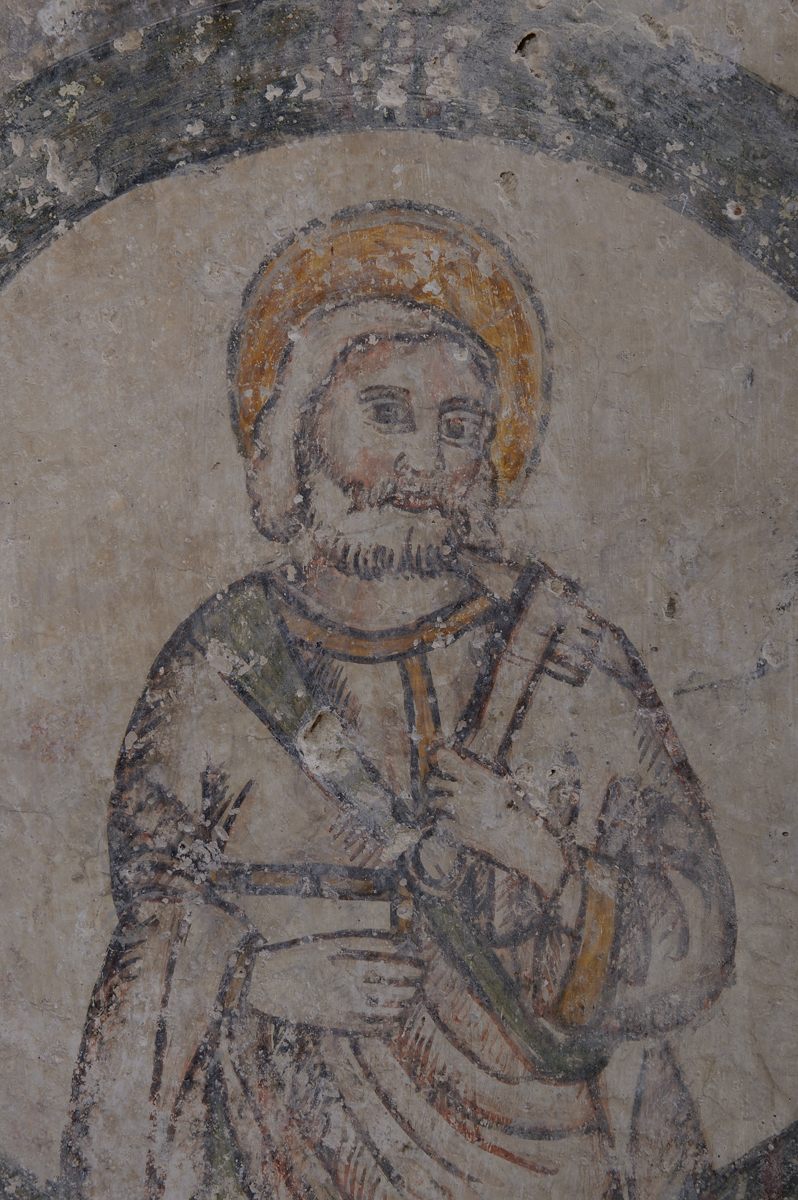
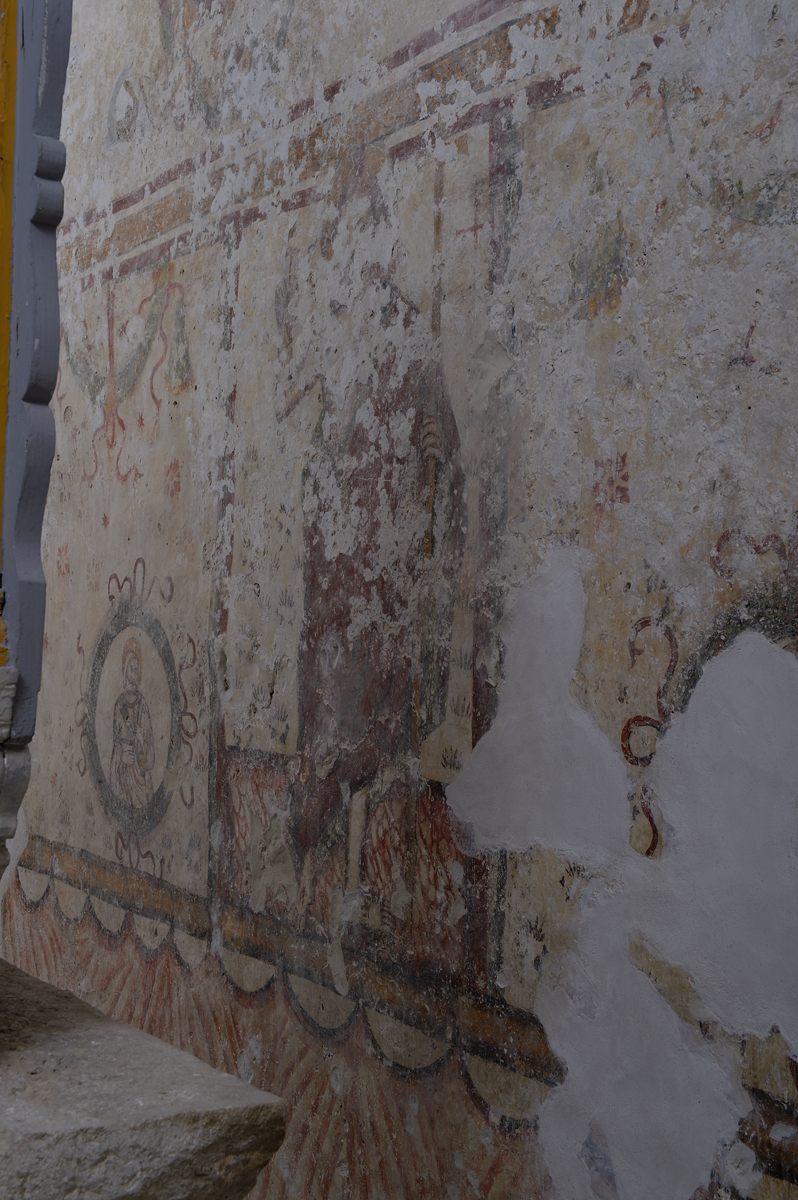
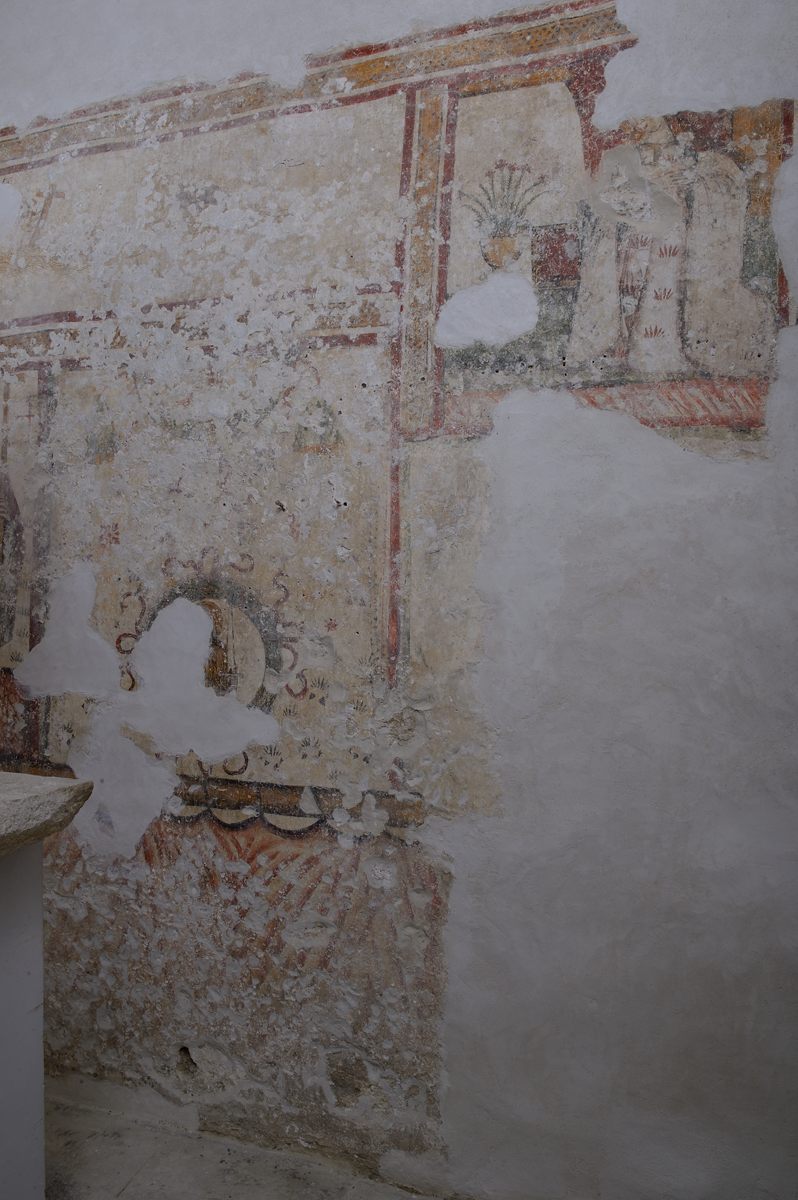
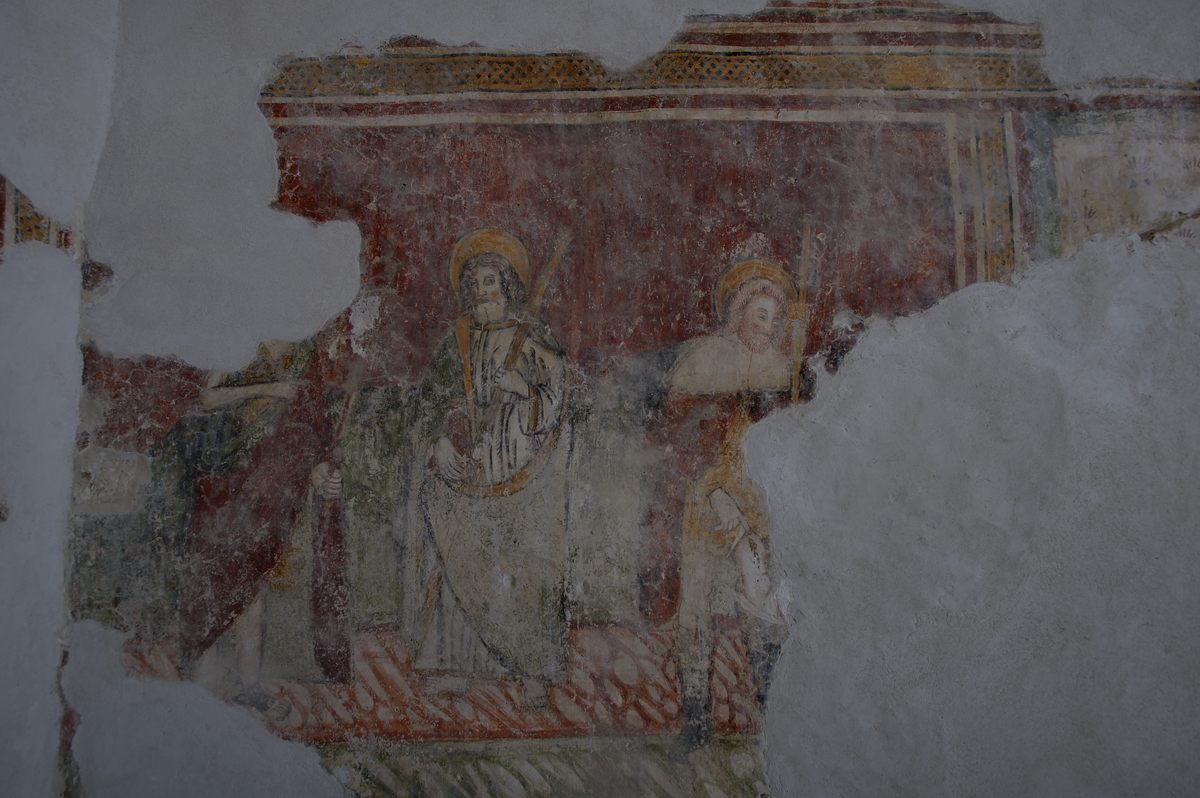
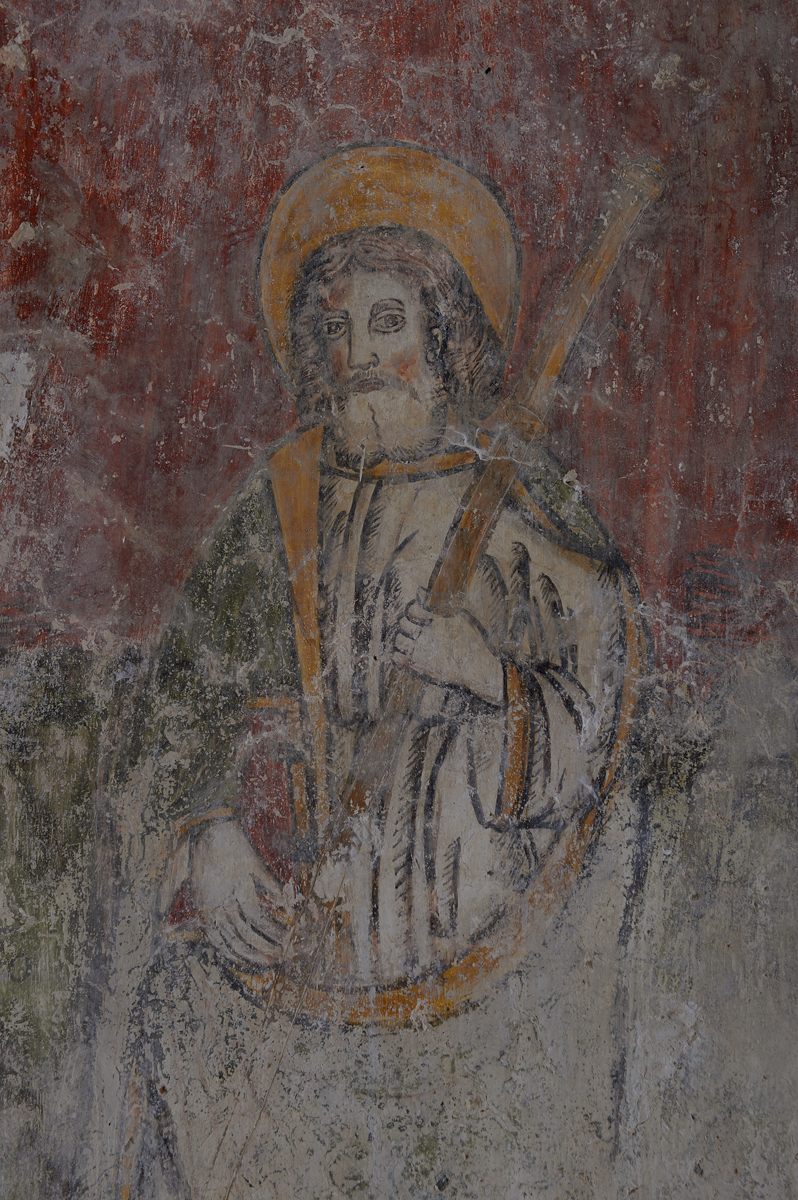
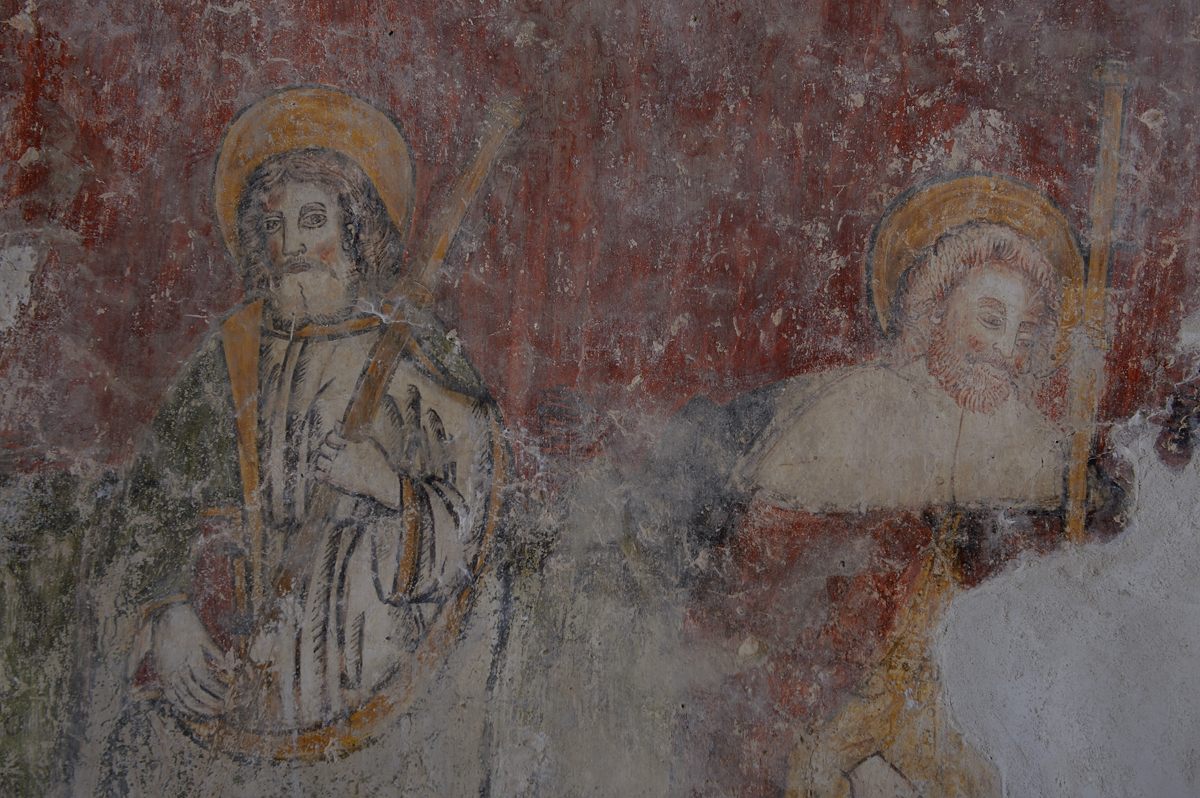
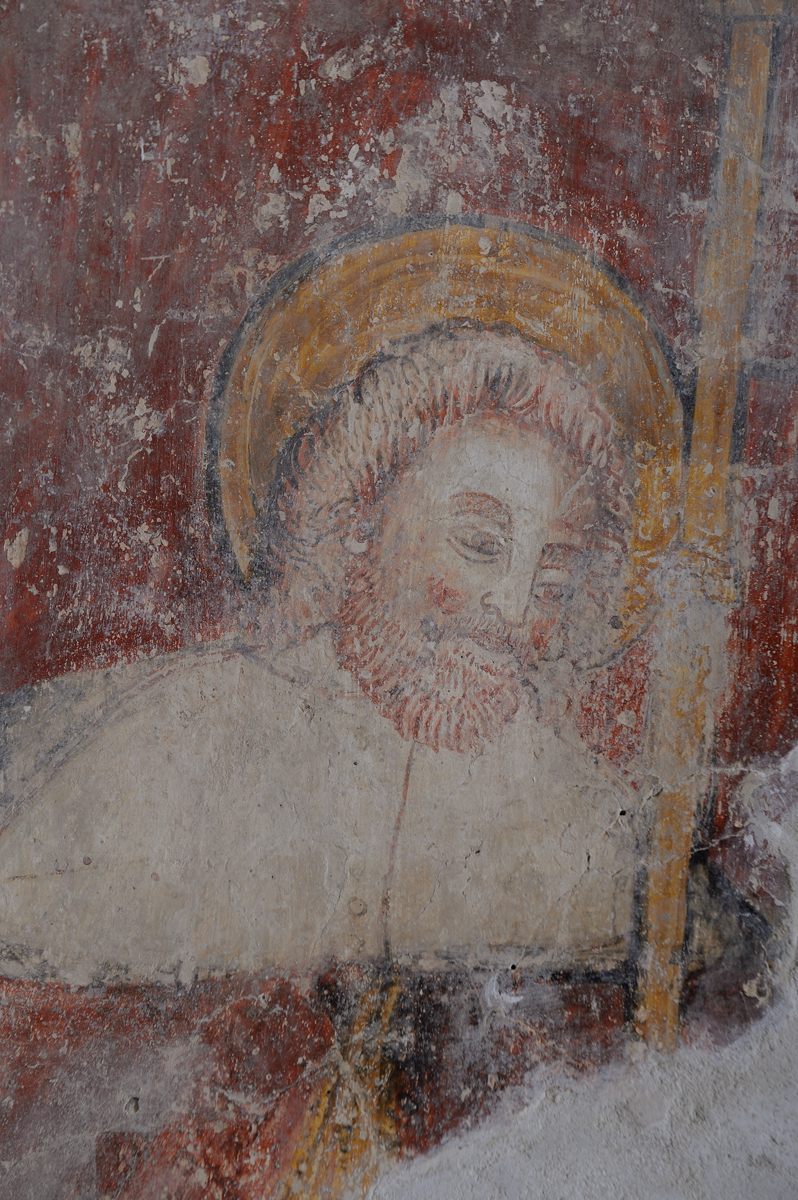
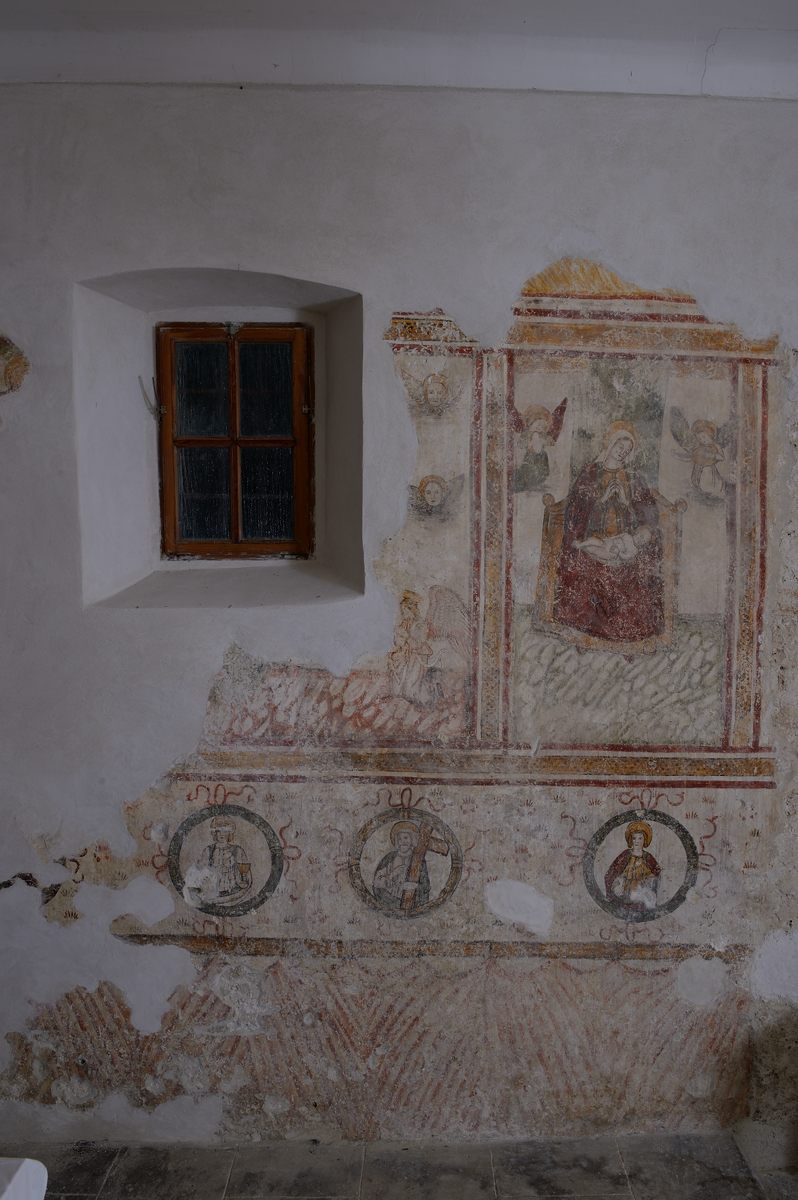
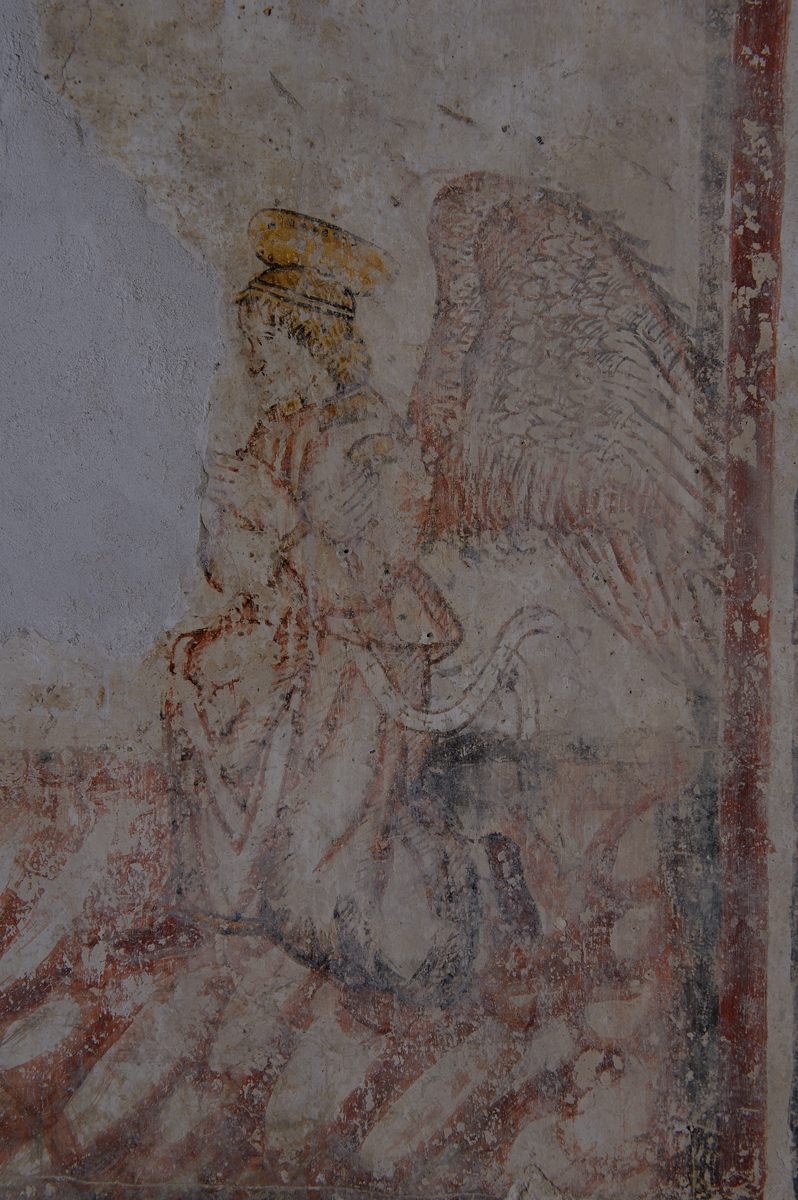
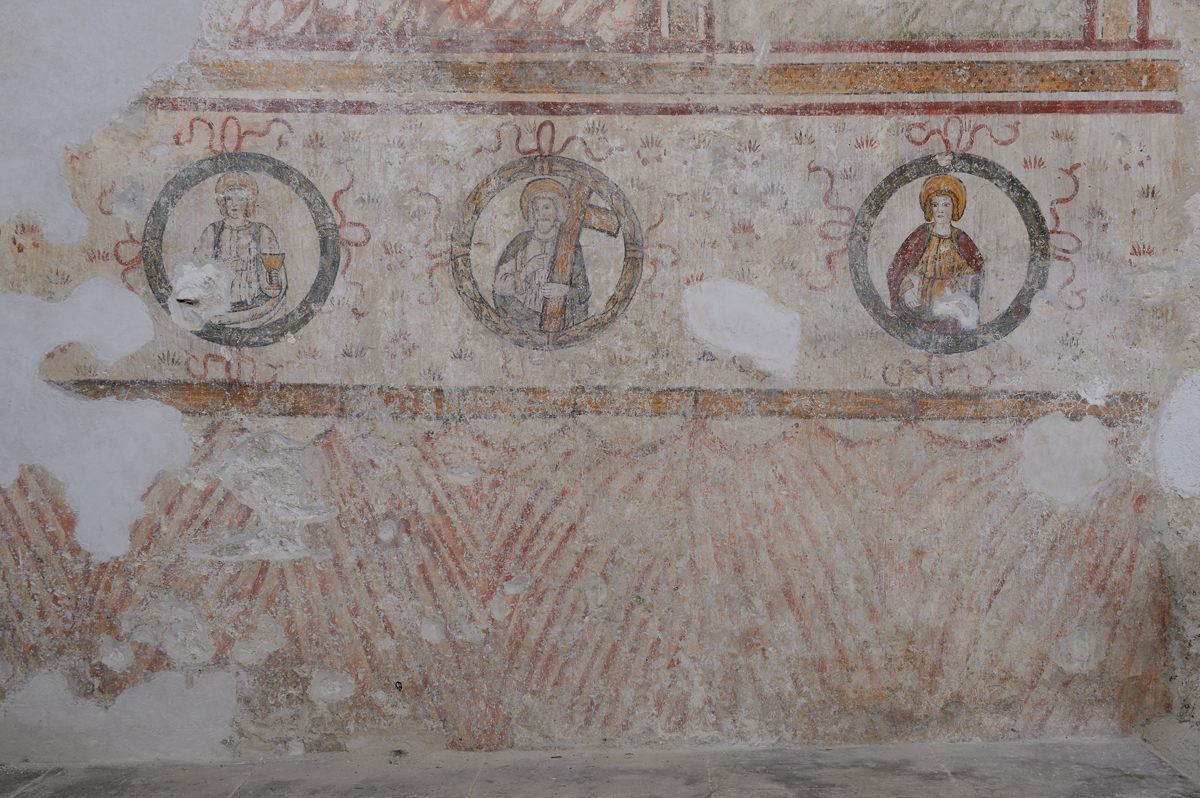
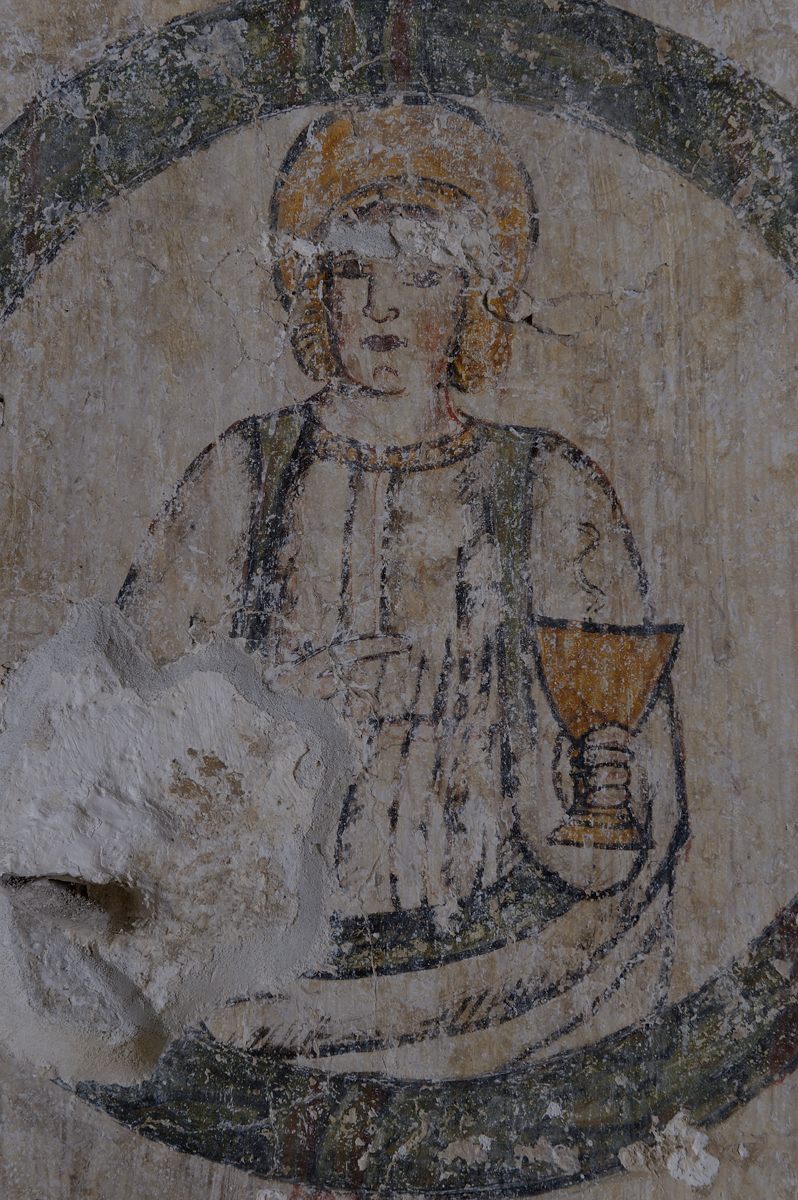
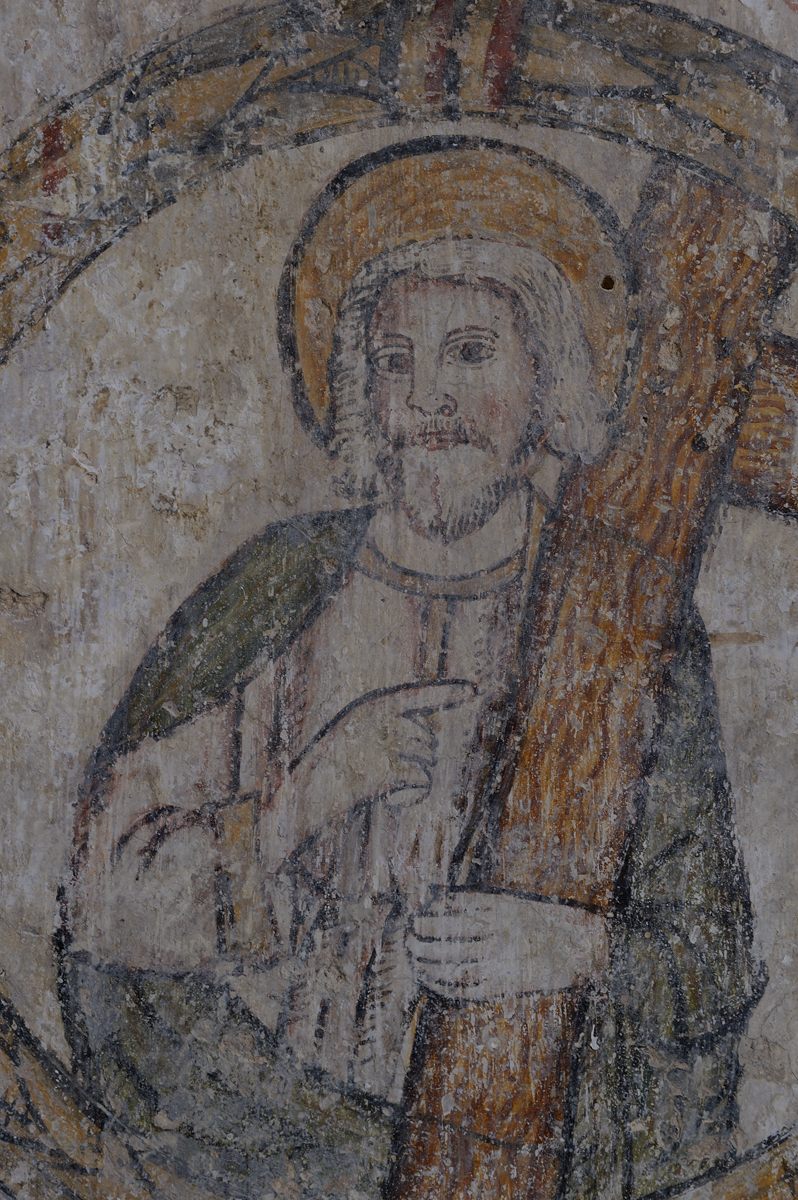
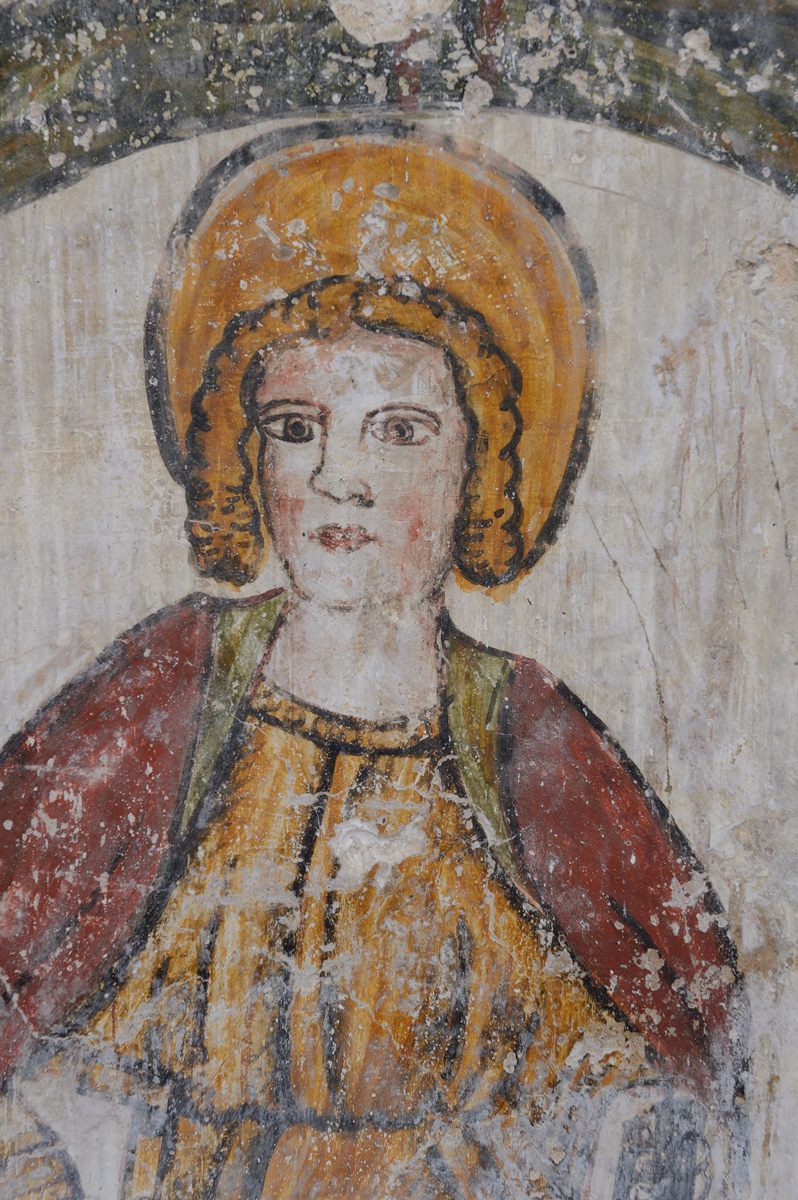
The mural decoration of the western and eastern walls is organised into two registers. The lower register of the lateral surfaces is filled with half-length figures of prophets and apostles set against white backgrounds decorated with simple stencilled ornaments. A schematised painted velarium extends along the lowest zone. The upper register of the lateral walls comprises scenes from the Christological cycle, as well as episodes from the lives of saints. On the northern sanctuary wall, the upper terminal fields contain the Annunciation. The lower zone of the wall is occupied by the Coronation of the Virgin and by a depiction of the Risen Christ flanked by St Peter and St Paul. The scenes are separated by simply designed borders.
The frescoes were uncovered in 1947 by Aleksandar Perc, Iva Perčić, and Branko Fučić of the Conservation Institute in Rijeka, and conservation interventions were carried out between 1955 and 1957. Their first comprehensive scholarly analysis was published by Branko Fučić in 1963 in the publication Istarske freske.
Iconographic programme:
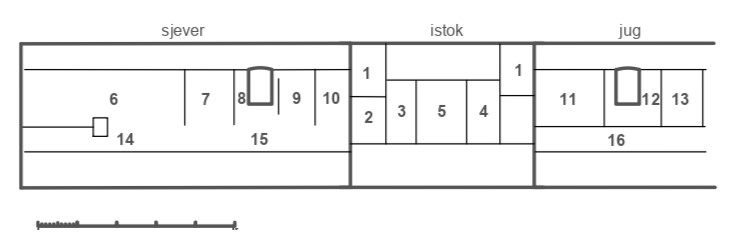
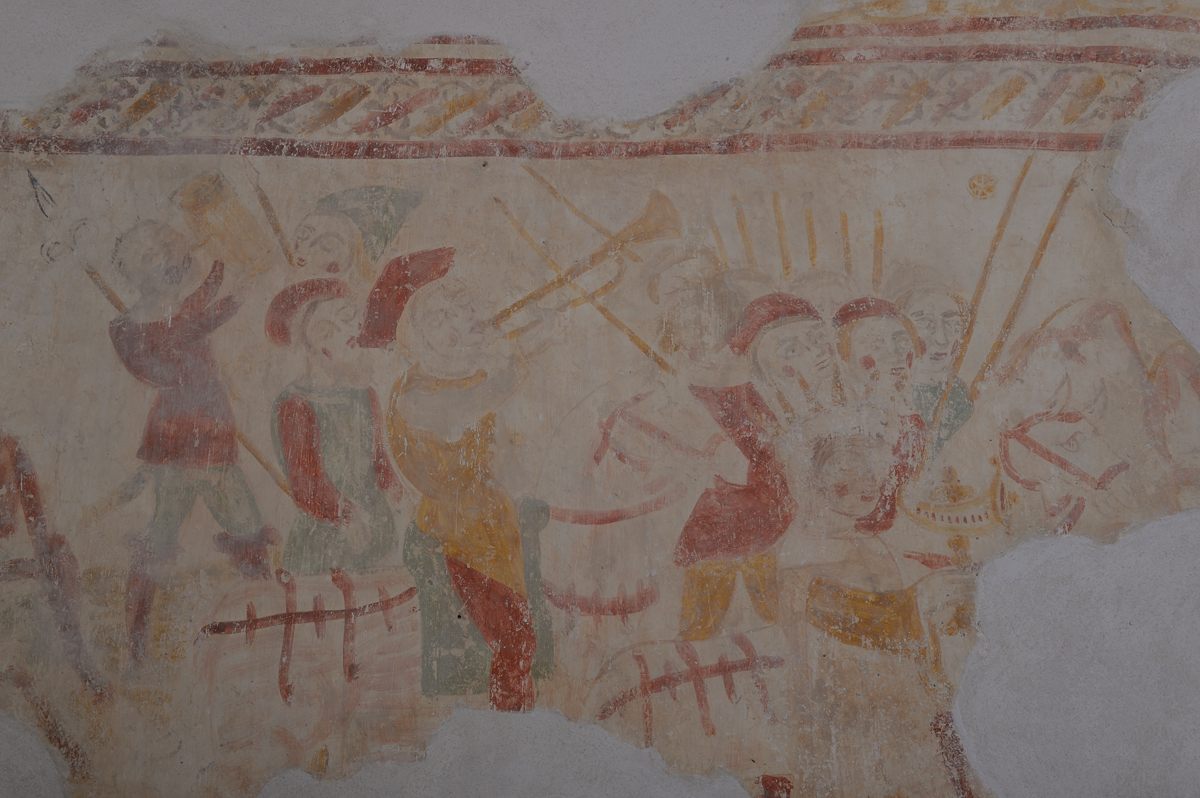
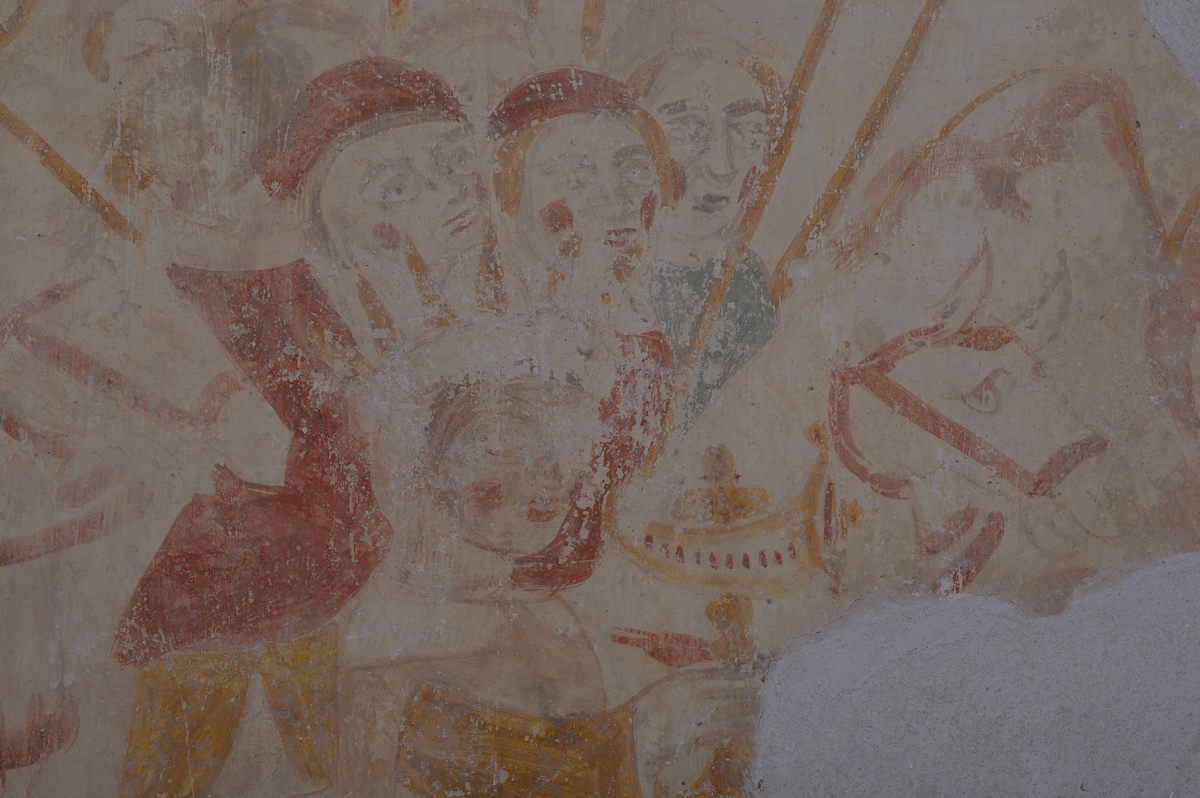
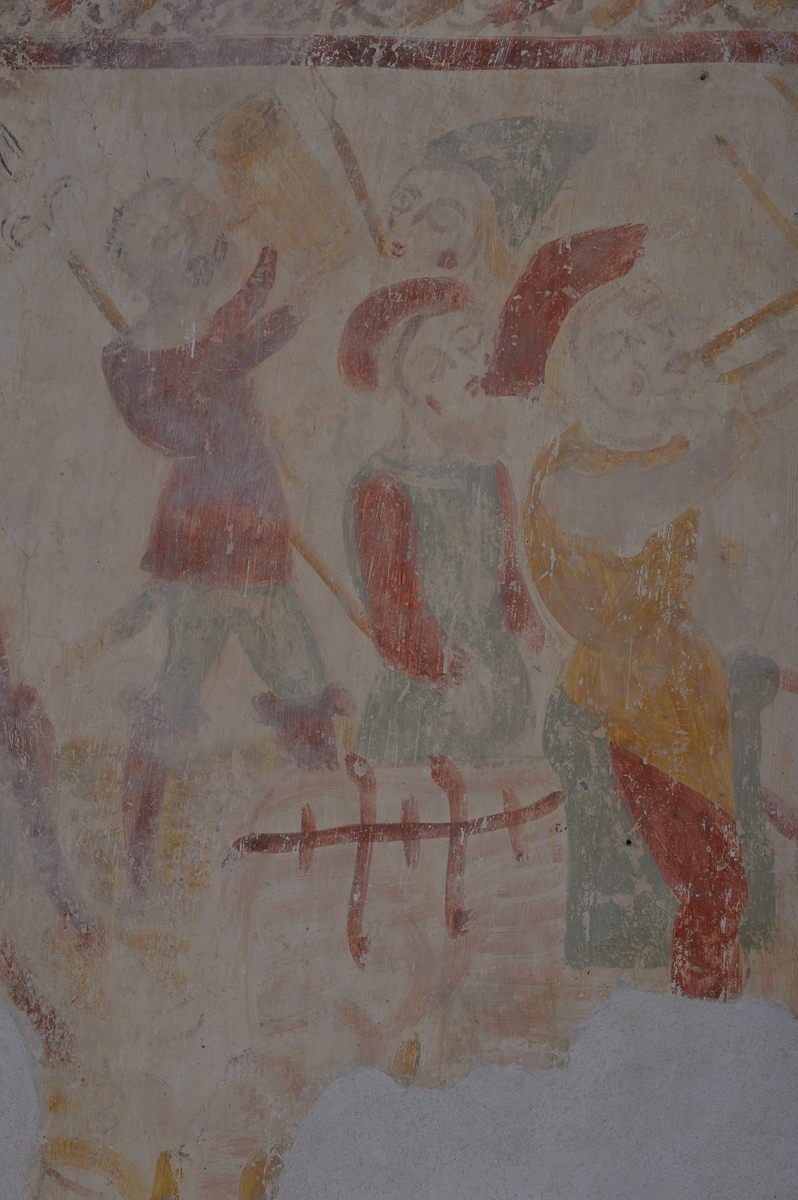
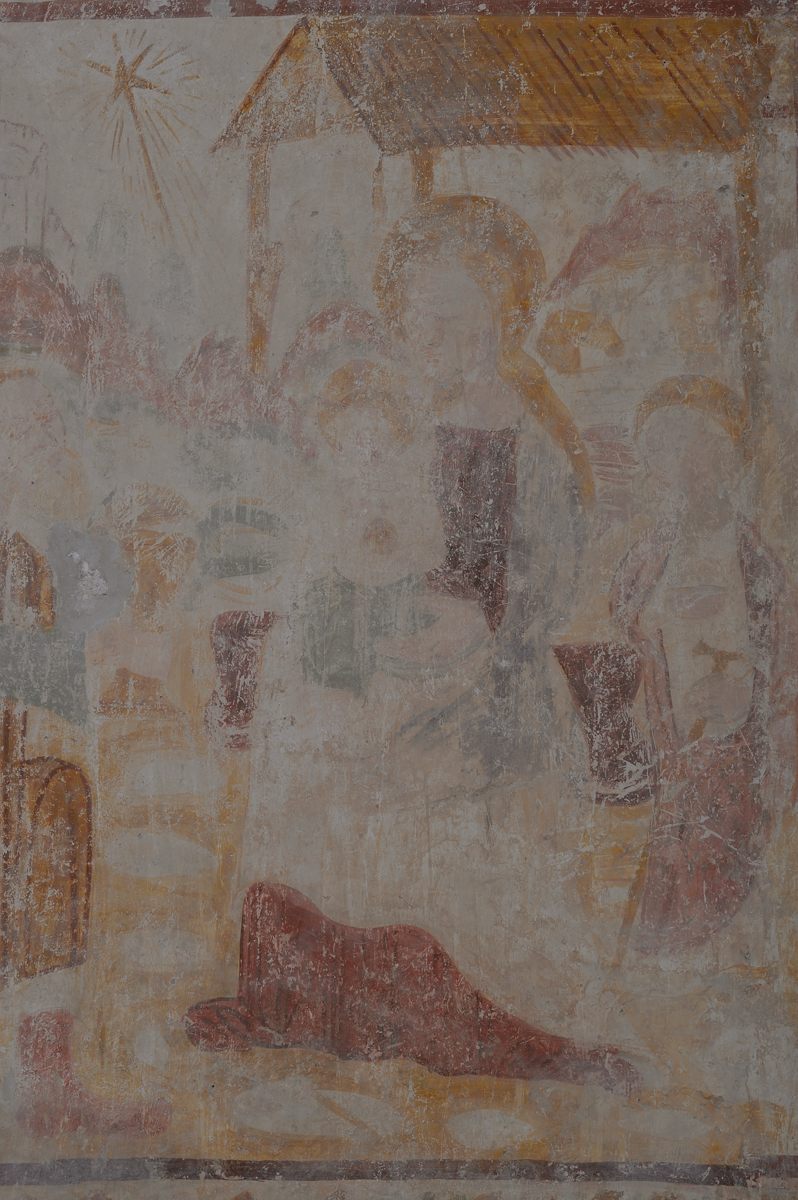
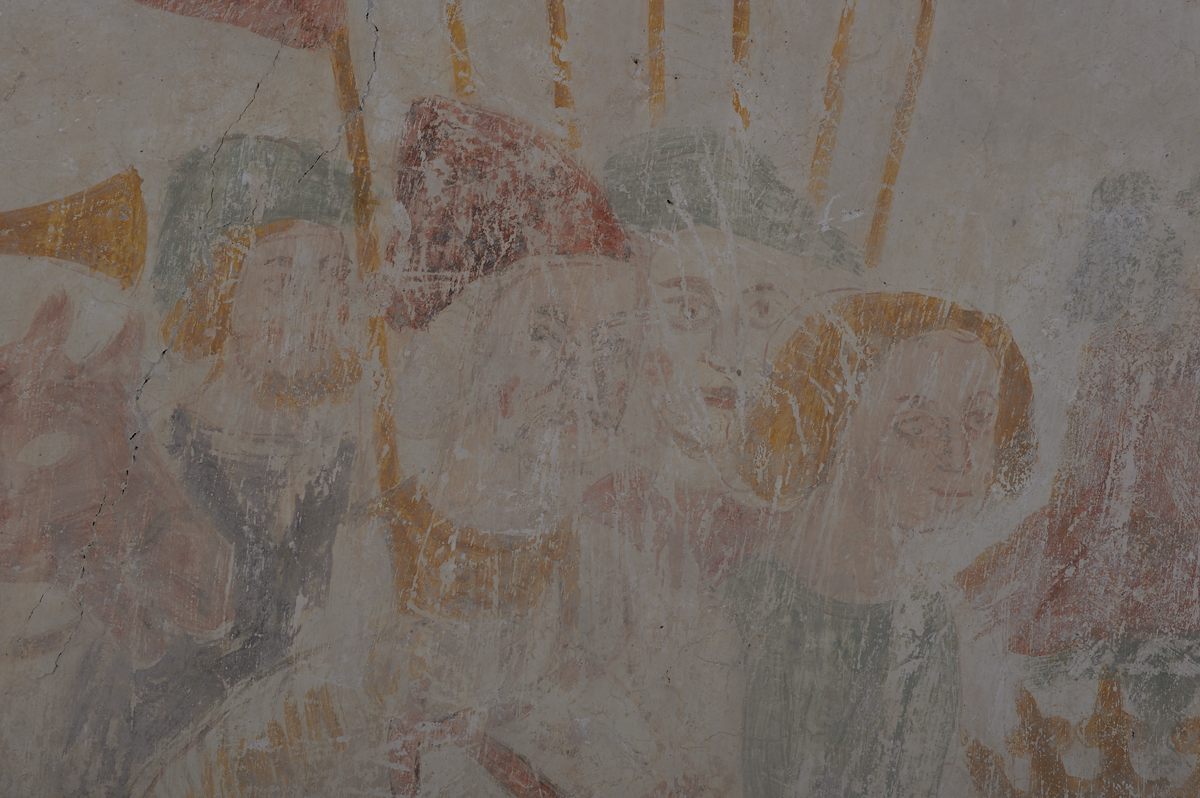
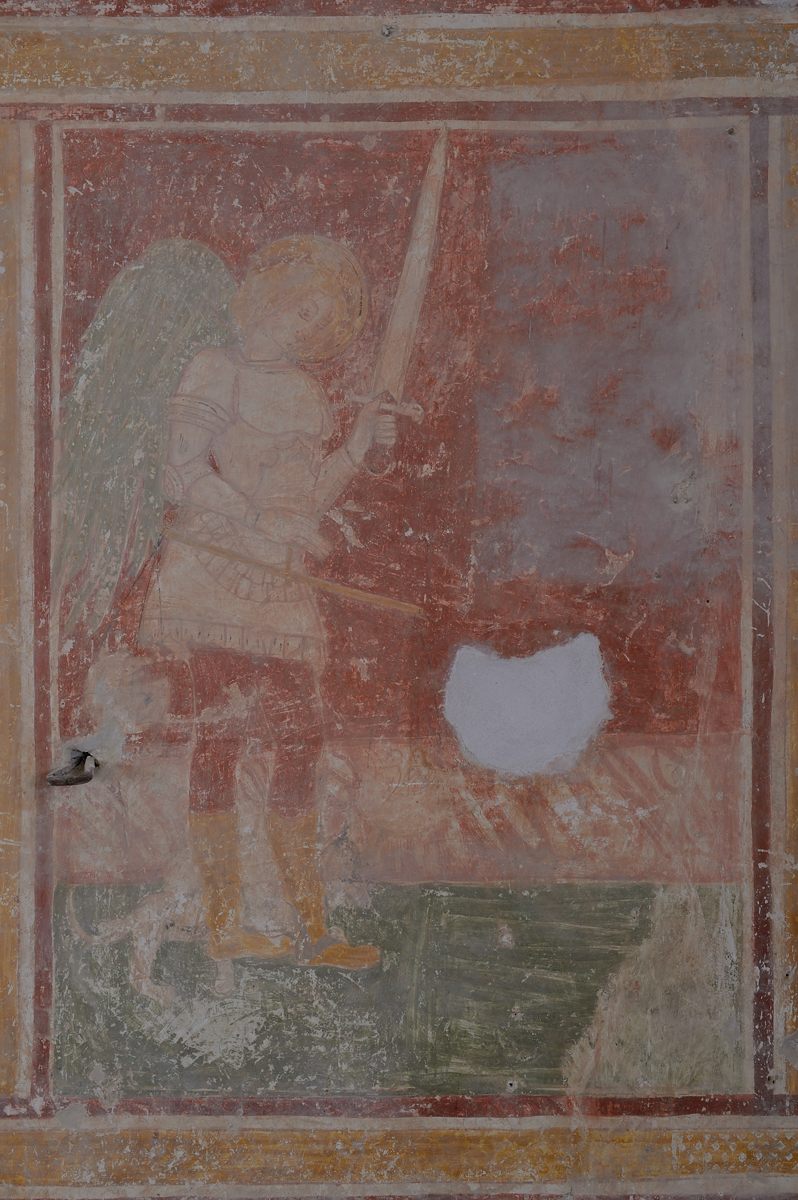
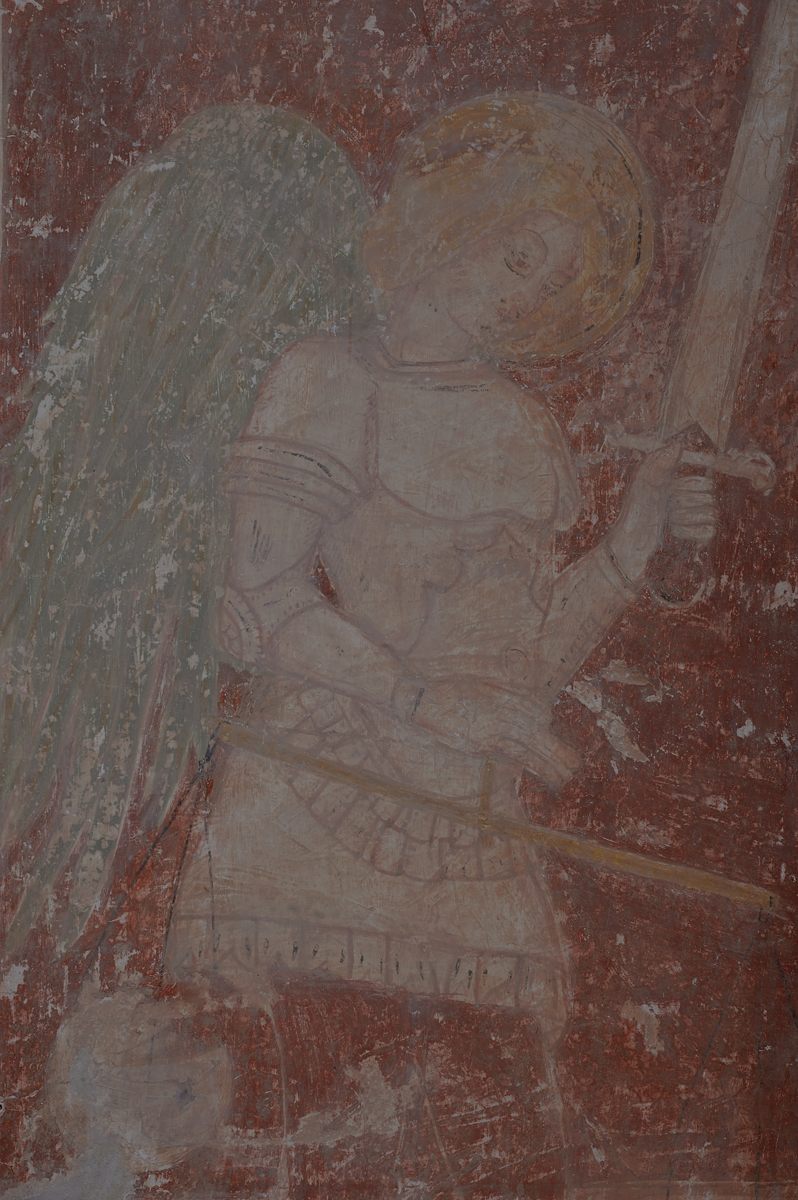
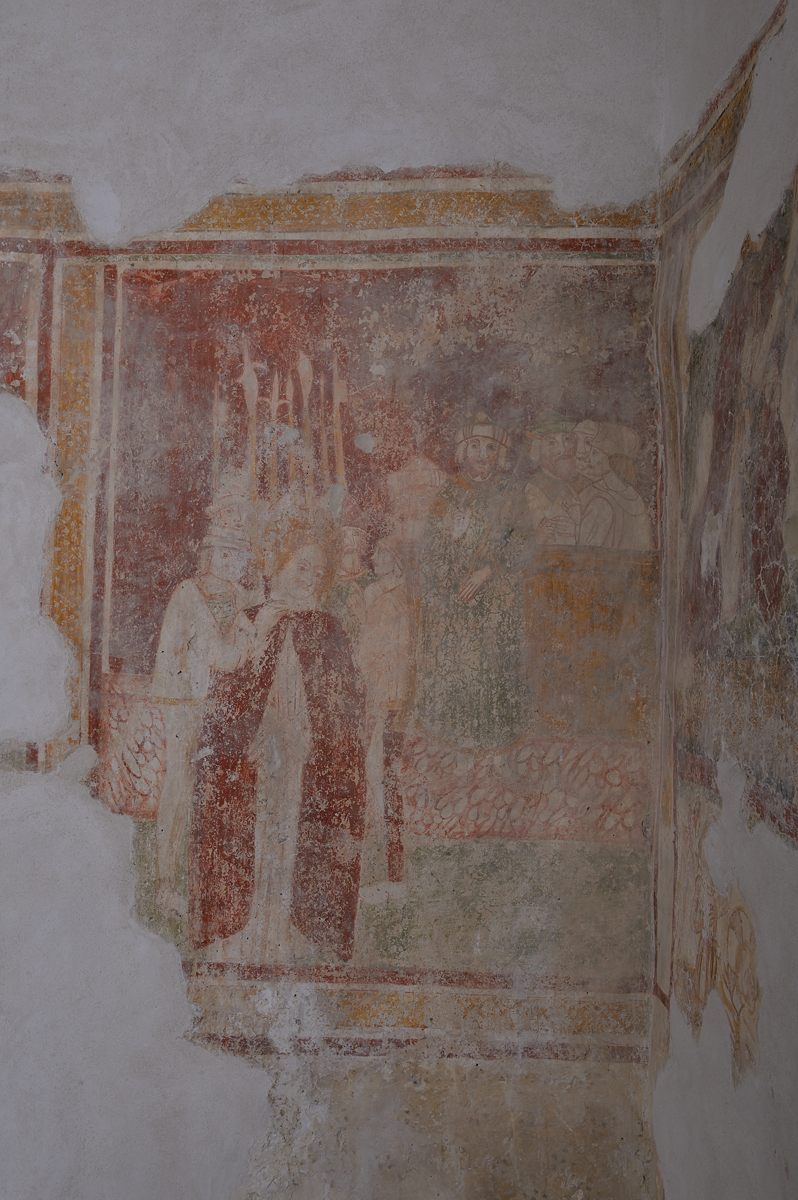
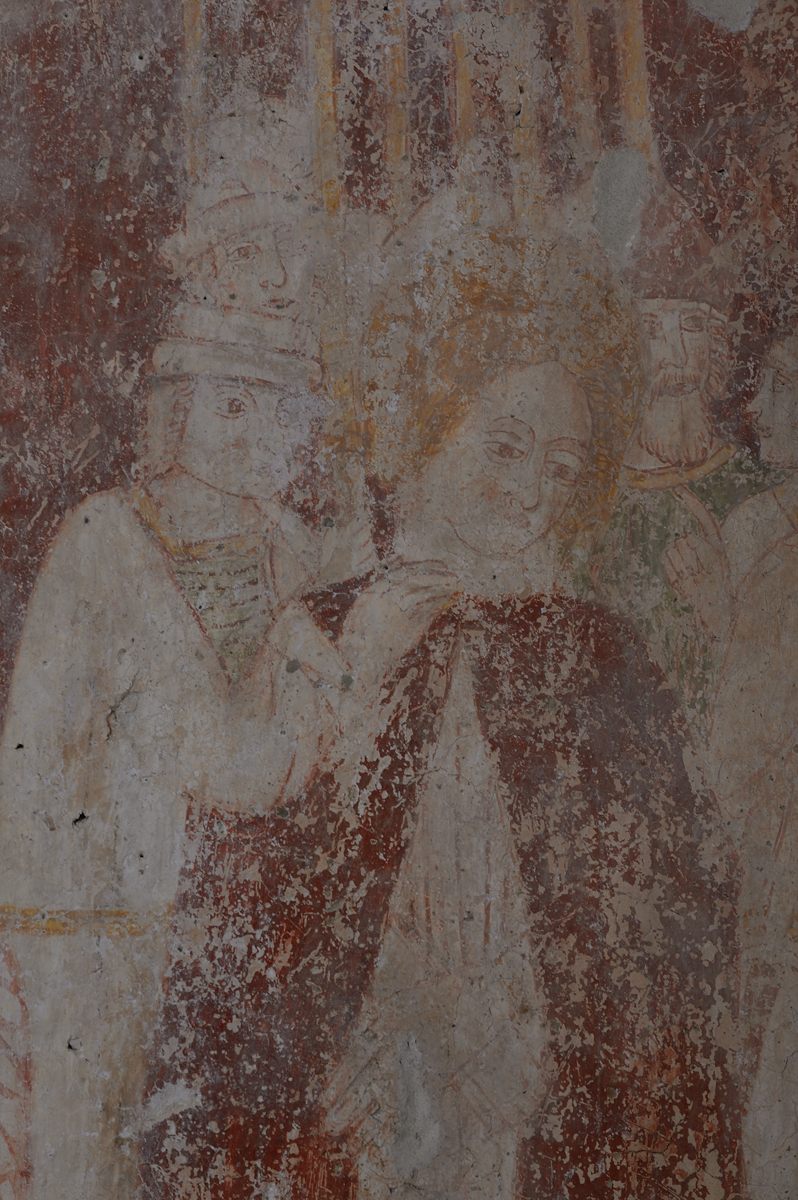
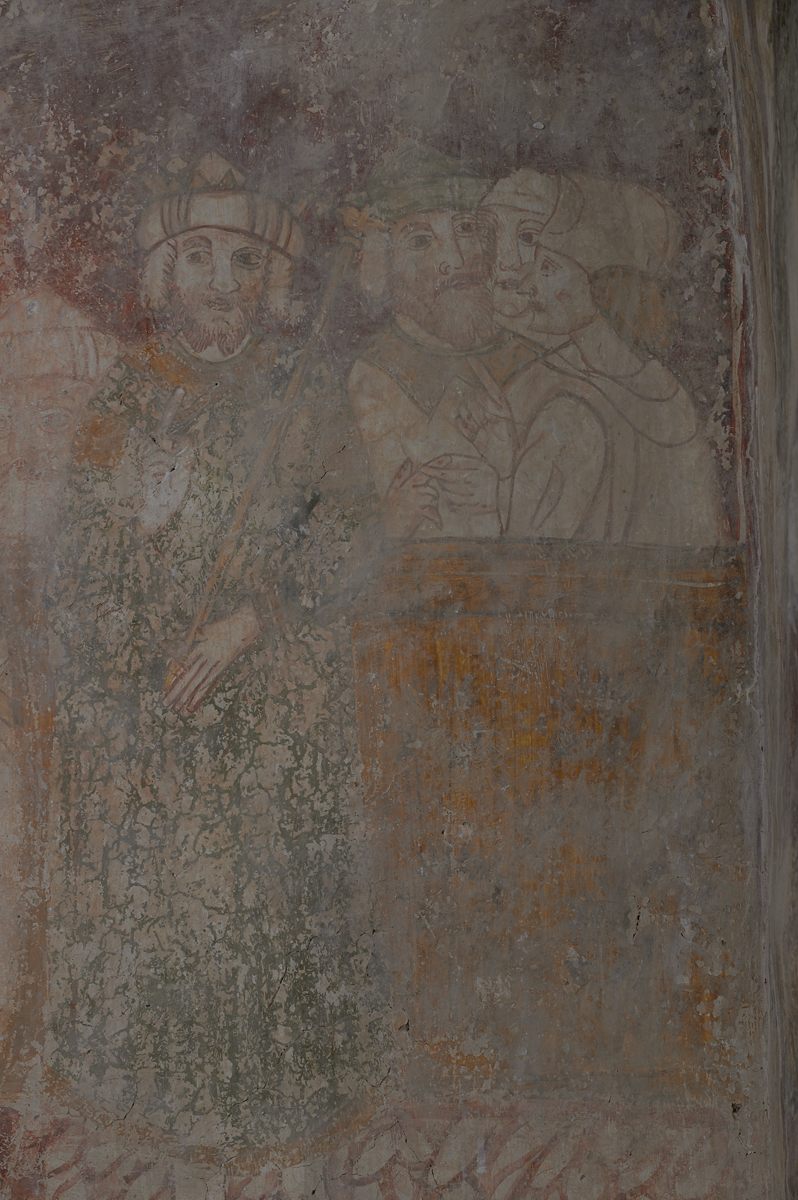
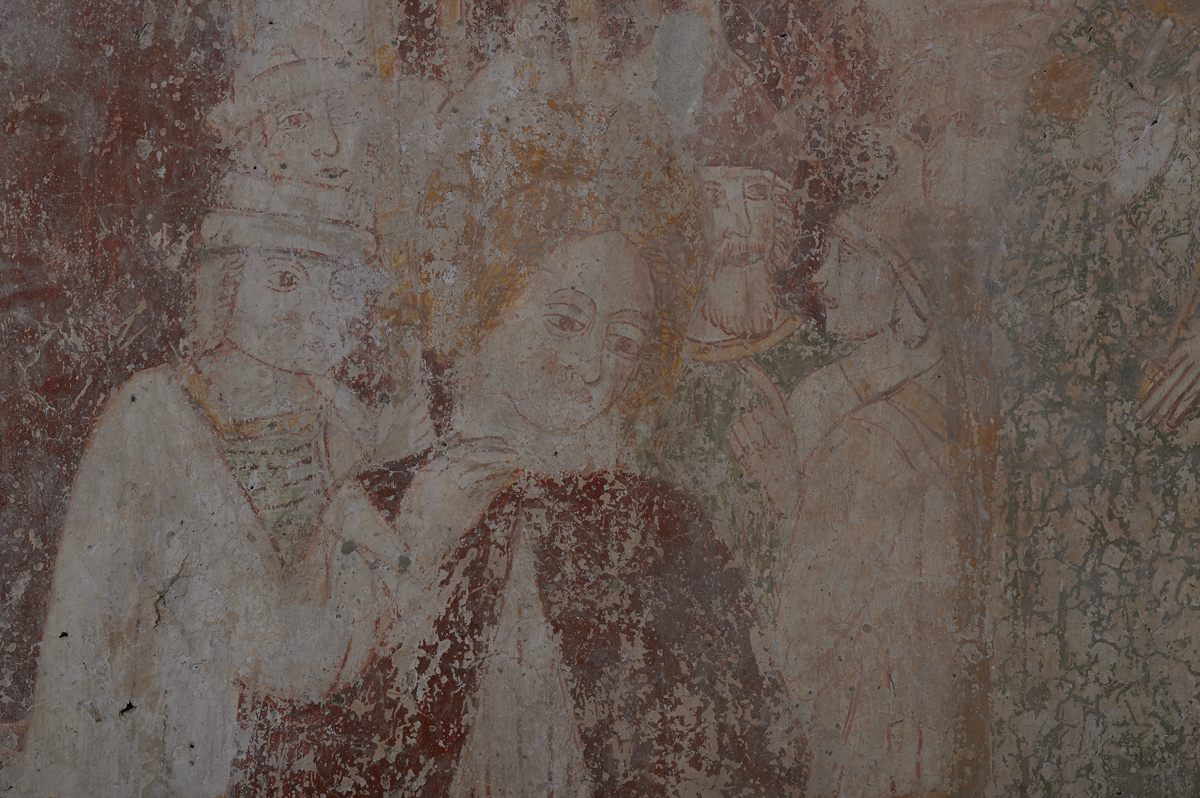
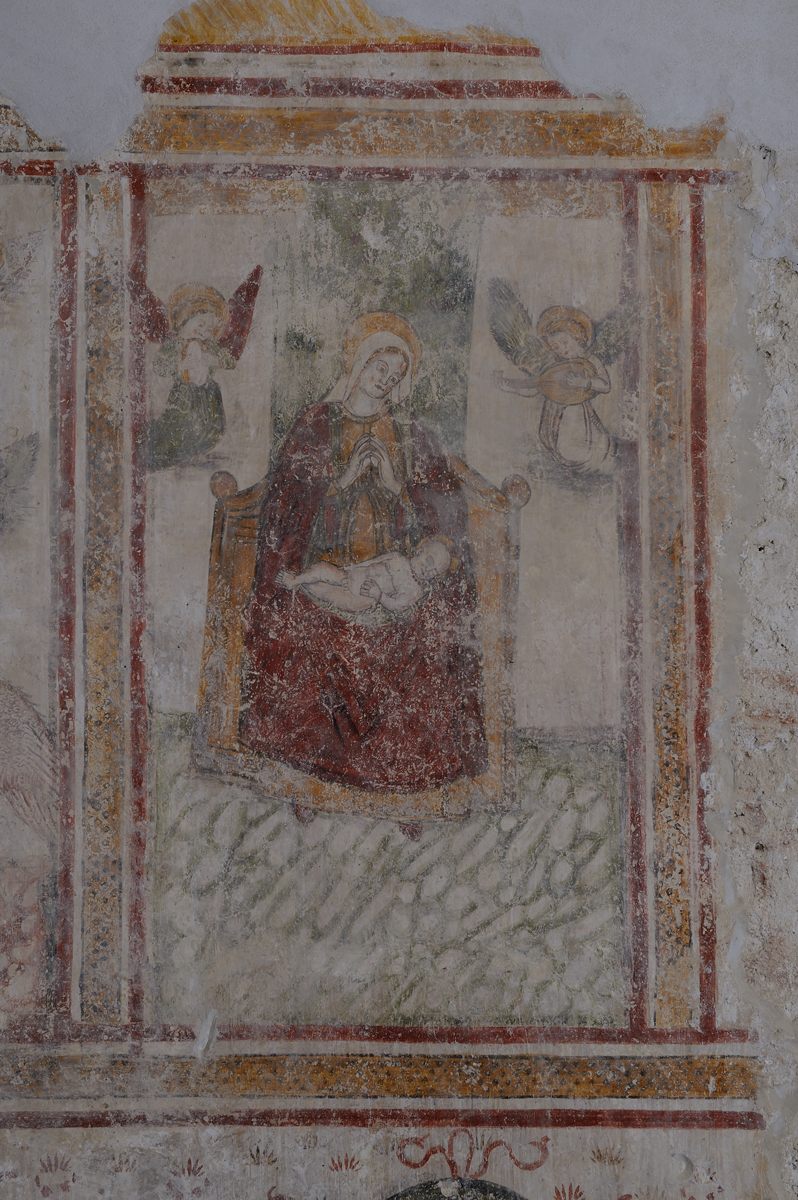
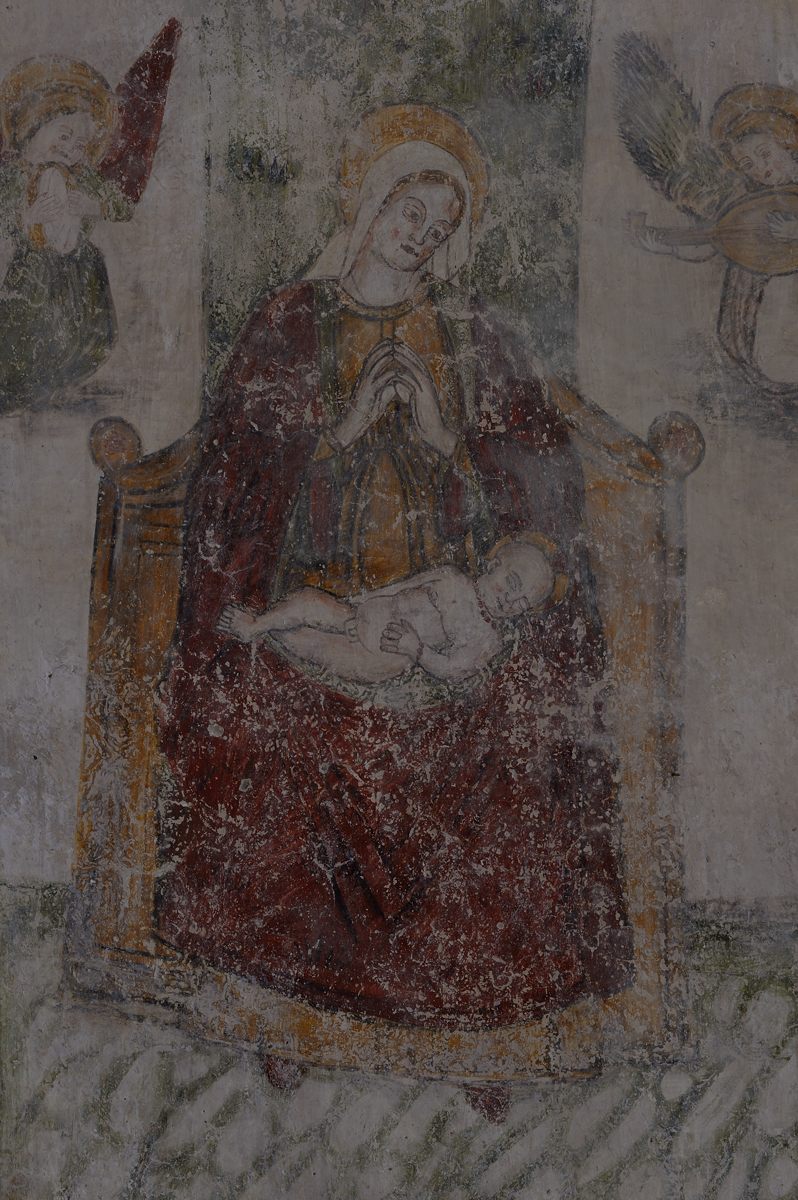
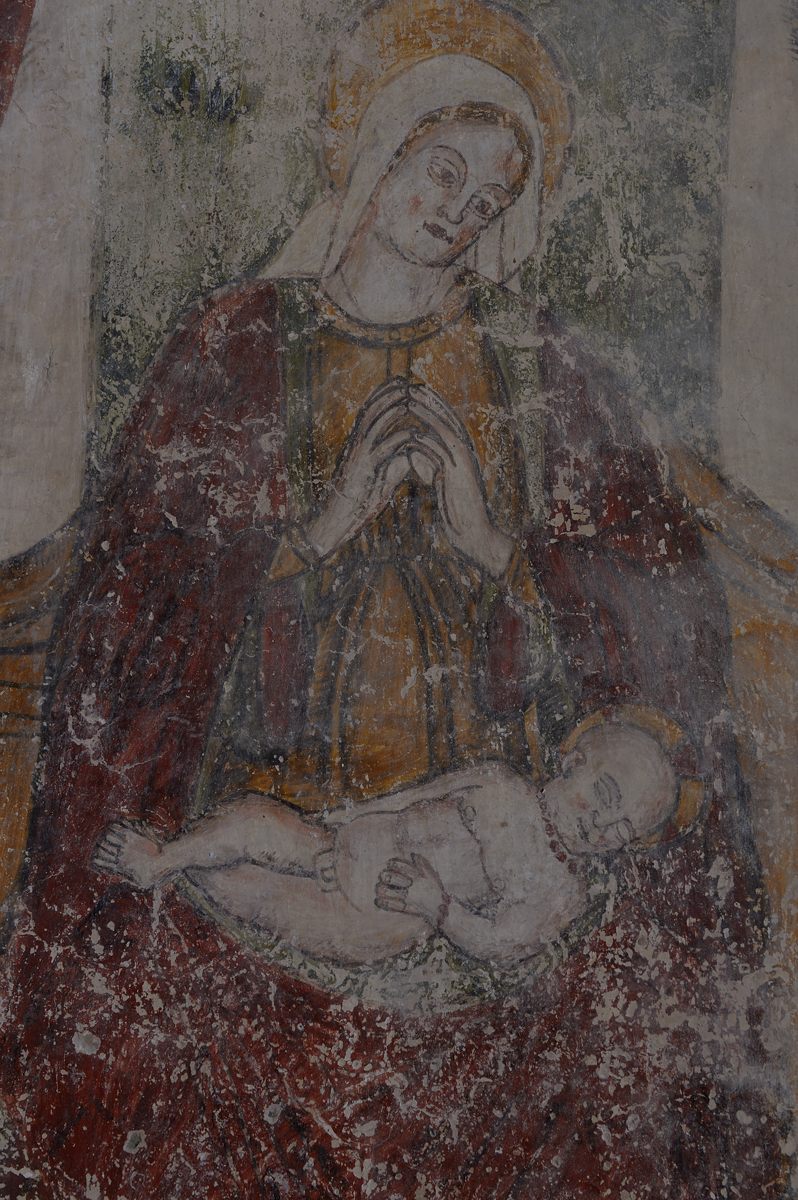
North wall: 1. Annunciation, 2. Coronation of the Virgin (?), 3. St Peter, 4. St Paul, 5. Risen Christ, West wall: 6. Adoration of the Magi, 7. St Michael, 8. St Sebastian, 9. Kiss of Judas, 10. Christ before Caiaphas, 14. Prophets, 15. Apostles. East wall: 11. St John the Baptist, St James, and St Roch, 12. Nativity of Christ, 13. Virgin and Child with Angels, 16. Apostles.
Scene locations
B. FUČIĆ, 1963., Istarske freske, Zagreb, 1963, 31, KAT. 25; B. FUČIĆ, 1964a, Srednjovjekovno zidno slikarstvo u Istri, doktorska disertacija, Filozofski fakultet Sveučilišta u Ljubljani, Rijeka-Ljubljana, 1964, 339, KAT. 465-466; M. PELC, 2007., Renesansa, Zagreb 2007, 500-501; Ž. BISTROVIĆ. 2011., Šareni trag istarskih fresaka, Pula, 2011, 240-244; I. MATEJČIĆ - N. MARAKOVIĆ - Ž. BISTROVIĆ, Umjetnička baština istarske crkve - Slikarstvo 1 / Patrimonio artistico della chiesa istriana - Pittura 1 (ur. / ed. I. Matejčić, S. Mustač), Pula-Pola, 2023, 371-375.