


Draguć, Church of St. Roch
Century/year: 1529 and 1537
Historical-cultural period: Renaissance period
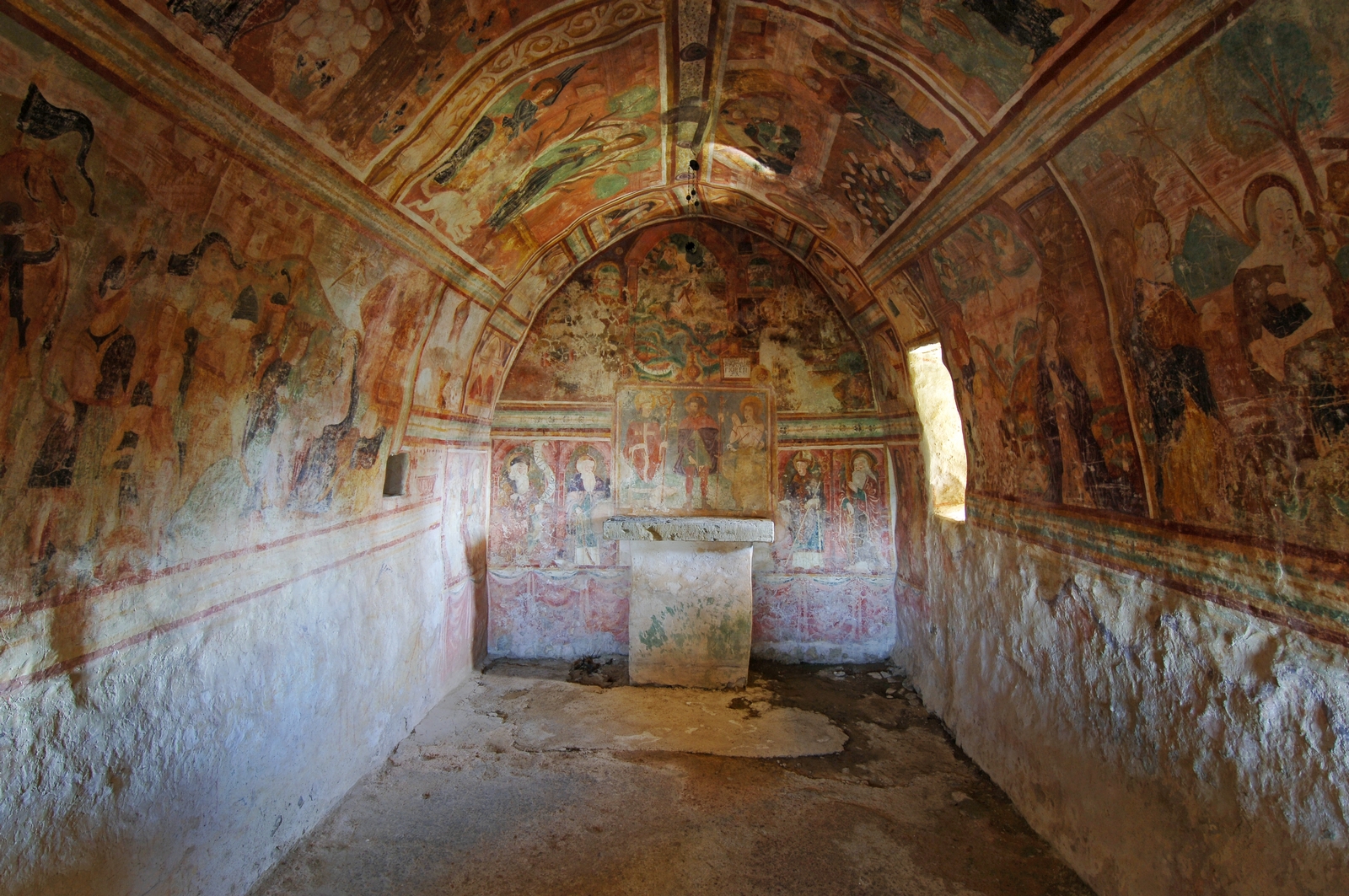
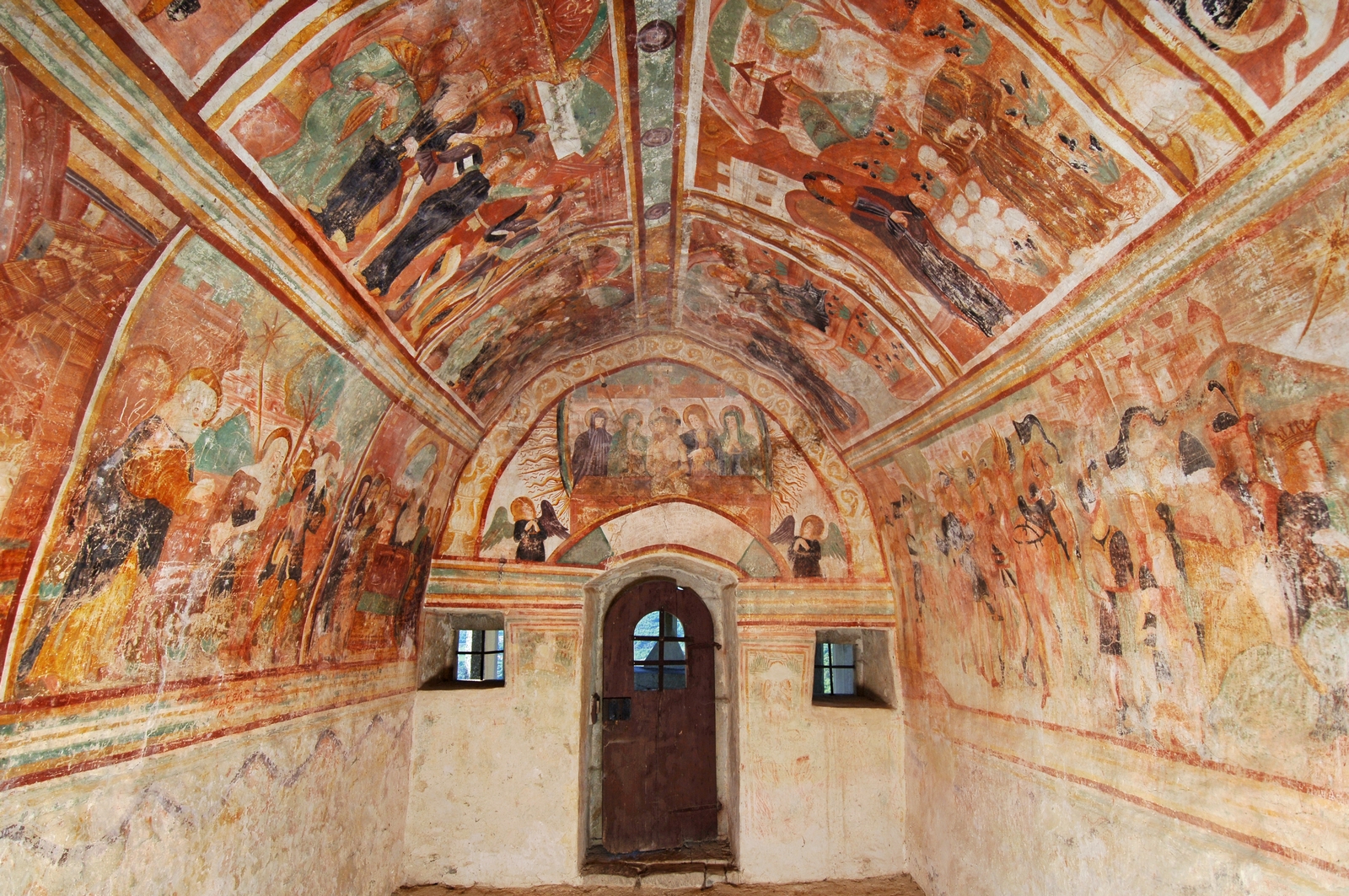
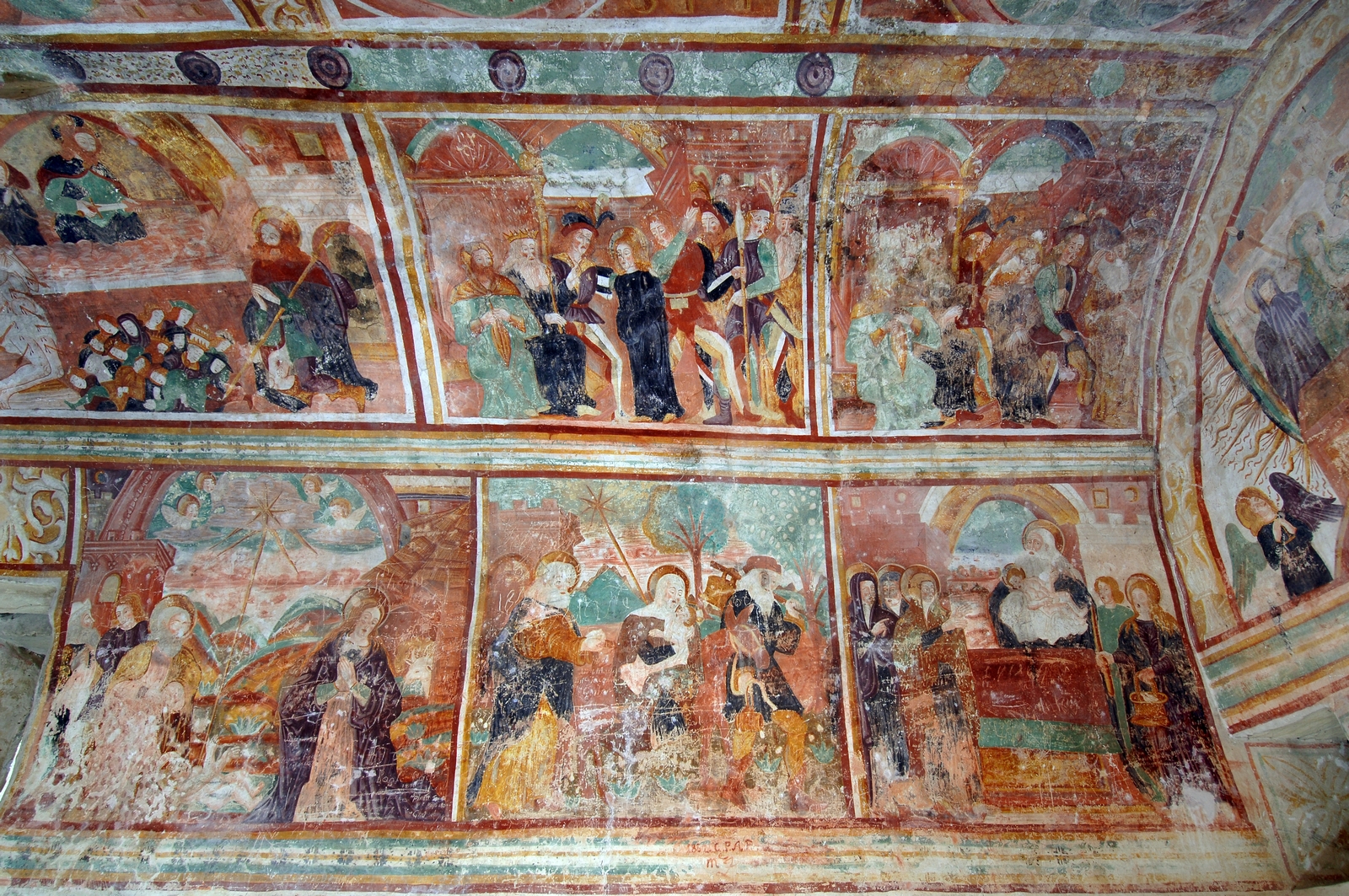
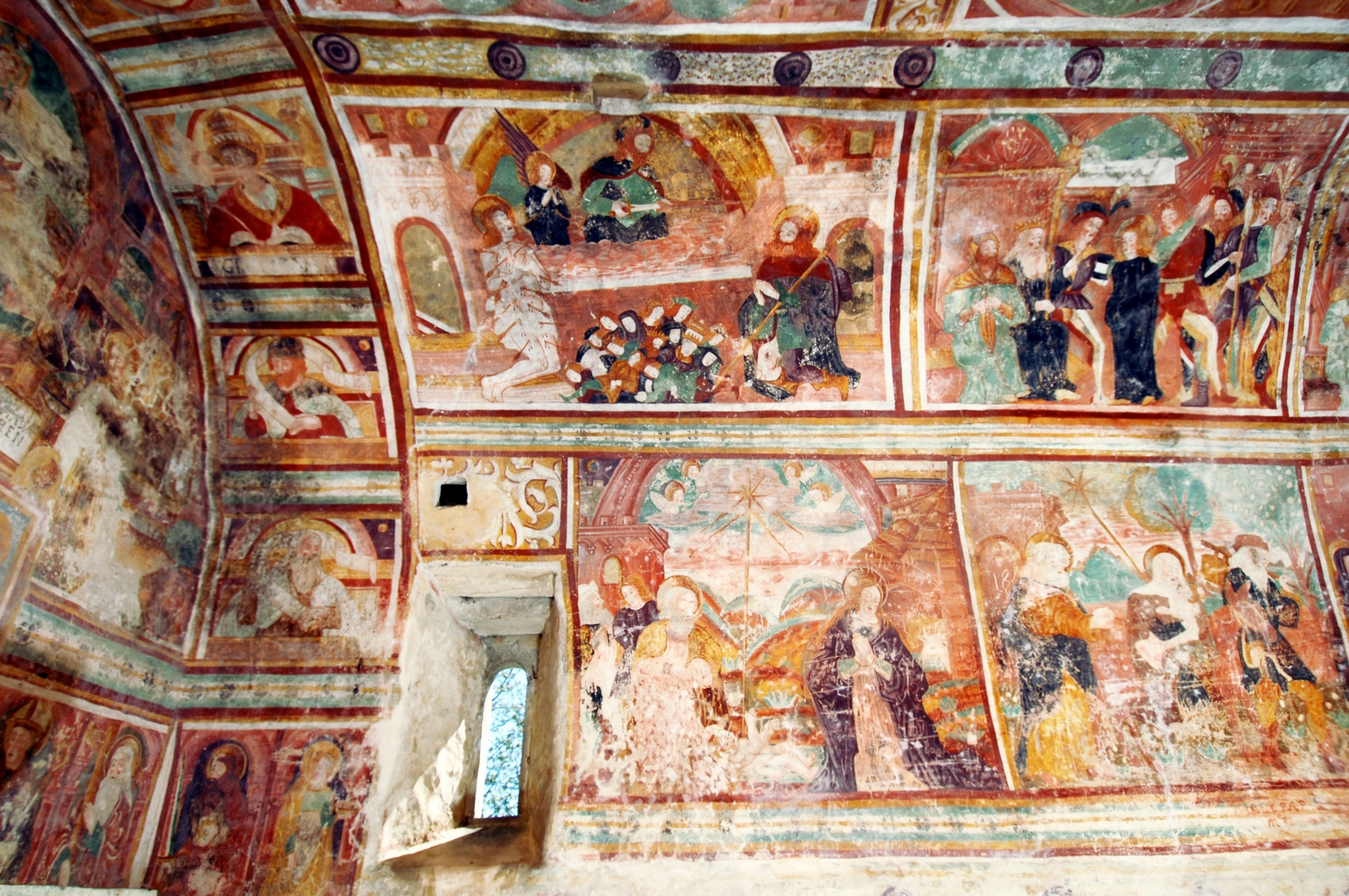
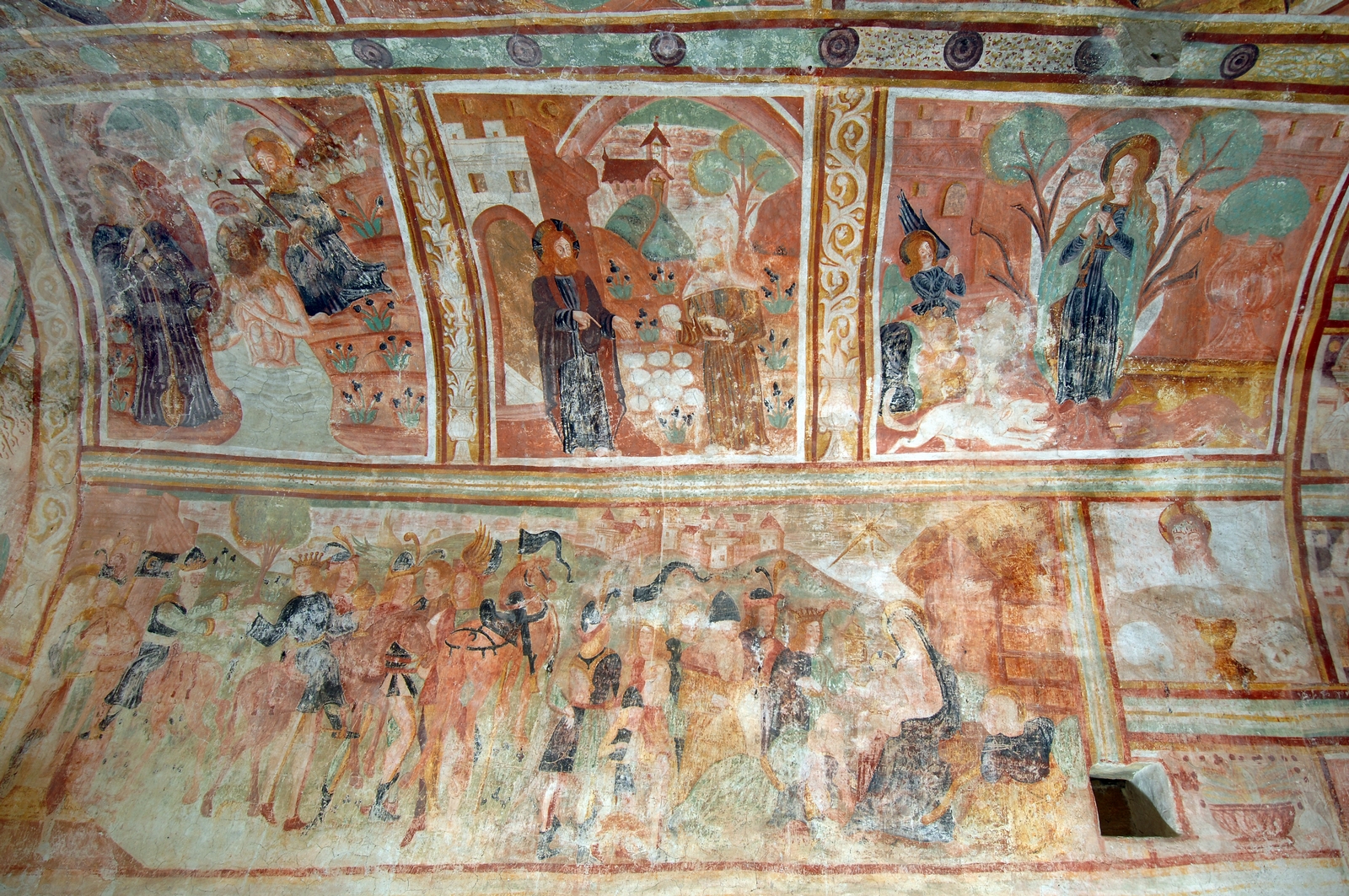
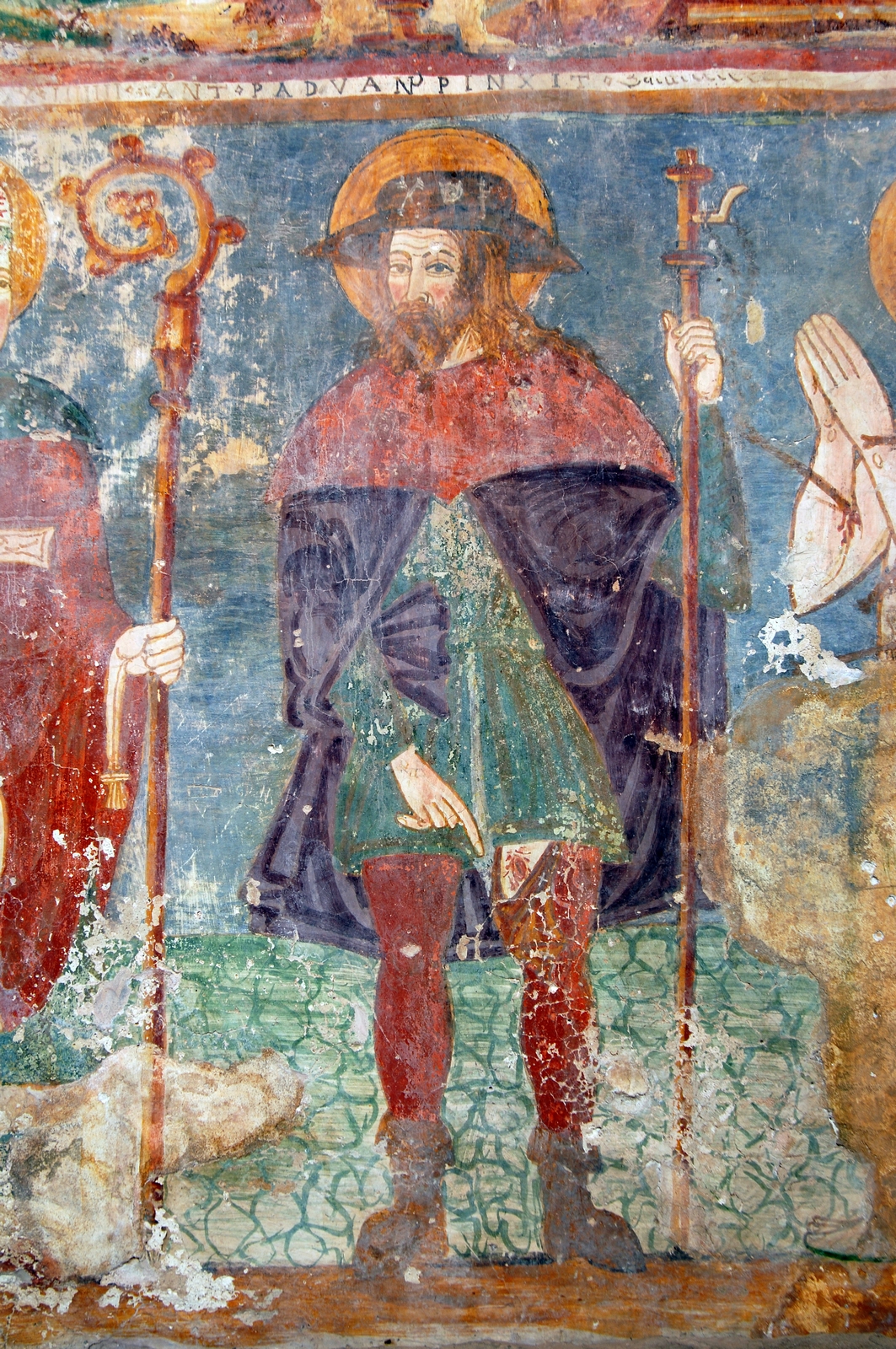
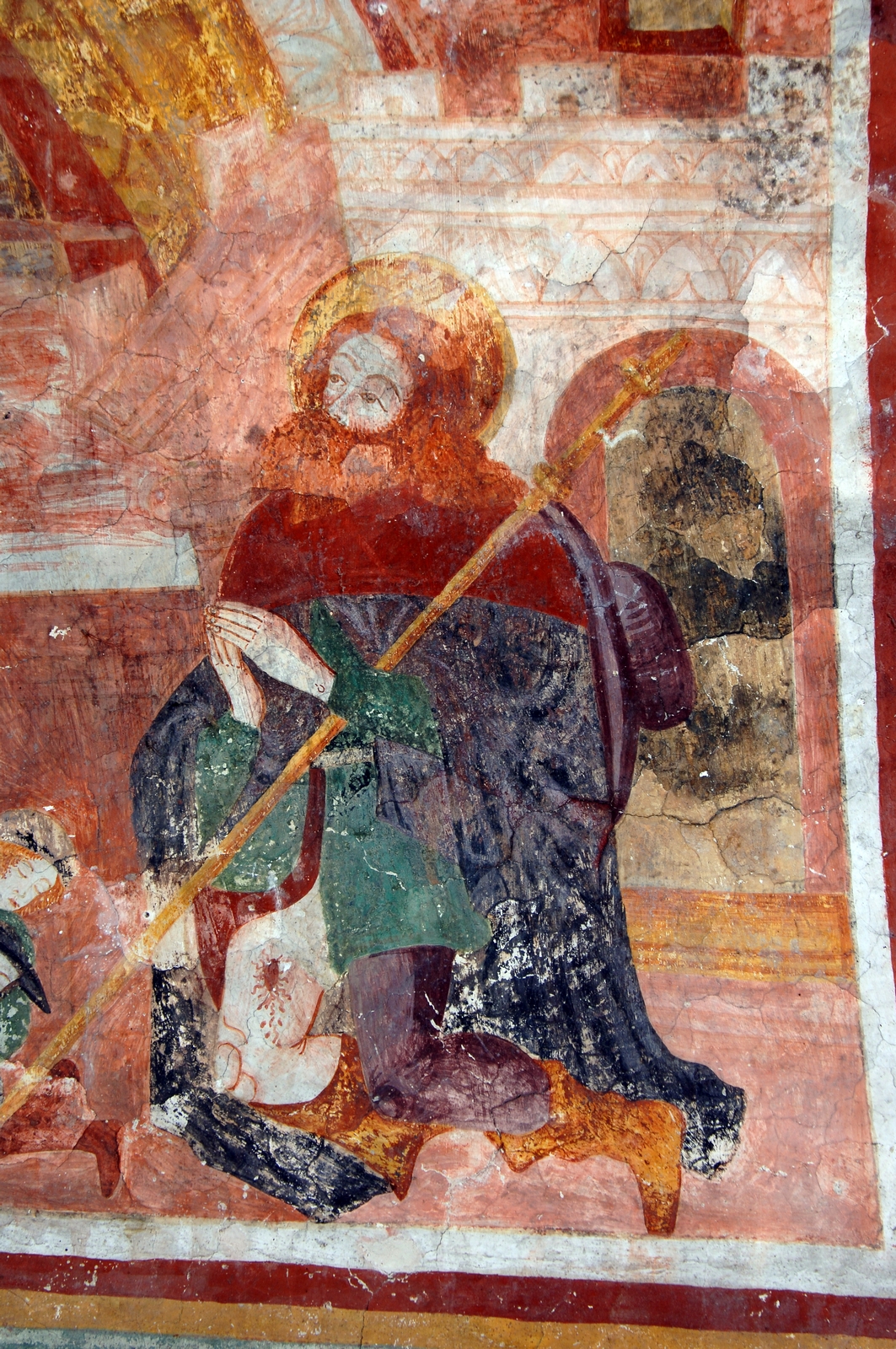
The votive Church of St. Roch was built at the beginning of the 16th century at the western entrance to the village of Draguć. Its dedication to Saint Roch, the patron saint against plague, as well as its location within the settlement, suggest that the church was erected after one of the plague epidemics. This single-nave church has a simple rectangular ground plan with a flat rear wall and a pointed barrel vault. In 1565, a porch was added to the entrance, while the top of the facade is adorned with a stone bell-gable.
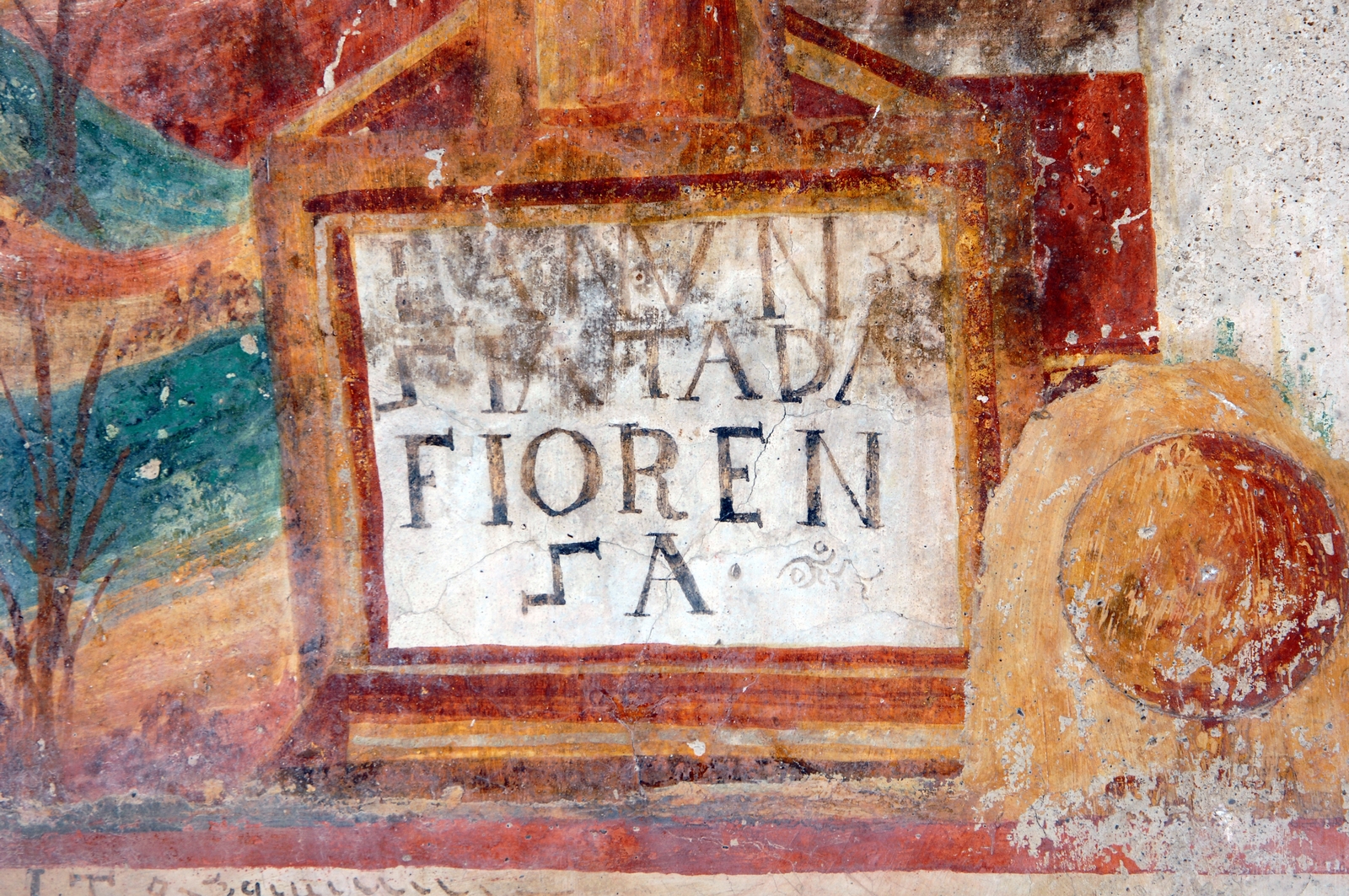
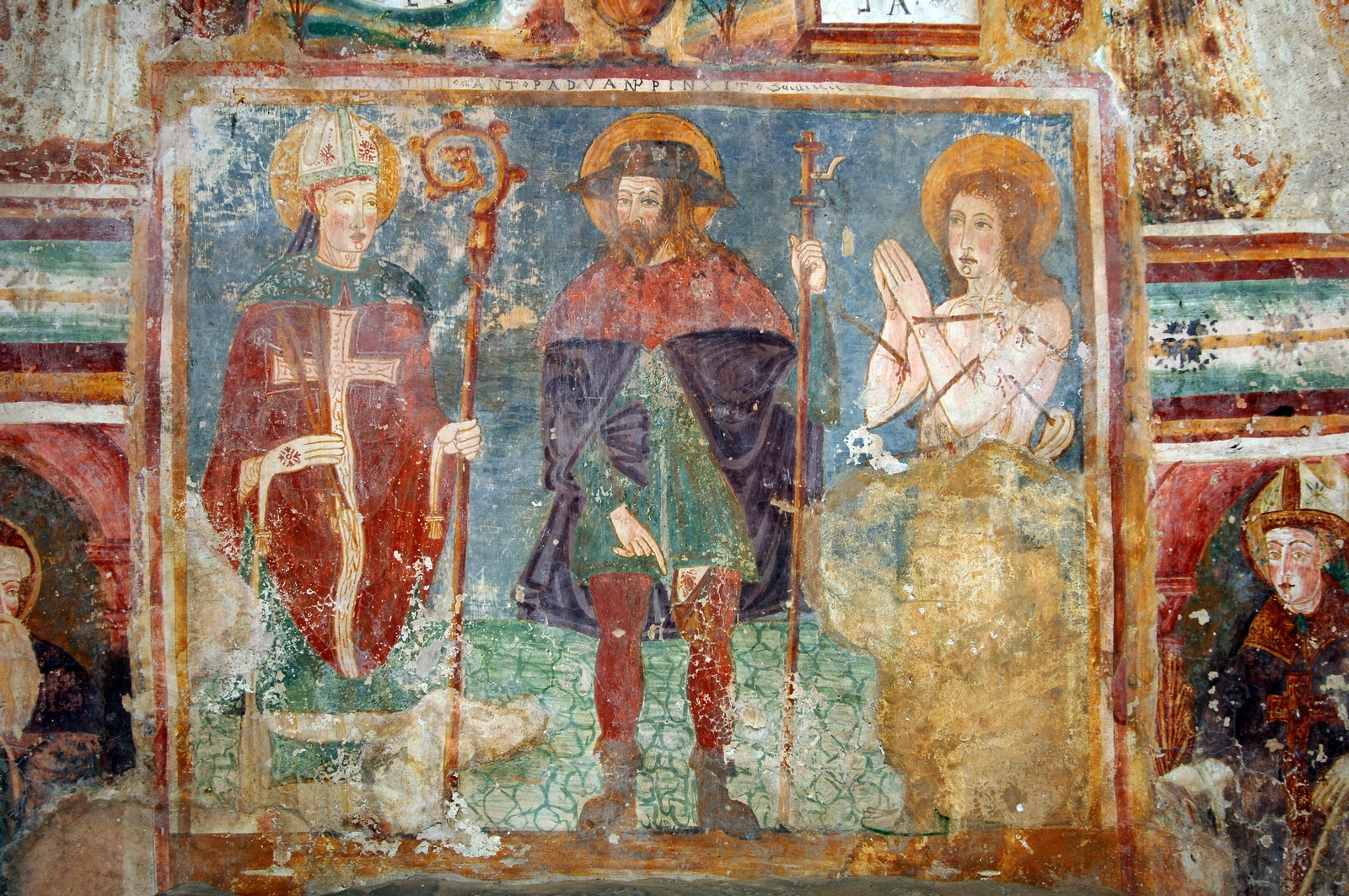
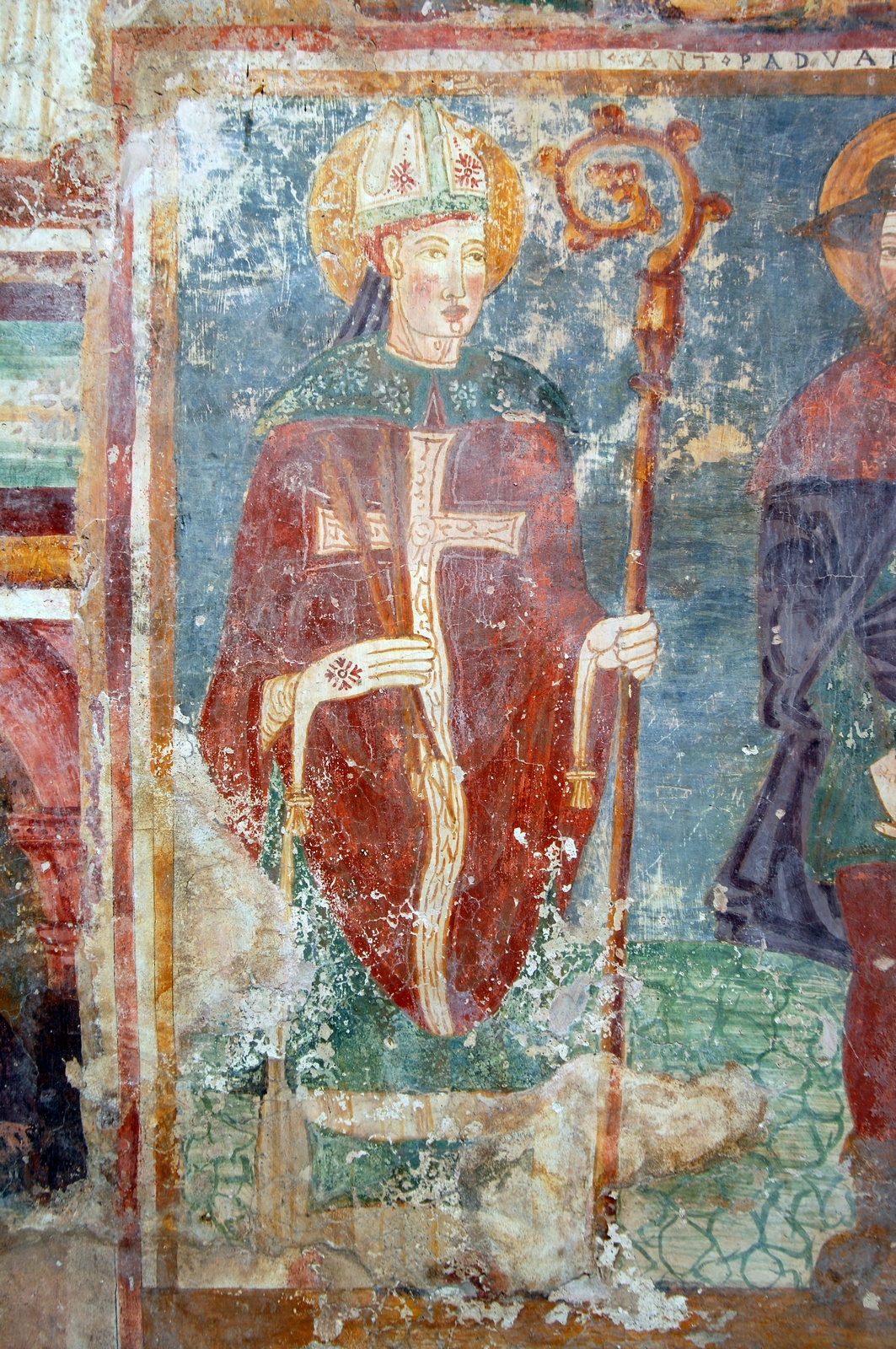
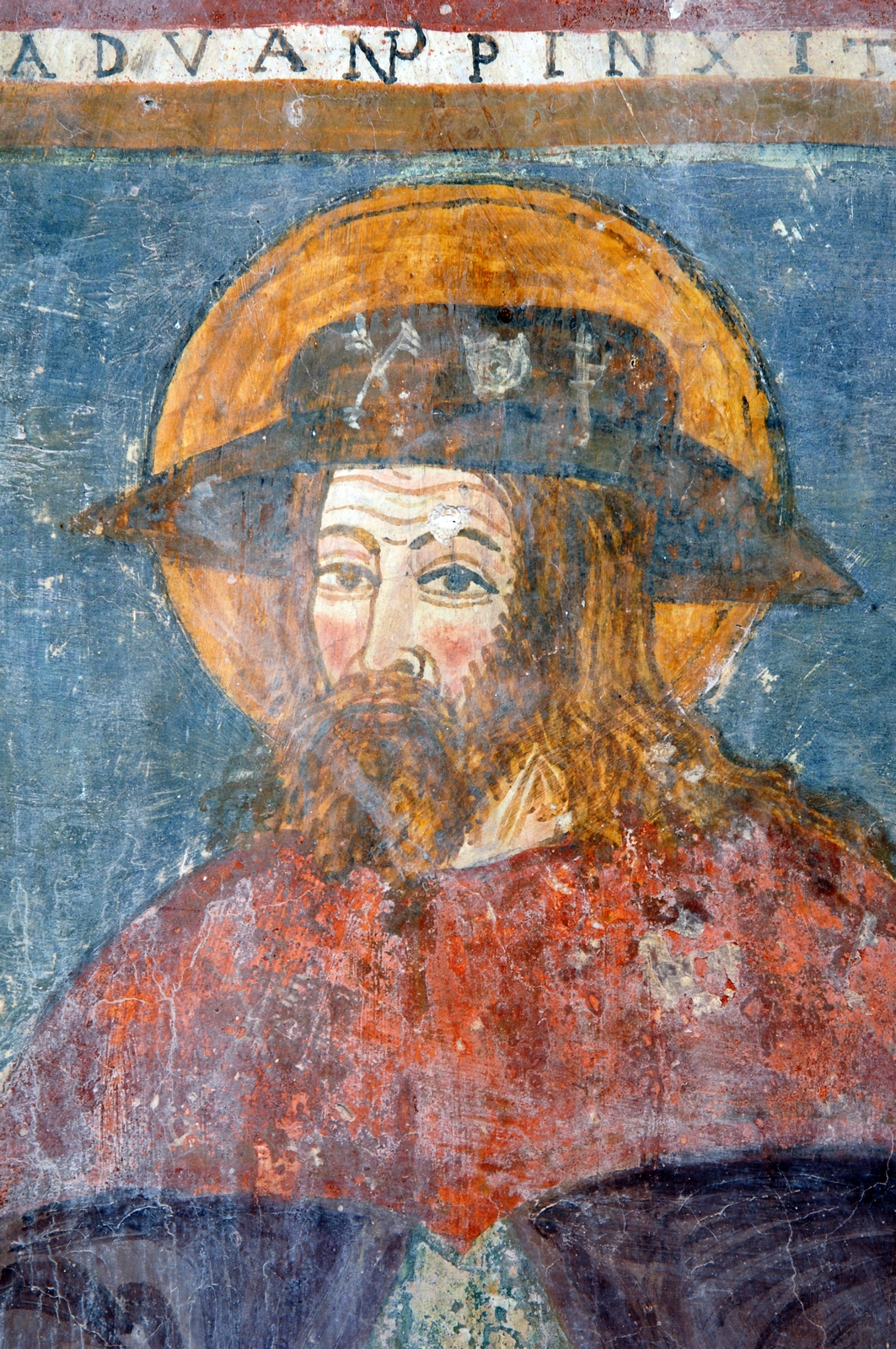
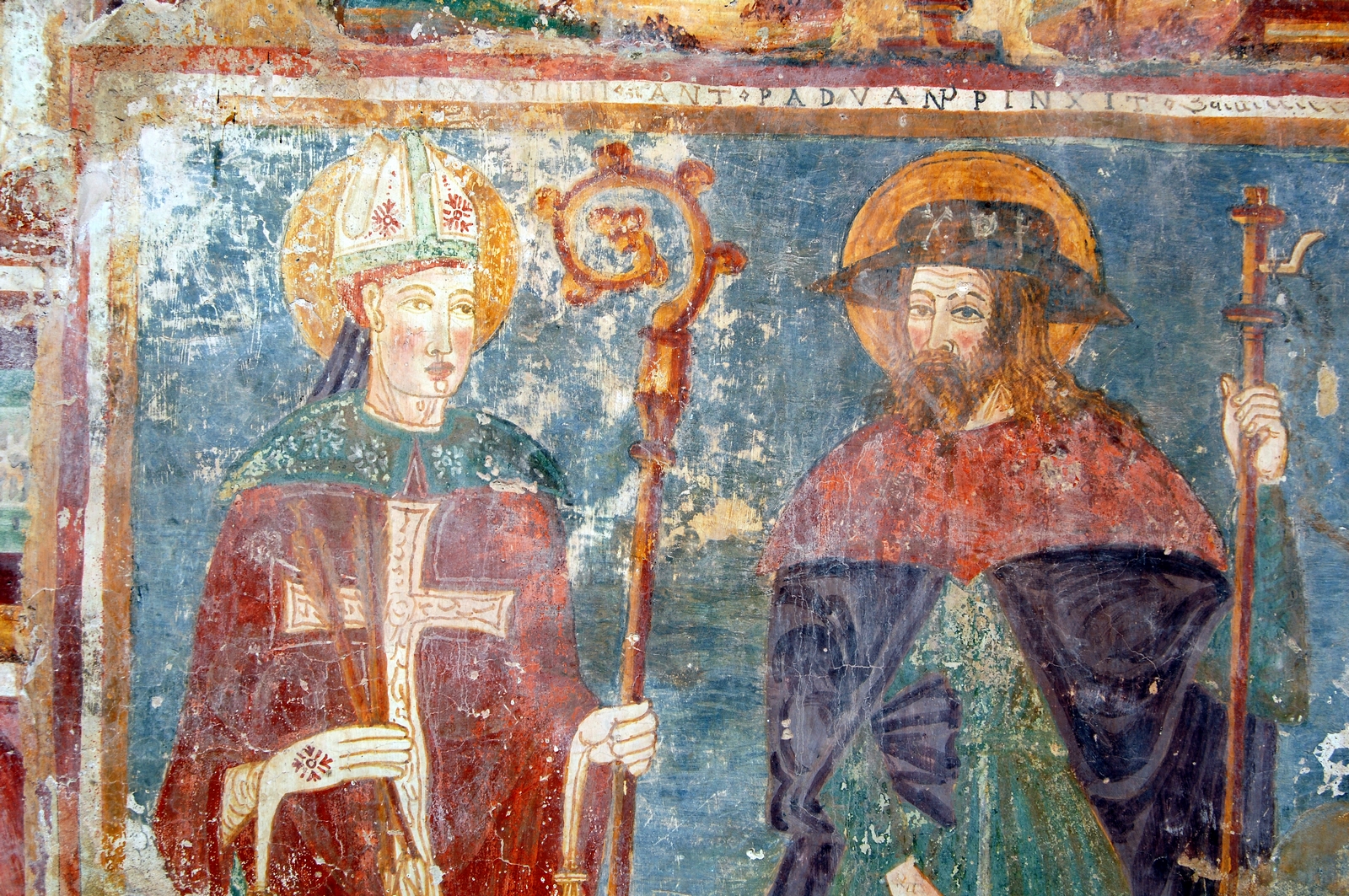
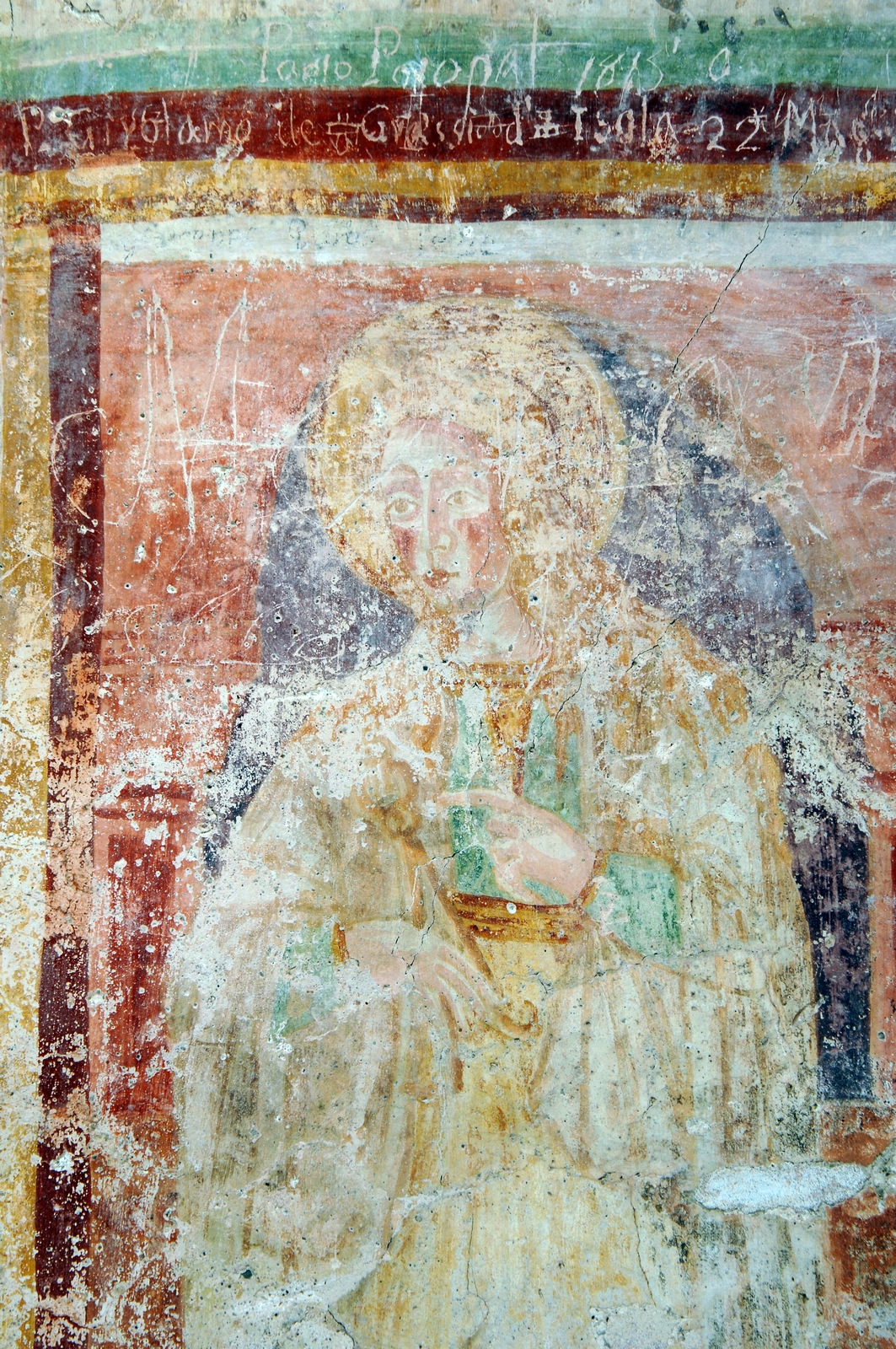
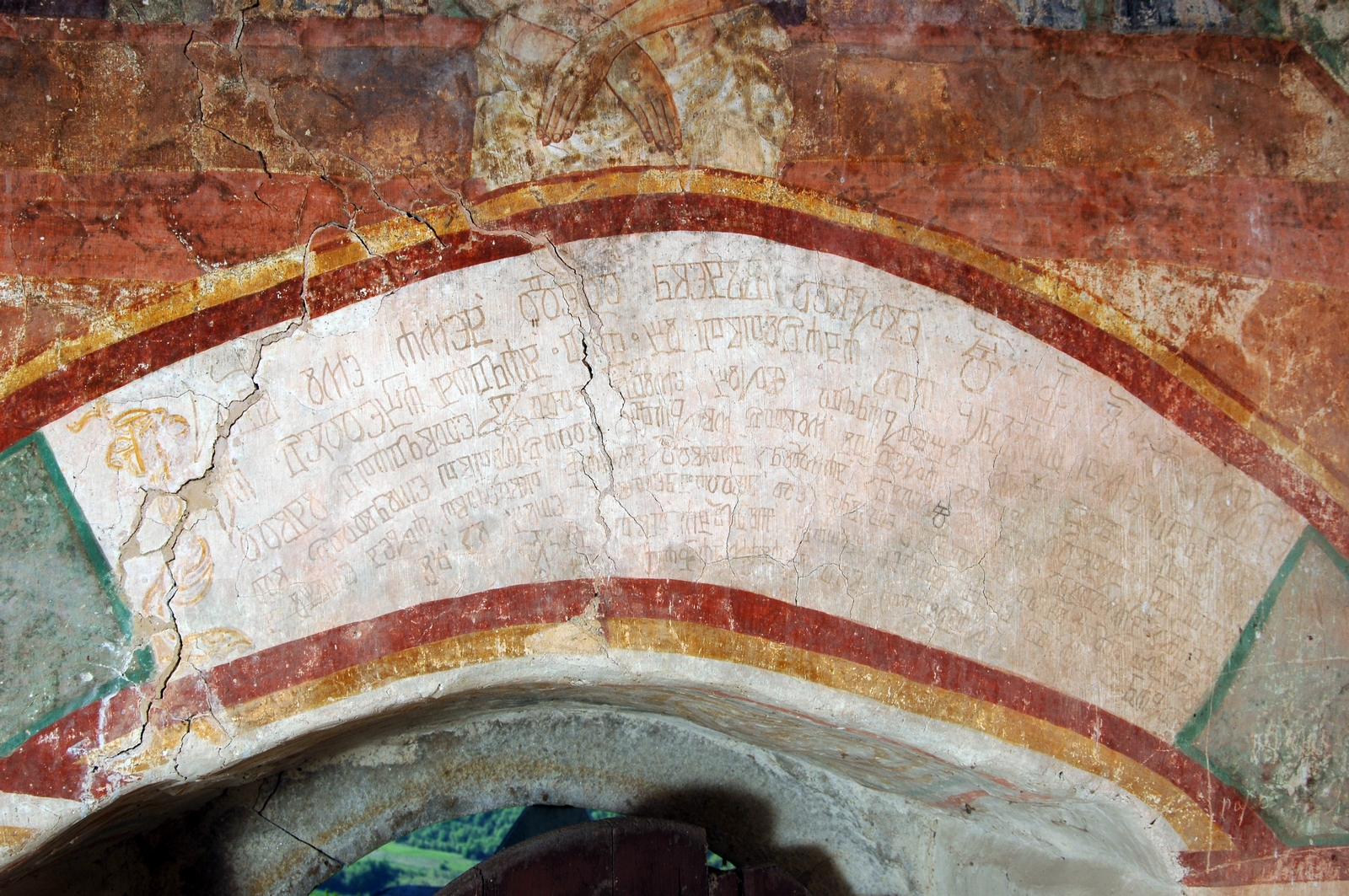
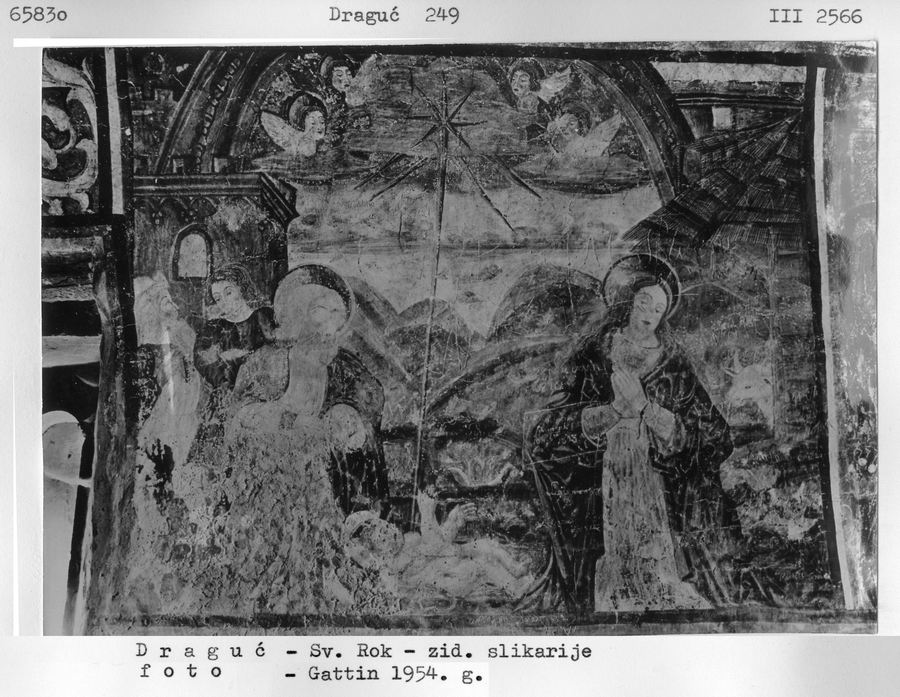
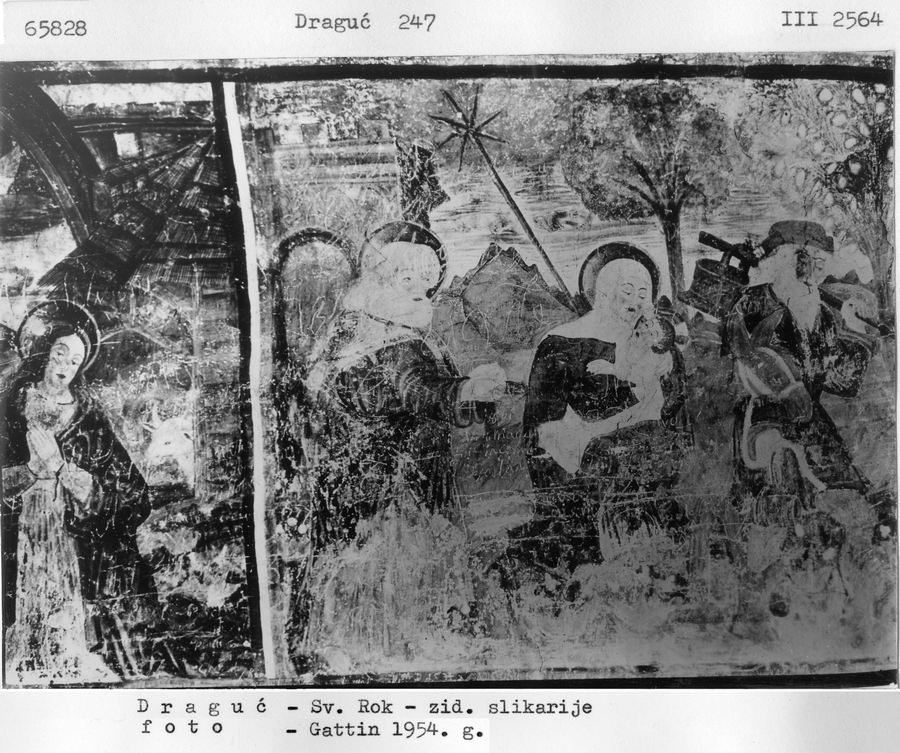
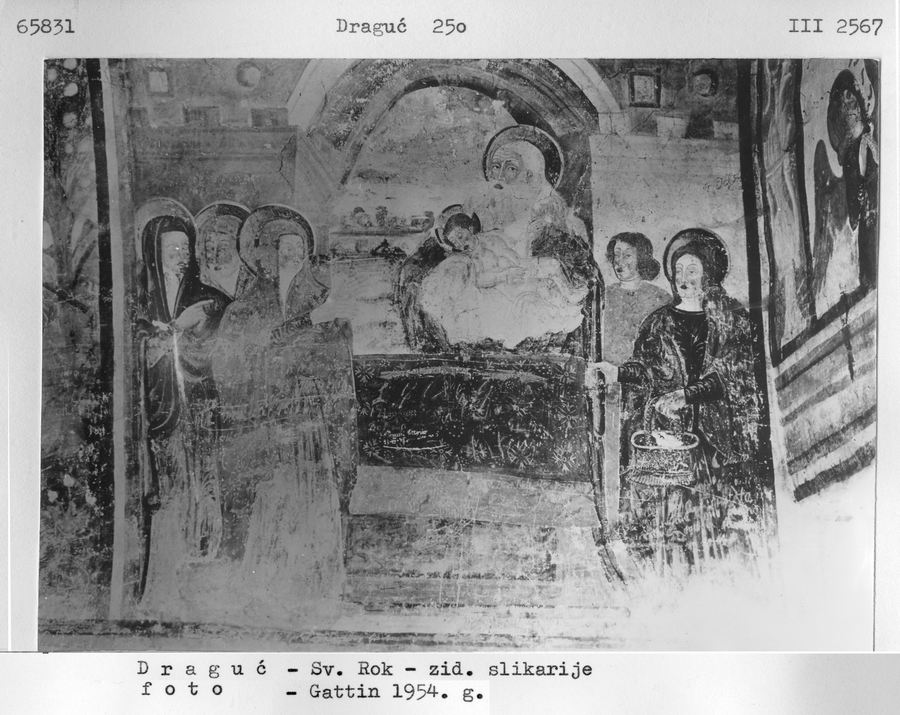
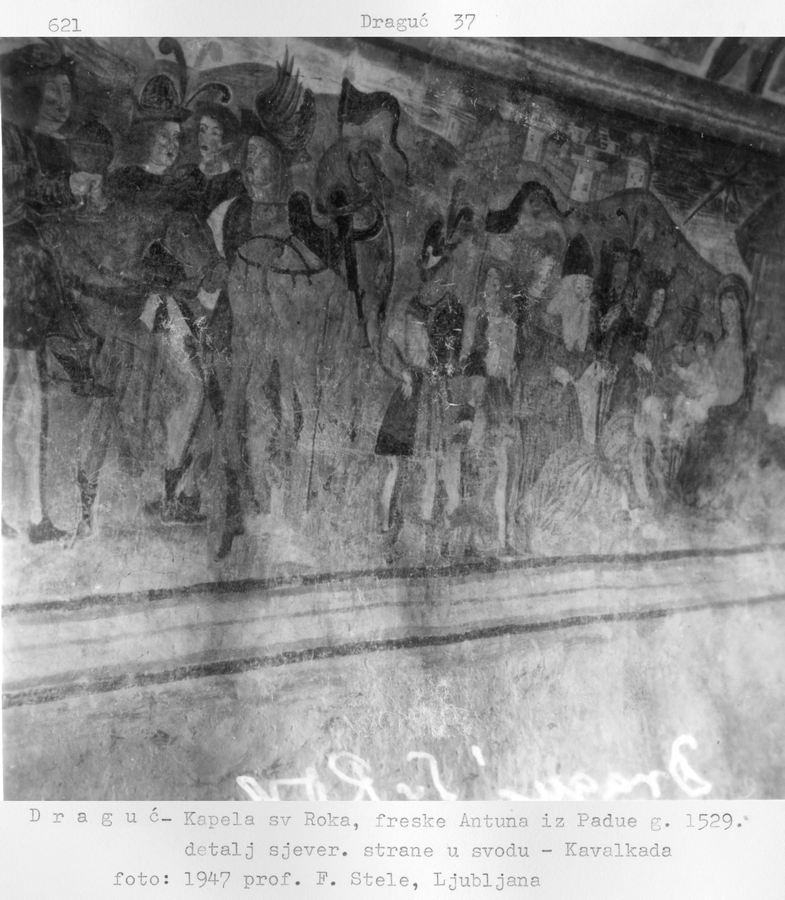
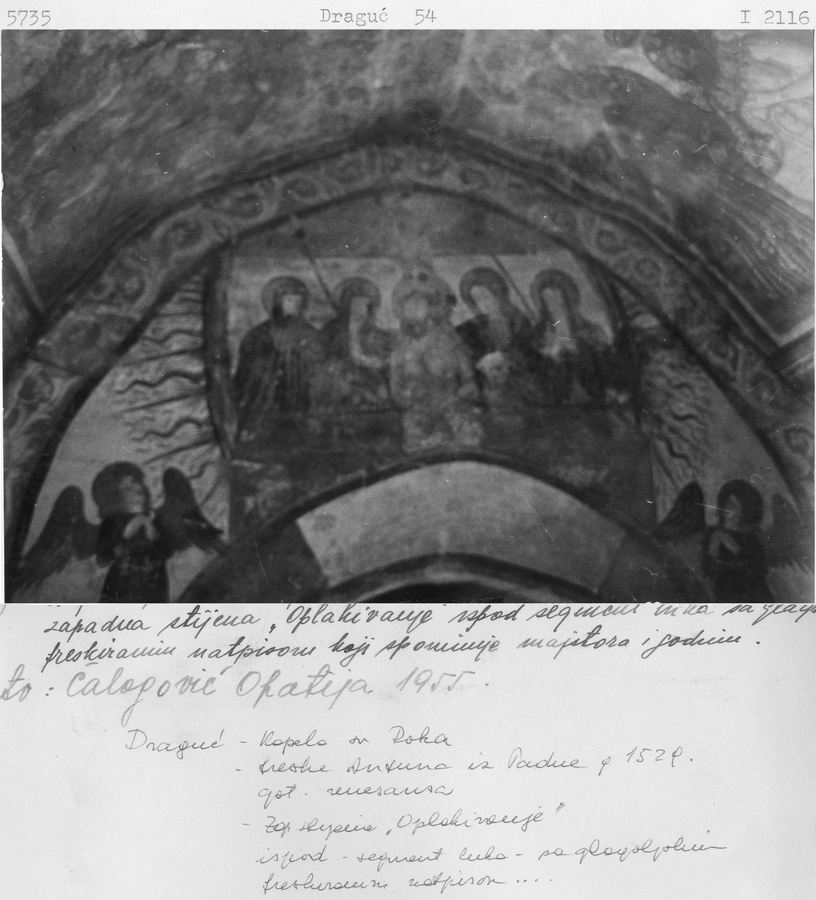
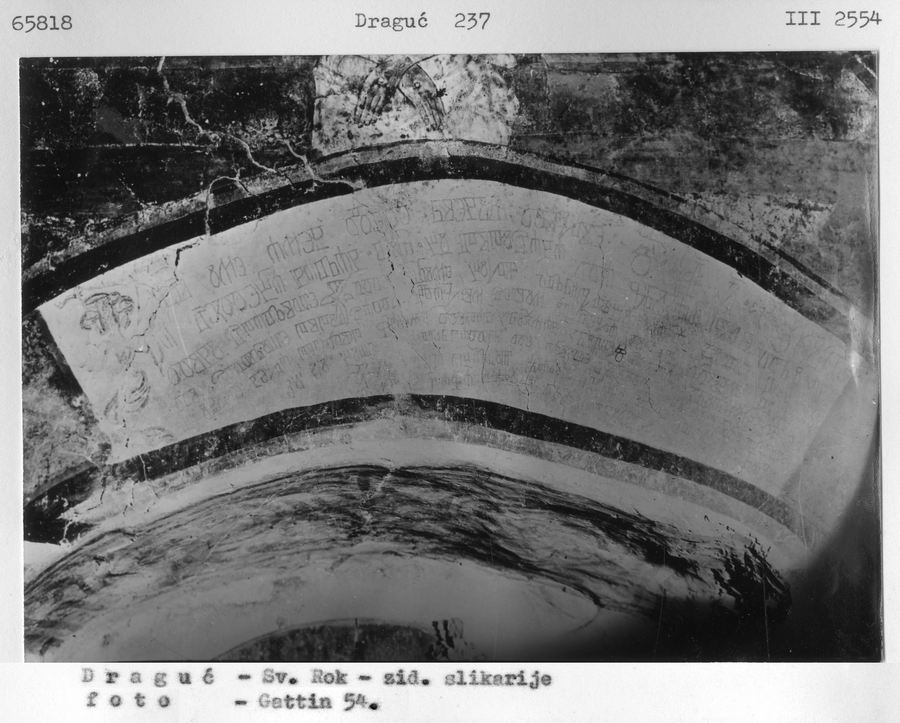
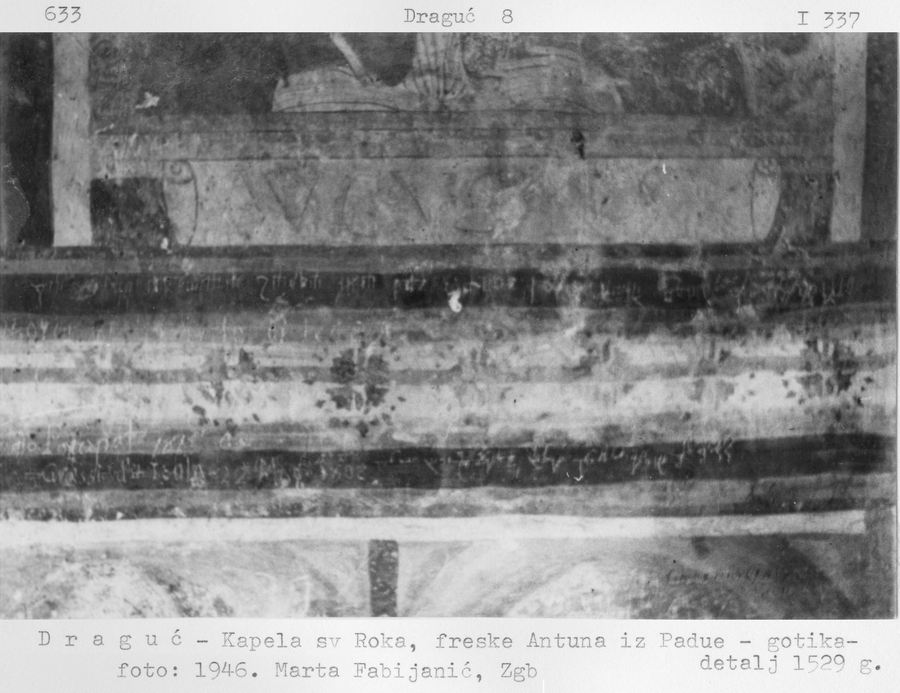
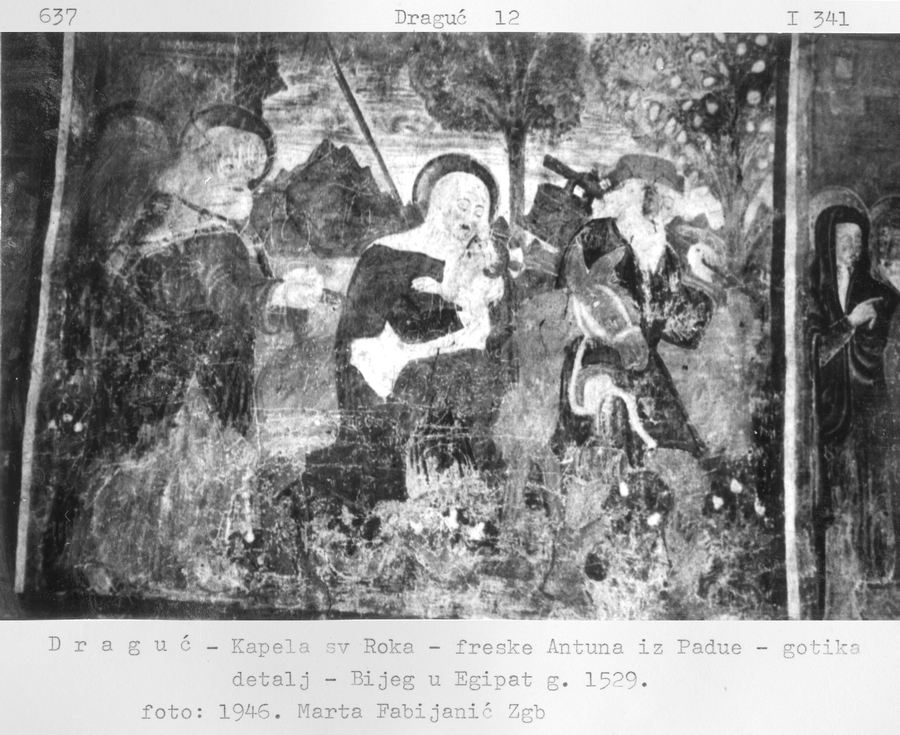
The interior of the church is entirely painted, and the author's name is known from two preserved inscriptions. The first, a Glagolitic inscription from 1529, mentions the painter Anton of (from) Padova, the residents of Draguć, and the župan (prefect) Križman Kurelić as the patrons, along with the scribe, the Draguć parish priest Father Andrija Prašić. The second, a Latin inscription from 1537, again mentions Master Anton of Padova and confirms that the church was painted in two separate phases. He was a local painter originating from Padova, a village near present-day Kašćerga in Istria.
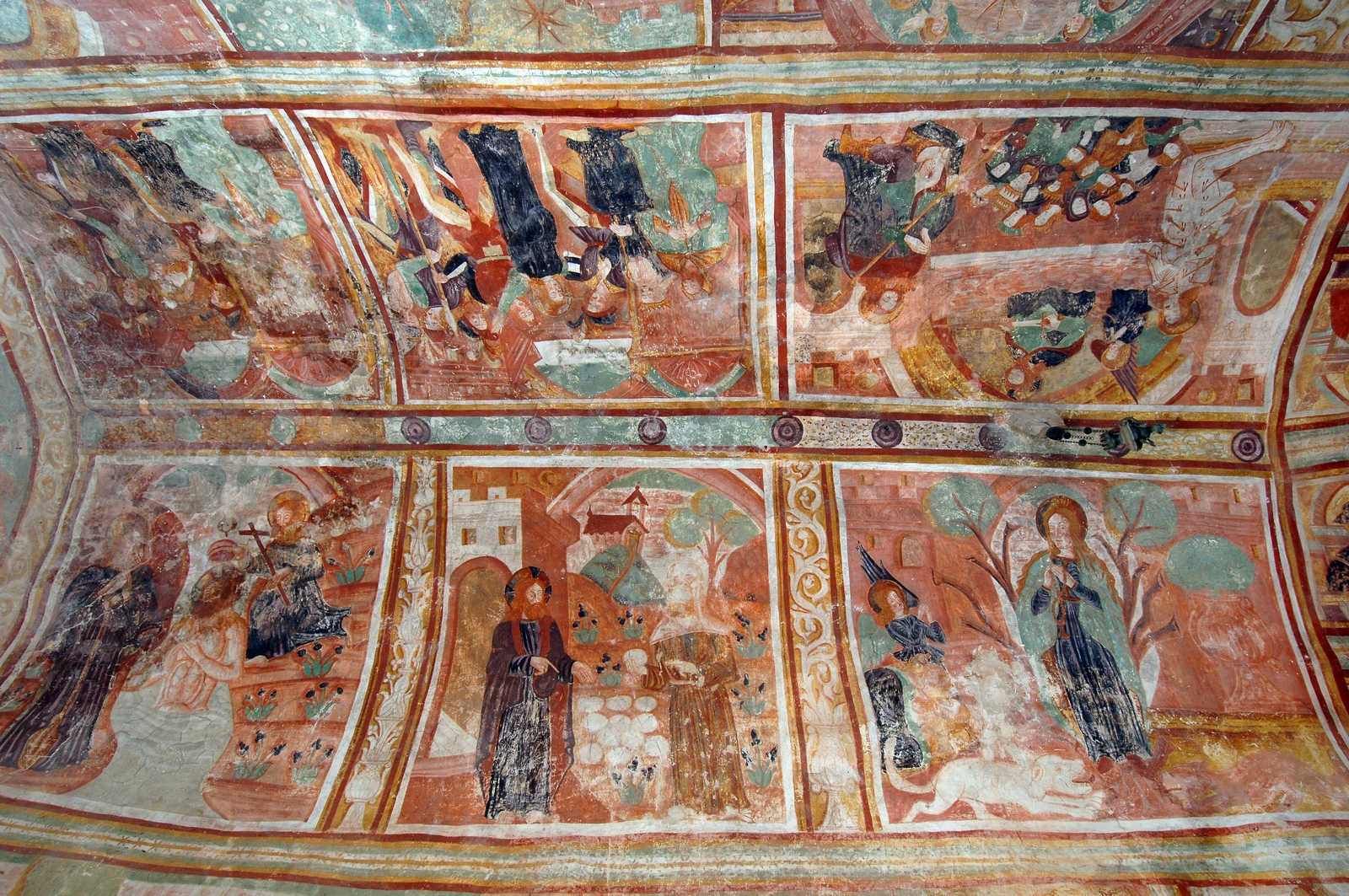
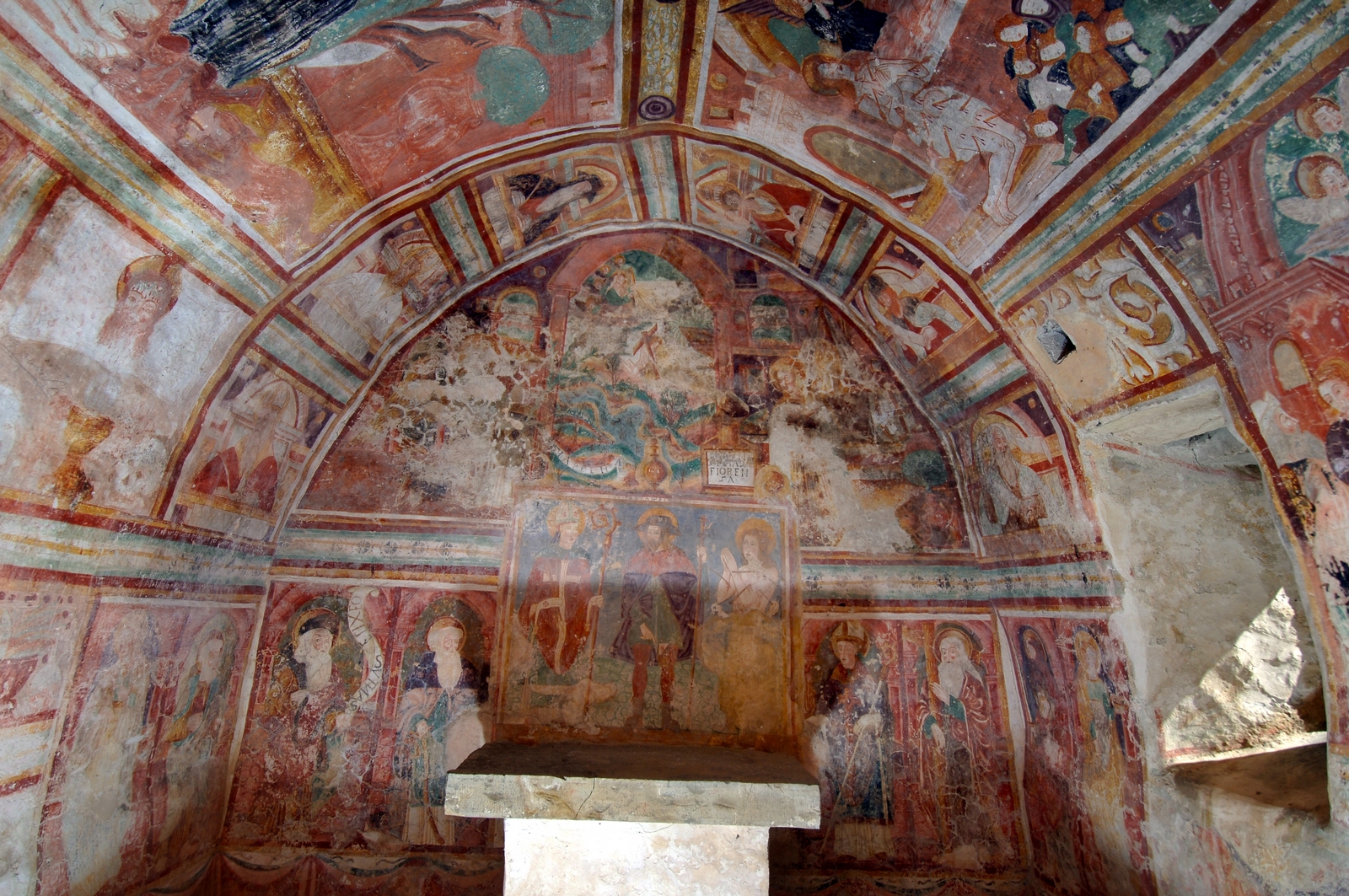
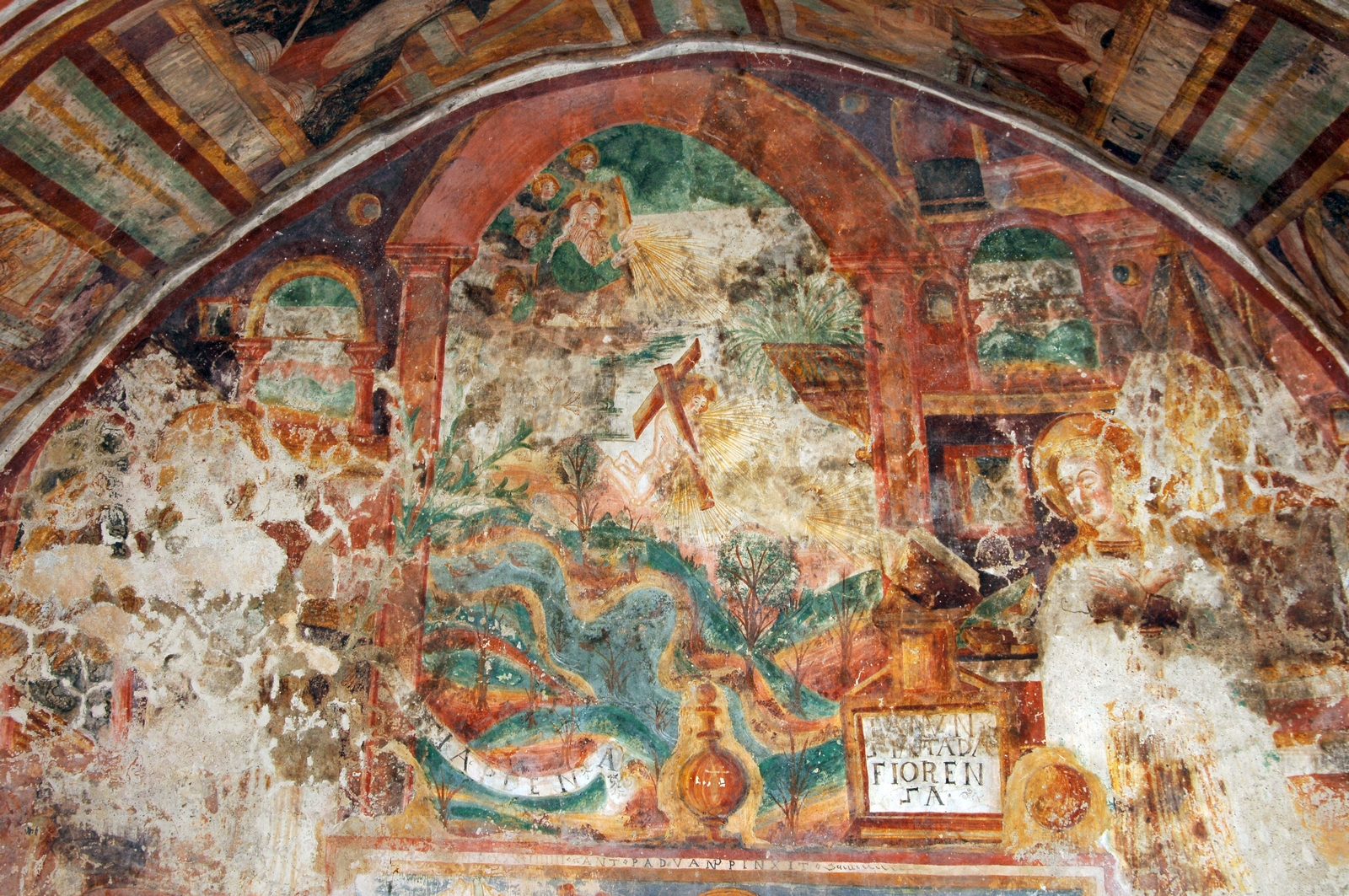
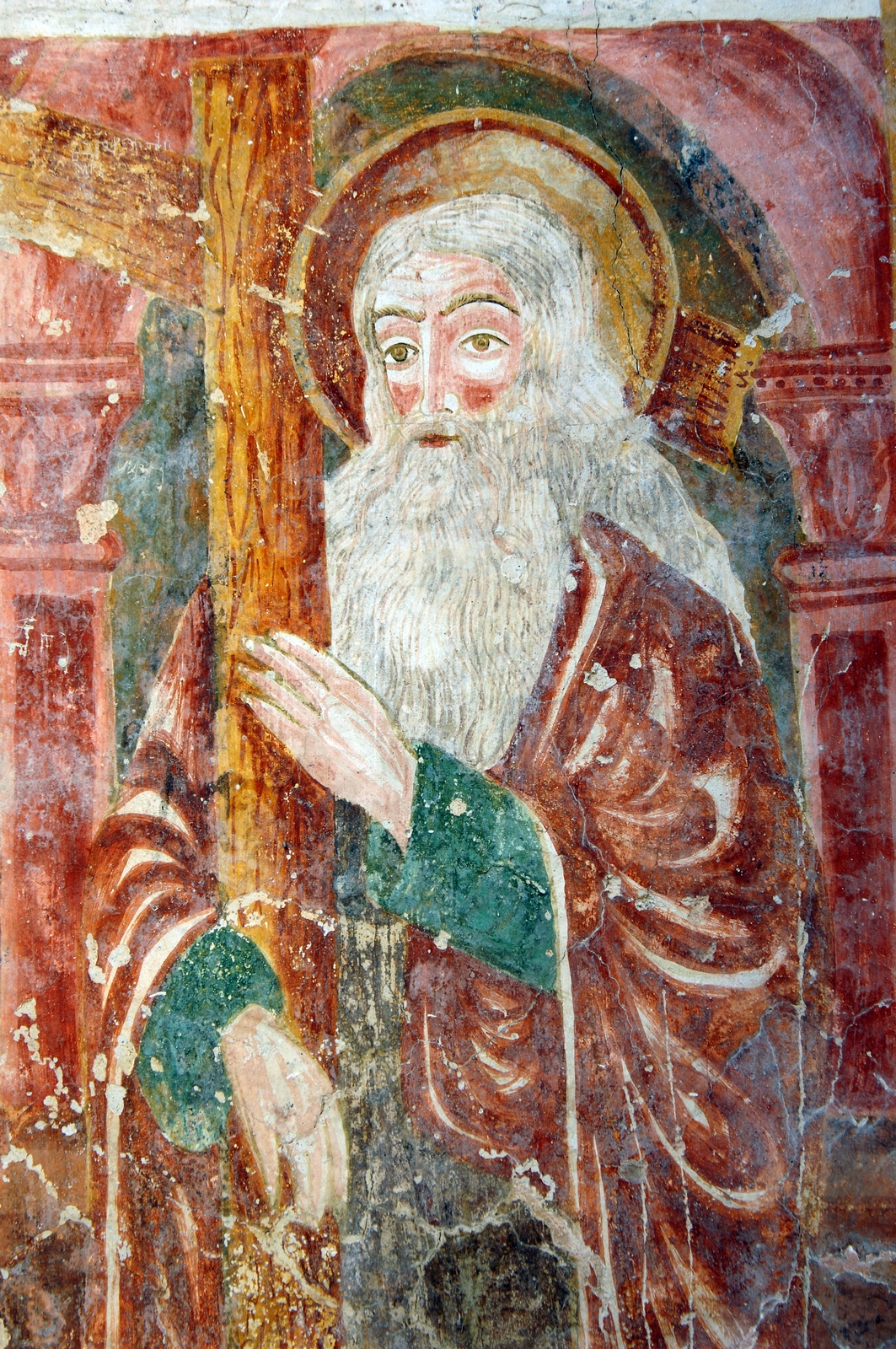
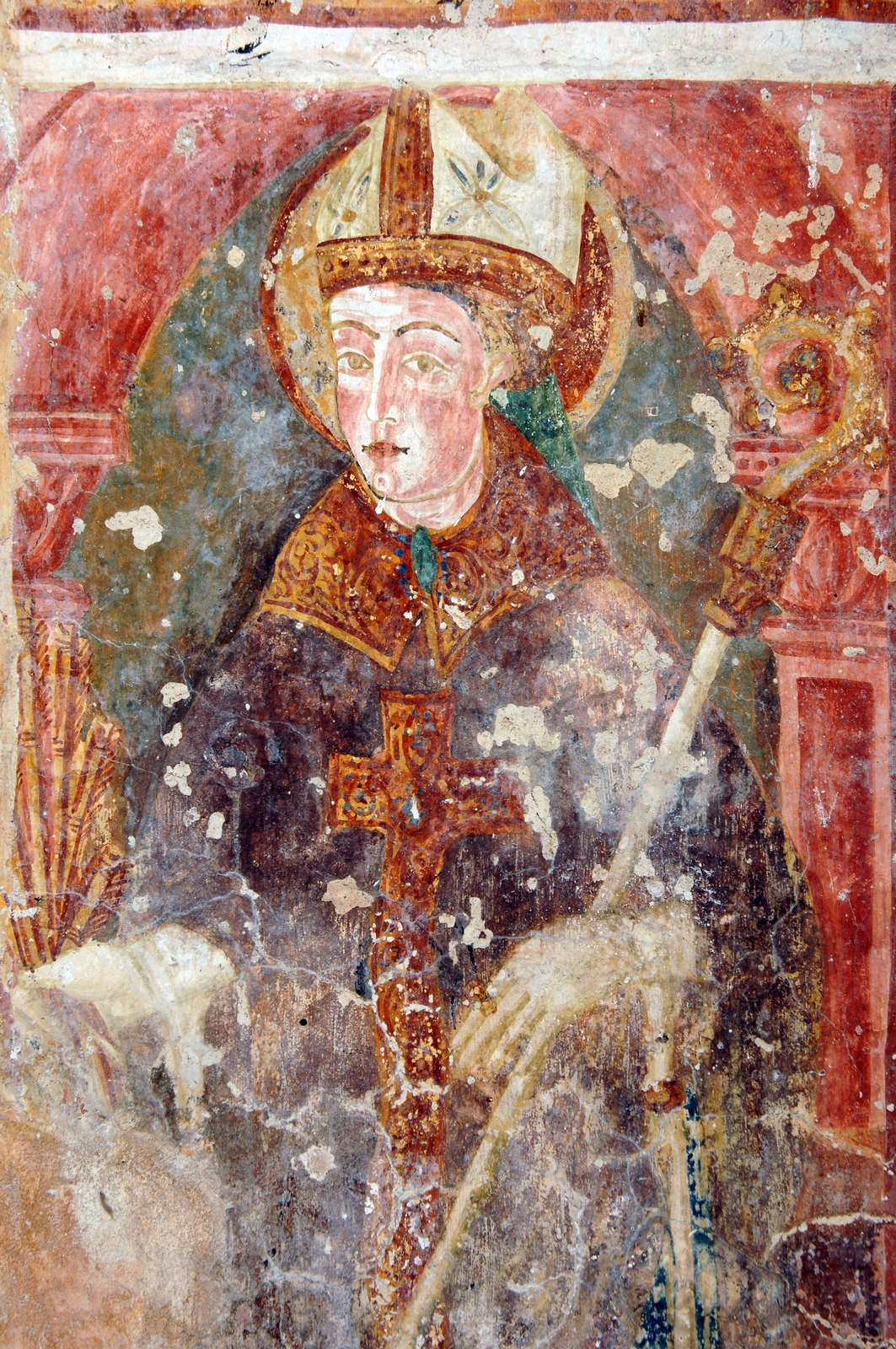
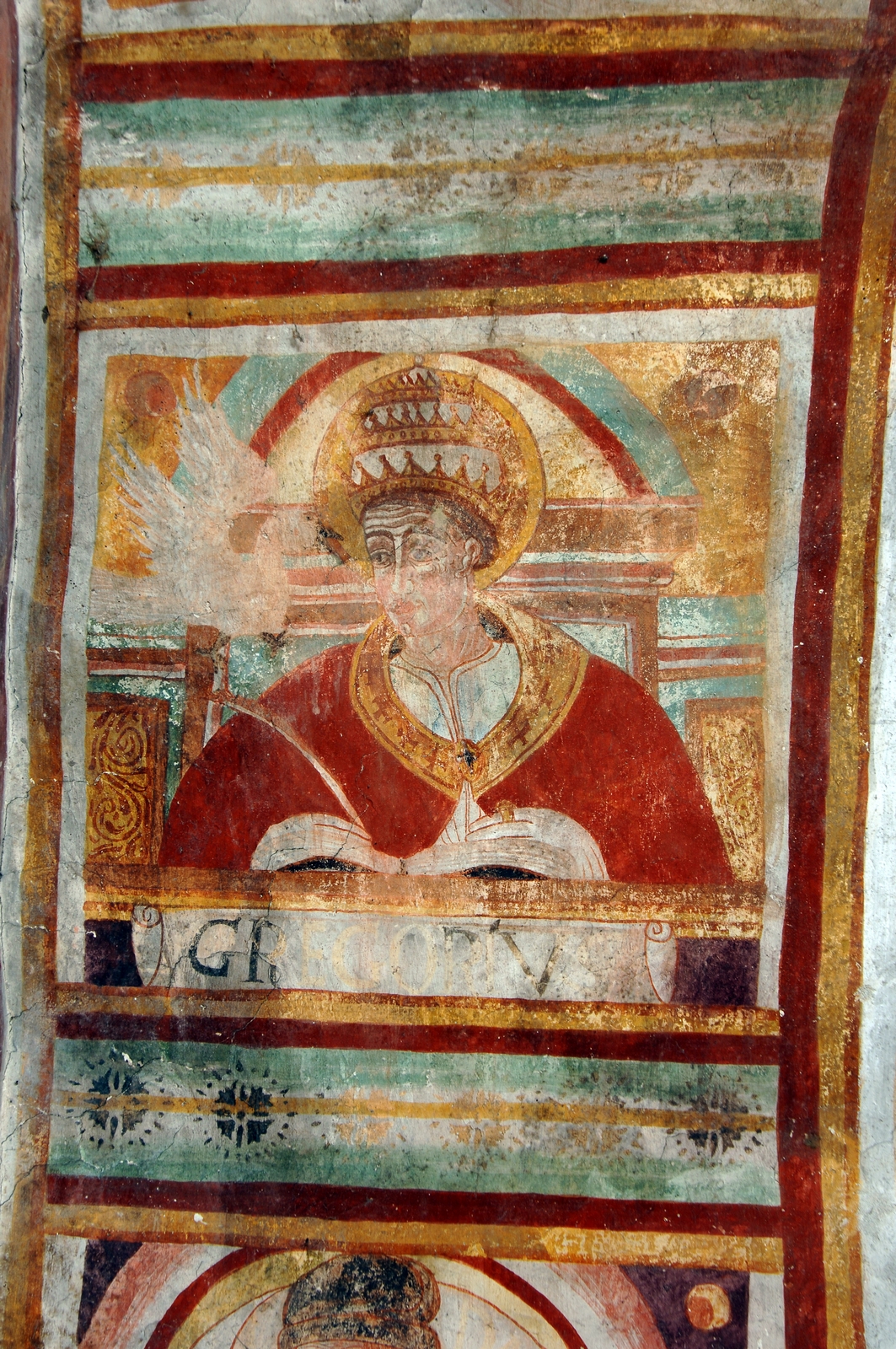
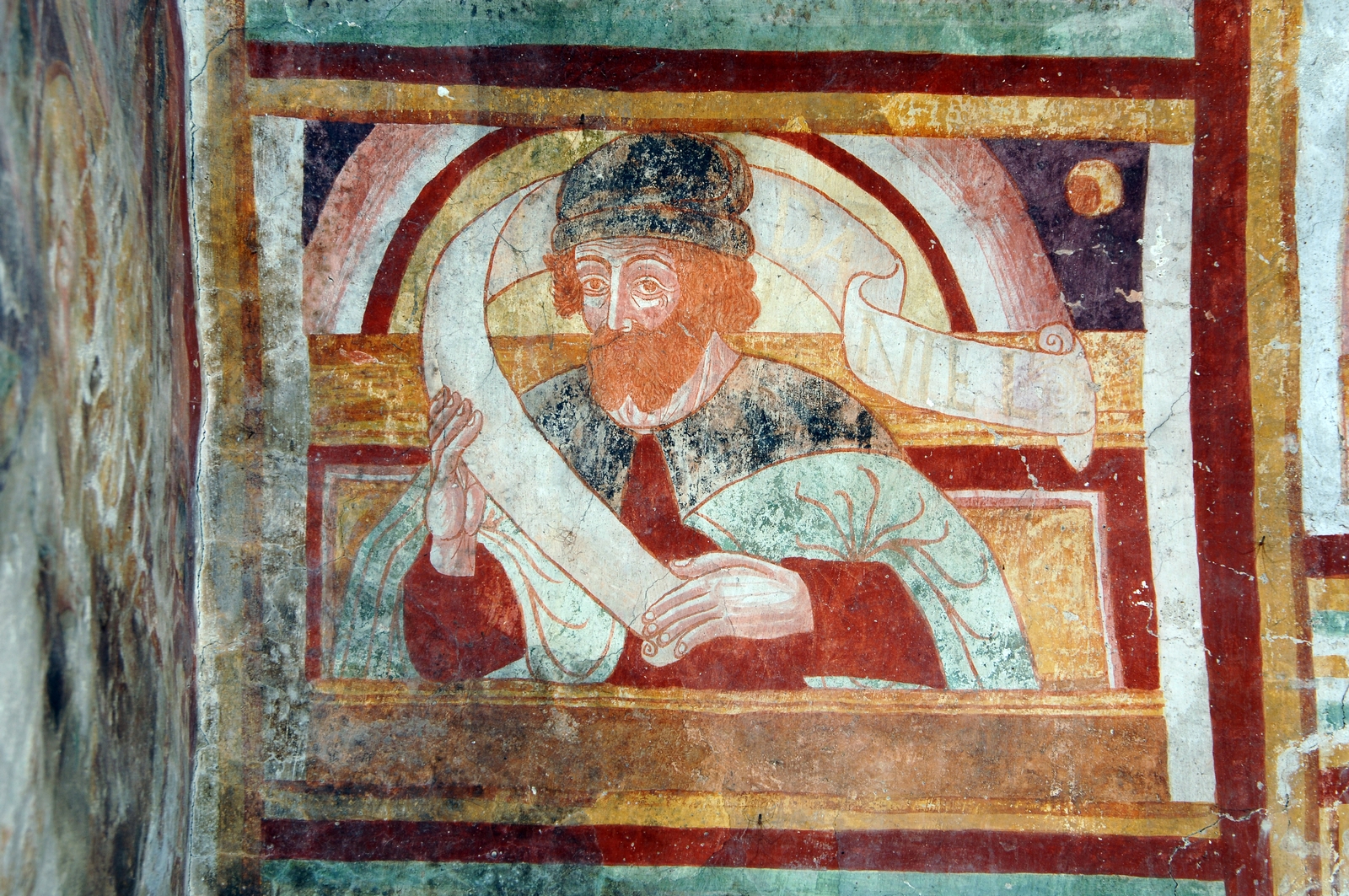
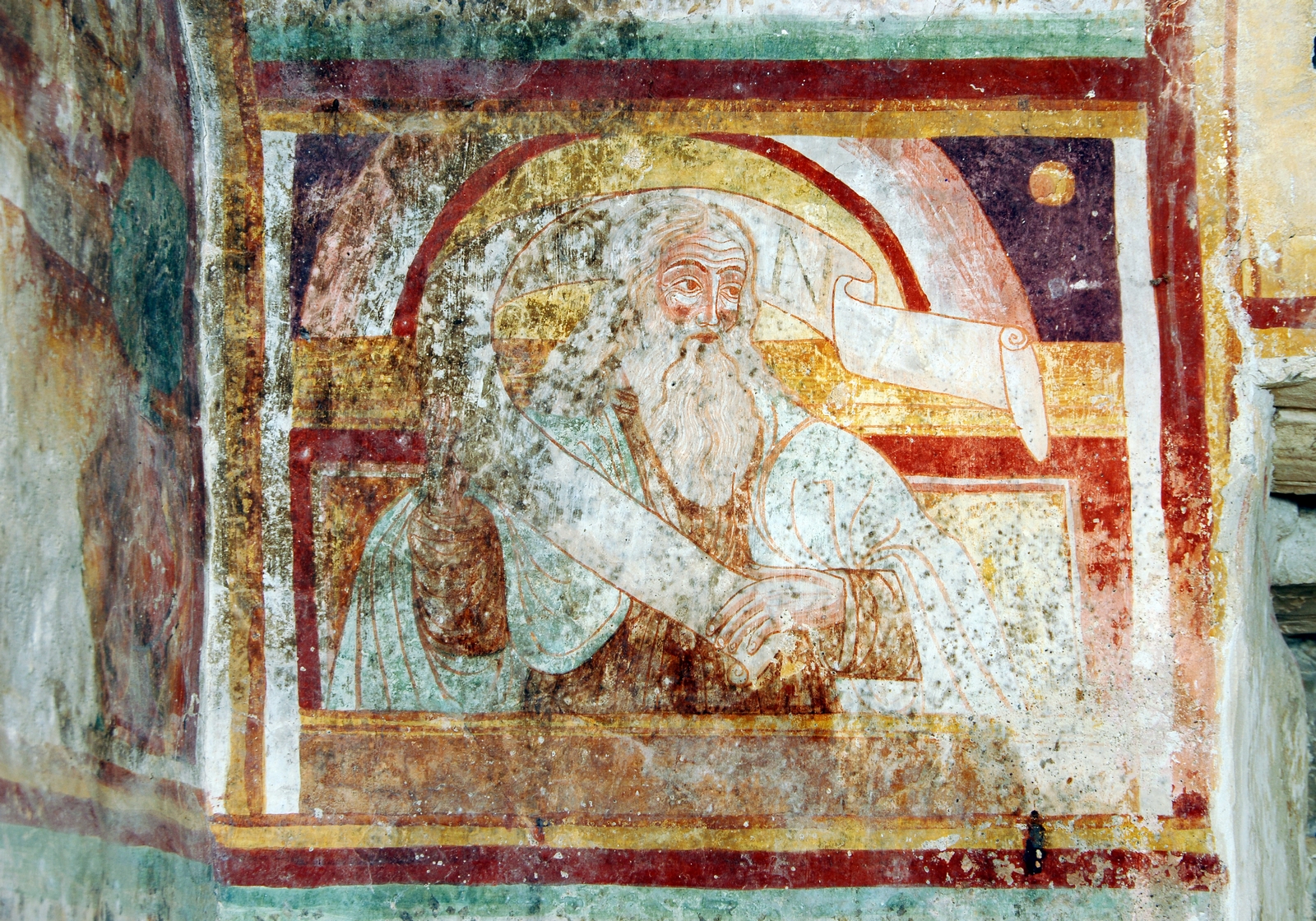
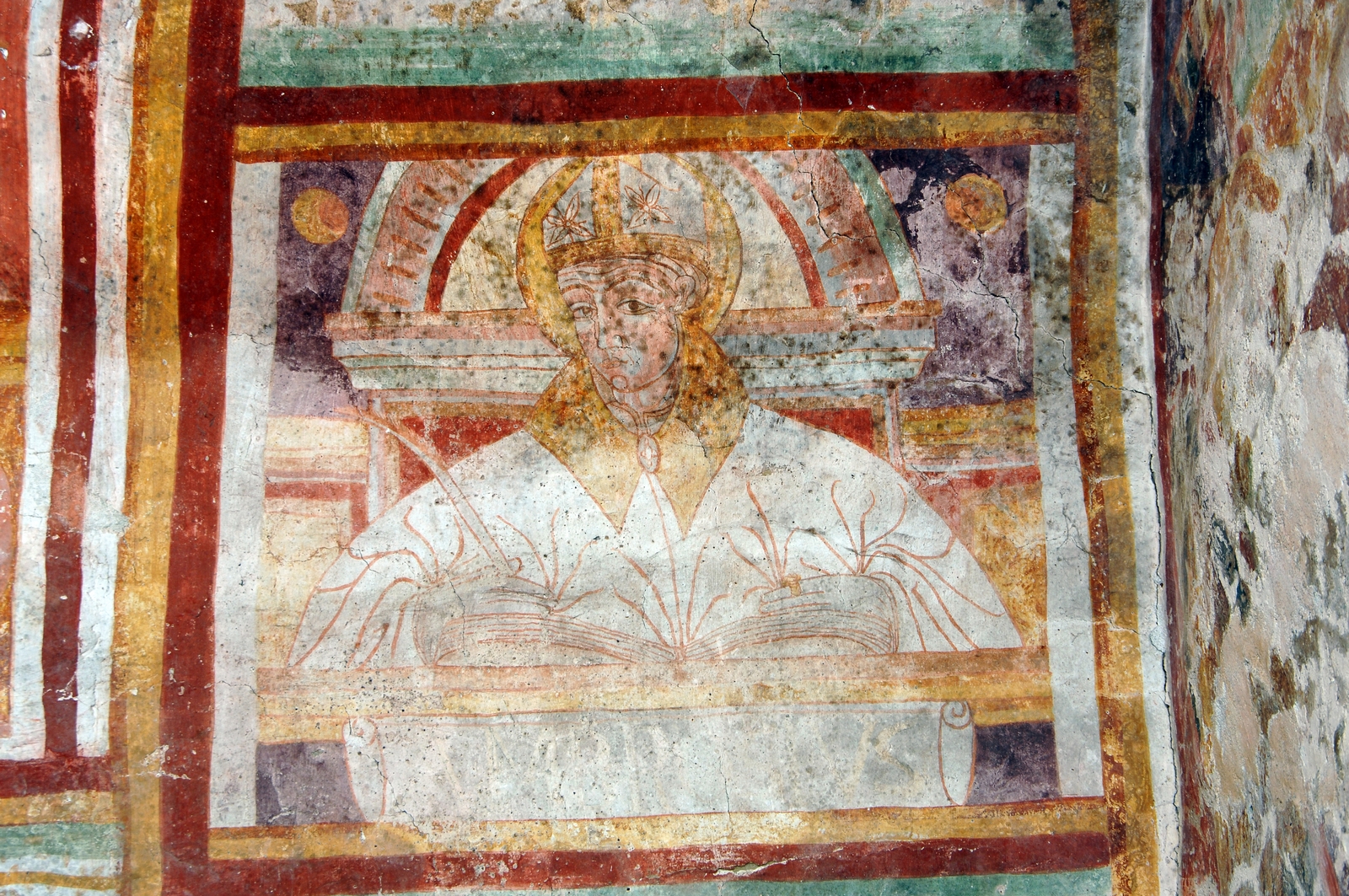
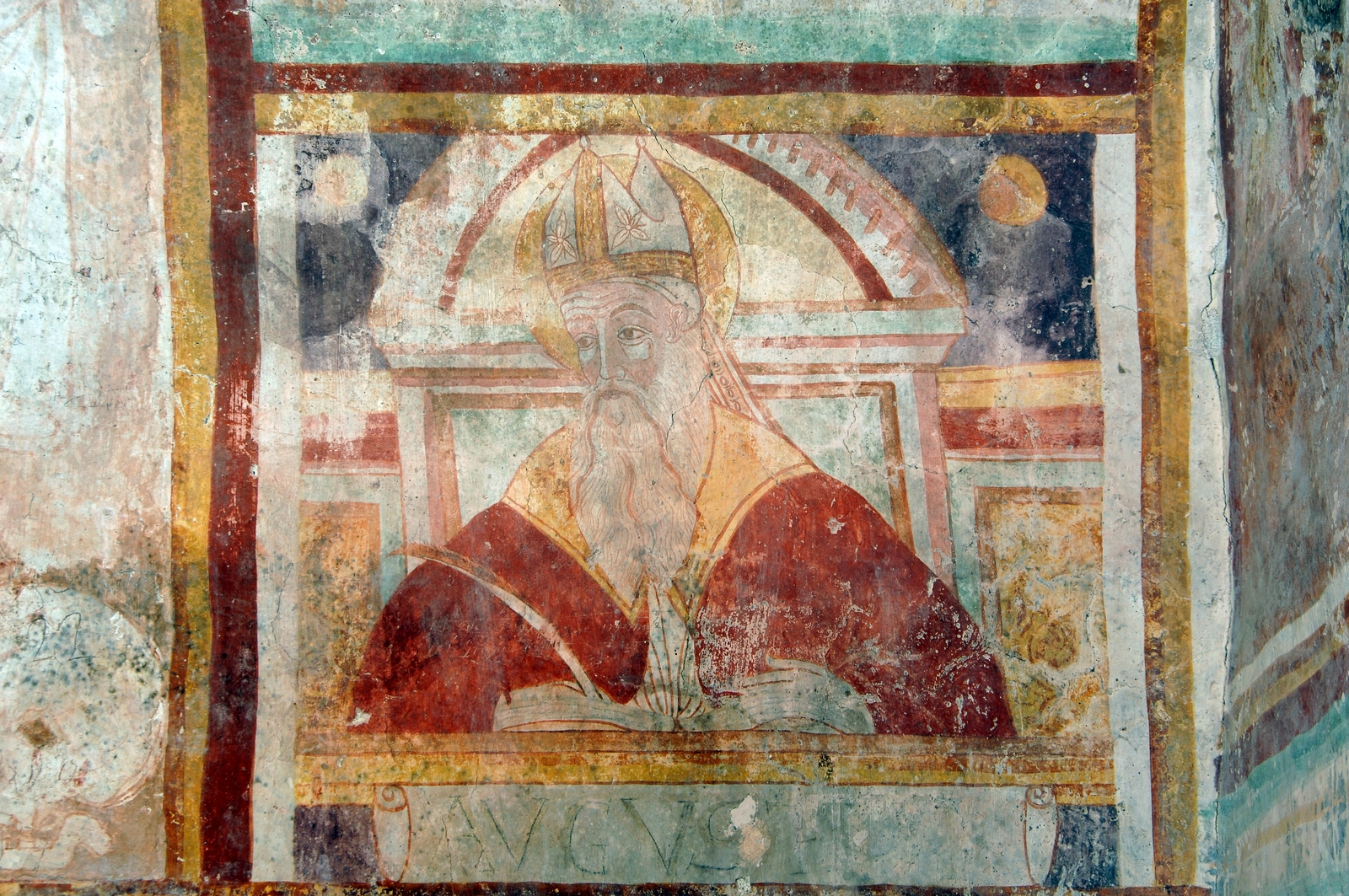
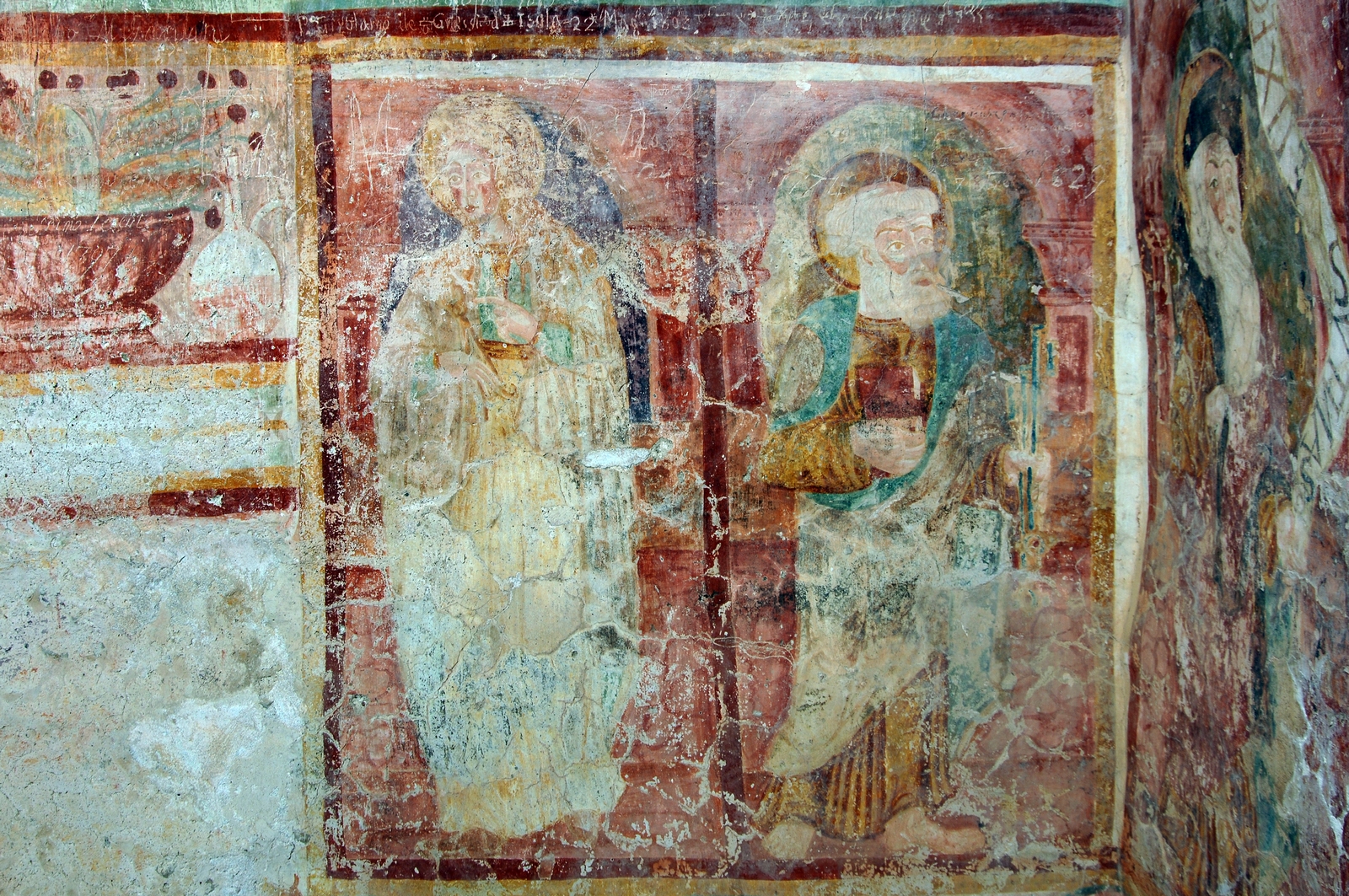
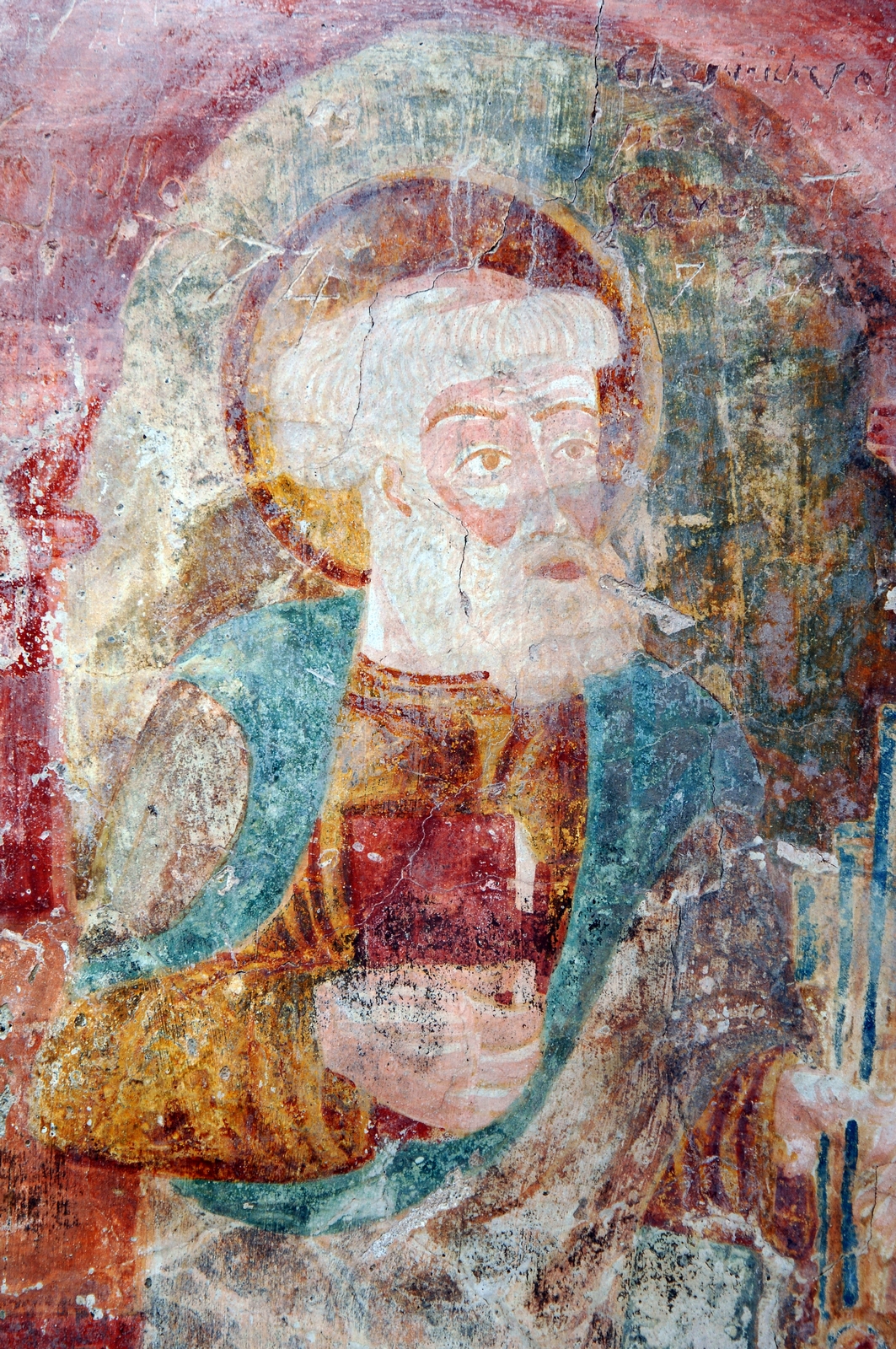
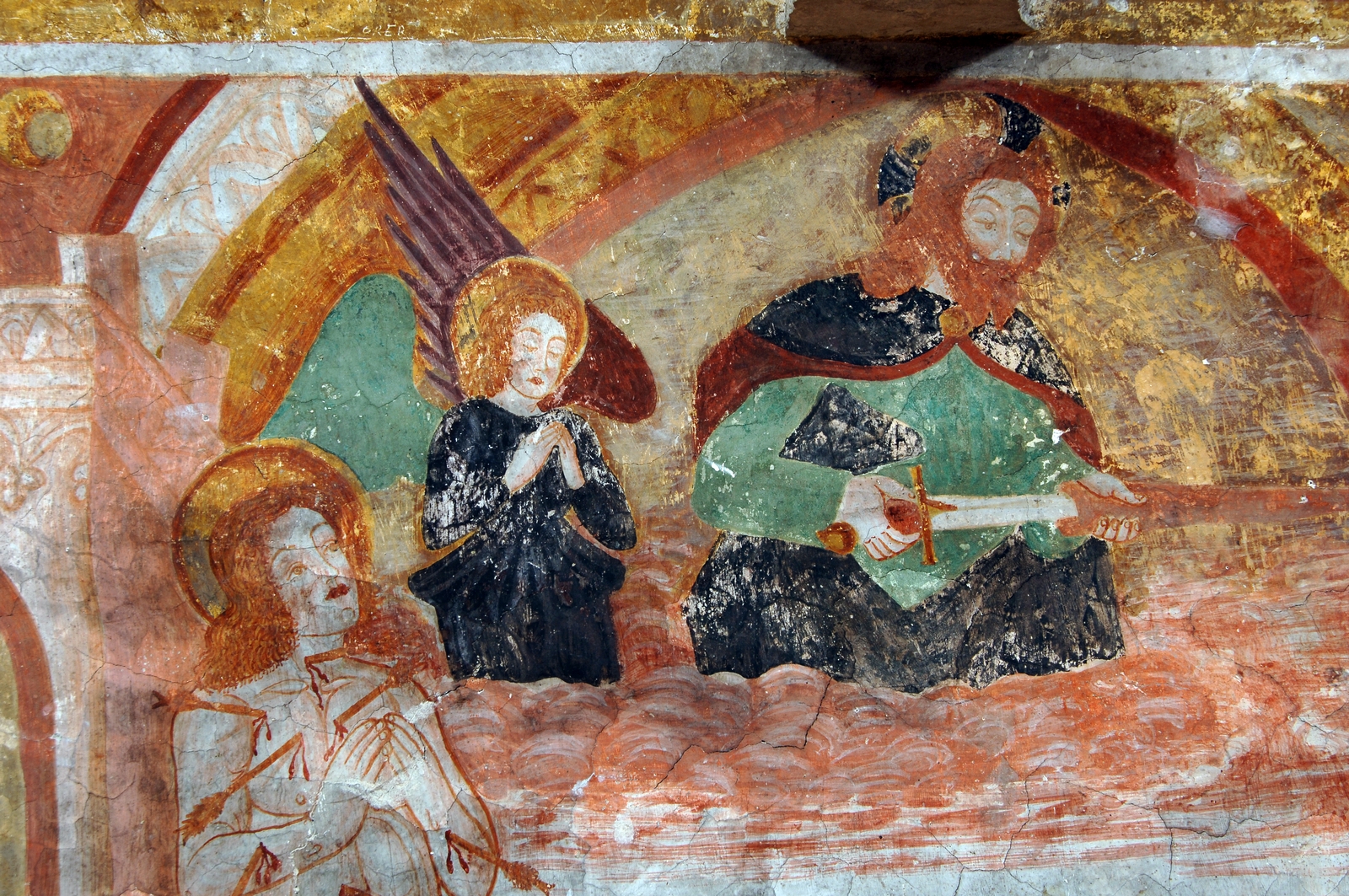
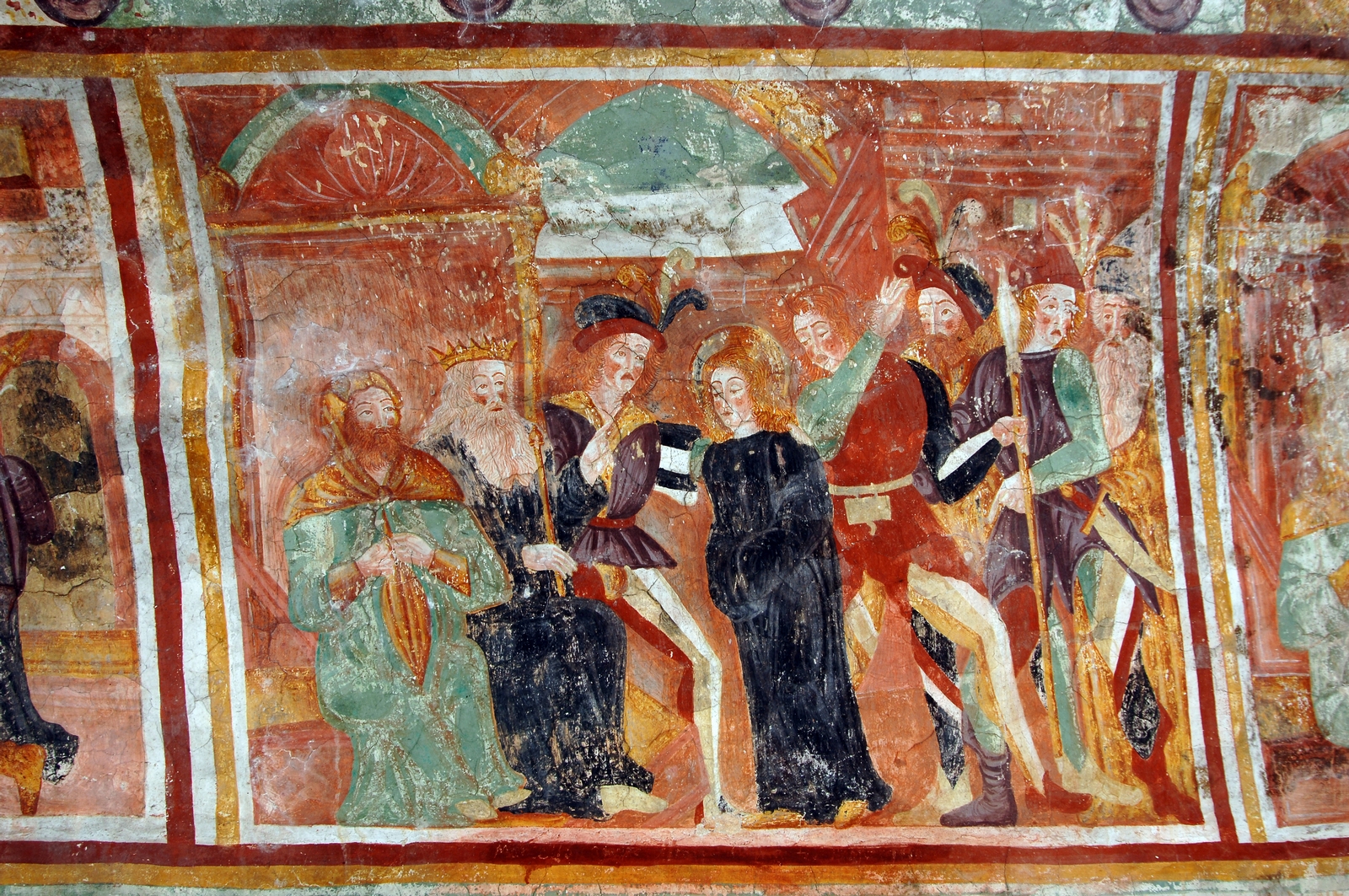
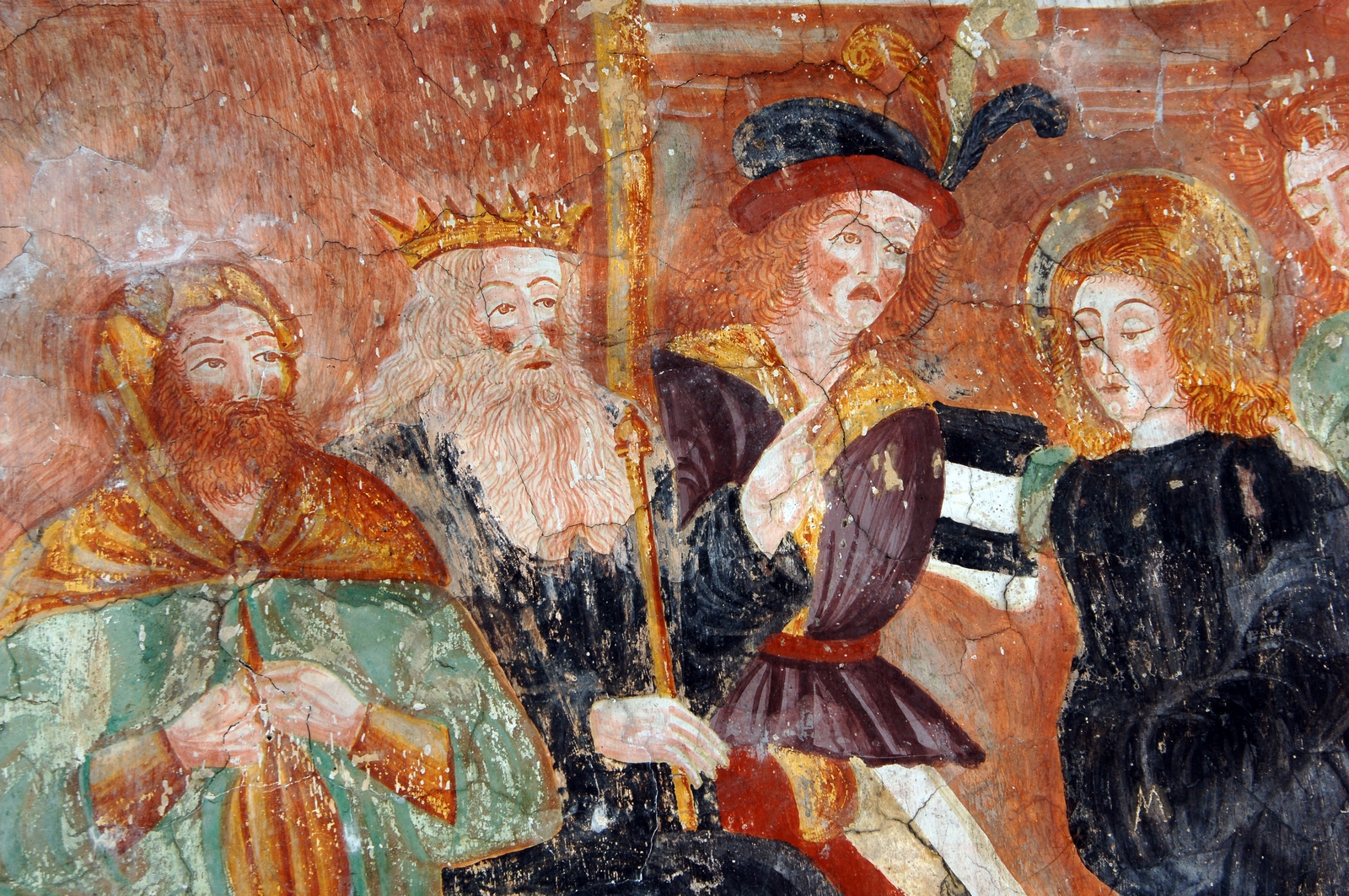
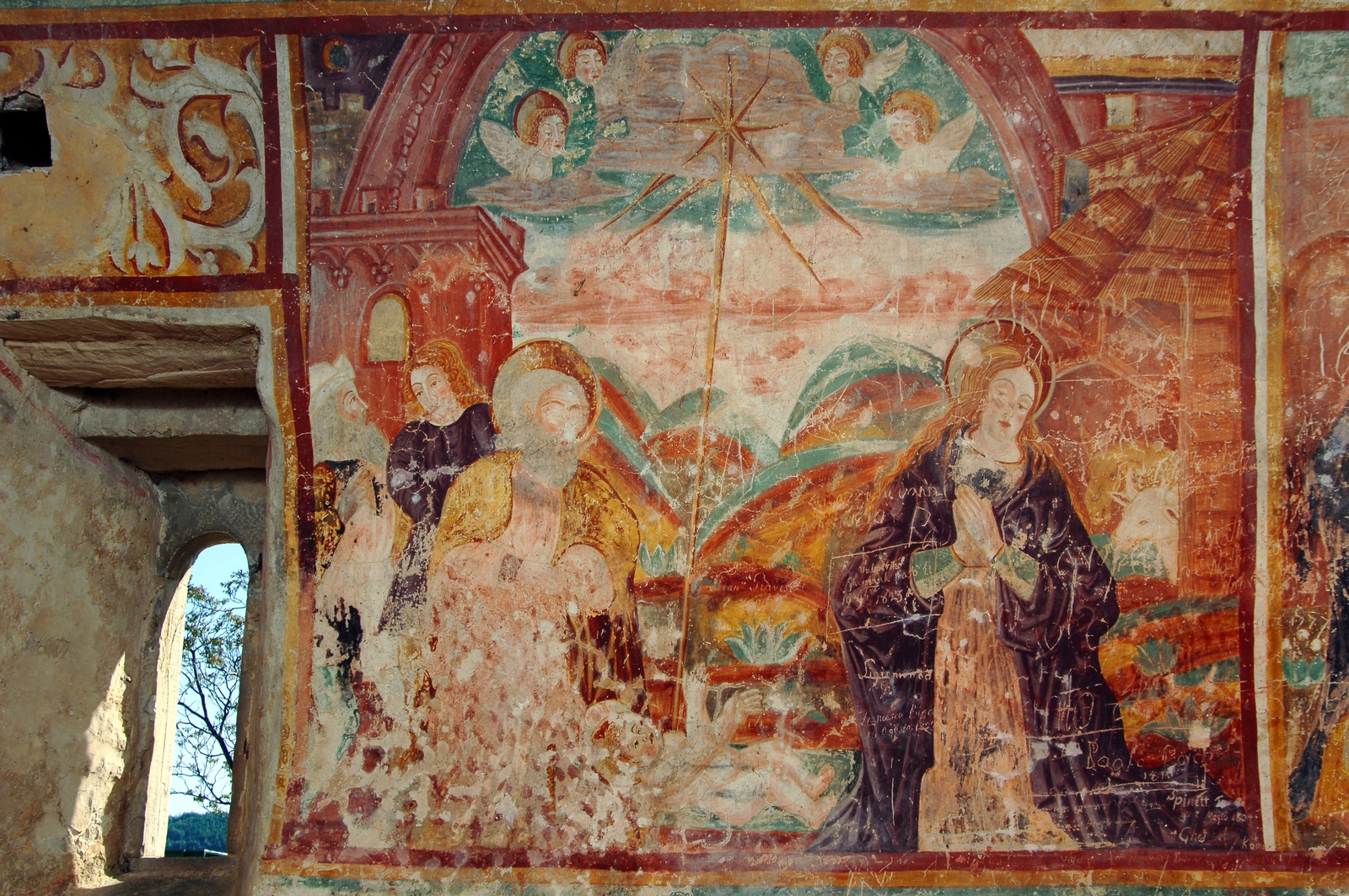
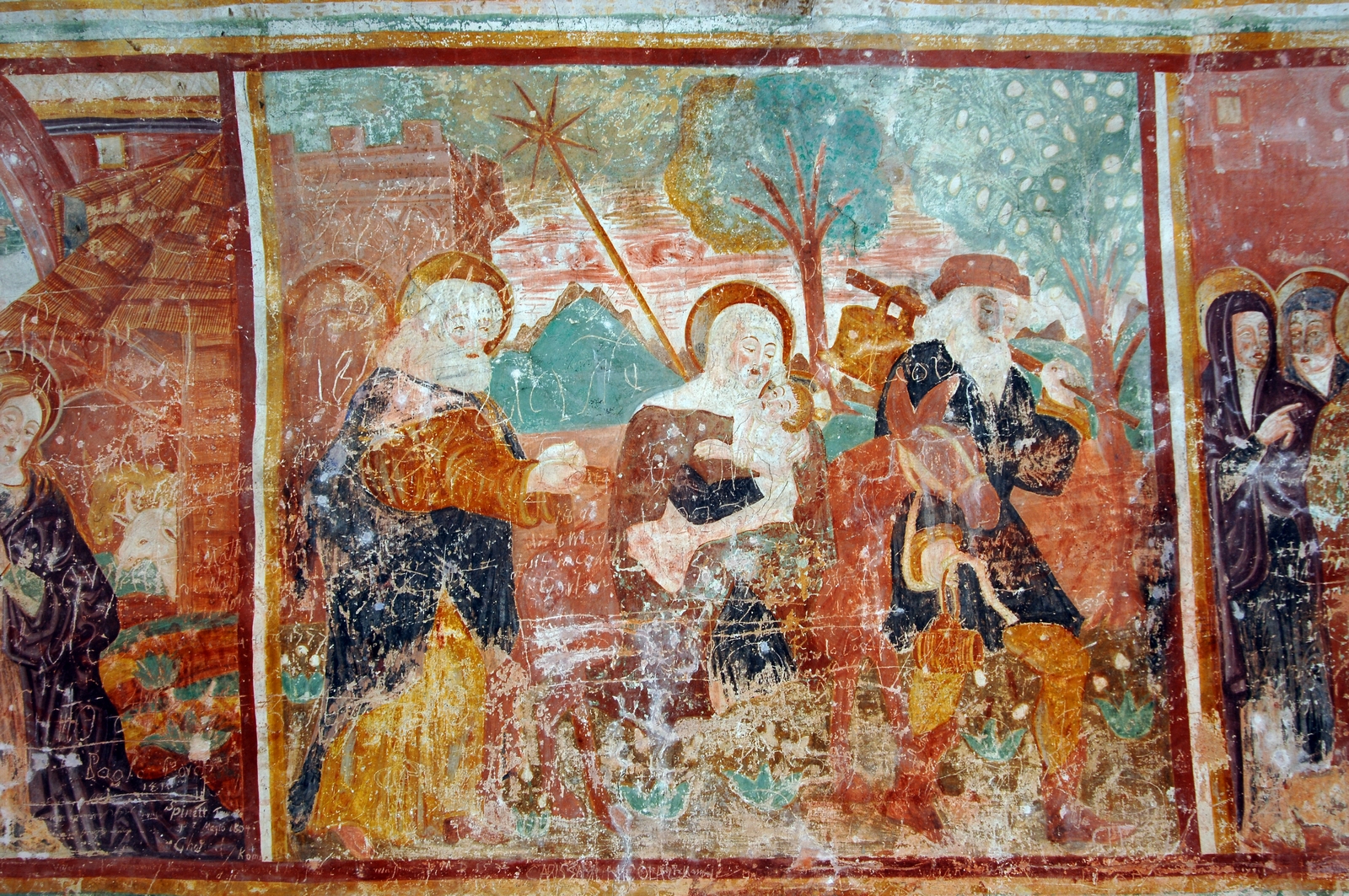
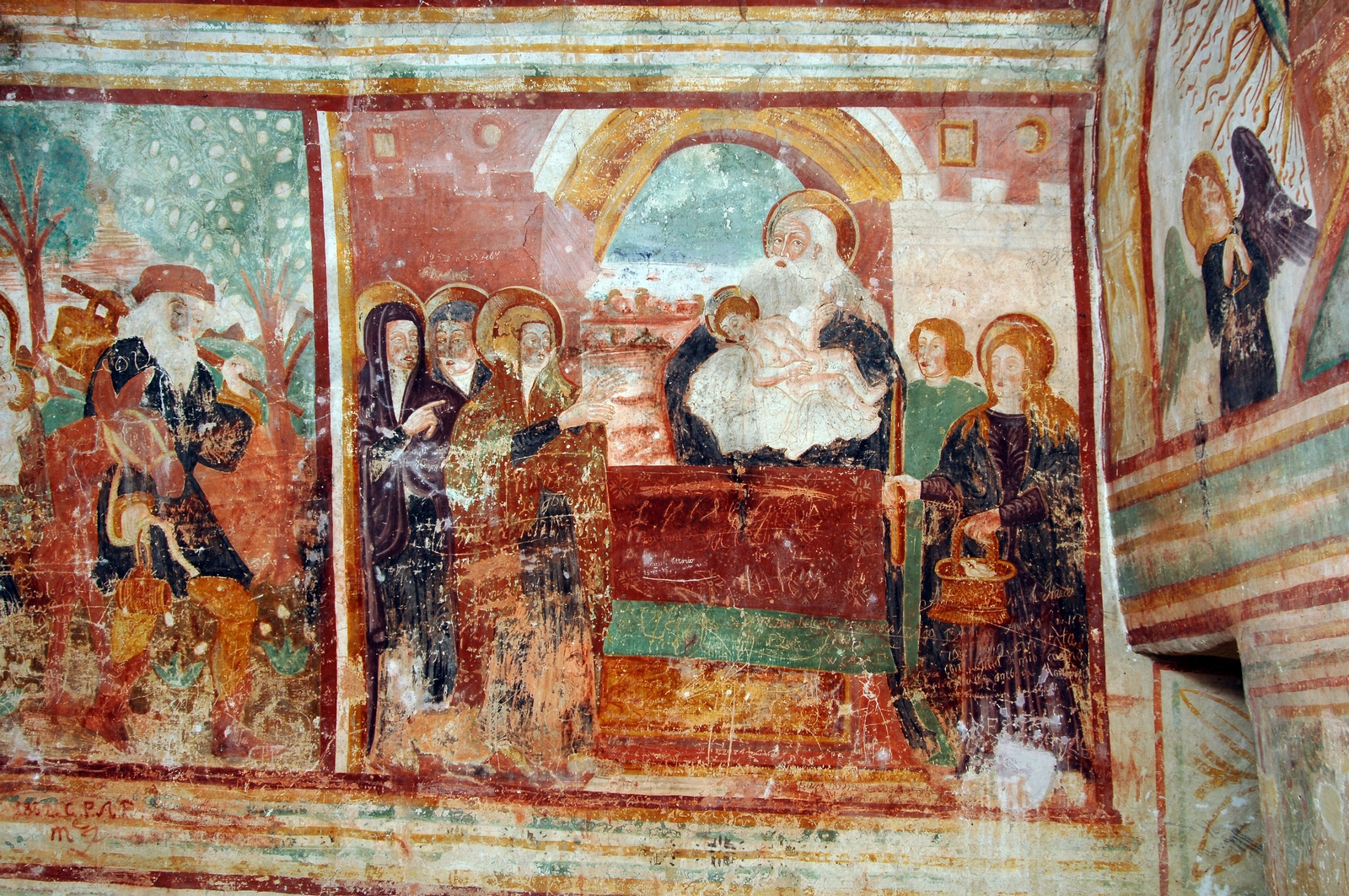
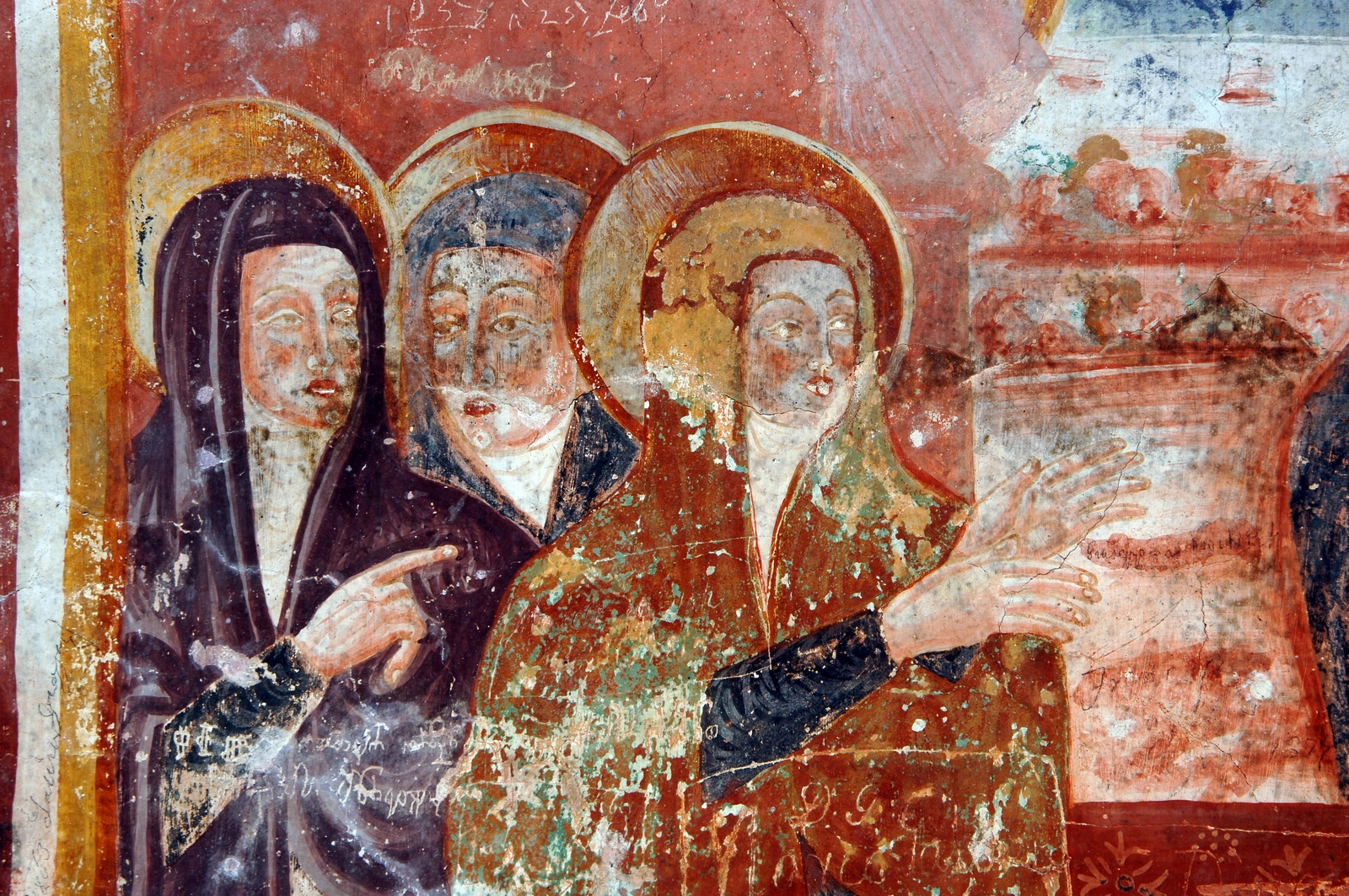
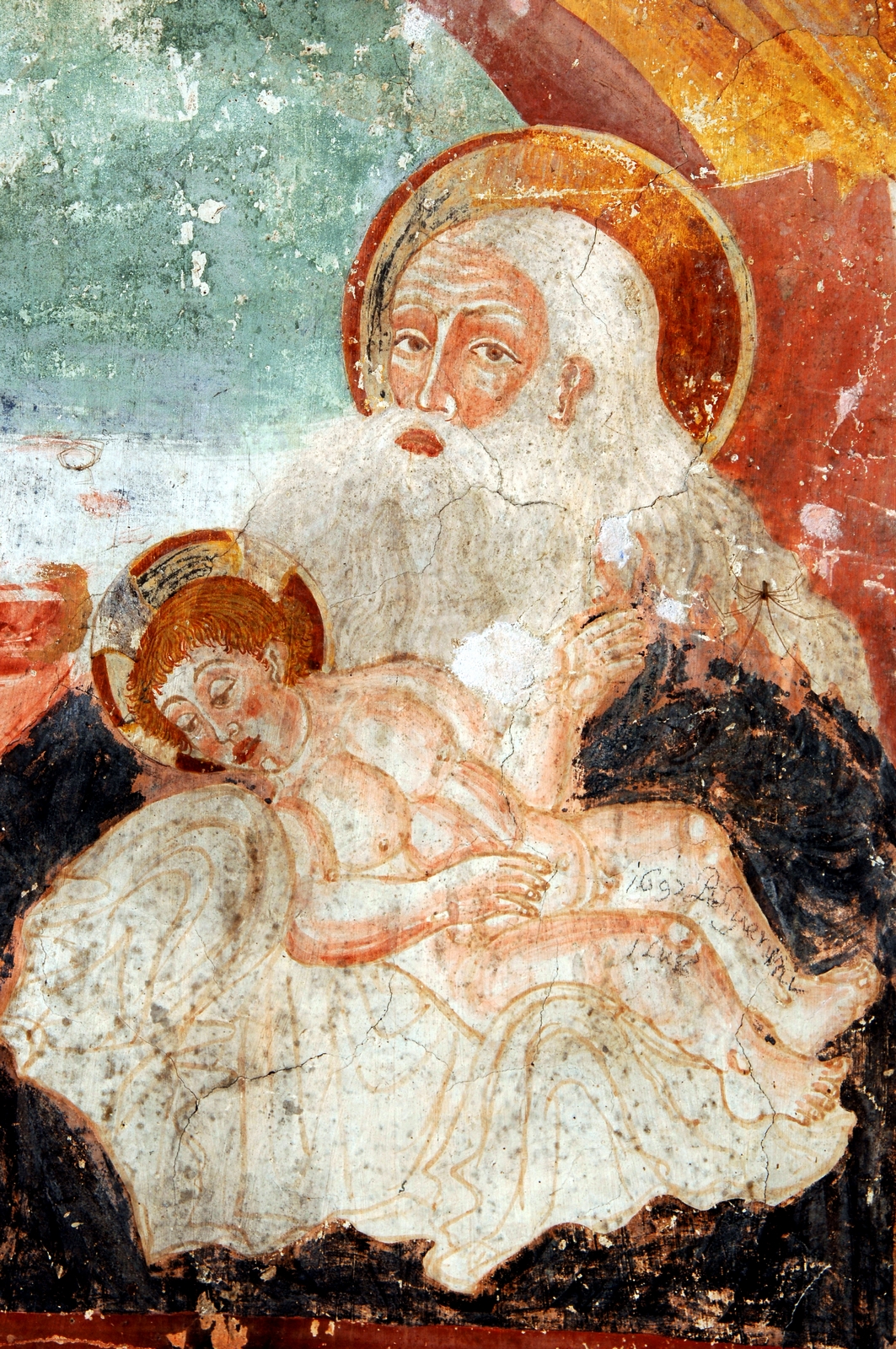
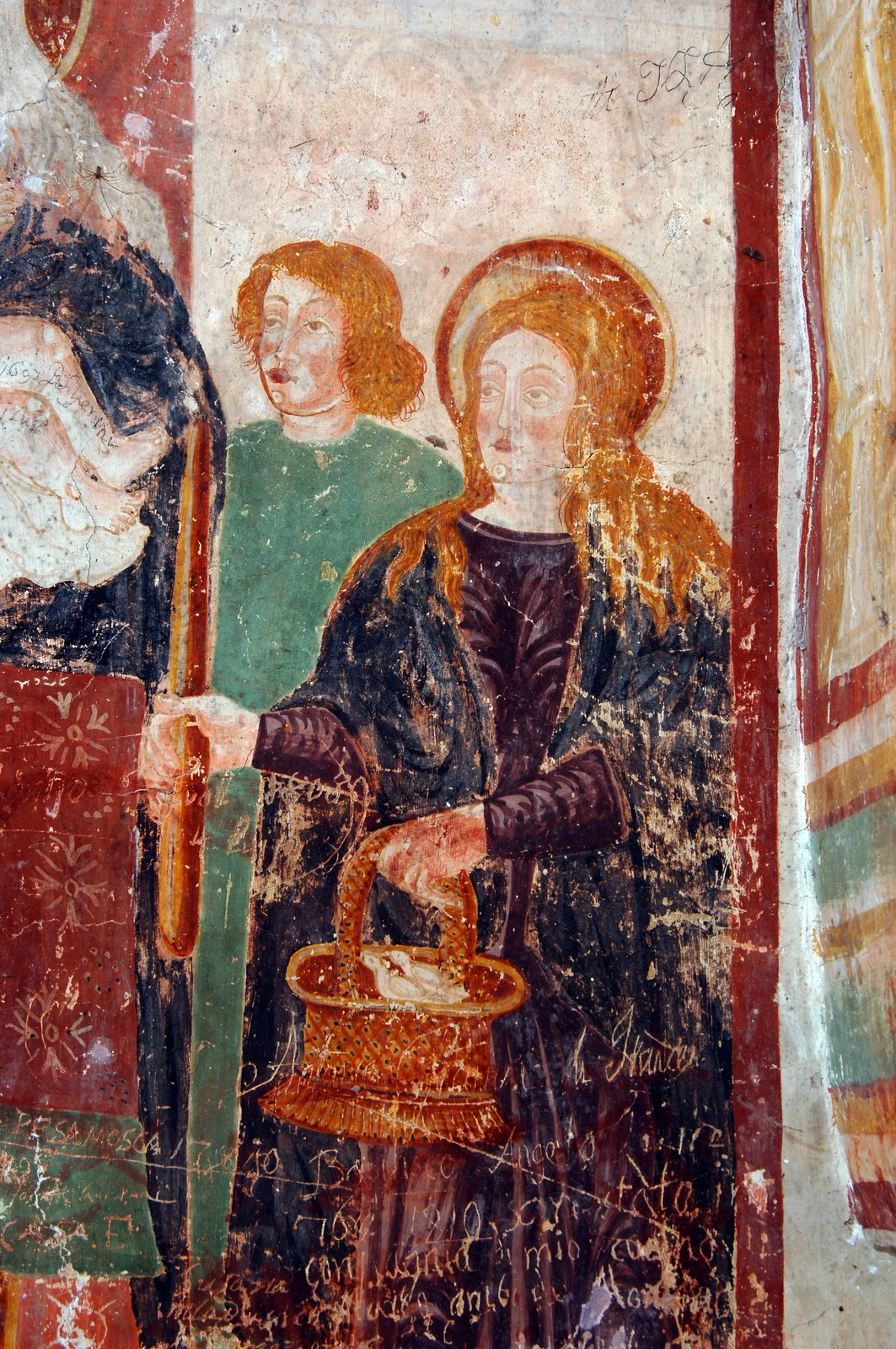
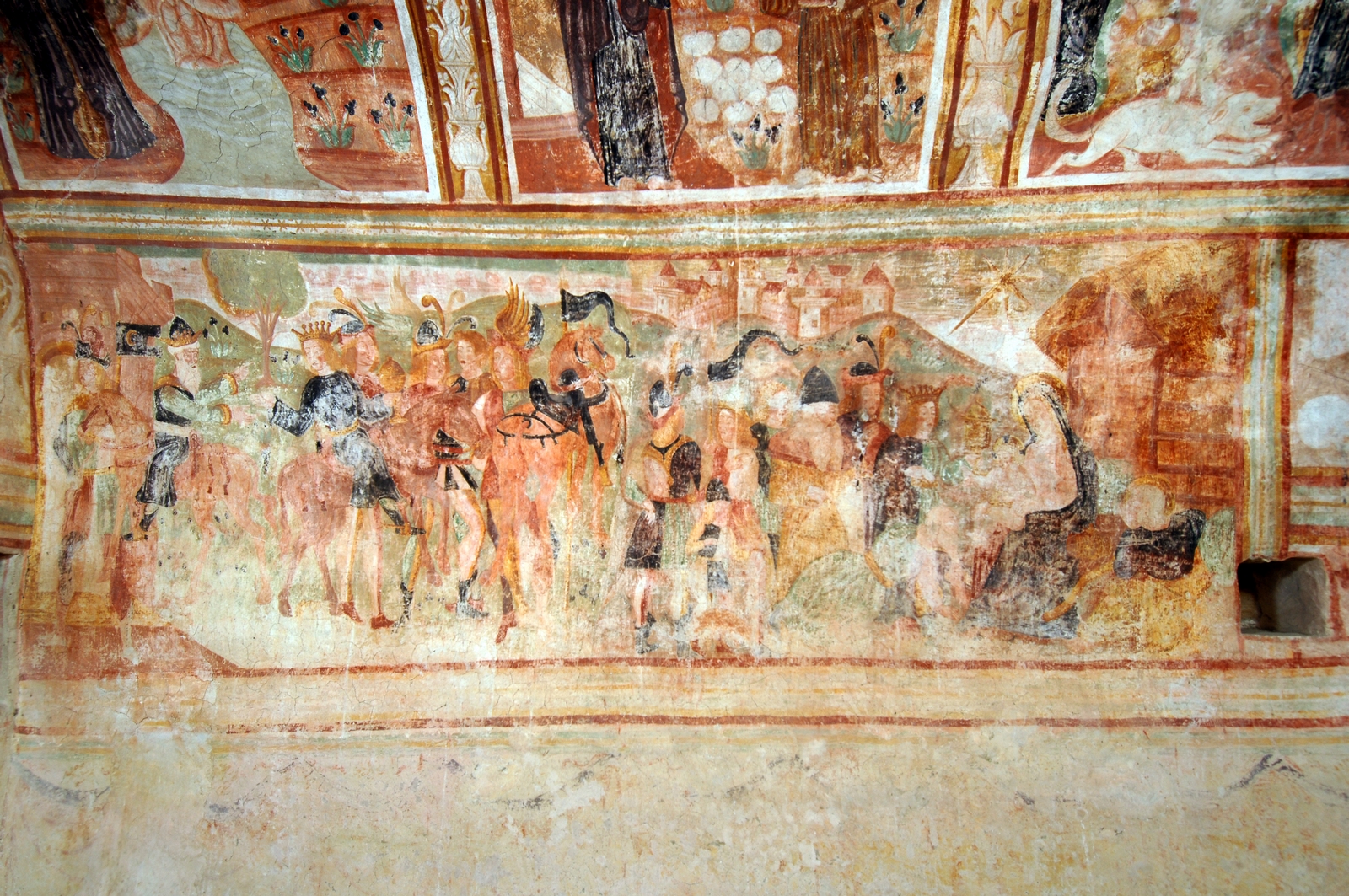
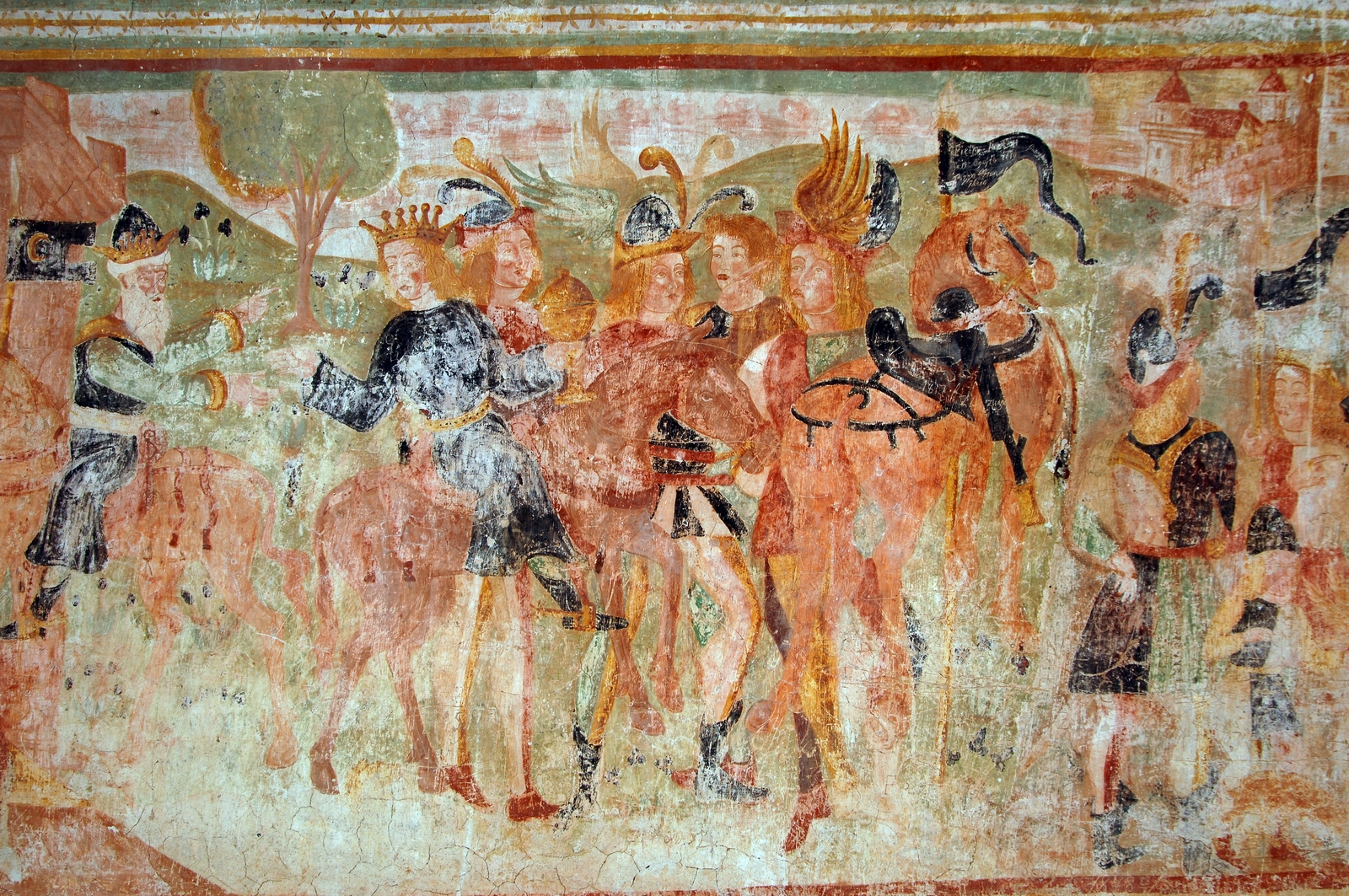
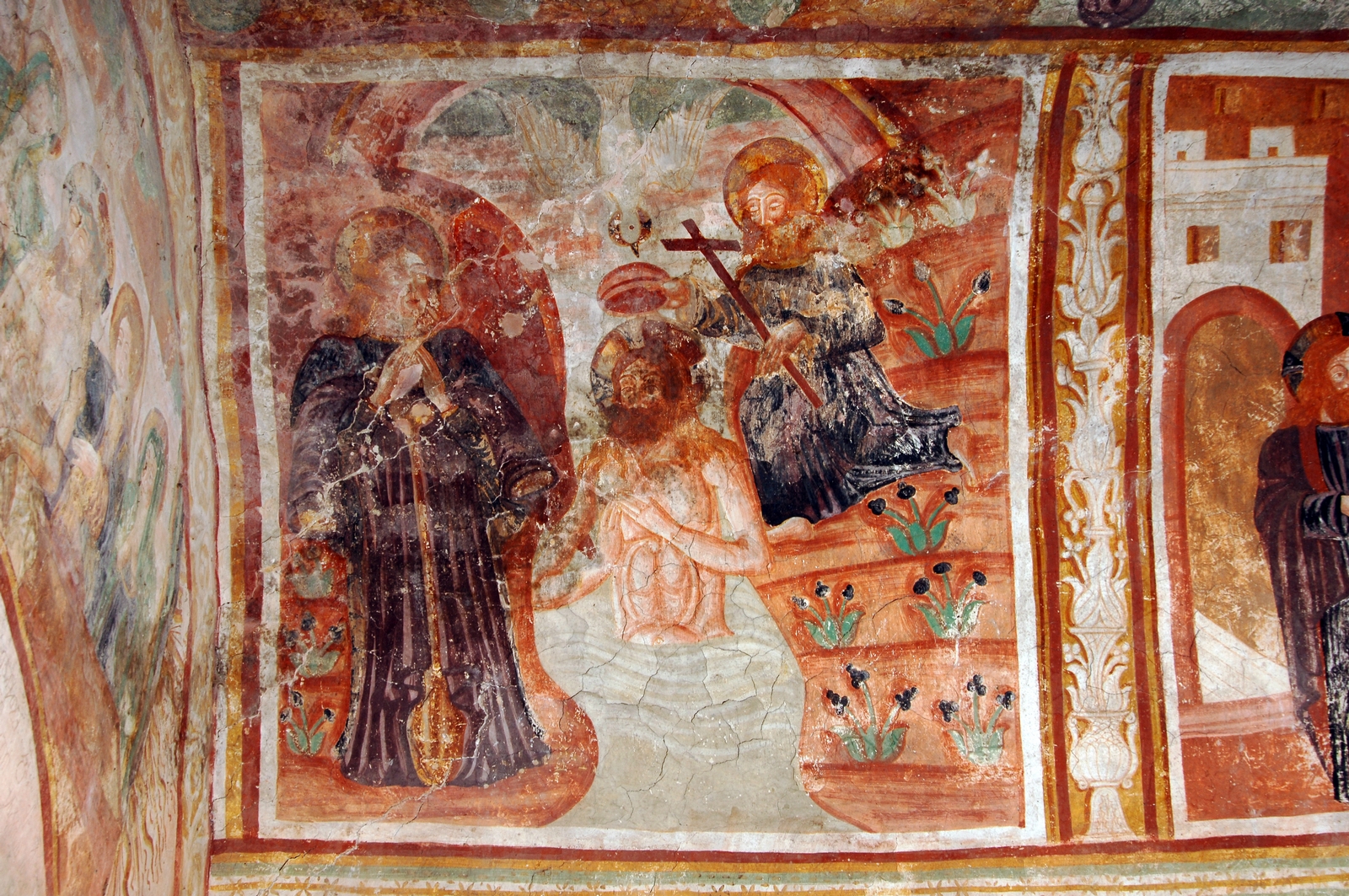
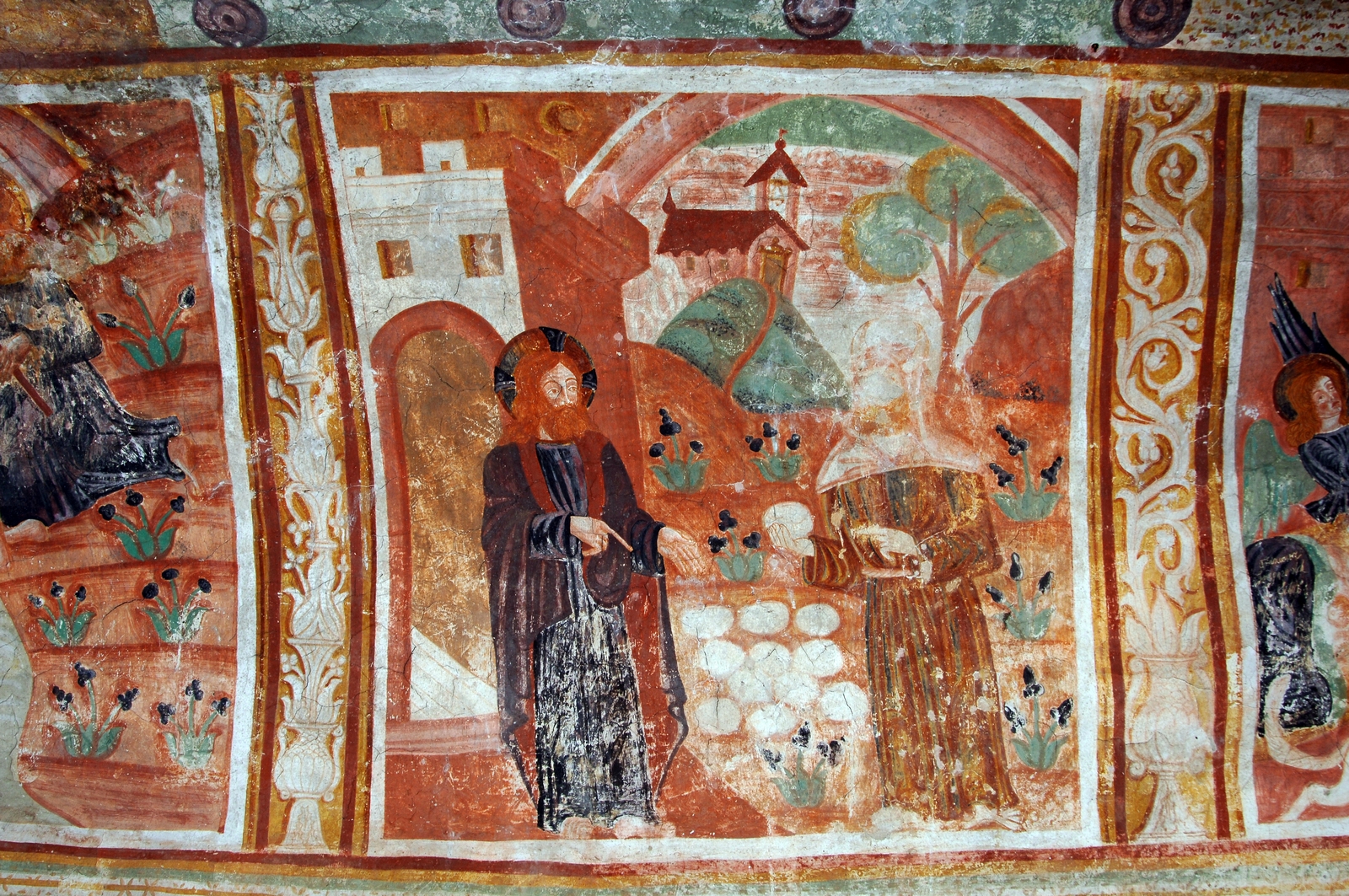
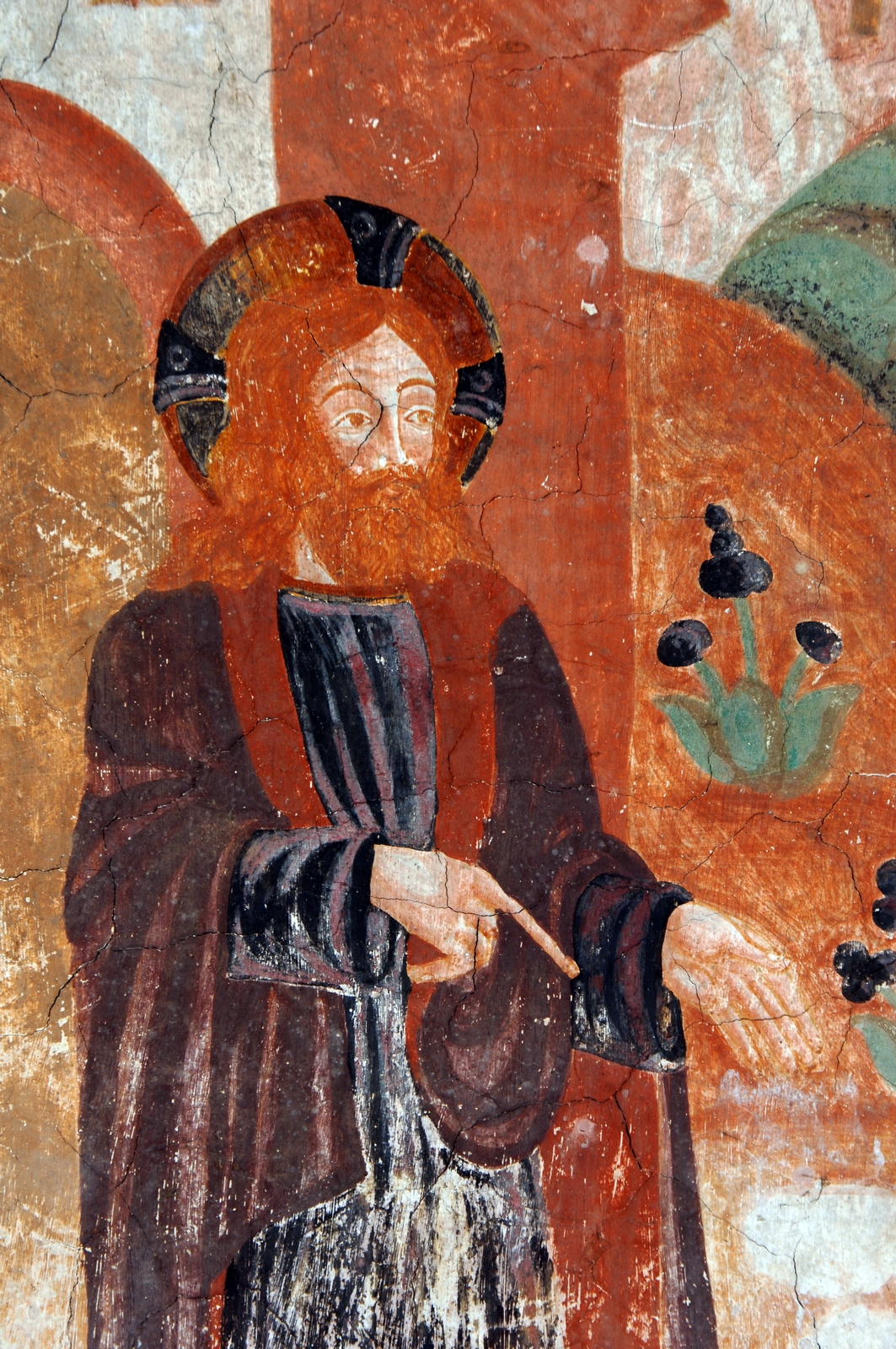
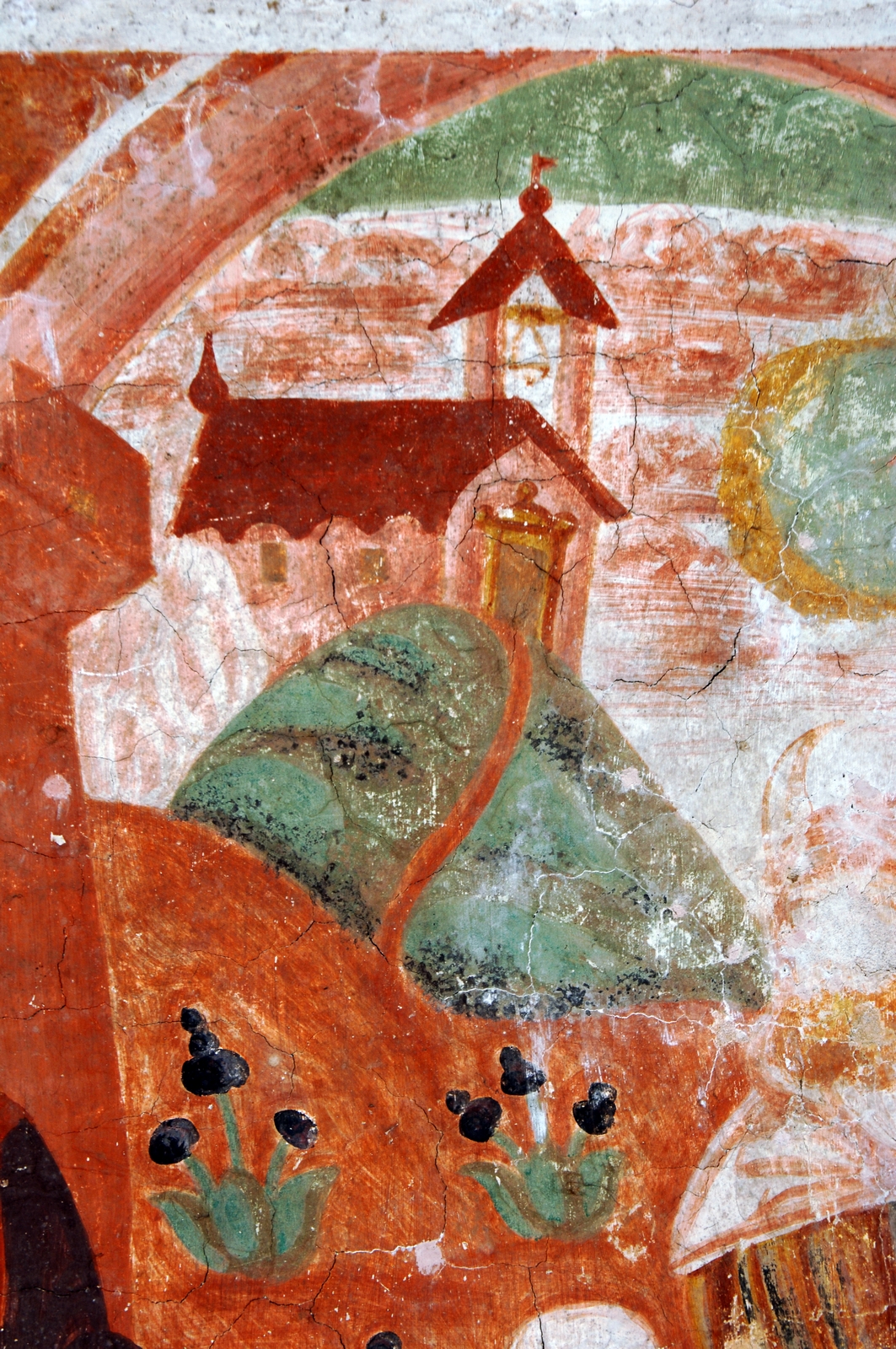
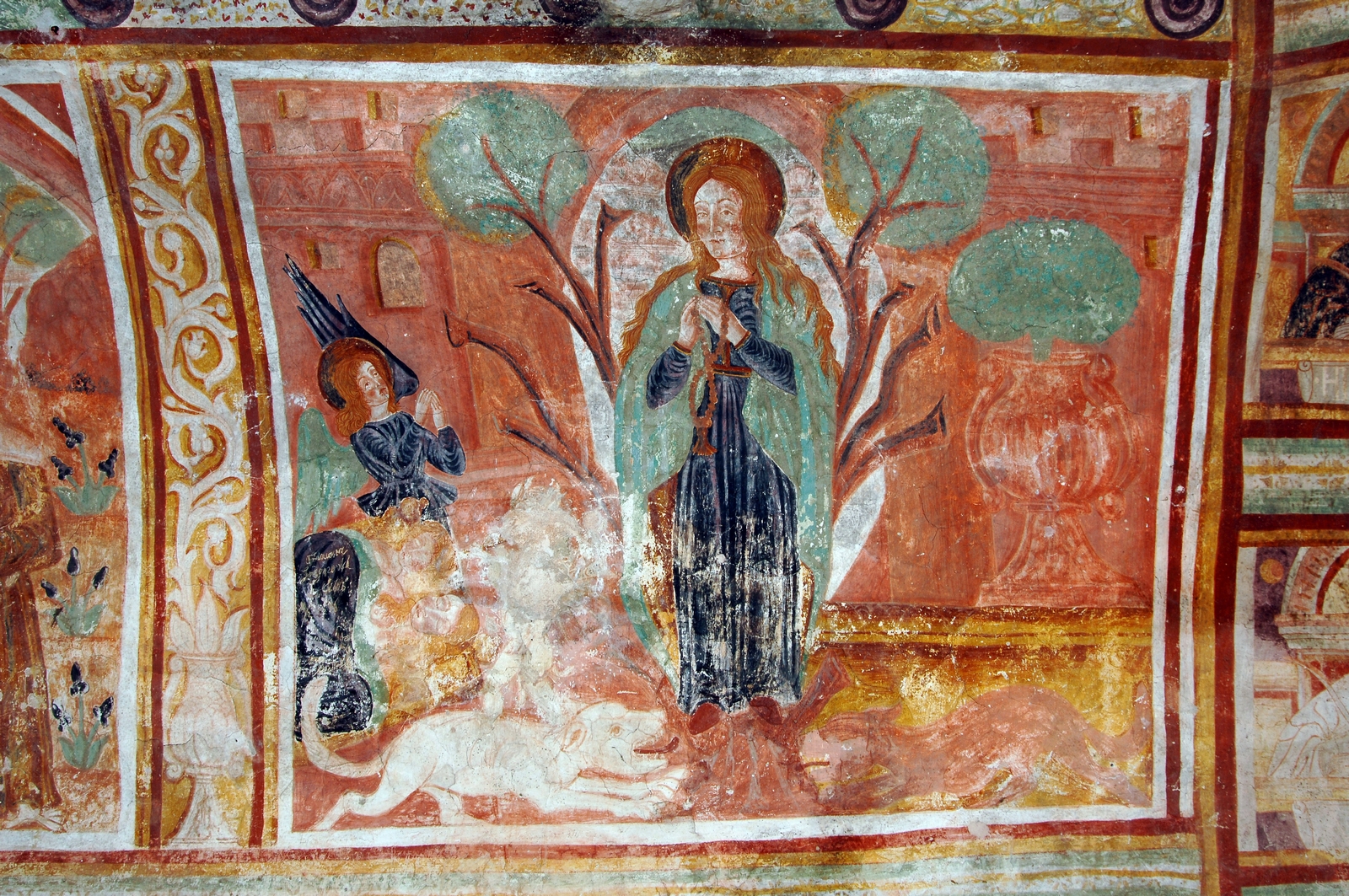
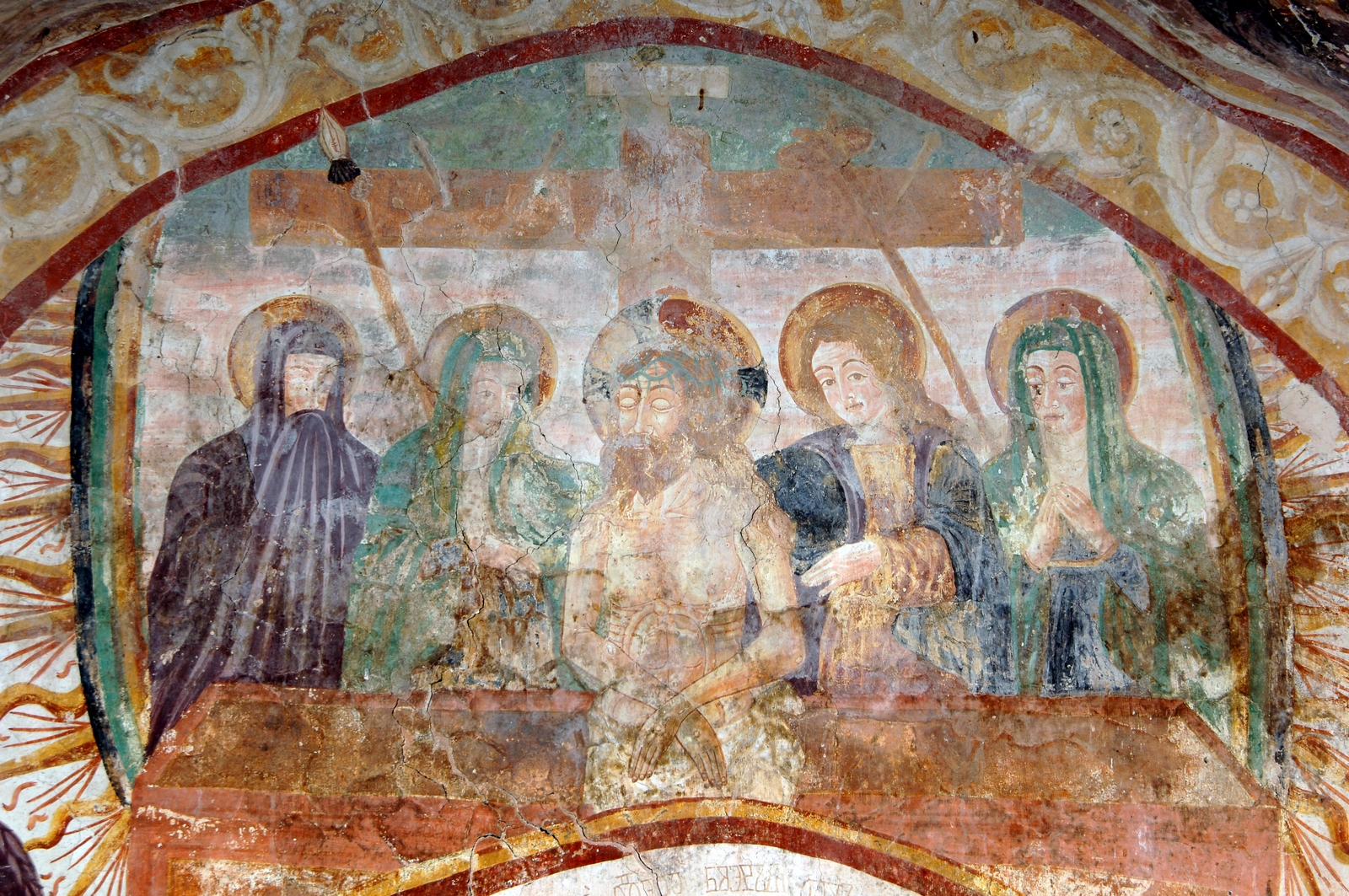
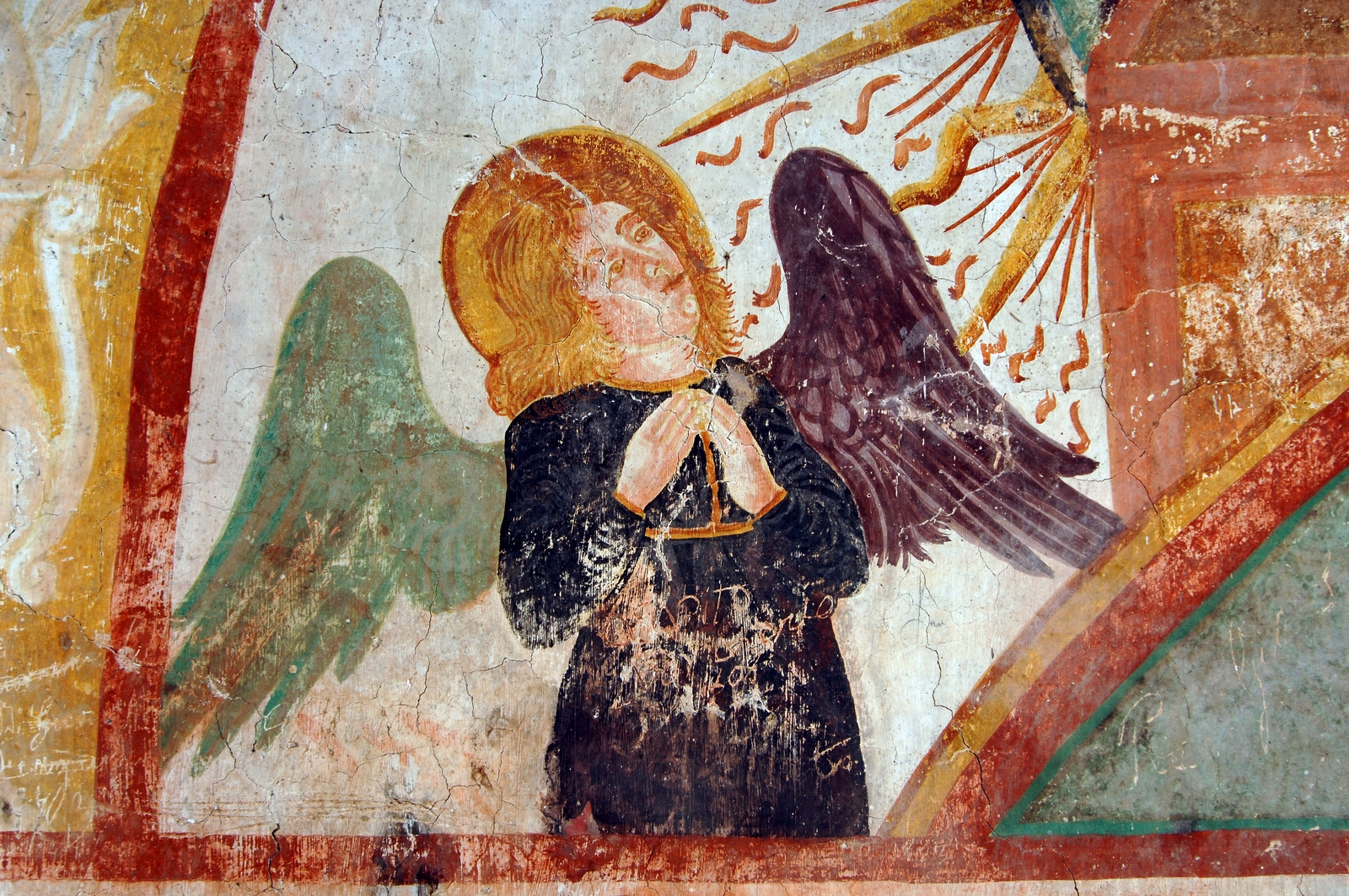
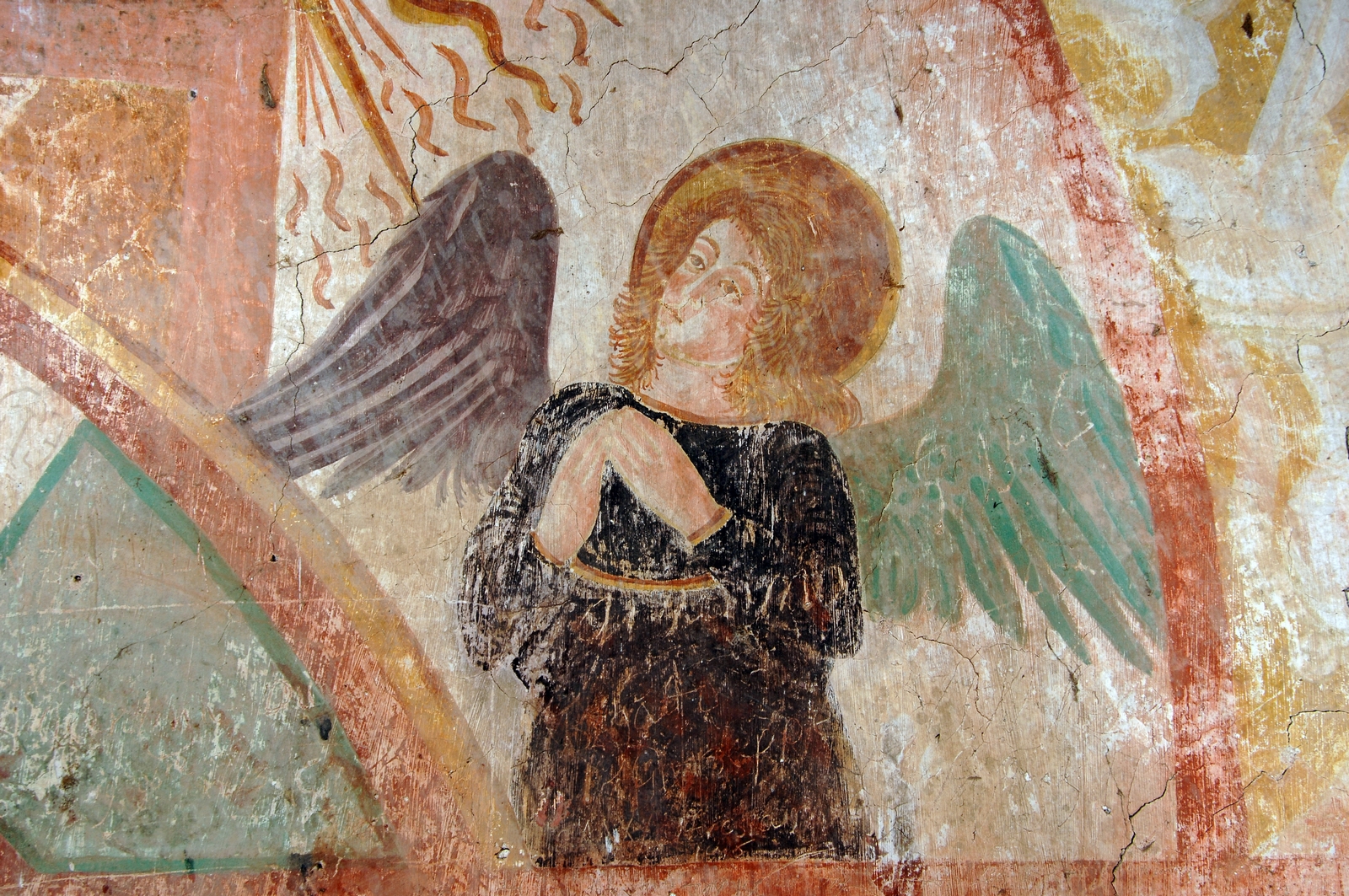
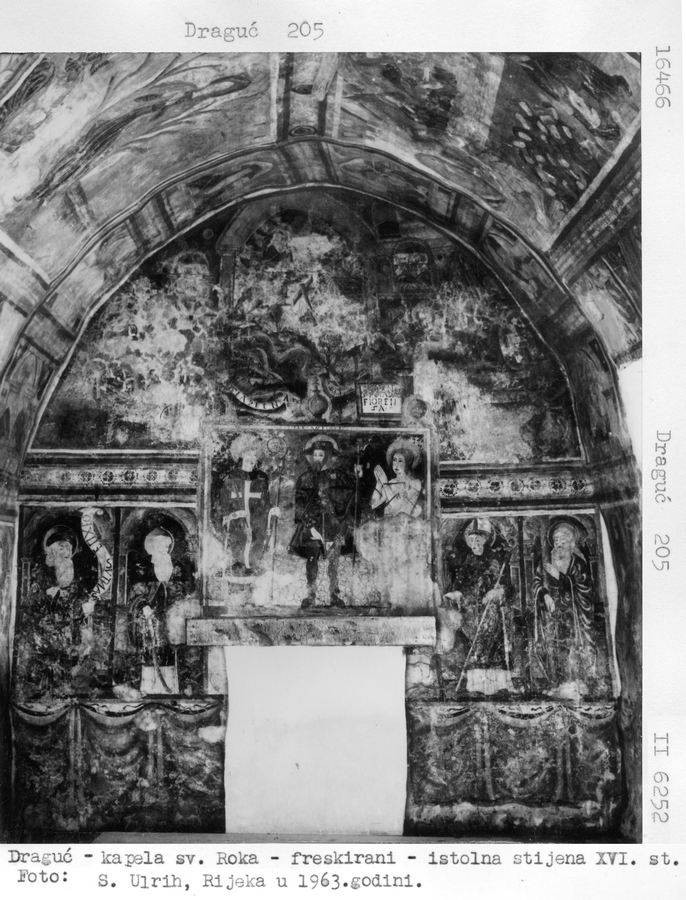
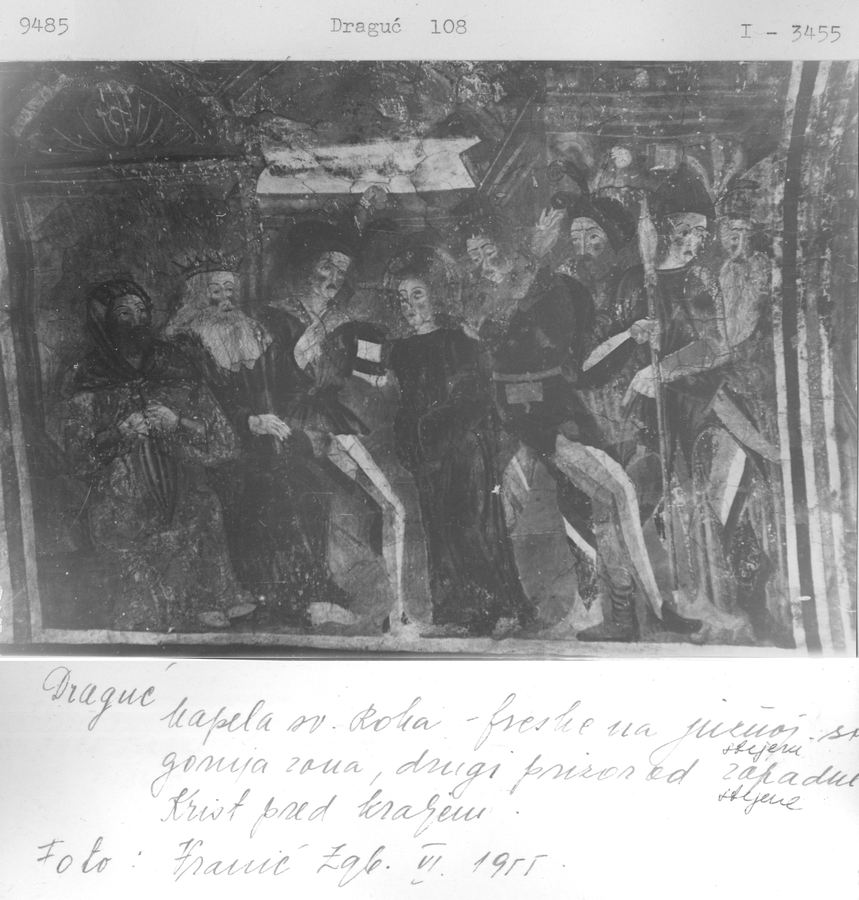
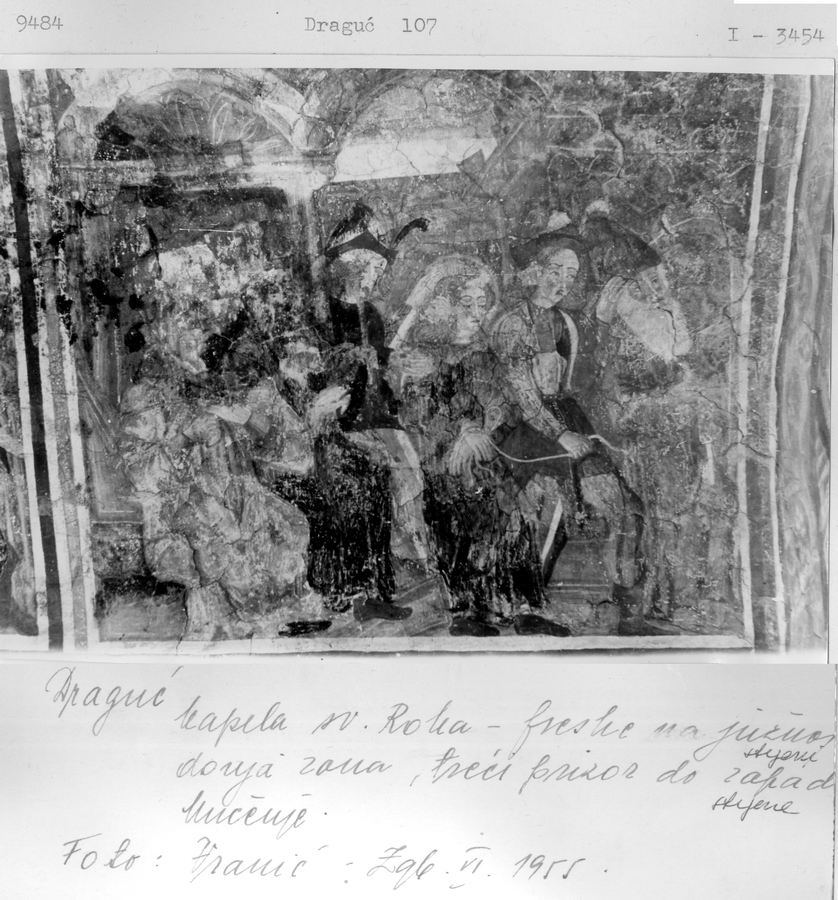
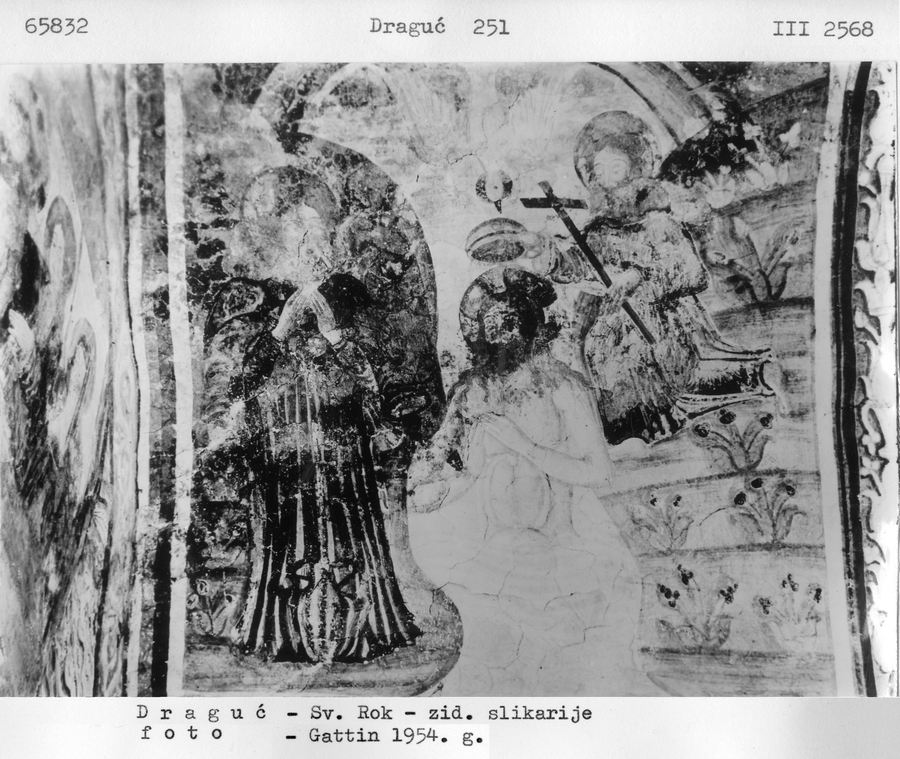
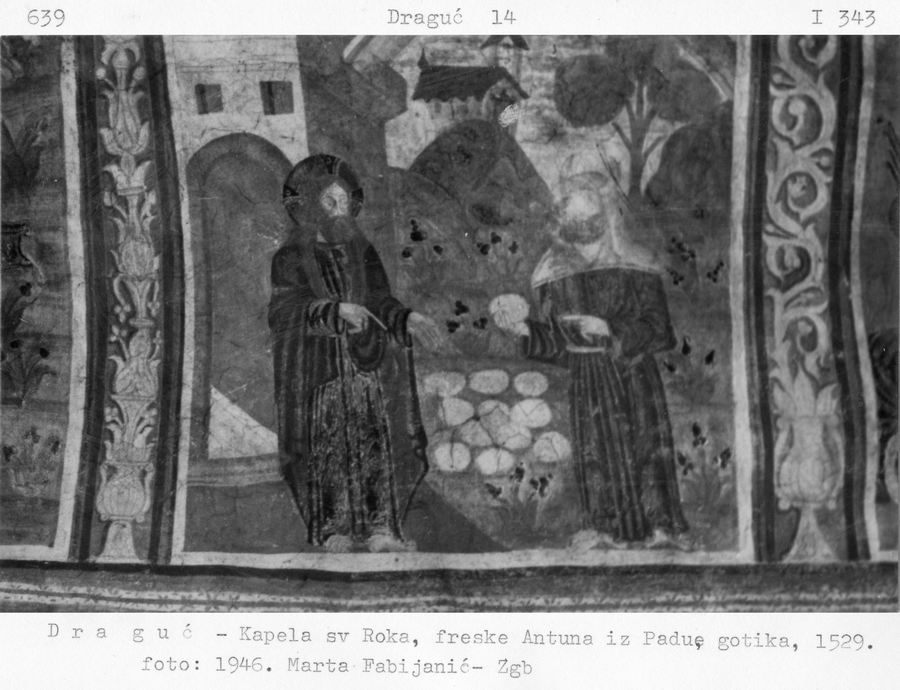
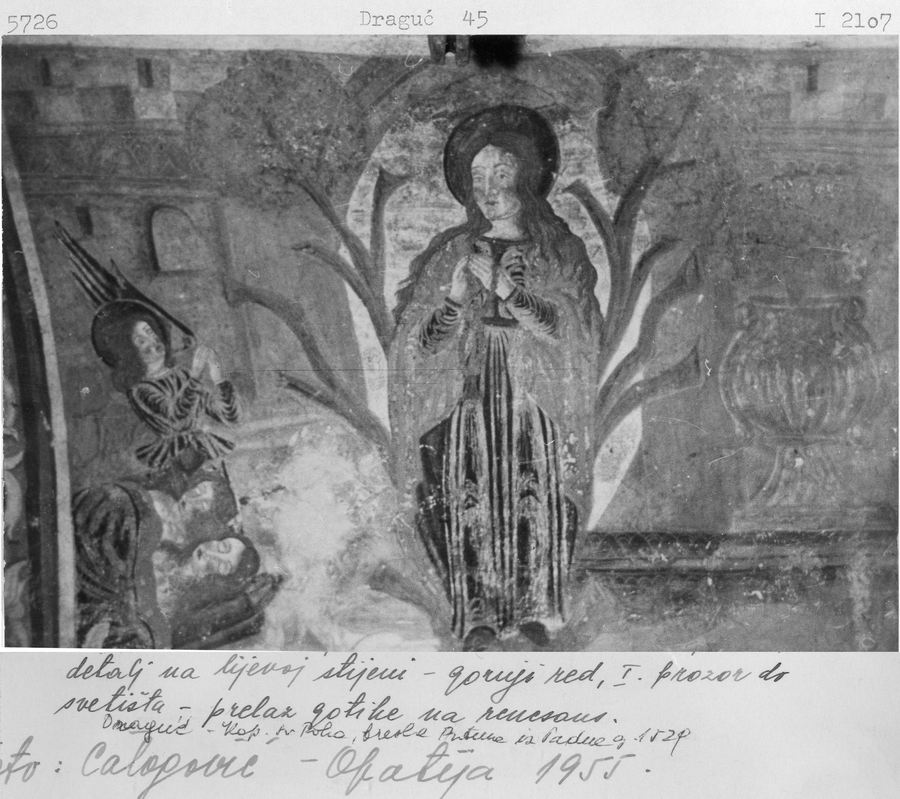
The painting cycle comprises a total of 28 scenes, separated from one another by borders. The lower zone of the walls is decorated with a velarium painted in the form of a rhythmically arranged drapery, while the narrative scenes on the side walls are distributed across two registers. The lower register contains scenes from the Christ’s childhood, and the upper register, featuring scenes of Christ’s Passion, extends across the surface of the vault. The sanctuary space is visually separated from the rest of the church by a series of arched depictions of saints.
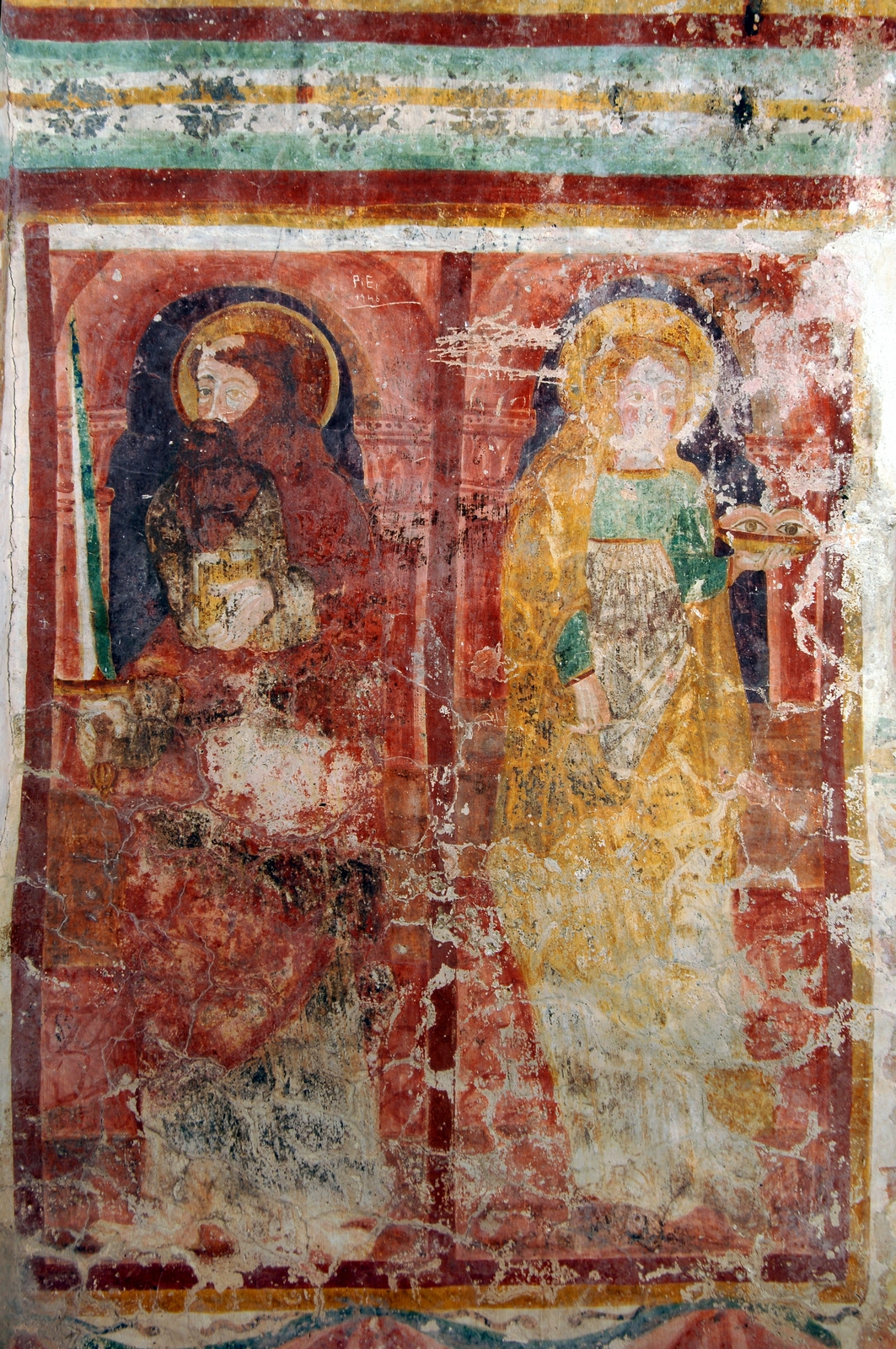
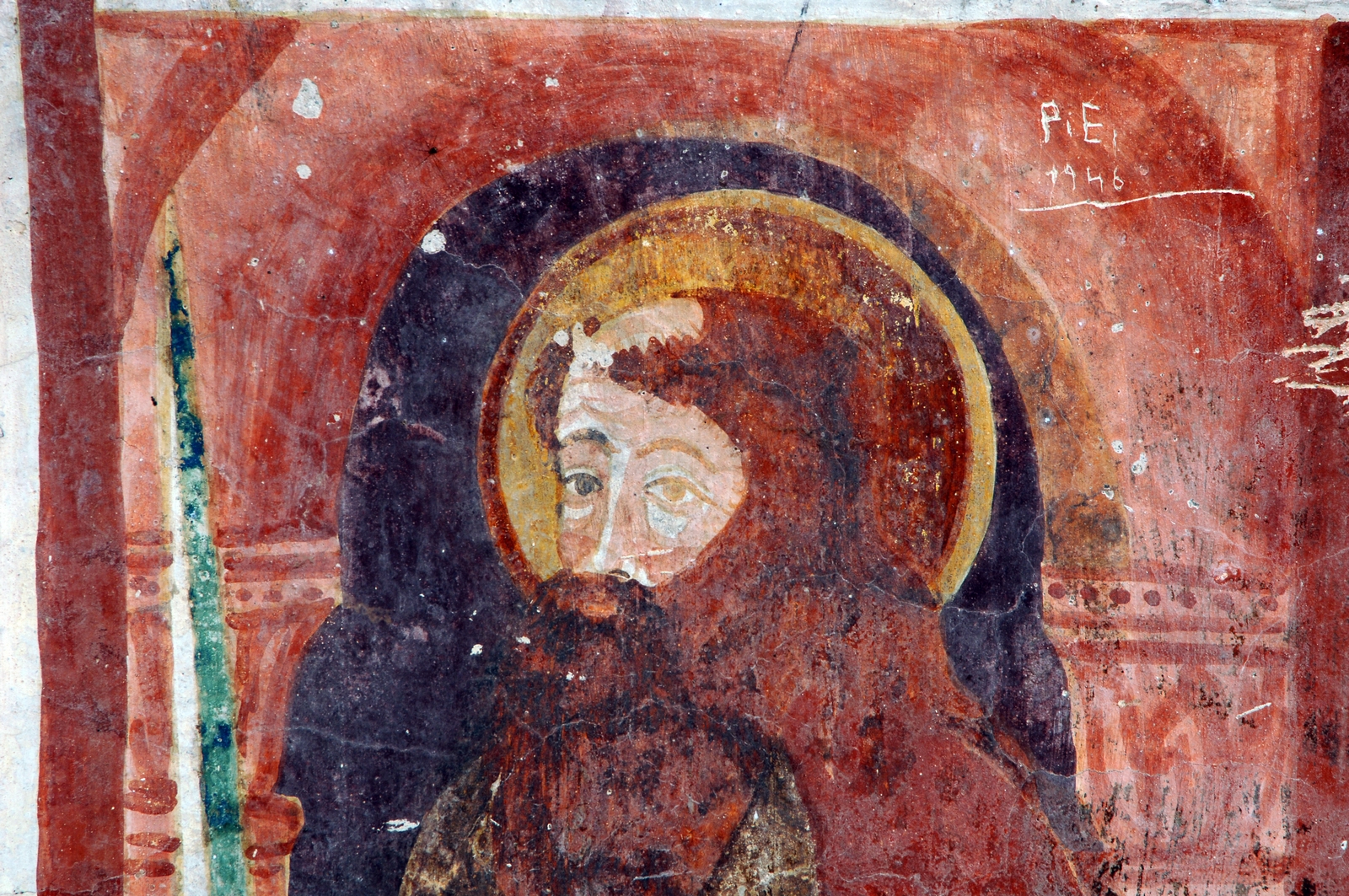
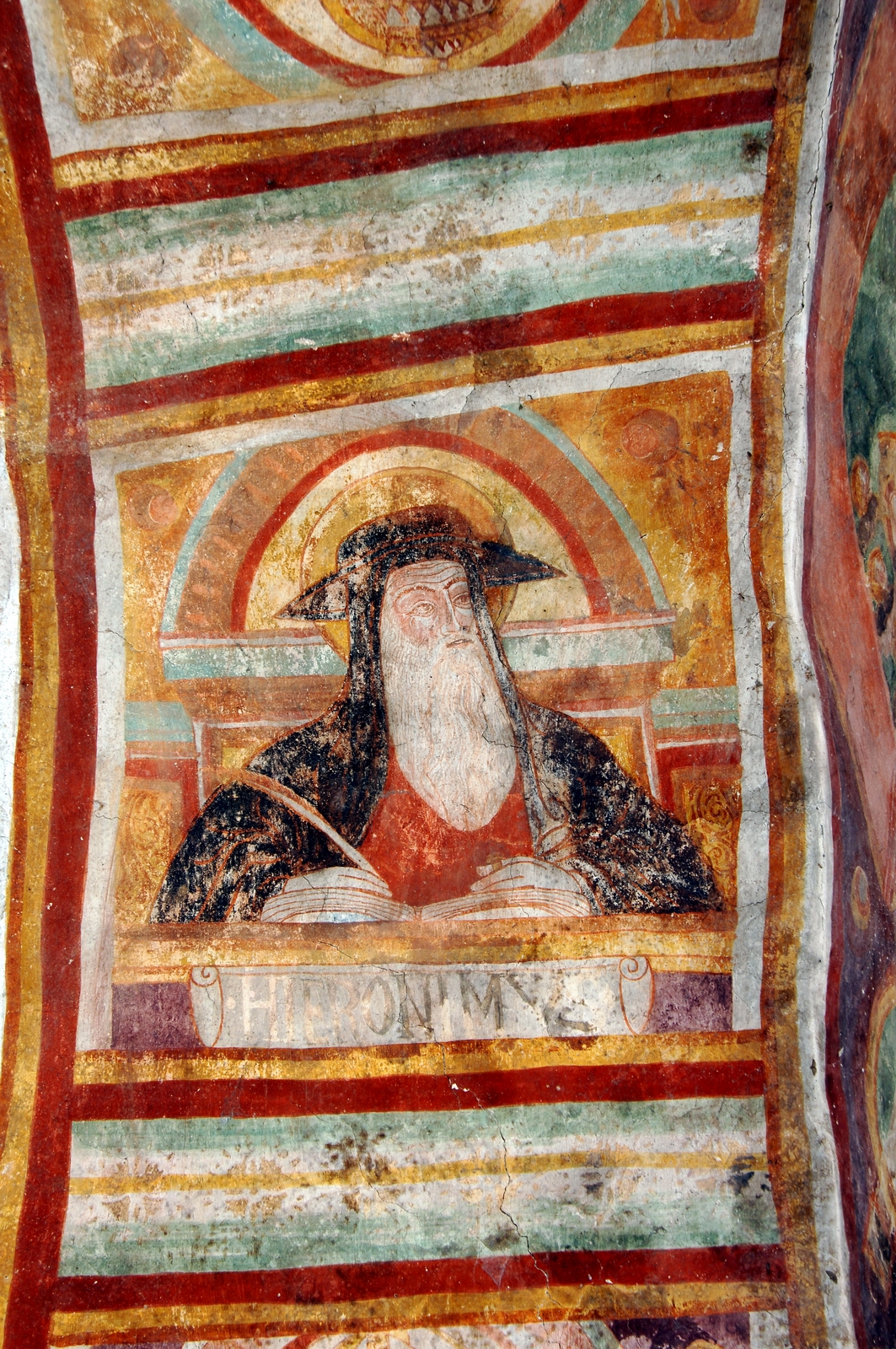
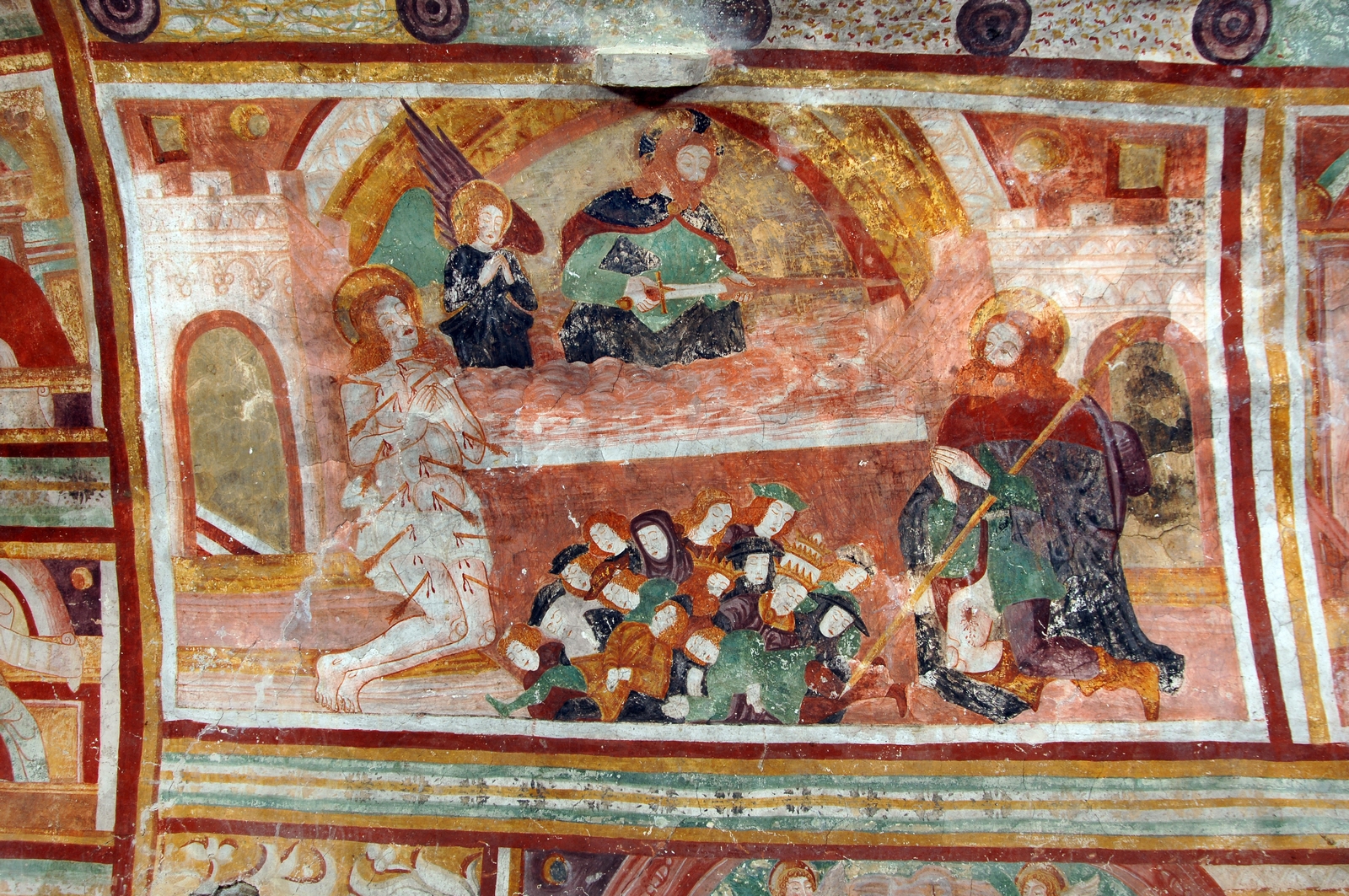
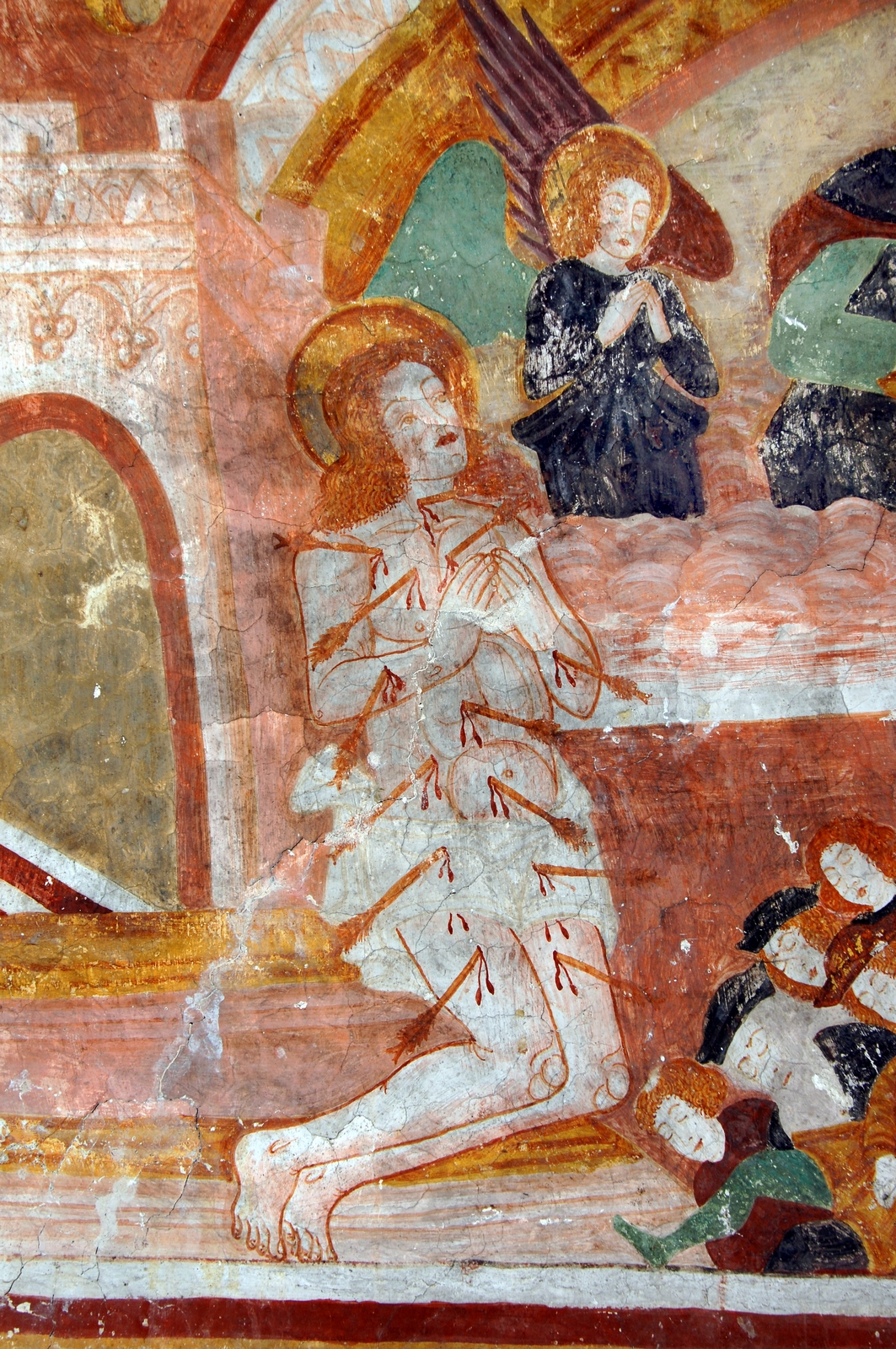
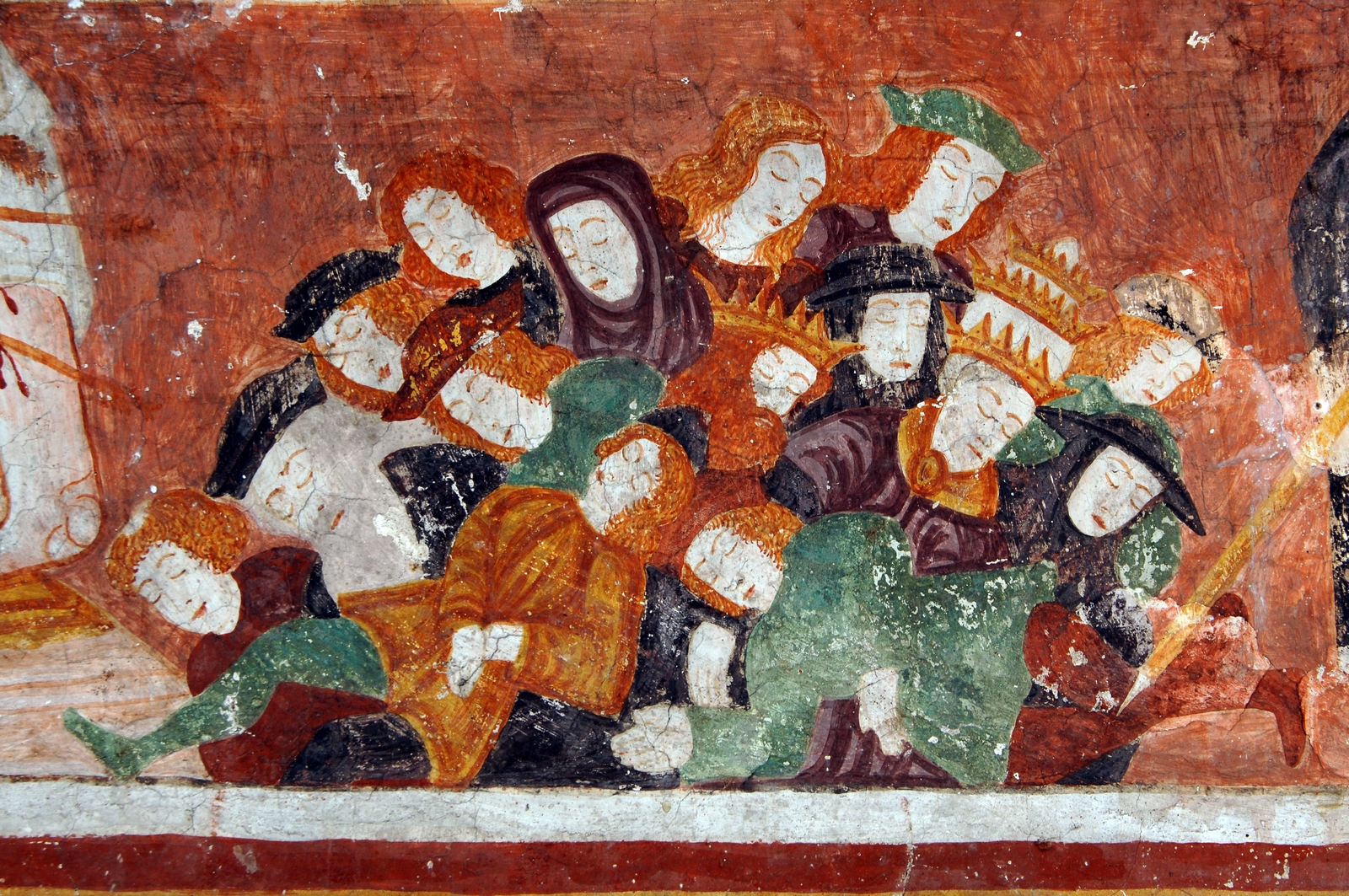
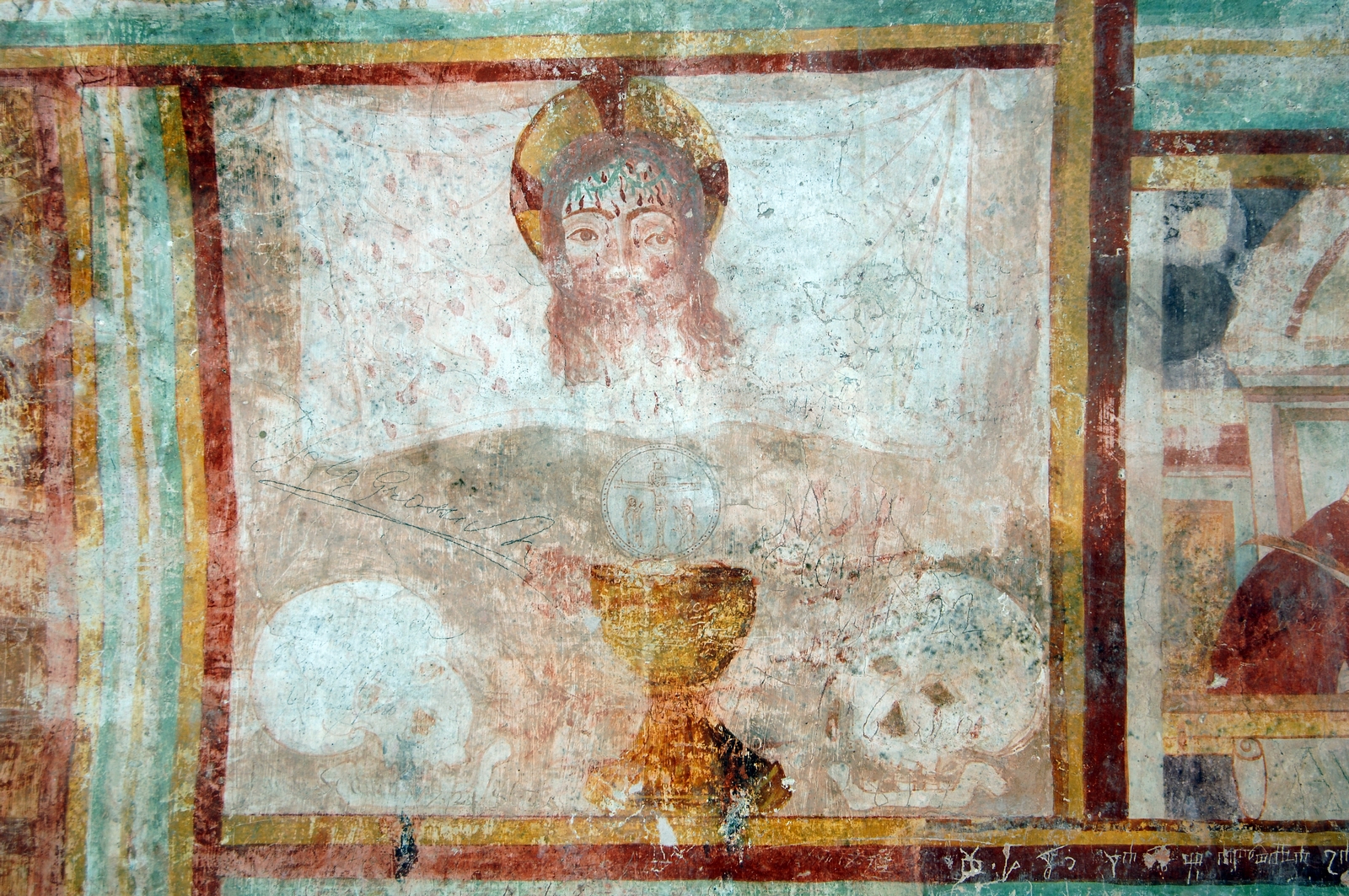
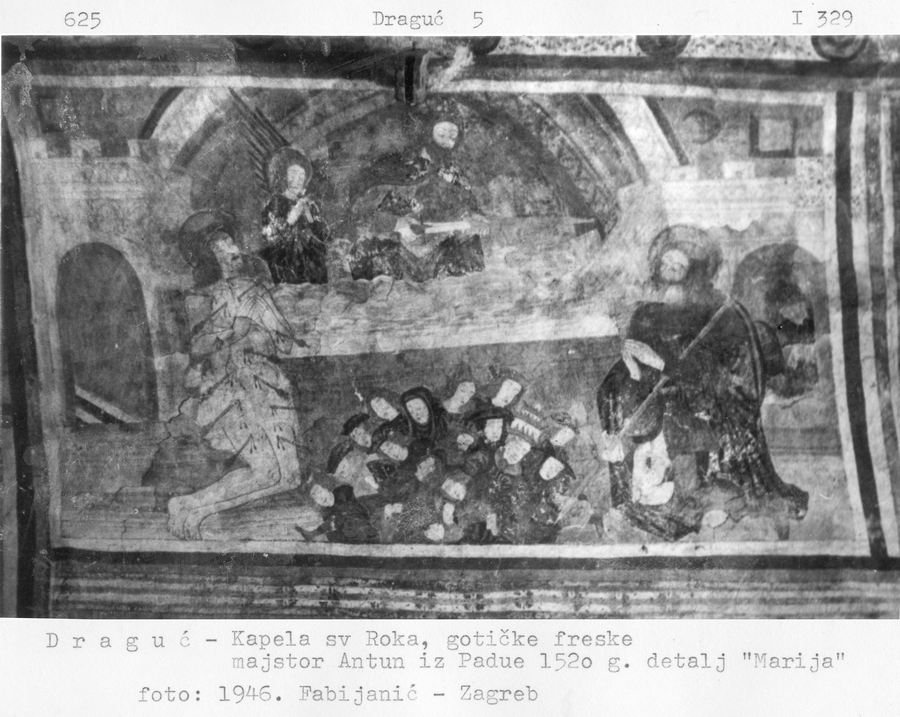
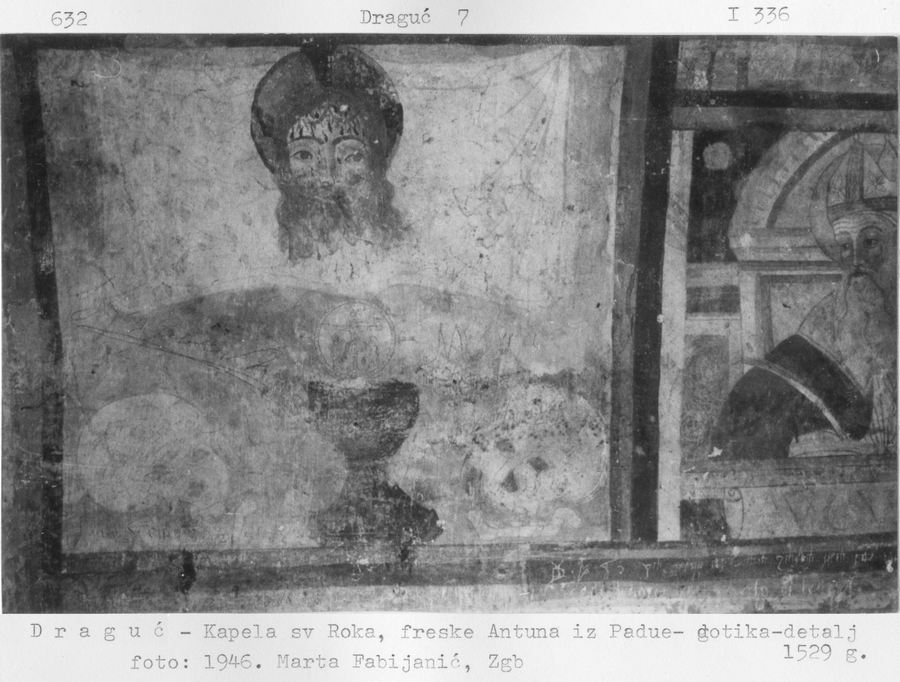
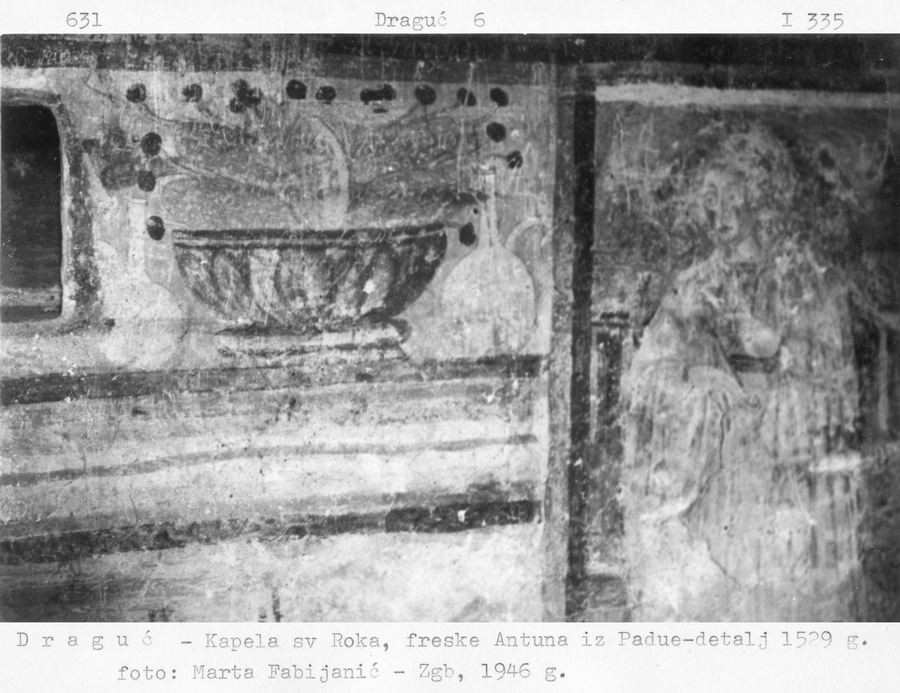
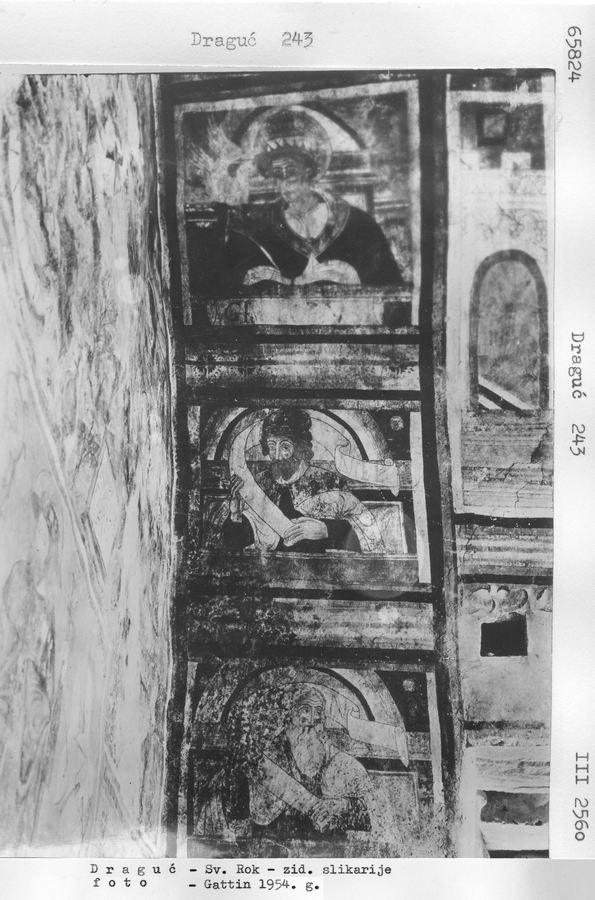
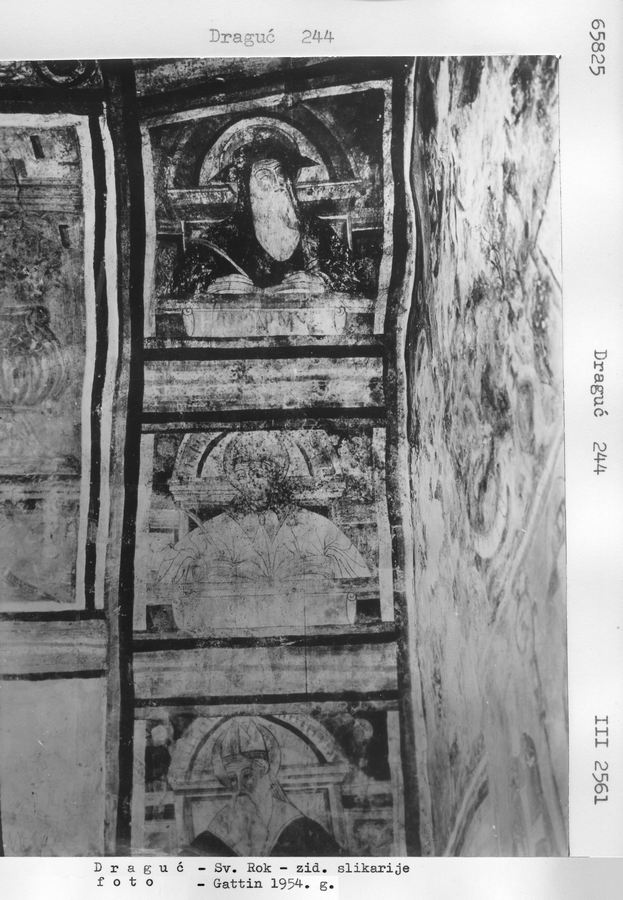
In addition to the Christological cycle, the iconographic program includes individual saints, Old Testament prophets, ex voto scenes against the plague, the depiction of the Eucharistic Christ, and a still-life motif with flowers.
The frescoes were first mentioned by Antonio Morassi in 1924 in Antica pittura popolare nell’Istria, while the most significant role in their interpretation was played by Branko Fučić.
Iconographic Program:
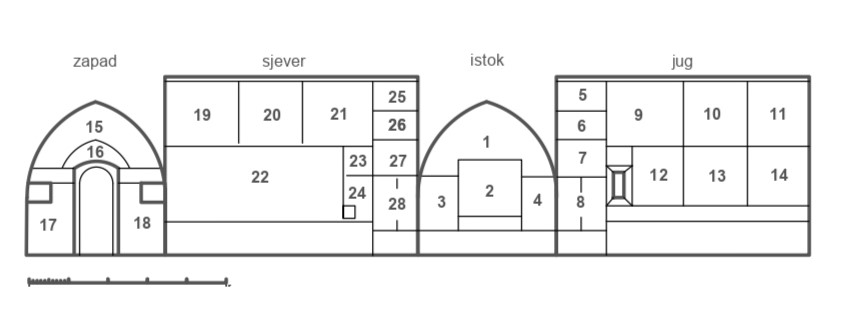
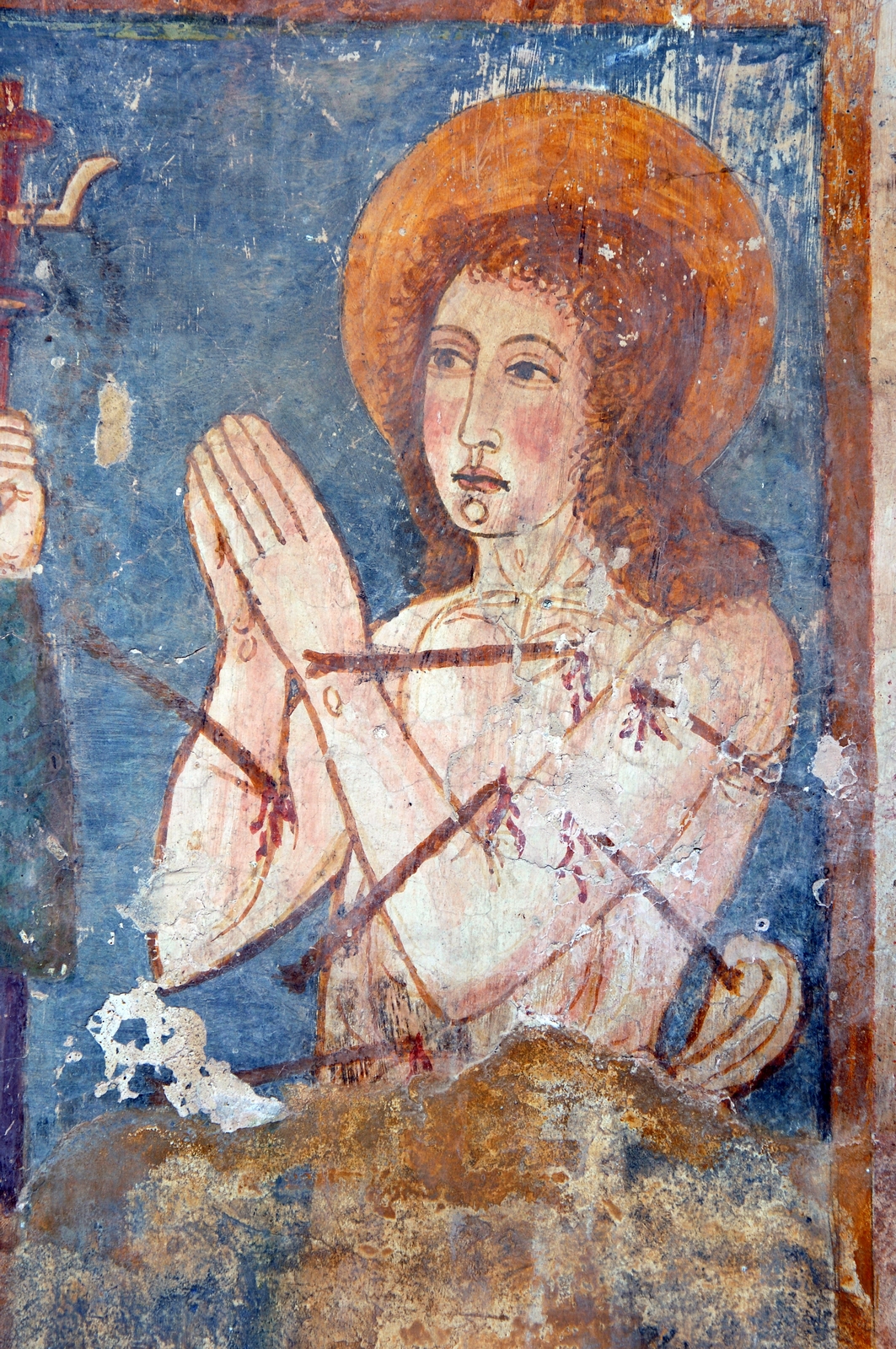
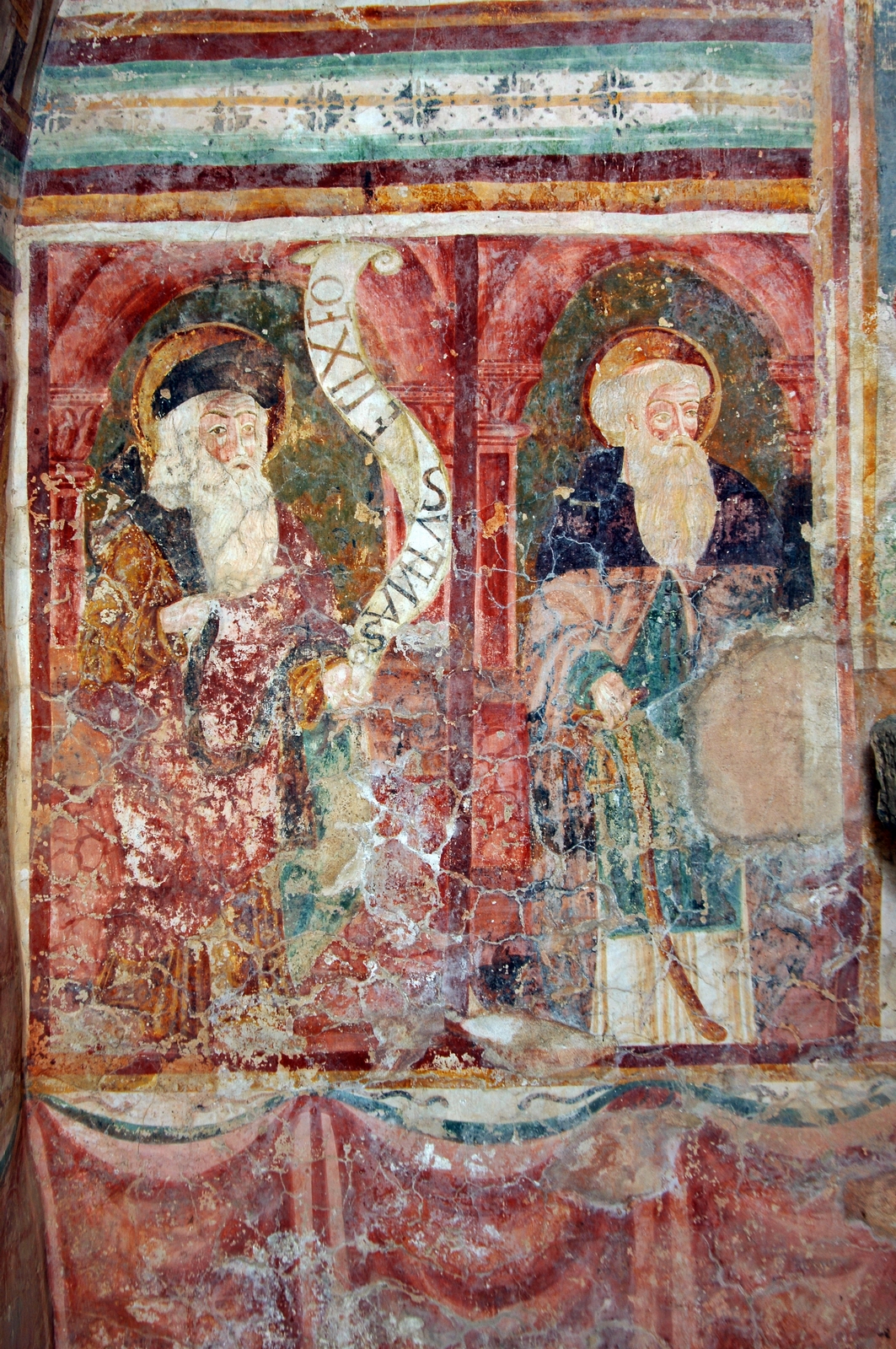
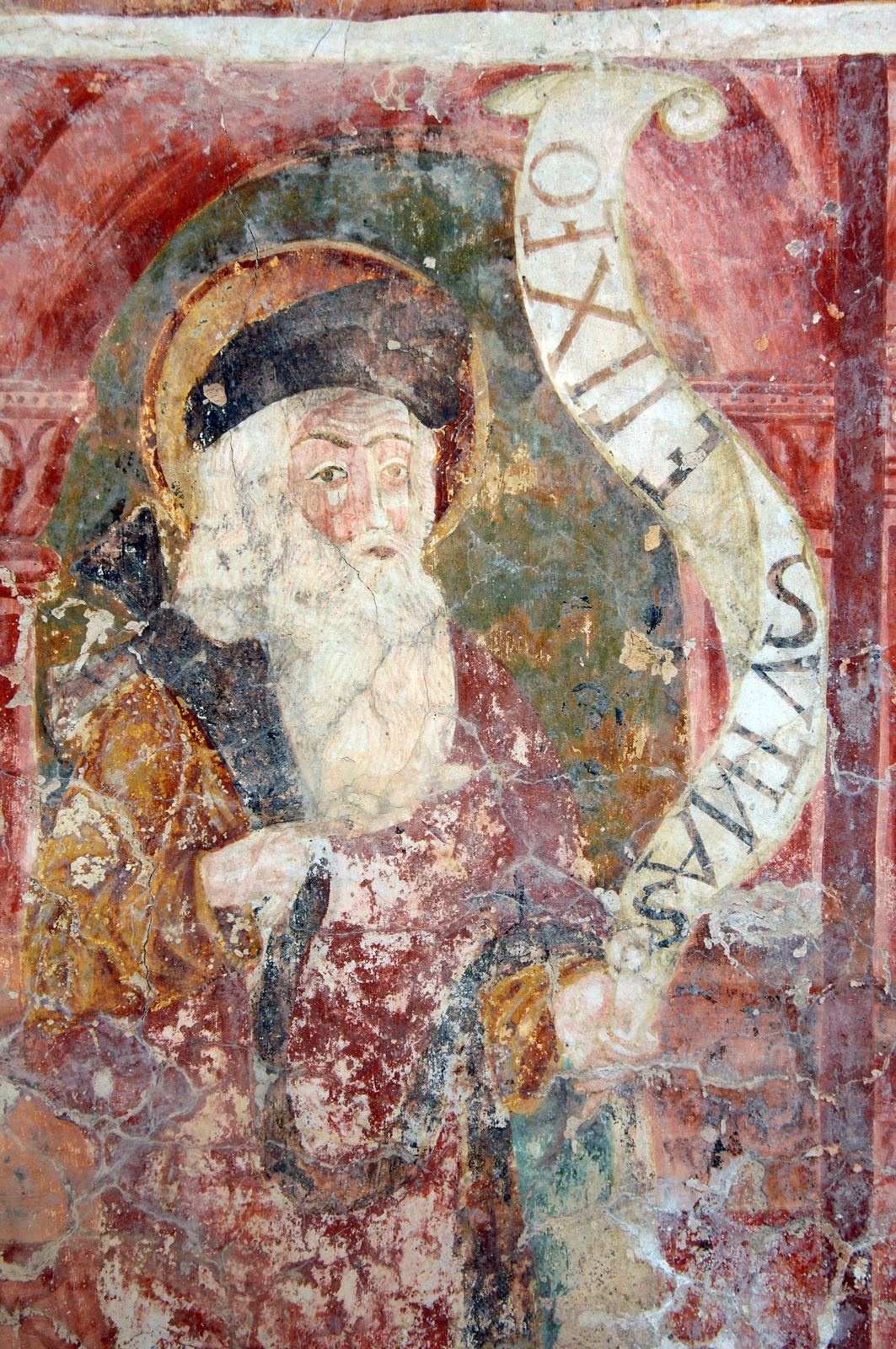
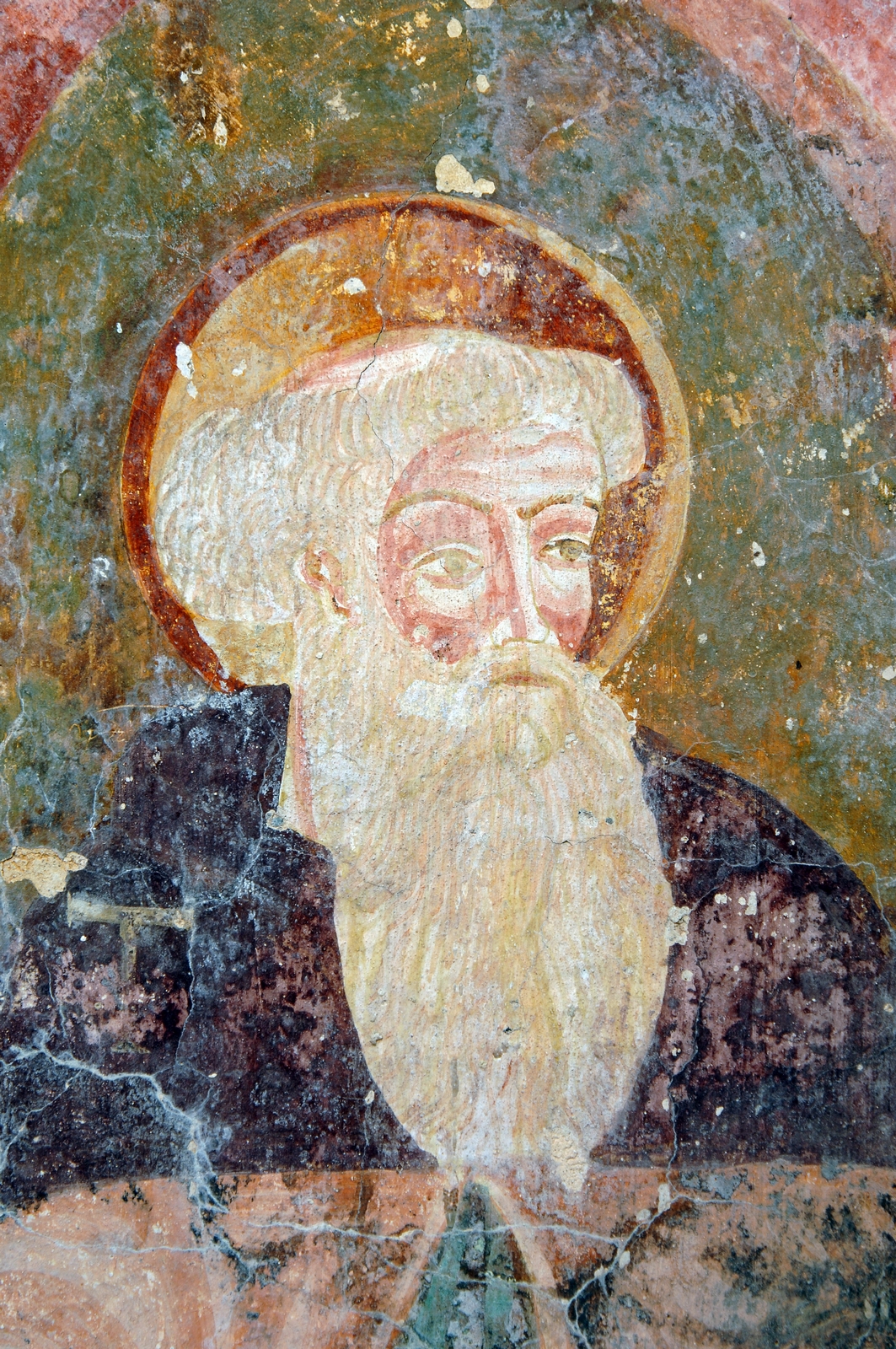
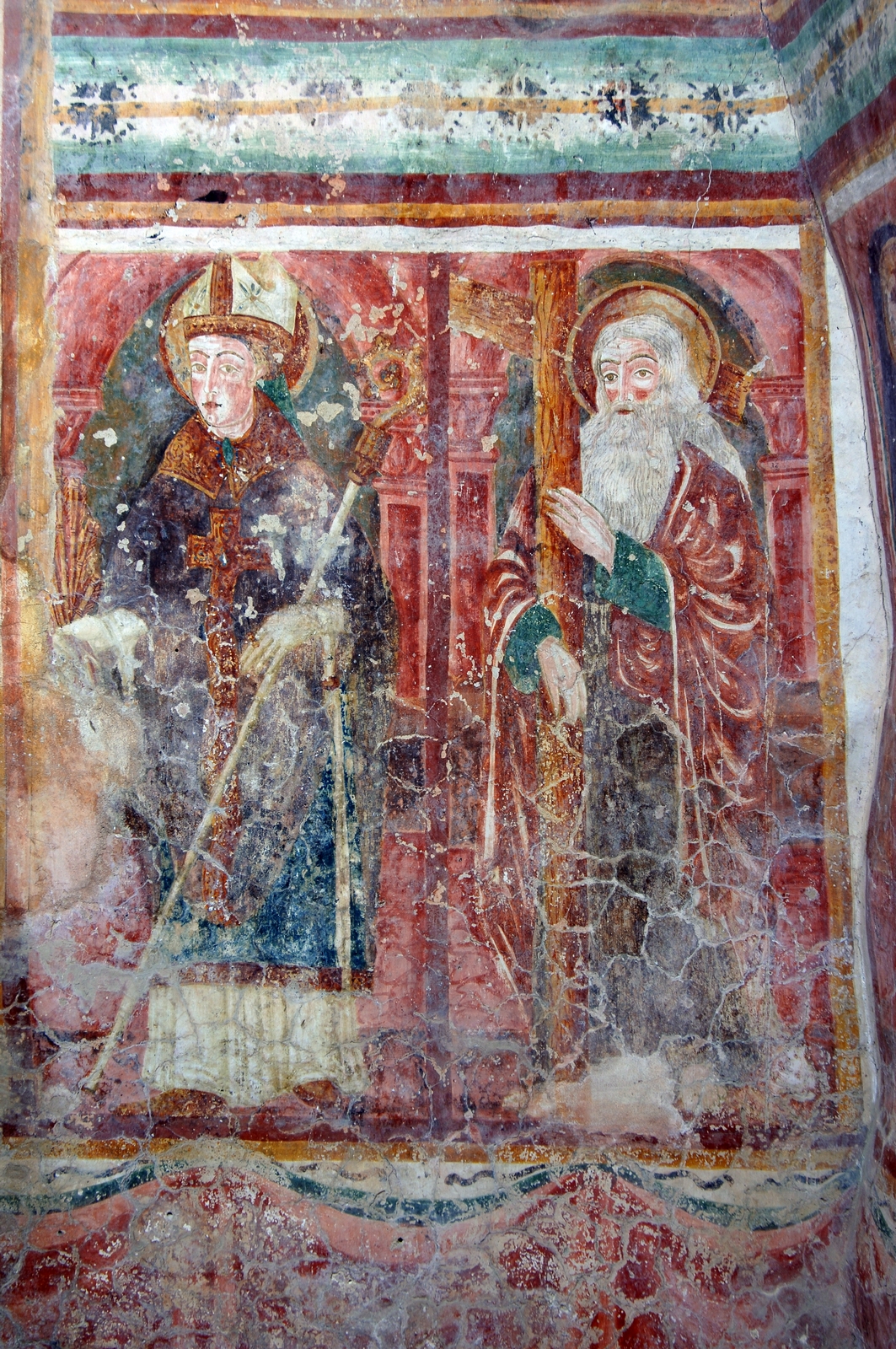
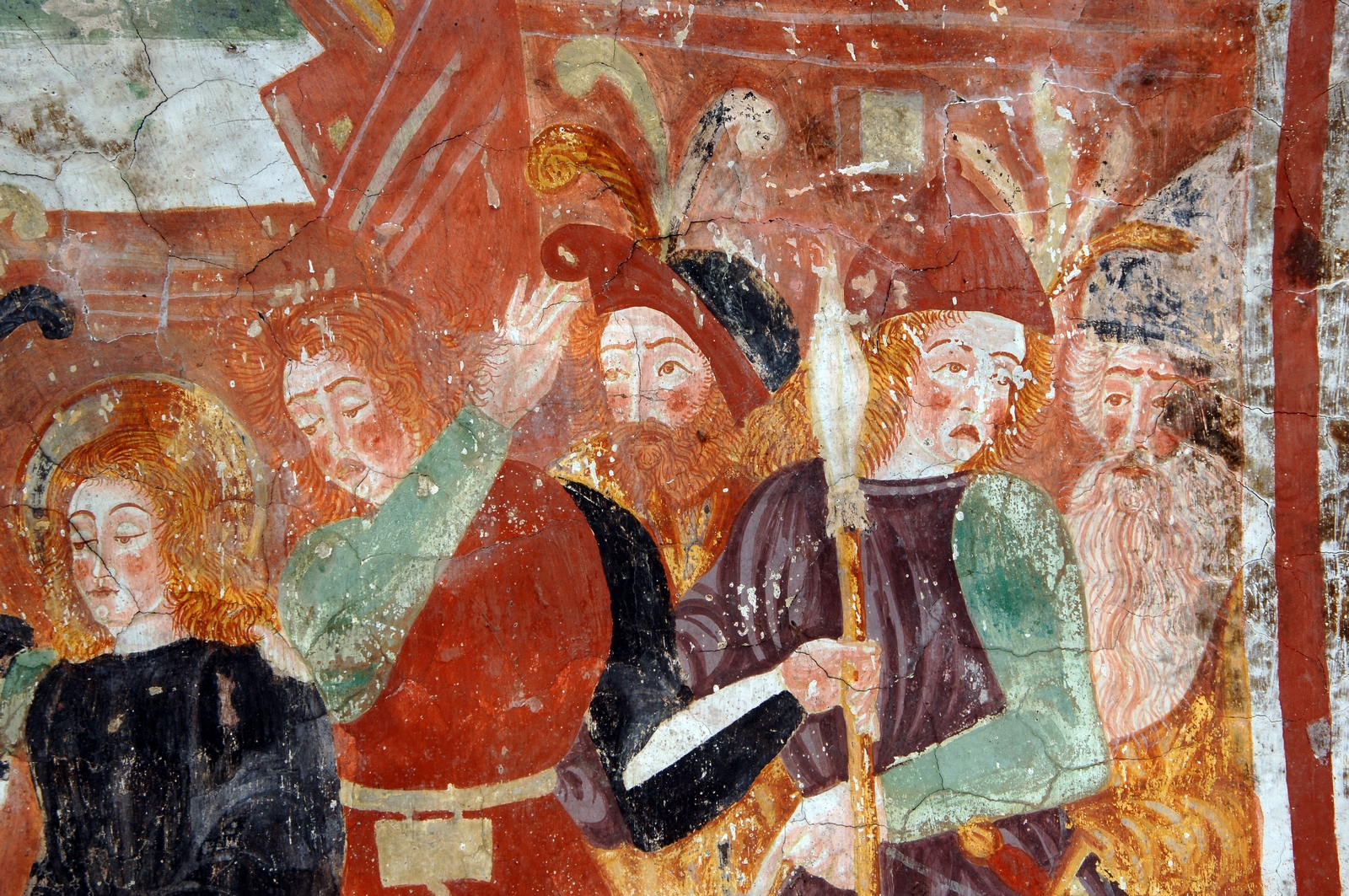
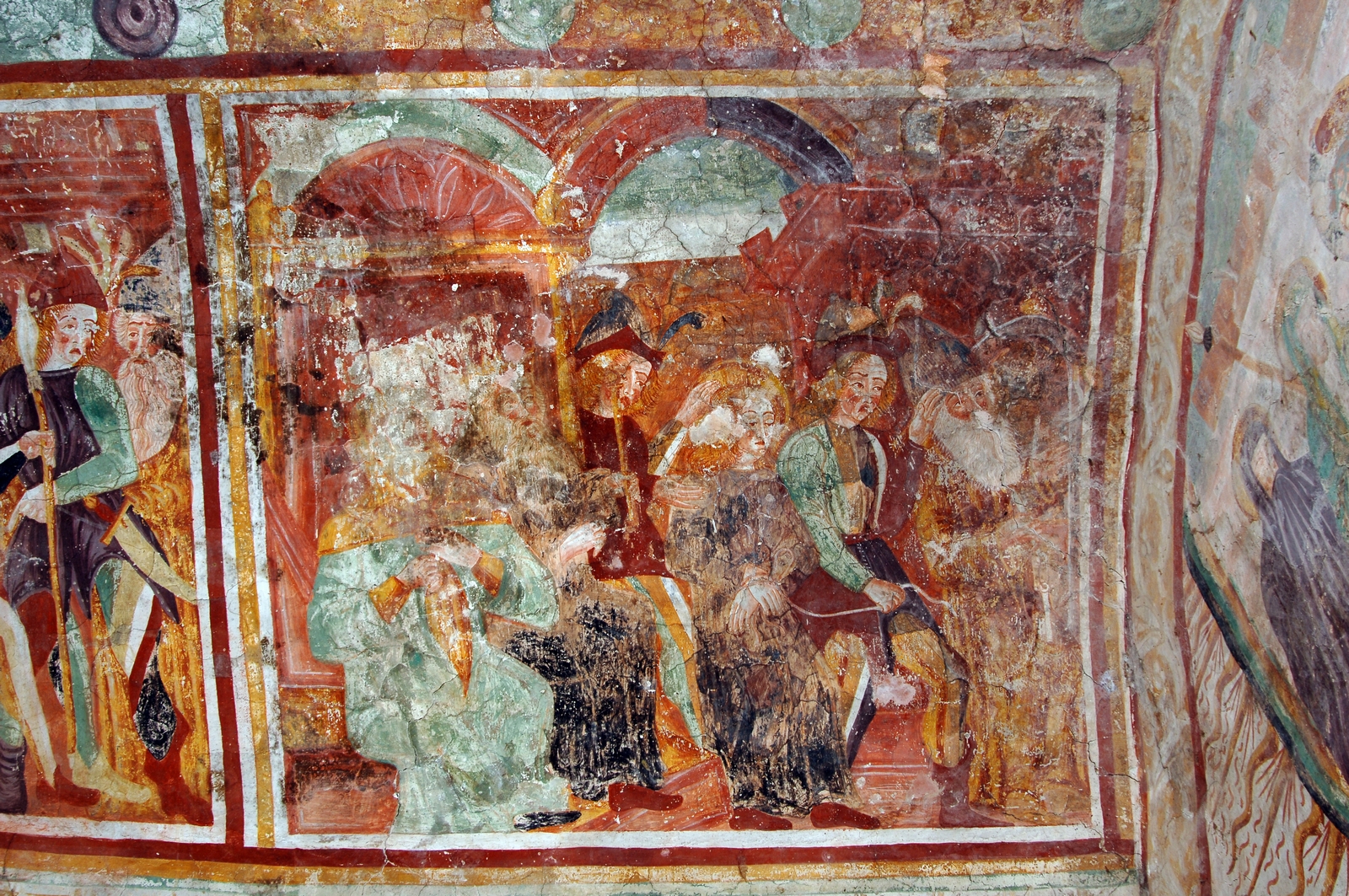
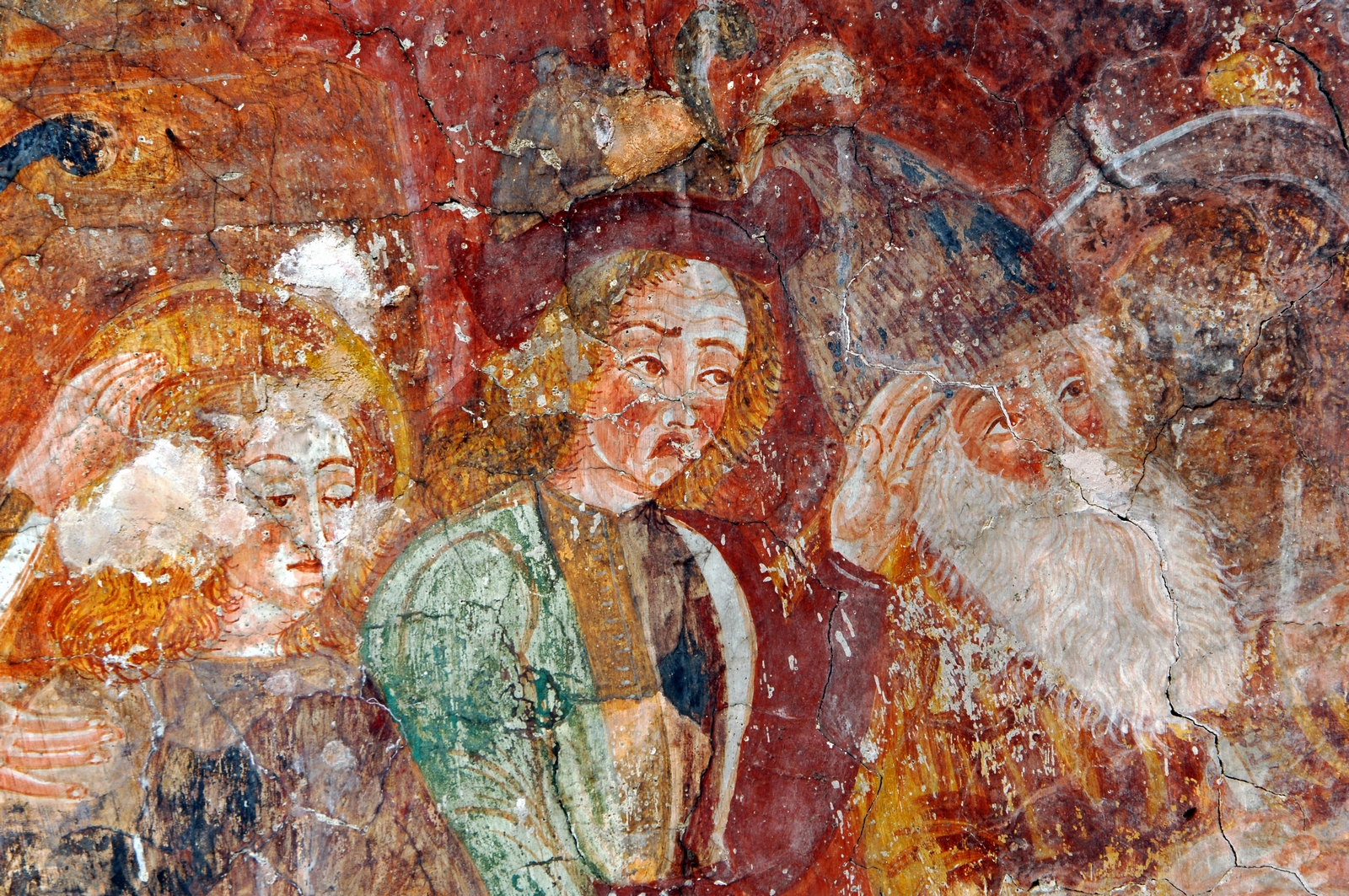
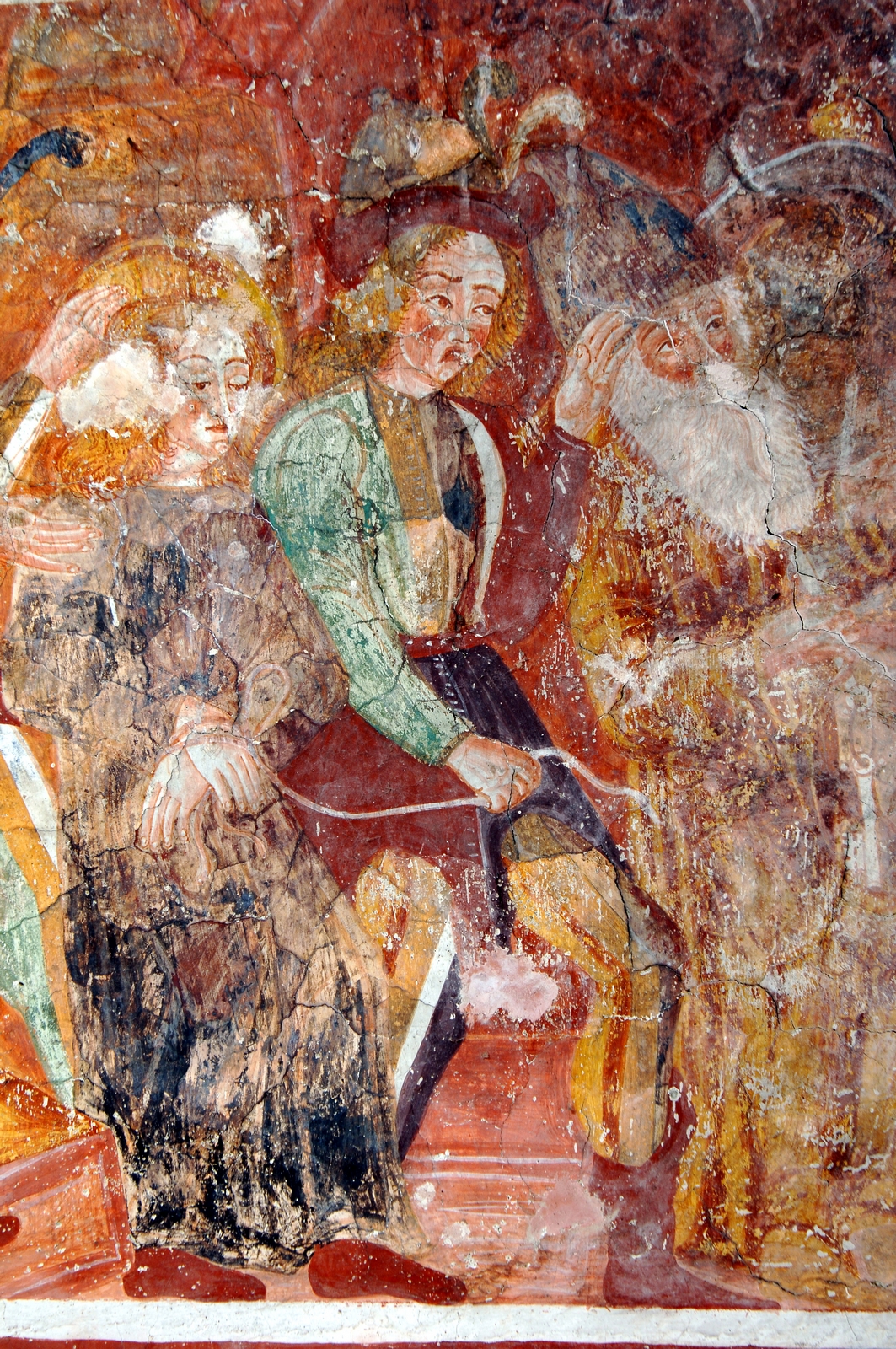
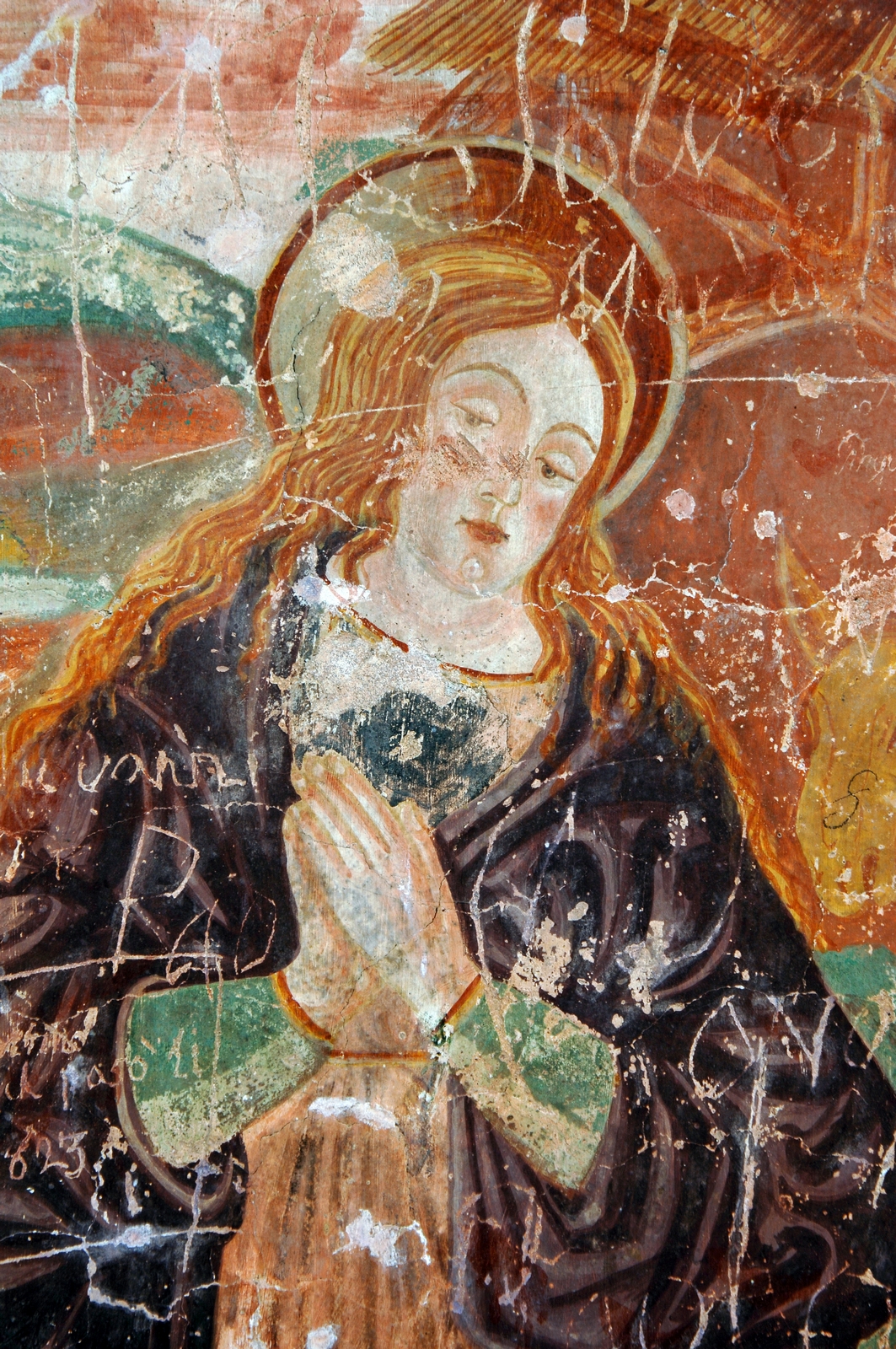
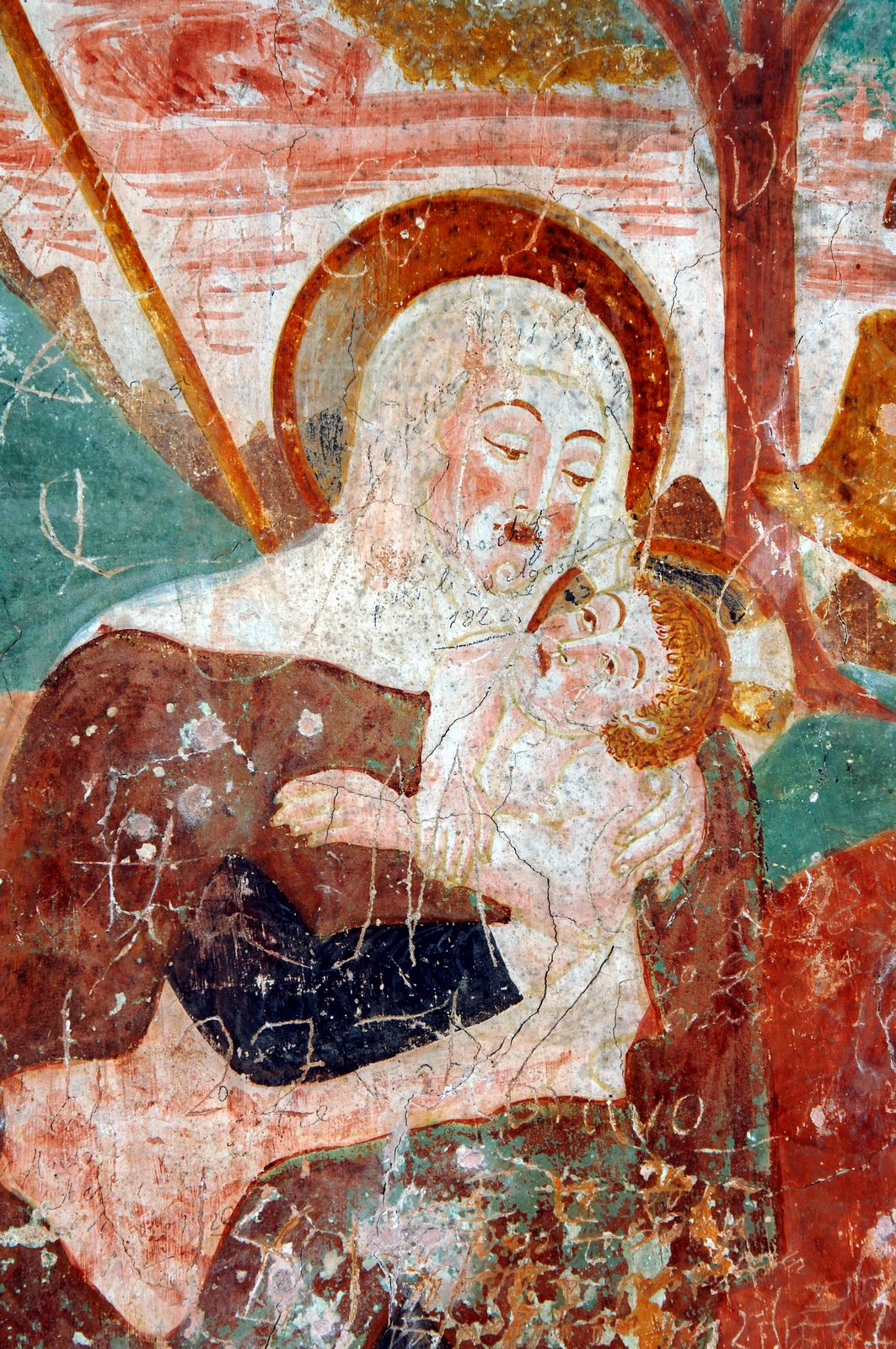
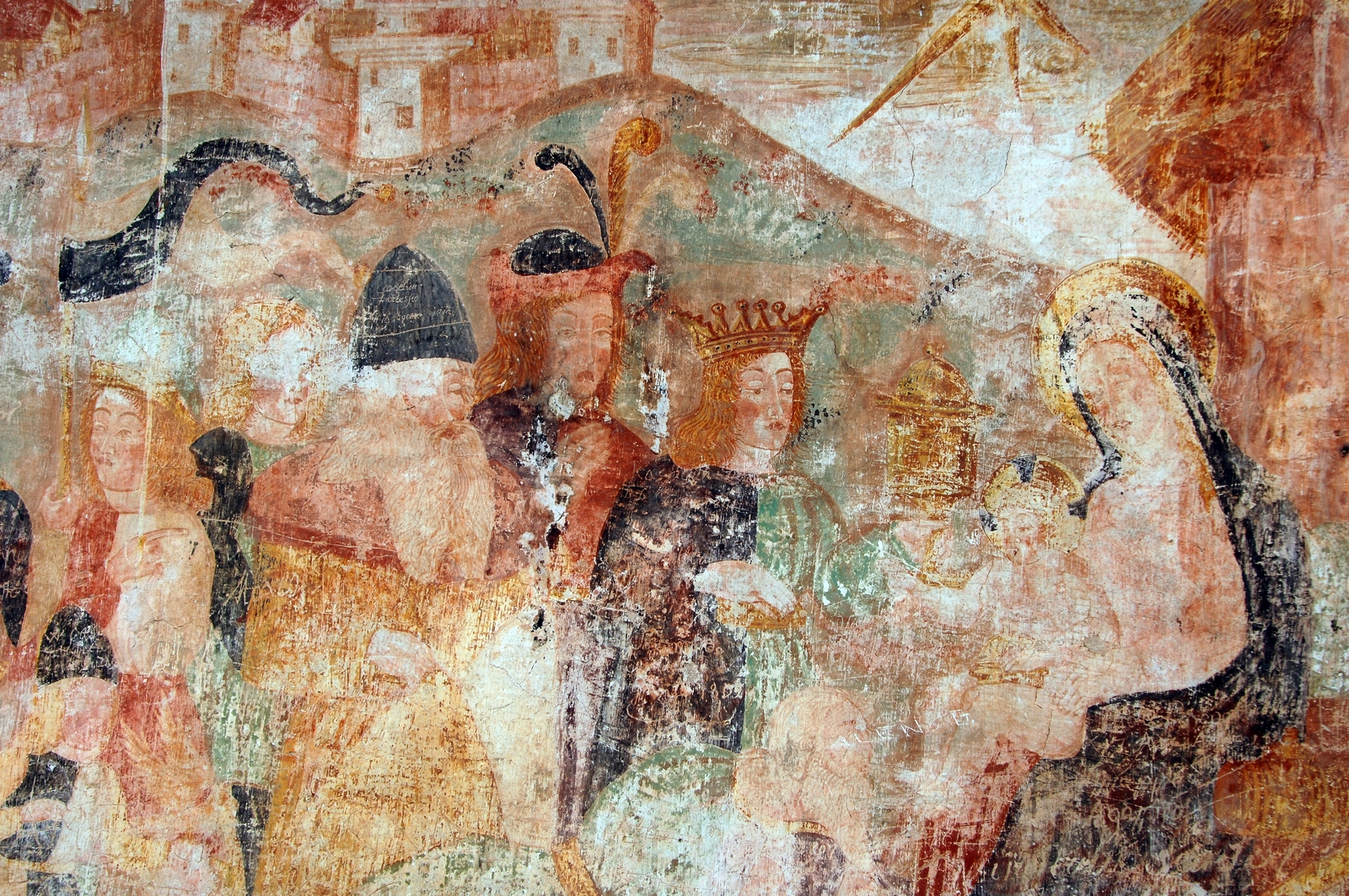
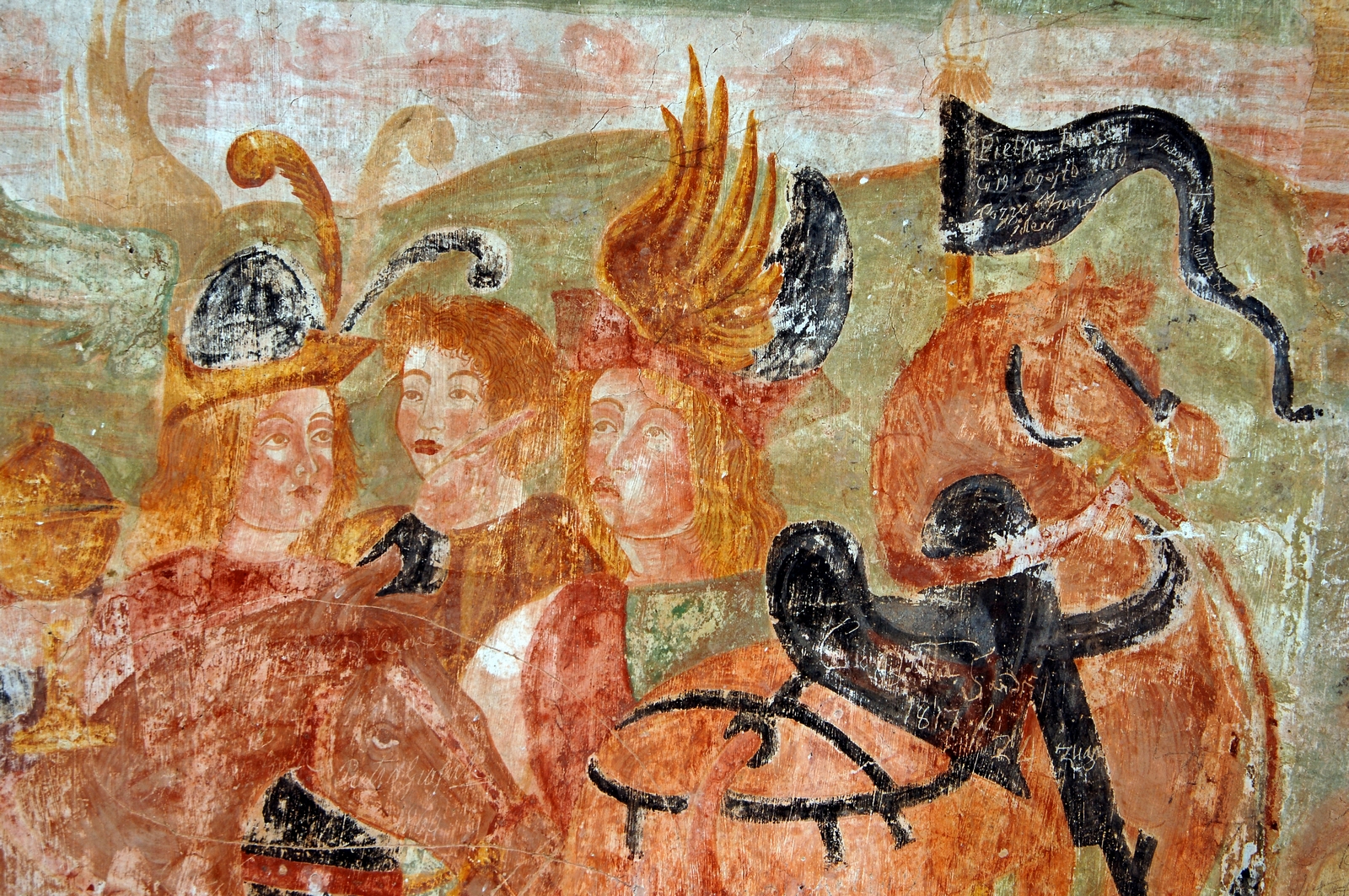
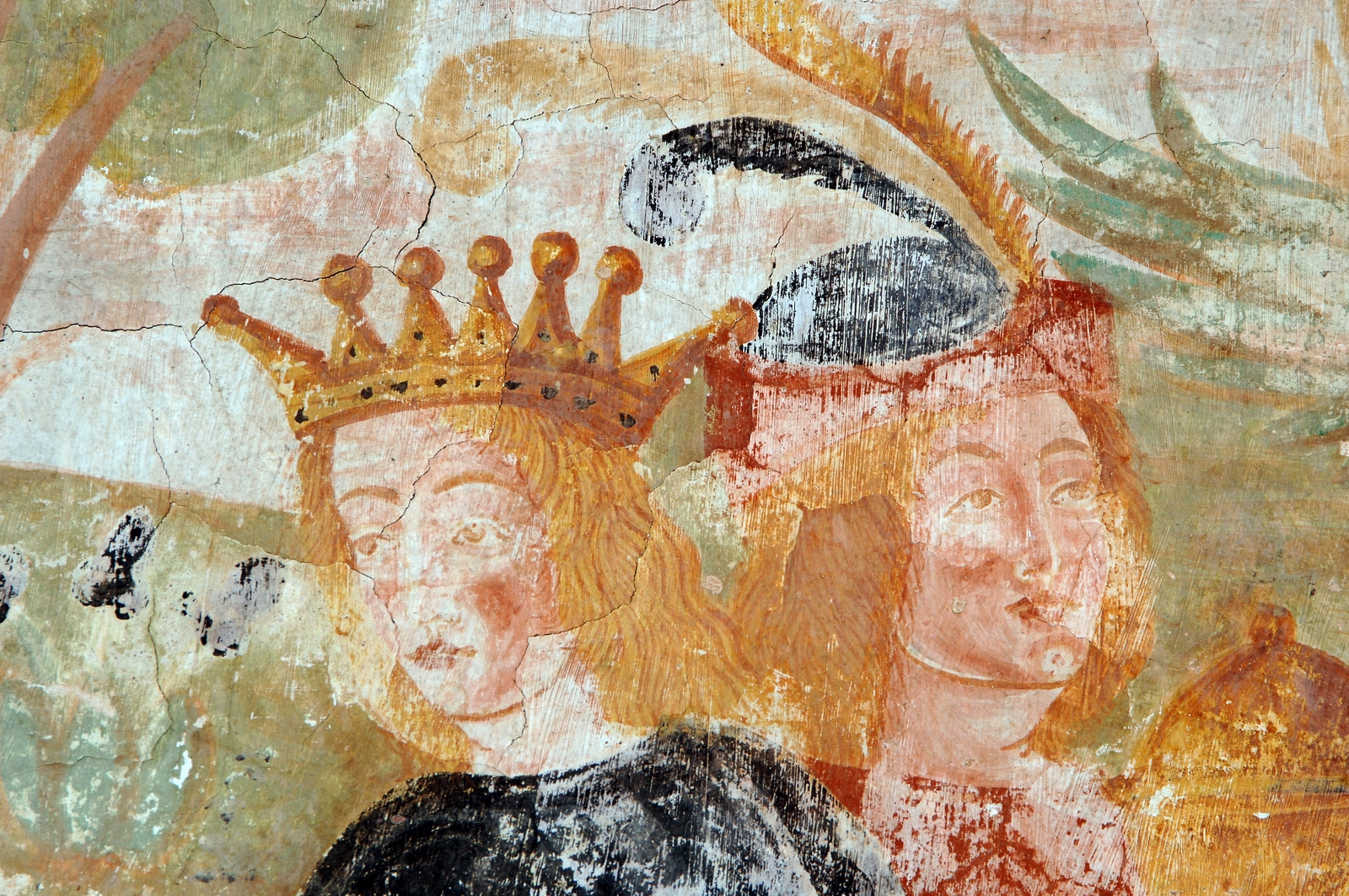
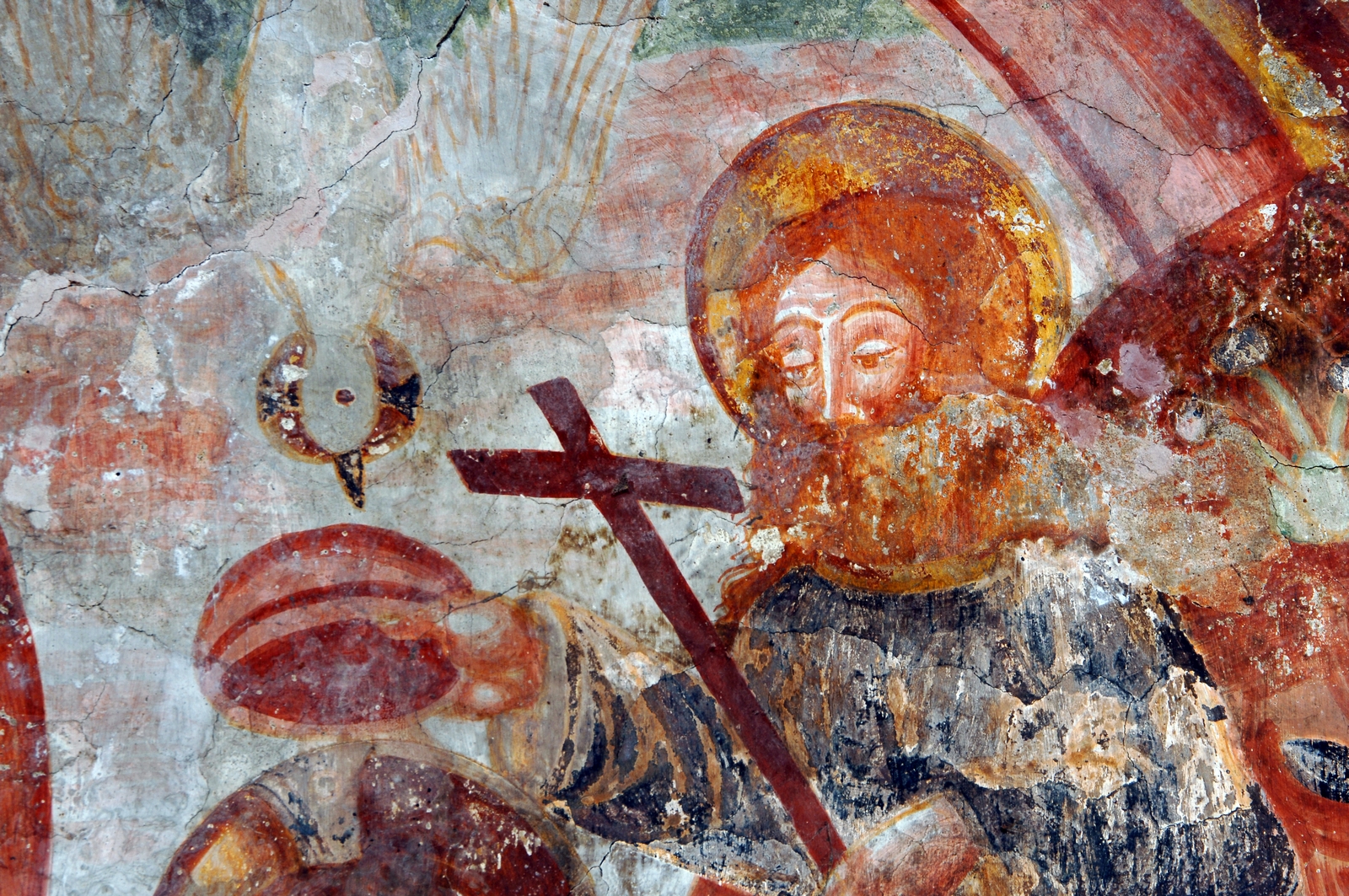
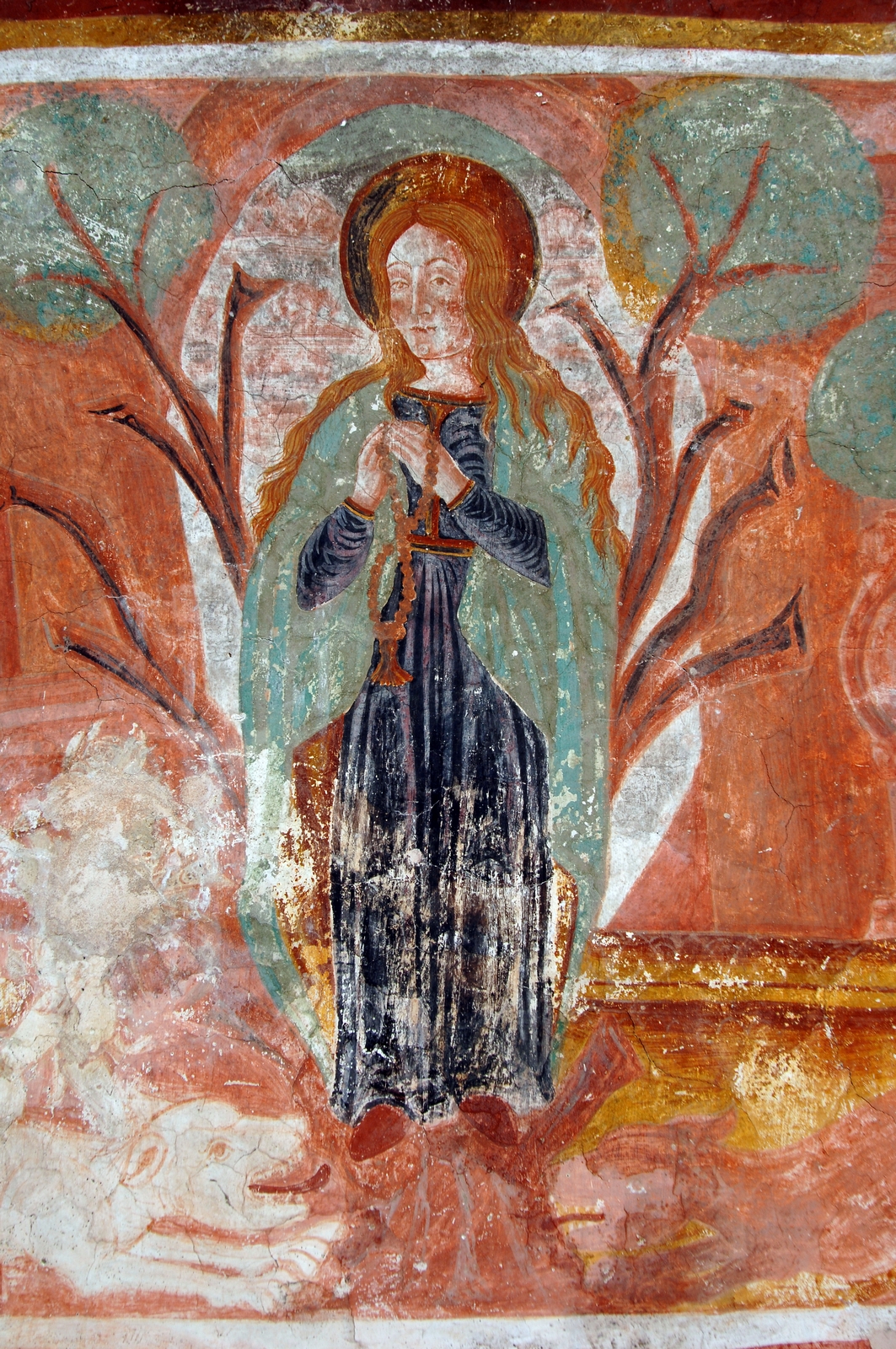
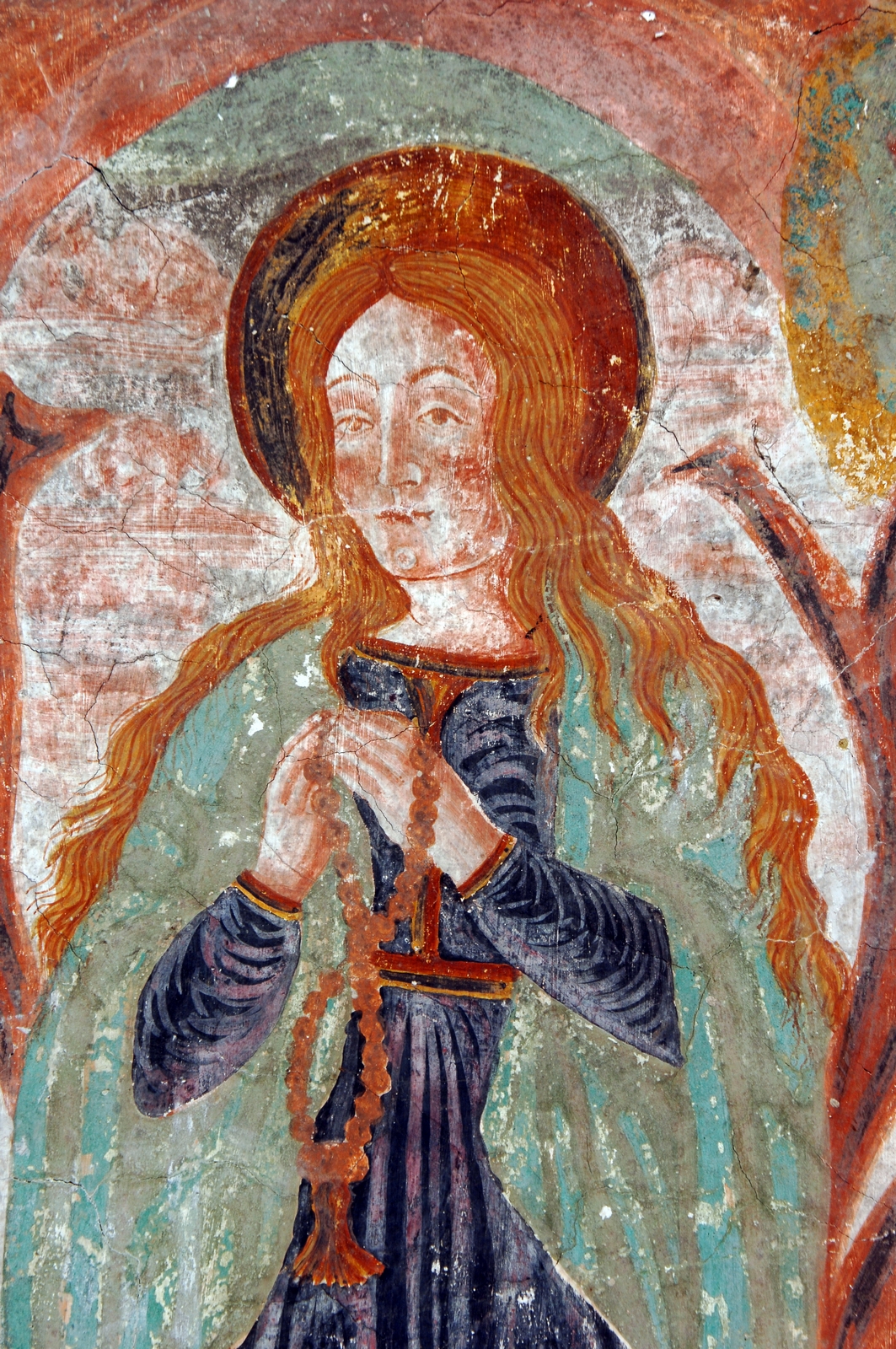
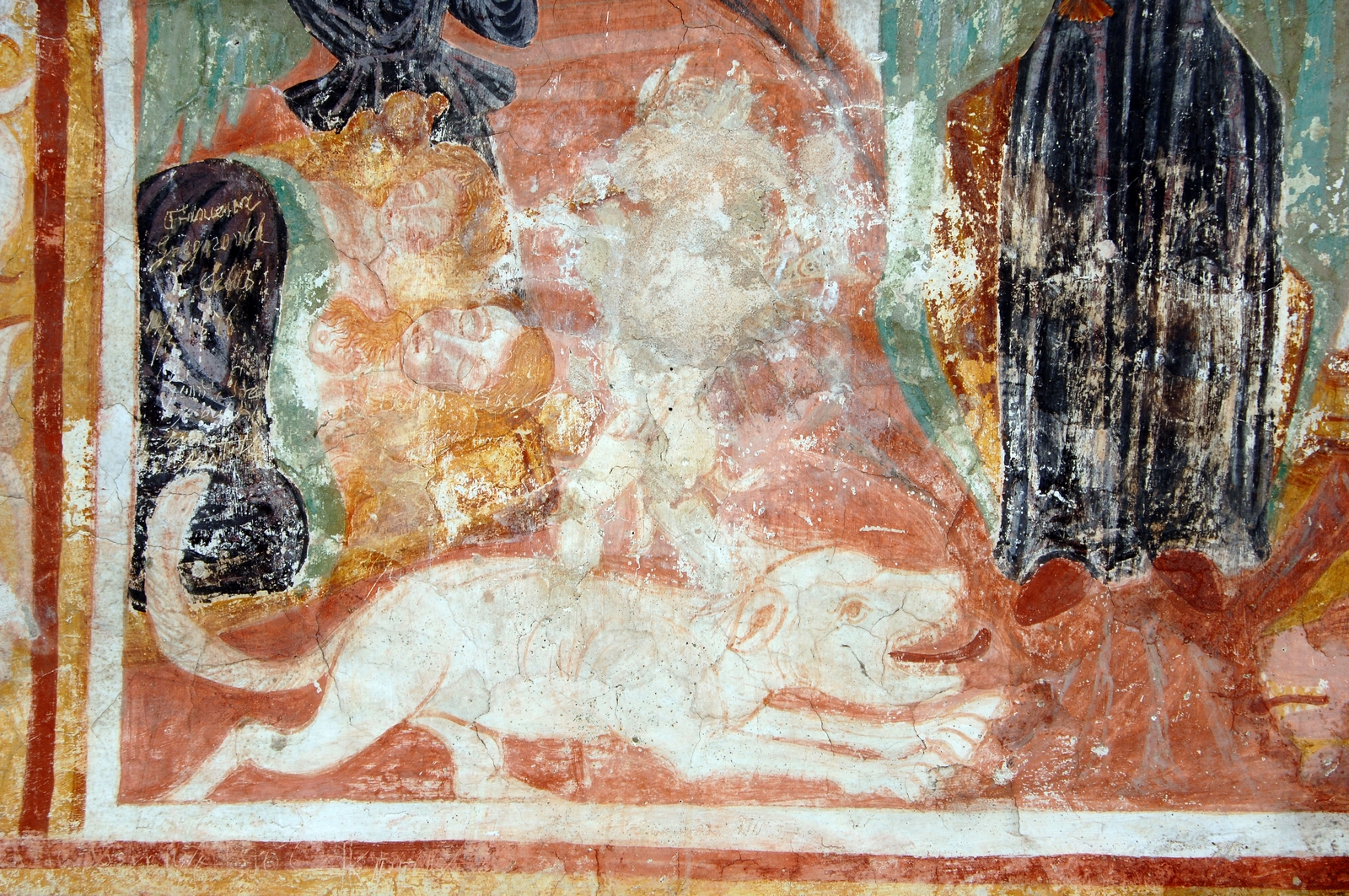
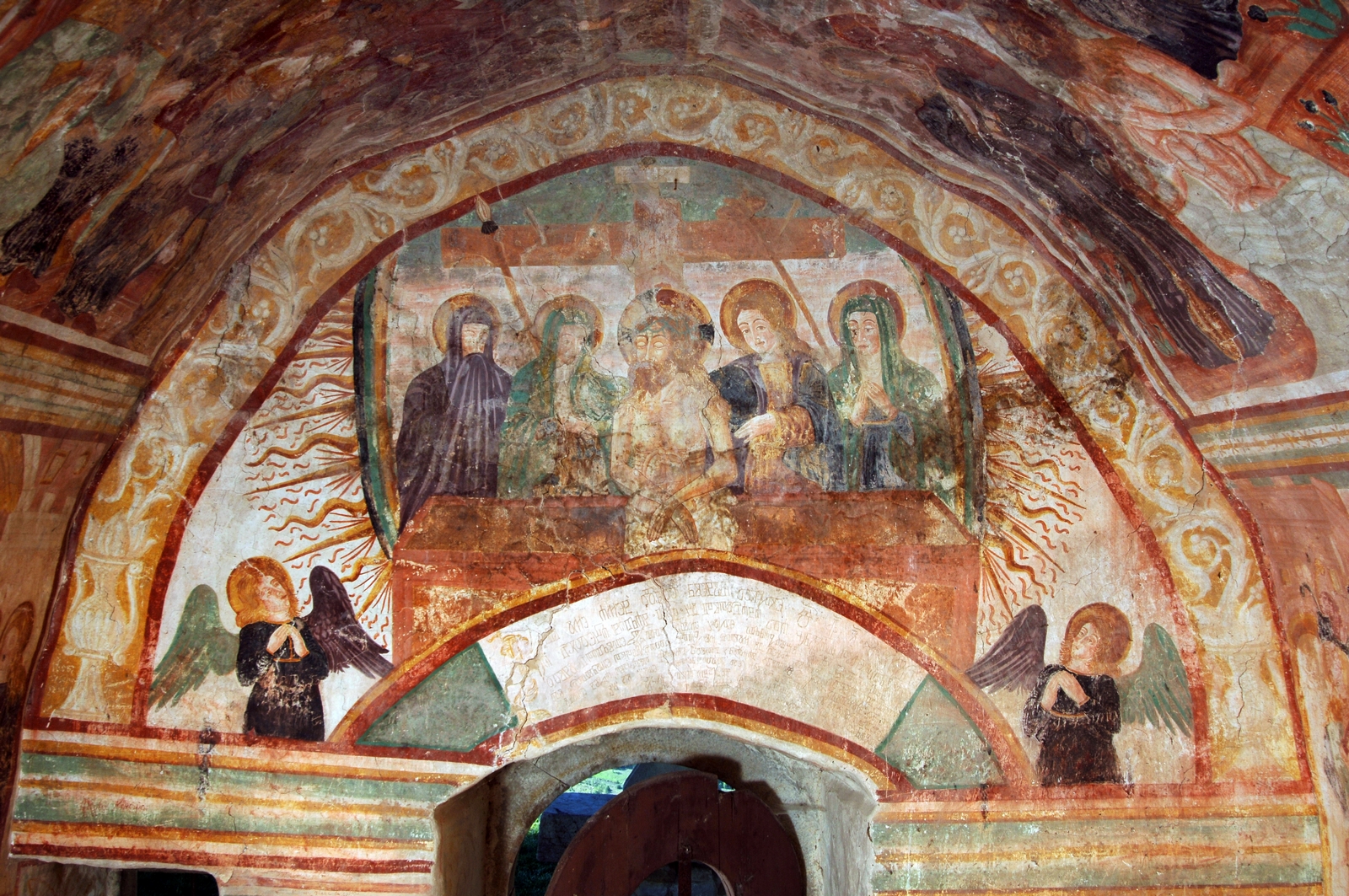
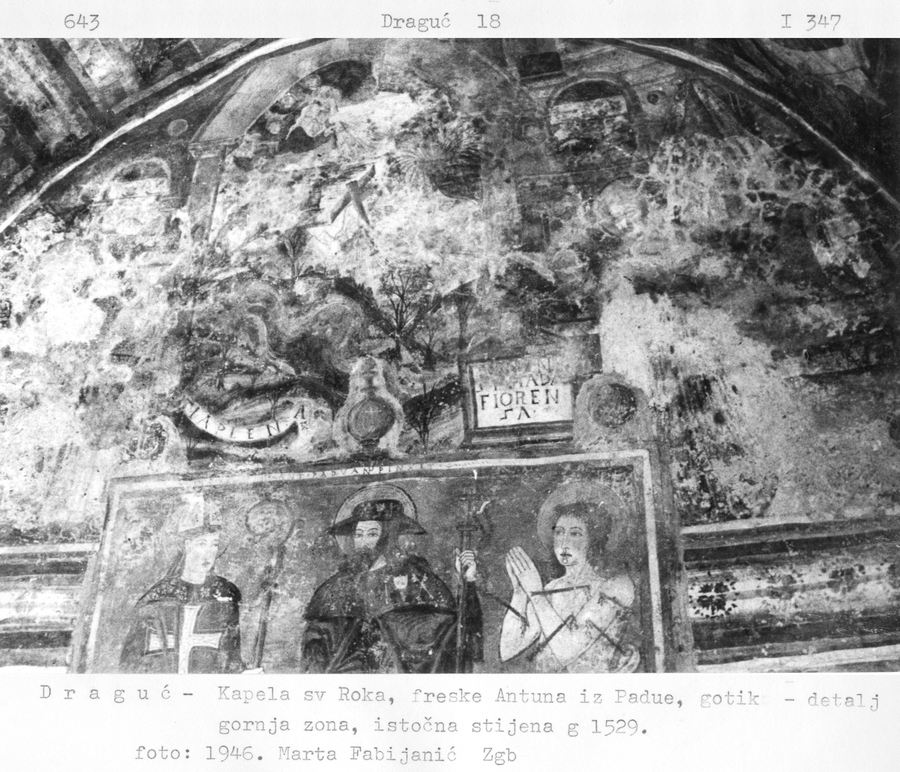
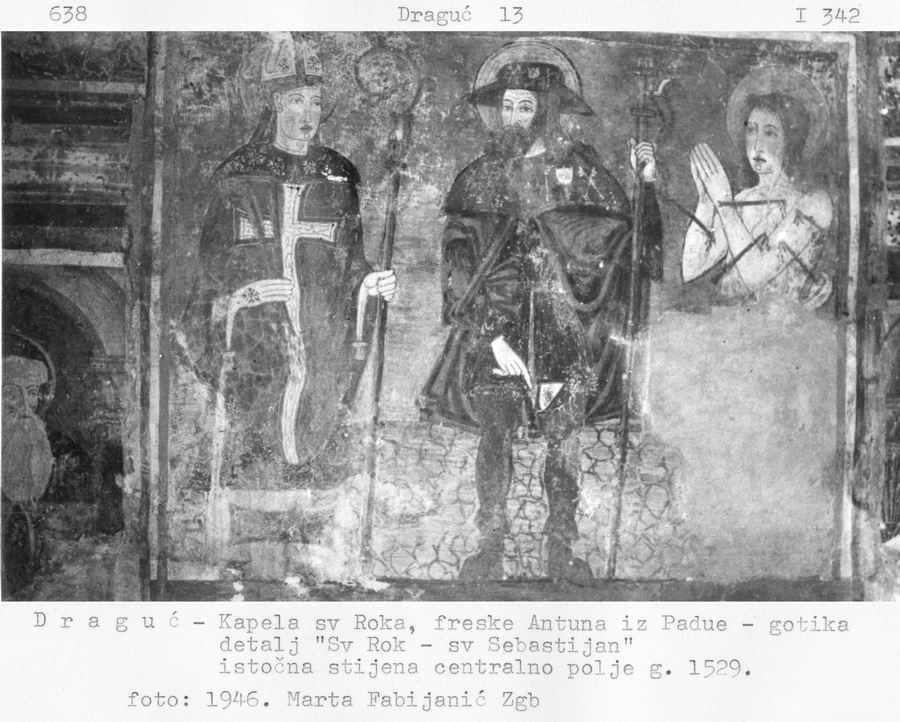
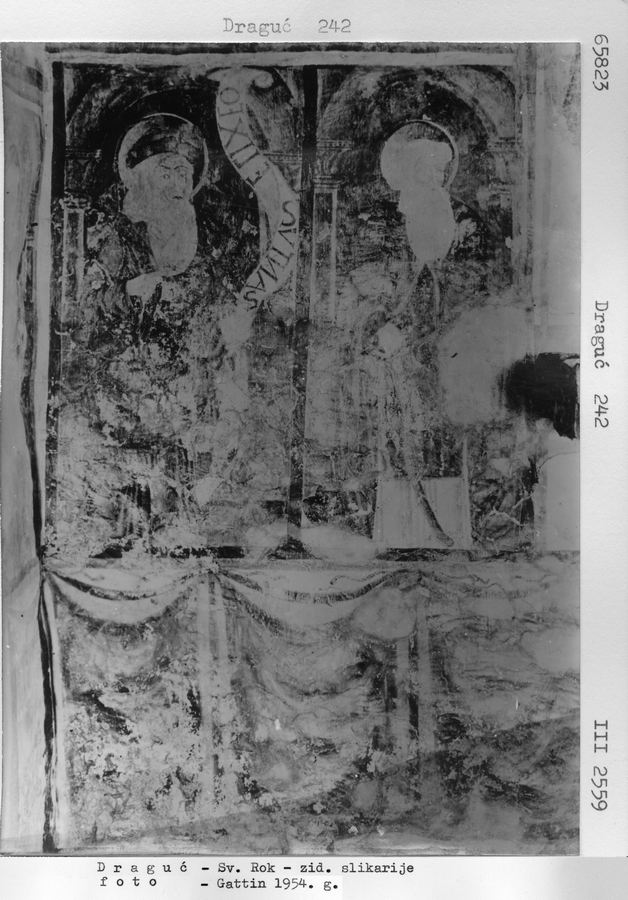
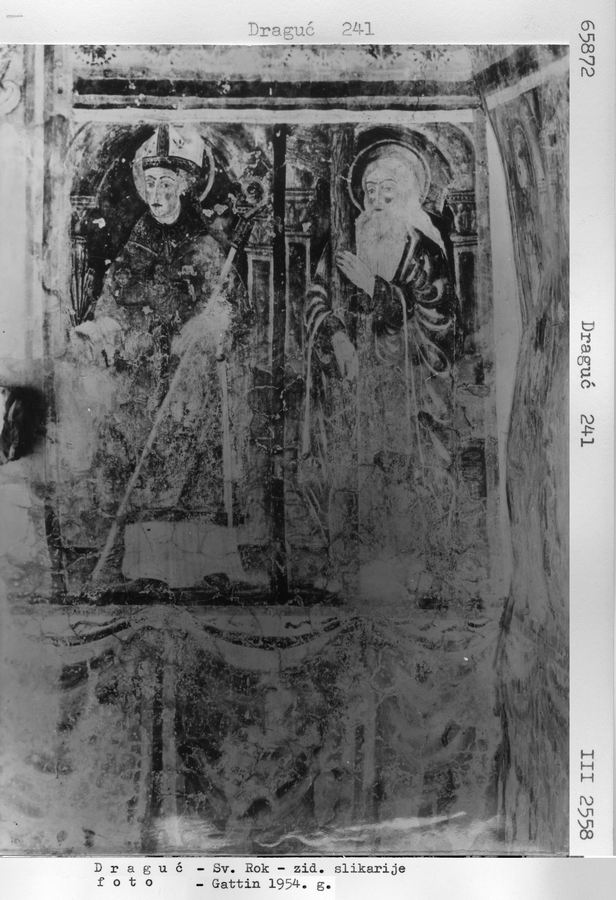
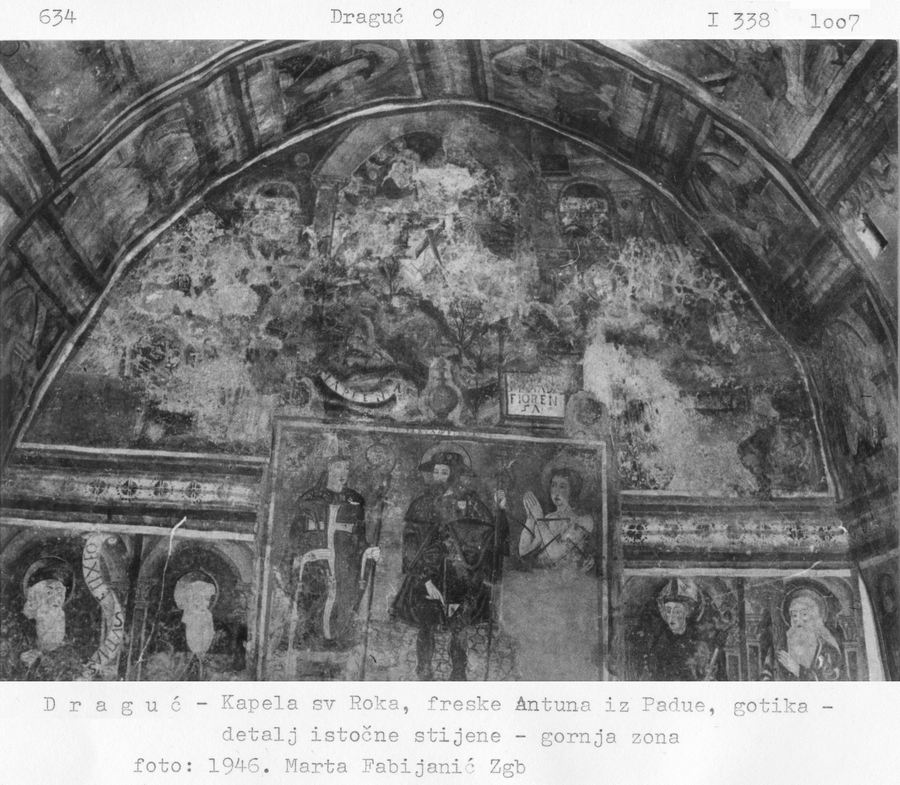
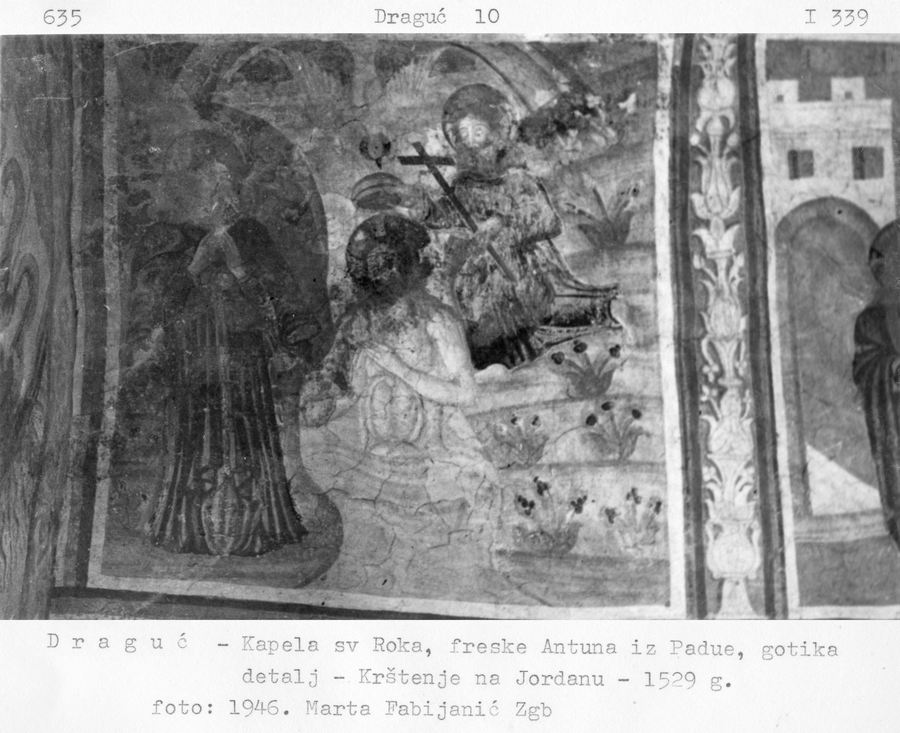
Eastern wall: 1 Annunciation, 2 Saints Roch, Fabian, and Sebastian, 3 Saints Elisha and Anthony Abbot, 4 Saints Blaise and Andrew. Southern wall: 5 Saint Gregory the Pope, 6 Prophet Daniel, 7 Prophet (?), 8 Saint Paul and Saint Lucy, 9 Ex-voto against the plague, 10 Christ before Herod, 11 Christ before Pilate (?), 12 Nativity, 13 Flight into Egypt, 14 Presentation in the Temple. Western wall: 15 Imago Pietatis, 16 A Glagolitic inscription, 17 Paradise, 18 Hell. Northern wall: 19 Baptism of Christ, 20 Temptation in the Desert, 21 Saint Margaret (?), 22 Adoration of the Magi, 23 Eucharistic Christ, 24 Still life with flowers, 25 Saint Jerome, 26 Saint Ambrose, 27 Saint Augustine, 28 Saint Apollonia and Saint Peter.
Scene locations
F. STELÈ, 1960, Umetnost v Primorju, Ljubljana, 1960., 80-81; B. FUČIĆ, 1963, Istarske freske, Zagreb, 1963., 30, KAT. 26-27; ISTI, 1964A, Srednjovjekovno zidno slikarstvo u Istri, doktorska disertacija, Filozofski fakultet Sveučilišta u Ljubljani, Rijeka-Ljubljana, 1964., 336-338, KAT. 404-406; ISTI, 1982, Glagoljski natpisi, Zagreb, 1982., 137-142; M. PELC, 2007, Renesansa, Zagreb 2007., 501-502; Ž. BISTROVIĆ, 2011, Šareni trag istarskih fresaka, Pula, 2011., 63-73.