


Bale, Church of the Holy Spirit
Century/year: second half of the 15th century
Historical-cultural period: Gothic style
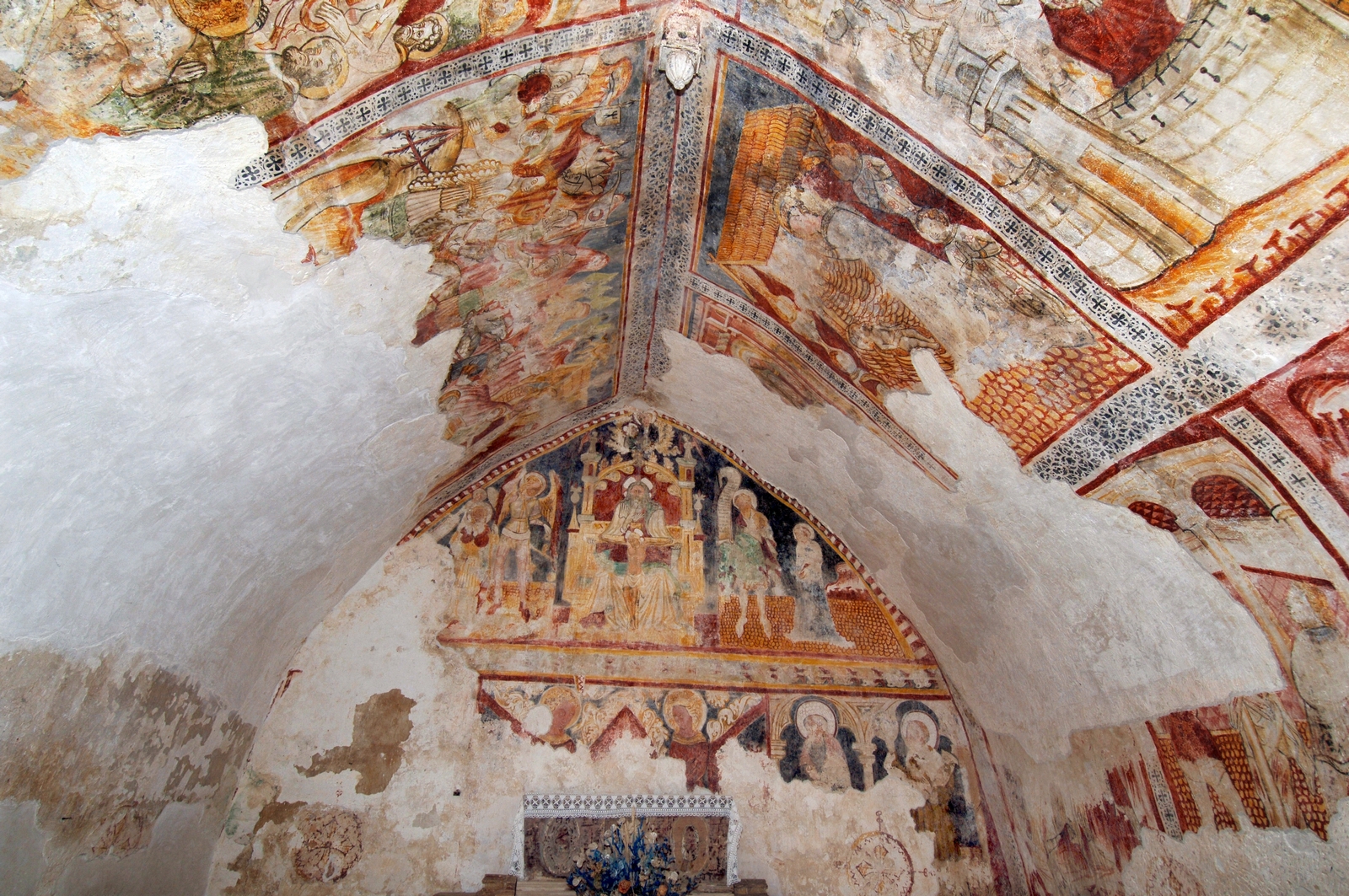
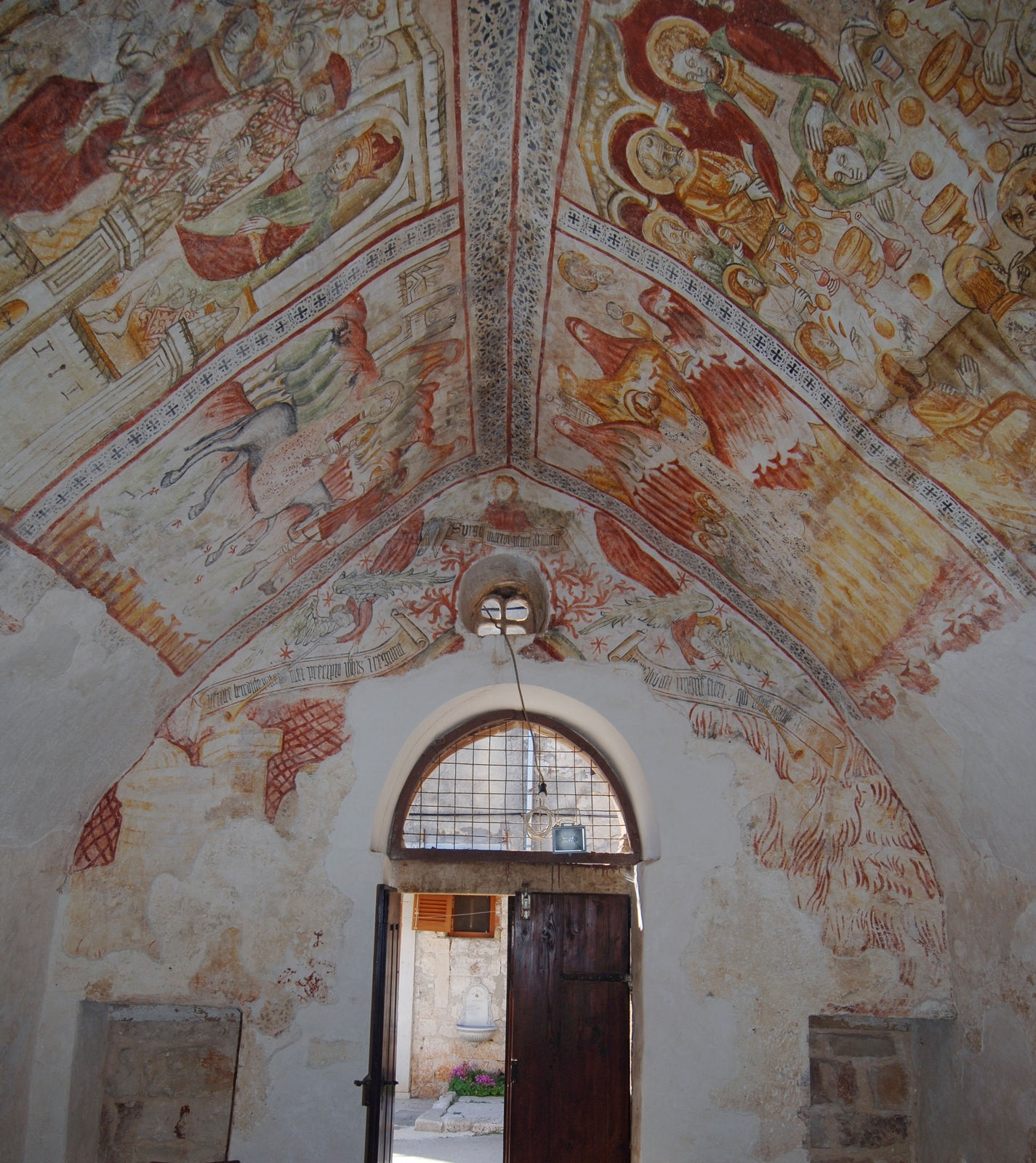
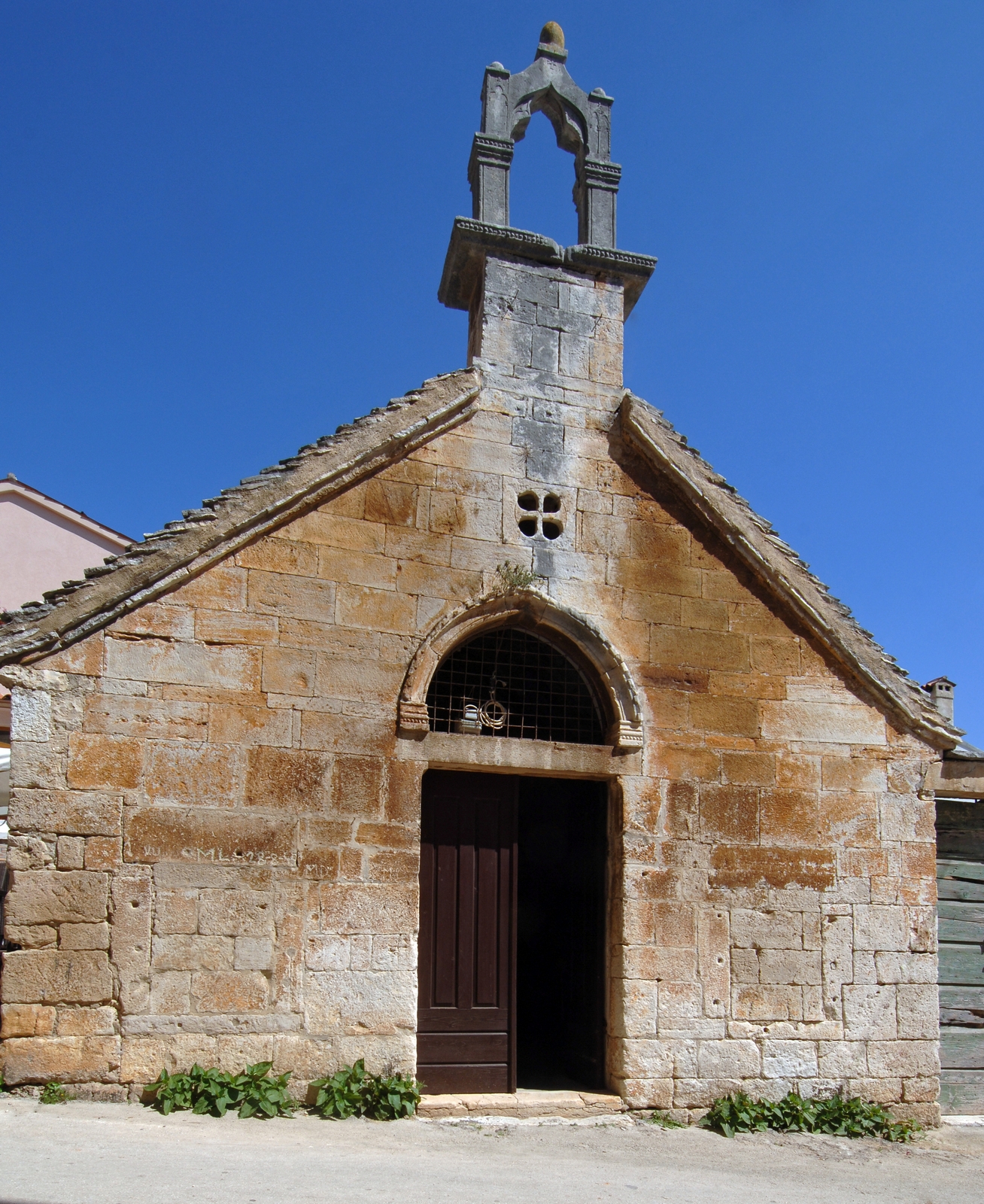
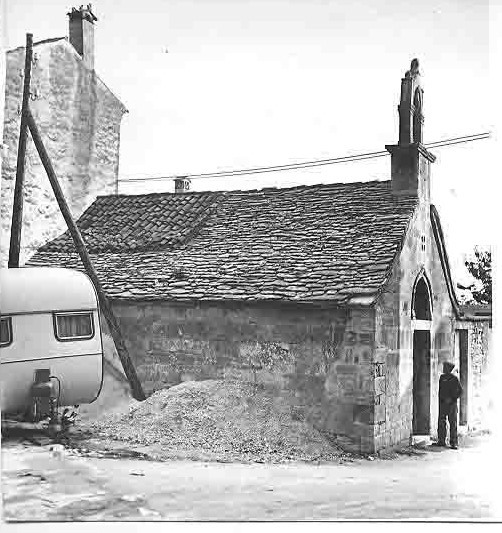
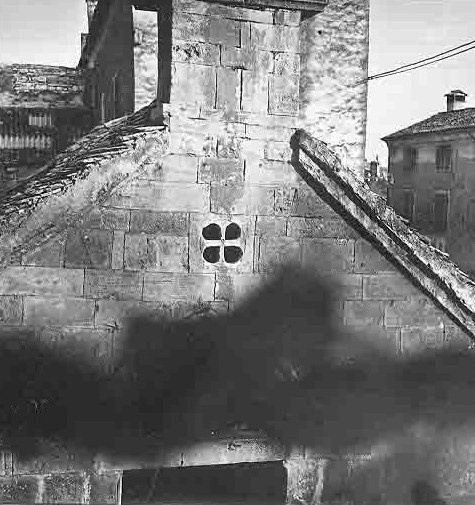
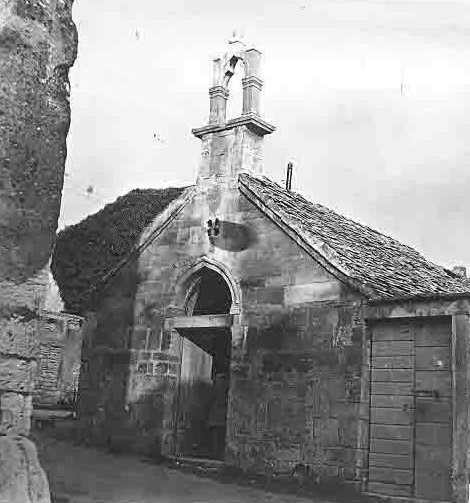
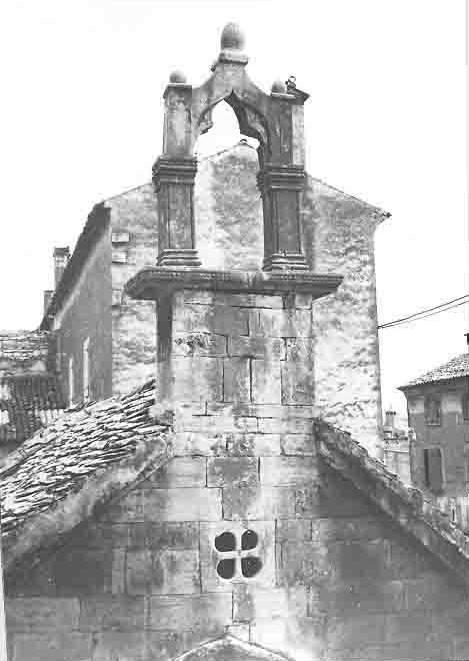
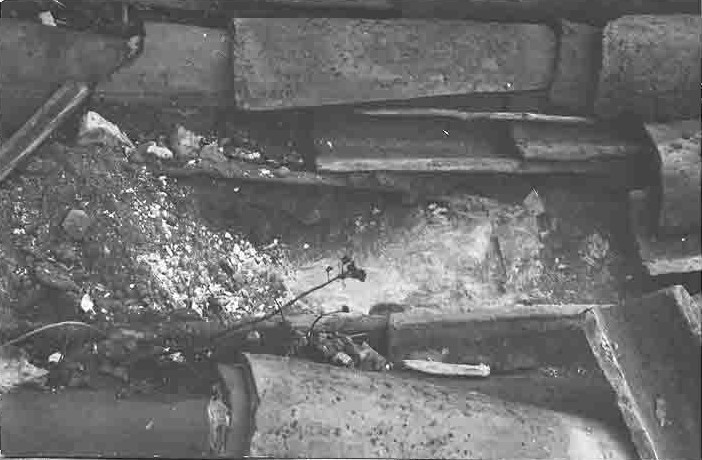
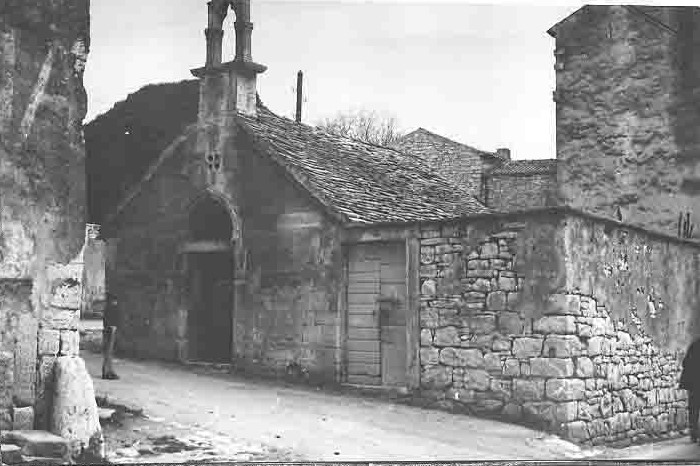
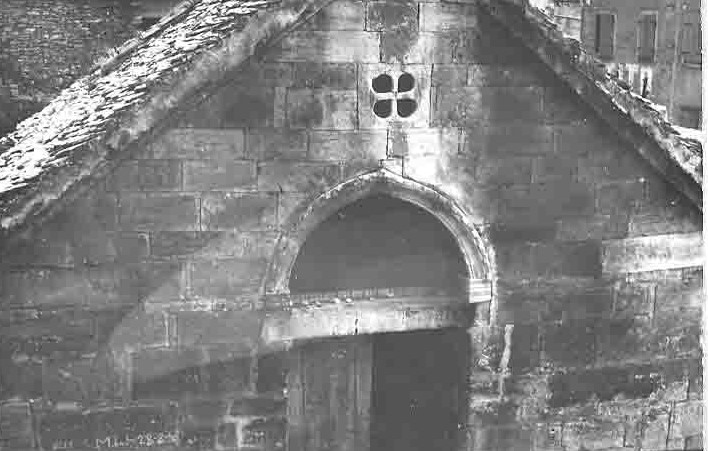
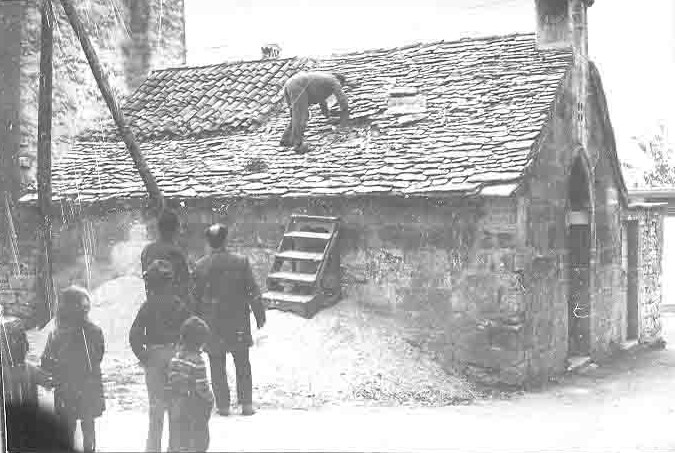
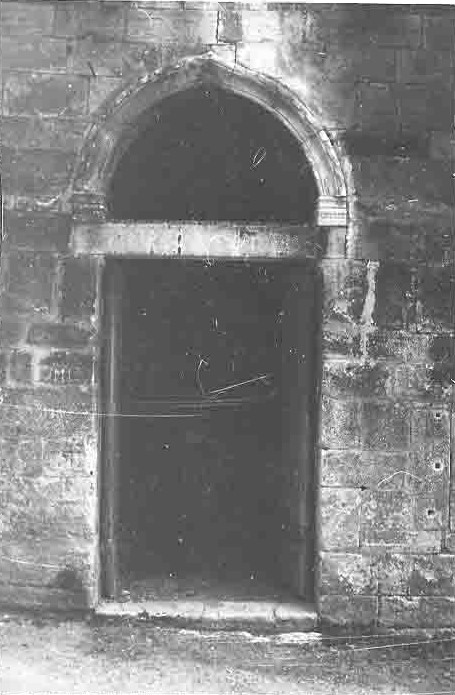
Outside the medieval town walls of Bale stands the Church of the Holy Spirit, situated near the main square. This single-nave church has a rectangular ground plan and lacks a projecting apse, and is covered by a pointed barrel vault. The façade is articulated by an entrance portal with a moulded pointed arch, above which is a simplified rose window. The appearance of the façade is further accentuated by a richly decorated bell-cote, while the roof is covered with original stone slabs.
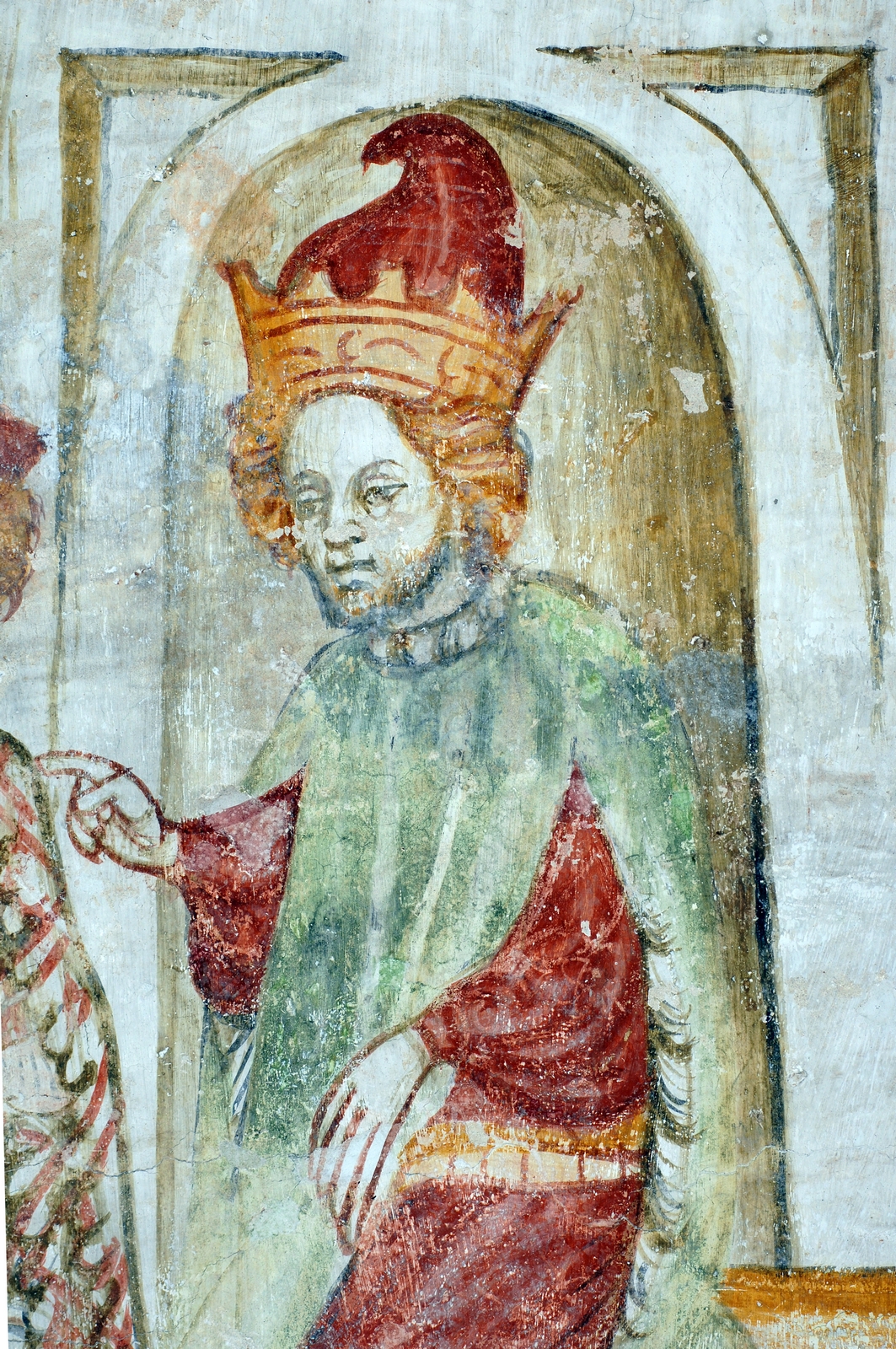
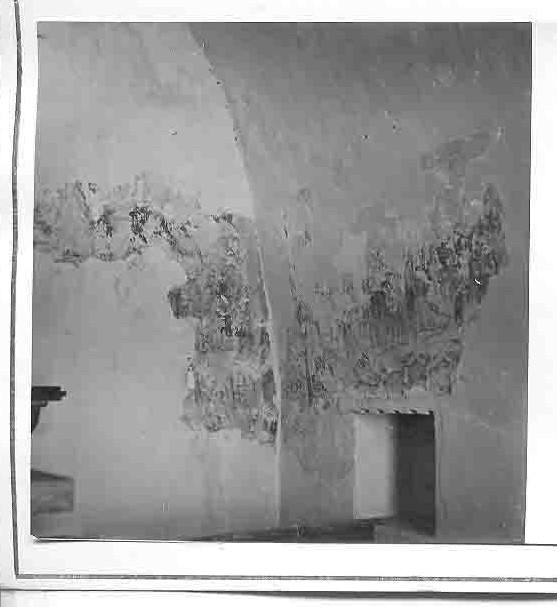
The interior of the church is entirely decorated with frescoes dating from the second half of the fifteenth century, whose authorship has been attributed to Master Albert of Constance. The same master executed wall paintings in the nearby cemetery church of St Anthony in Bale. Albert of Constance’s activity on the Istrian peninsula is documented by inscriptions in the Church of St Vitus in Paz, dated 1461, and in the parish church of St George in Plomin, dated 1474.
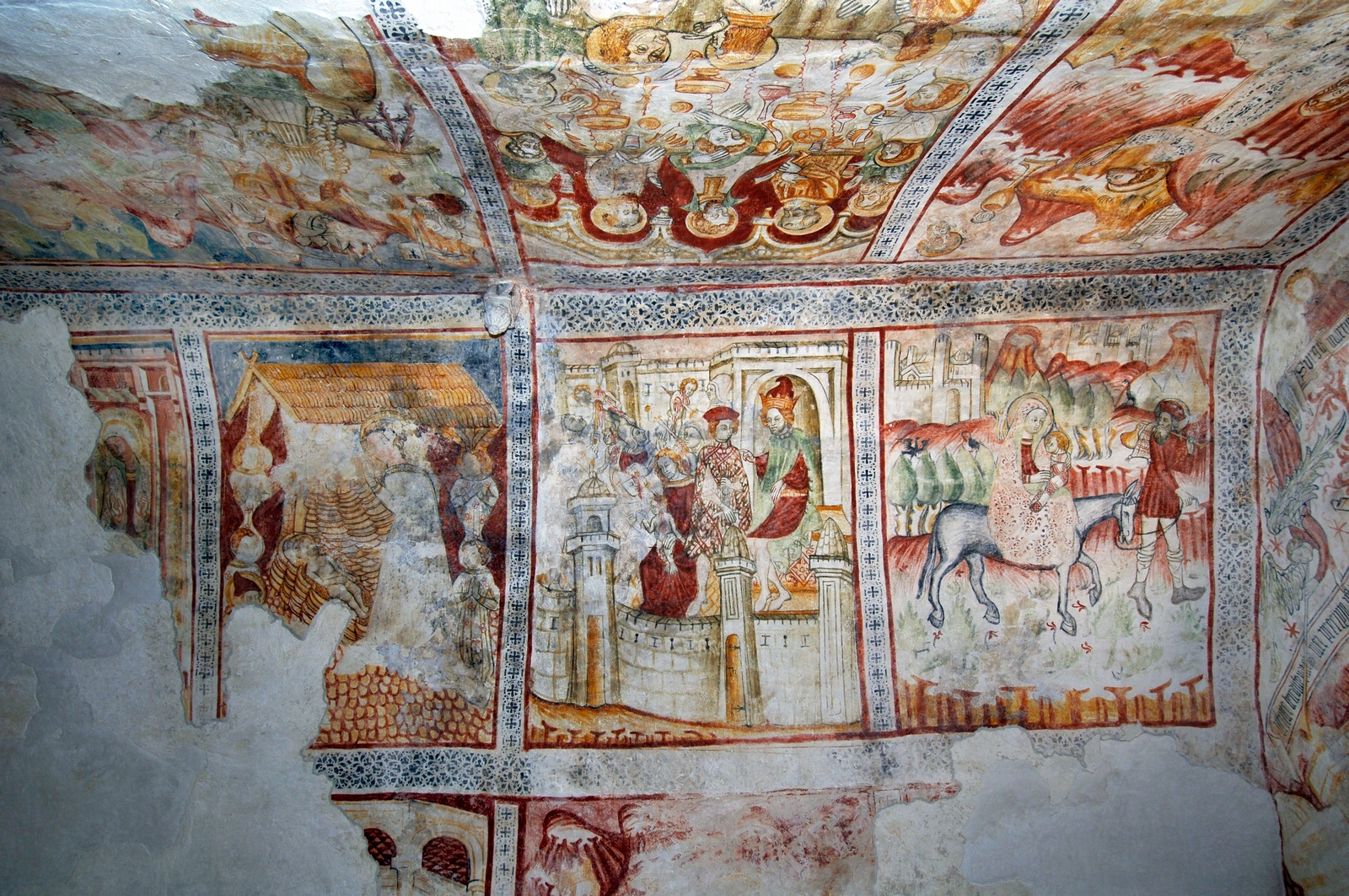
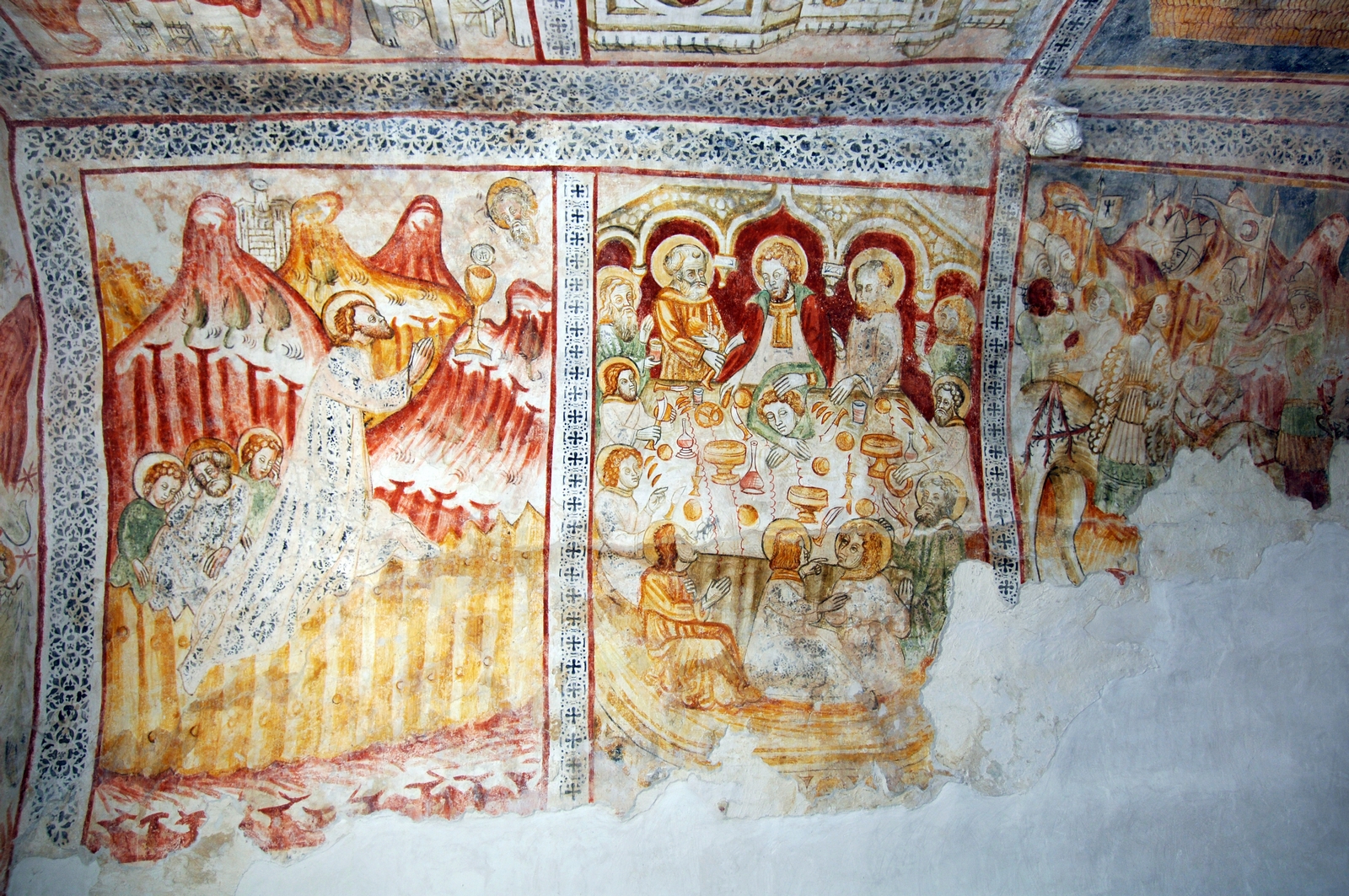
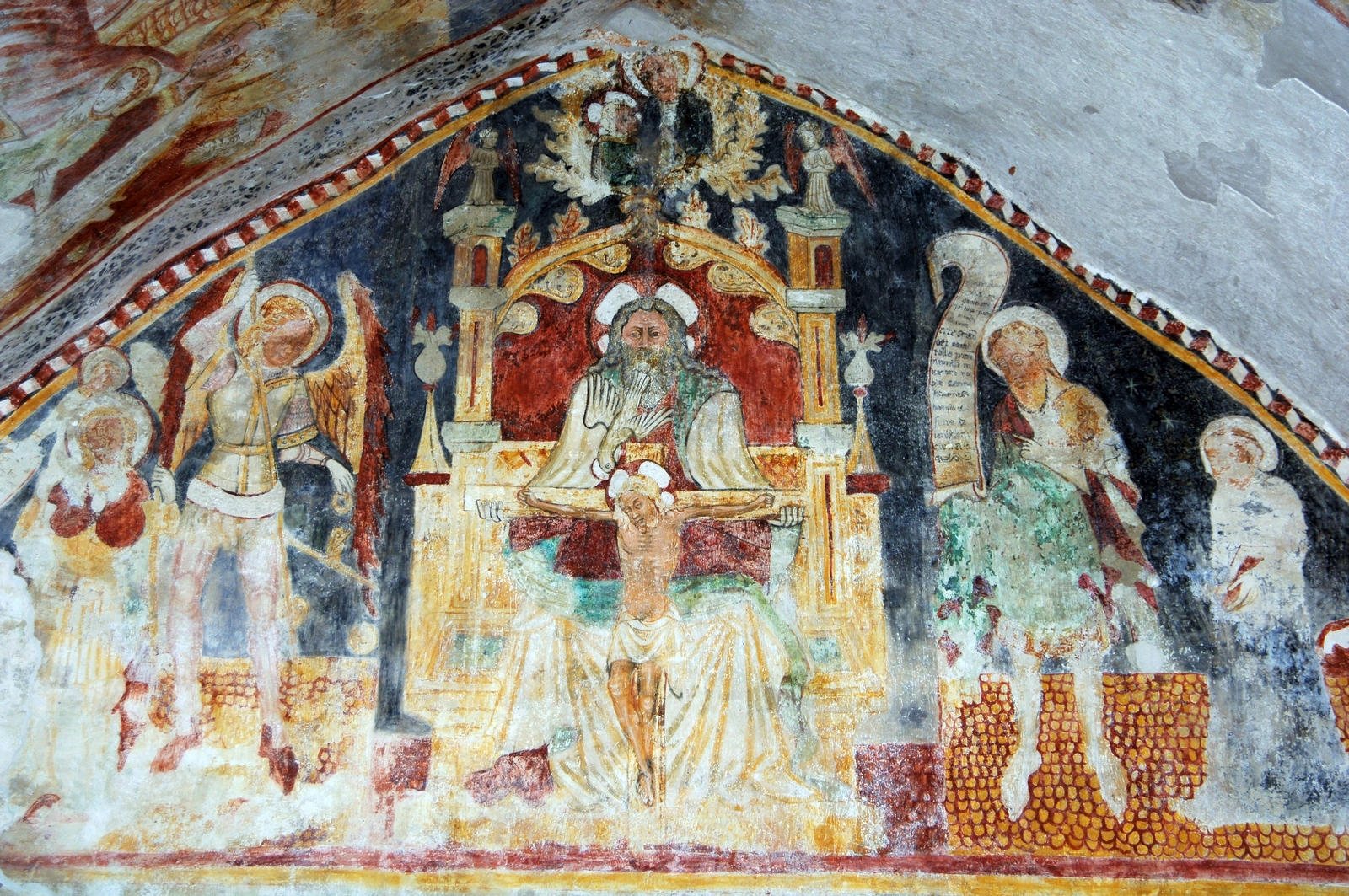
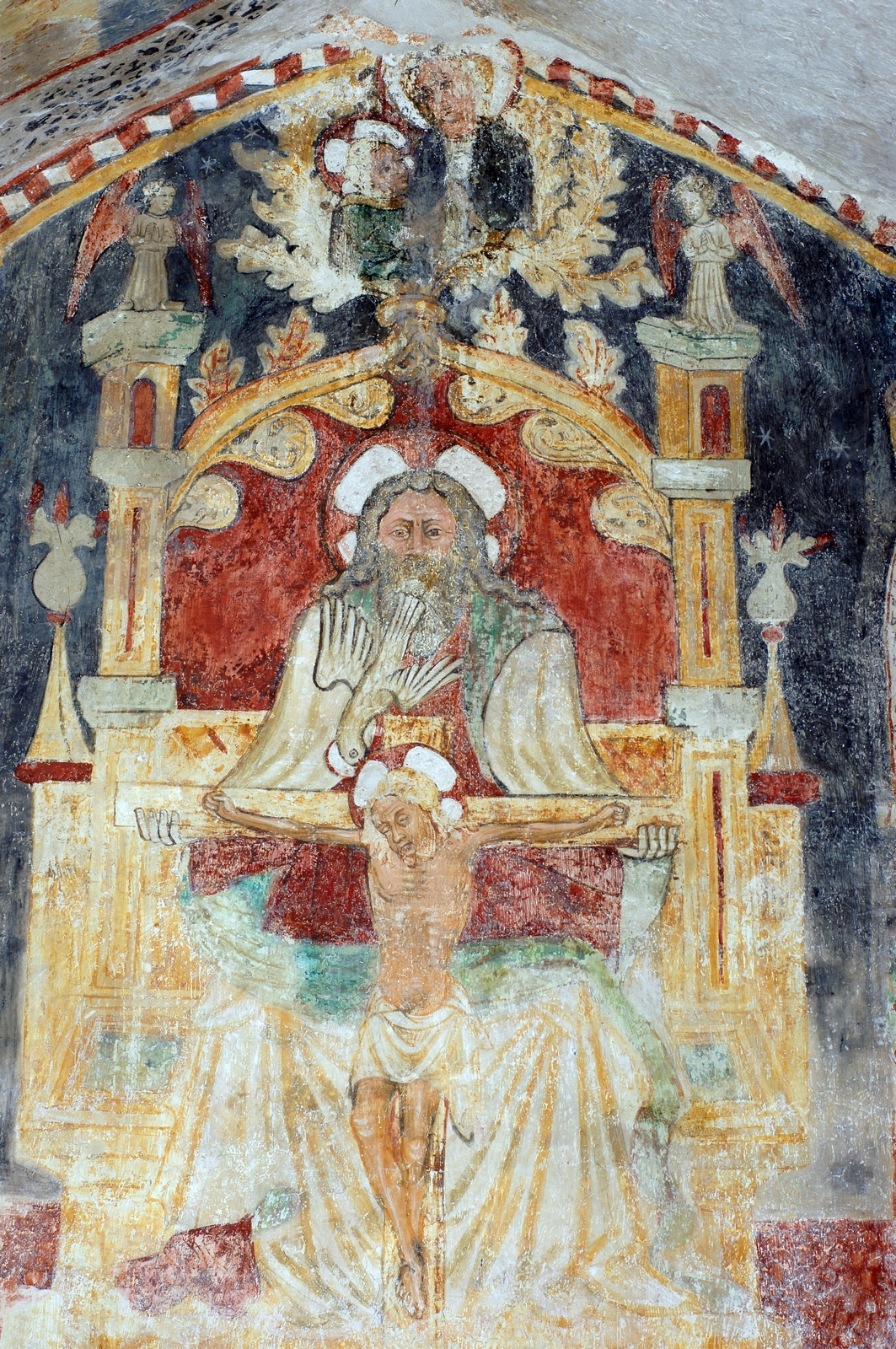
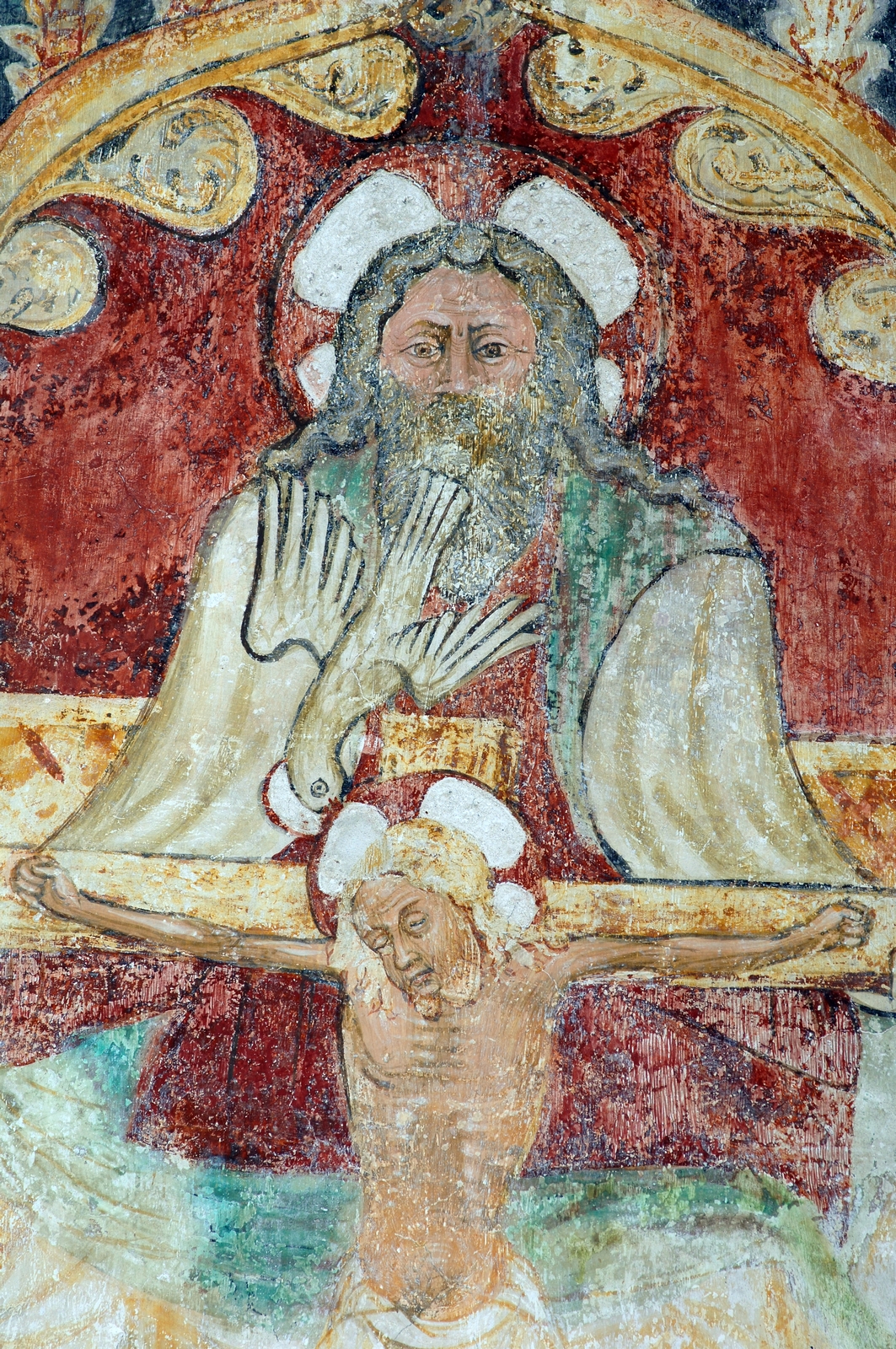
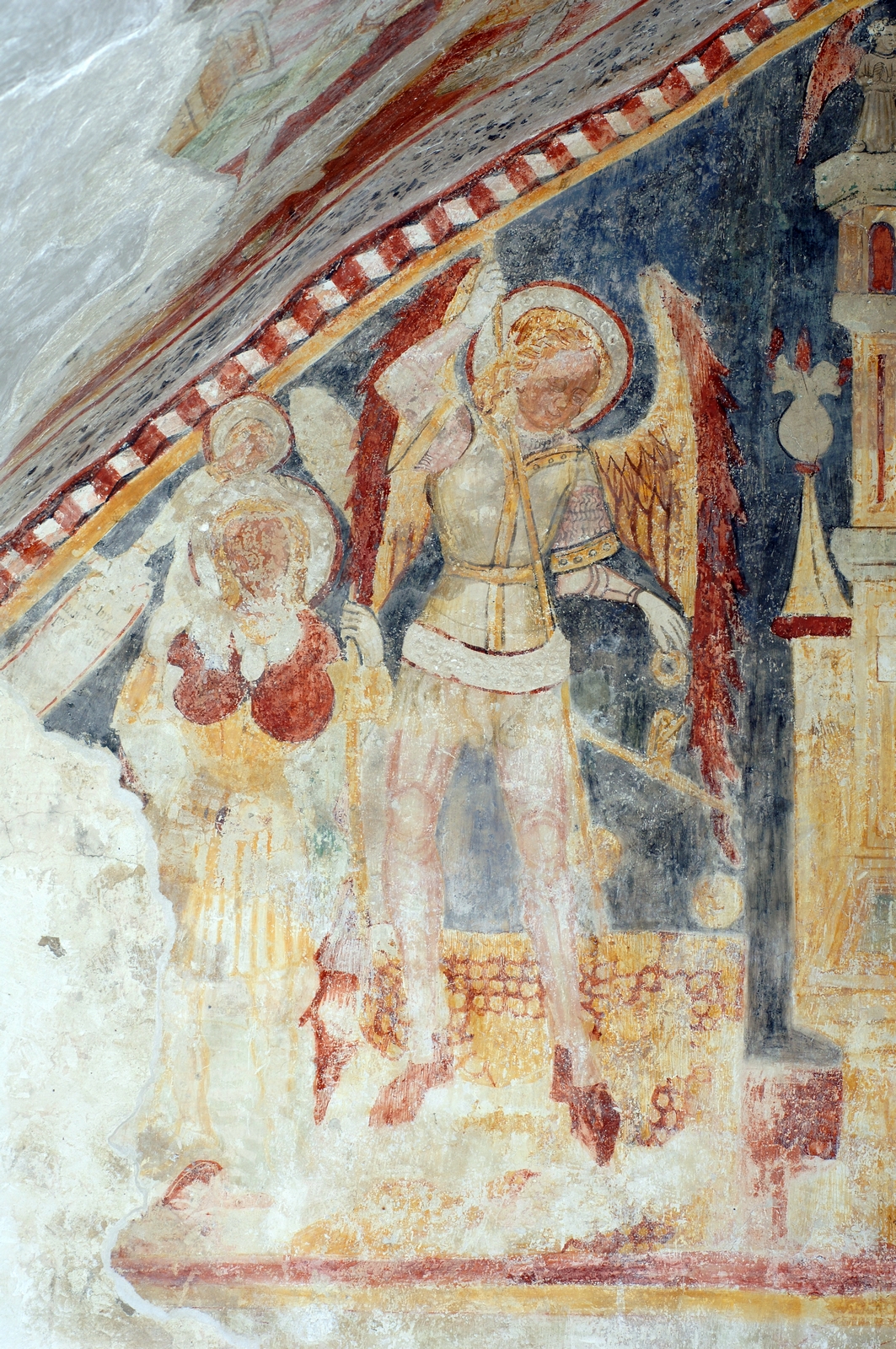
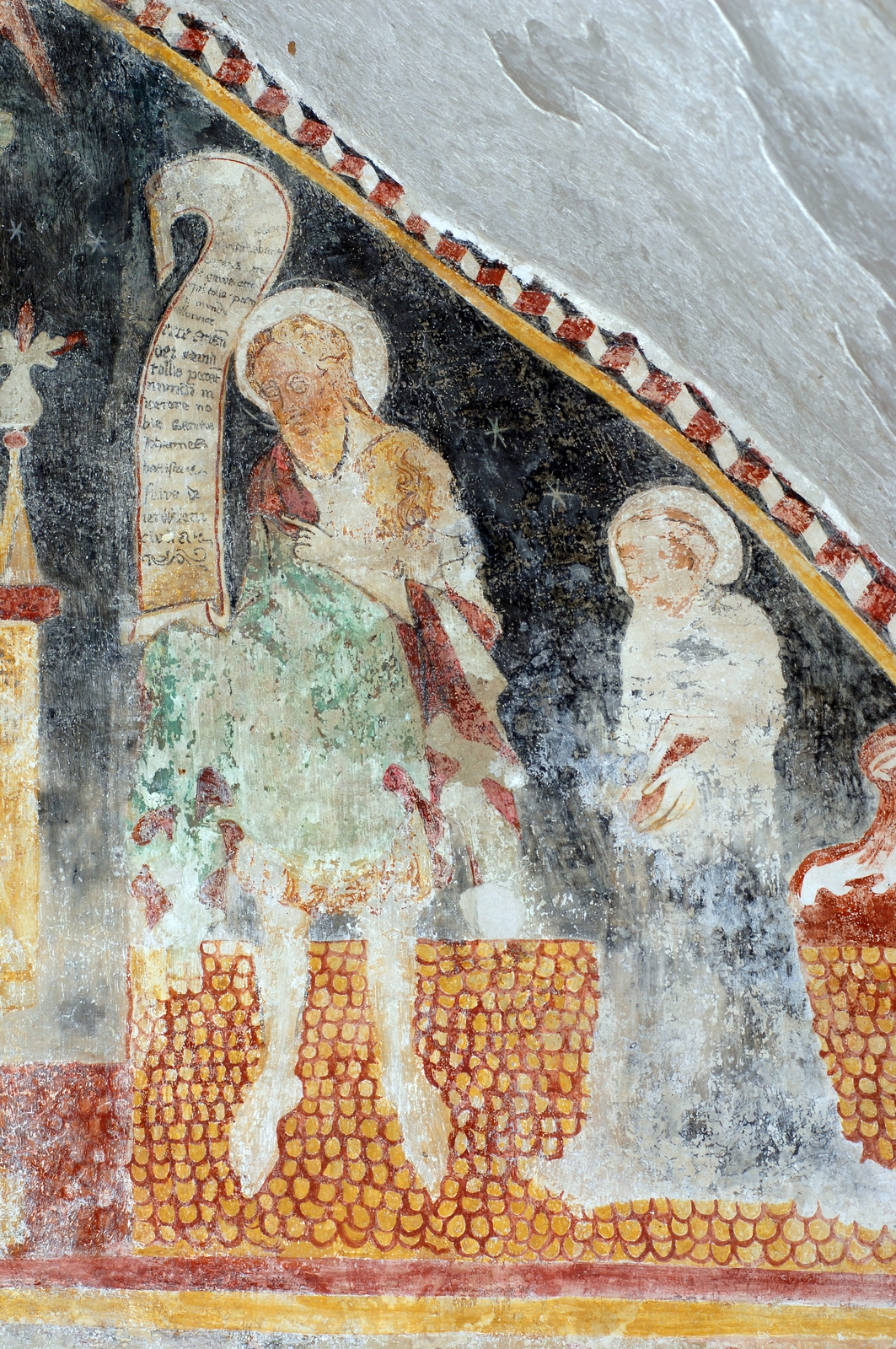
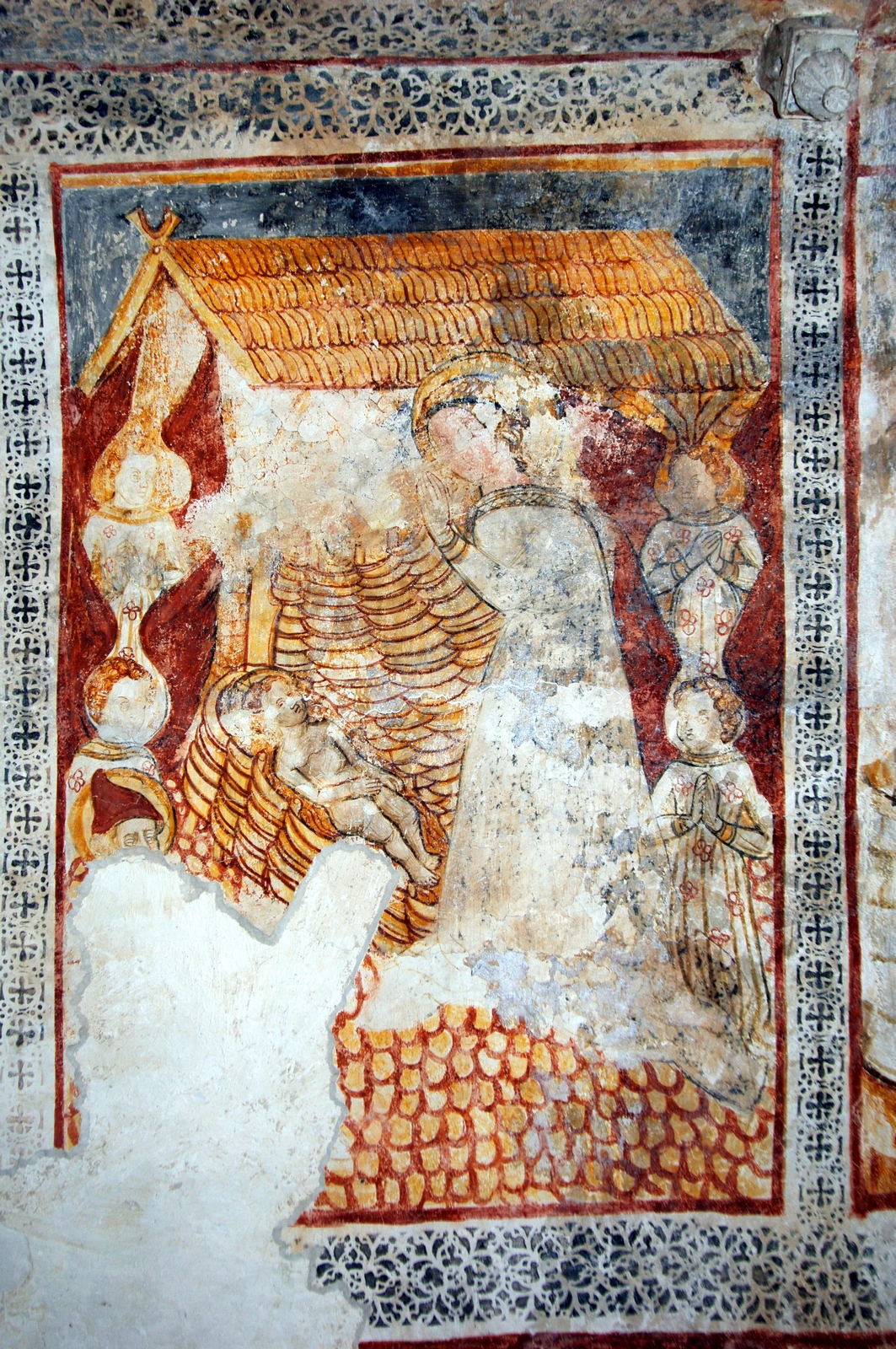
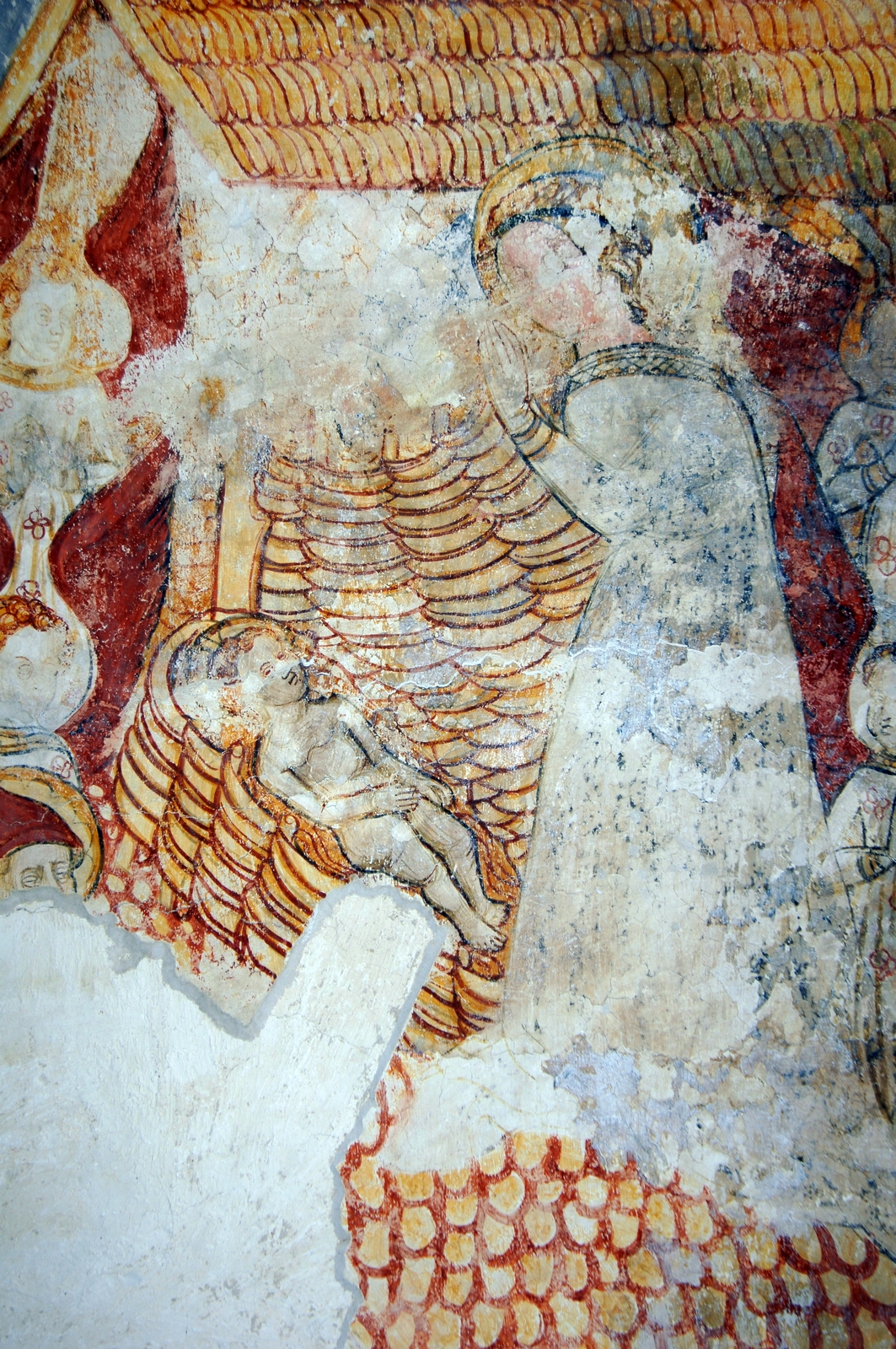
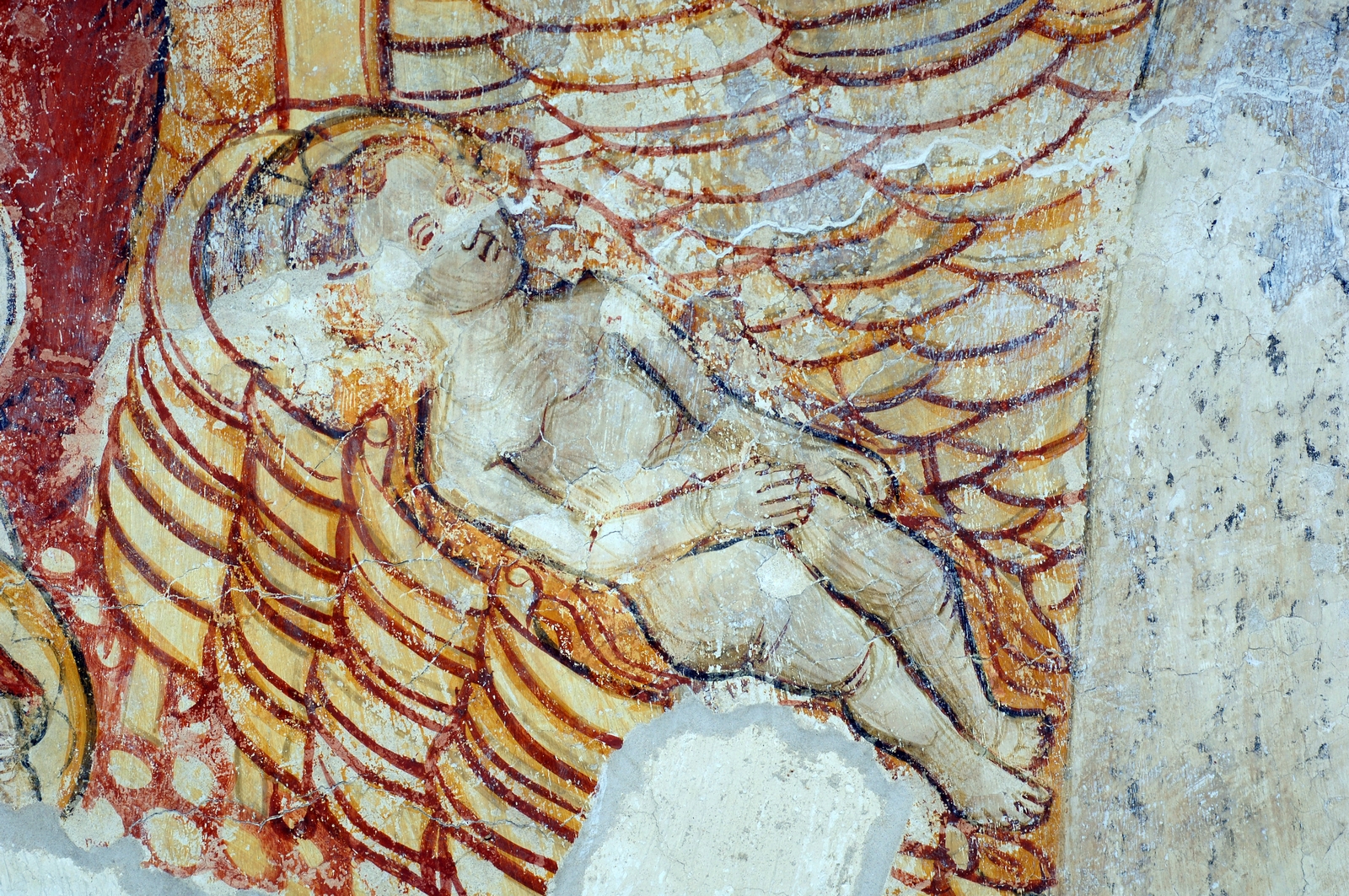
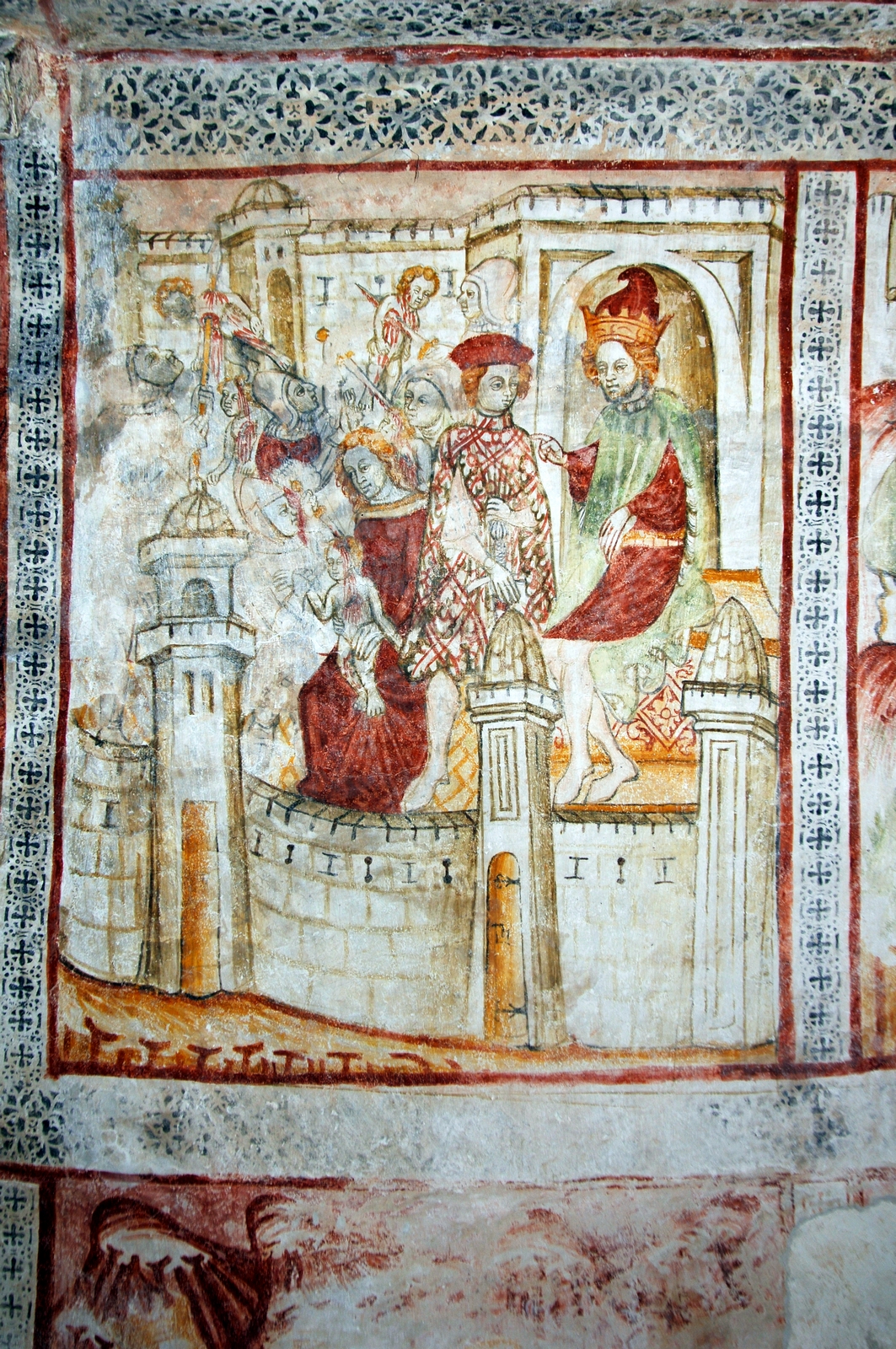
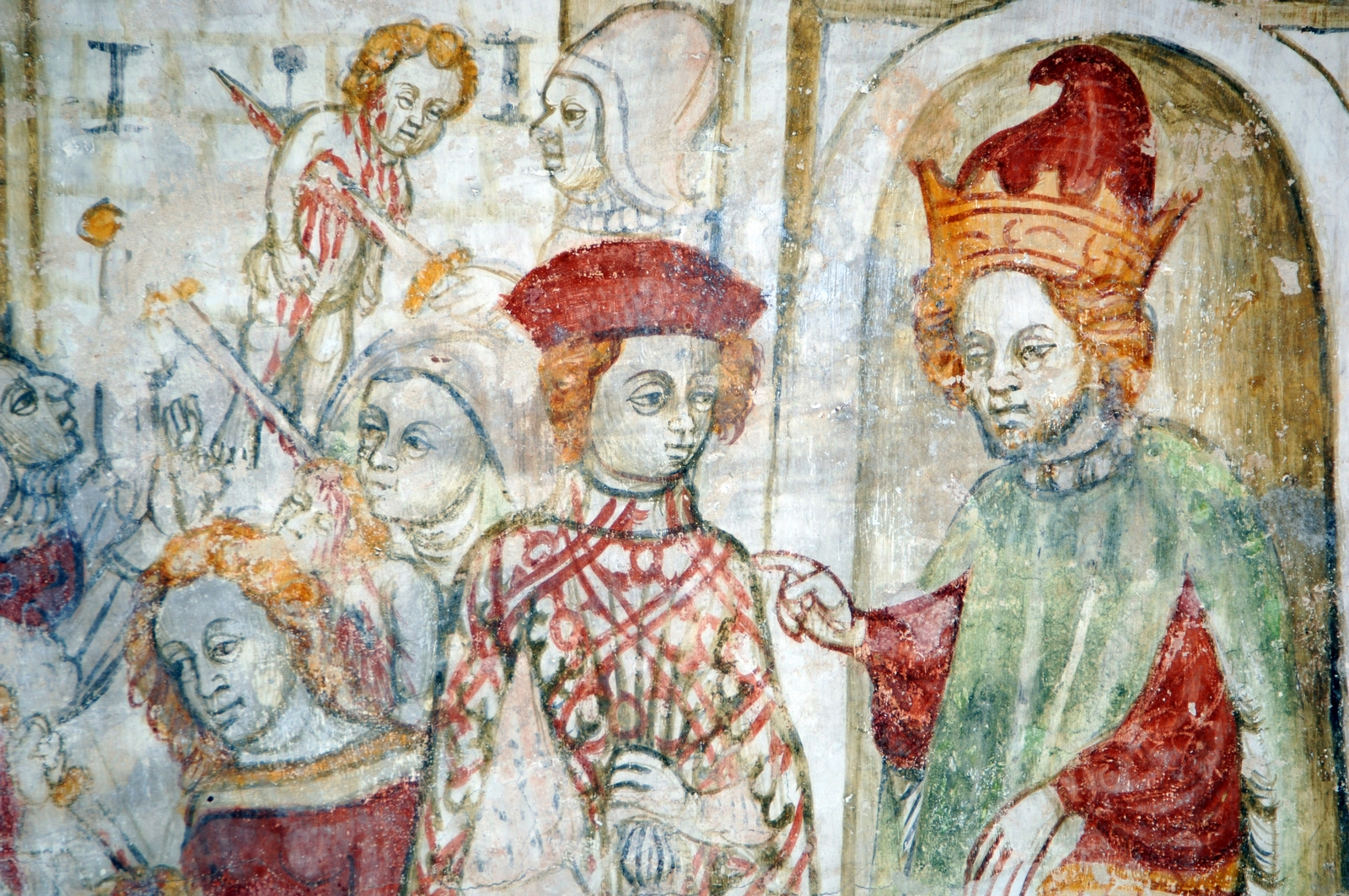
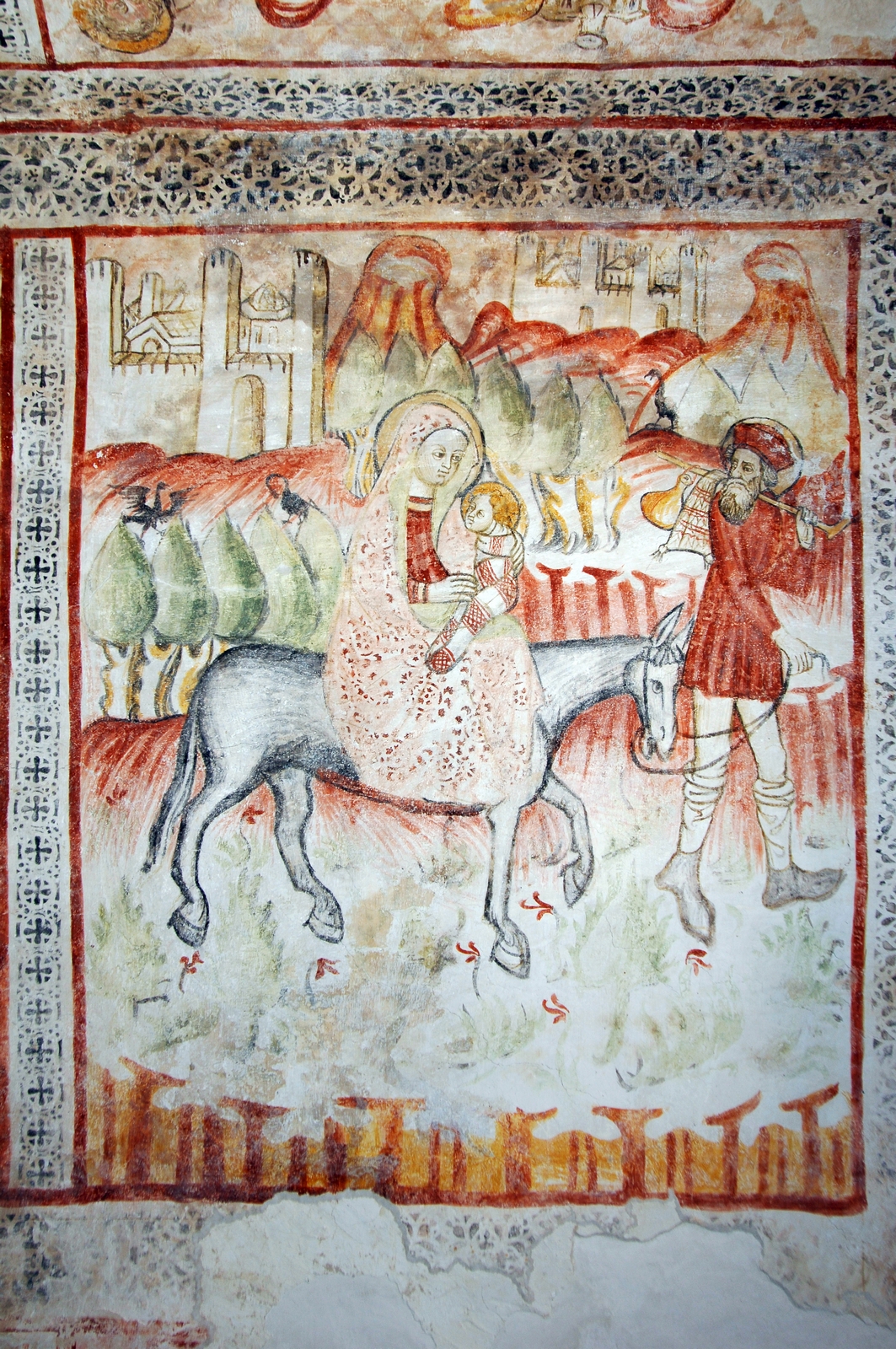
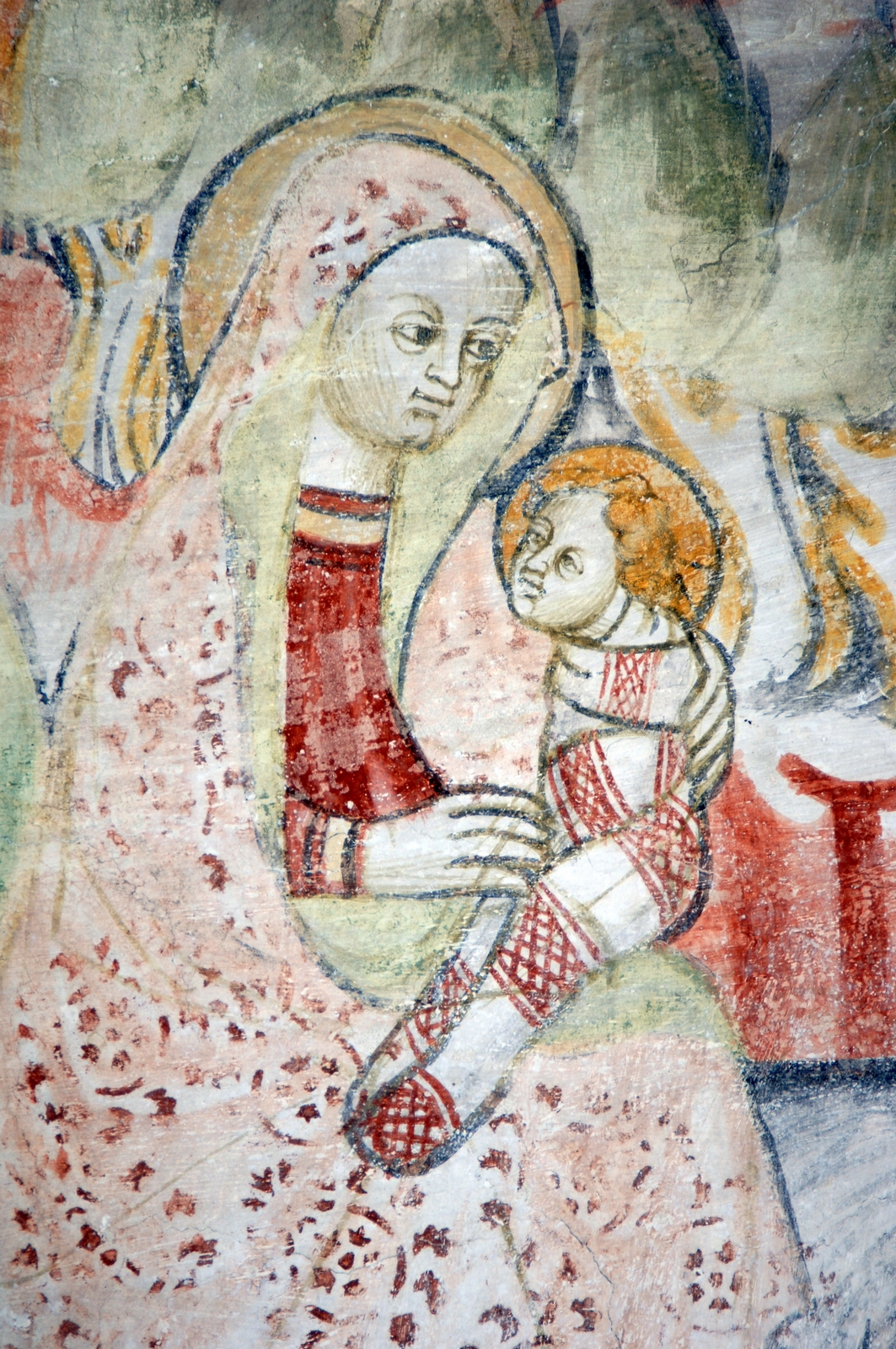
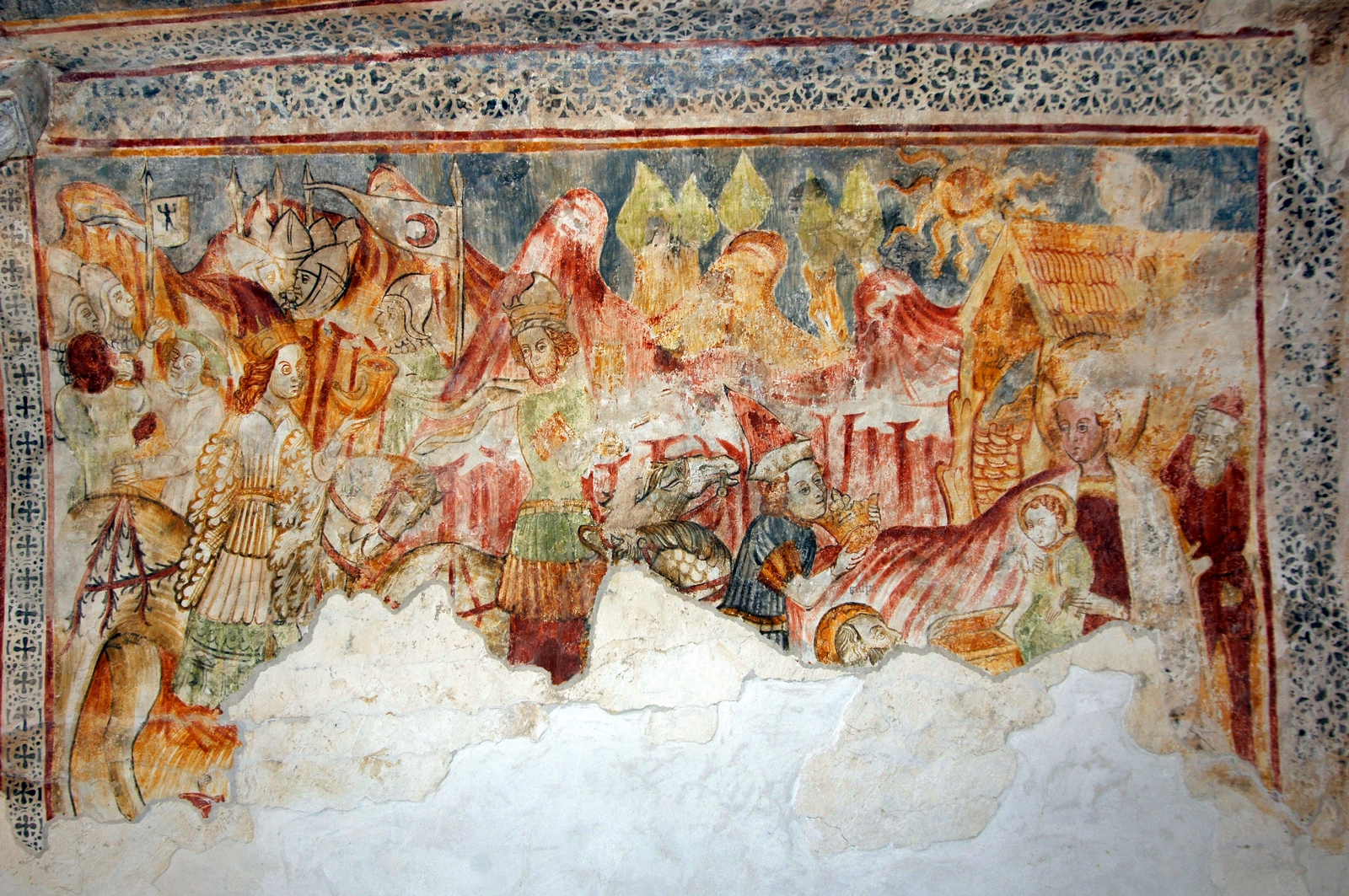
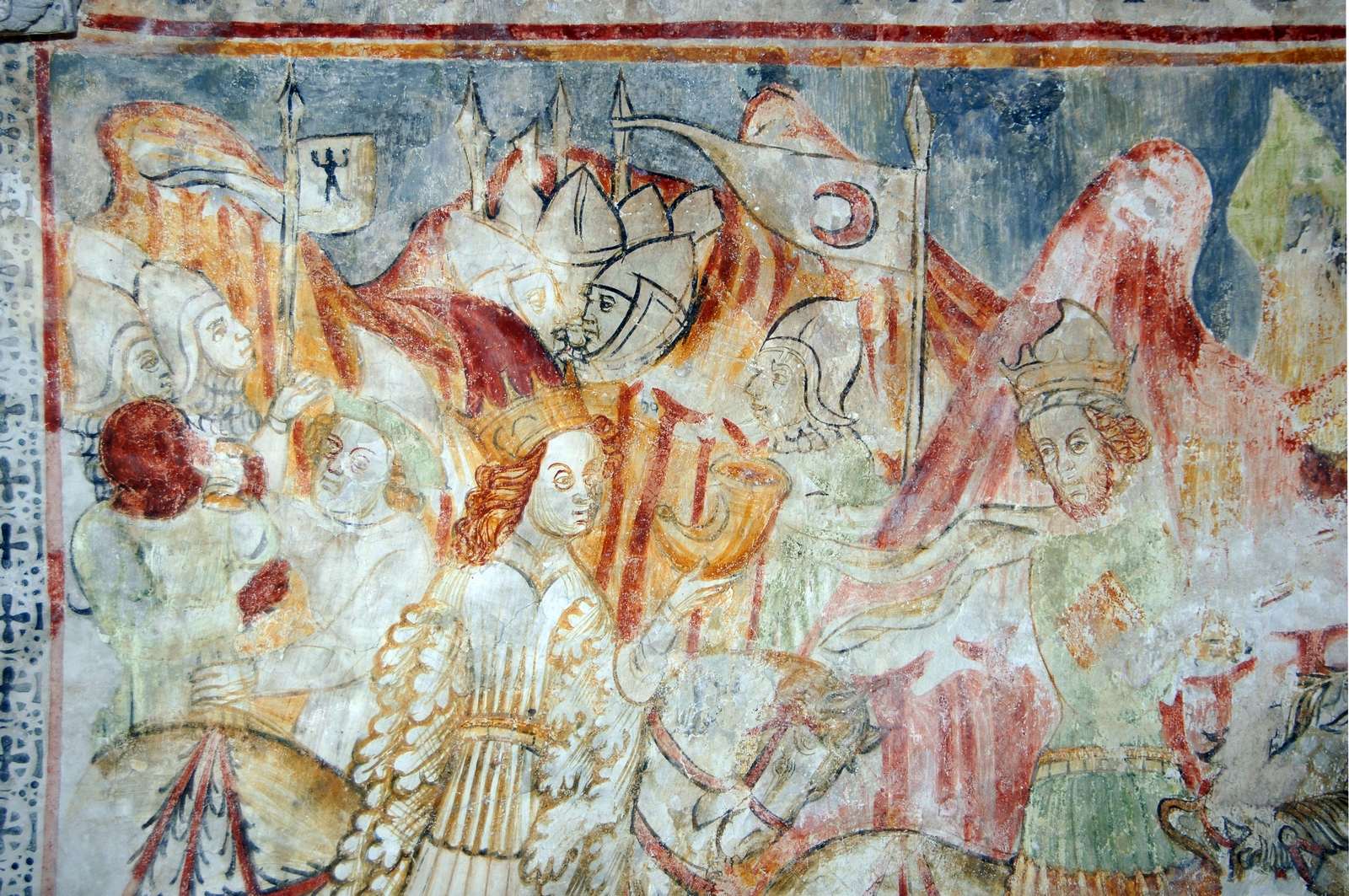
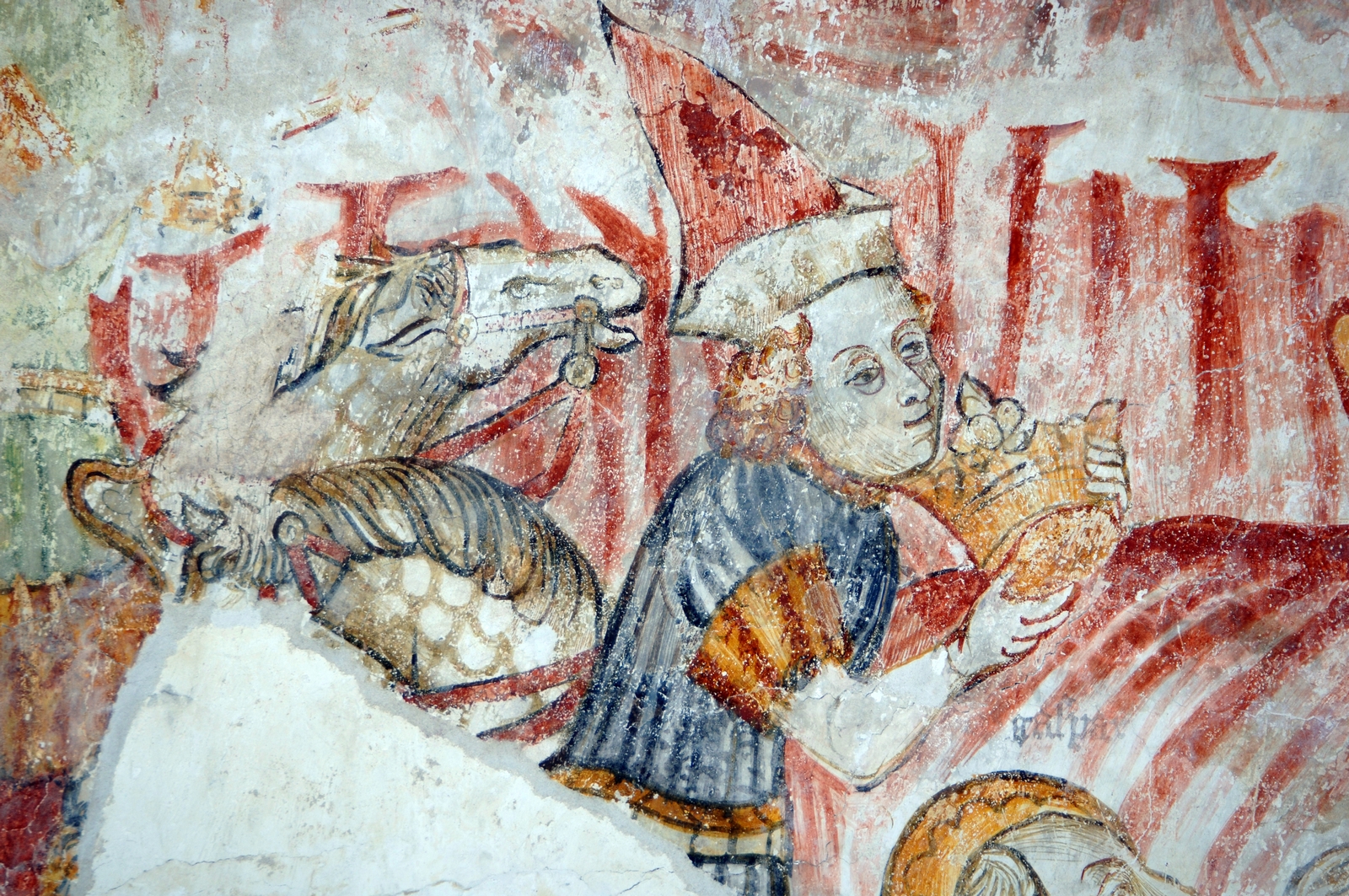
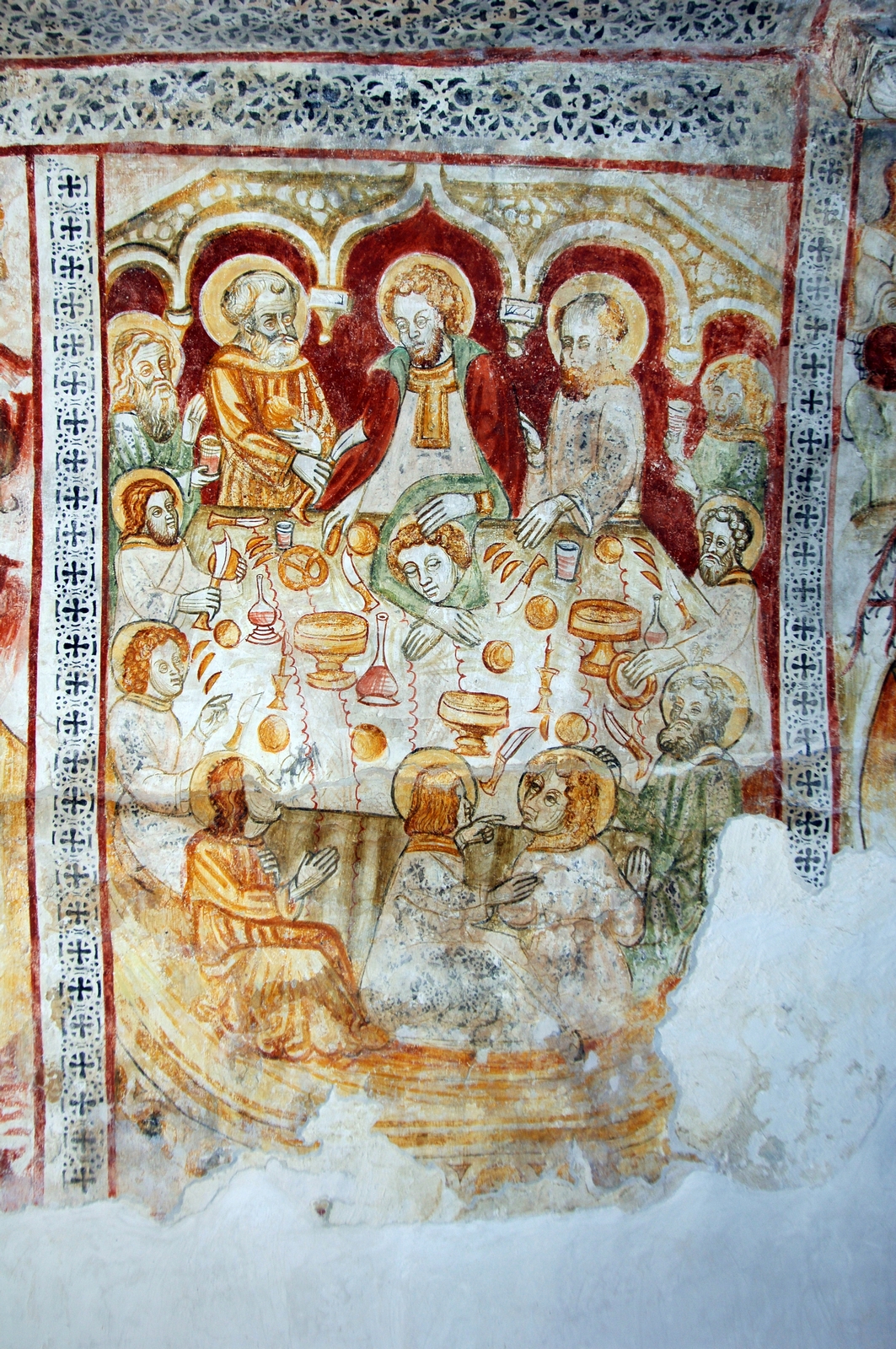
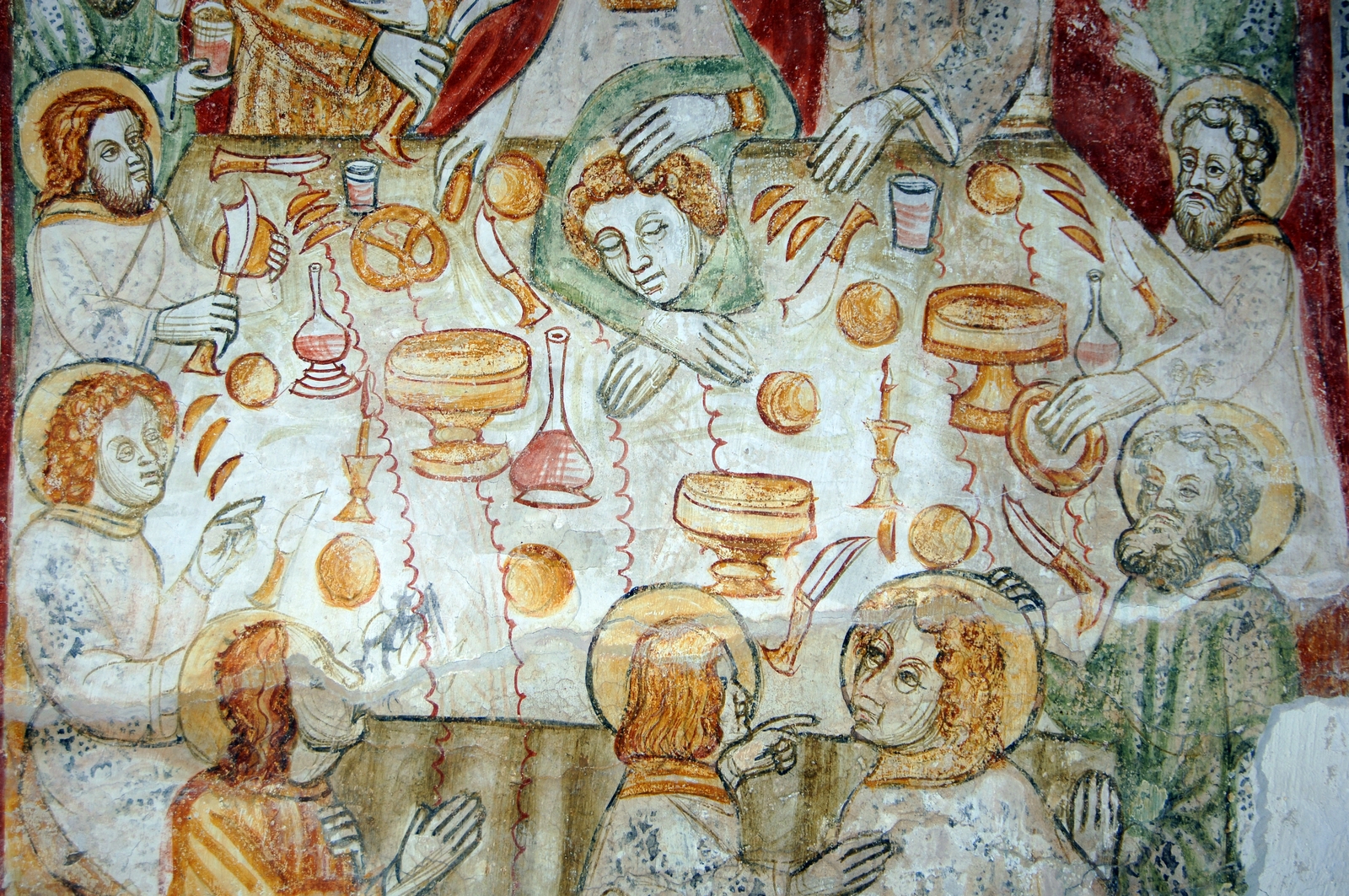
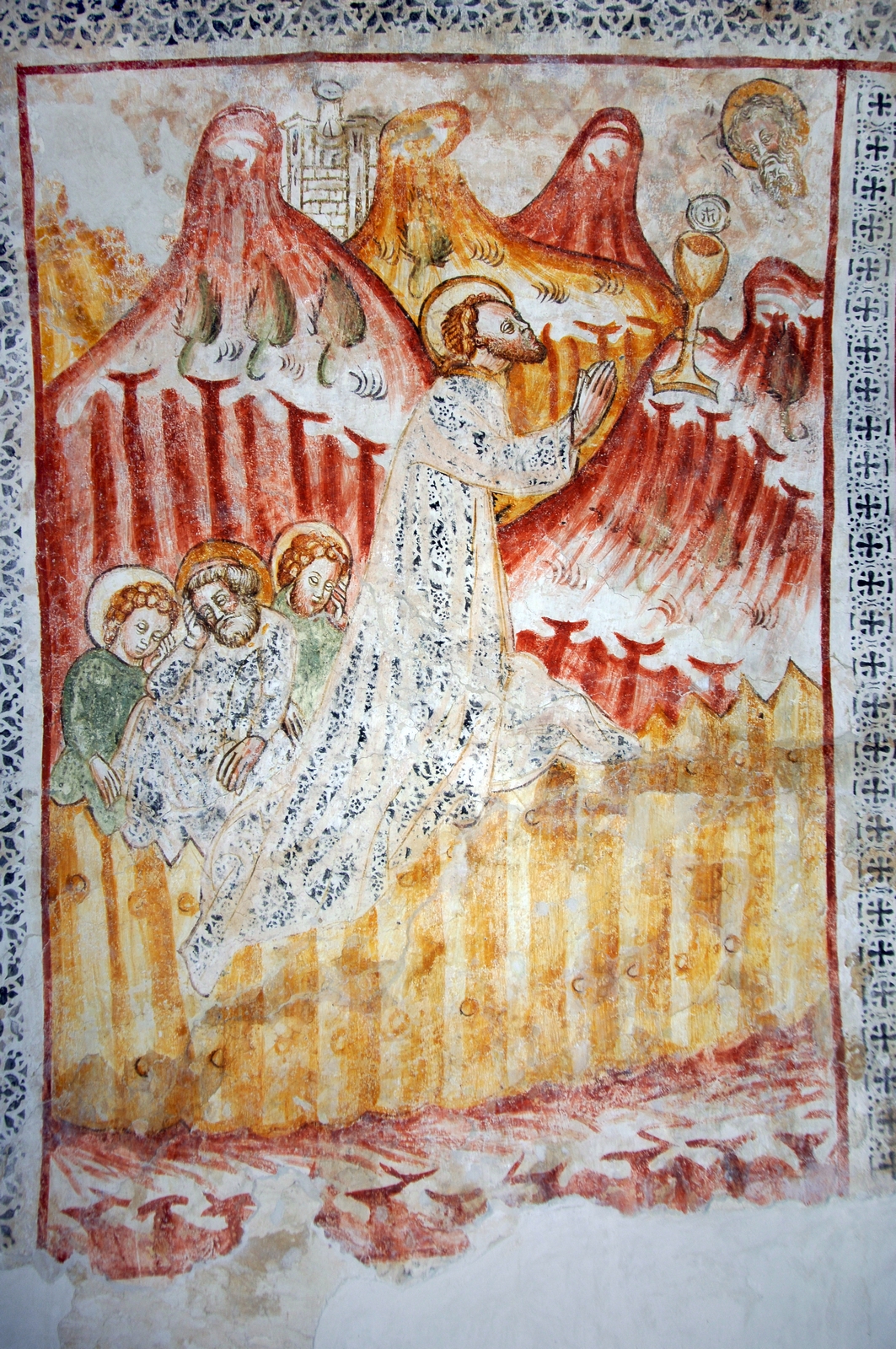
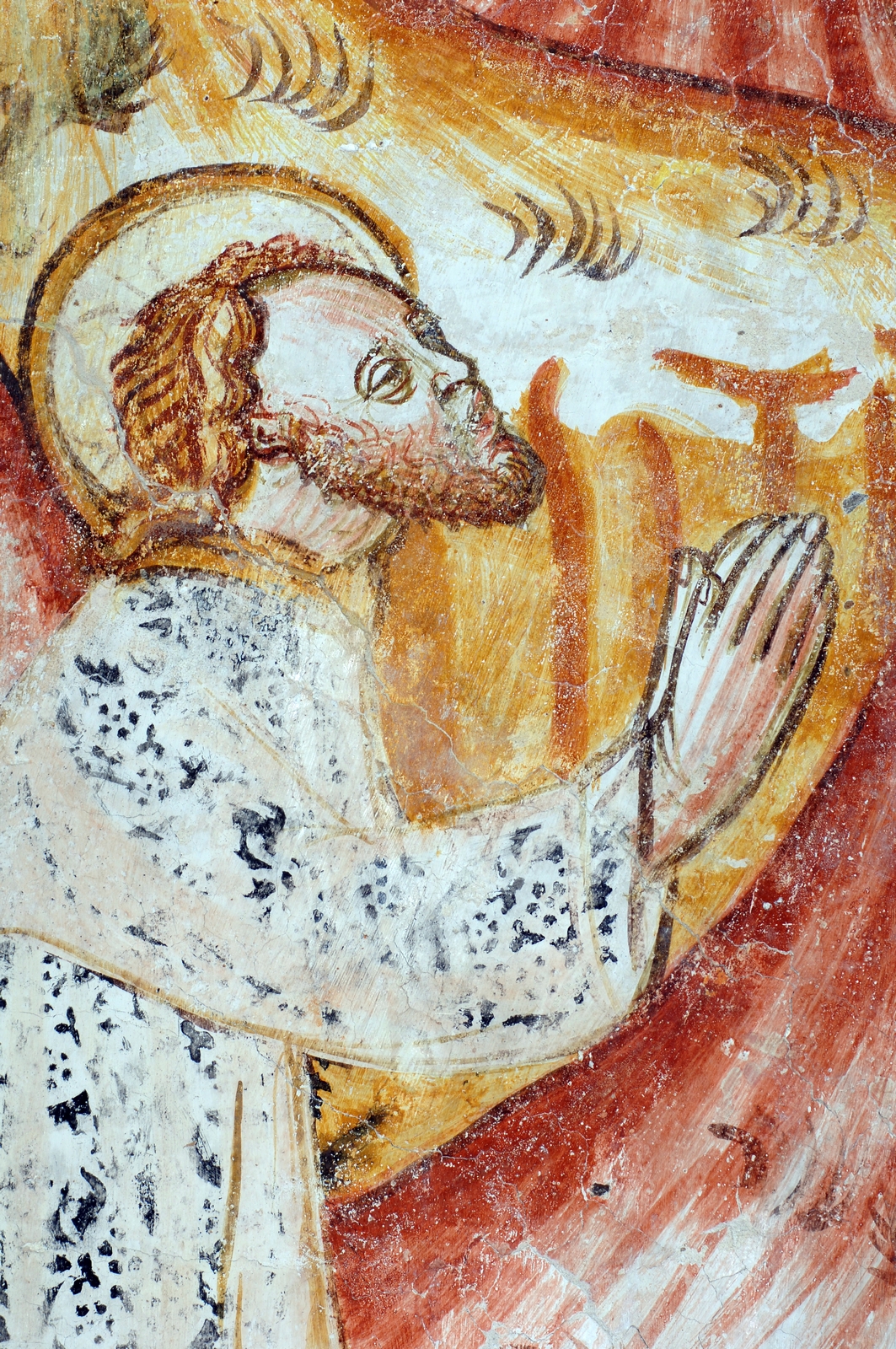
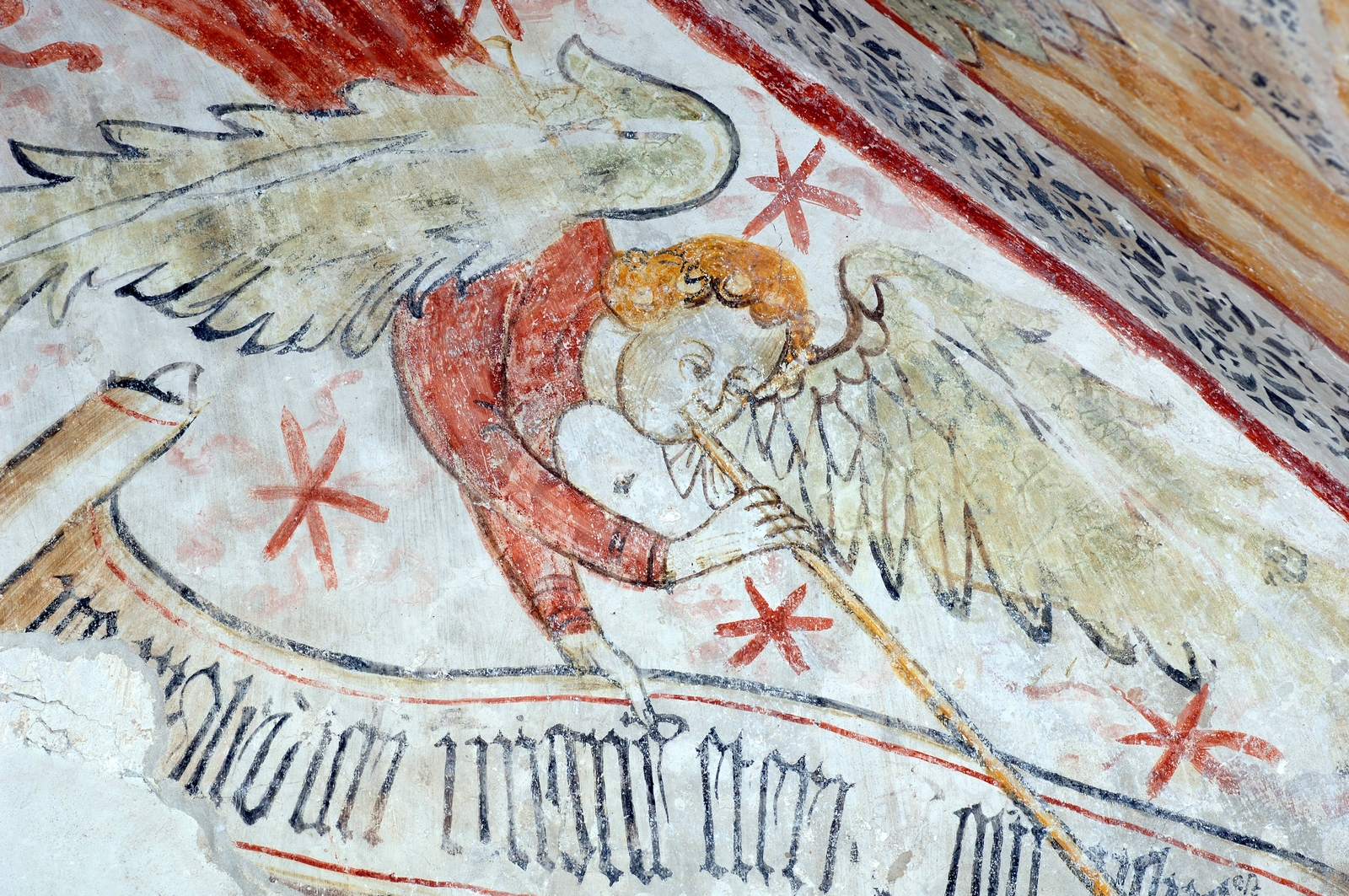
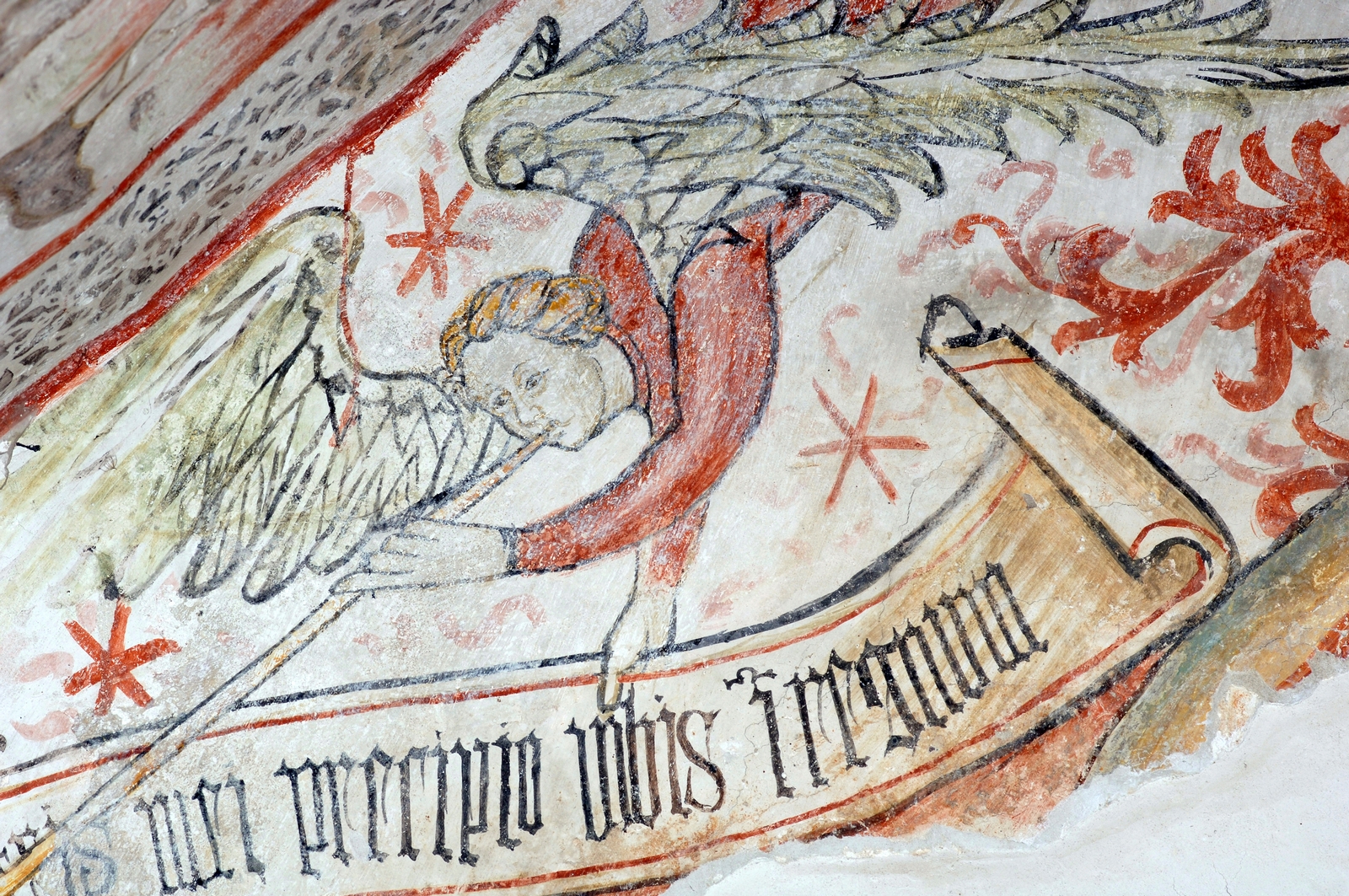
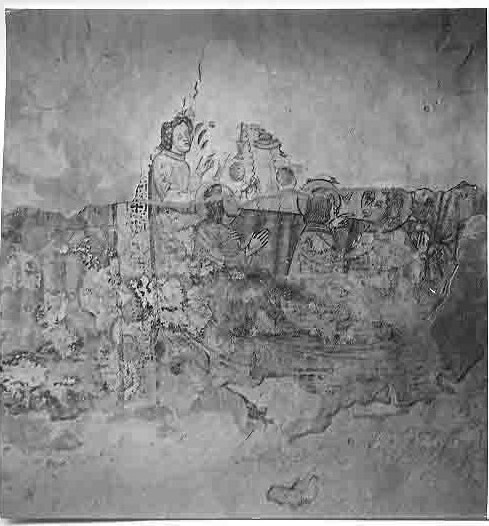
The sanctuary wall is adorned with a representation of the Throne of Mercy, above which the Virgin and Child are depicted within a frame of acanthus leaves. The scene is flanked by two saints on either side. In the lower zone, a painted polyptych with a tabernacle occupies the centre, featuring angels, while two saints are depicted to the right within painted arcades. The wall paintings on the lateral walls are arranged in two registers, with the upper register extending onto the surface of the vault. Eight preserved scenes from the Life of Christ are separated by red-and-white borders with stencilled ornament. The west wall is entirely devoted to eschatological themes. On either side of the entrance portal are depictions of Paradise and Hell, above which angels fly holding trumpets and scrolls.
The wall paintings were first subjected to scholarly analysis by Branko Fučić in 1964 in his doctoral dissertation Srednjovjekovno zidno slikarstvo u Istri.
Iconographic programme:
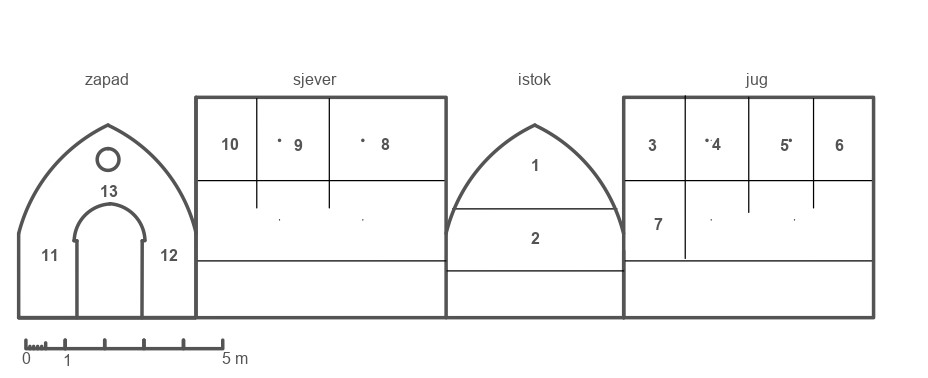
East wall: 1. Throne of Mercy; Virgin and Child; St Christopher; St John the Baptist; St Anthony of Padua; Archangel Michael; 2. “Painted polyptych” with angels and saints.
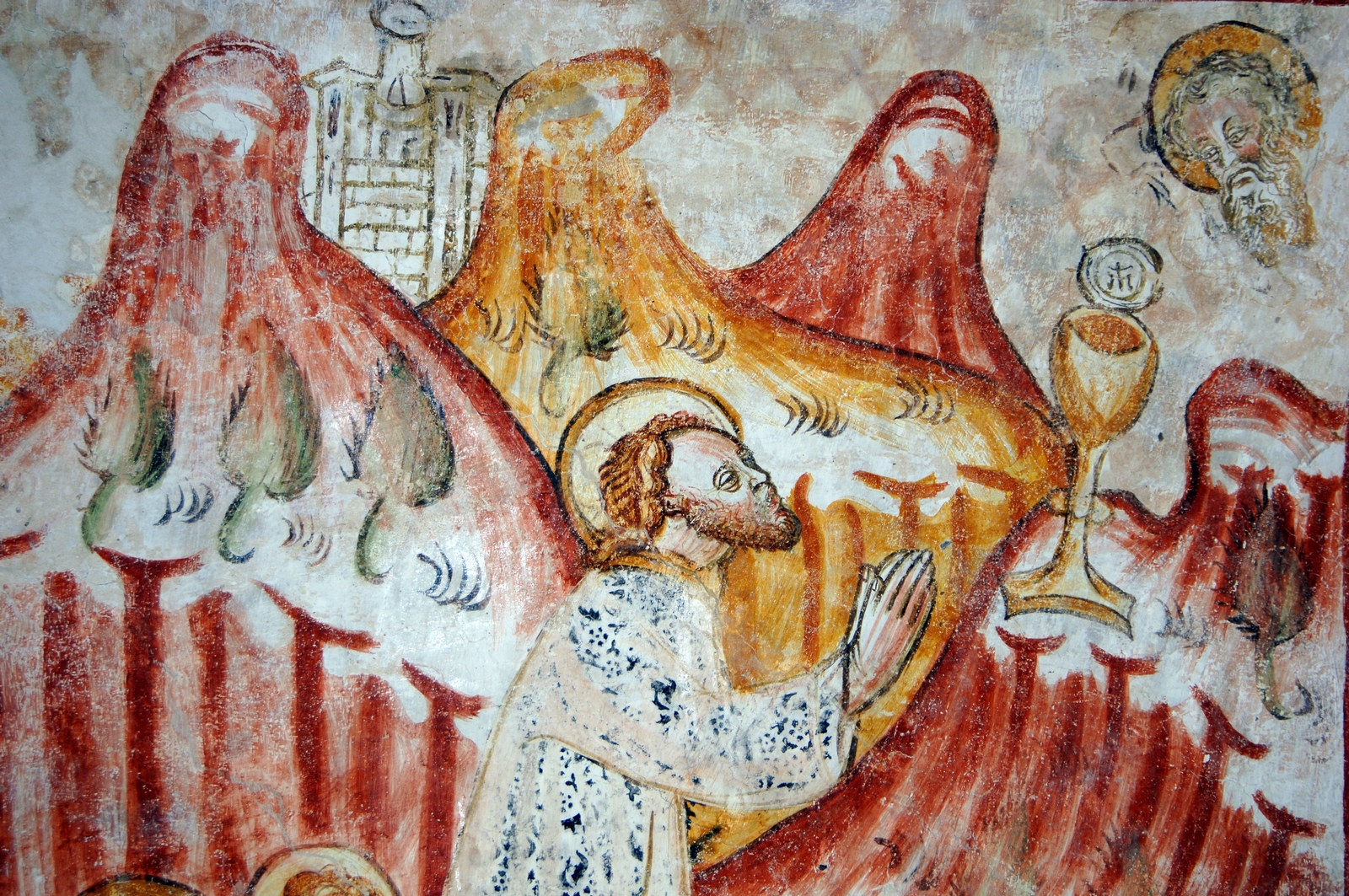
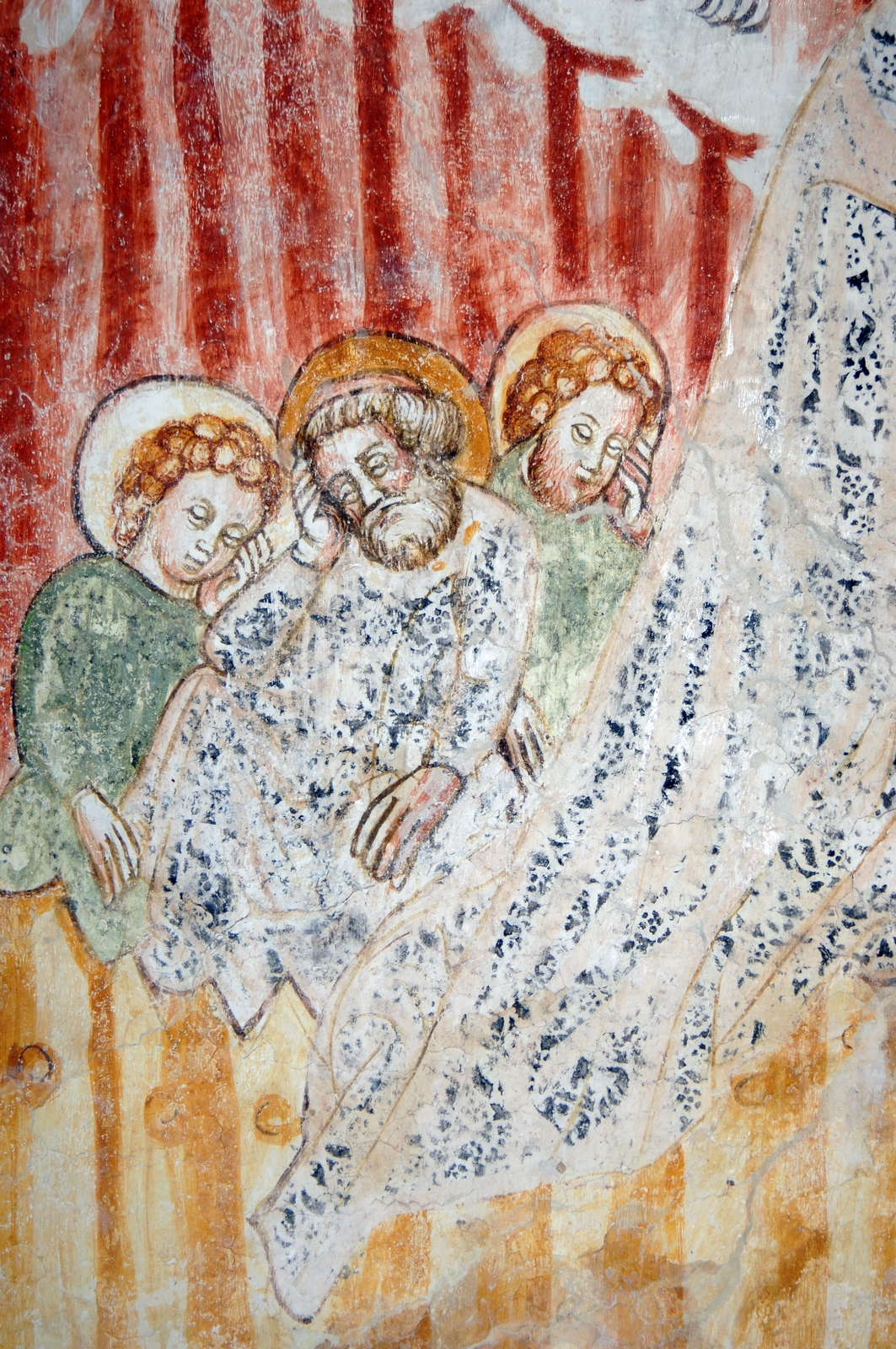
South wall: 3. Annunciation; 4. Nativity; 5. Massacre of the Innocents; 6. Flight into Egypt; 7. Flagellation of Christ. North wall: 8. Adoration of the Magi; 9. Last Supper; 10. Agony in the Garden. West wall: 11. Paradise; 12. Hell; 13. Angels with scrolls.
Scene locations
B. FUČIĆ, 1964a, Srednjovjekovno zidno slikarstvo u Istri, doktorska disertacija, Filozofski fakultet Sveučilišta u Ljubljani, Rijeka-Ljubljana, 1964., 361; R. RATKOVČIĆ, 2004, Zidne slike u crkvi sv. Duha u Balama, Peristil, 47, 2004, 15-24; Ž. BISTROVIĆ, 2011, Šareni trag istarskih fresaka, Pula, 2011., 212-214.