


Pićan, Church of St Michael
Century/year: second half of the 15th century
Historical-cultural period: Gothic style
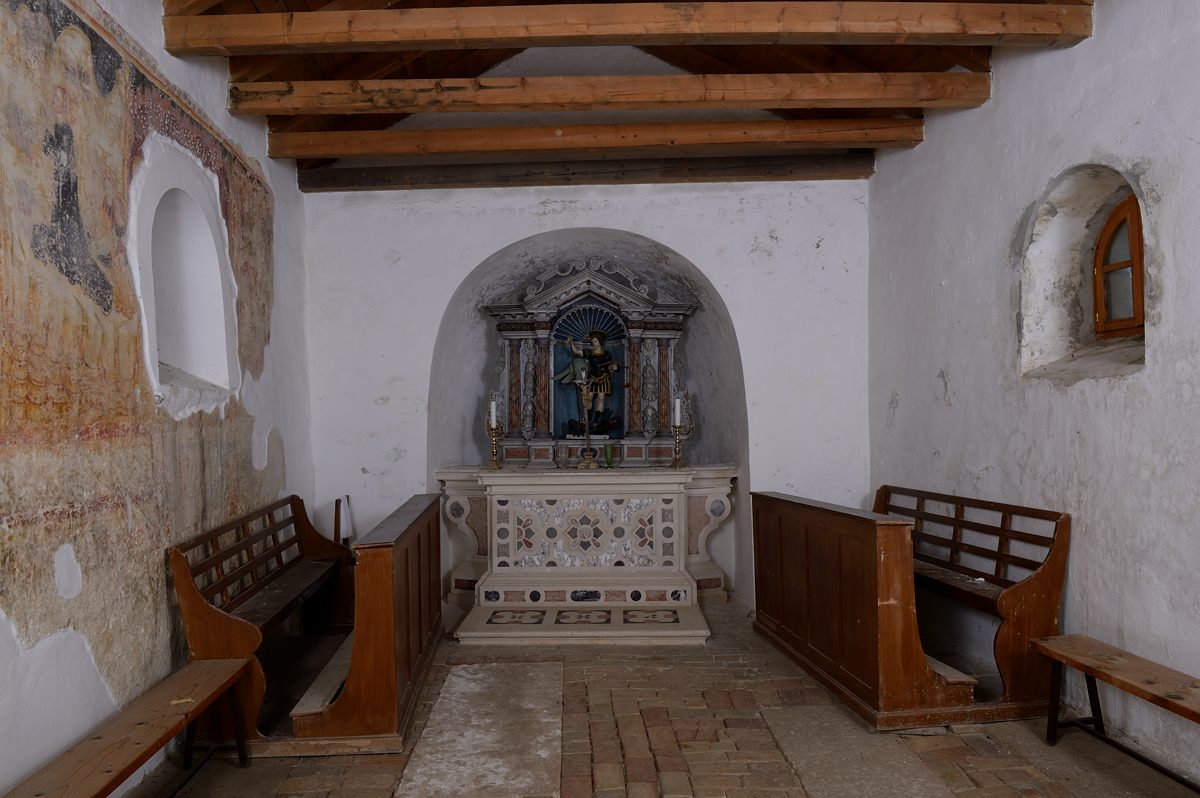
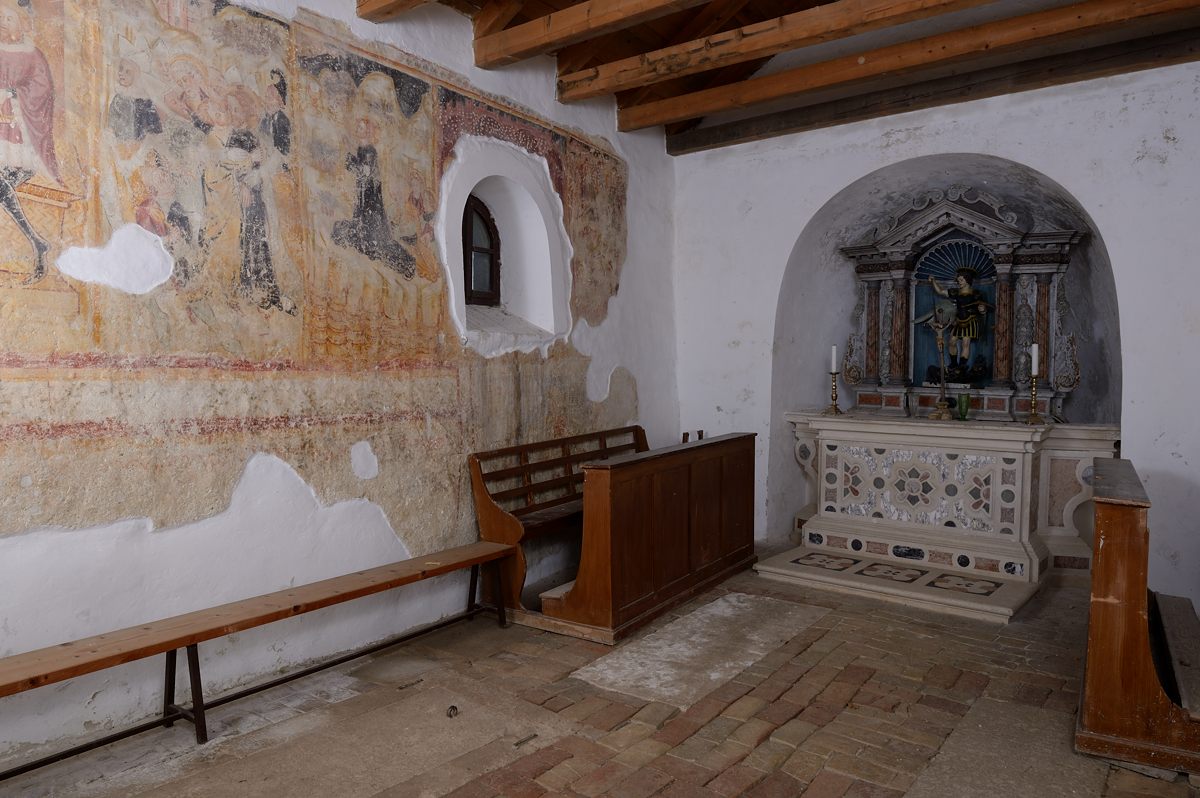
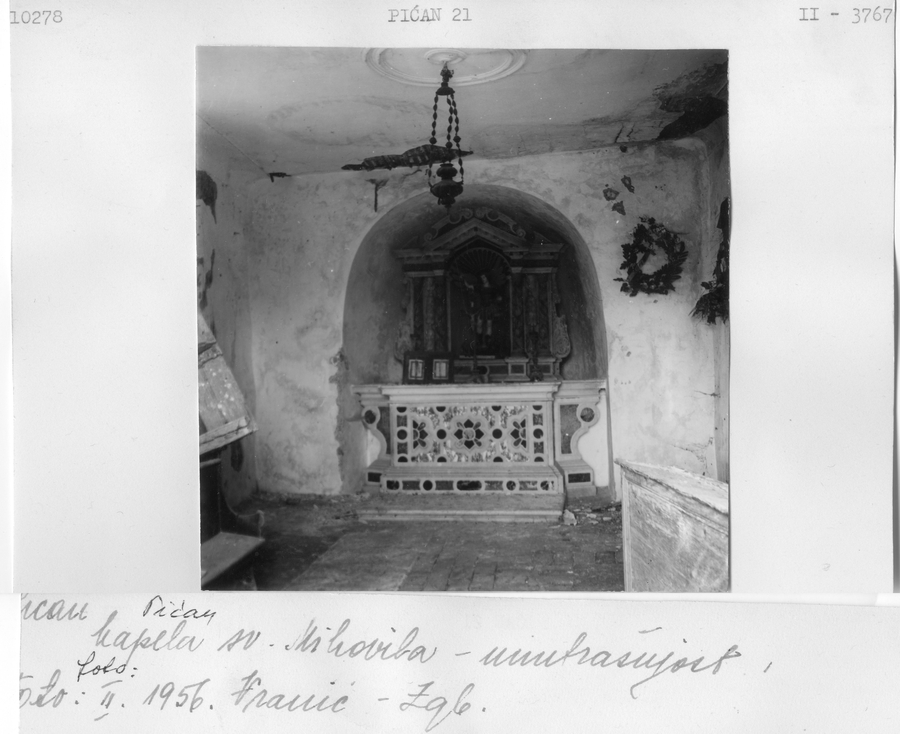
The church of St Michael was erected in the thirteenth century in the local cemetery in Pićan. In terms of its spatial characteristics, it belongs to the Romanesque type of single-nave sacred buildings with an inscribed semicircular apse. The façade is emphasised by a bell gable with two bells and a later-added porch with enclosed wall surfaces.
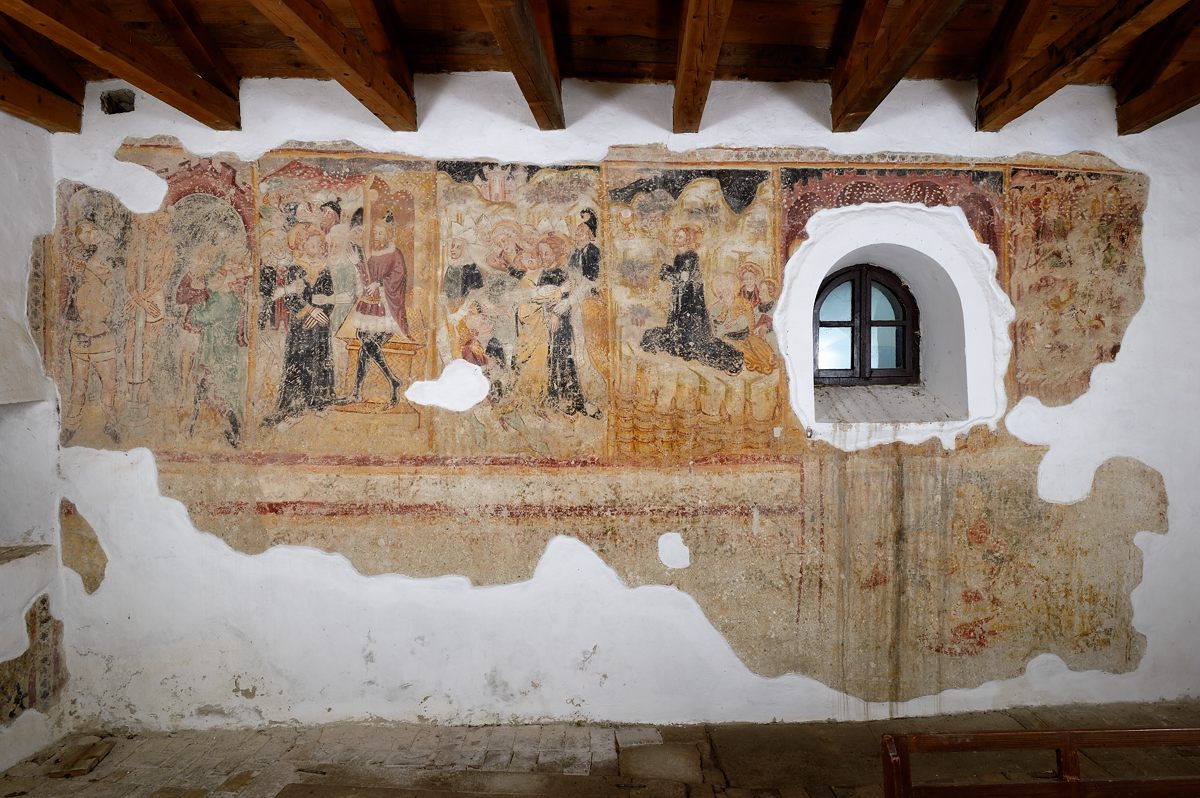
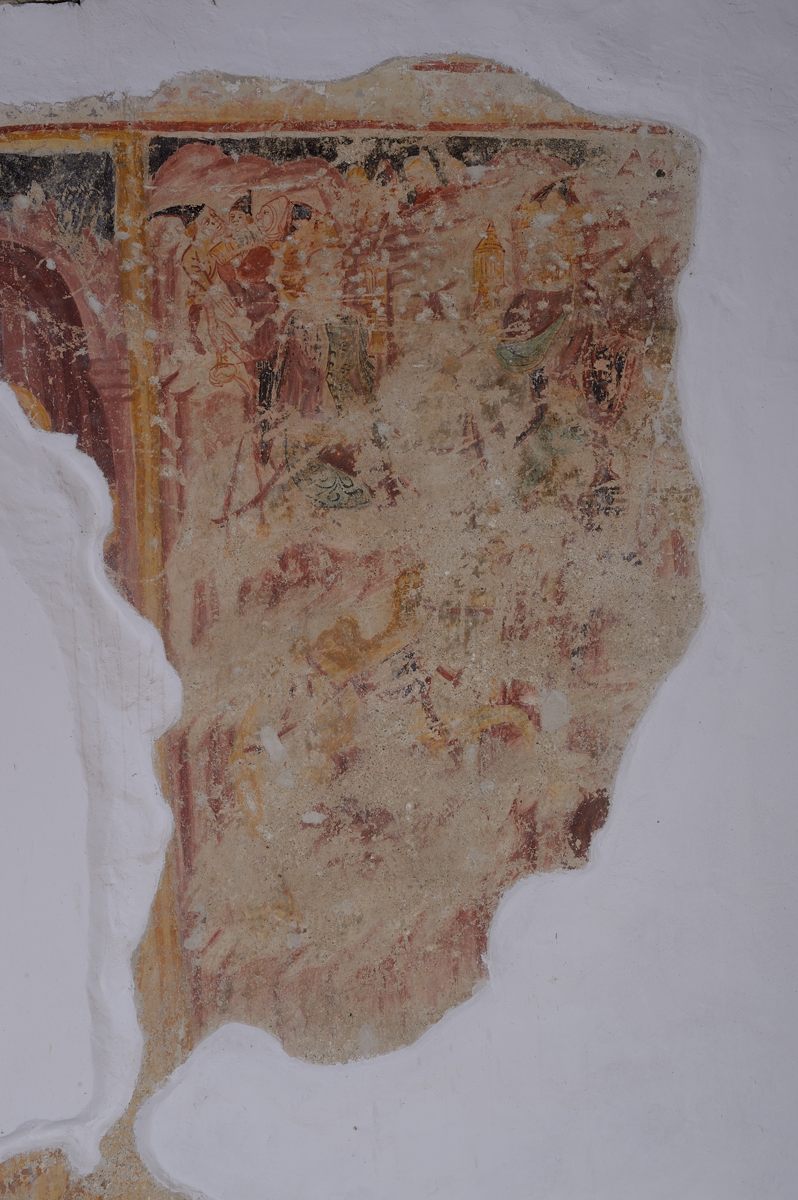
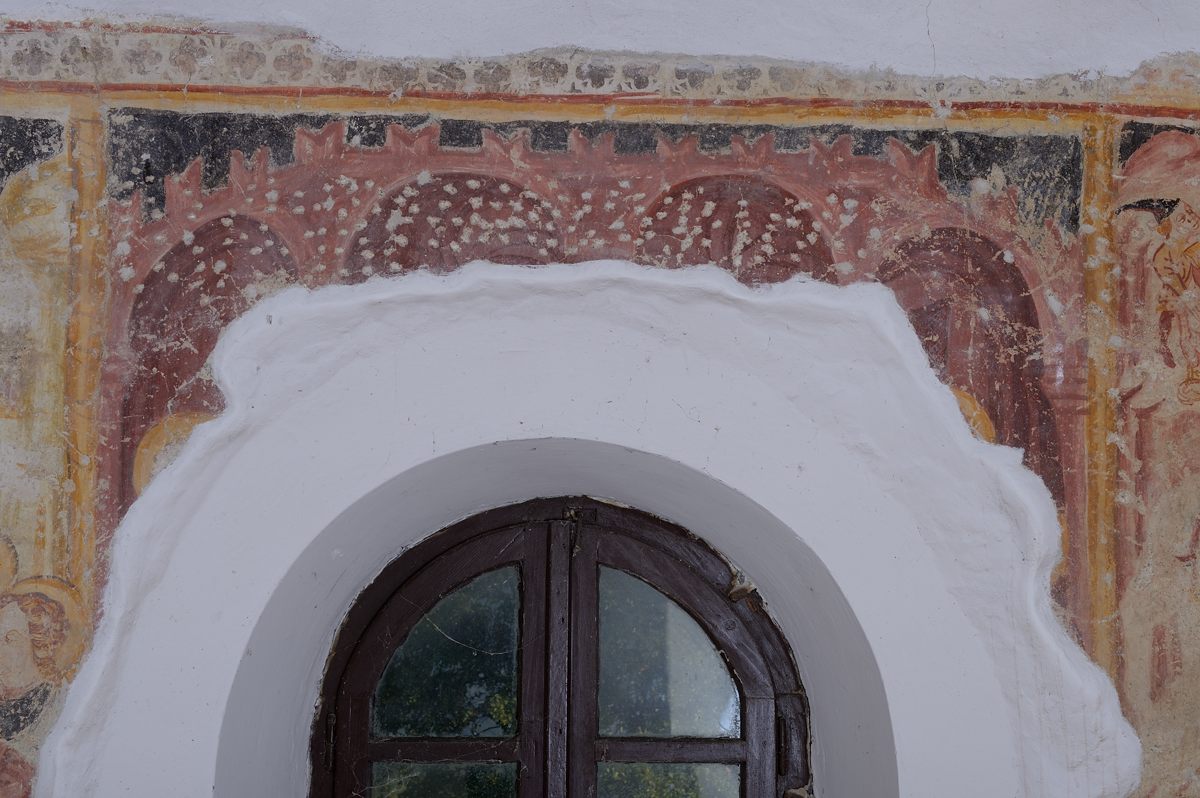
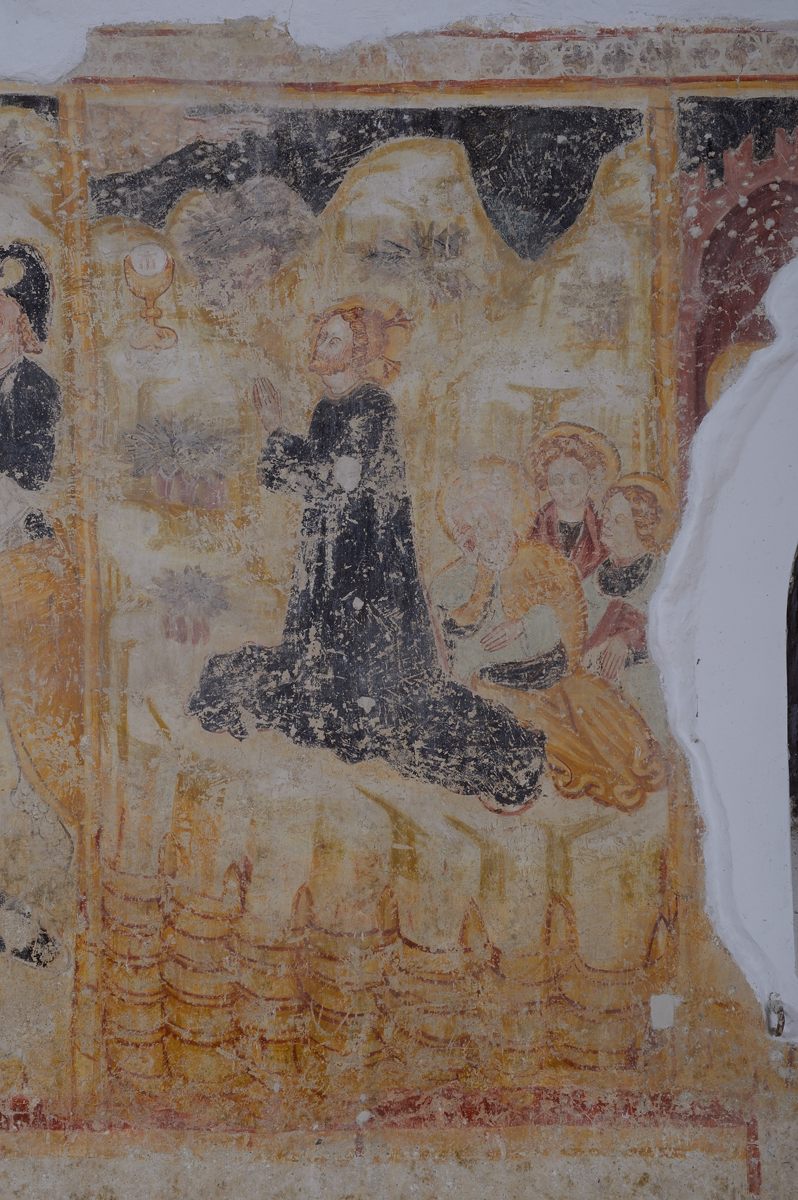
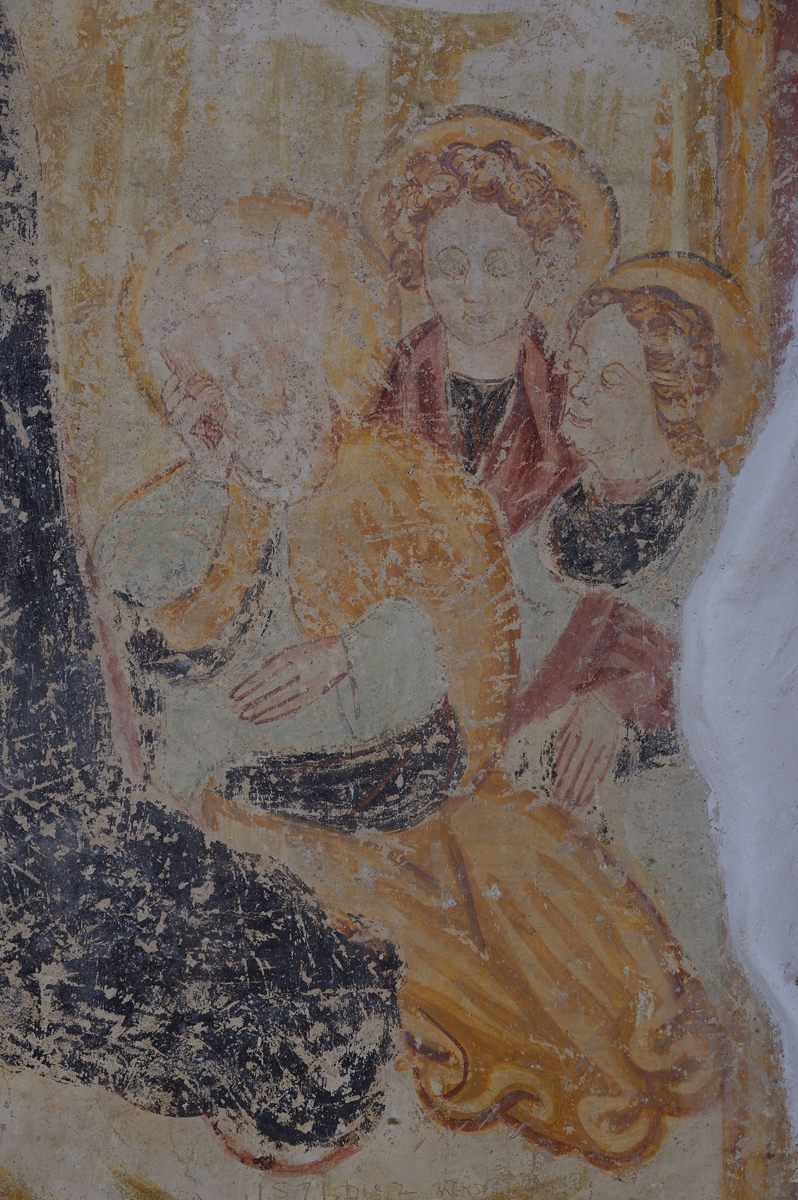
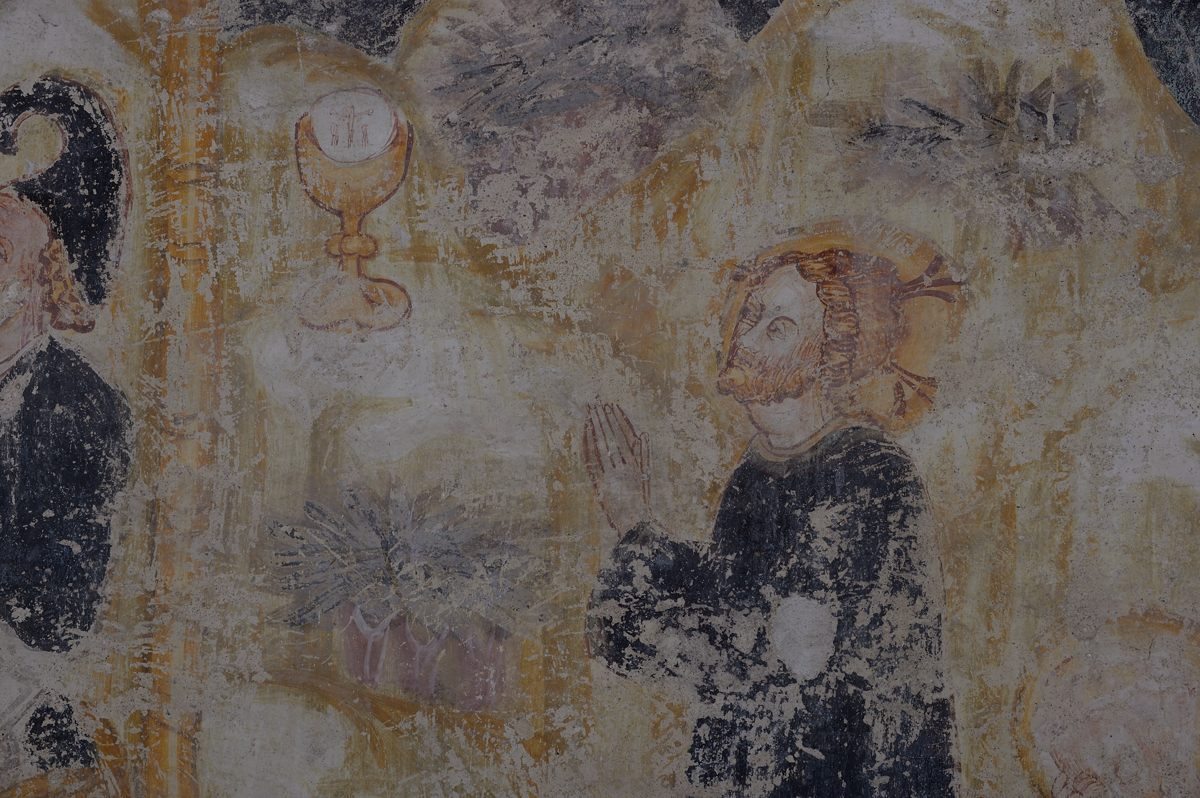
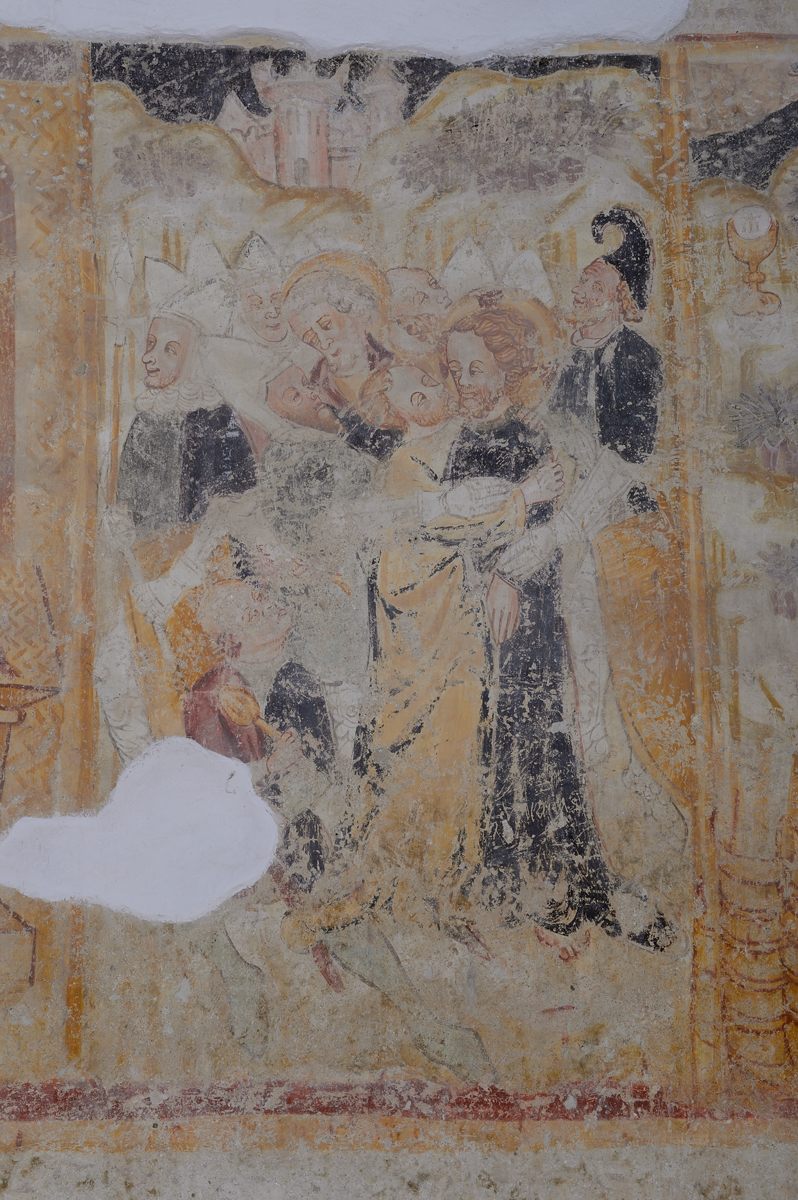
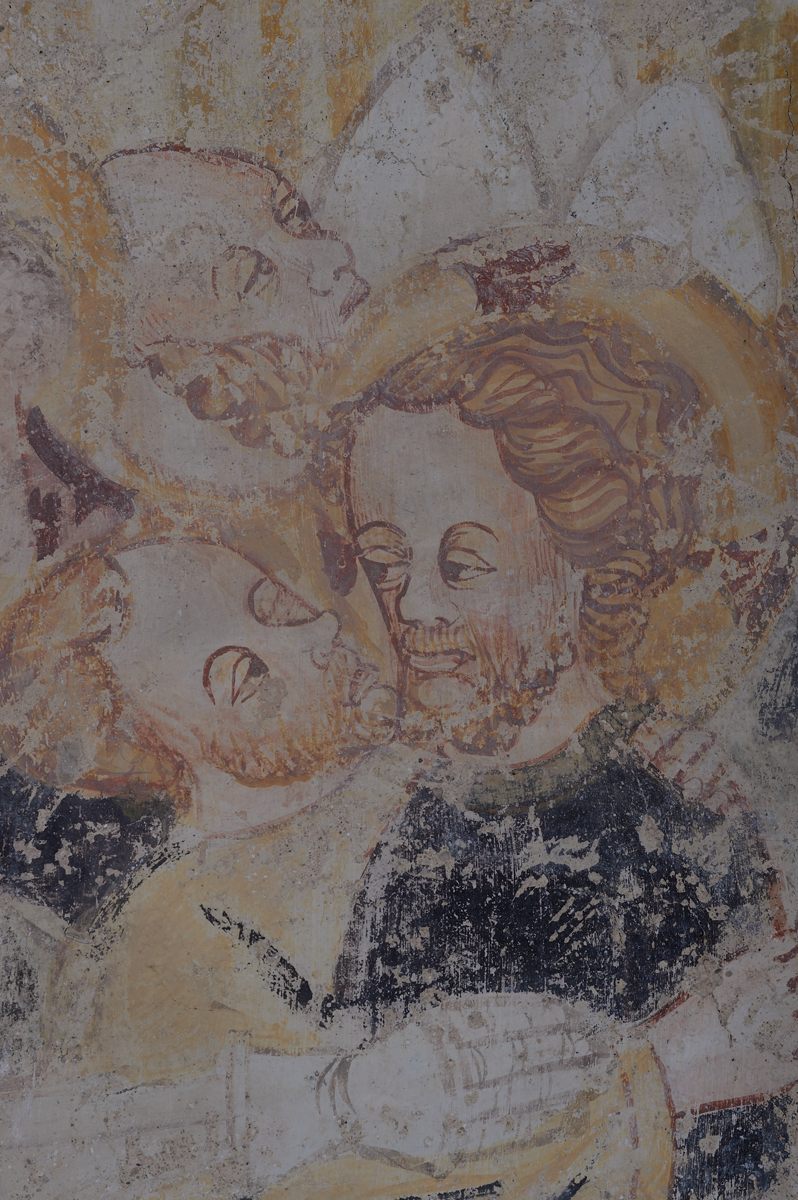
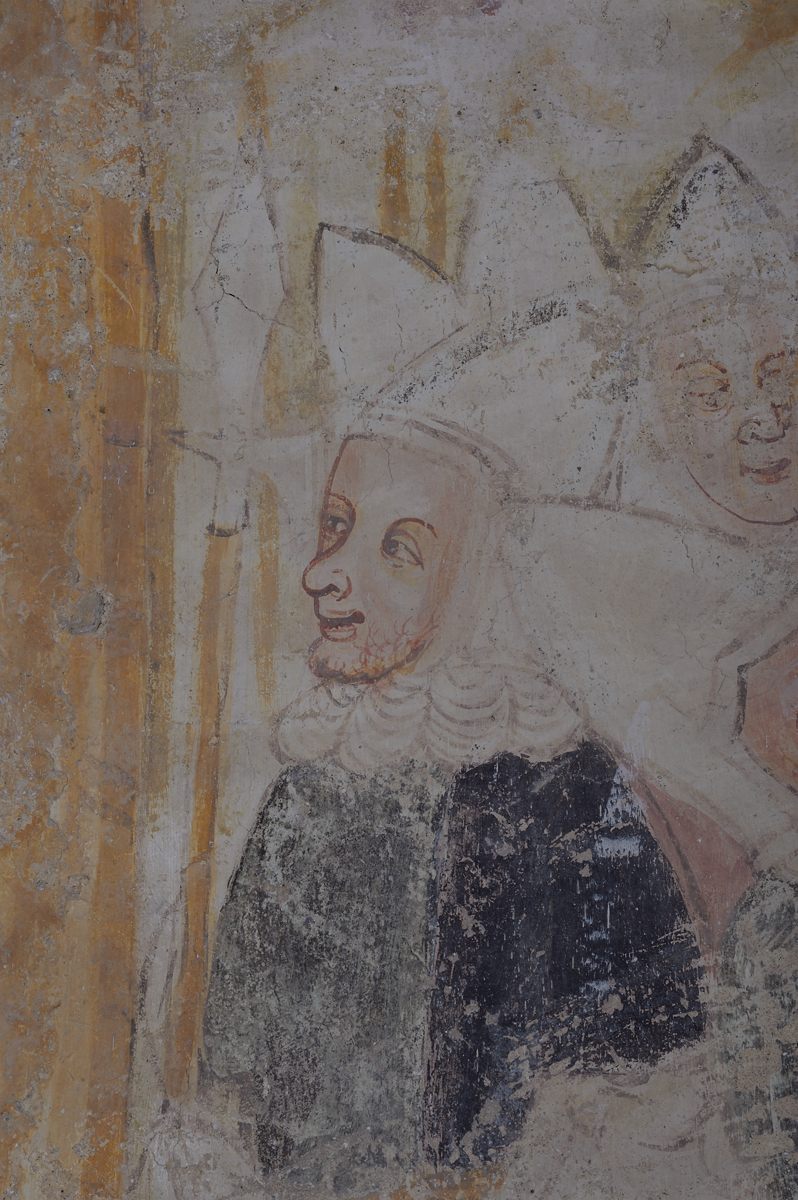
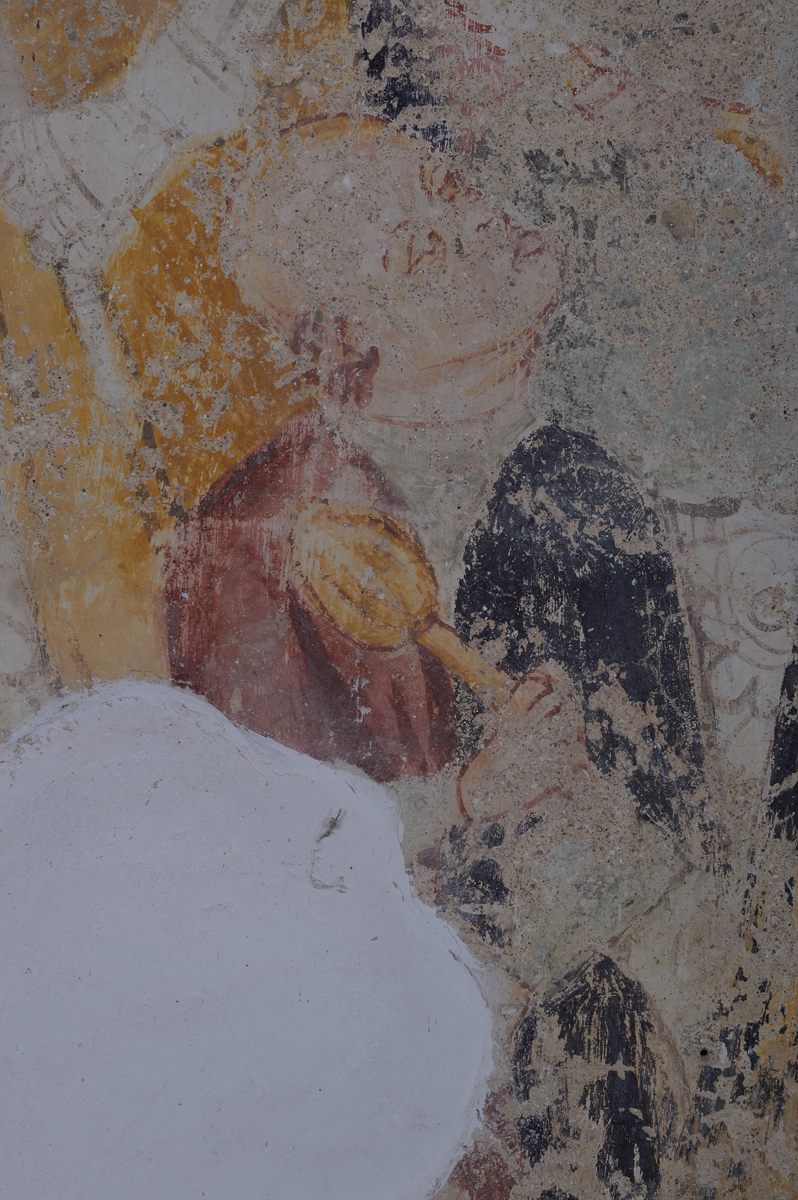
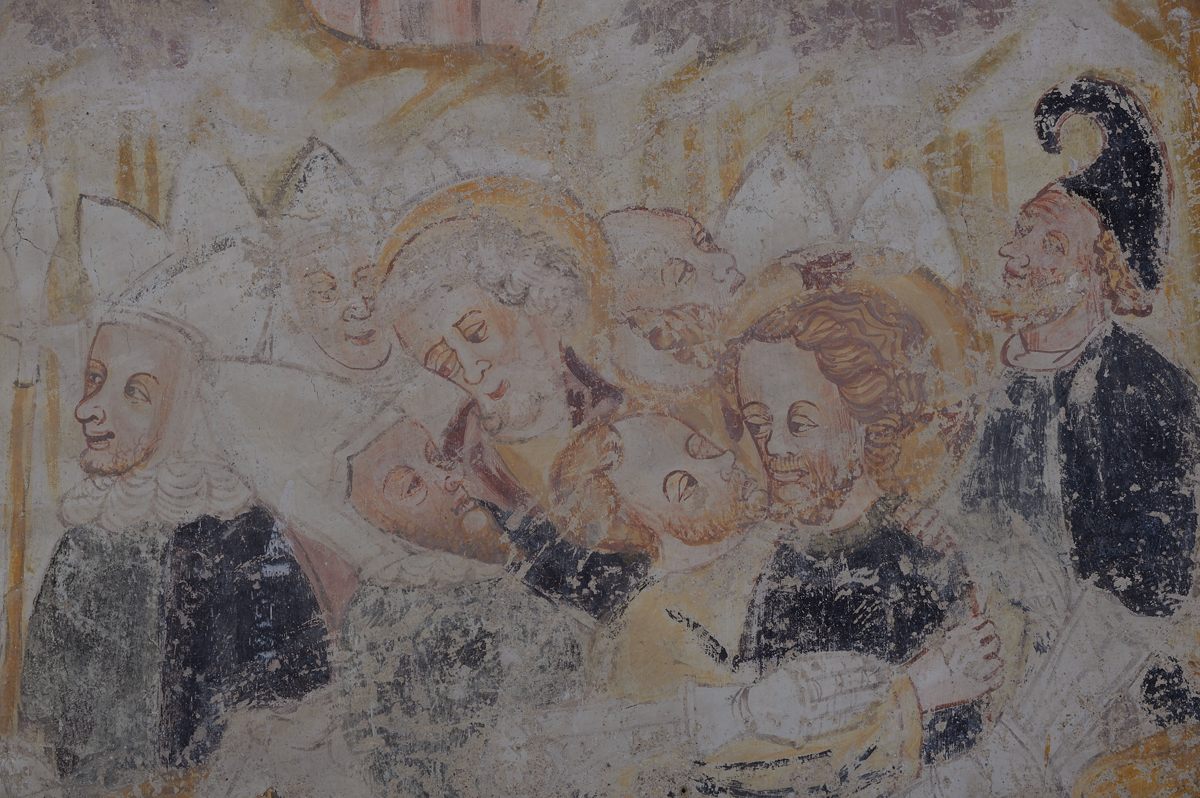
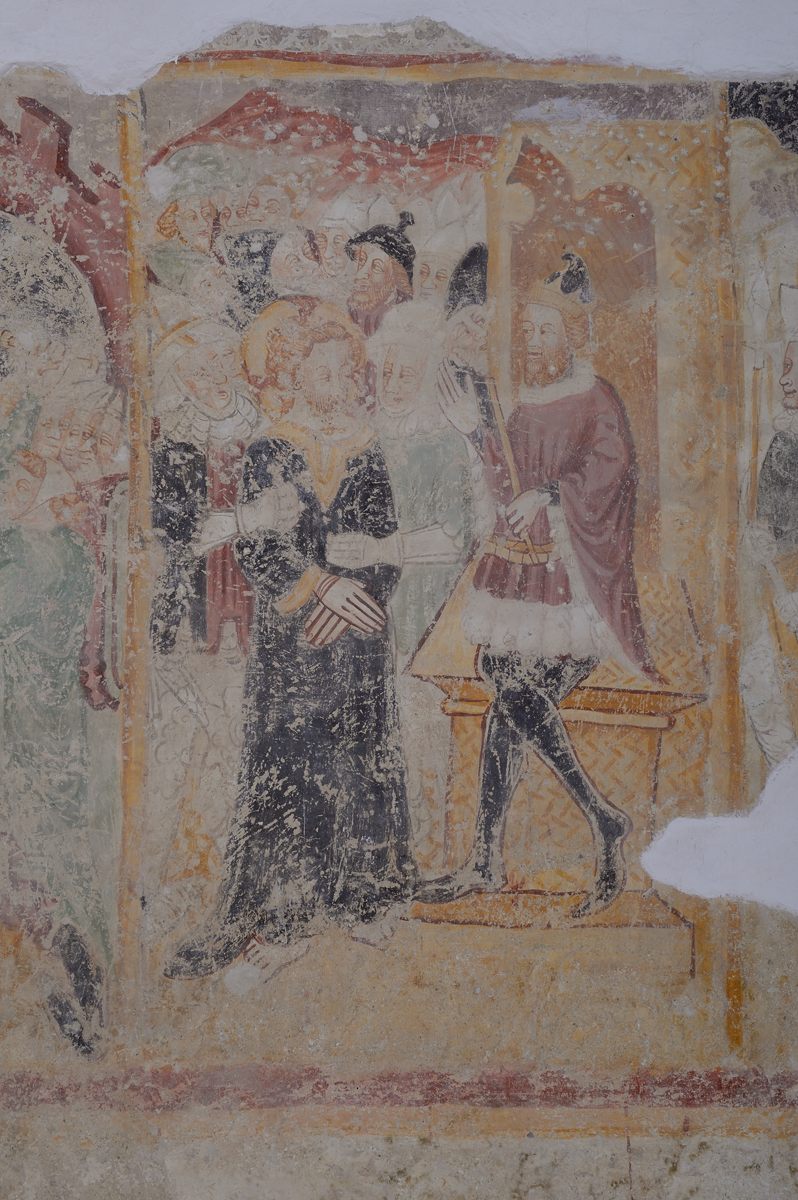
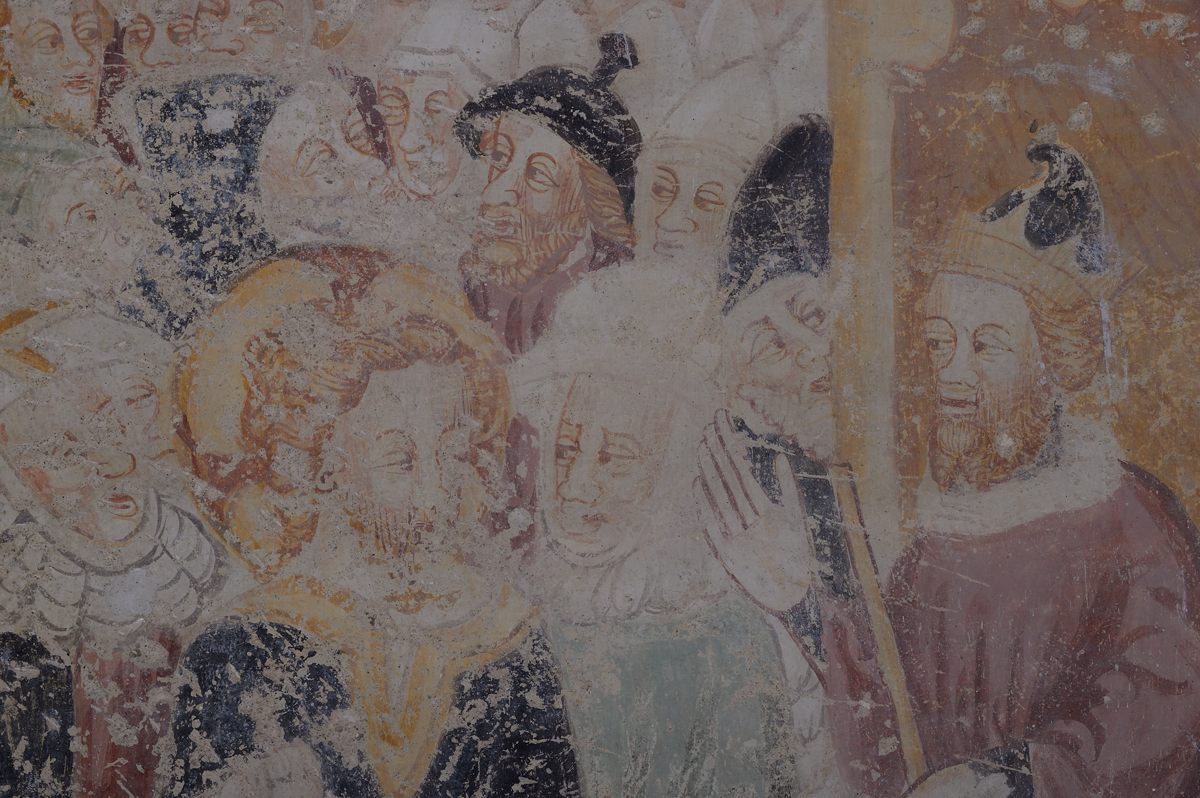
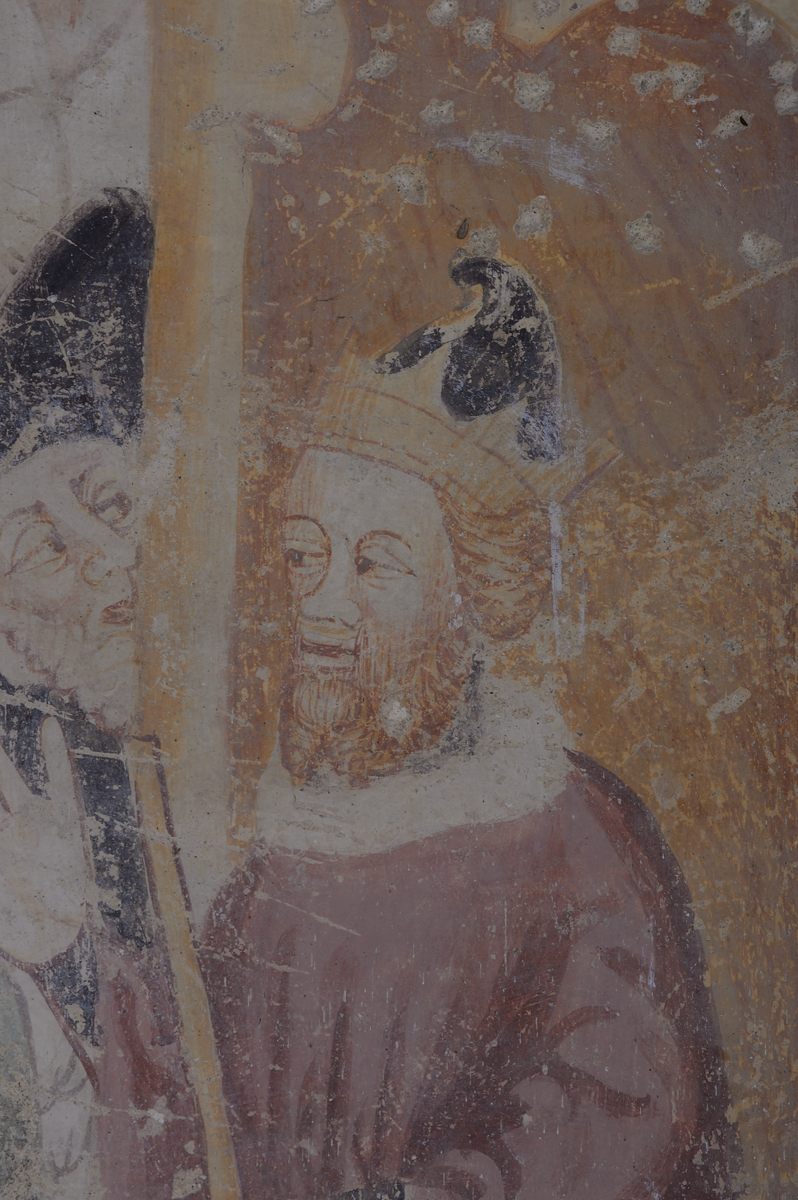
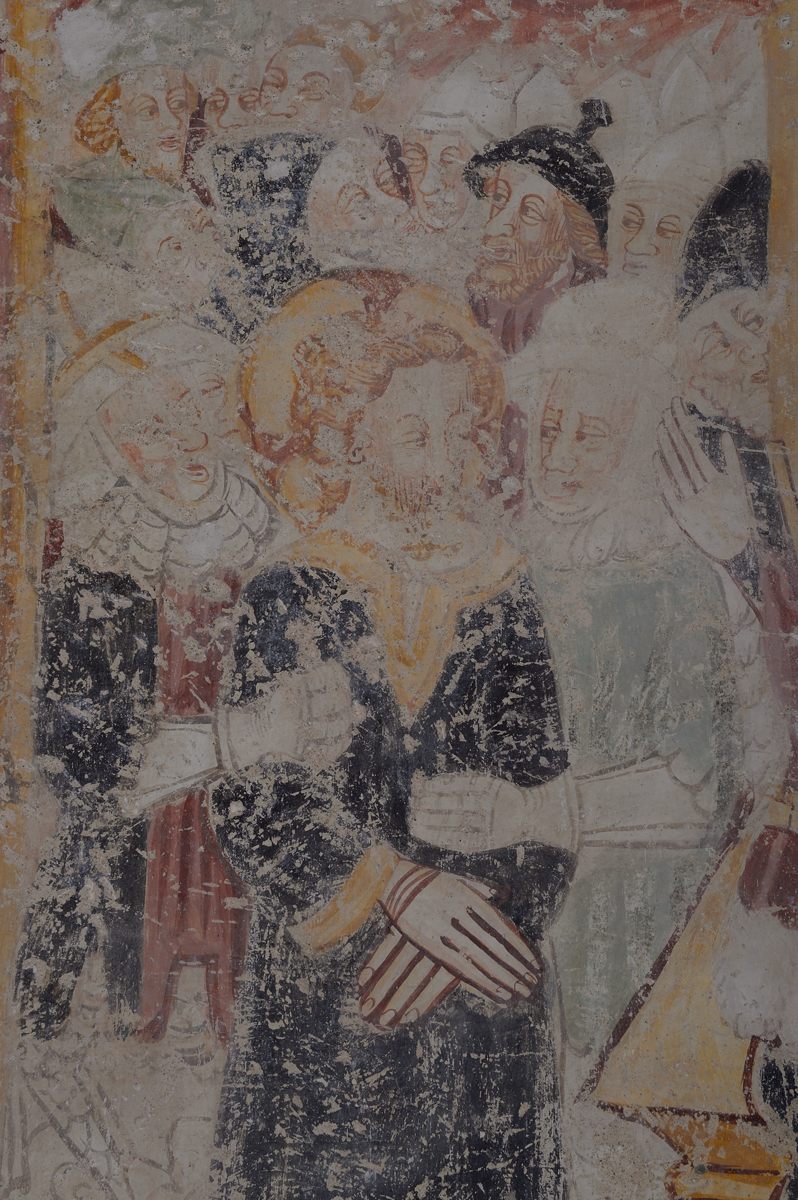
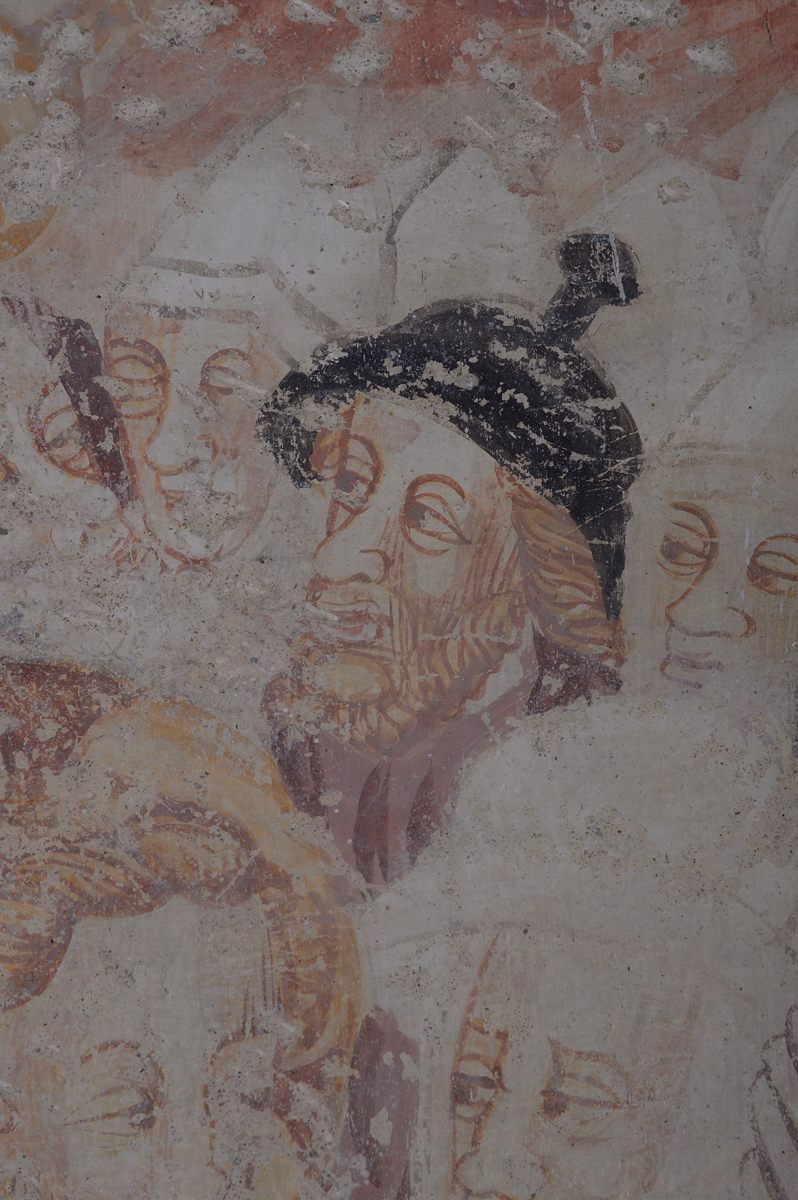
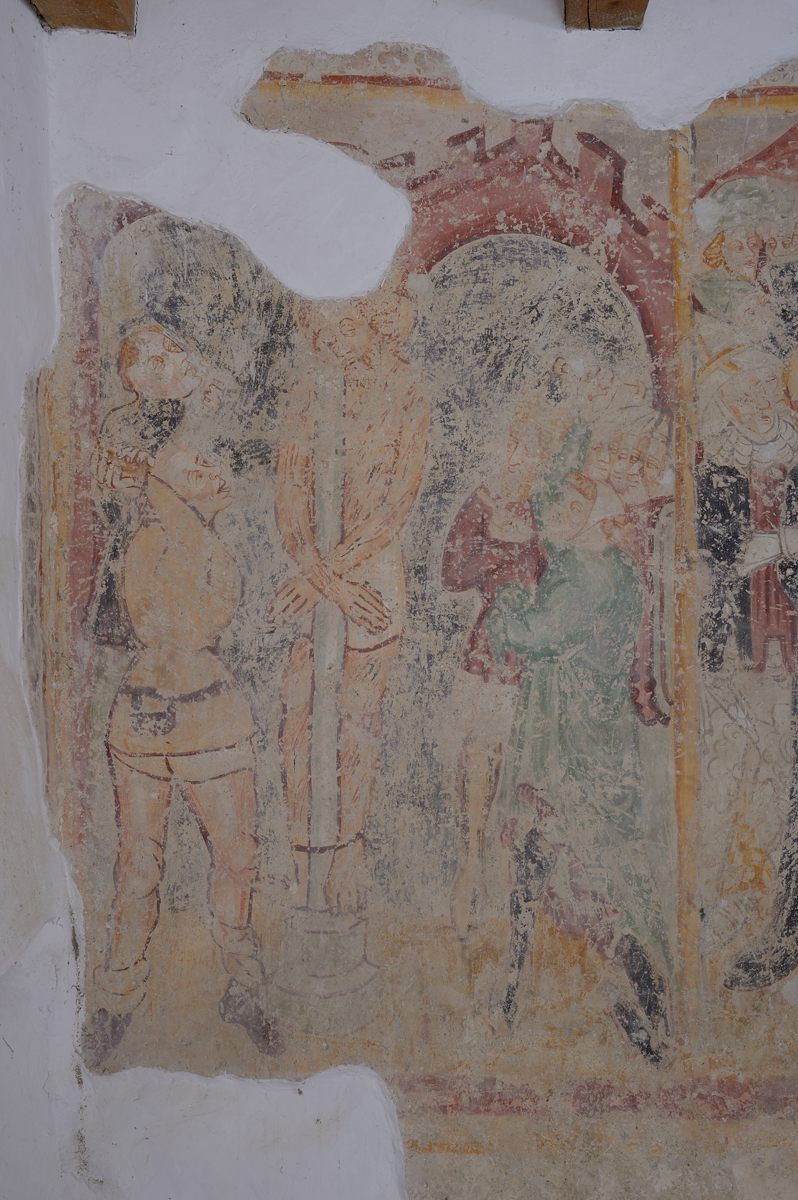
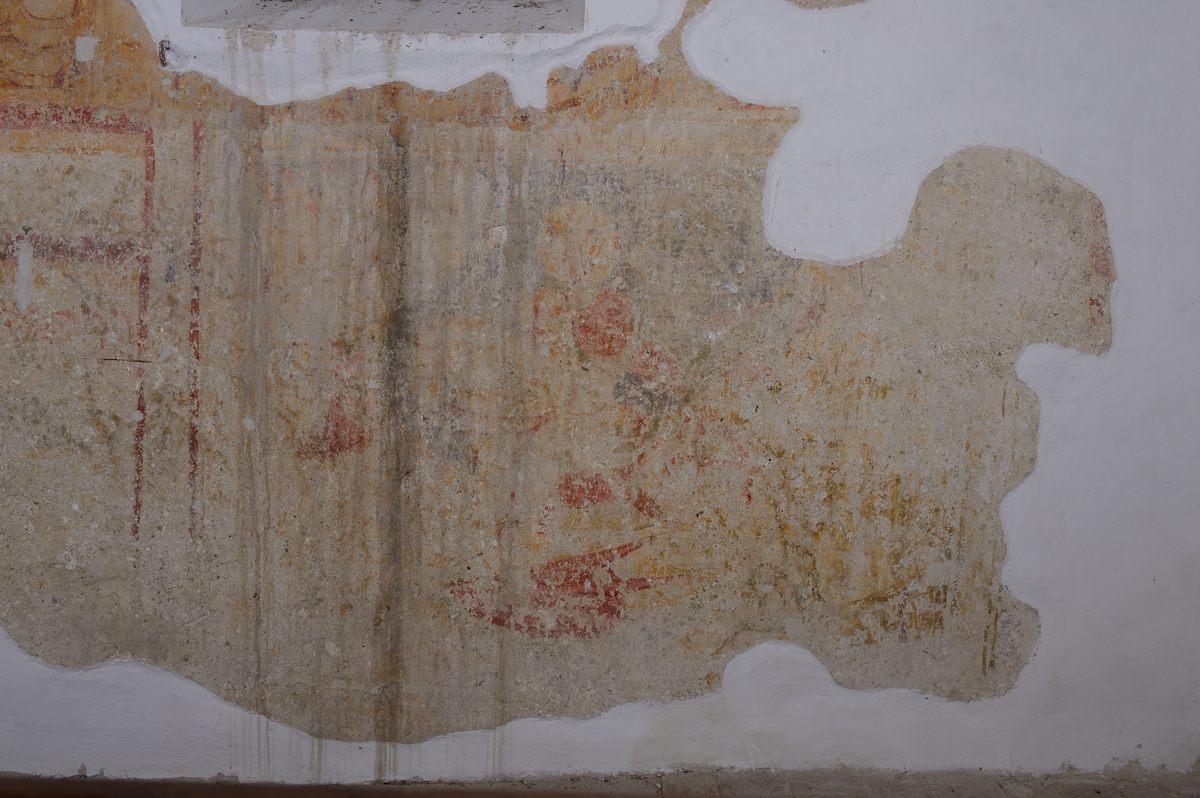
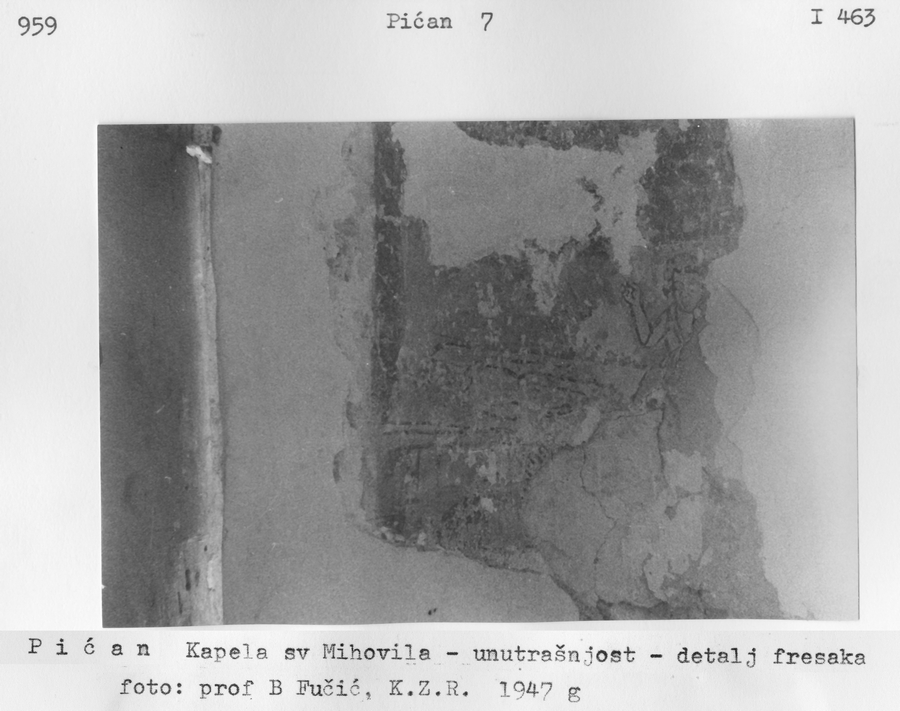
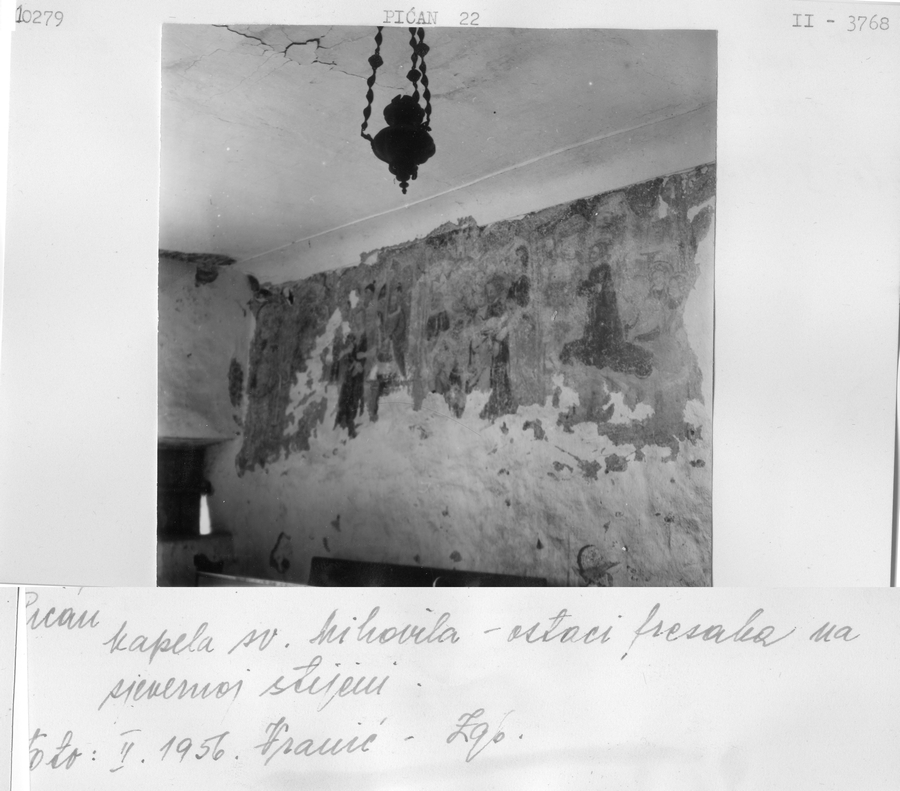
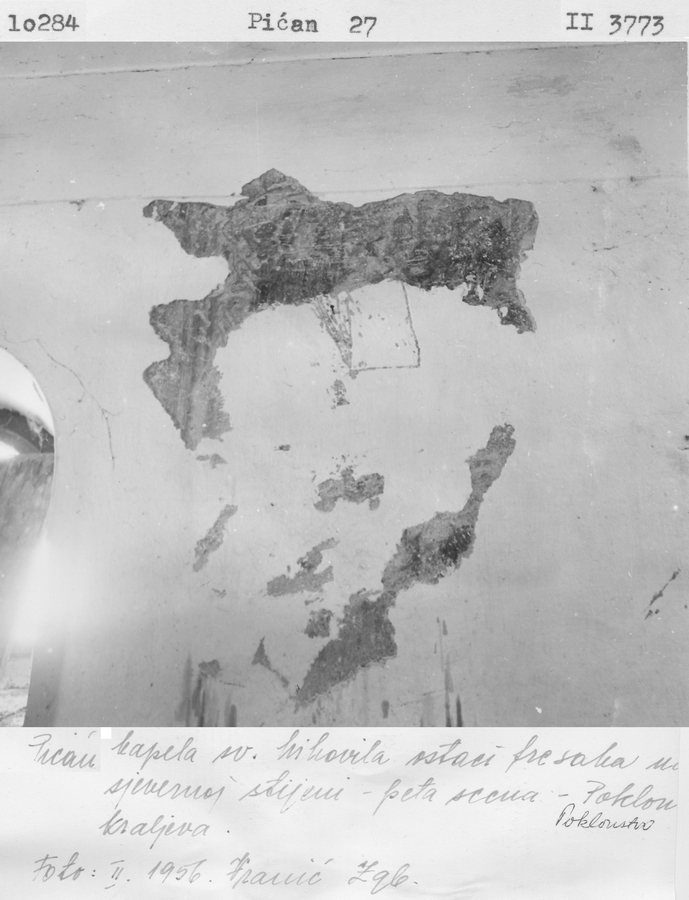
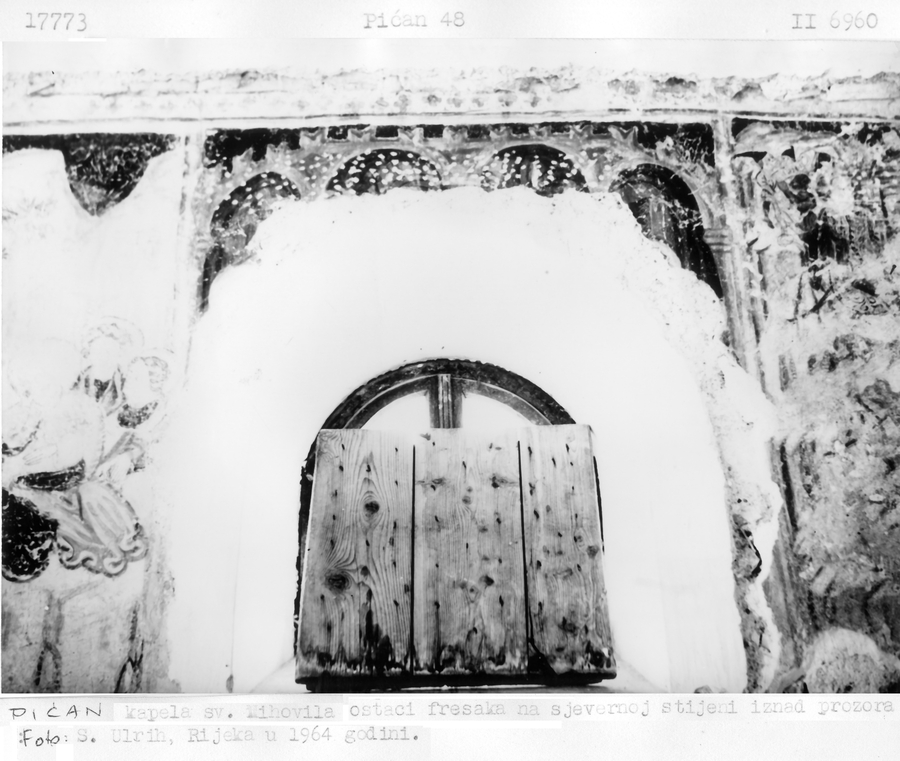
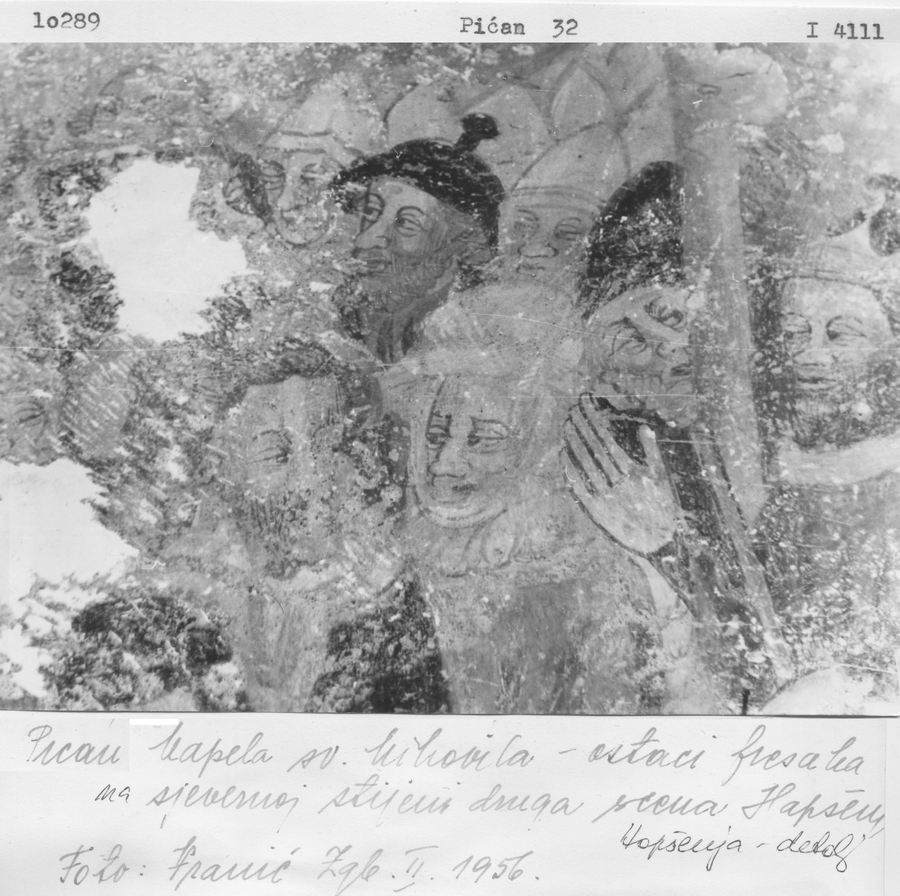
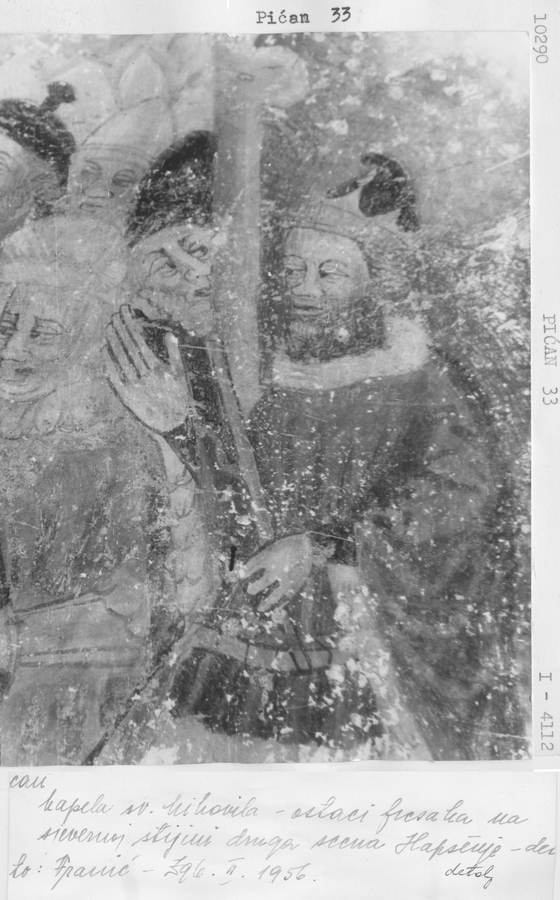
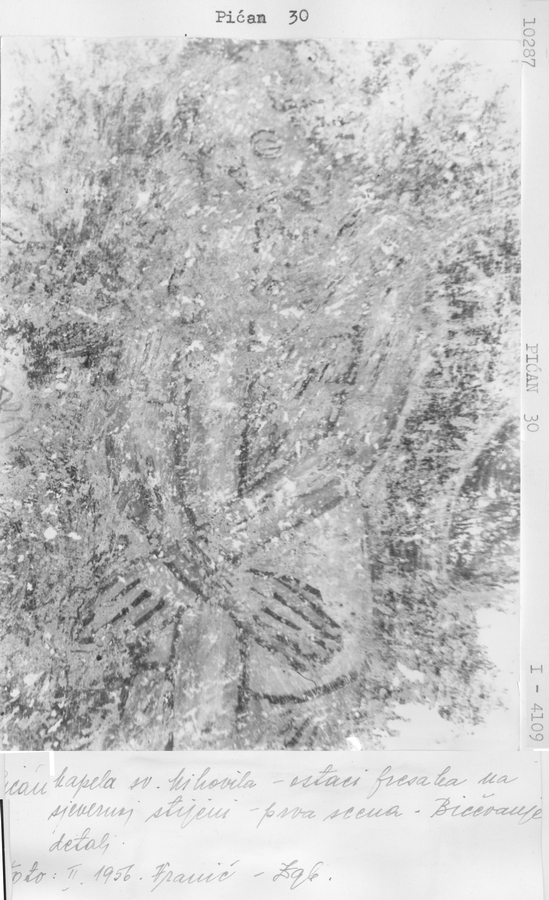
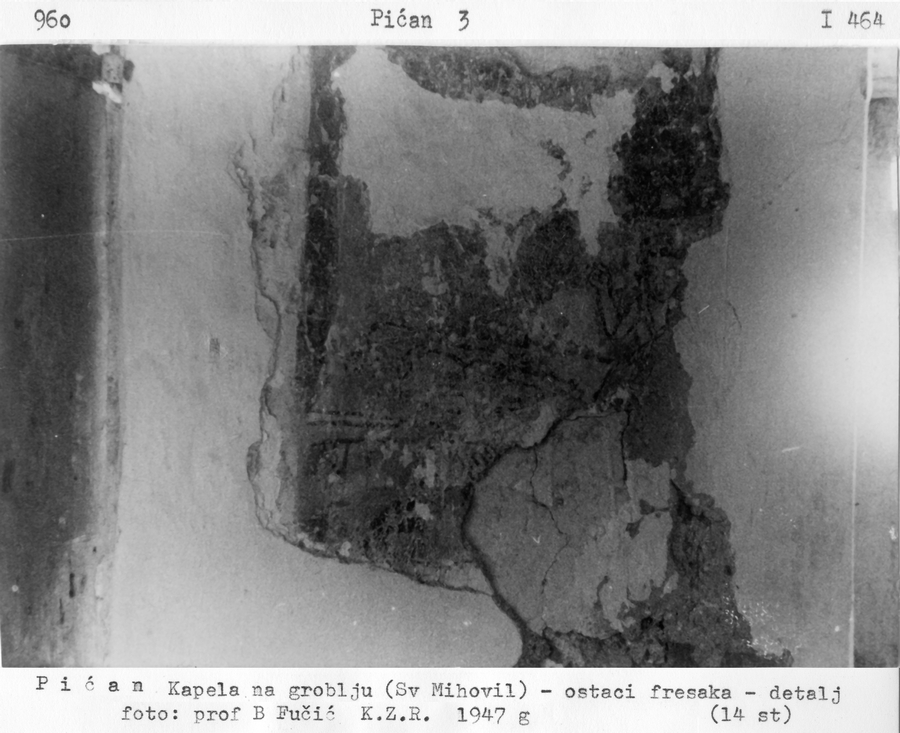
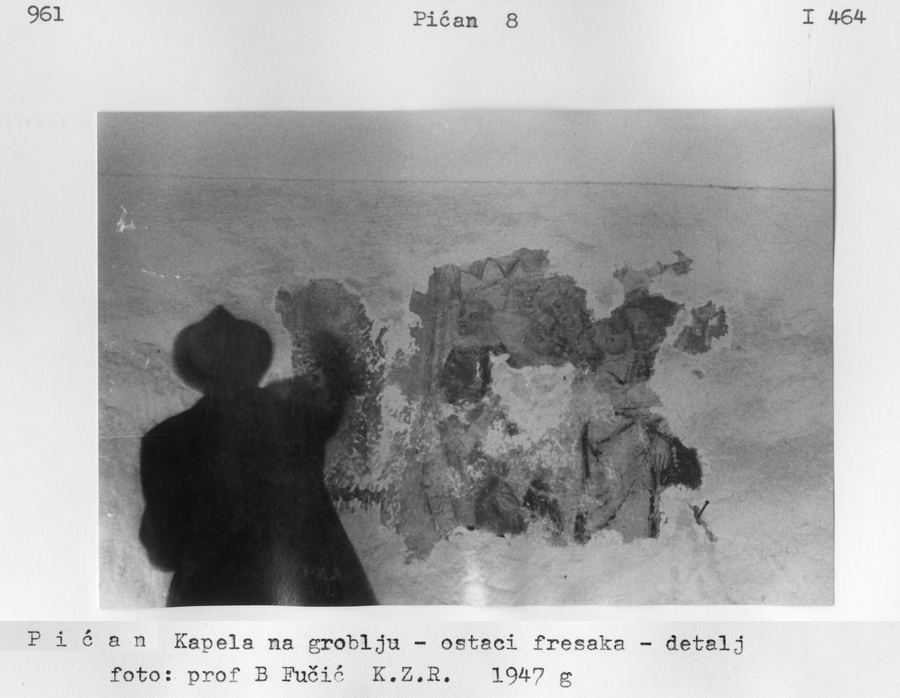
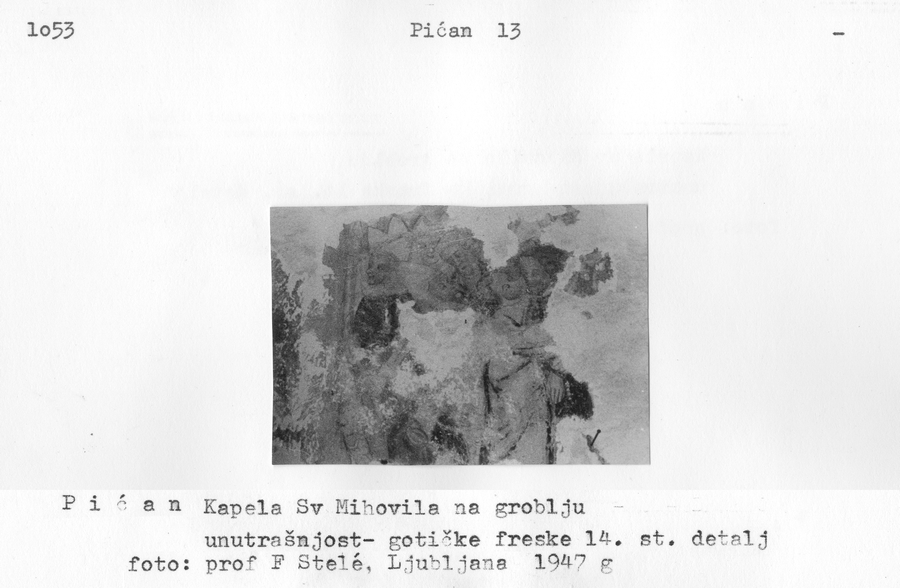
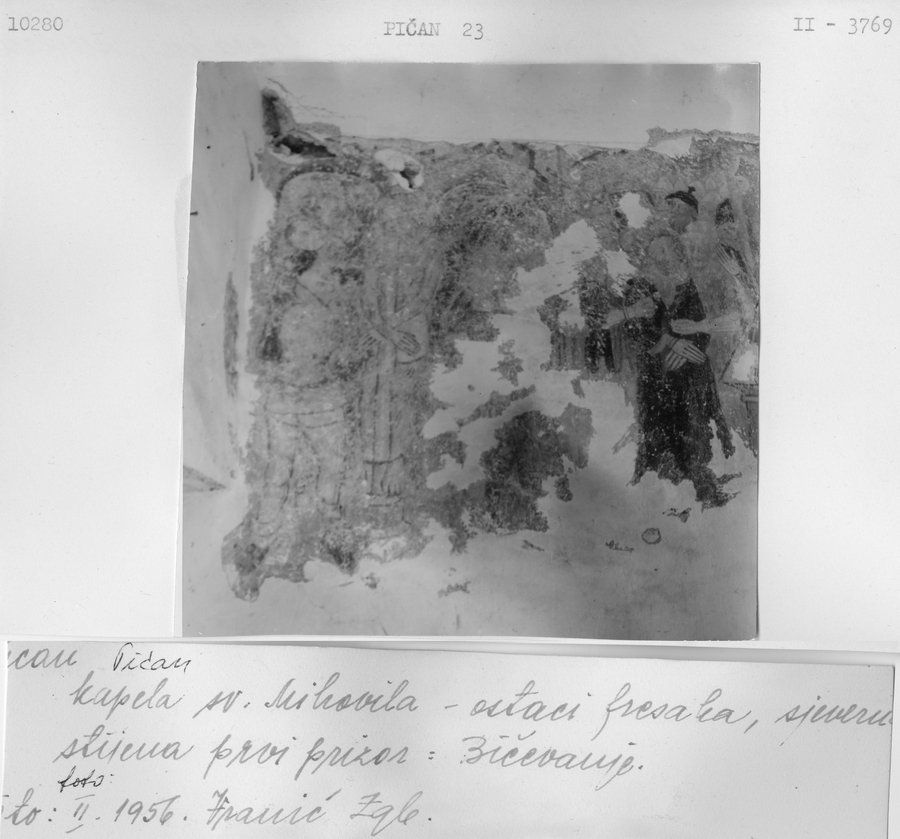
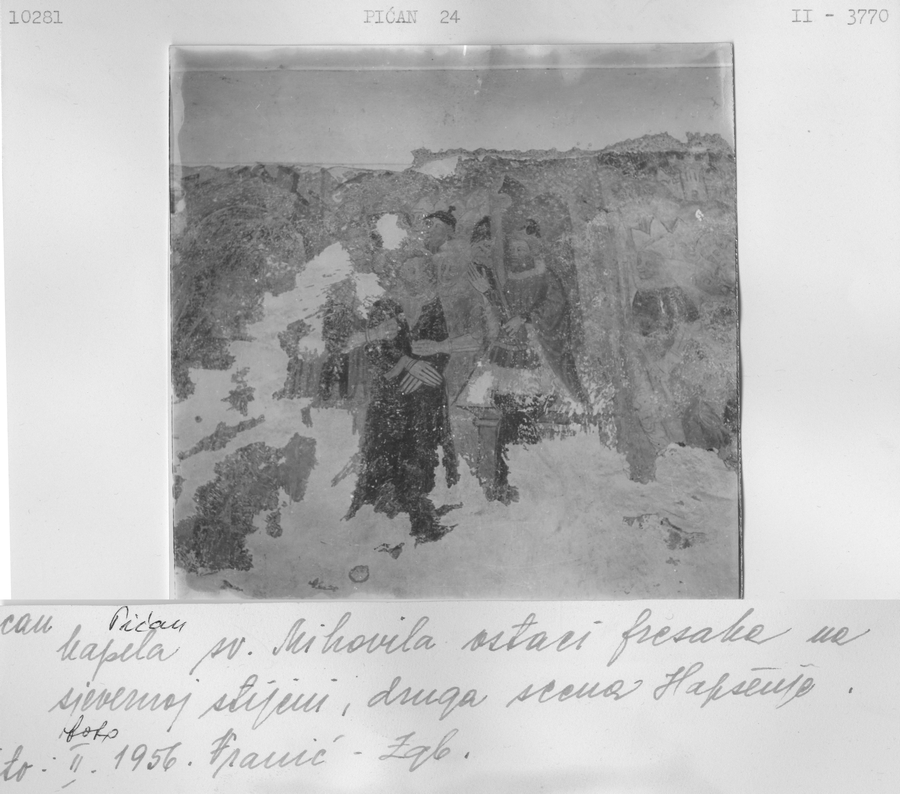
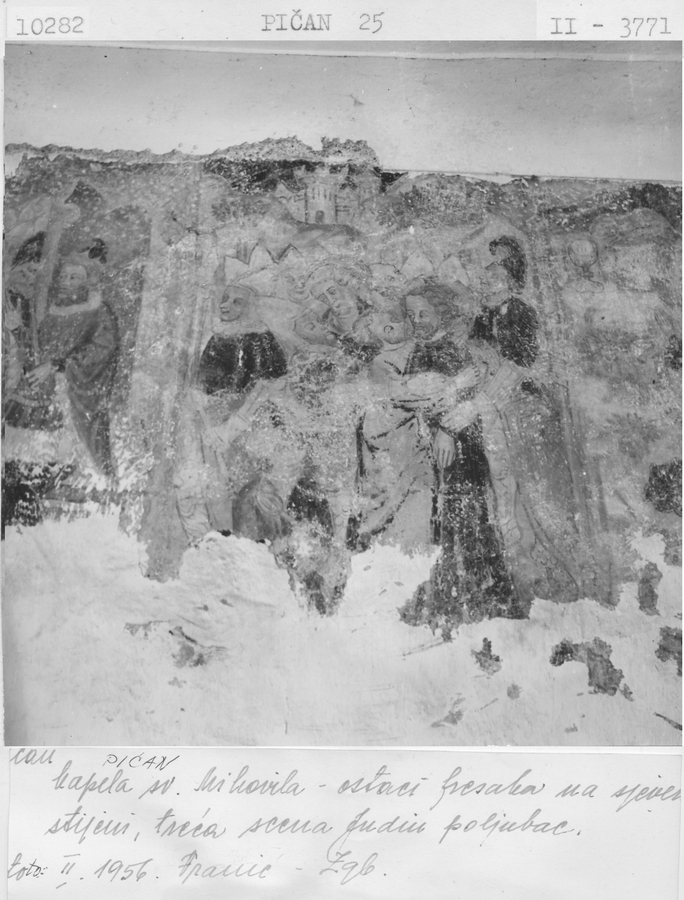
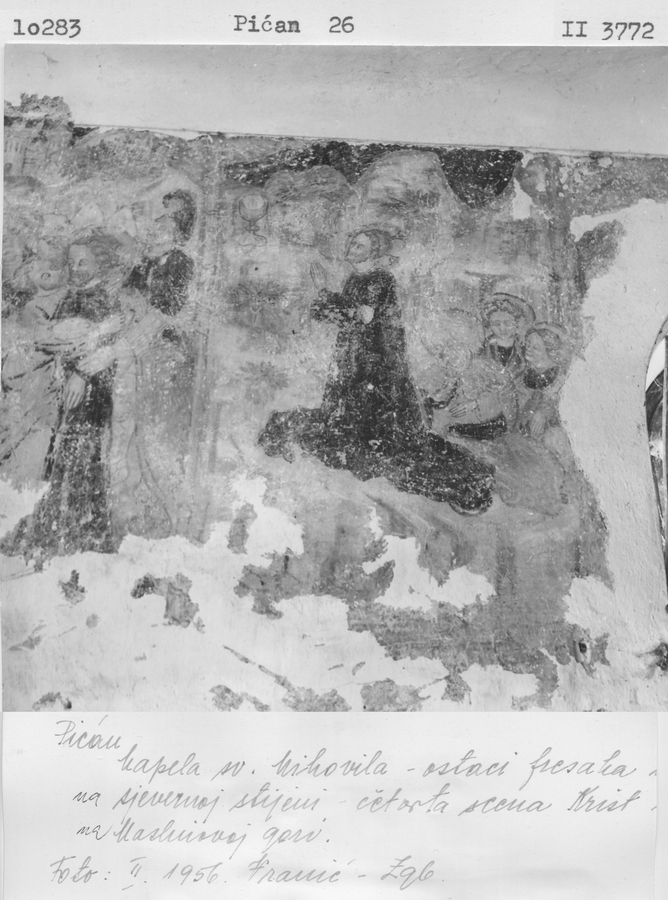
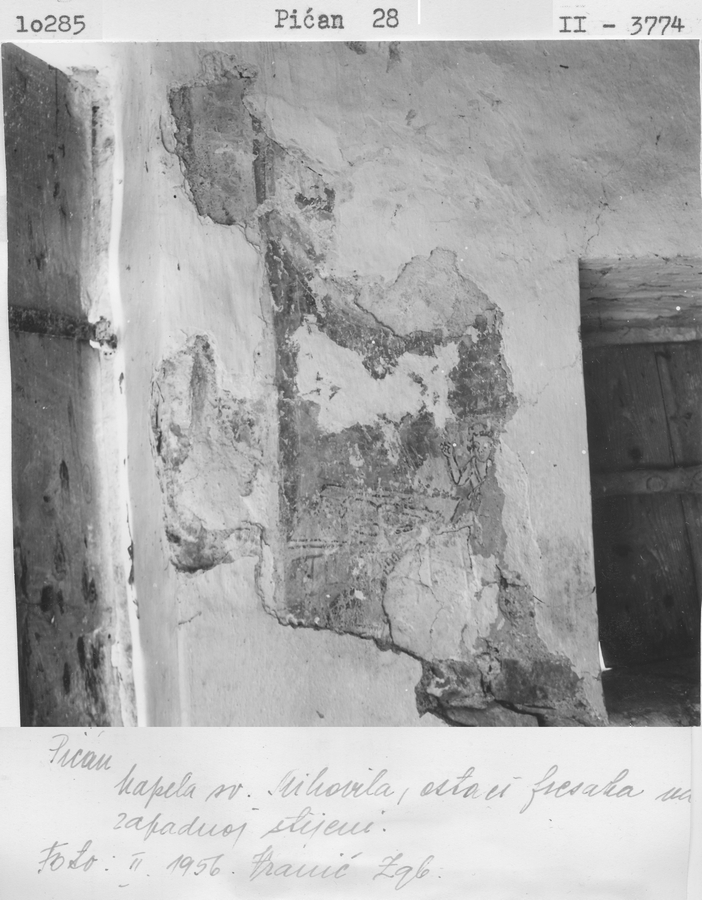
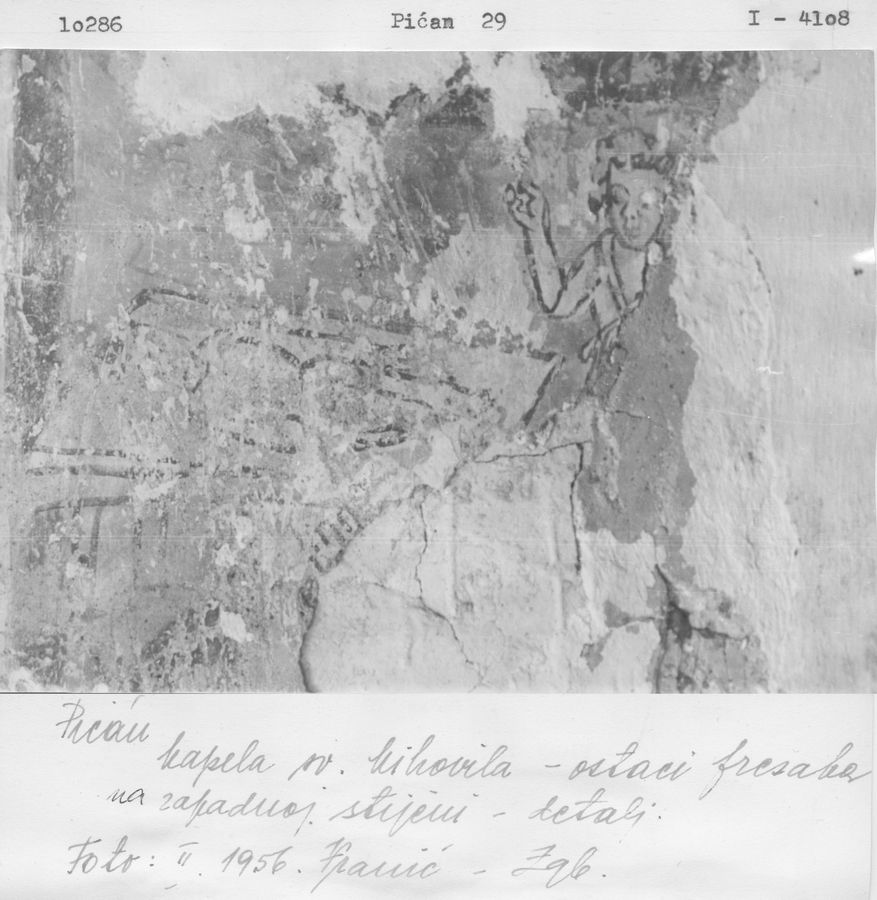
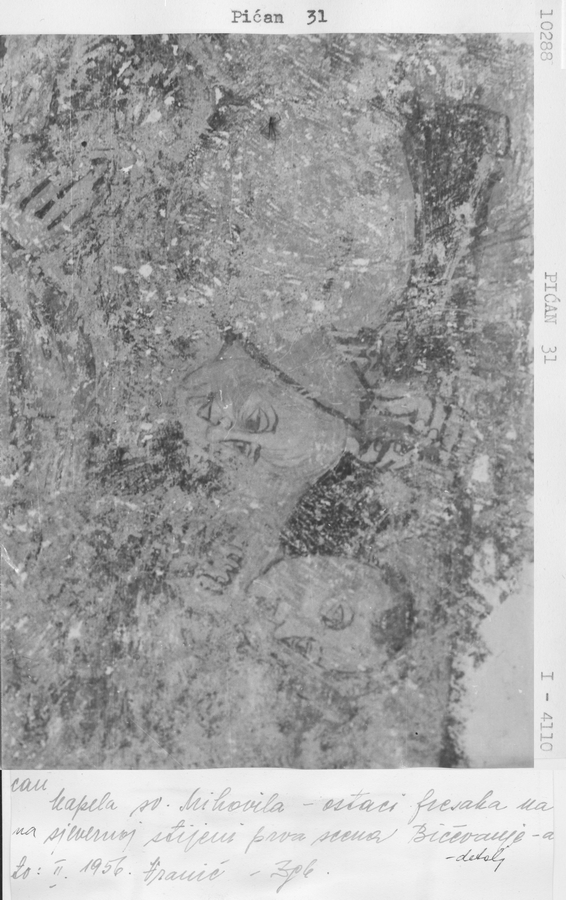
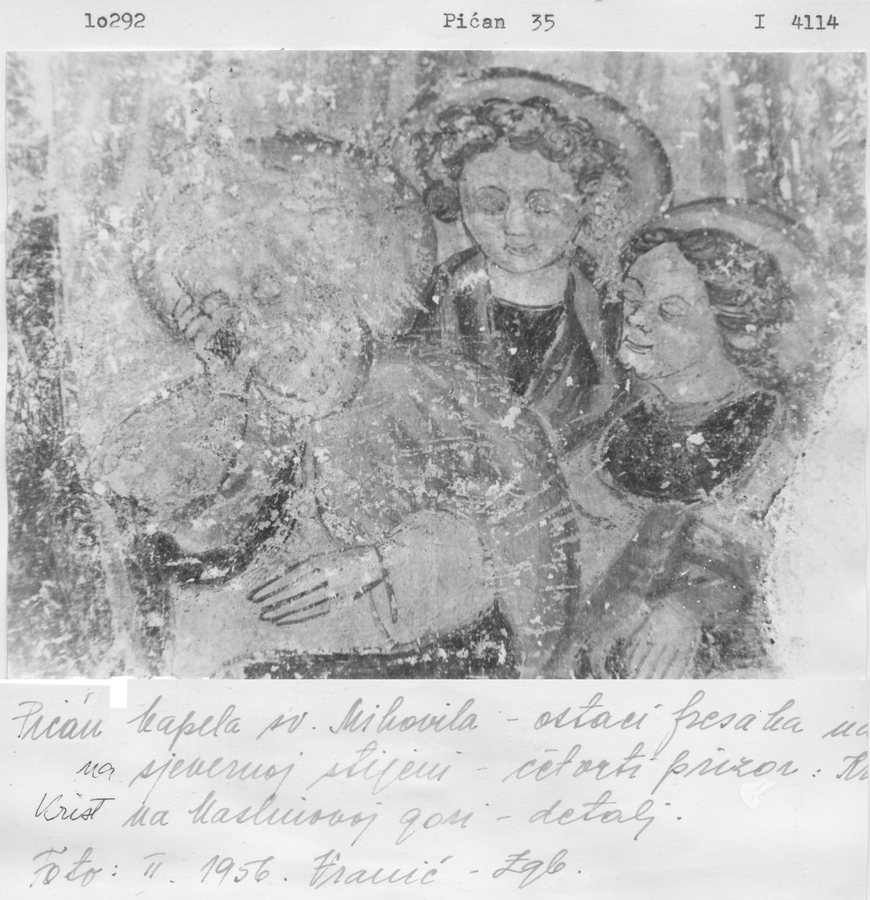
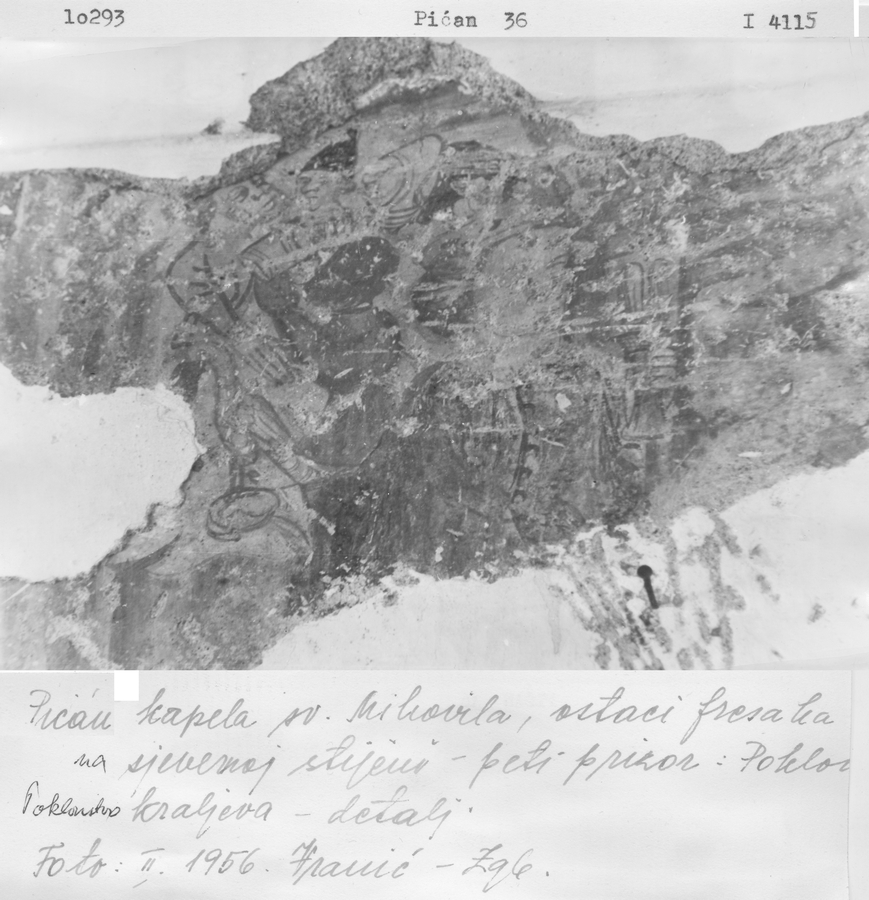
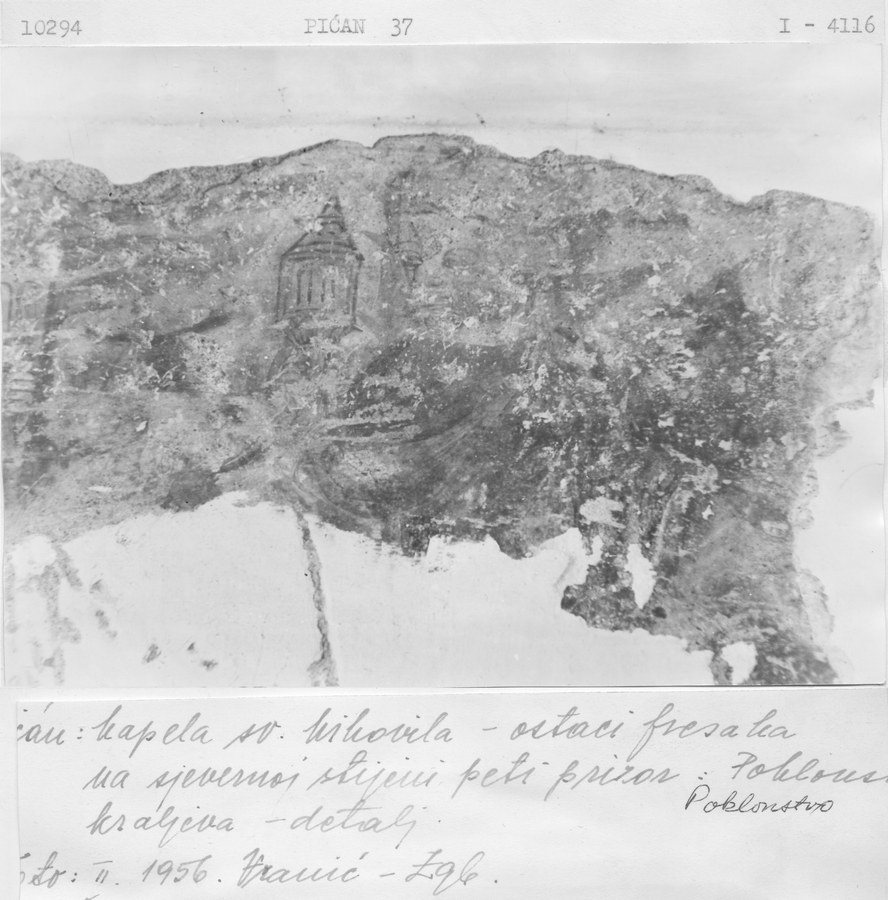
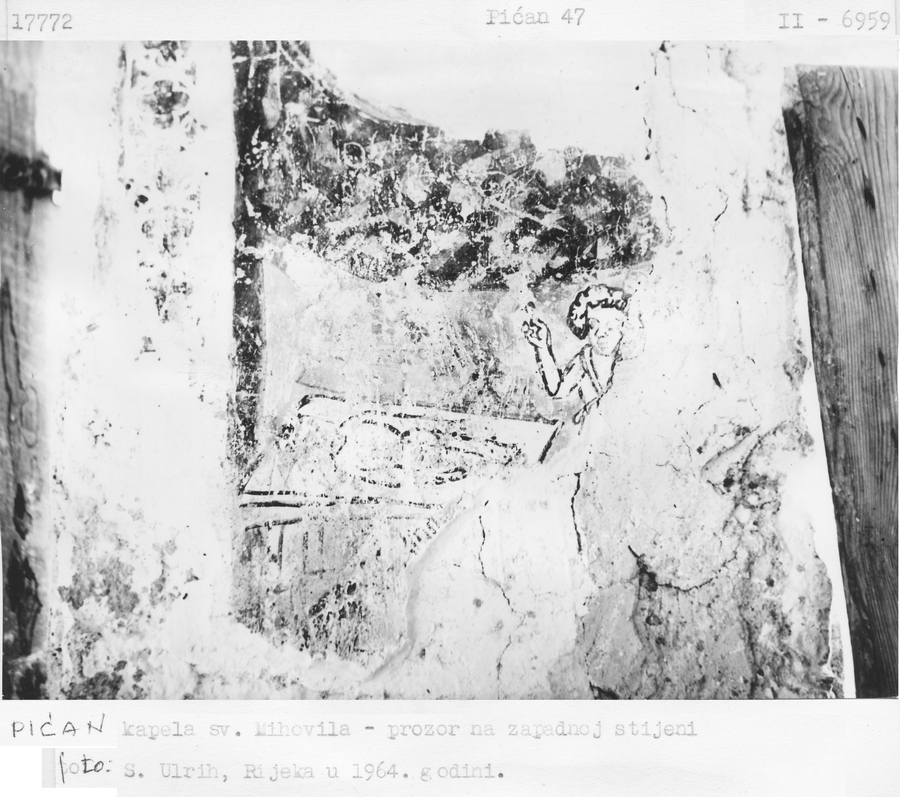
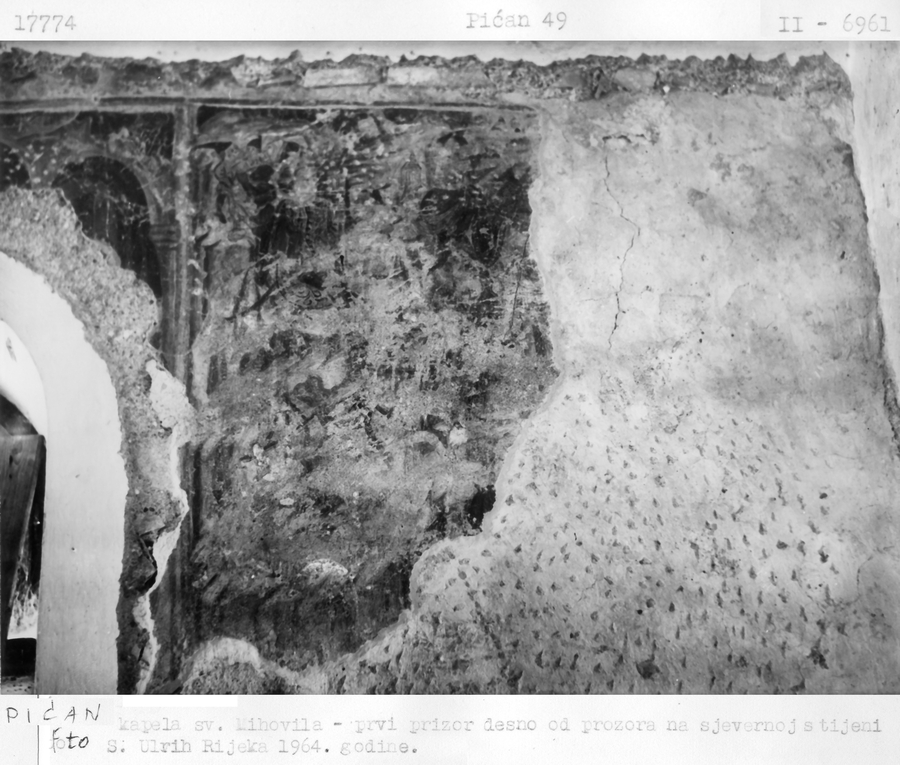
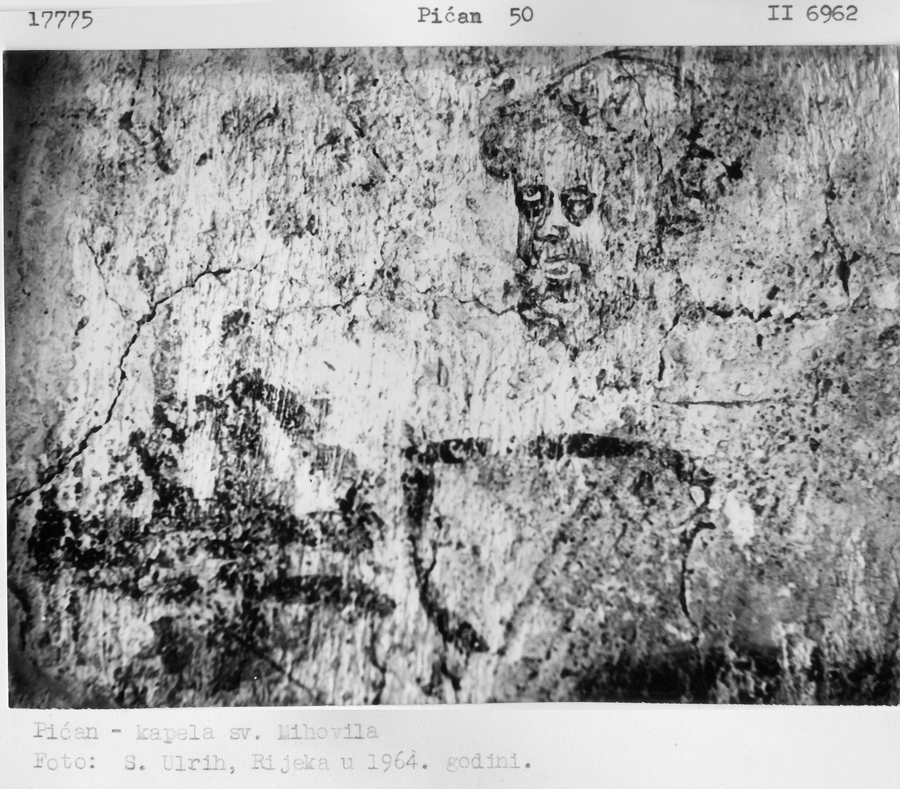
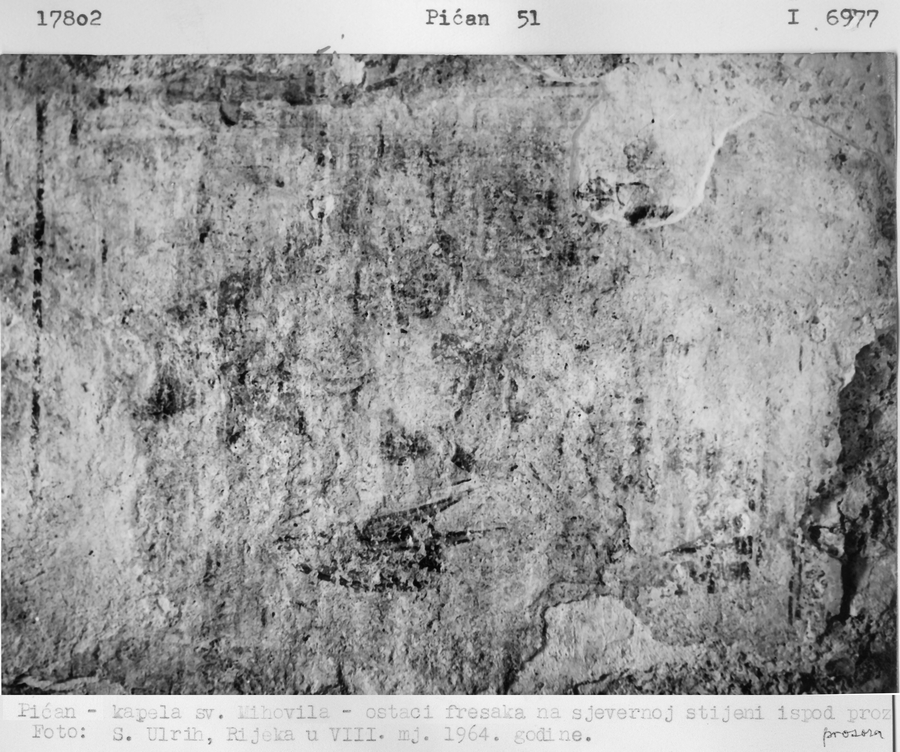
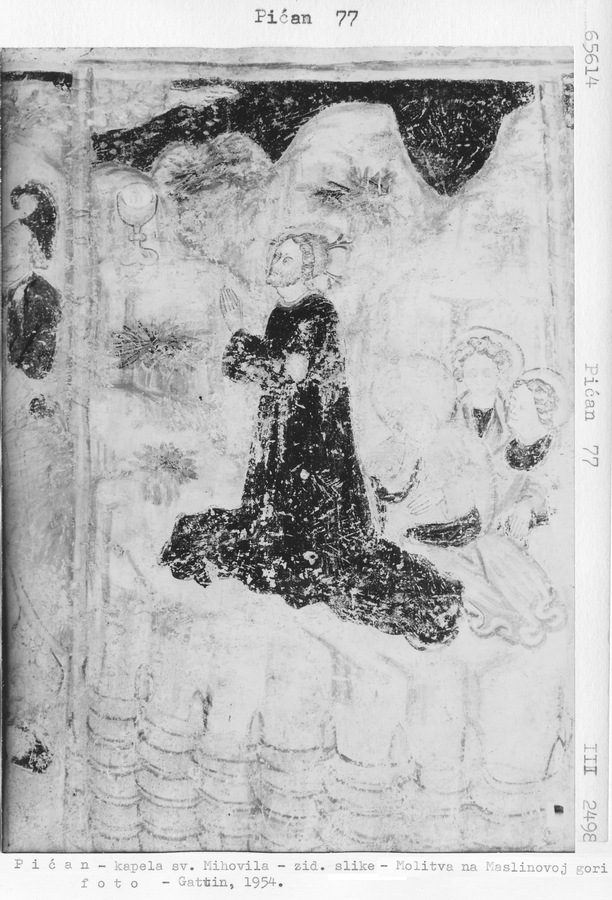
Frescoes dating to the second half of the fifteenth century have been preserved on the north wall of the church, and their authorship is associated with the activity of Master Albert of Constance. Fragments of wall paintings depicting the Last Judgement on the west wall indicate that the interior of the church was once entirely decorated with frescoes. The six surviving scenes on the north wall represent episodes from the Life of Christ, among which the depiction of the Last Supper was significantly damaged during the insertion of a new window opening. The upper register is separated from the lower zone by a wide border of simple three-colour design. In the lower register, only the faint outline of a saintly figure can be discerned, probably St George.
The wall paintings were discovered by Branko Fučić in 1947, and their scholarly analysis was published in 1963 in the publication Istarske freske.
Iconographic programme:
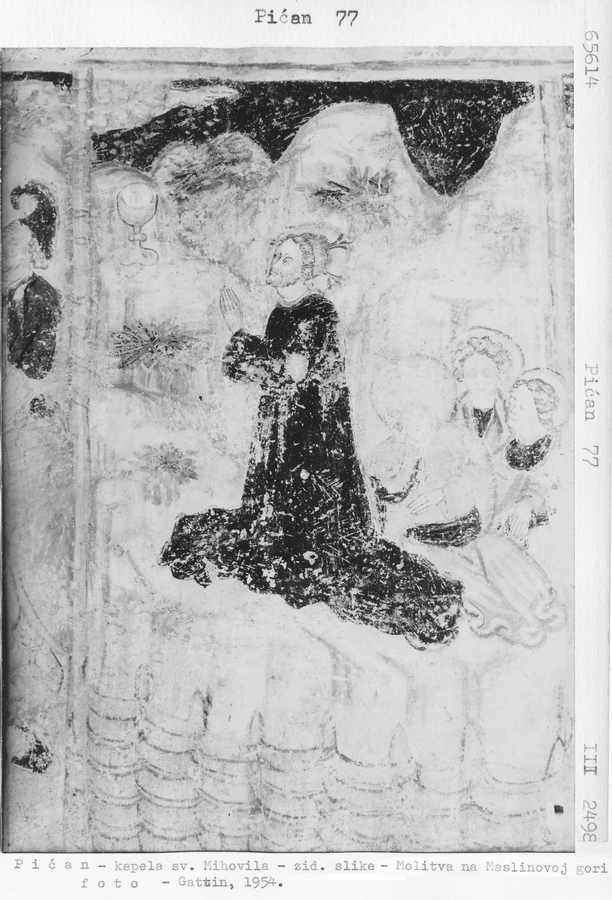
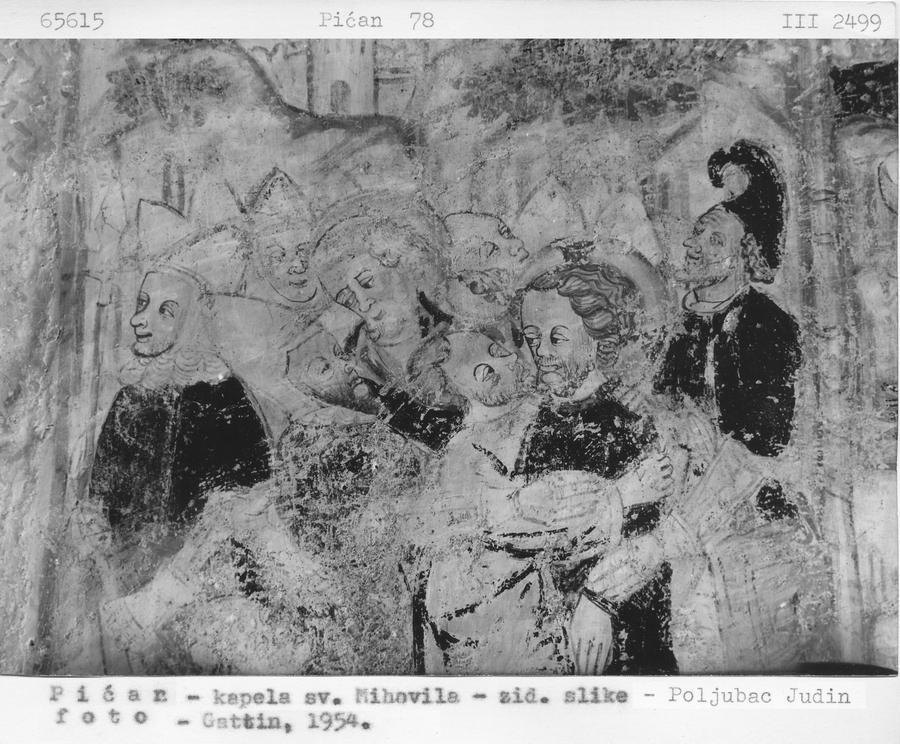
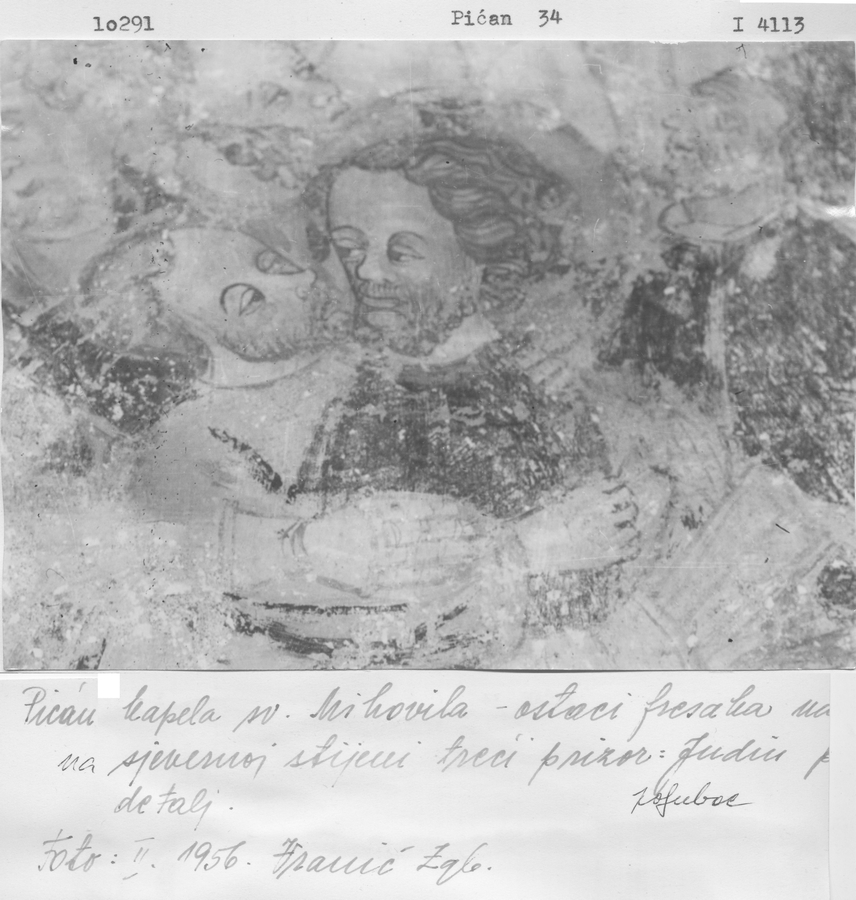
North wall: 1. Adoration of the Magi, 2. Last Supper, 3. Prayer on the Mount of Olives, 4. Kiss of Judas, 5. Christ before Pilate, 6. Flagellation of Christ. West wall: 7. Last Judgement.
B. FUČIĆ, 1963., Istarske freske, Zagreb, 1963, 119-20, KAT. 12; ISTI, 1964a, Srednjovjekovno zidno slikarstvo u Istri, doktorska disertacija, Filozofski fakultet Sveučilišta u Ljubljani, Rijeka-Ljubljana, 1964, 243-247; ISTI, 1986., Freske u Pićnu (Istra), Bulletin Razreda za likovne umjetnosti JAZU, 49, 1986, 78-88; S. RATKOVČIĆ, 2004., Zidne slike u crkvi sv. Duha u Balama, Peristil, 47, 2004, 15-24, 23; Ž. BISTROVIĆ, 2011., Šareni trag istarskih fresaka, Pula, 2011., 86-88.