


Barban Chapel of St James
Century/year: late 1480's
Historical-cultural period: Gothic style
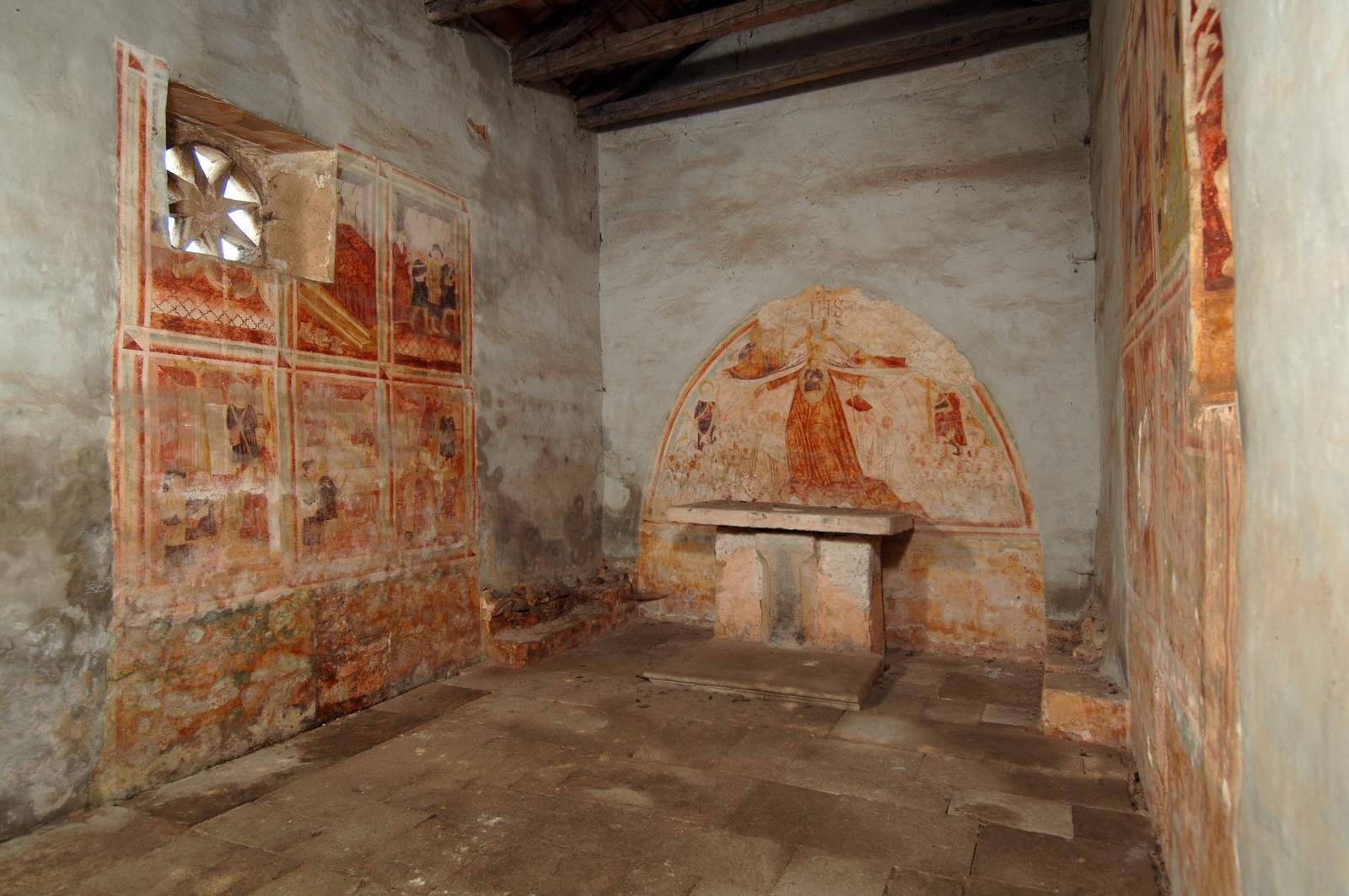
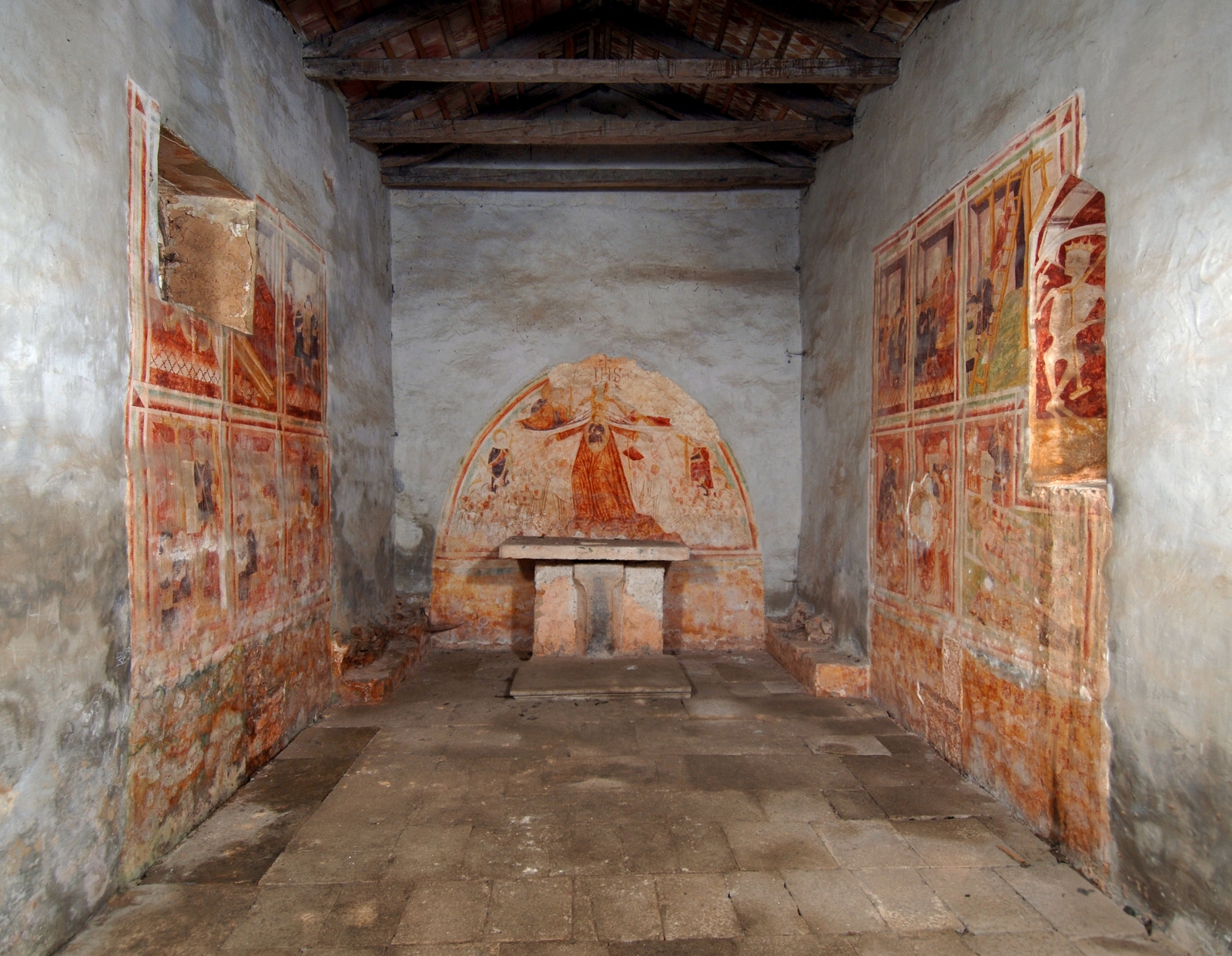
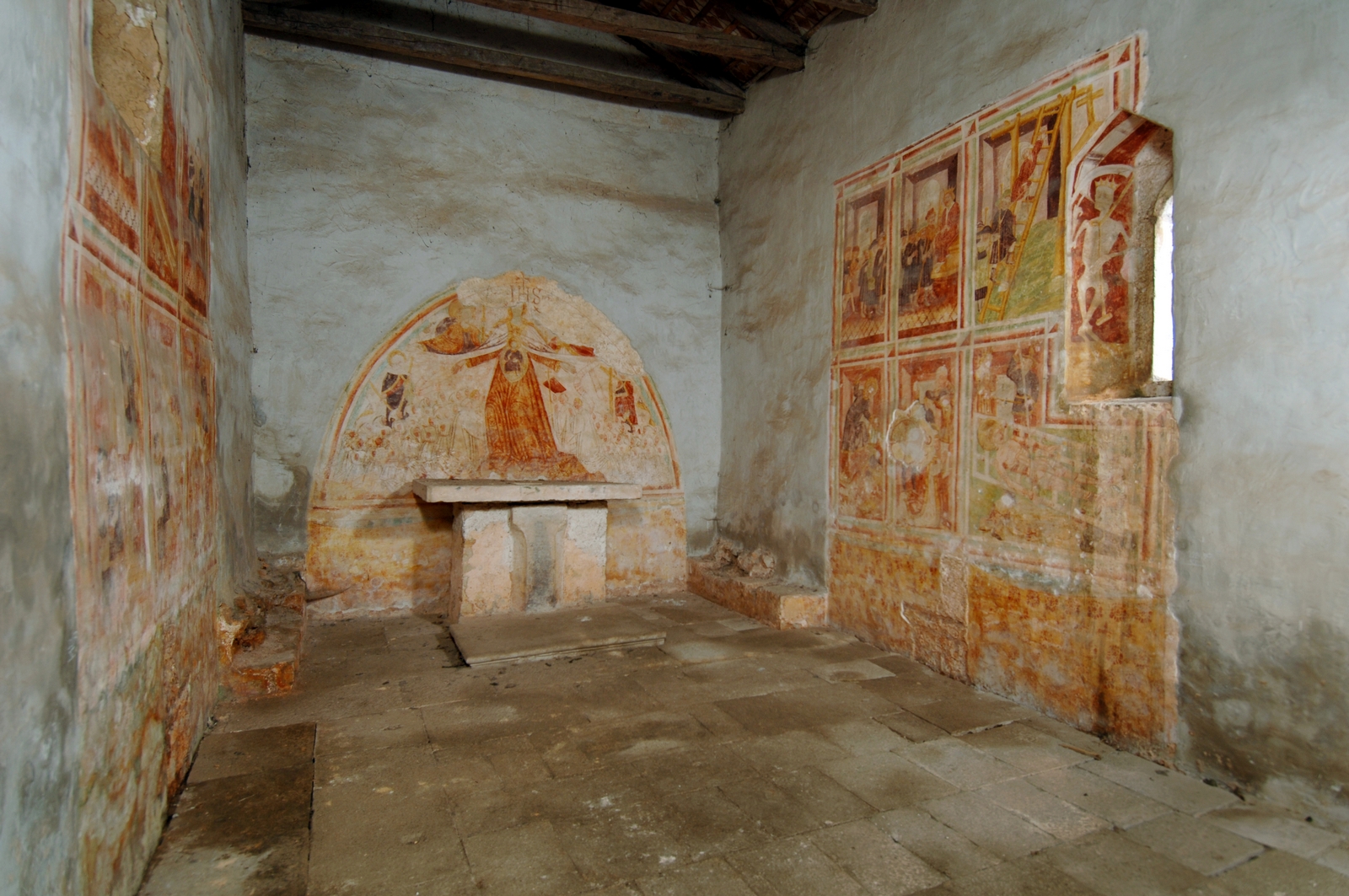
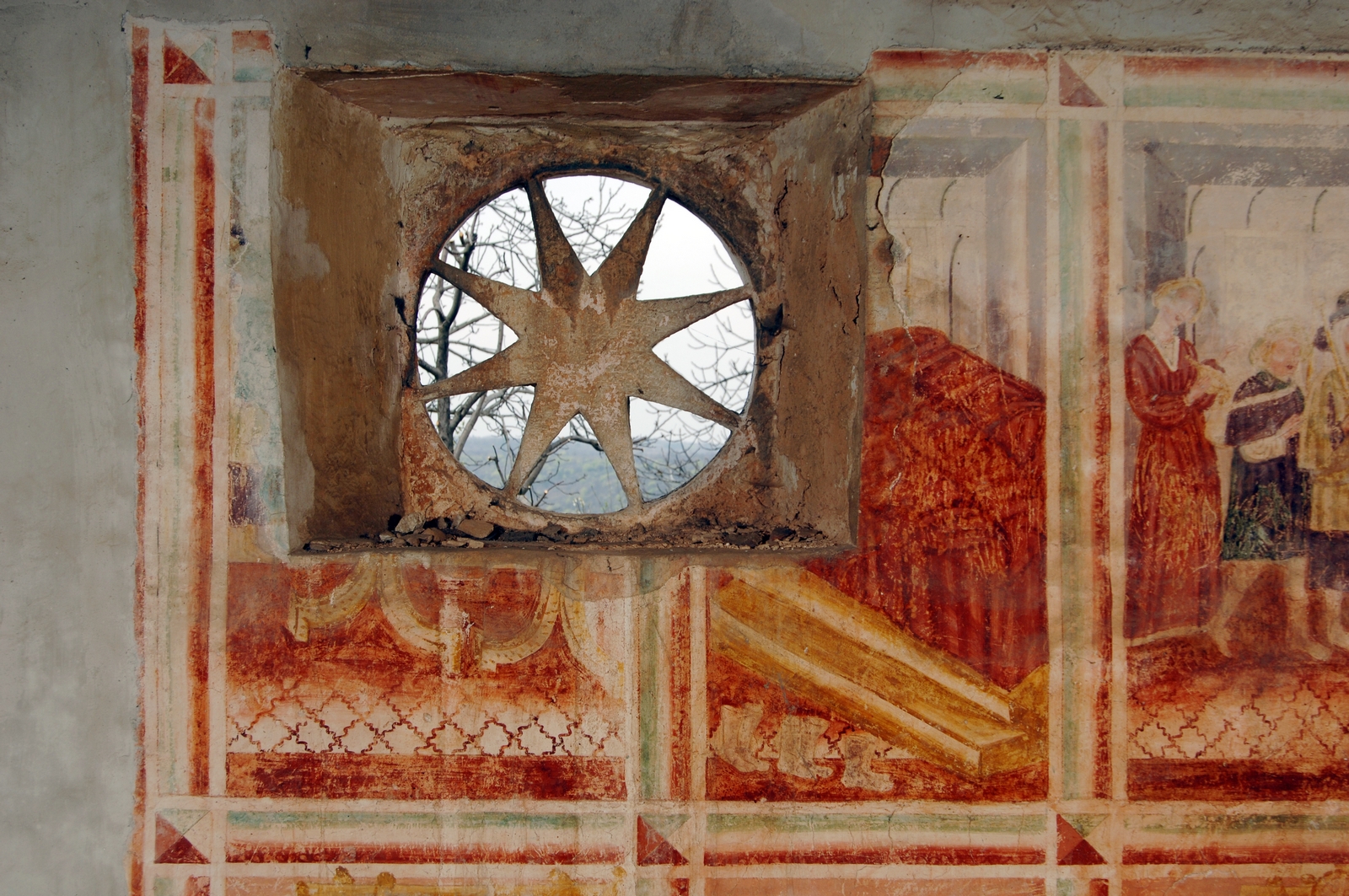
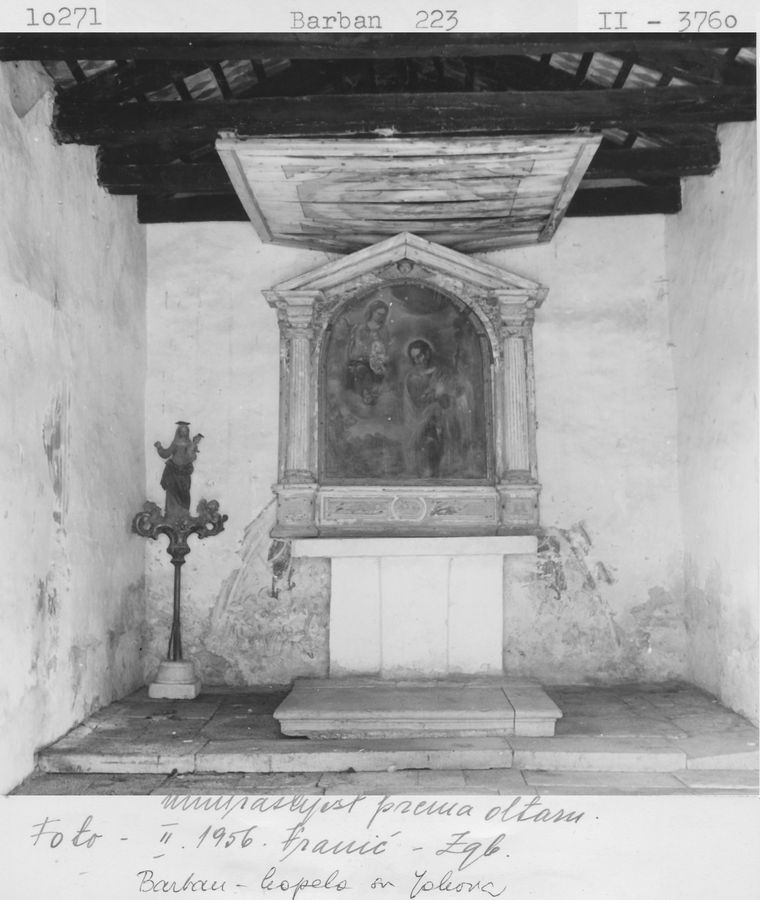
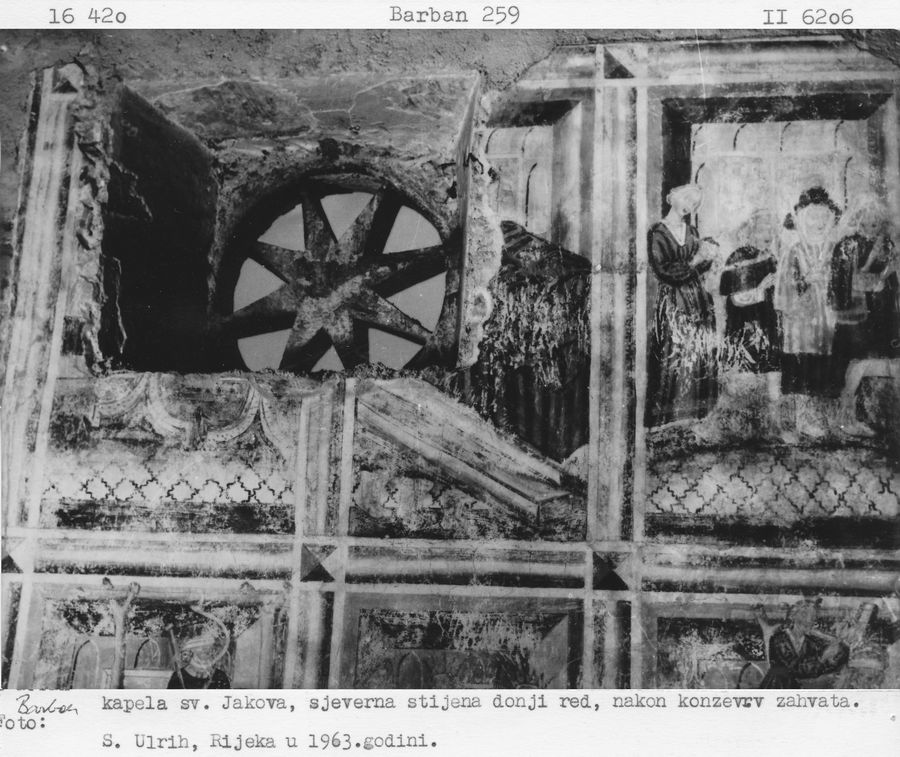
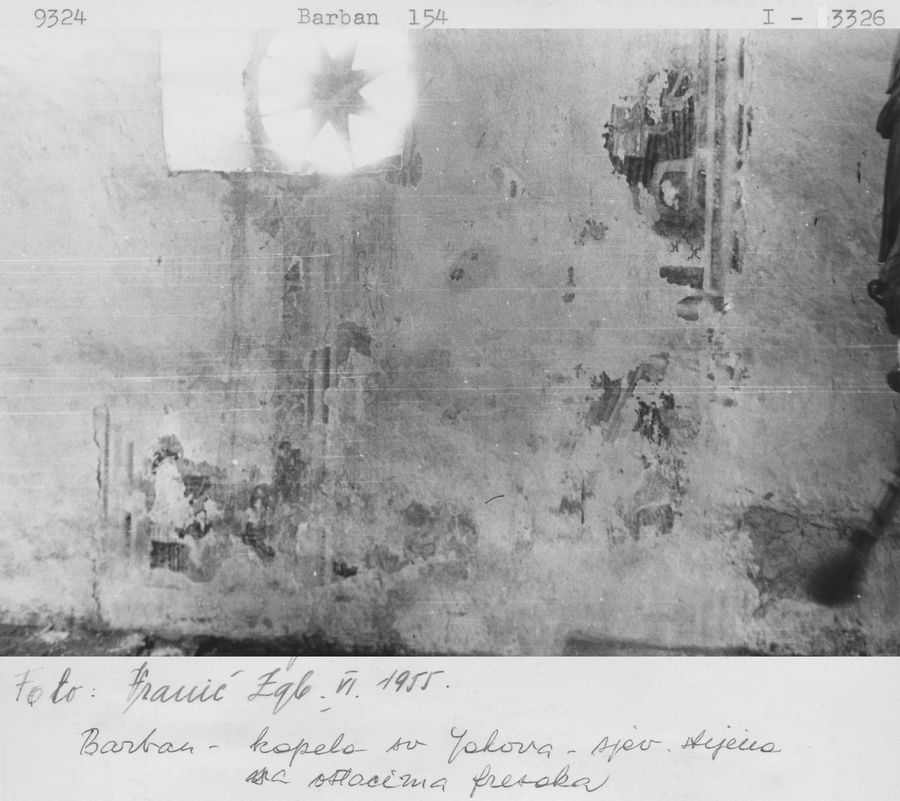
The fifteenth-century Gothic chapel of St James is situated on the northern edge of Barban. It is a single-nave church with a rectangular ground plan and a flat eastern termination. The façade features a moulded rectangular portal flanked by two smaller window openings, and its apex is crowned by a stone bell cote. The nave is lit by a pointed-arched window in the southern wall and by a later-inserted rose window with an eight-pointed star on the northern wall.
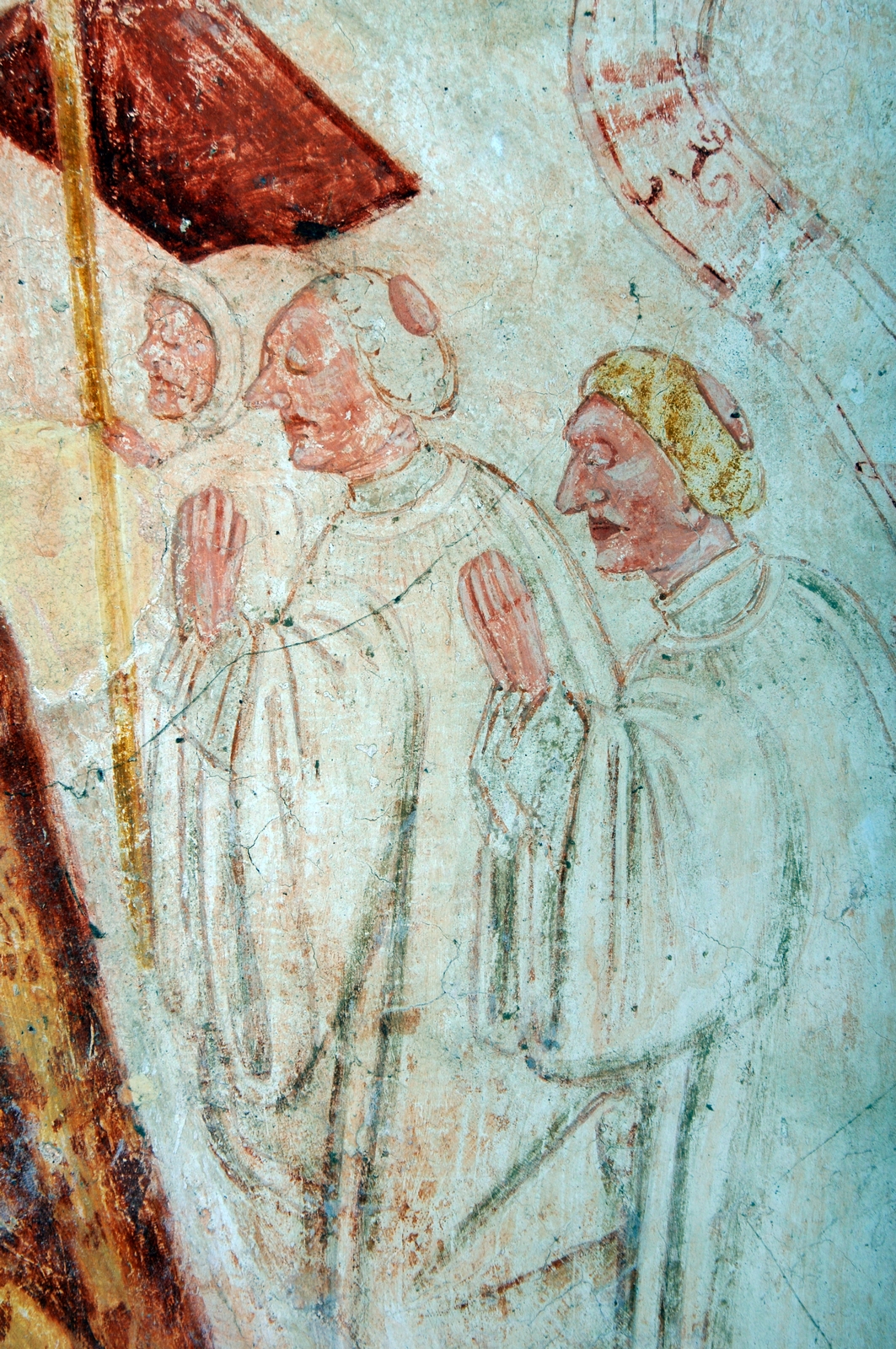
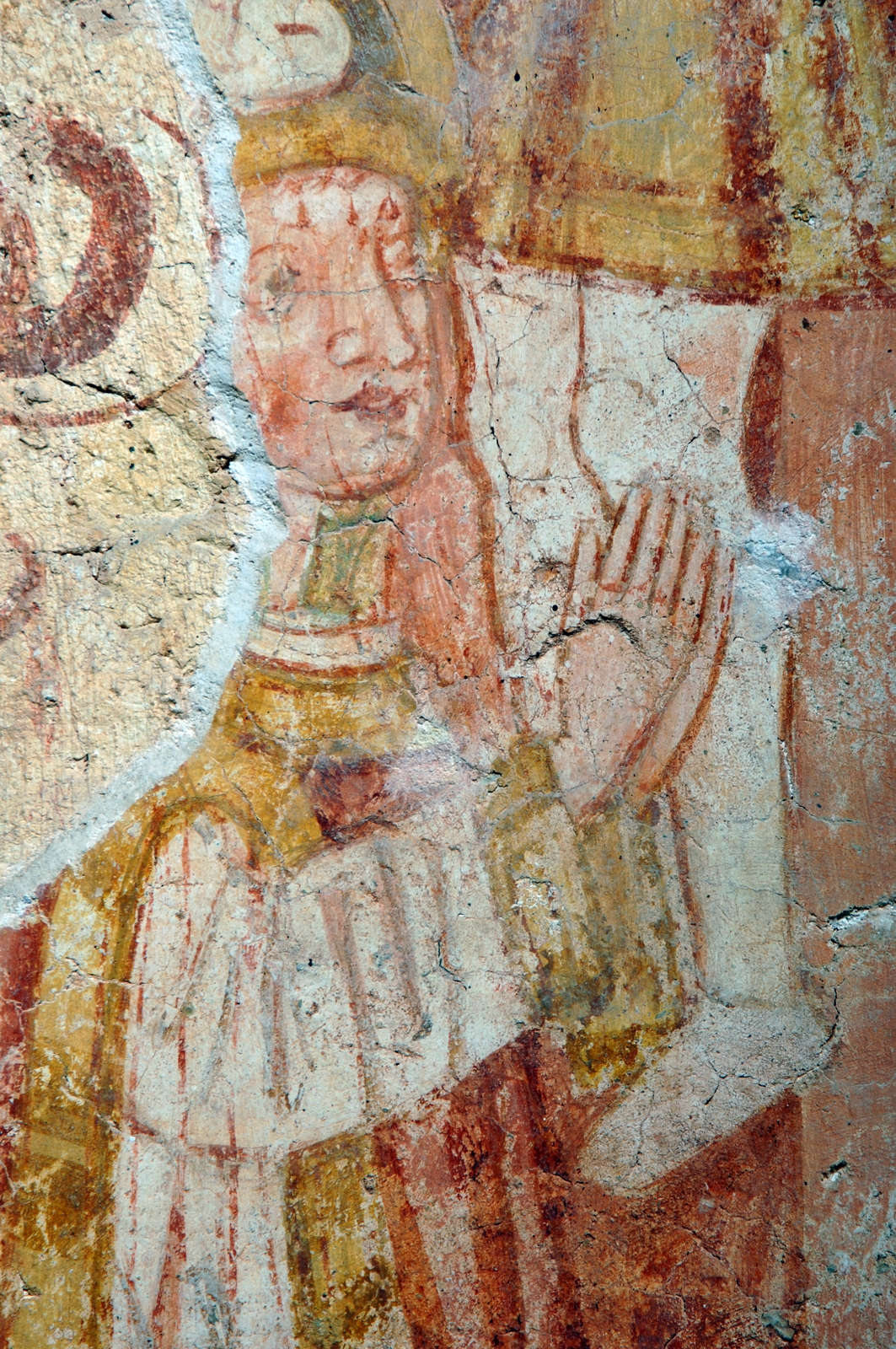
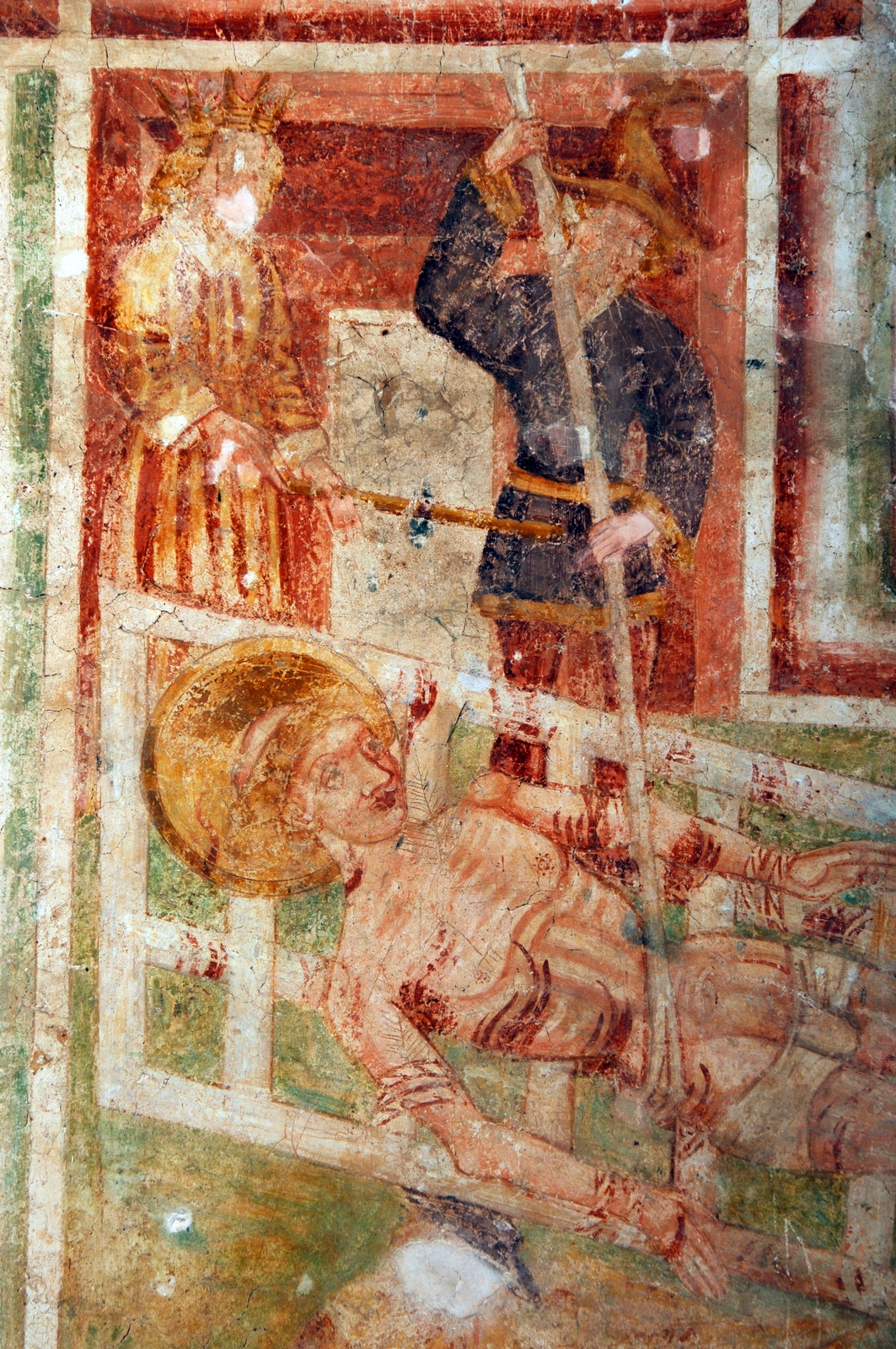
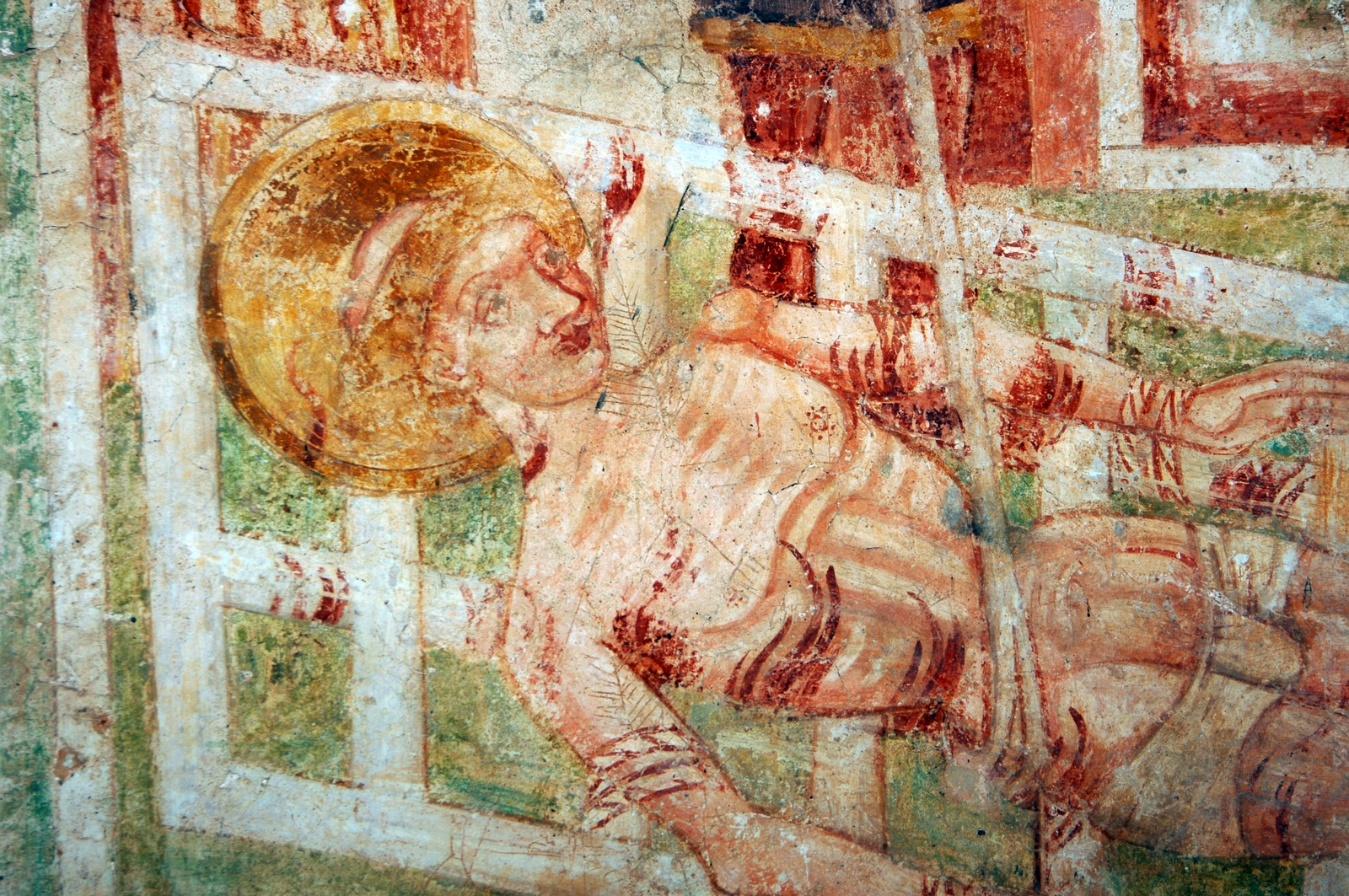
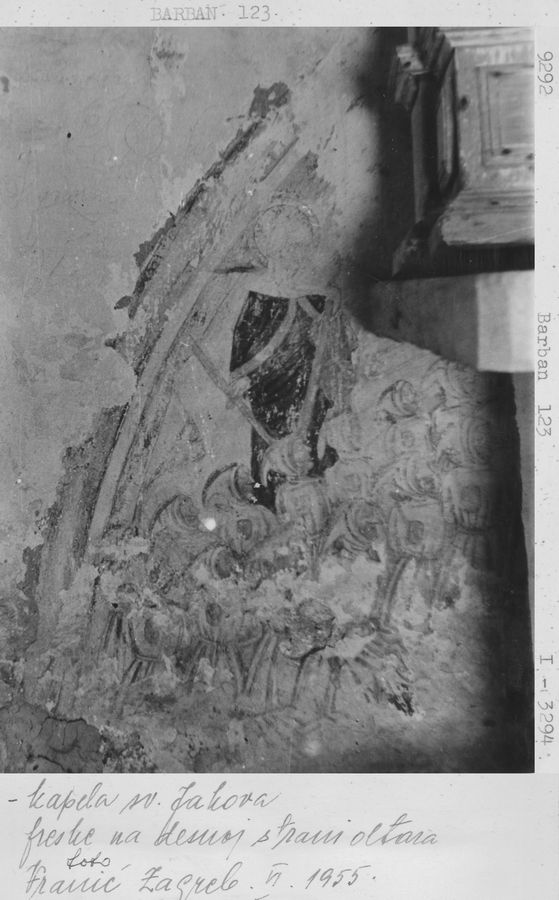
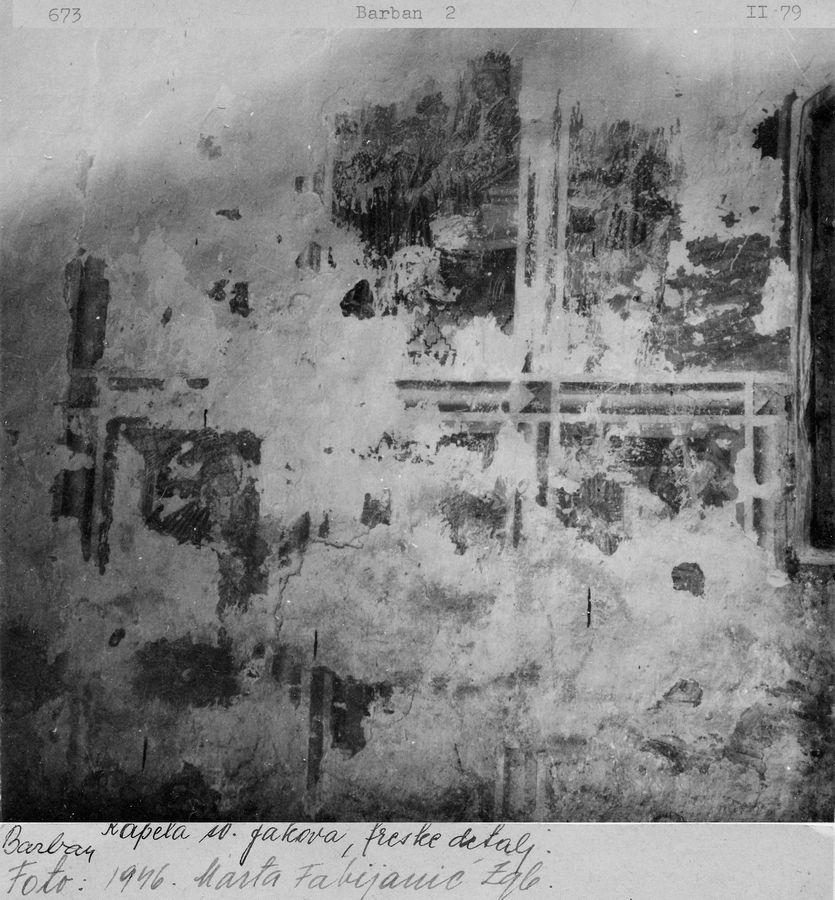
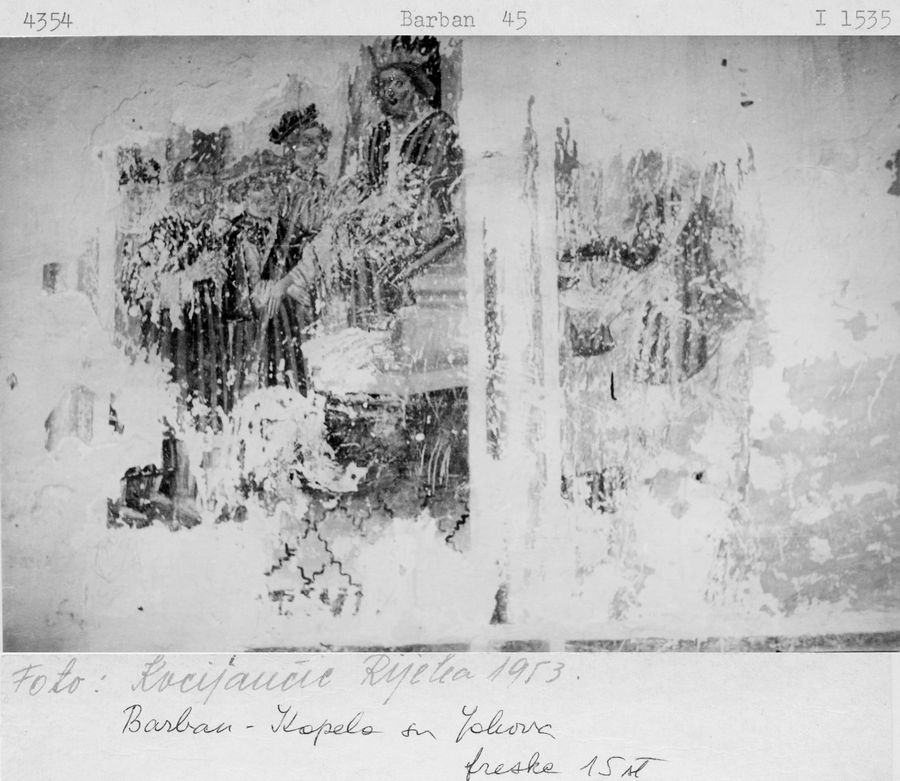
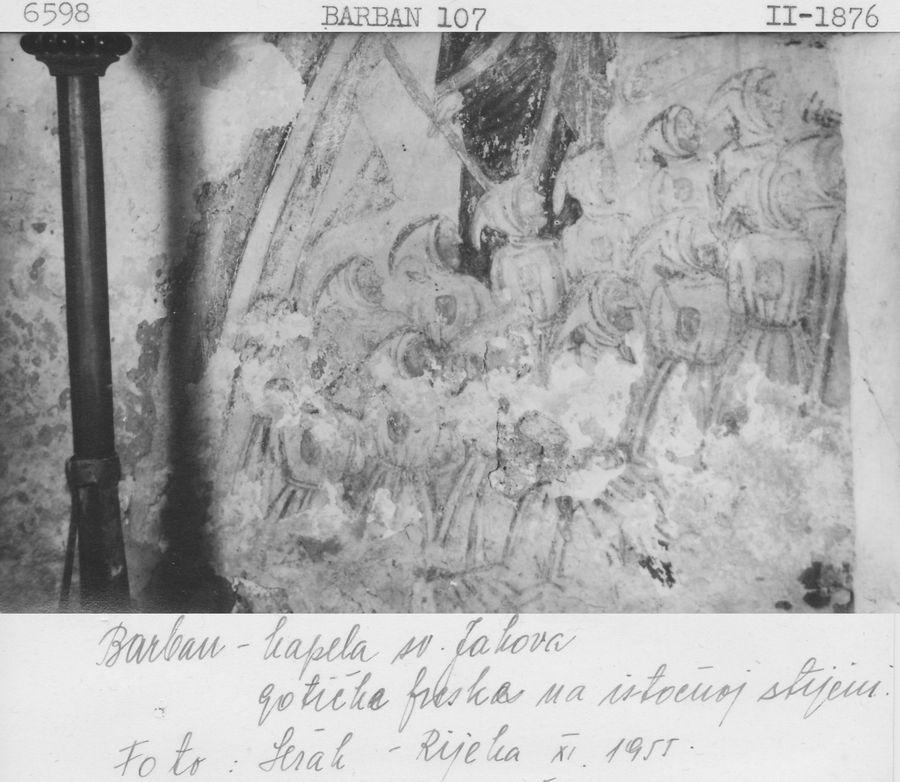
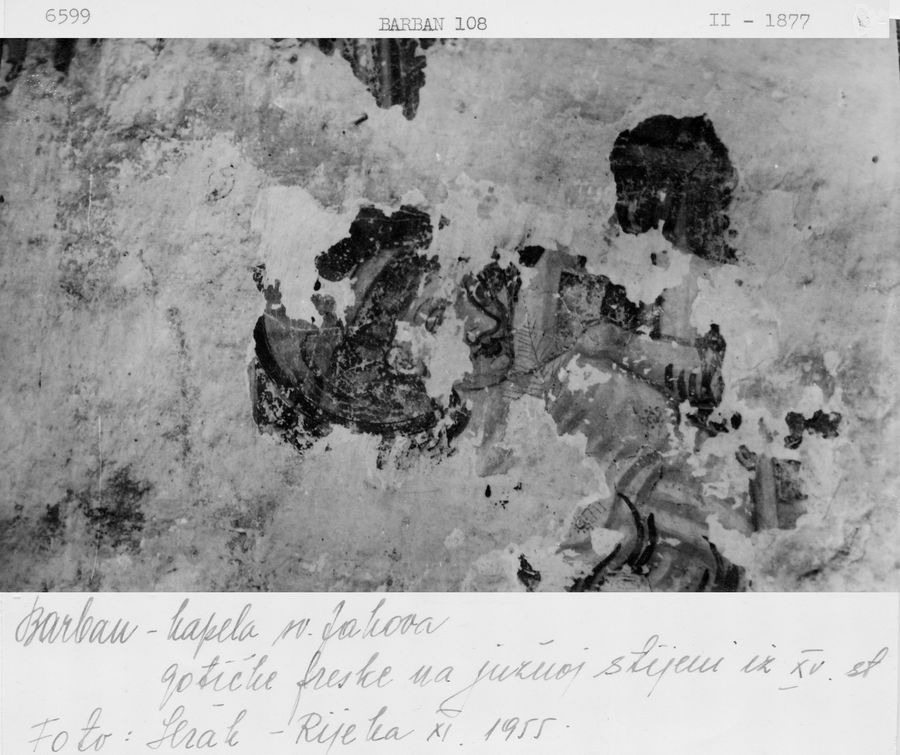
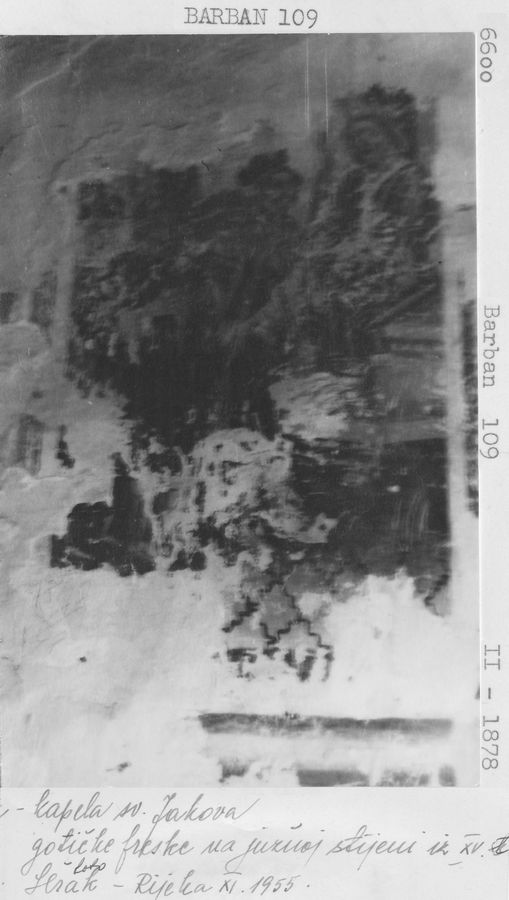
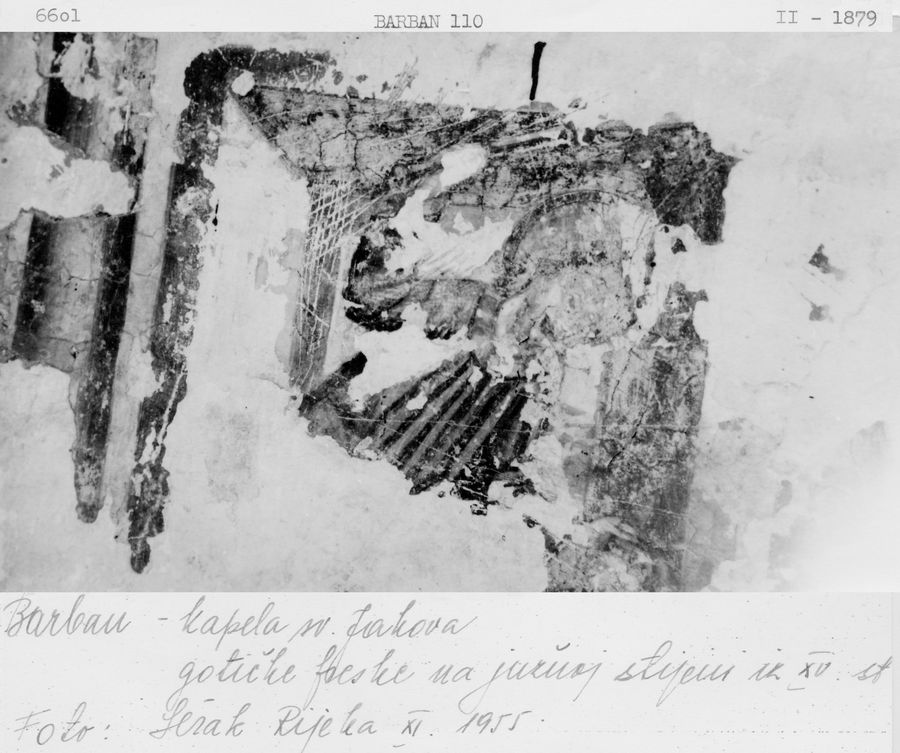
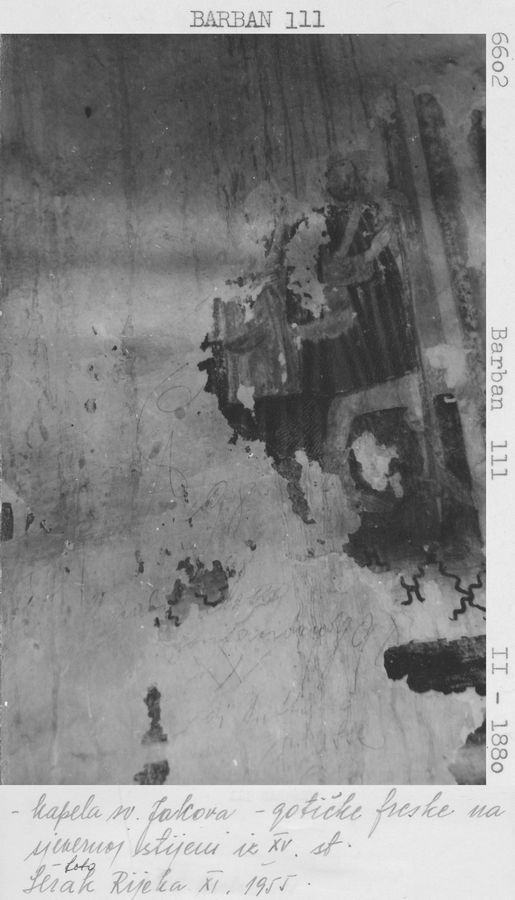
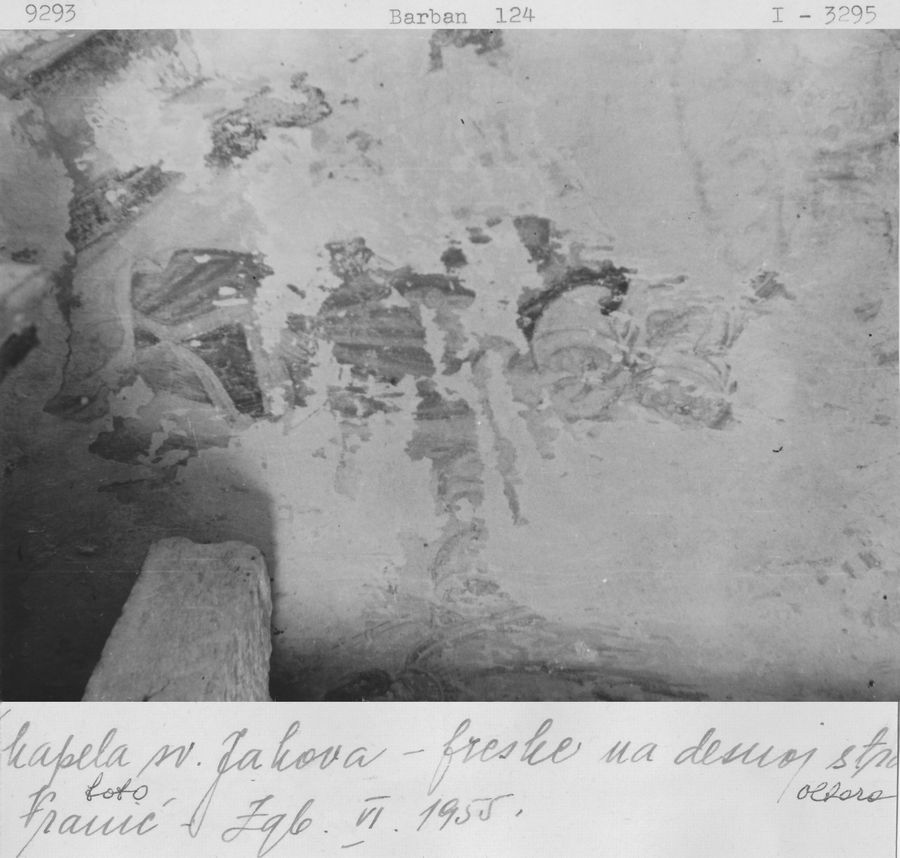
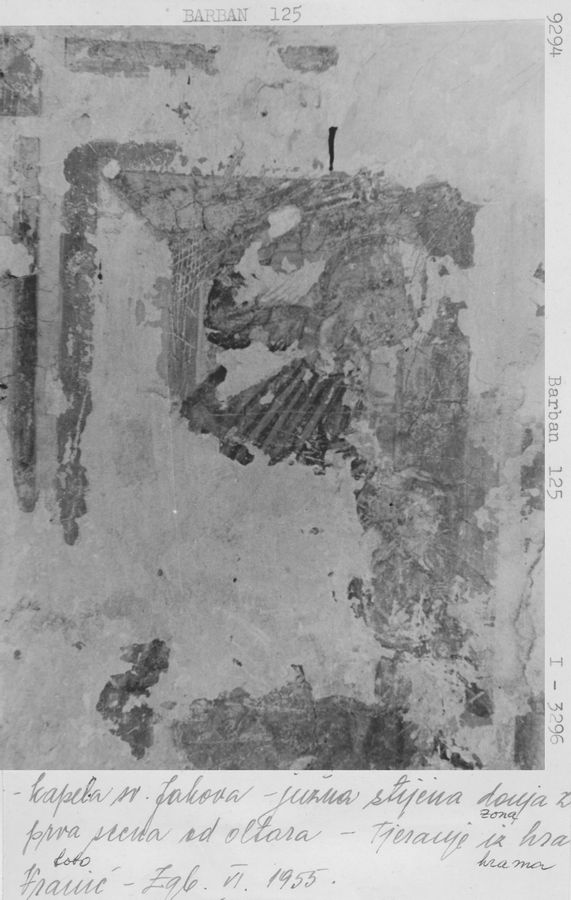
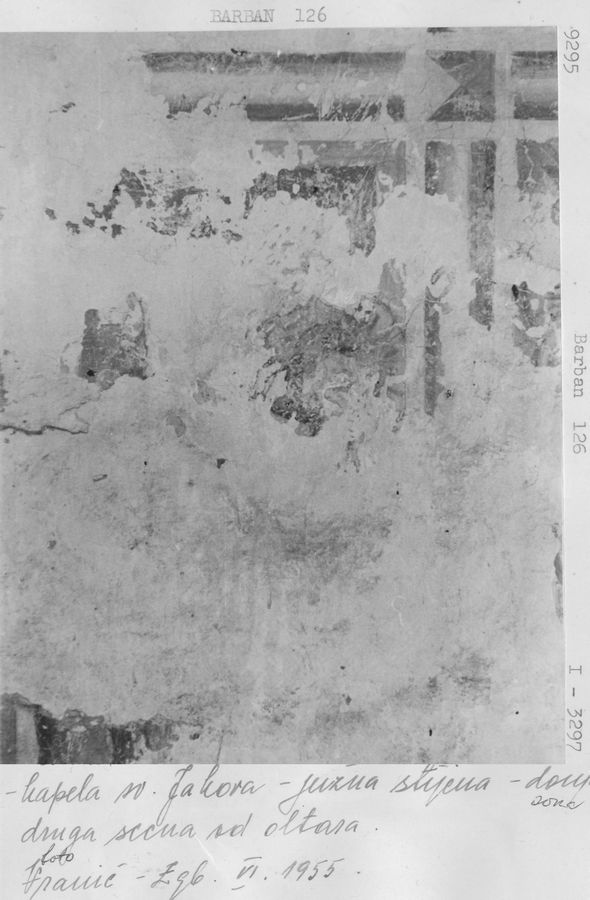
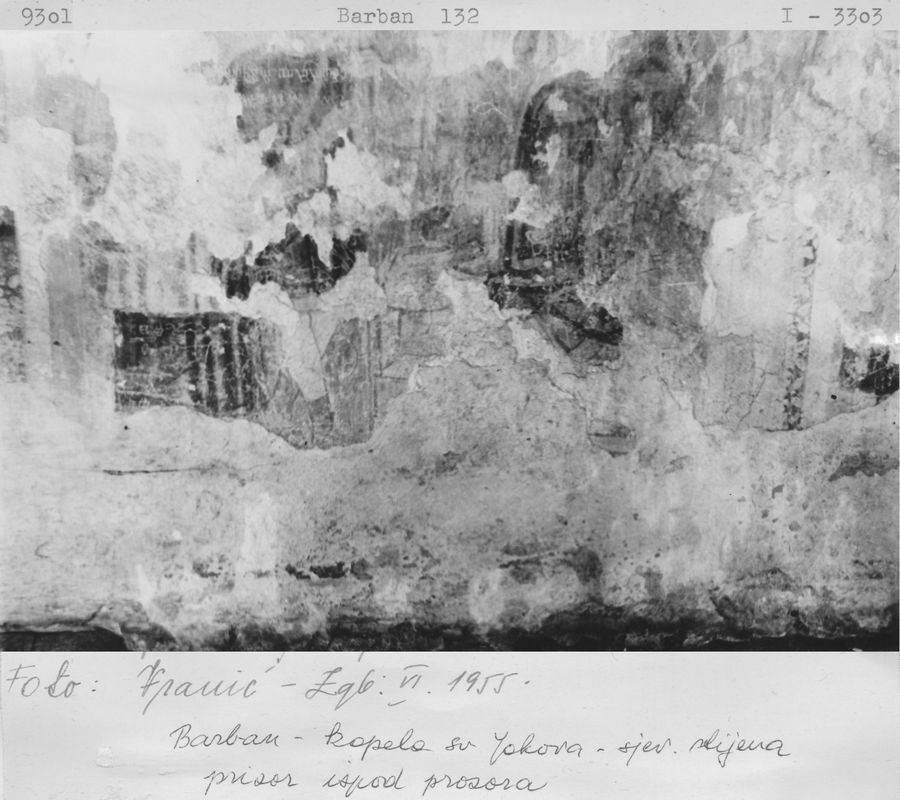
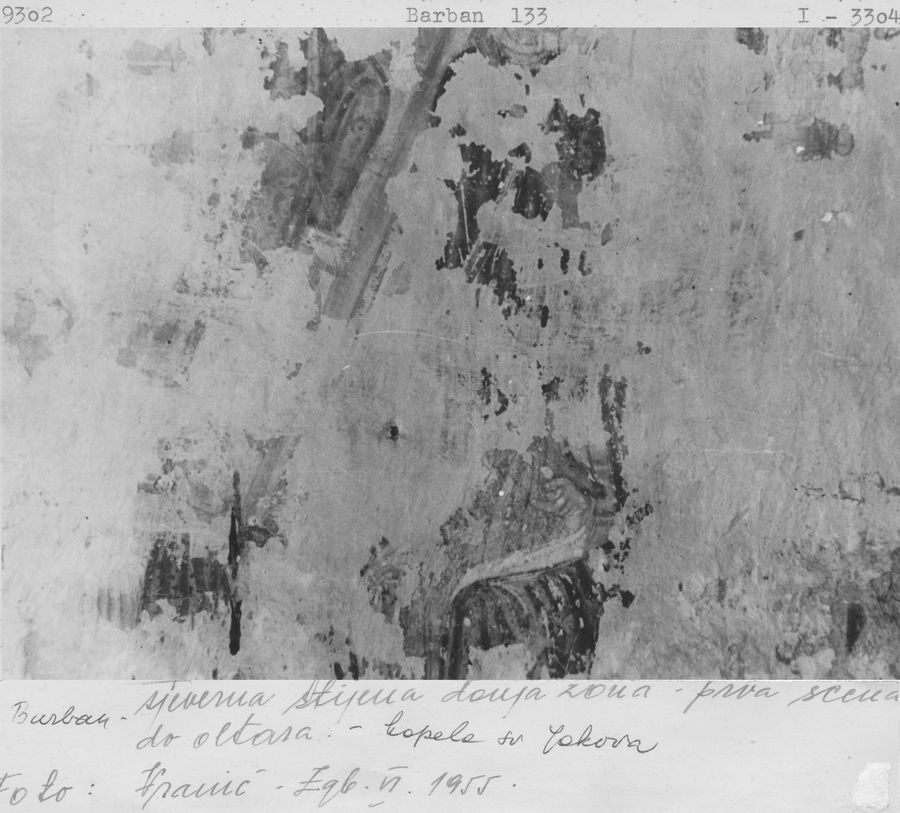
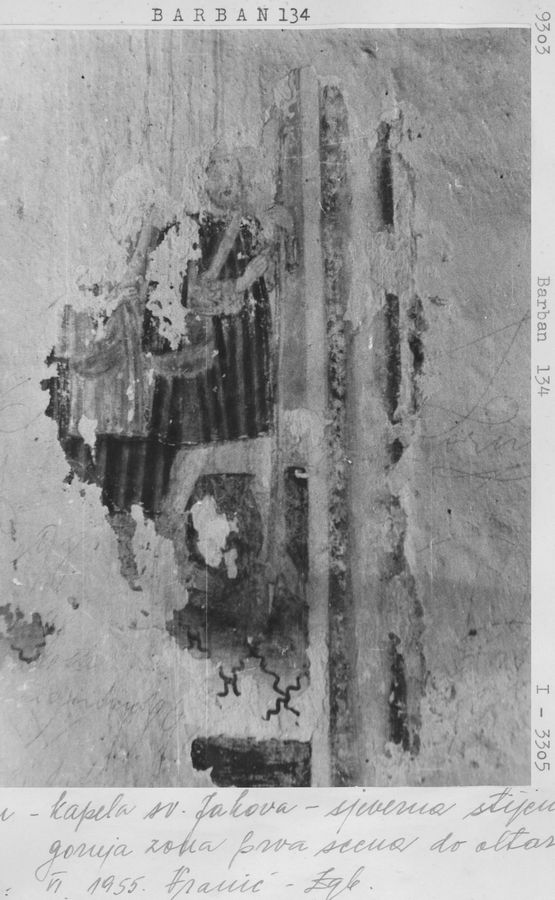
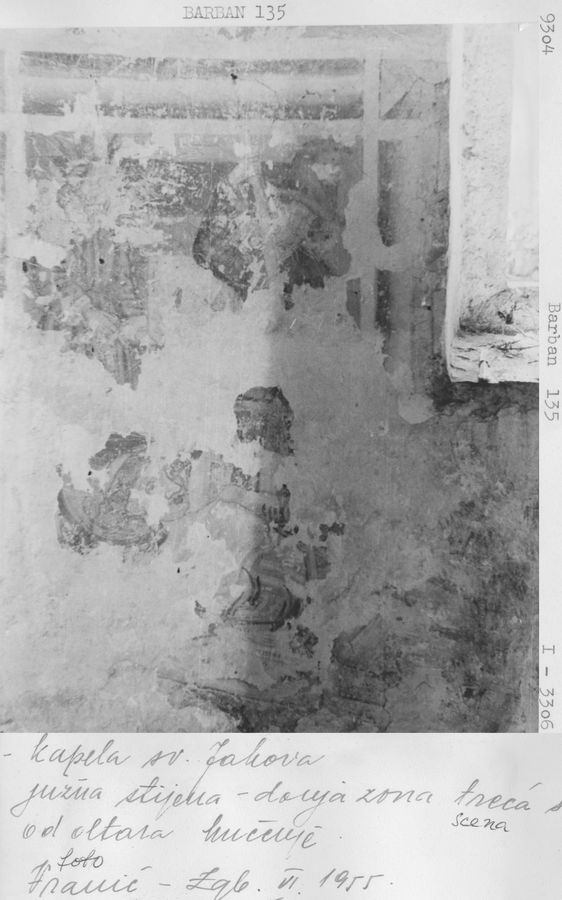
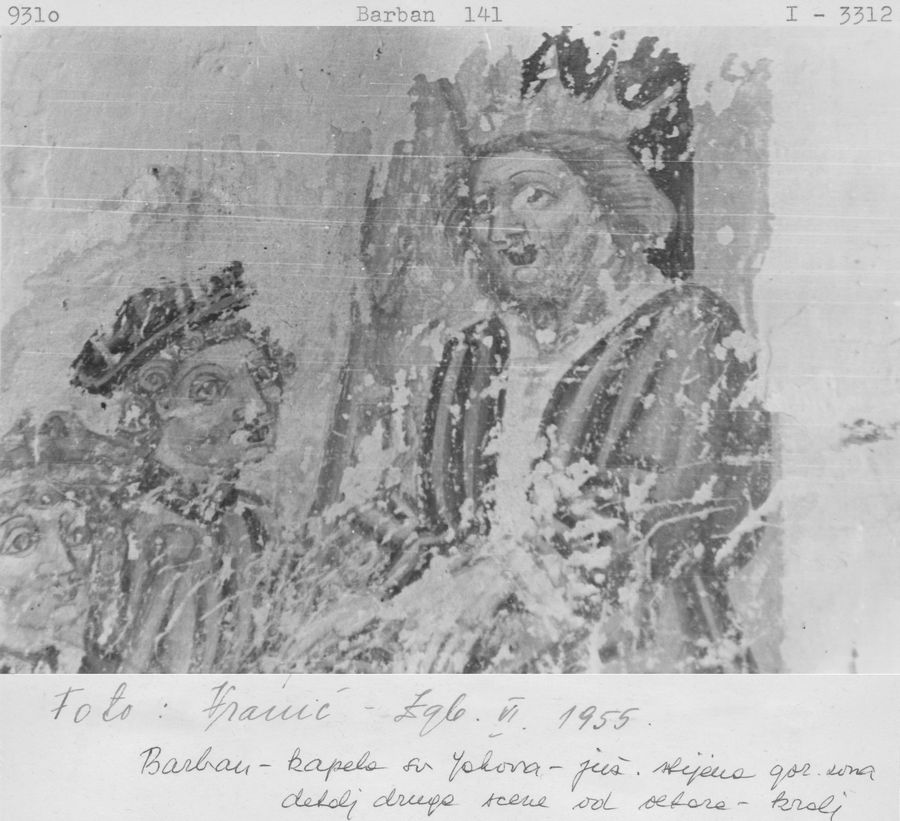
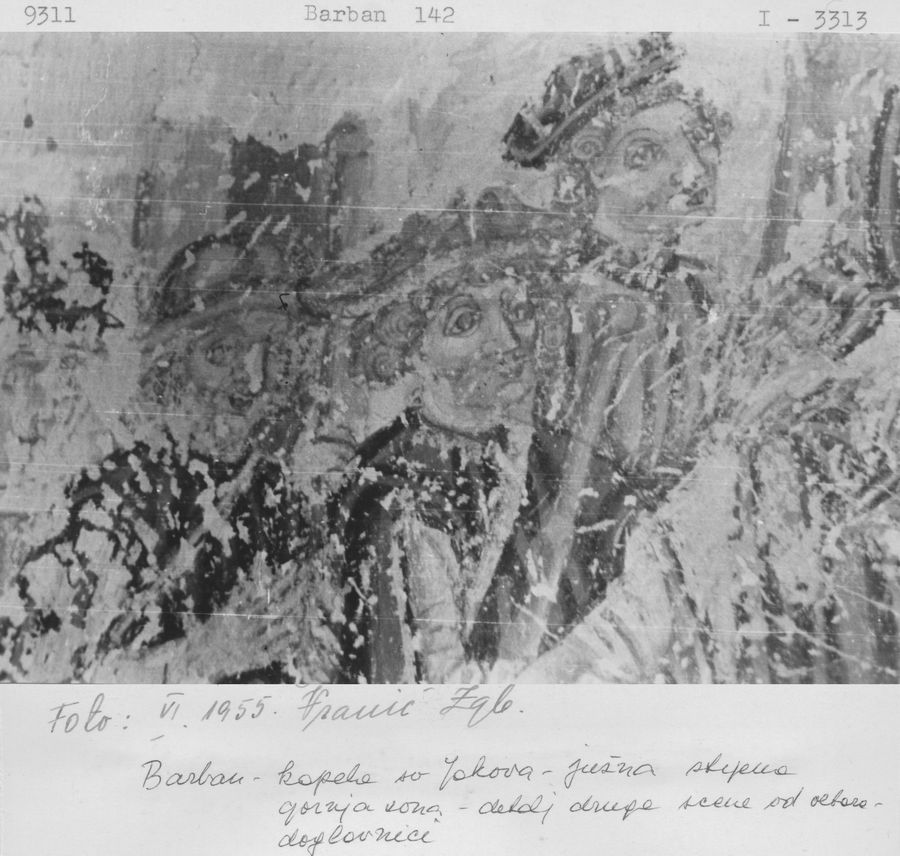
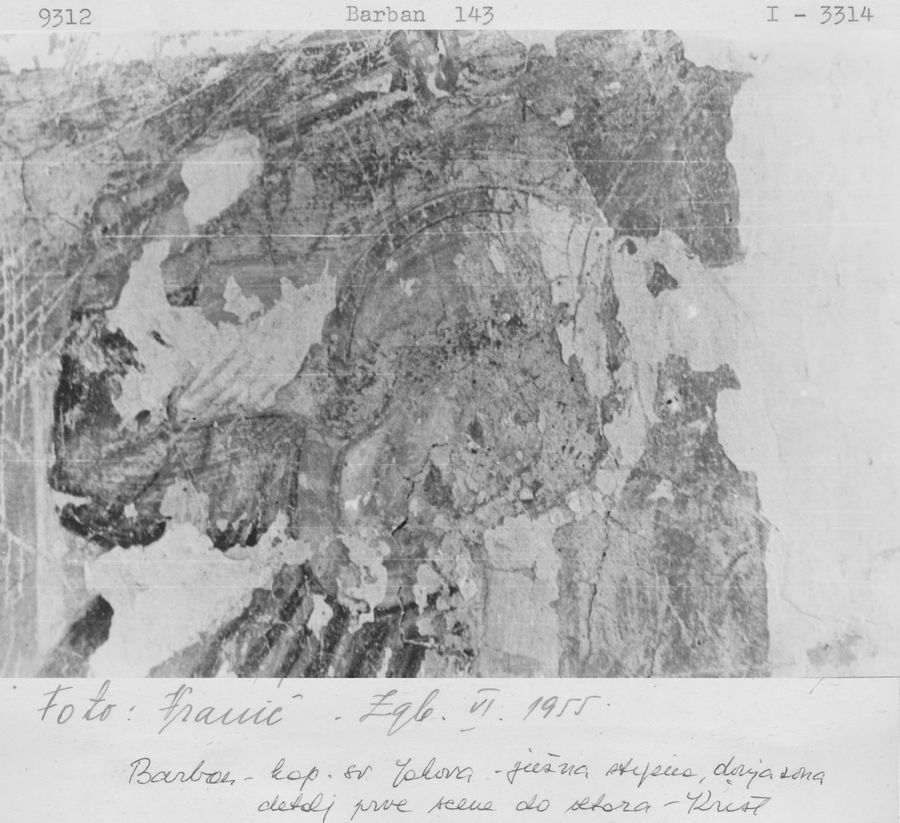
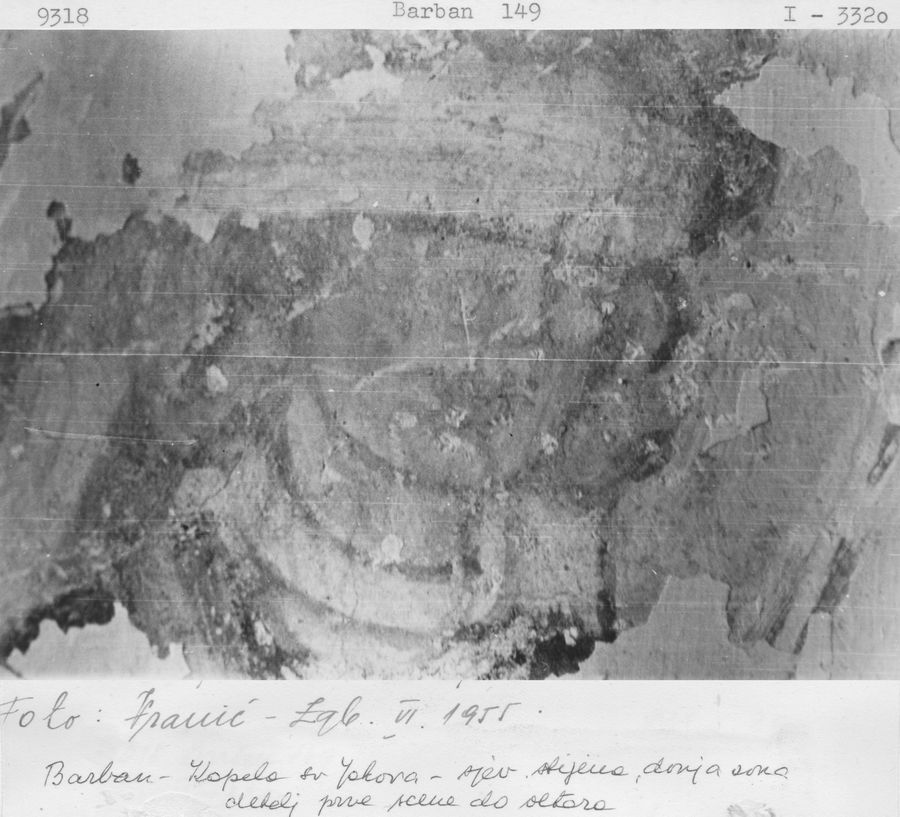
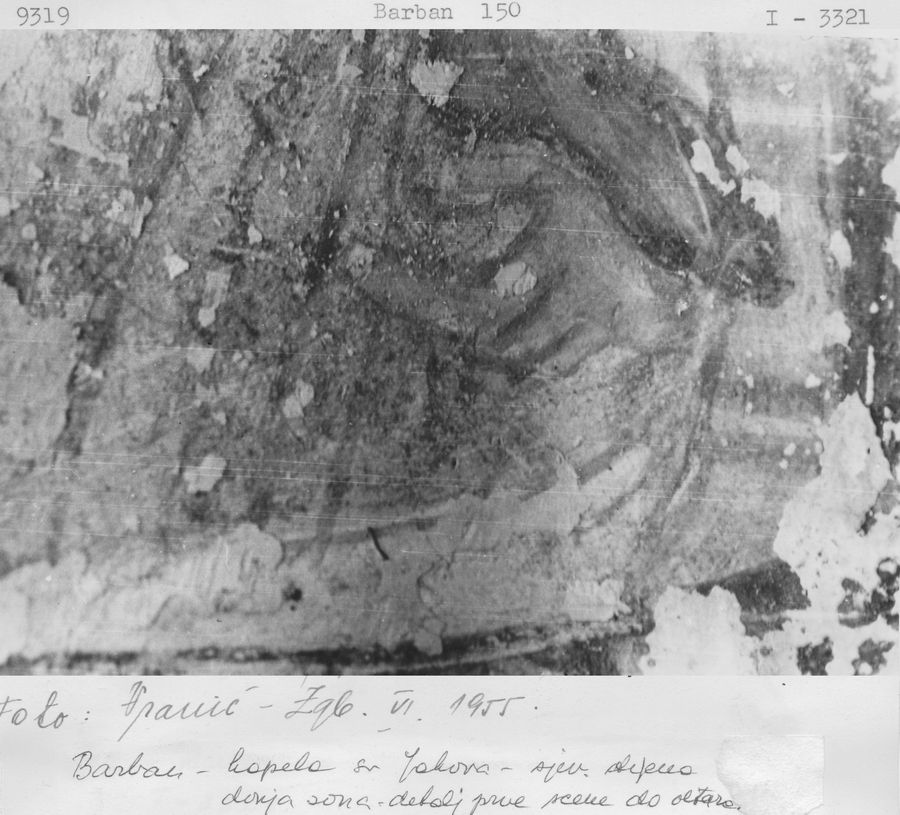
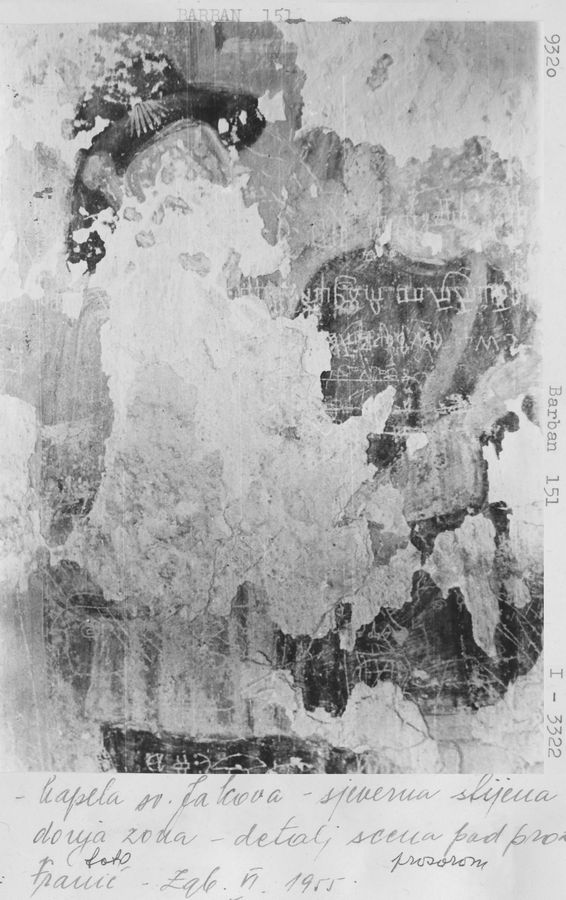
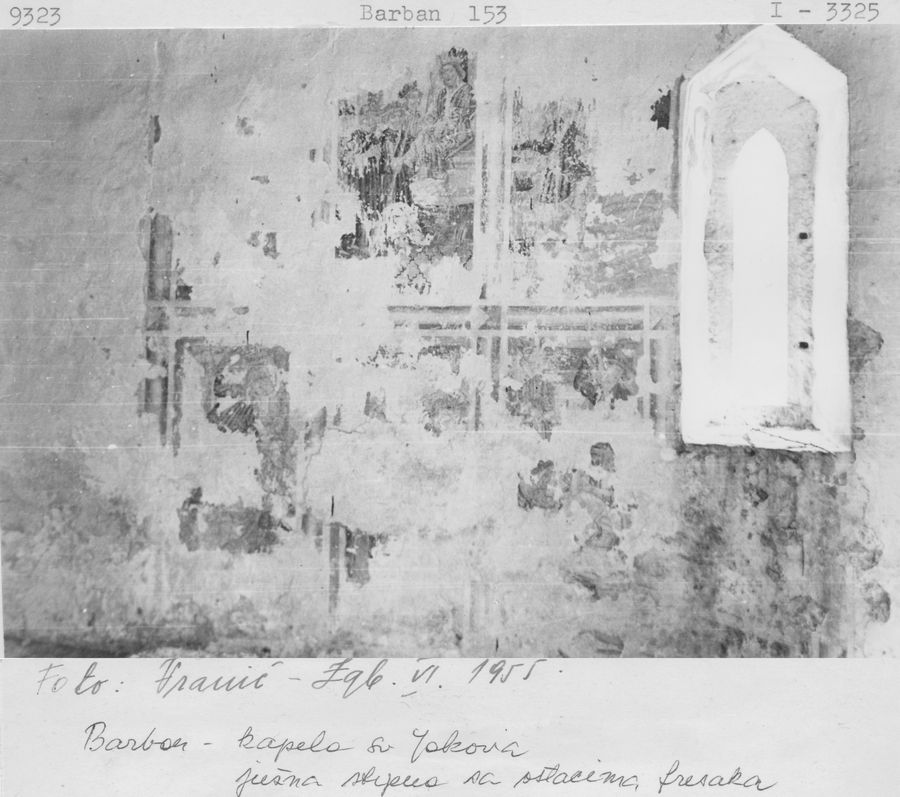
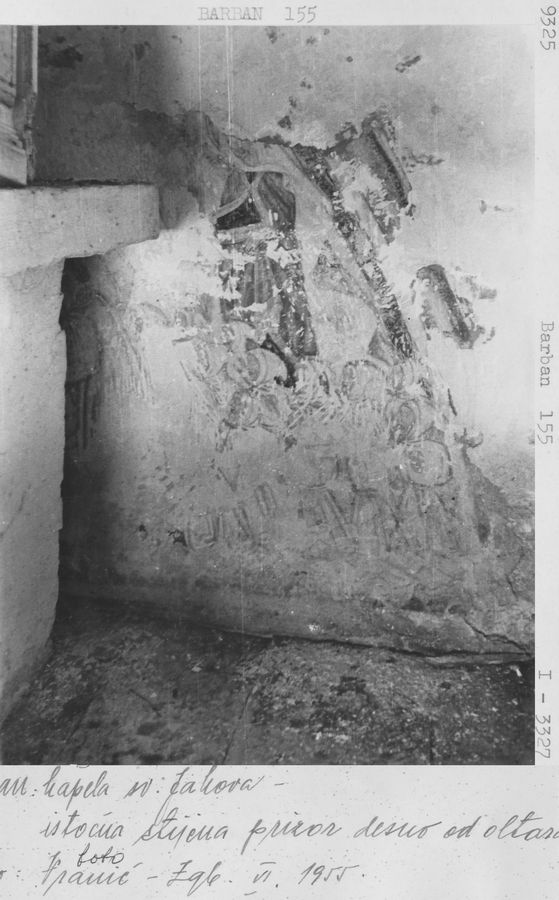
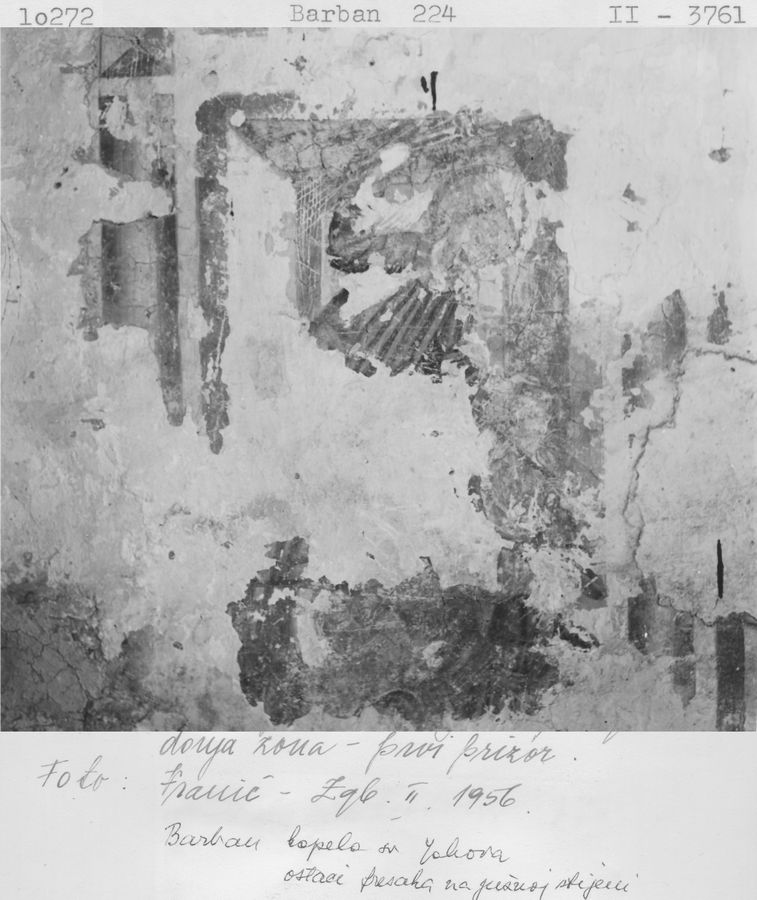
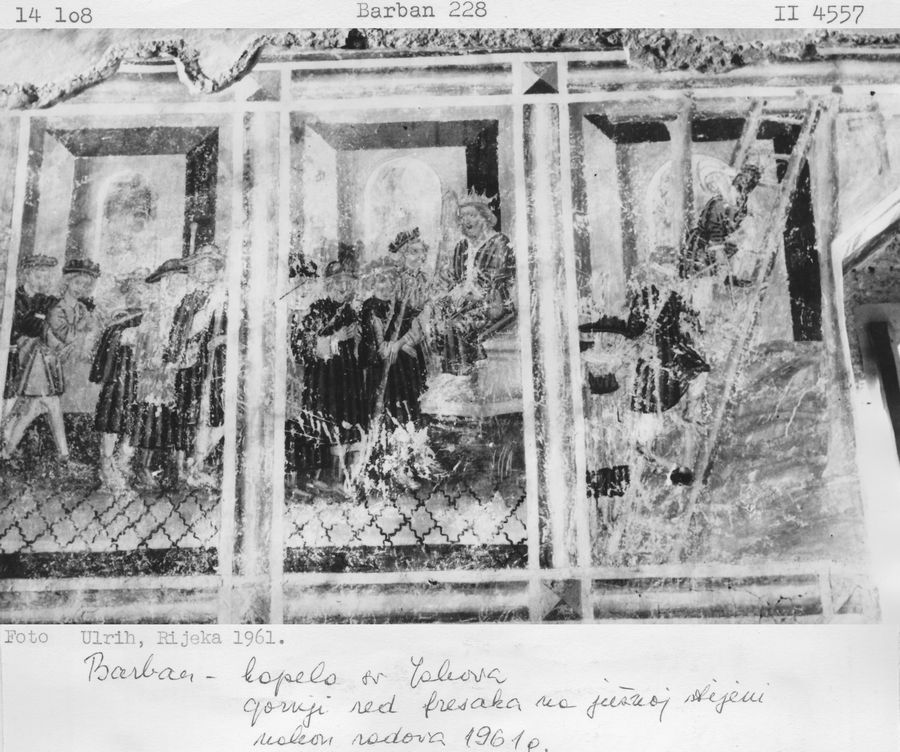
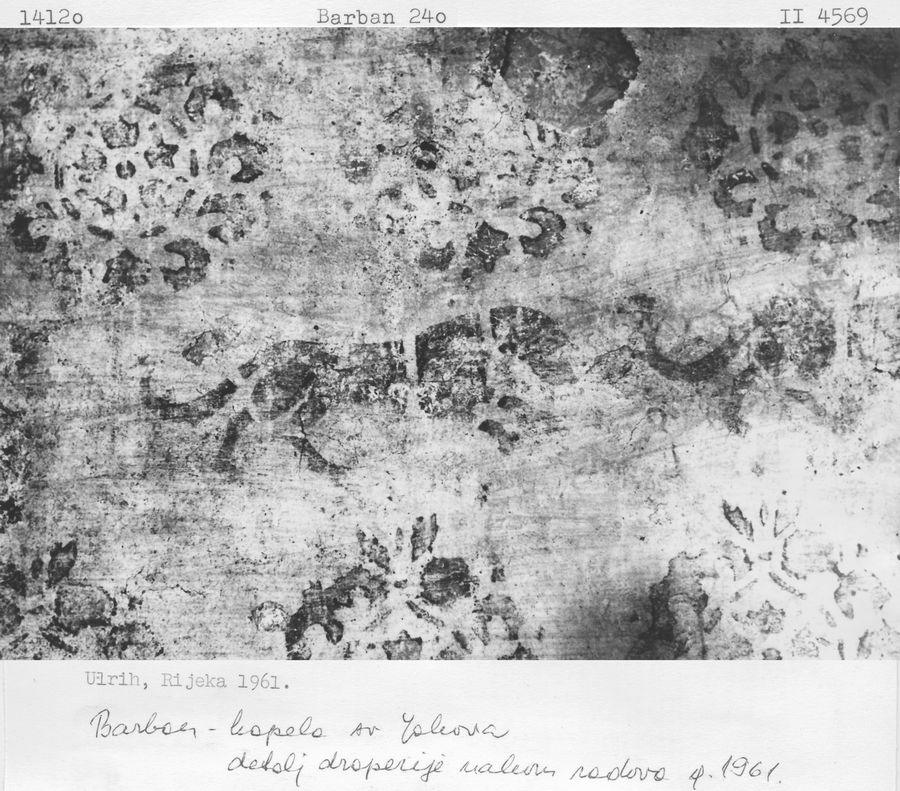
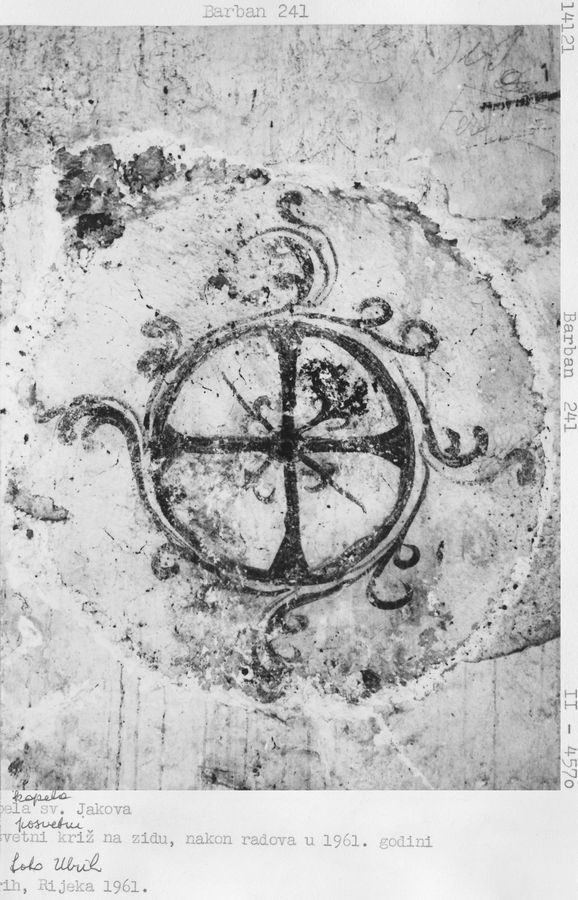
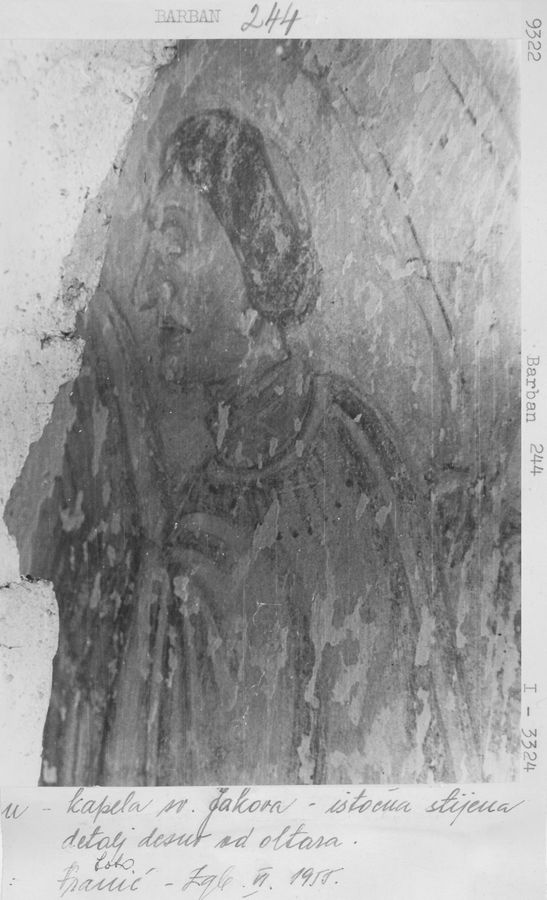
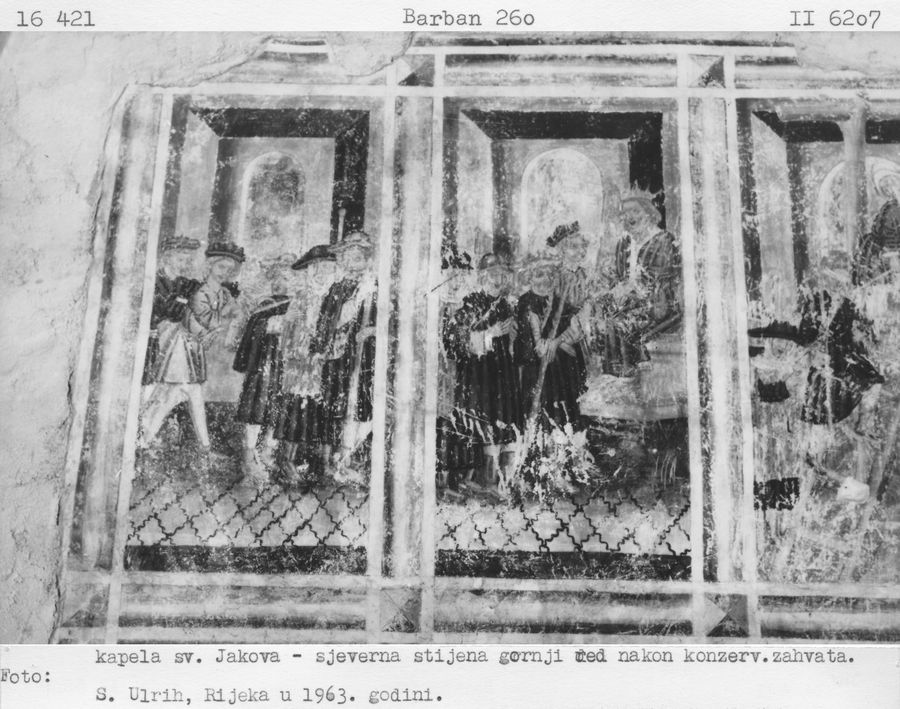
During the Baroque remodelling in the early eighteenth century, the church underwent substantial spatial and formal transformations. On that occasion, the building was extended on its western side, the ground level was raised, and the rose window was moved from the façade to the northern wall. At the same time, the original inscribed apse and the pointed barrel vault were removed. Despite these interventions, the wall paintings depicting the miracles of St James, the titular saint of the church, have been preserved to the present day. Their authorship is attributed to the workshop of Ivan of Kastav, active in the Barban church in the late 1480s. It is assumed that the frescoes were commissioned by a confraternity of St James, Although there is no extant documentary evidence to substantiate the existence of such a confraternity in Barban.
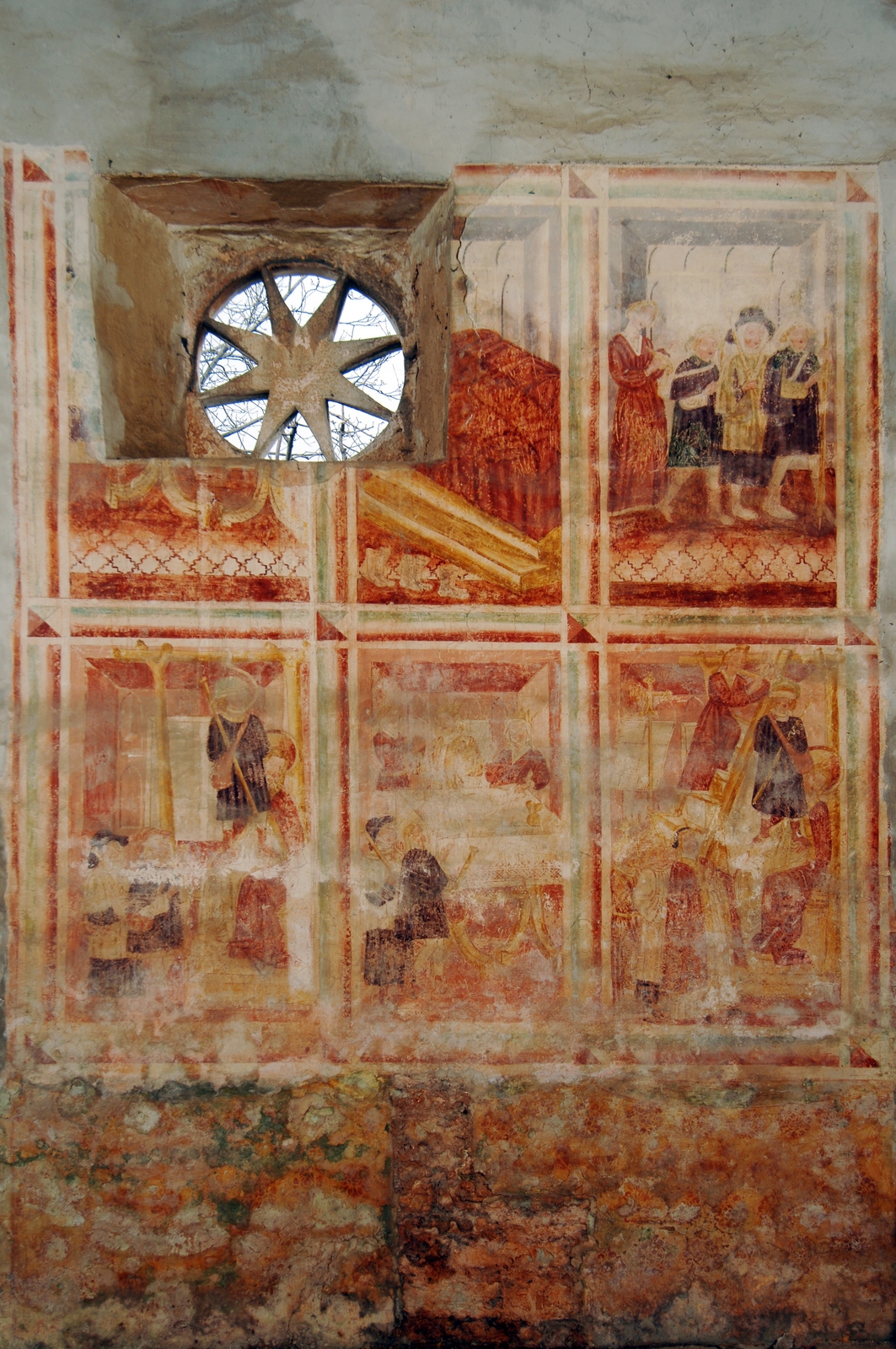
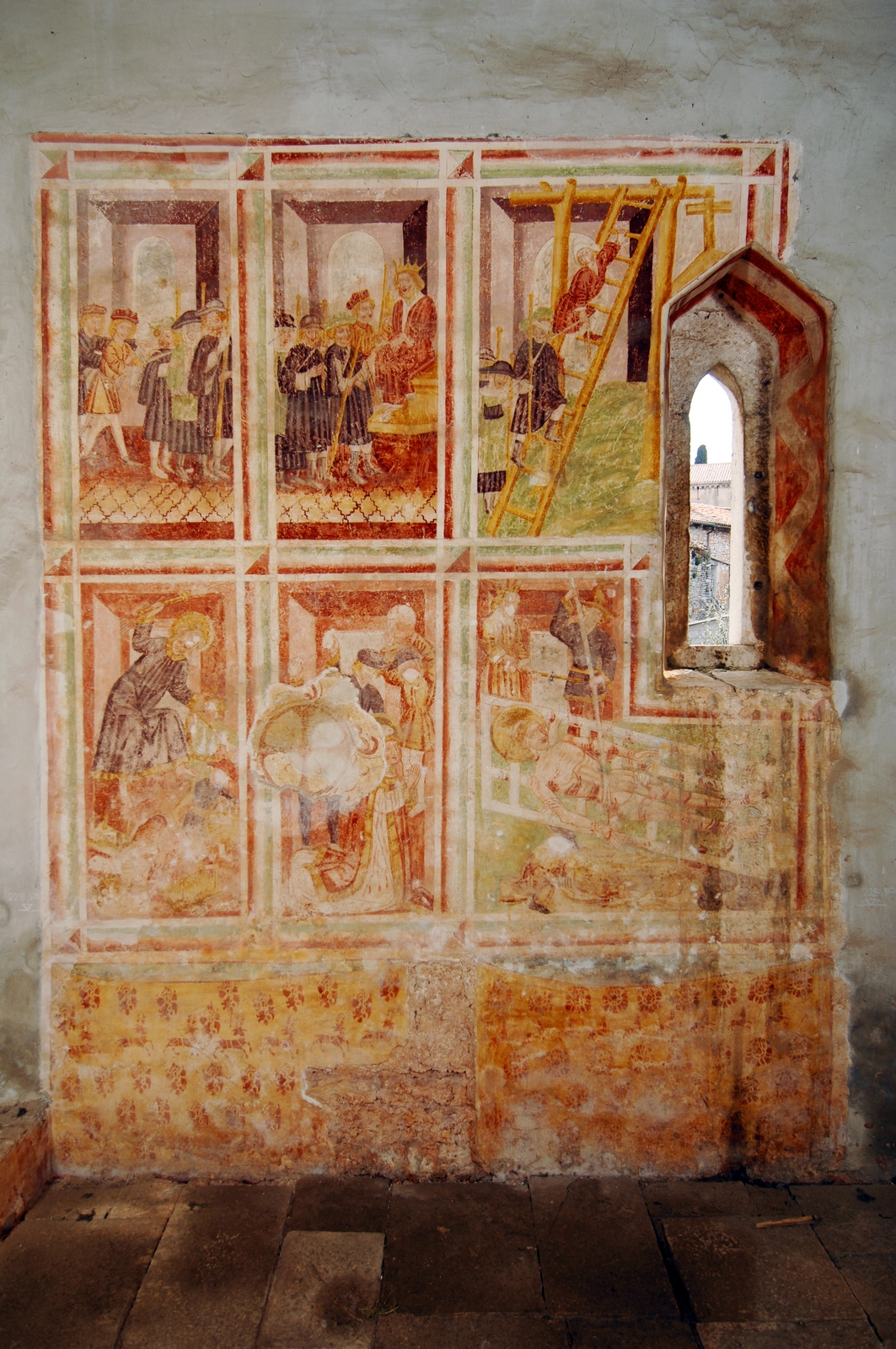
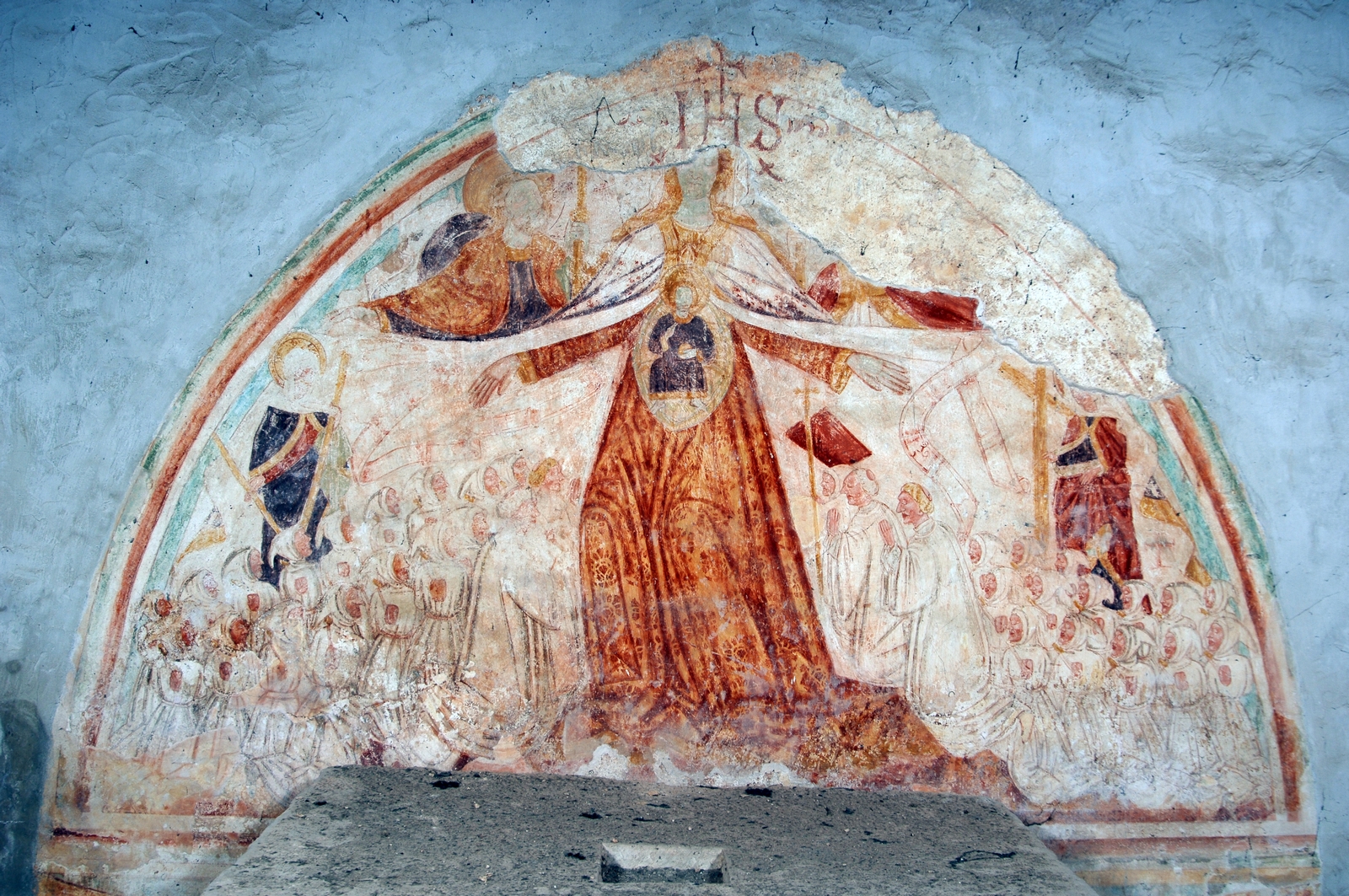
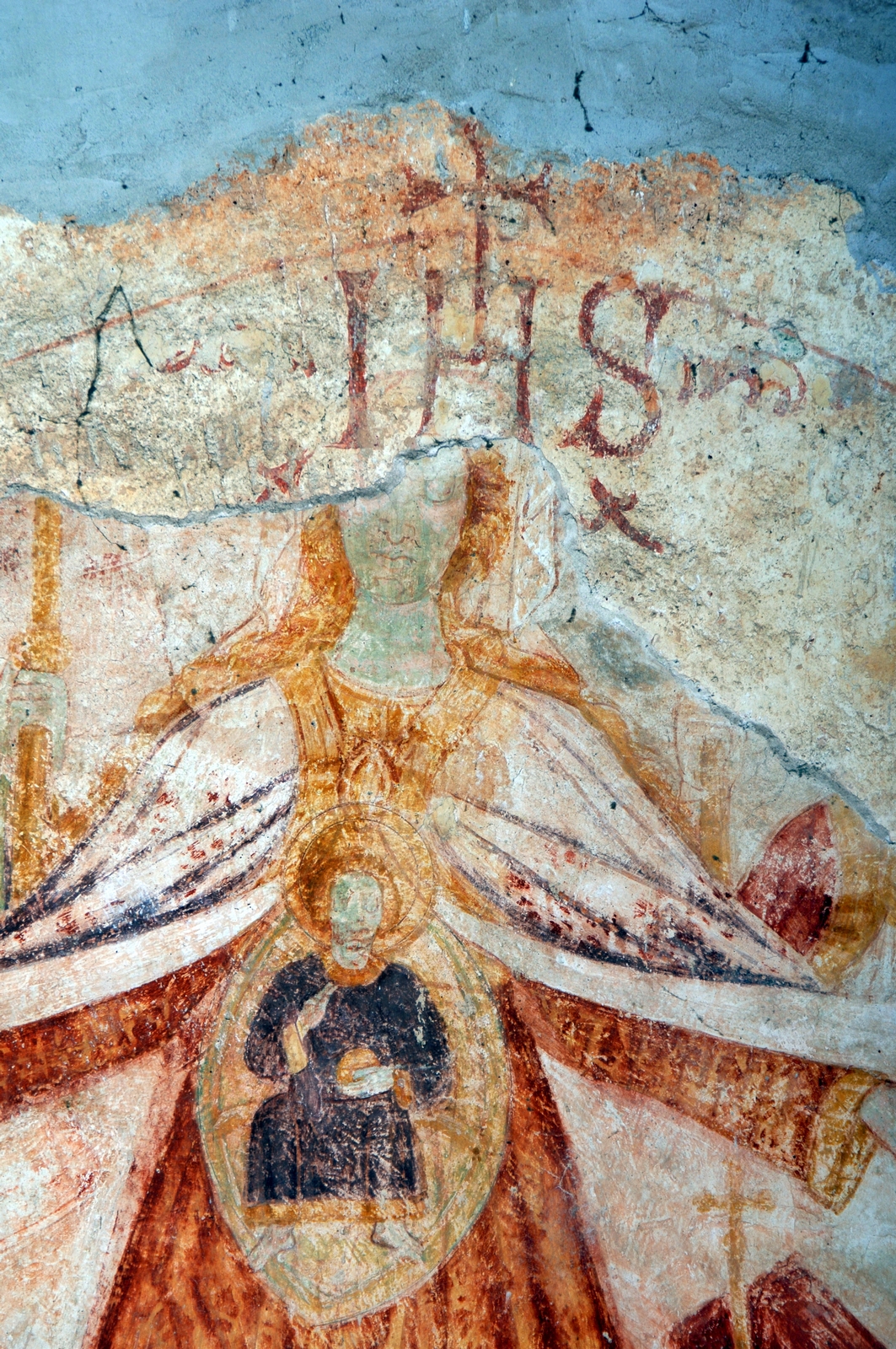
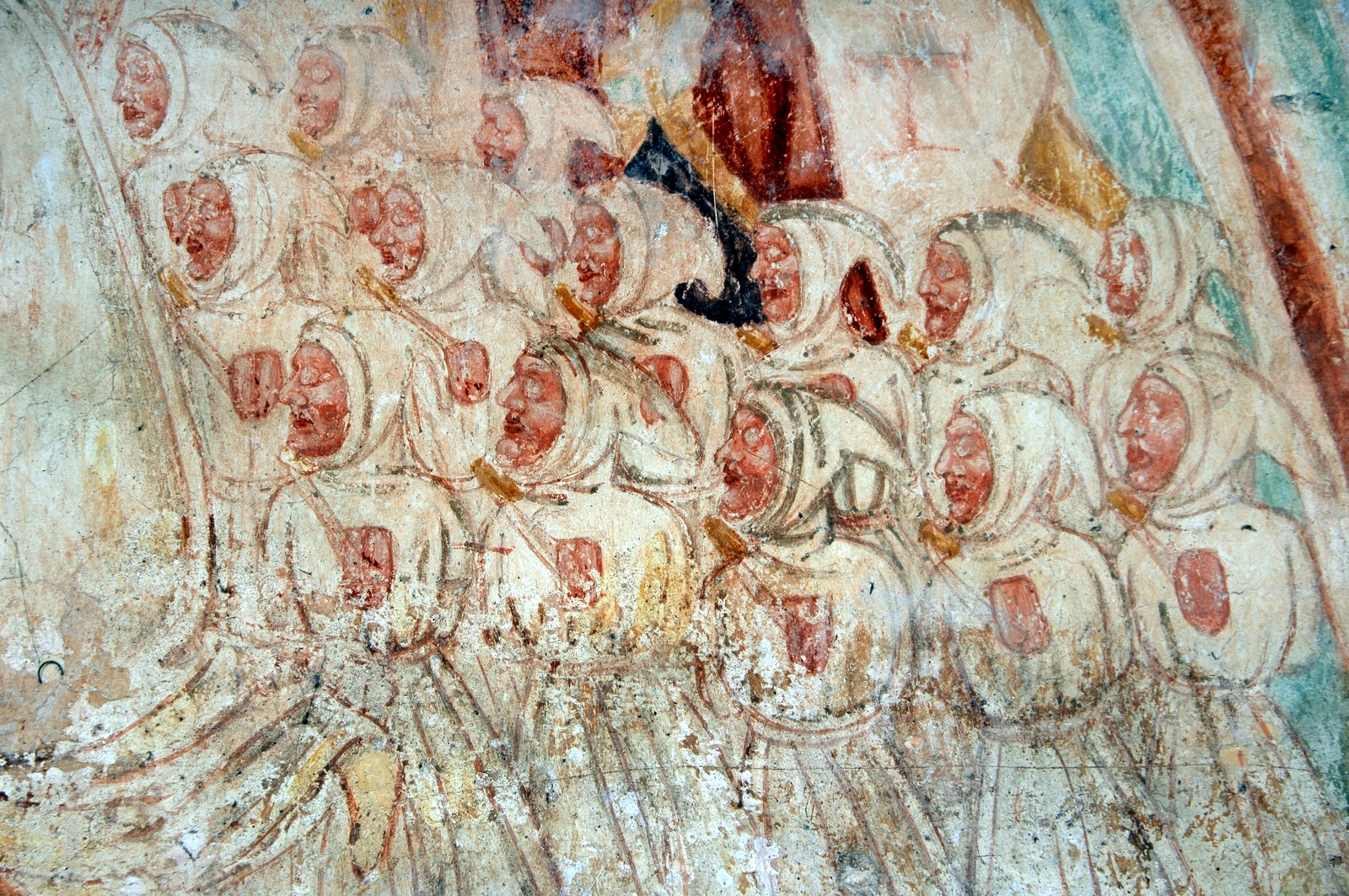
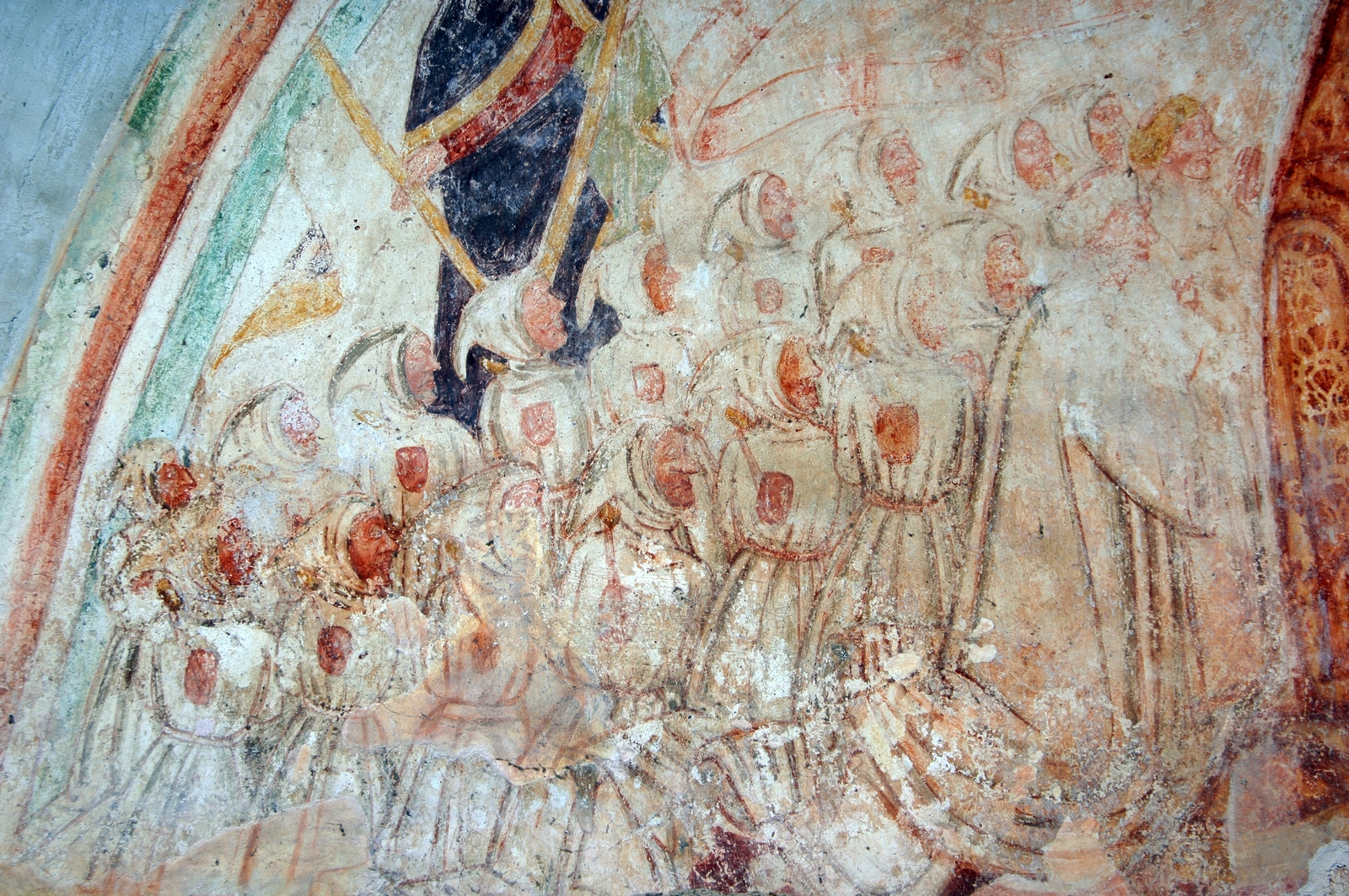
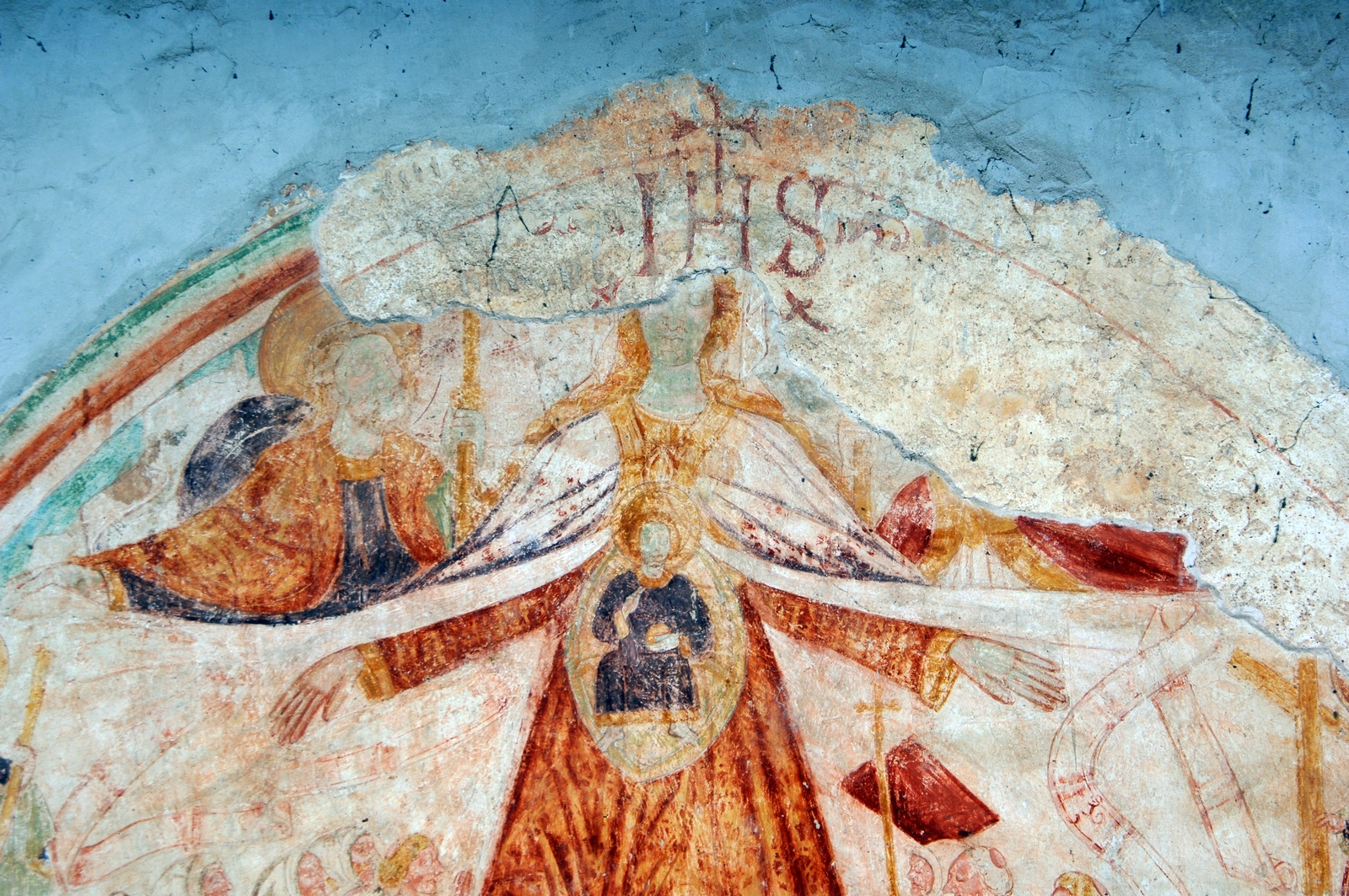
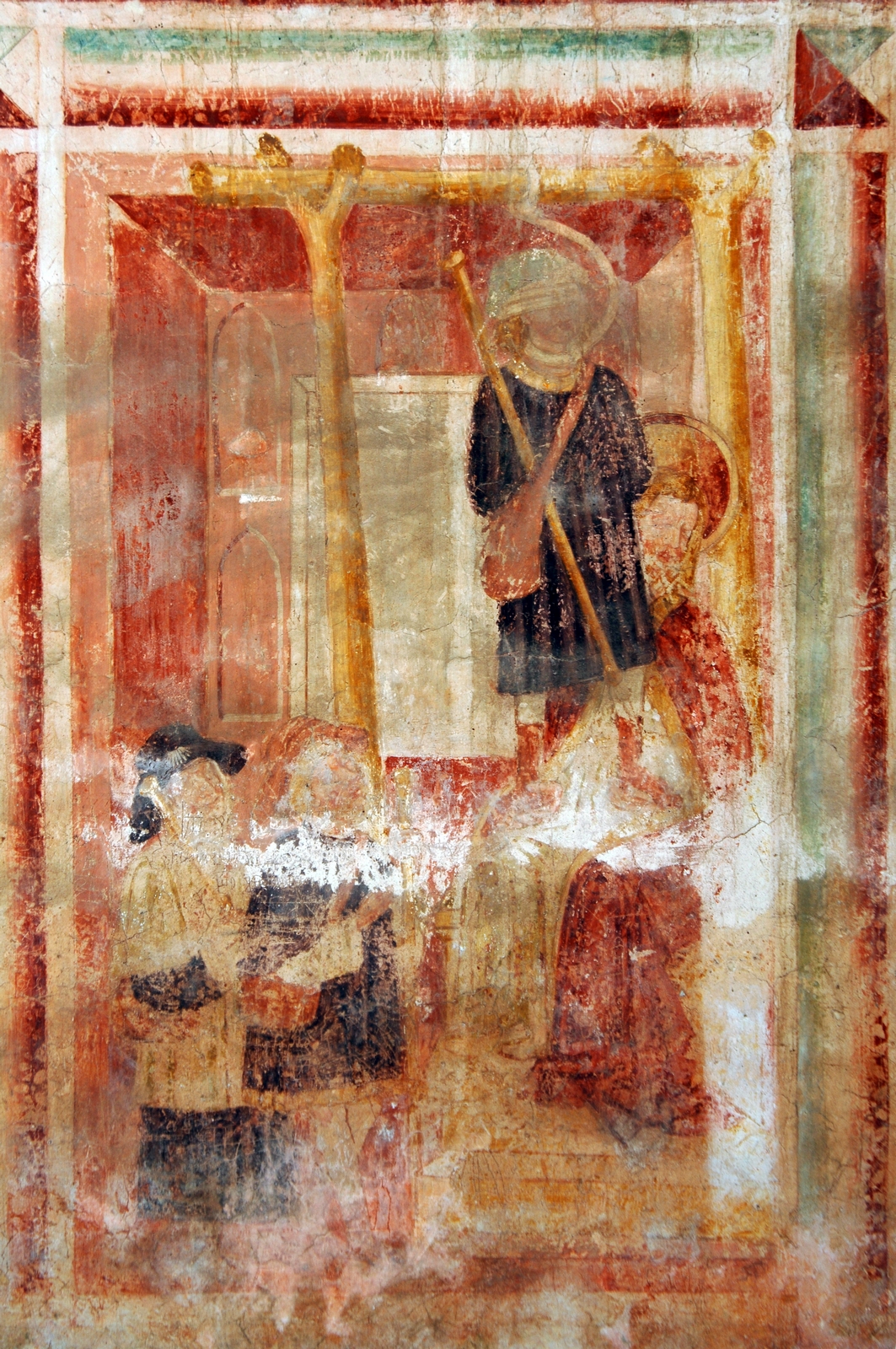
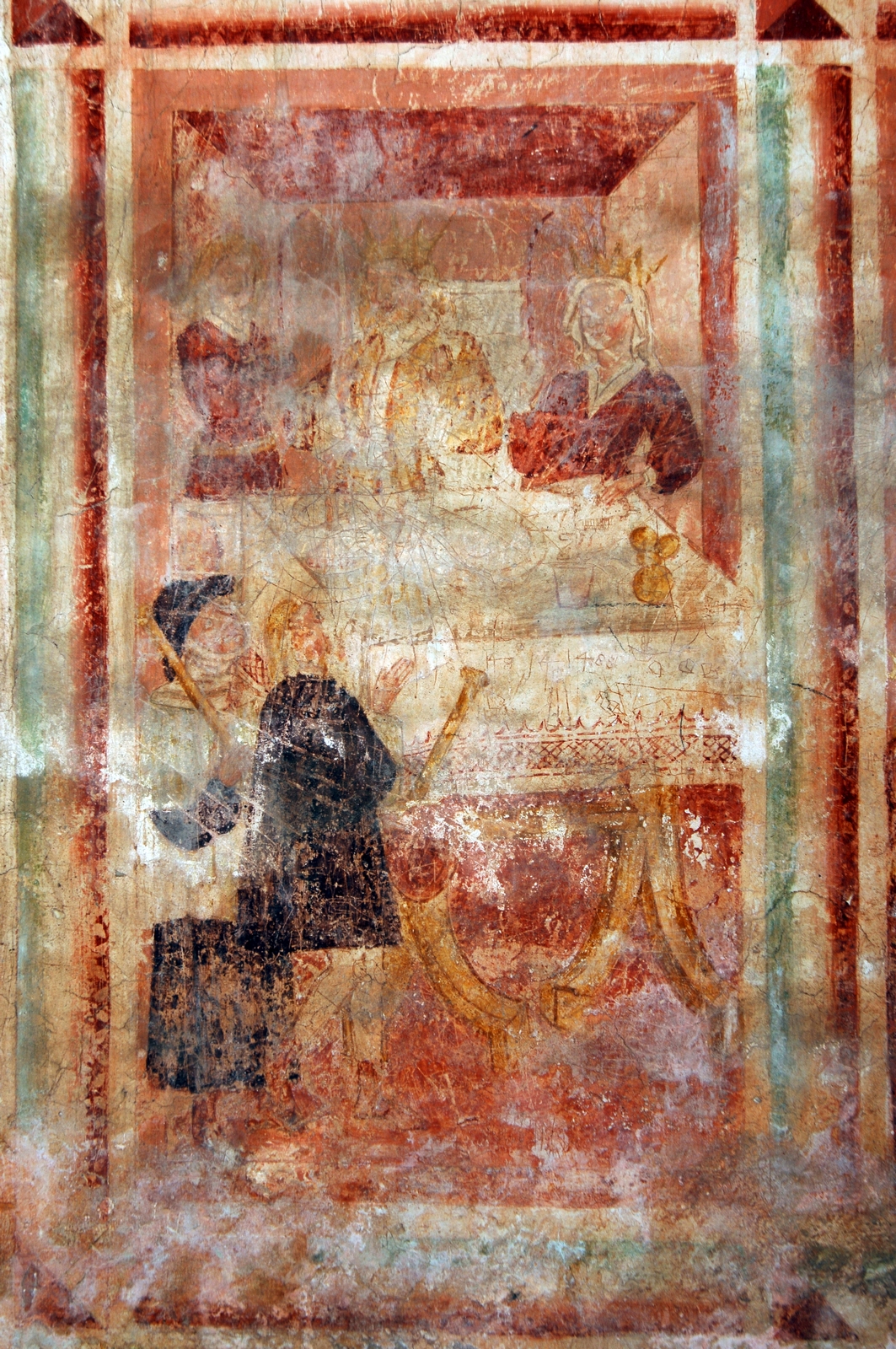
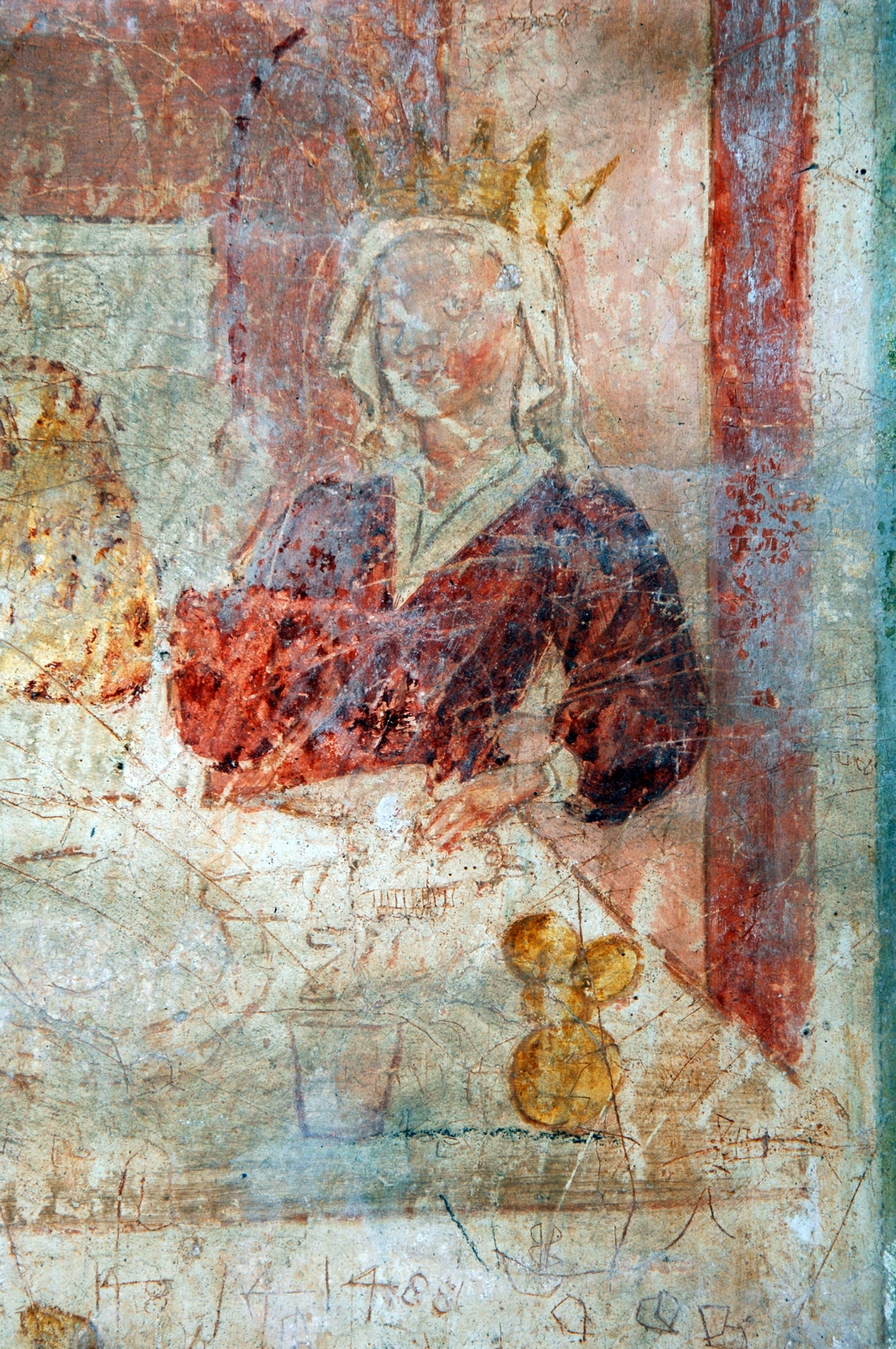
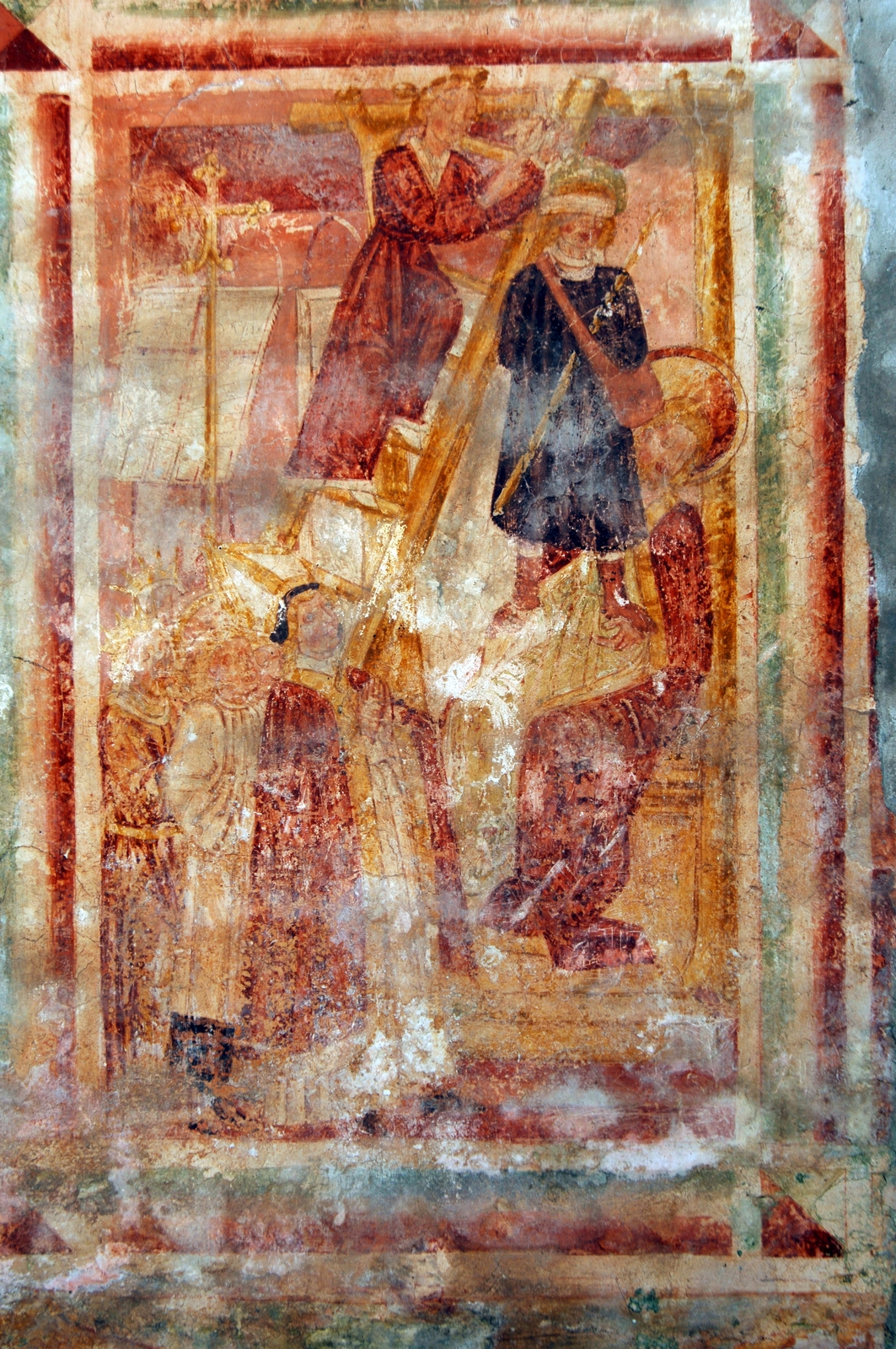
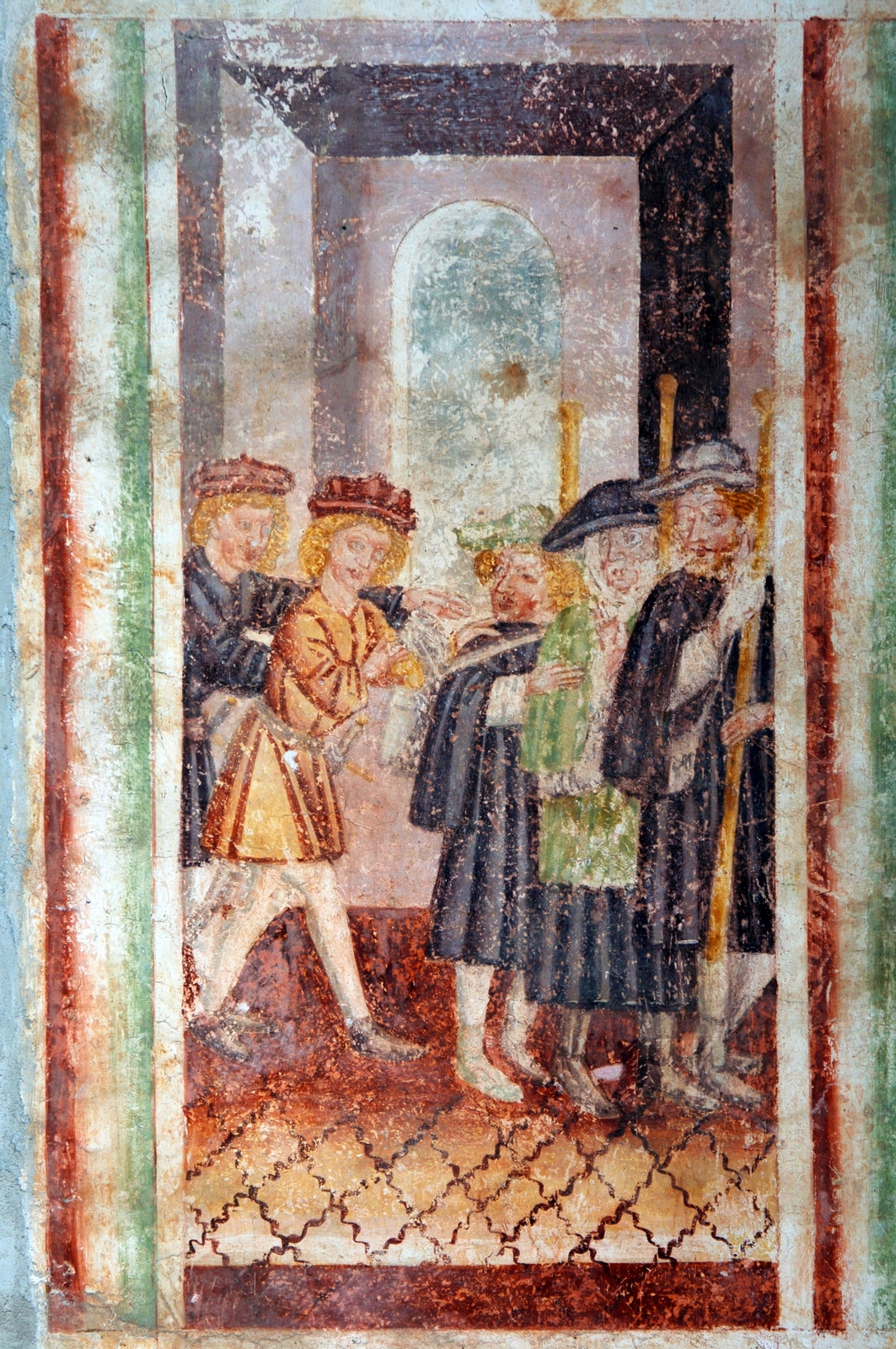
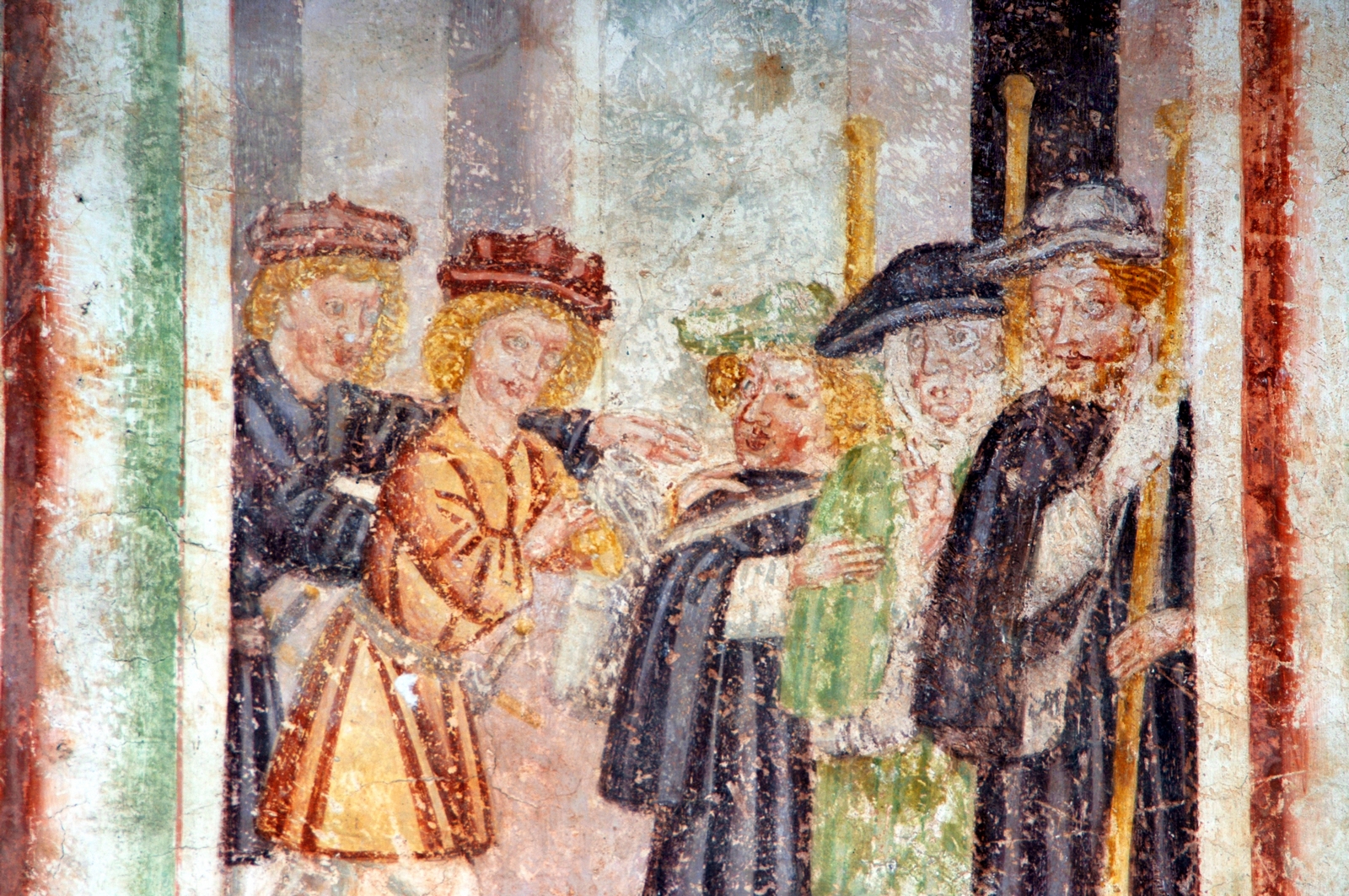
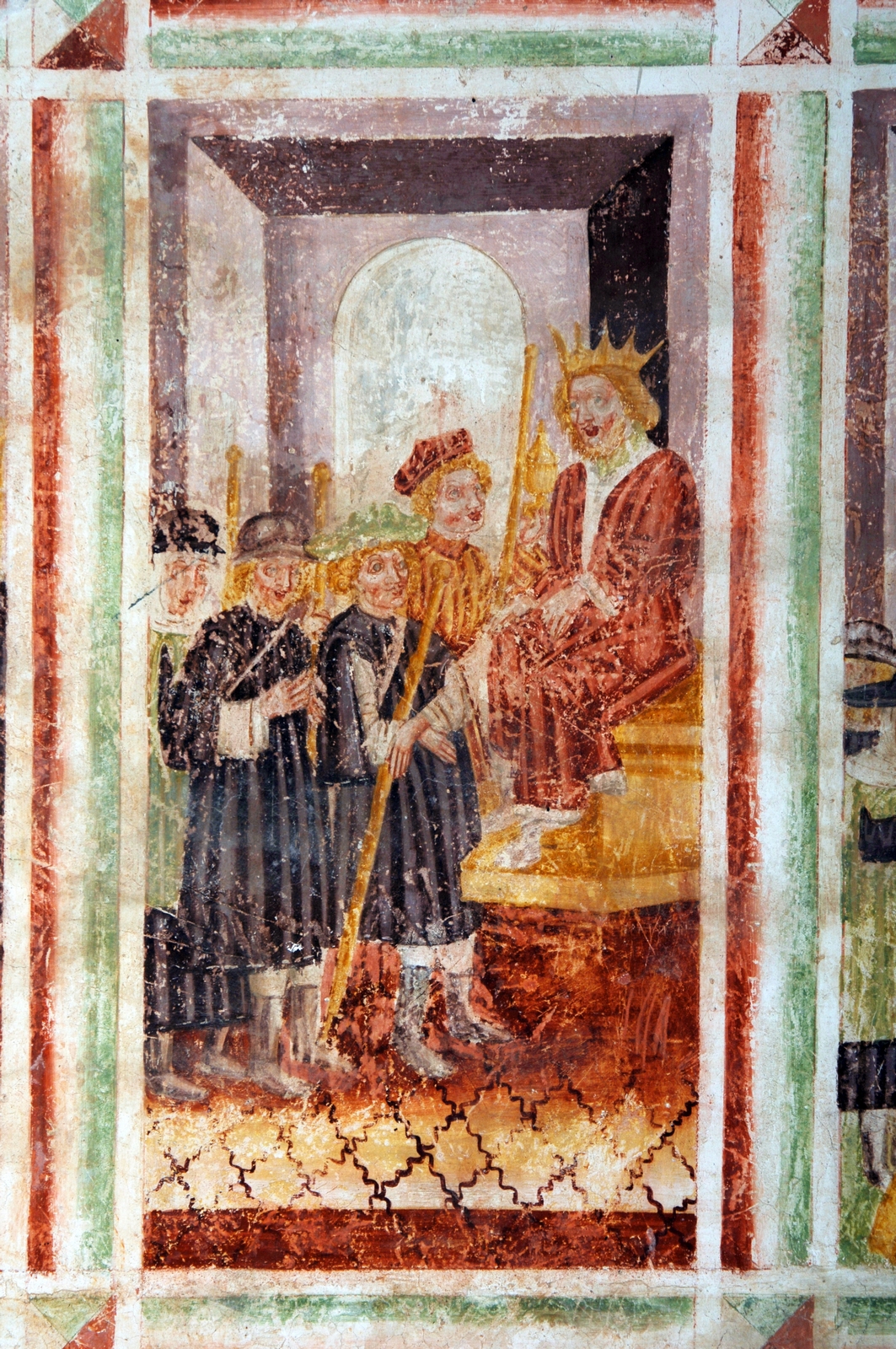
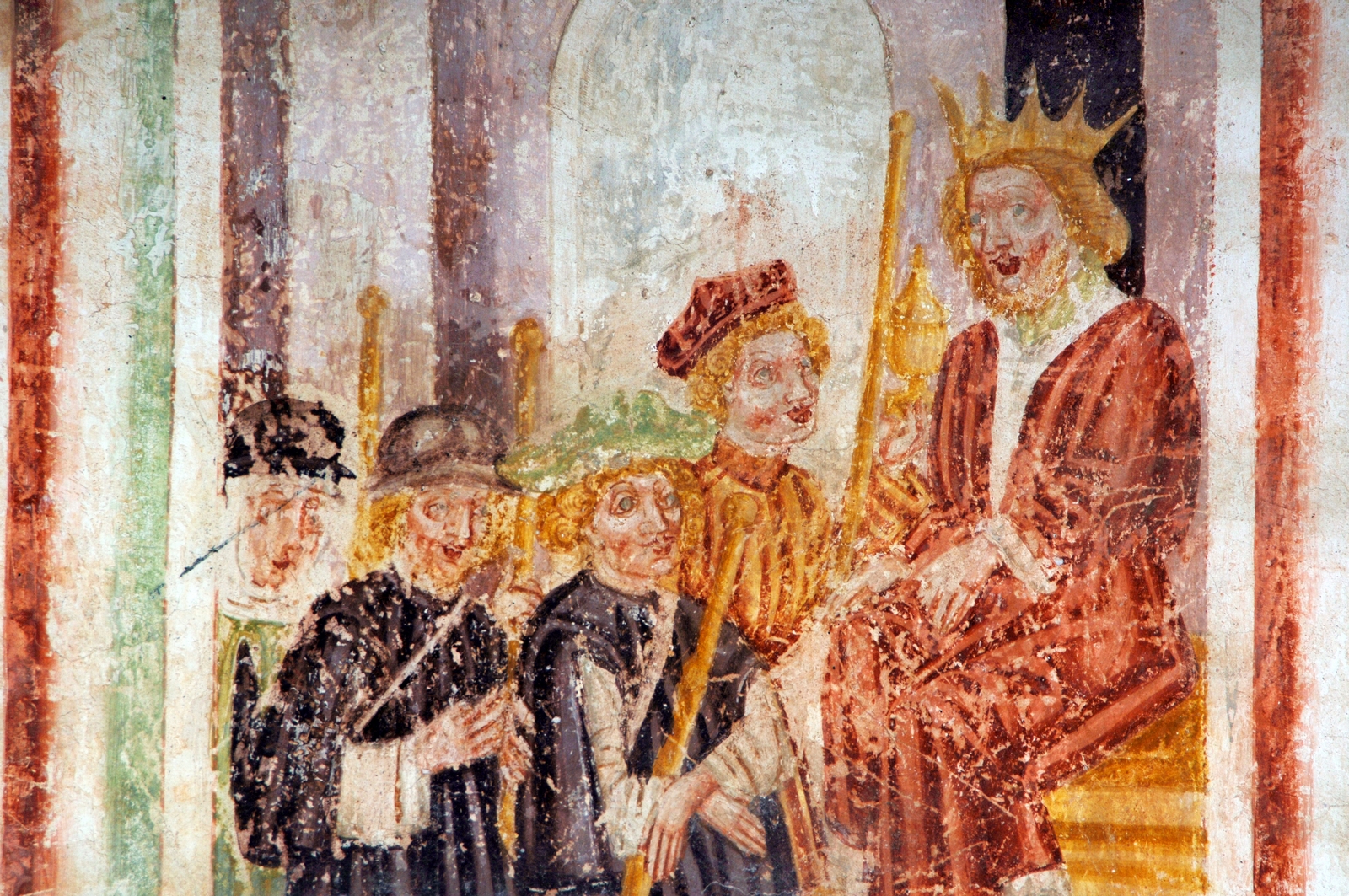
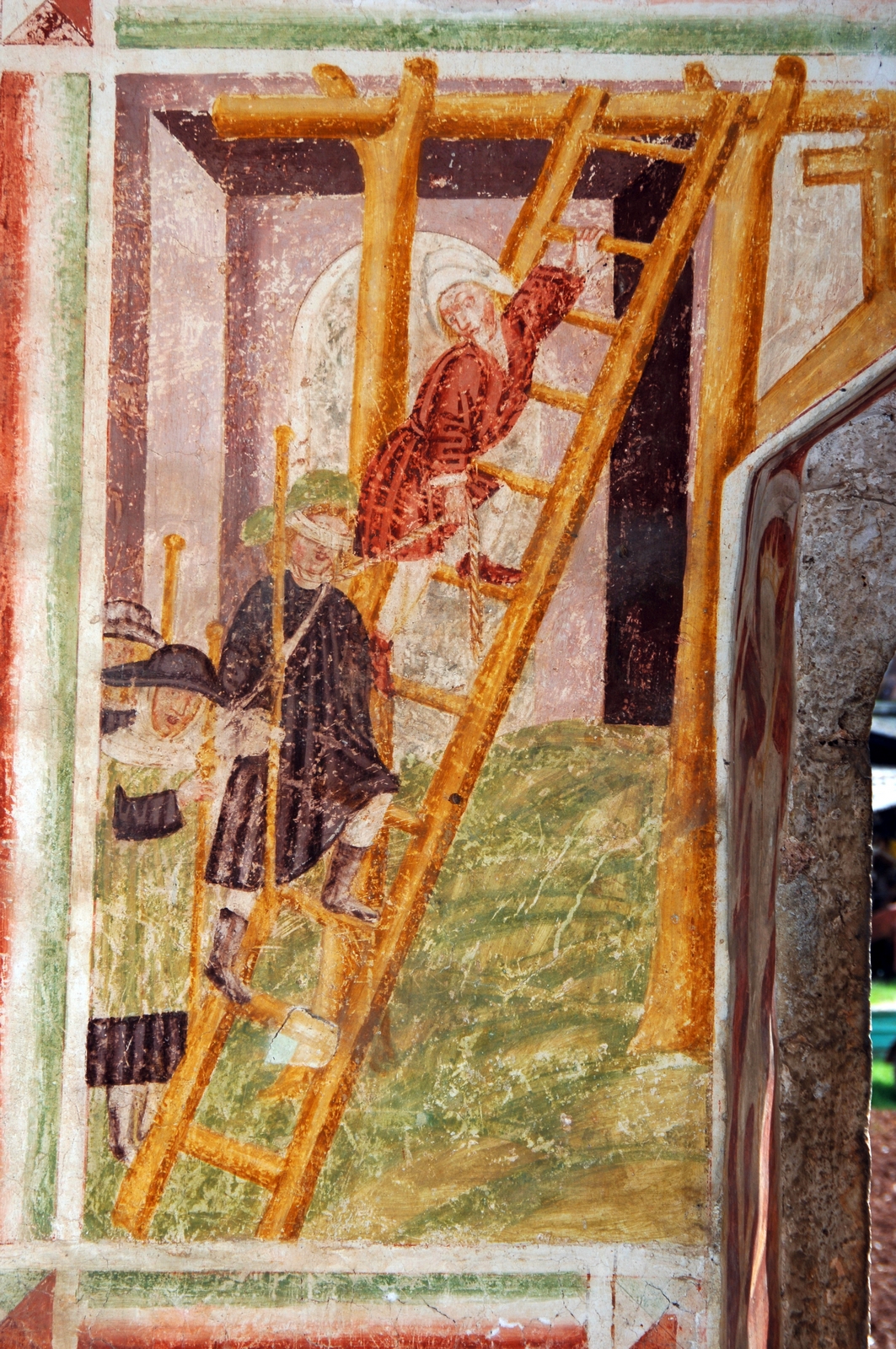
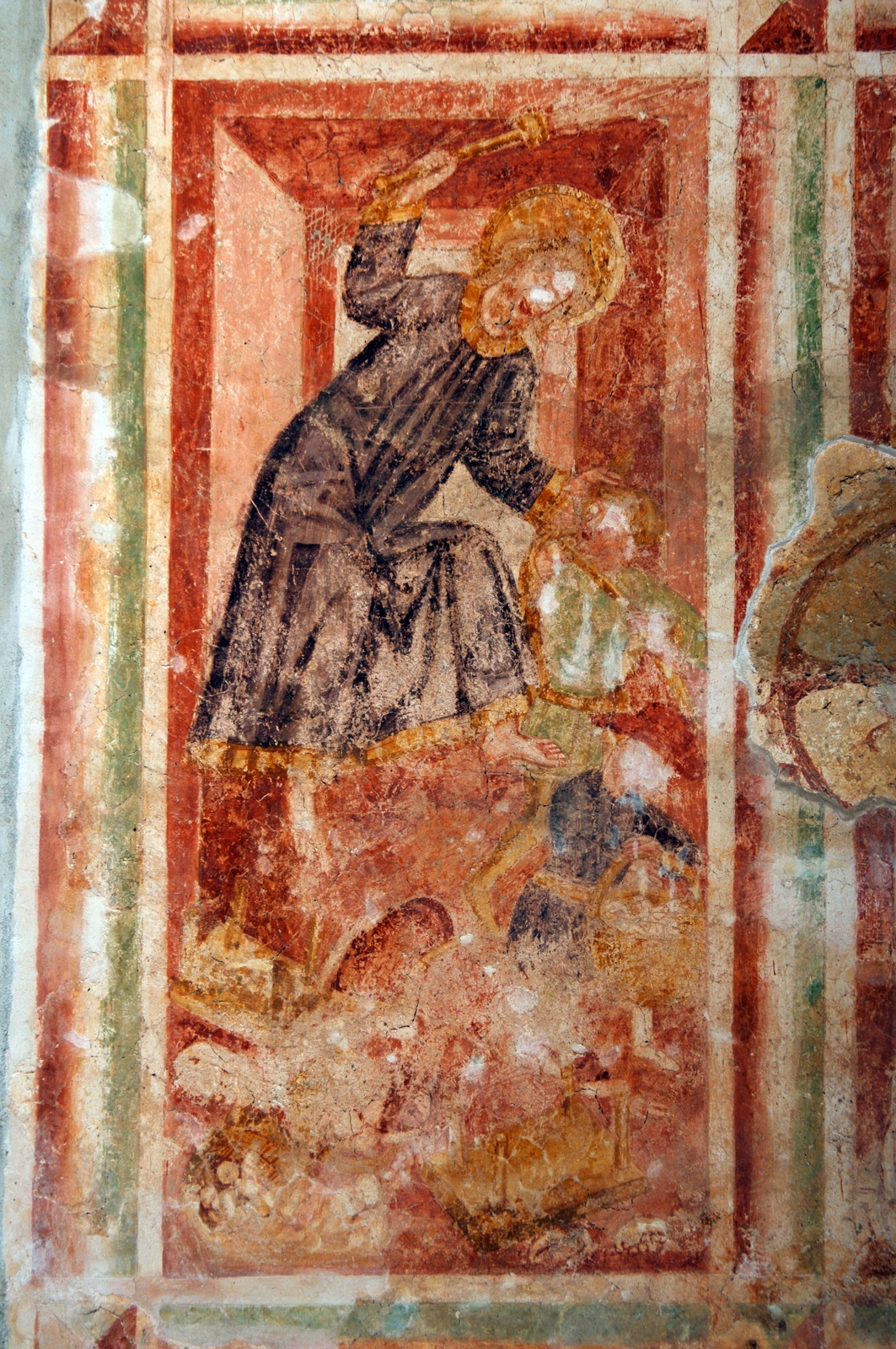
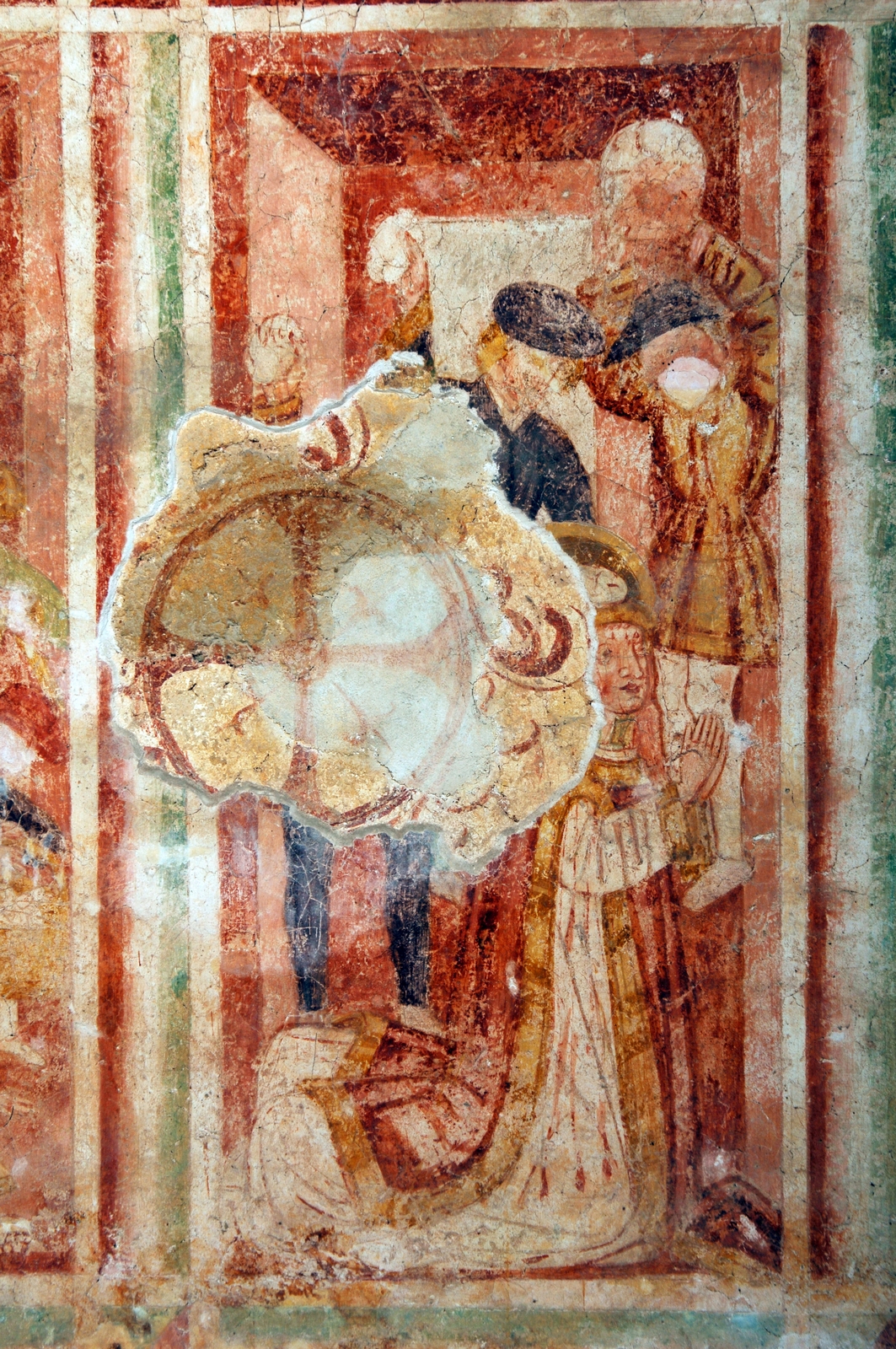
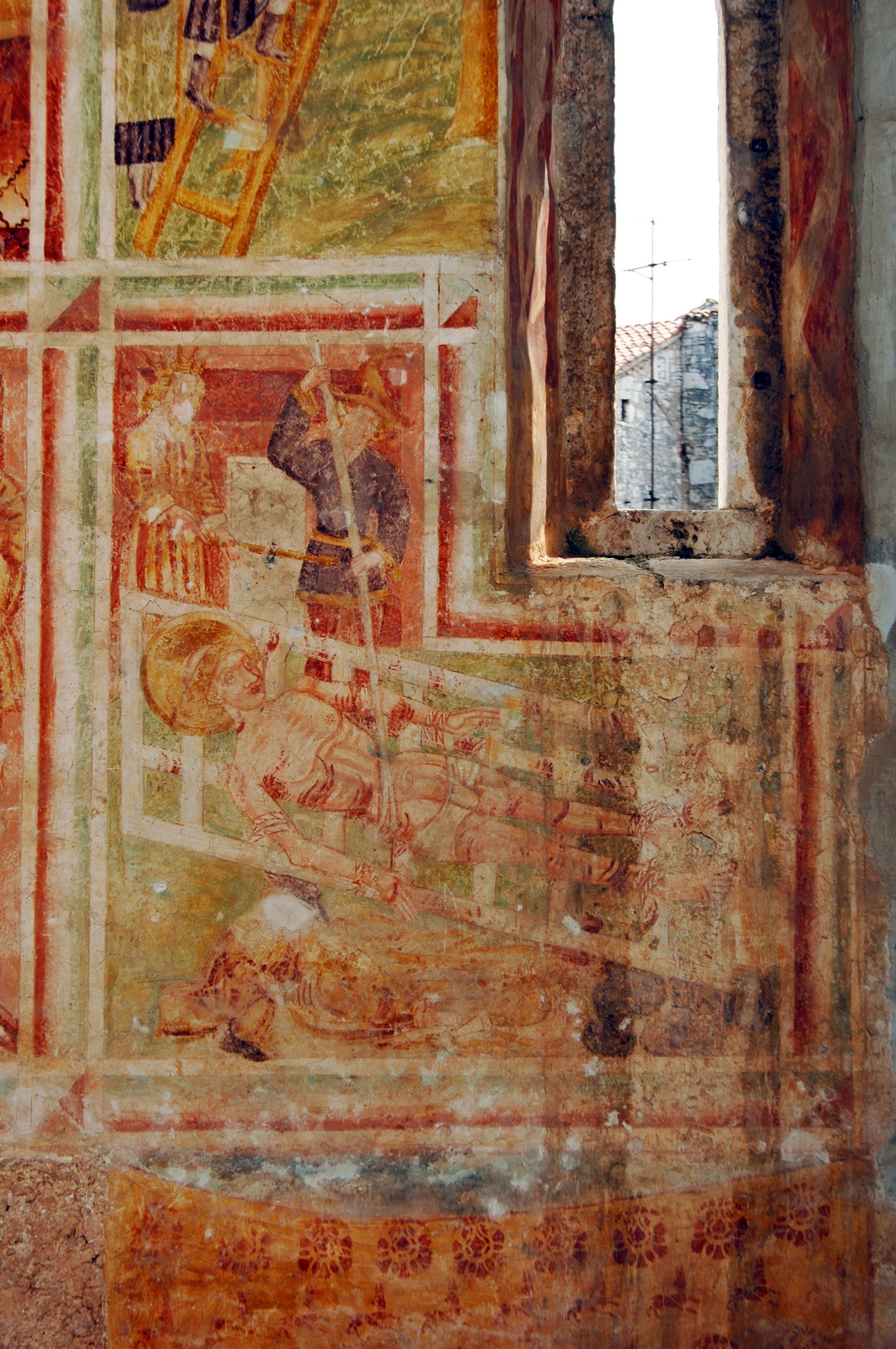
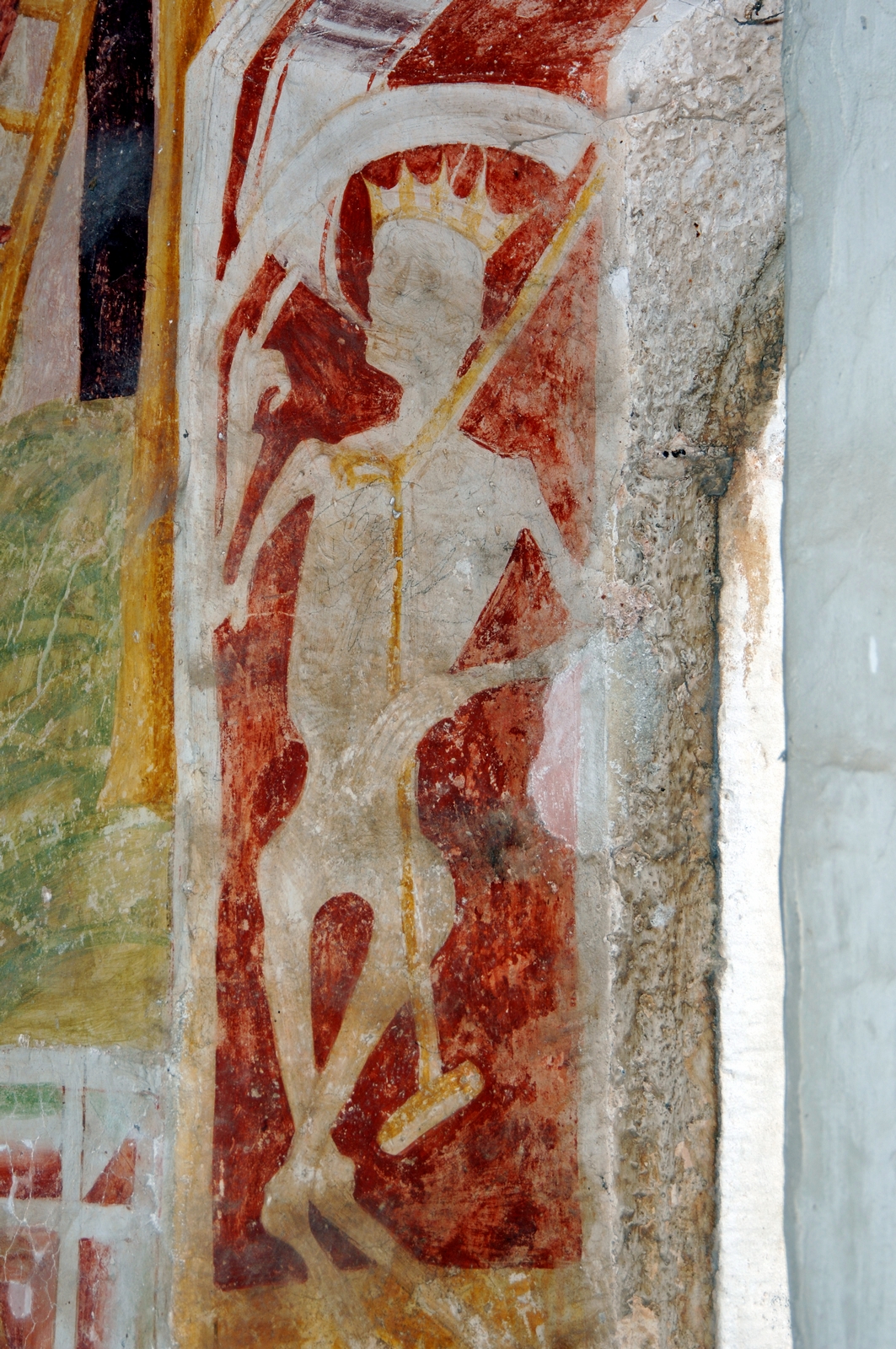
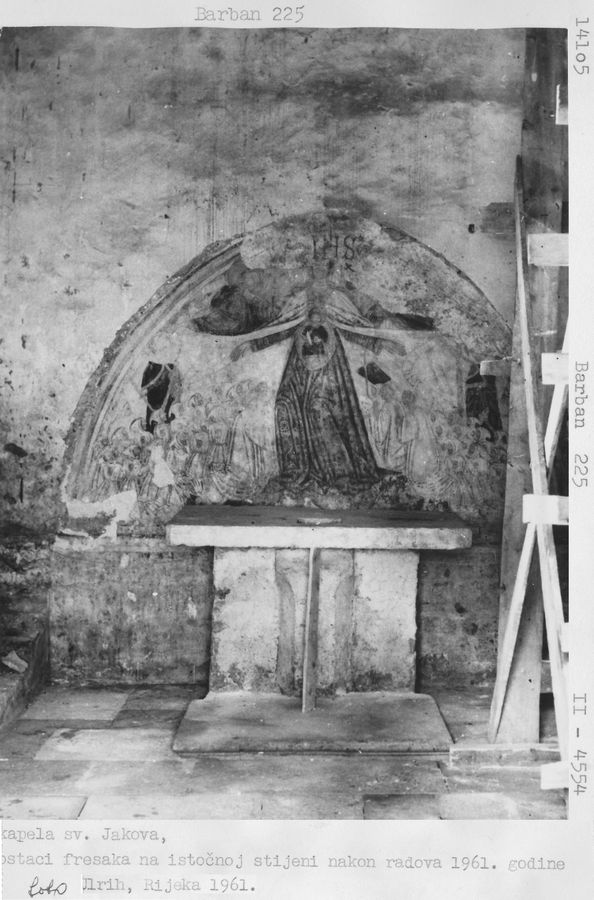
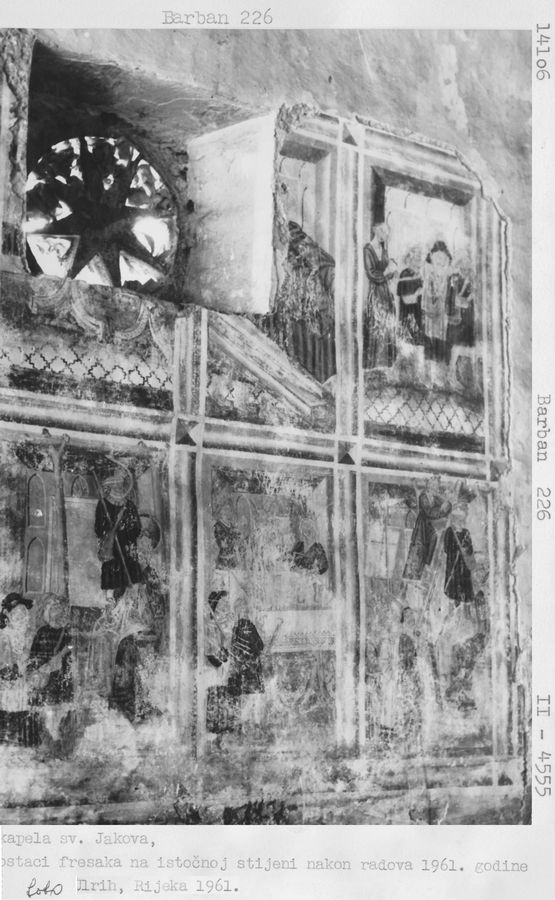
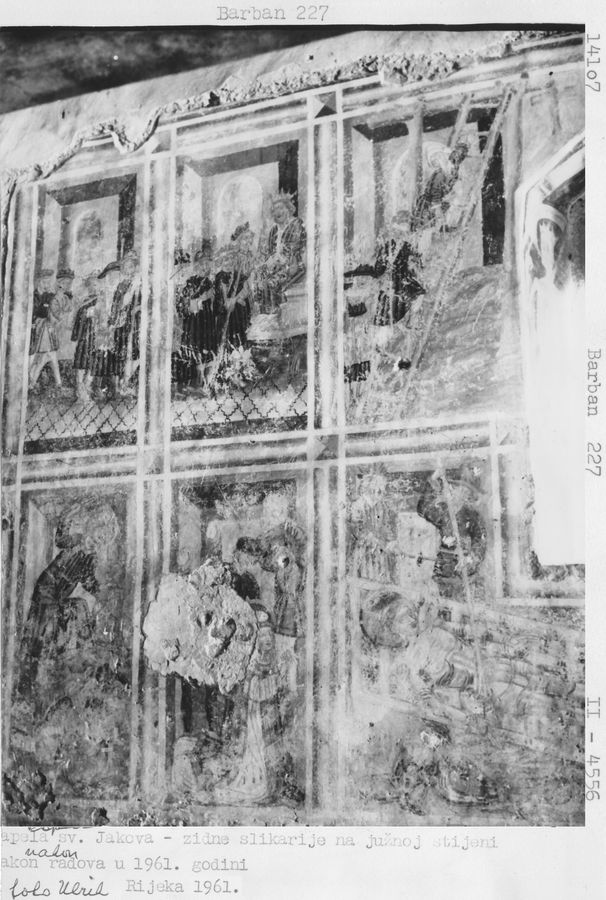
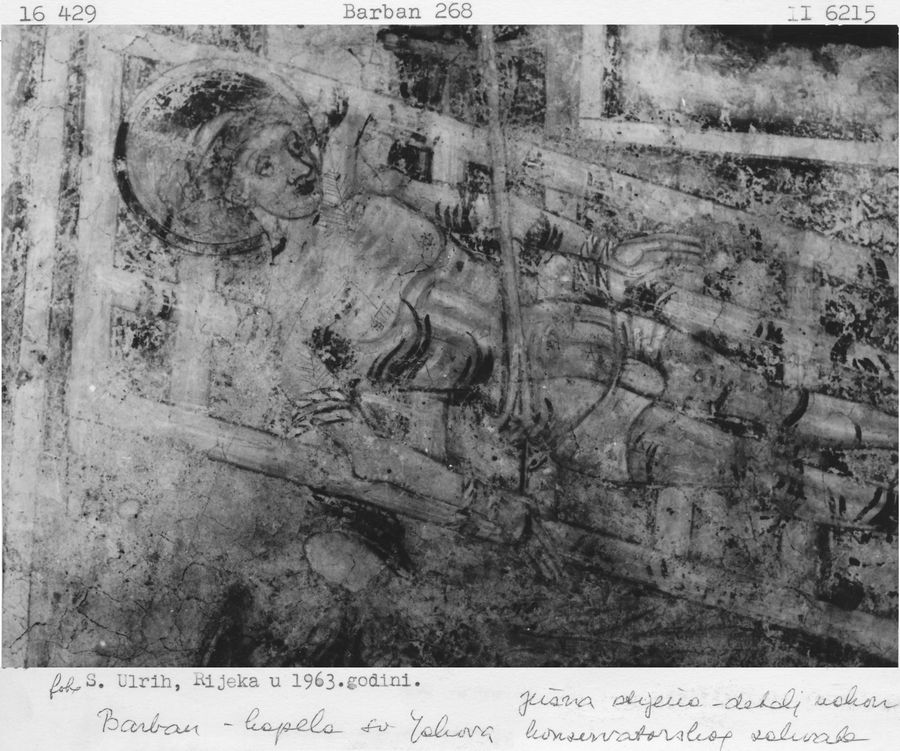
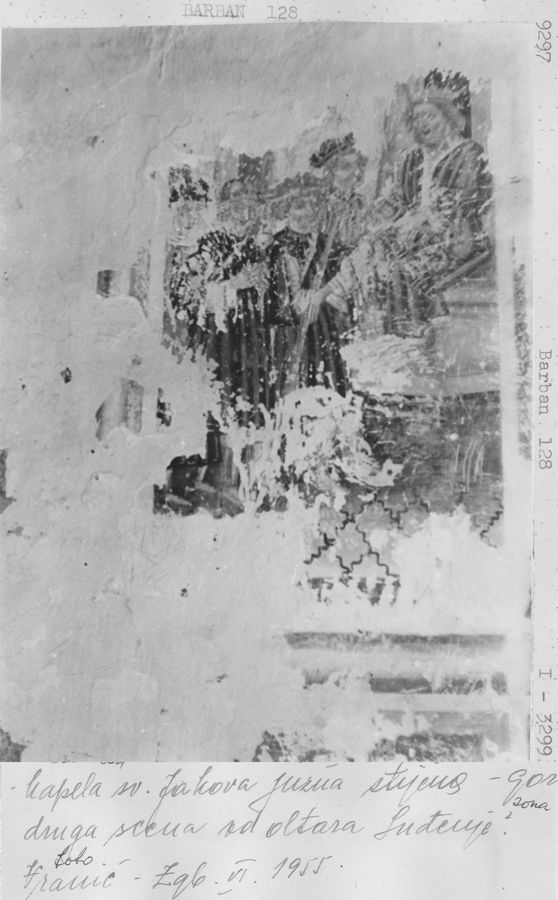
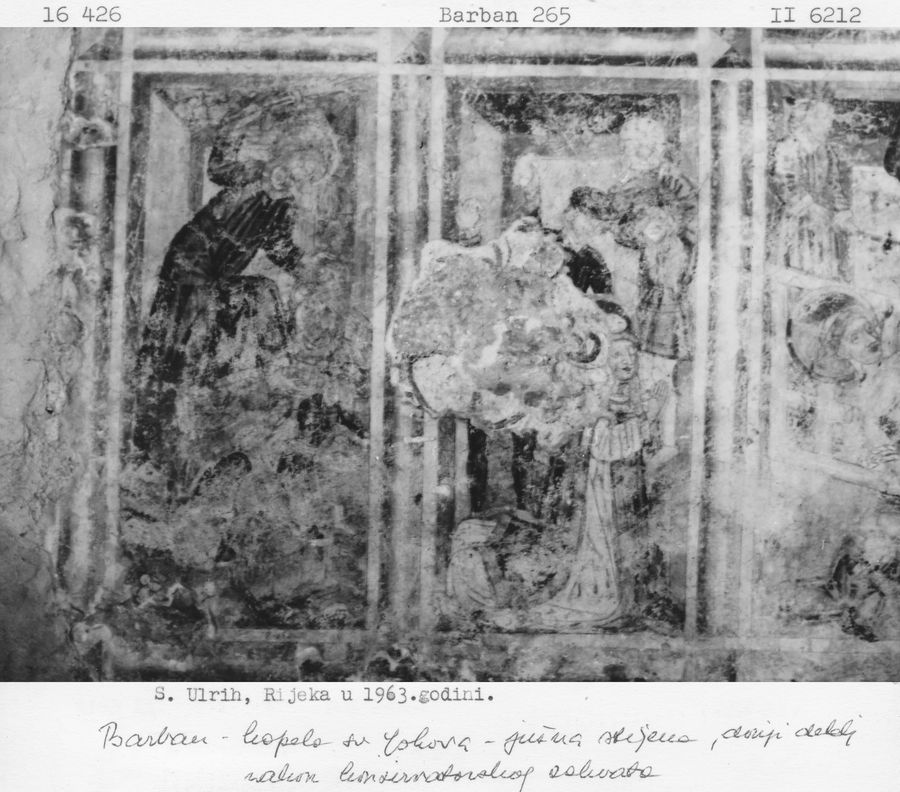
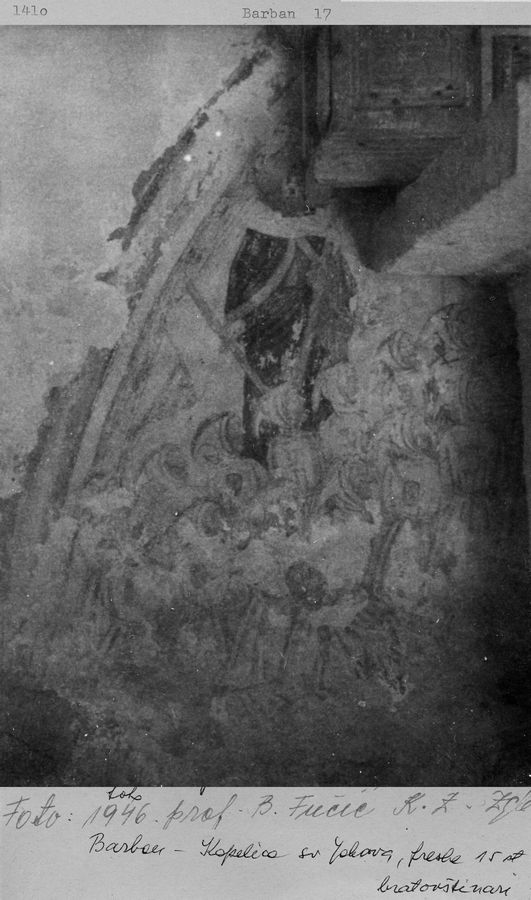
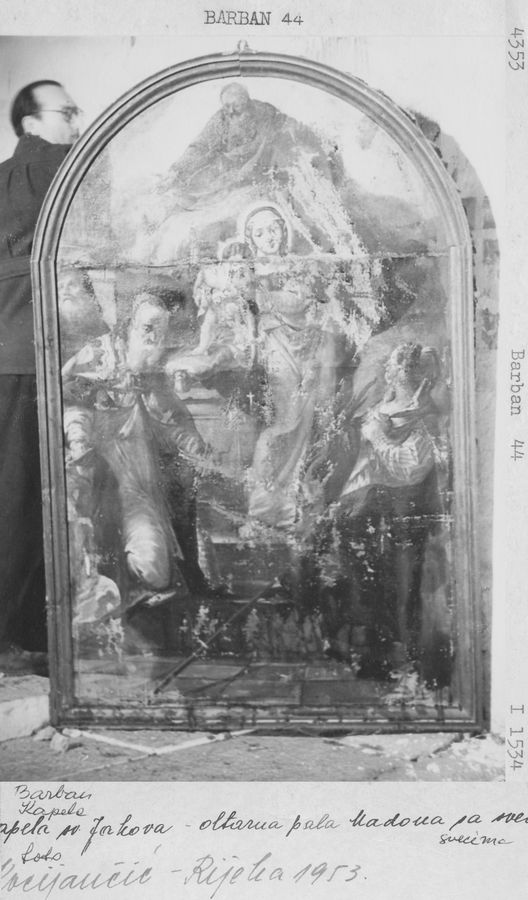
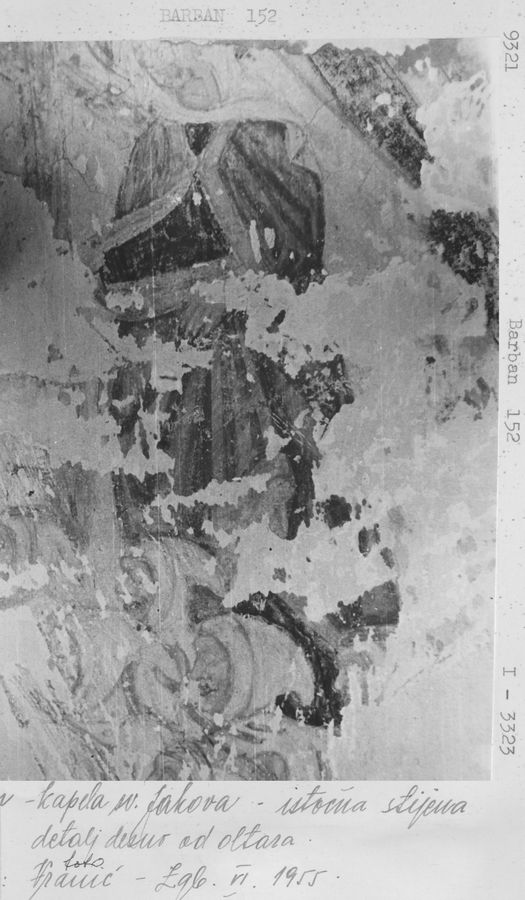
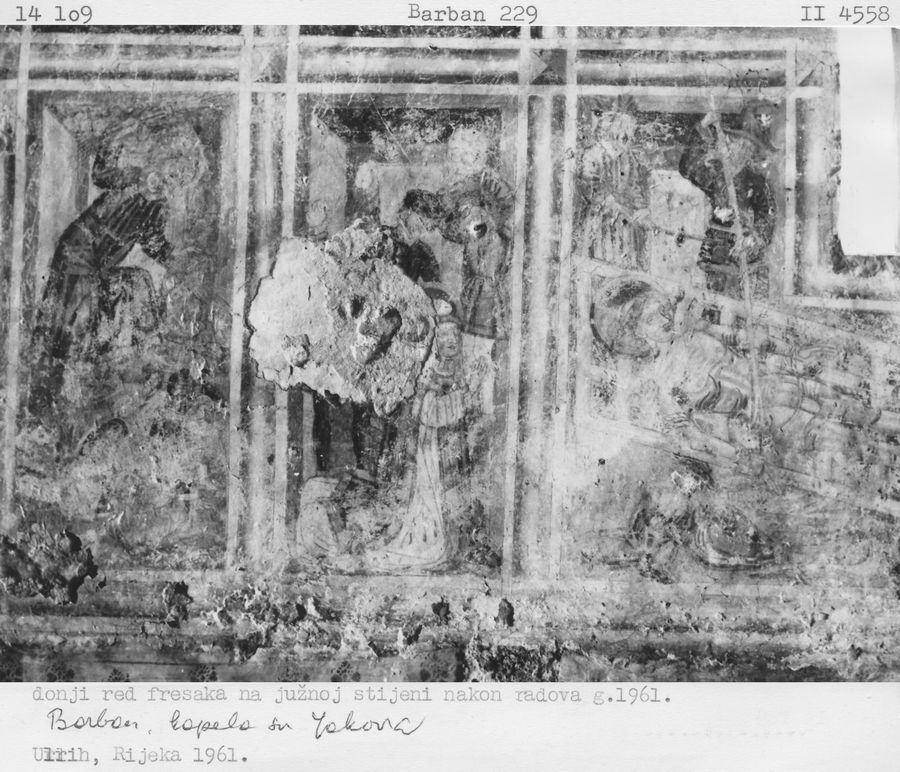
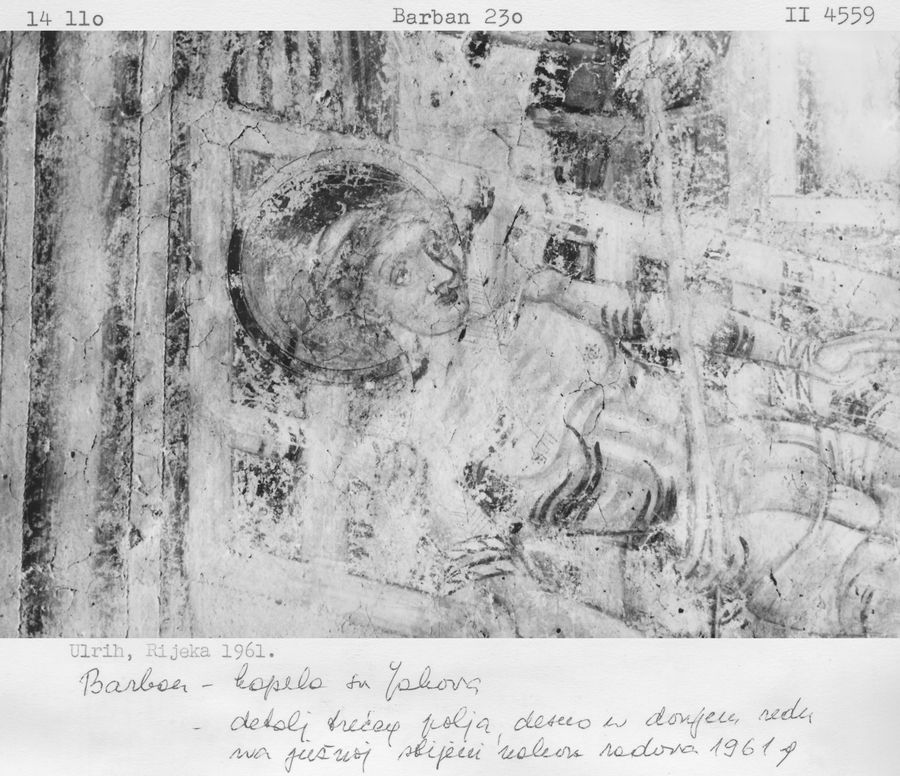
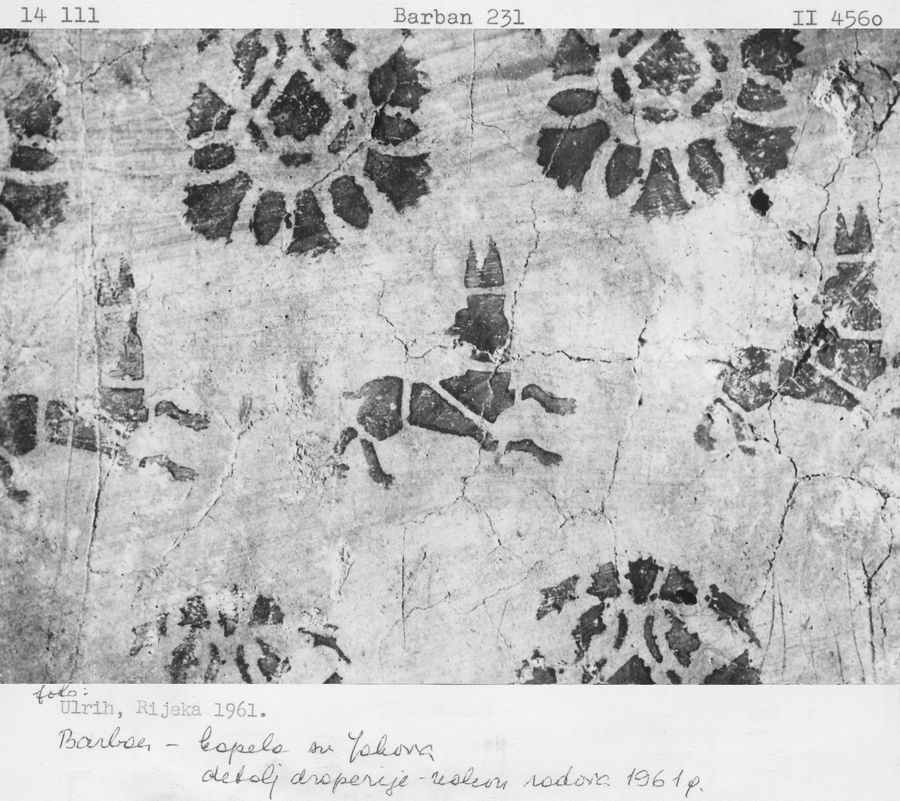
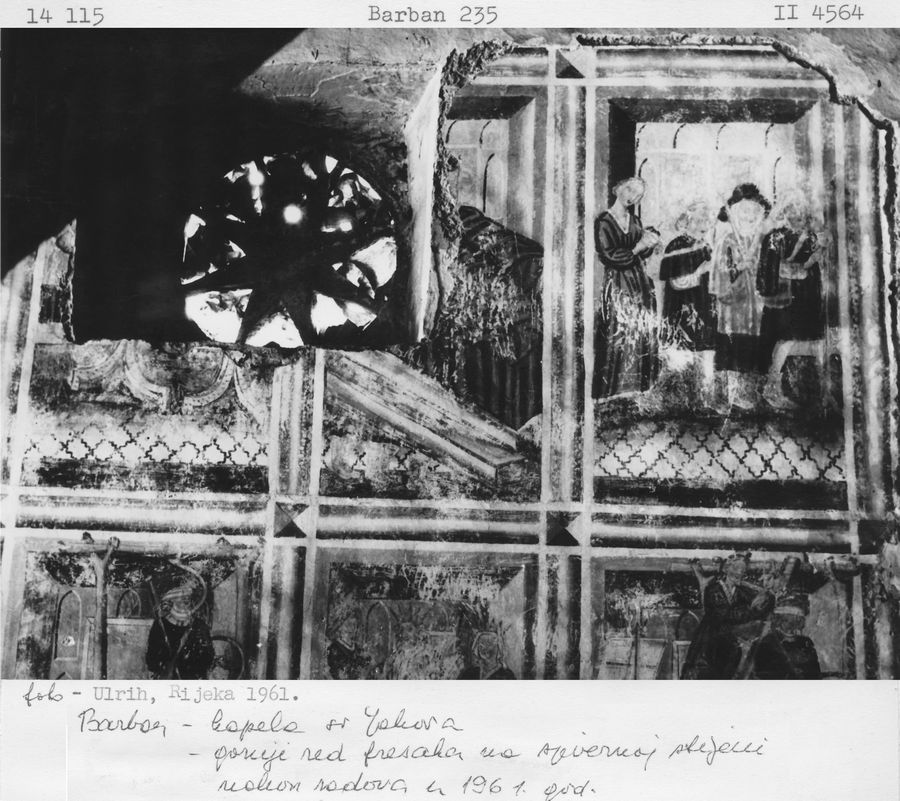
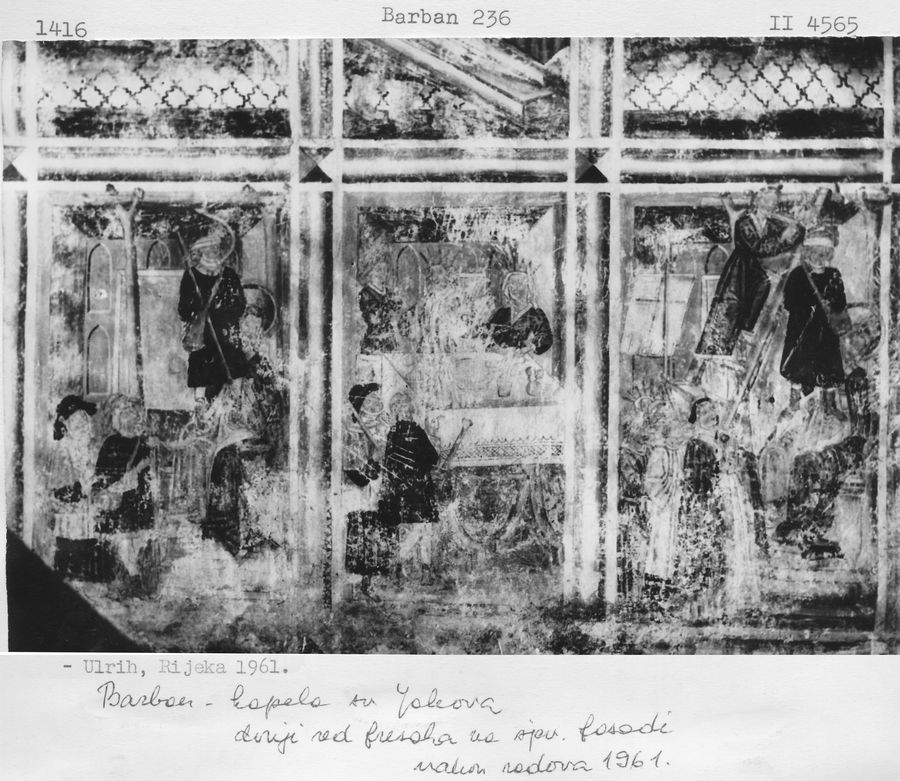
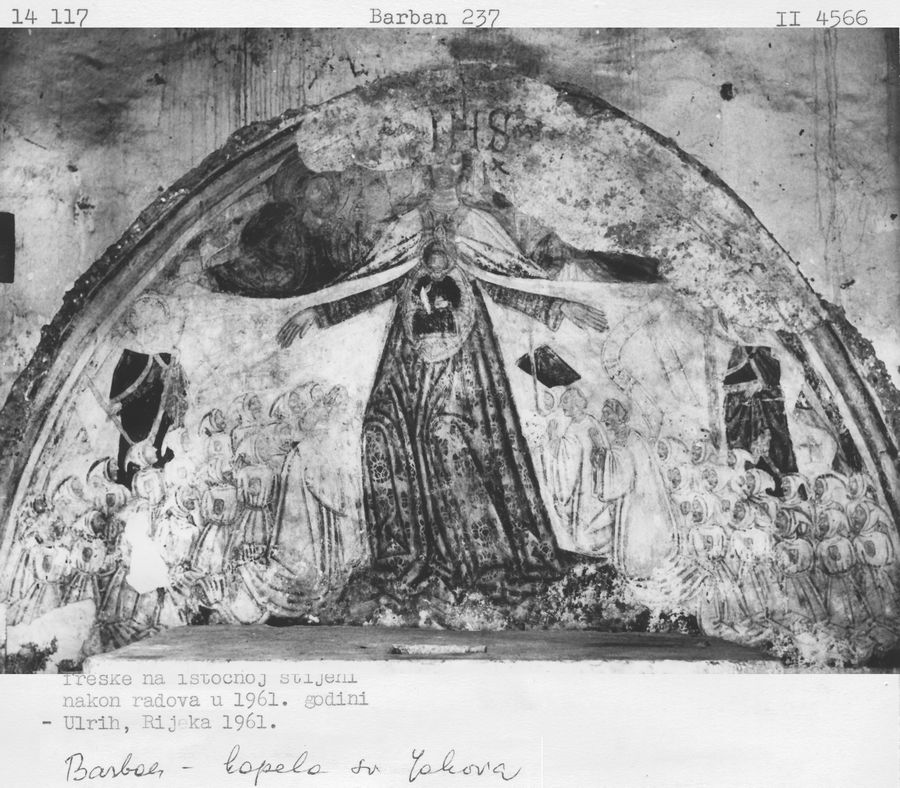
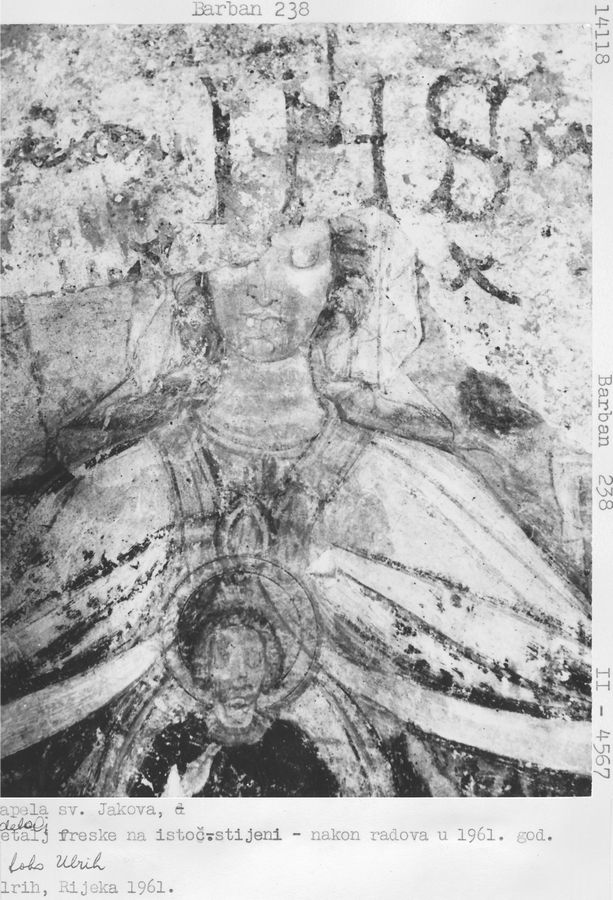
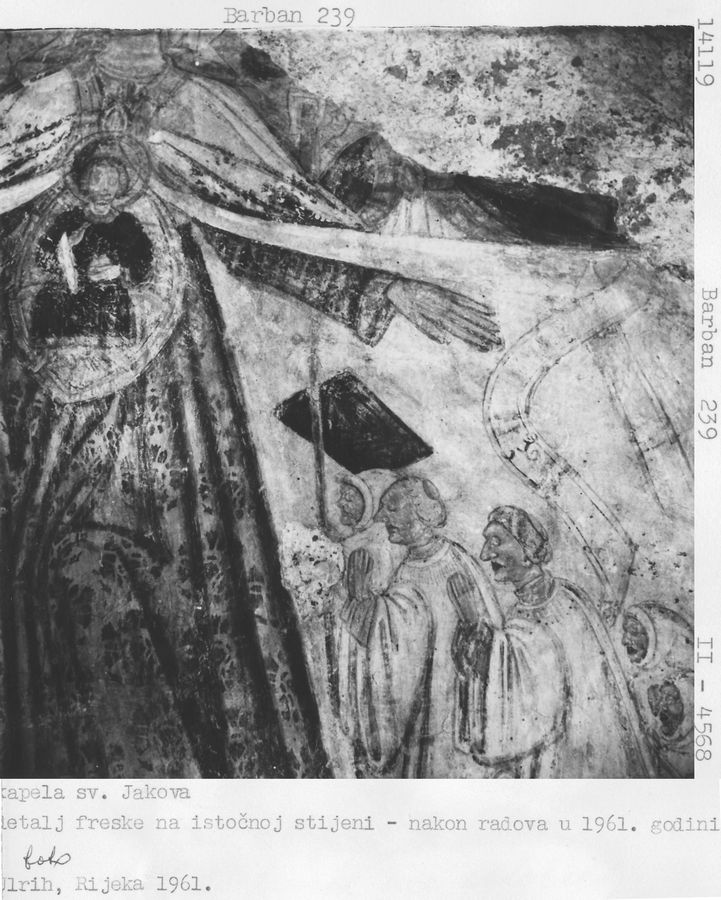
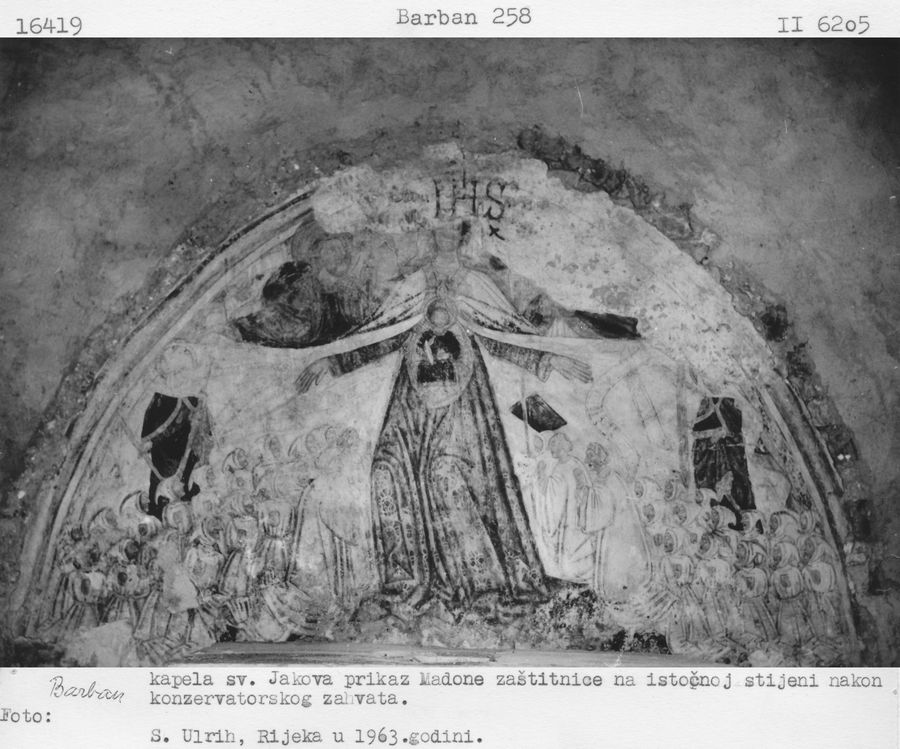
The nine scenes from the life of St James on the lateral walls constitute one of the most extensive cycles dedicated to this saint, venerated as the patron of pilgrims. The compositions are arranged in two registers and framed by a border featuring a rainbow motif. The same border also surrounds the depiction of the Virgin as Protectress on the east wall. The iconography of the Virgin—on whose chest the Christ Child appears within a mandorla, imparting a blessing—derives from Venetian pictorial tradition. Two unidentified saints are depicted to the Virgin’s left and right, while beneath her mantle are members of confraternities and saints.
The first written reference to the frescoes was published by Marco Tamaro in 1893 in Le città e le castella dell’Istria. Following conservation interventions carried out in 1961, Iva Perčić presented new findings and offered a detailed discussion of the iconographic programme in her article “Legenda o hodočasnicima Sv. Jakova na zidnim slikarijama u Barbanu” (“The Legend of the Pilgrims of St James in the Wall Paintings at Barban”).
Iconographic programme:
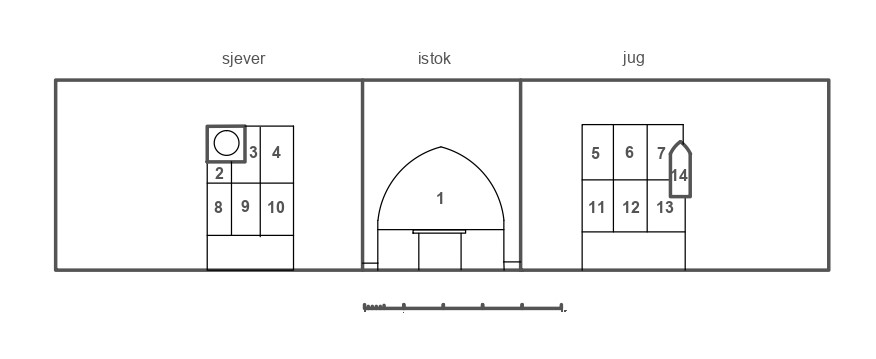
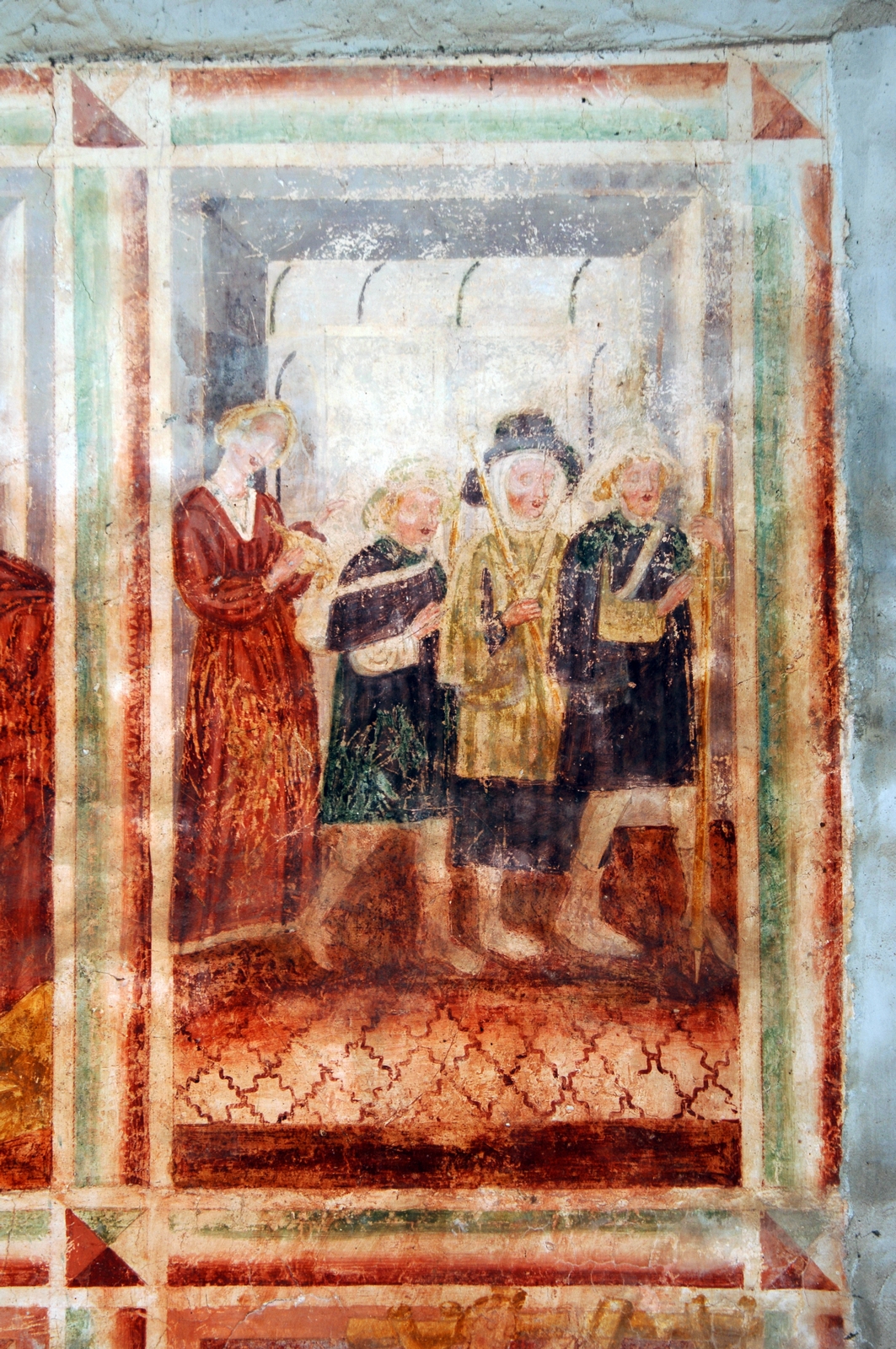
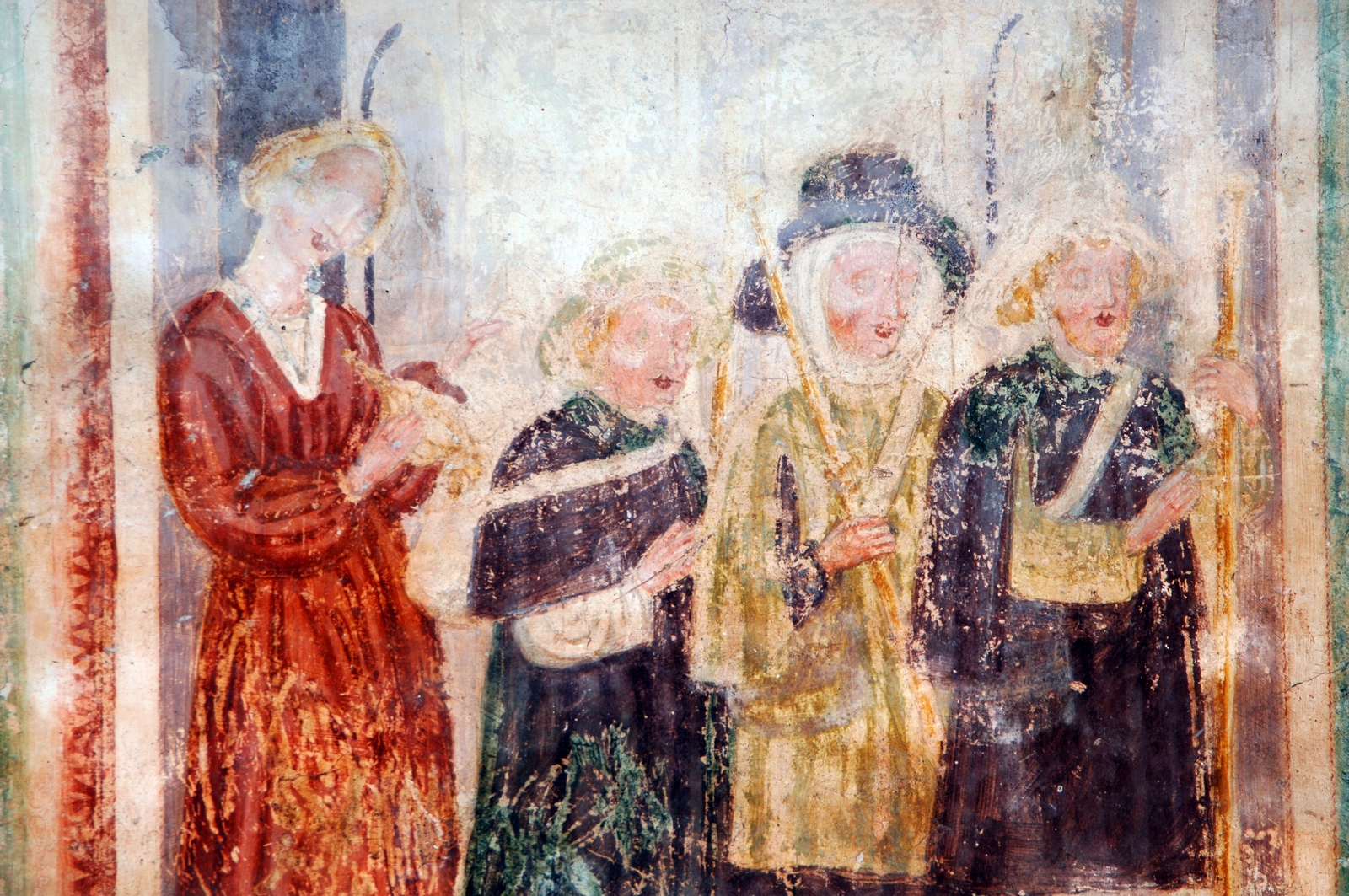
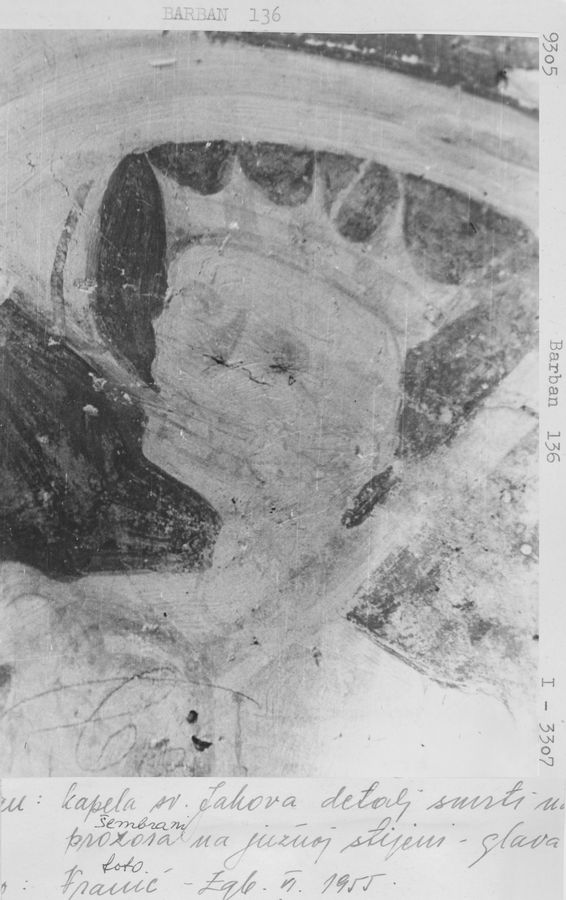
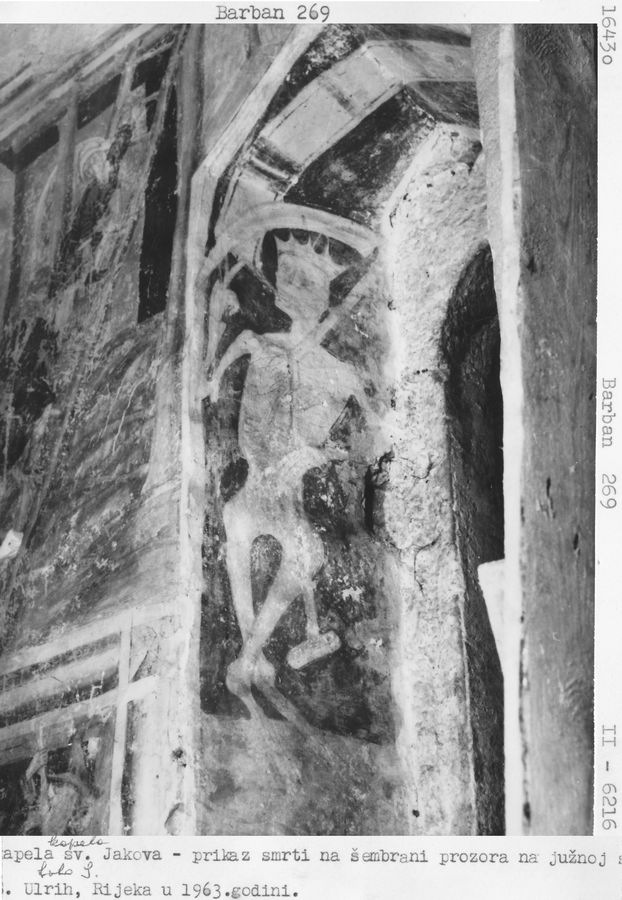
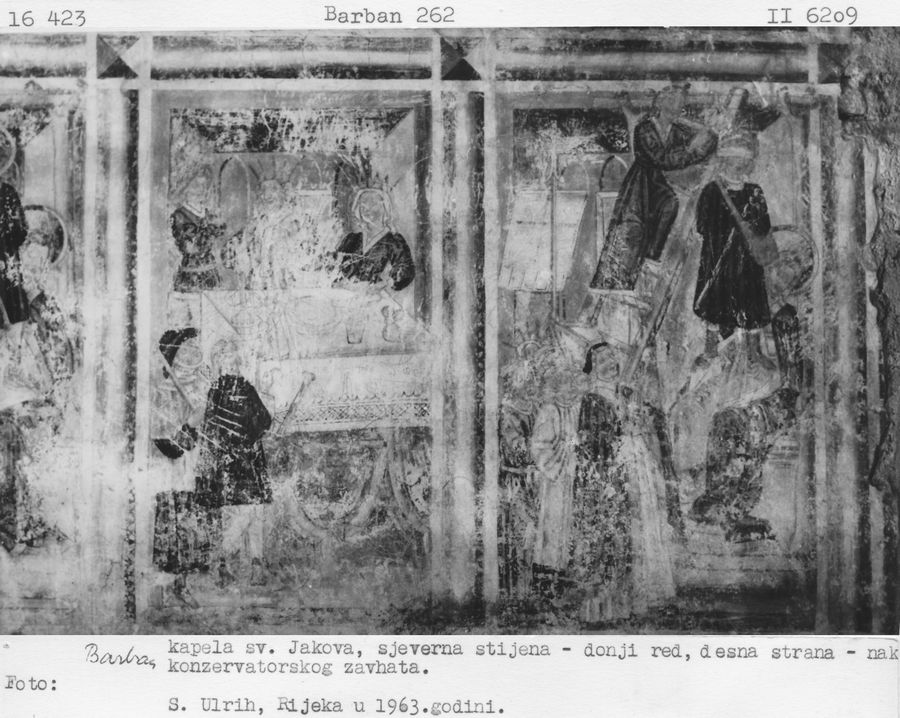
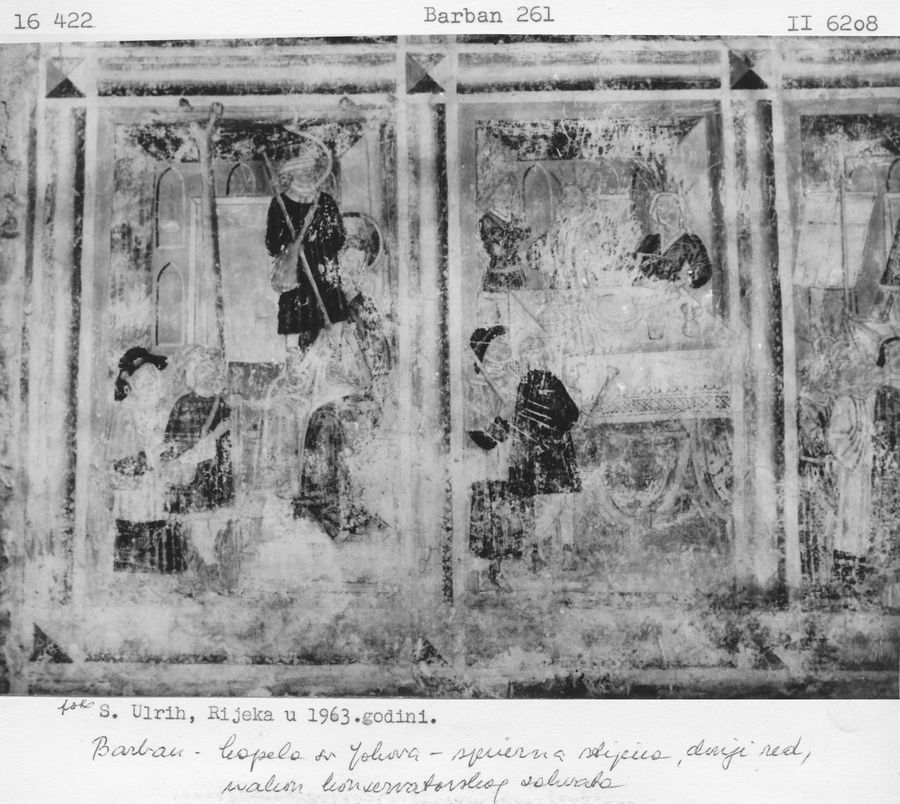
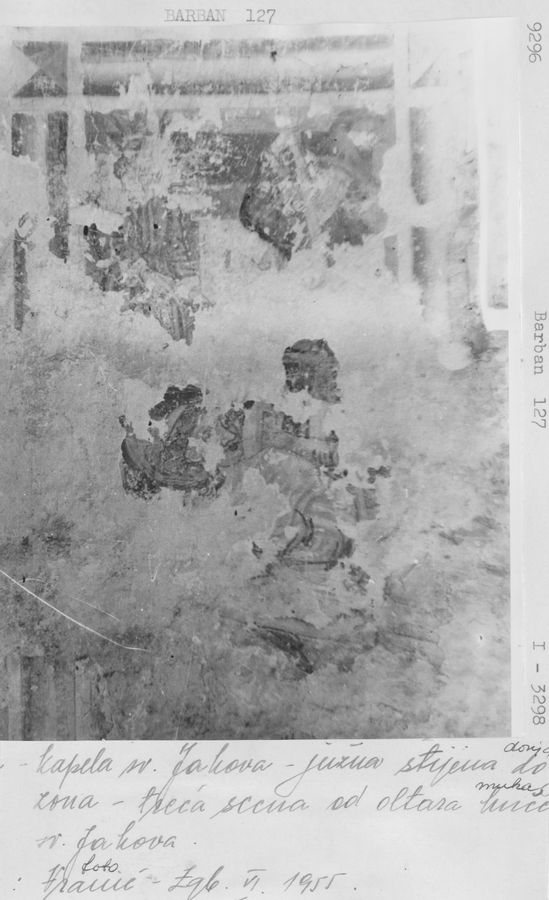
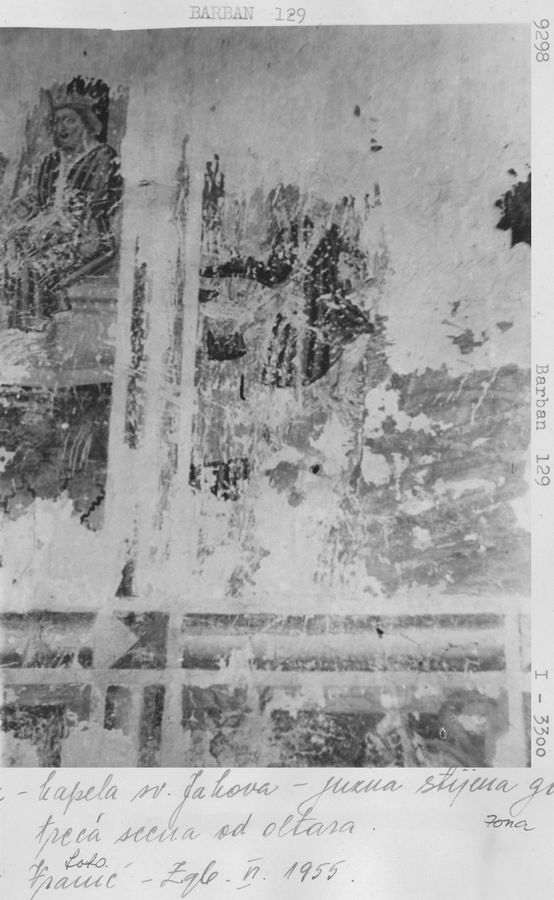
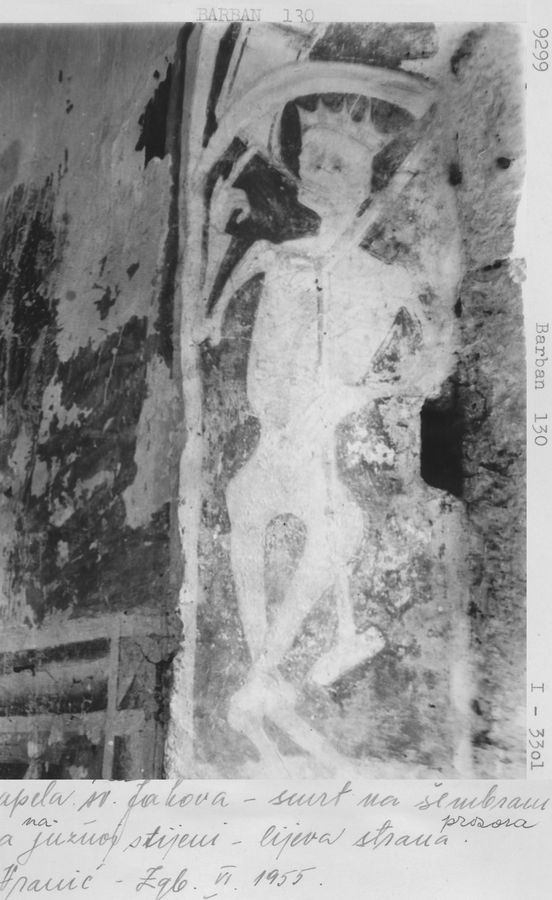
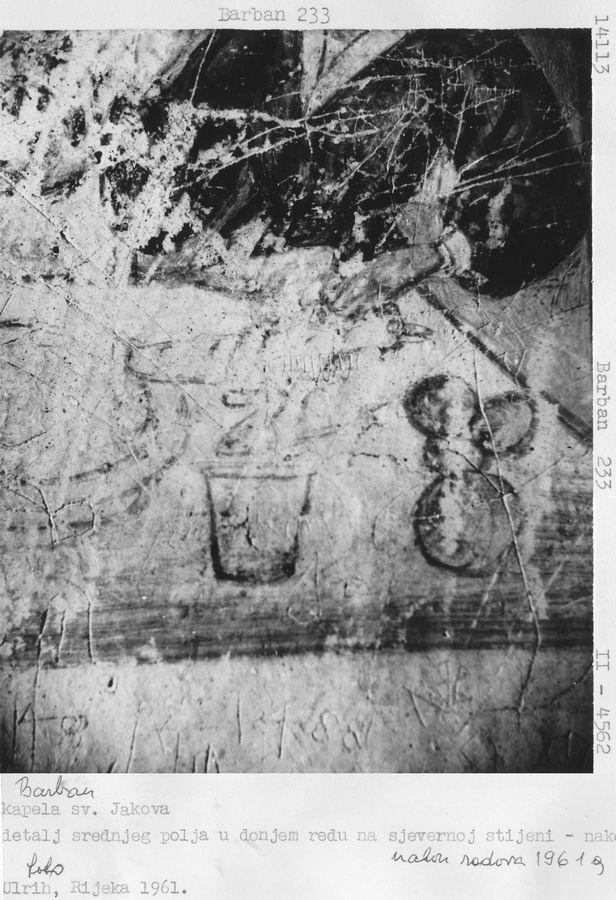
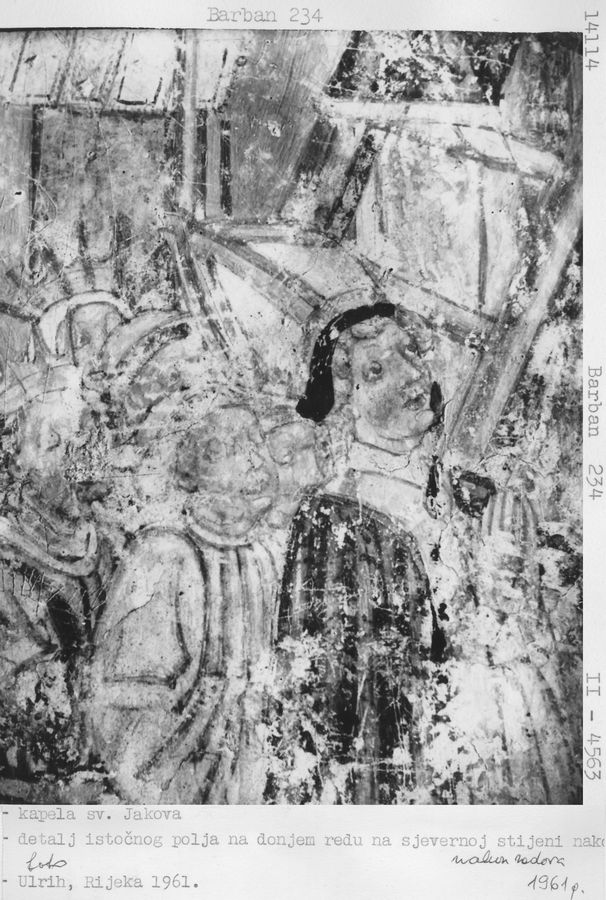
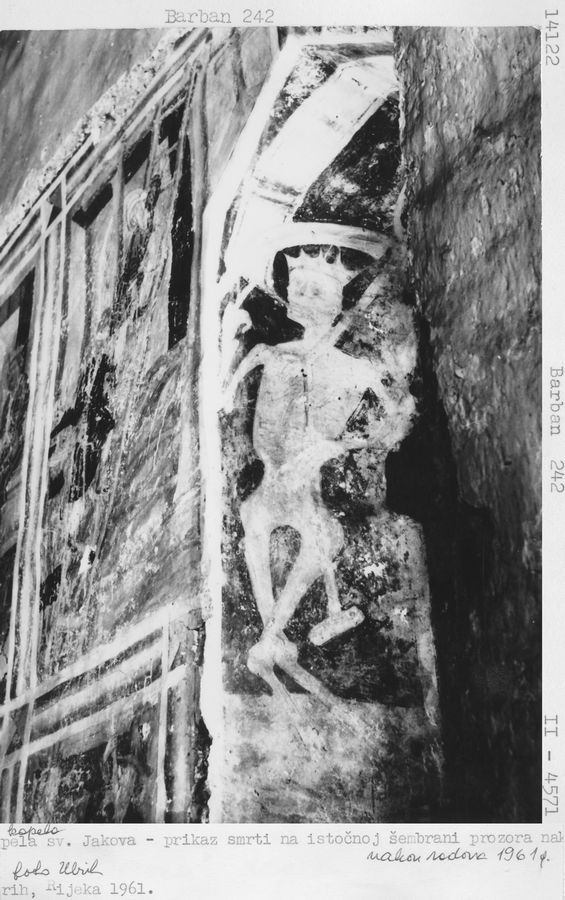
East wall: 1. Virgin as Protectress with members of the confraternity and saints. South wall (Cycle of the legend of the pilgrims of St James): 5. Arrest of the pilgrims, 6. Pilgrims before the court, 7. Execution of the young man, 11. Expulsion of the merchant from the Temple (?), 12. Stoning of St Stephen, 13. Martyrdom of St Lawrence, 14. Death the Reaper. North wall (Cycle of the legend of the pilgrims of St James):
2. Supper of the pilgrims, 3. Pilgrims in bed, 4. The innkeeper’s daughter plants a goblet, 8. After returning from pilgrimage, the pilgrims find their son alive, 9. The revived rooster.
Scene locations
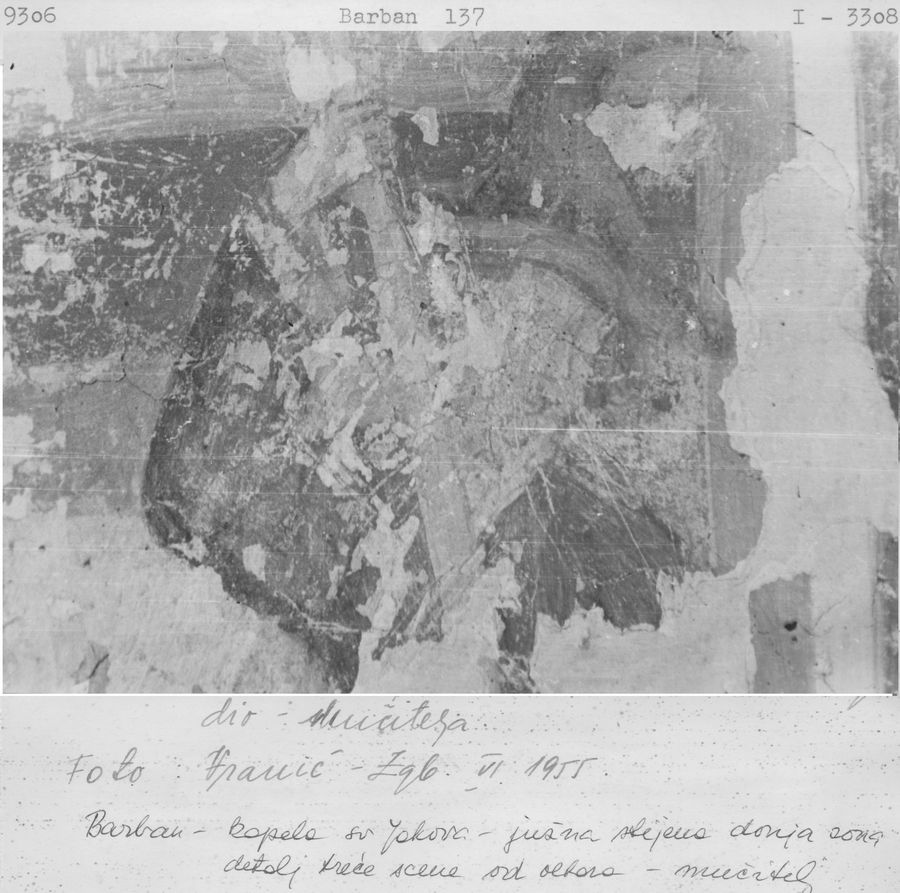
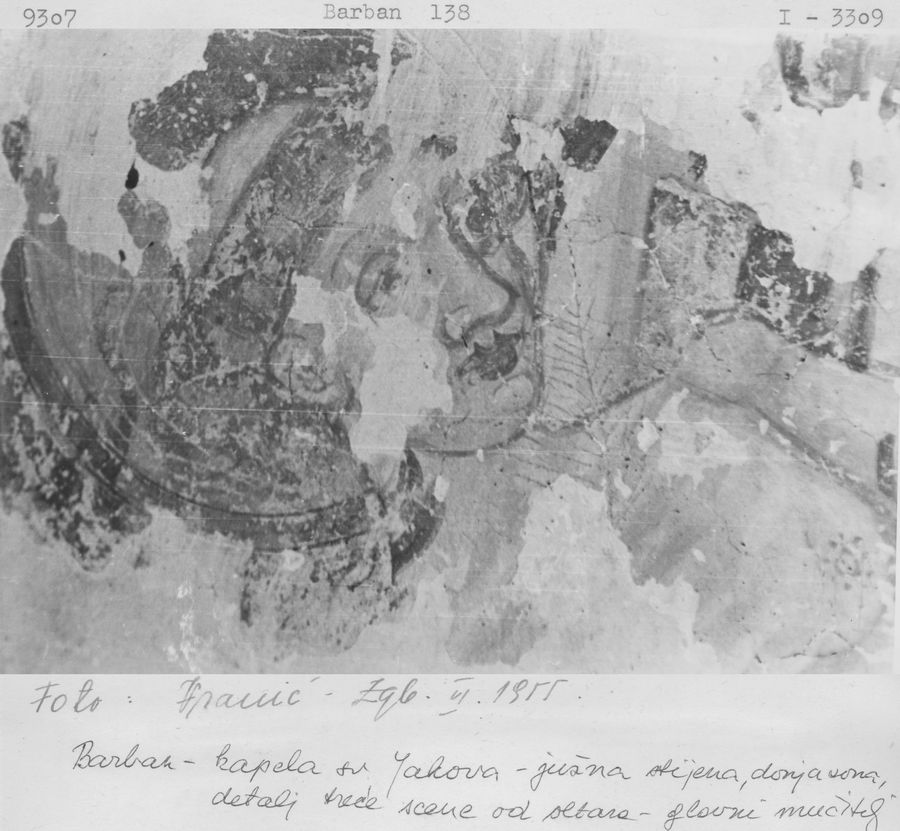
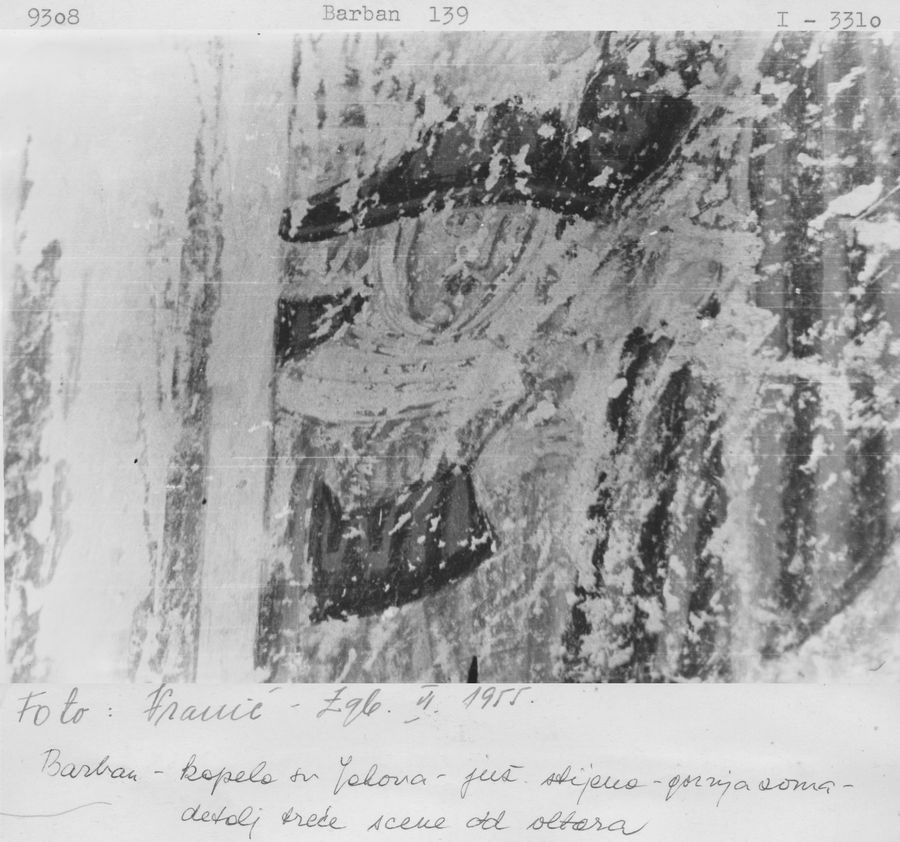
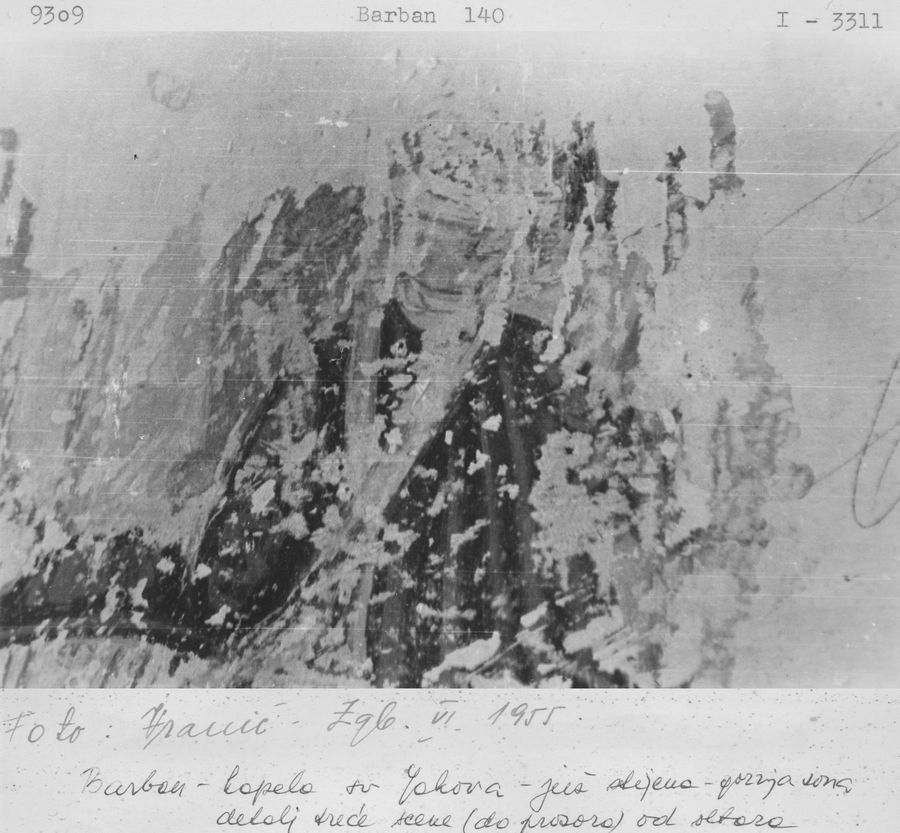
M. TAMARO, 1893, Le città e le castella dell'Istria, I-II, Parenzo, 1892-1893., II, 687; I. PERČIĆ, 1962., Legenda o hodočasnicima Sv. Jakova na zidnim slikarijama u Barbanu, Peristil, 5, 1962, 52-60; B. FUČIĆ, 1964a, Srednjovjekovno zidno slikarstvo u Istri, doktorska disertacija, Filozofski fakultet Sveučilišta u Ljubljani, Rijeka-Ljubljana, 1964., 283-285, KAT. 366-368; ISTI, 1966., Slika i arhitektonski prostor u srednjovjekovnom zidnom slikarstvu u Istri, u: Ljetopis JAZU, 71, Zagreb, 1966, 391-412, 406; ISTI, 1977., Atribucije oko majstora Vincenta iz Kastva, Bulletin Razreda za likovne umjetnosti JAZU, III, 1, Zagreb, 1977, 37-45., 137; E. CEVC, 1990., Ivan iz Kastva, u: Enciklopedija Slovenije, 4, Ljubljana, 1990, 212; Ž. BISTROVIĆ, 2017a, Kastavska slikarska škola – problemi geneze i stila, doktorska disertacija, Sveučilište u Zadru – Humanističke studije, Zadar, 2017., 7-8, 97-102, 107-18.