


Lindar, Church of St Catherine
Century/year: 1409.
Historical-cultural period: Gothic style
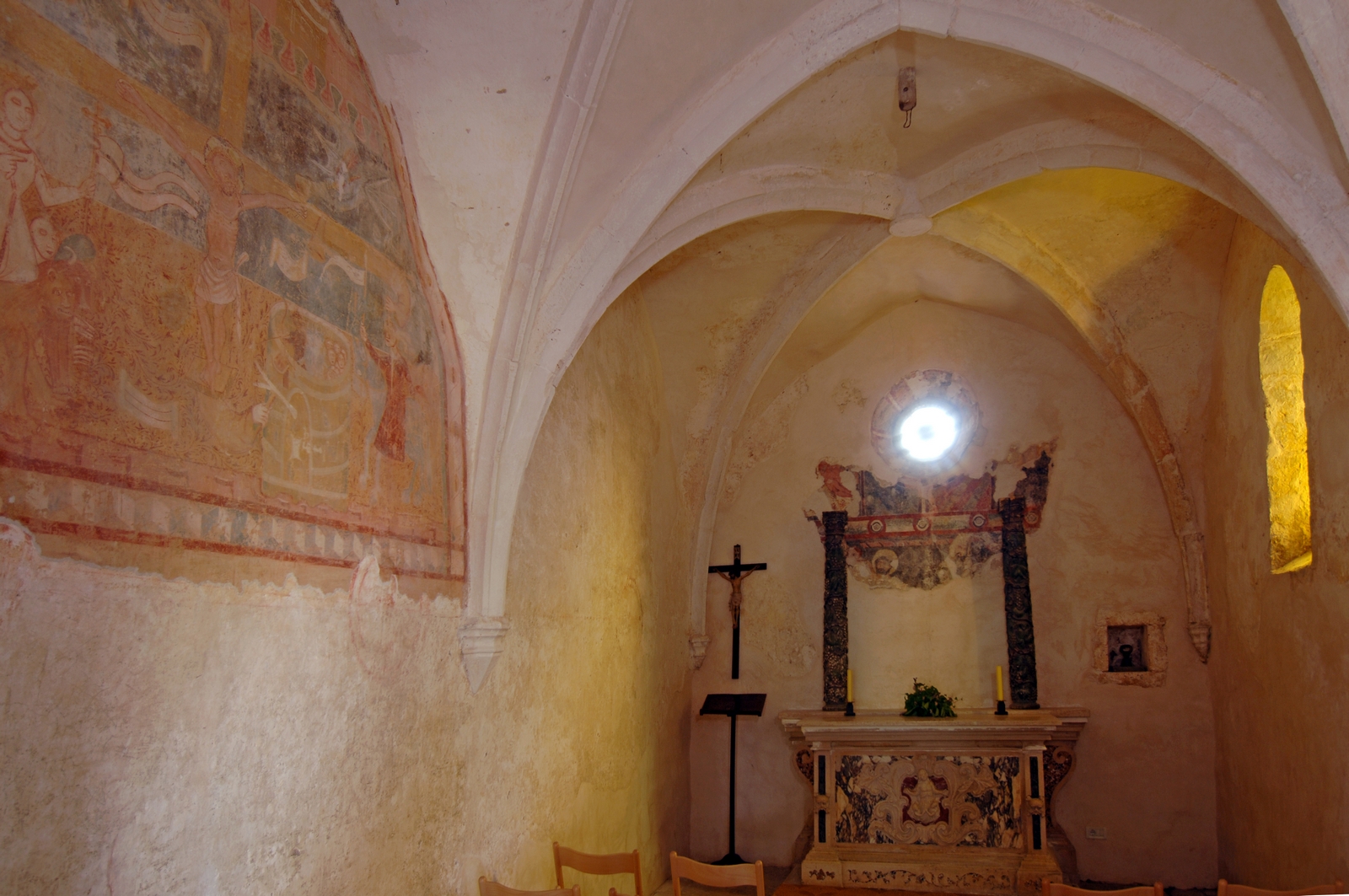
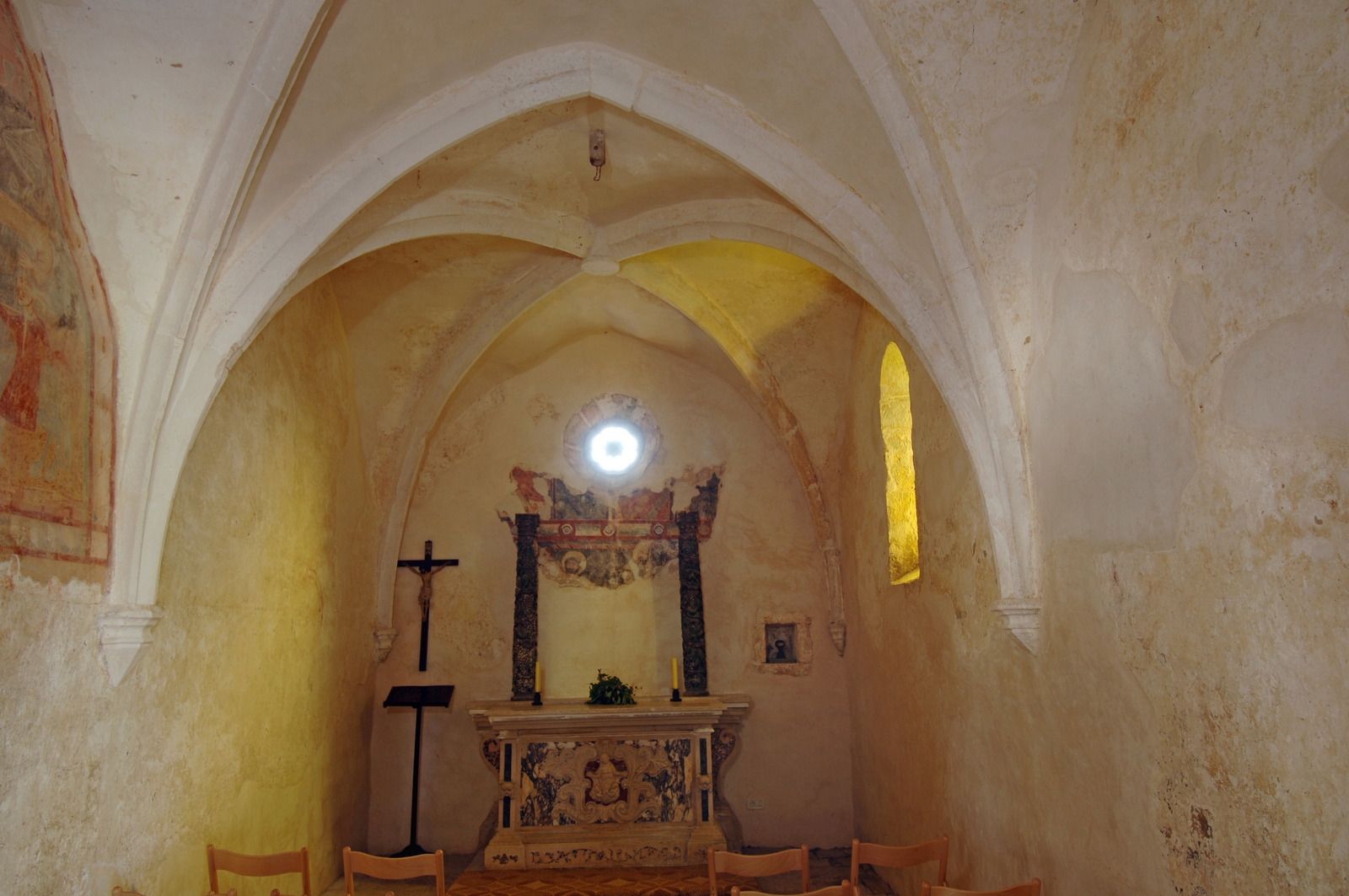
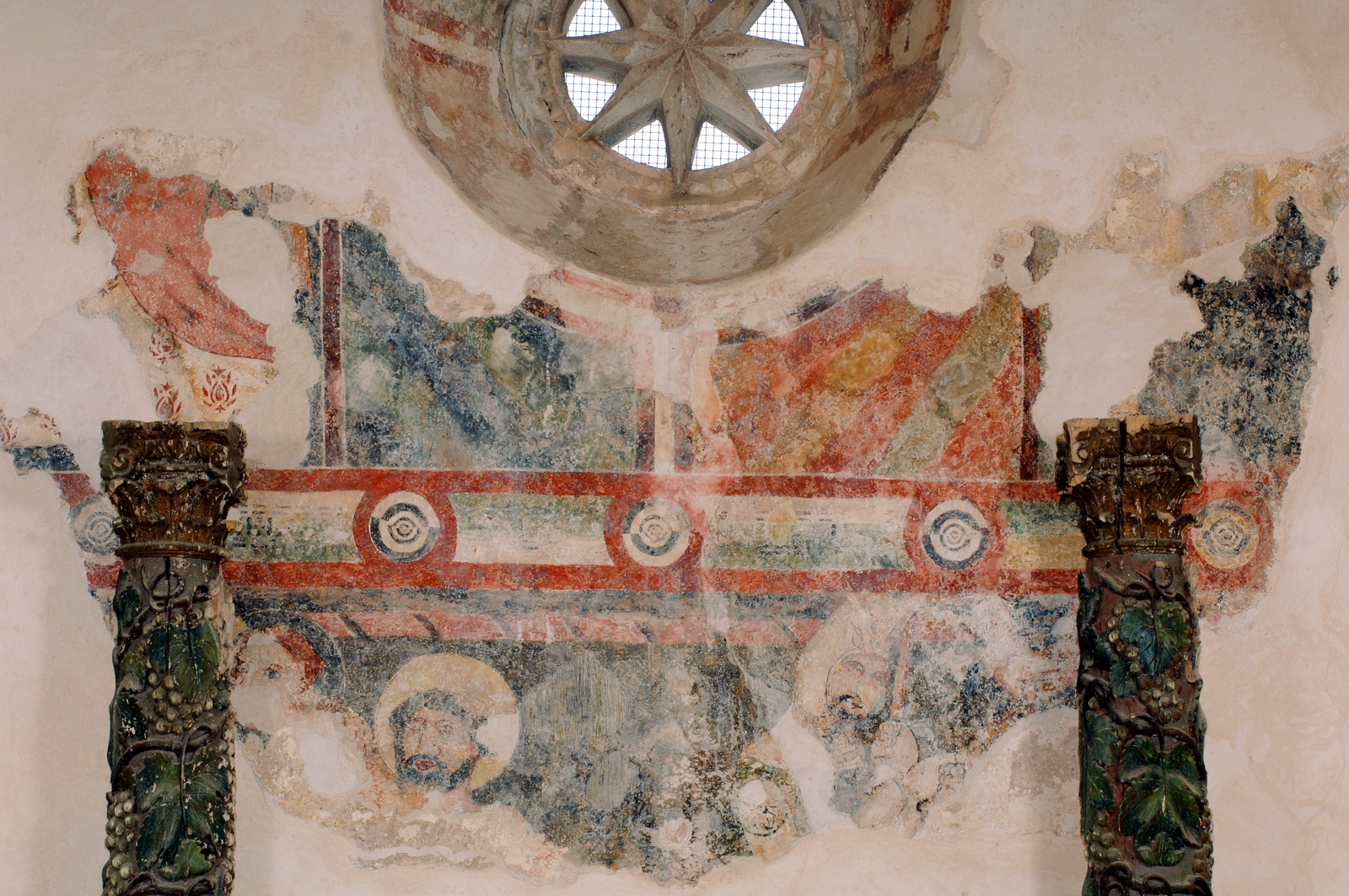
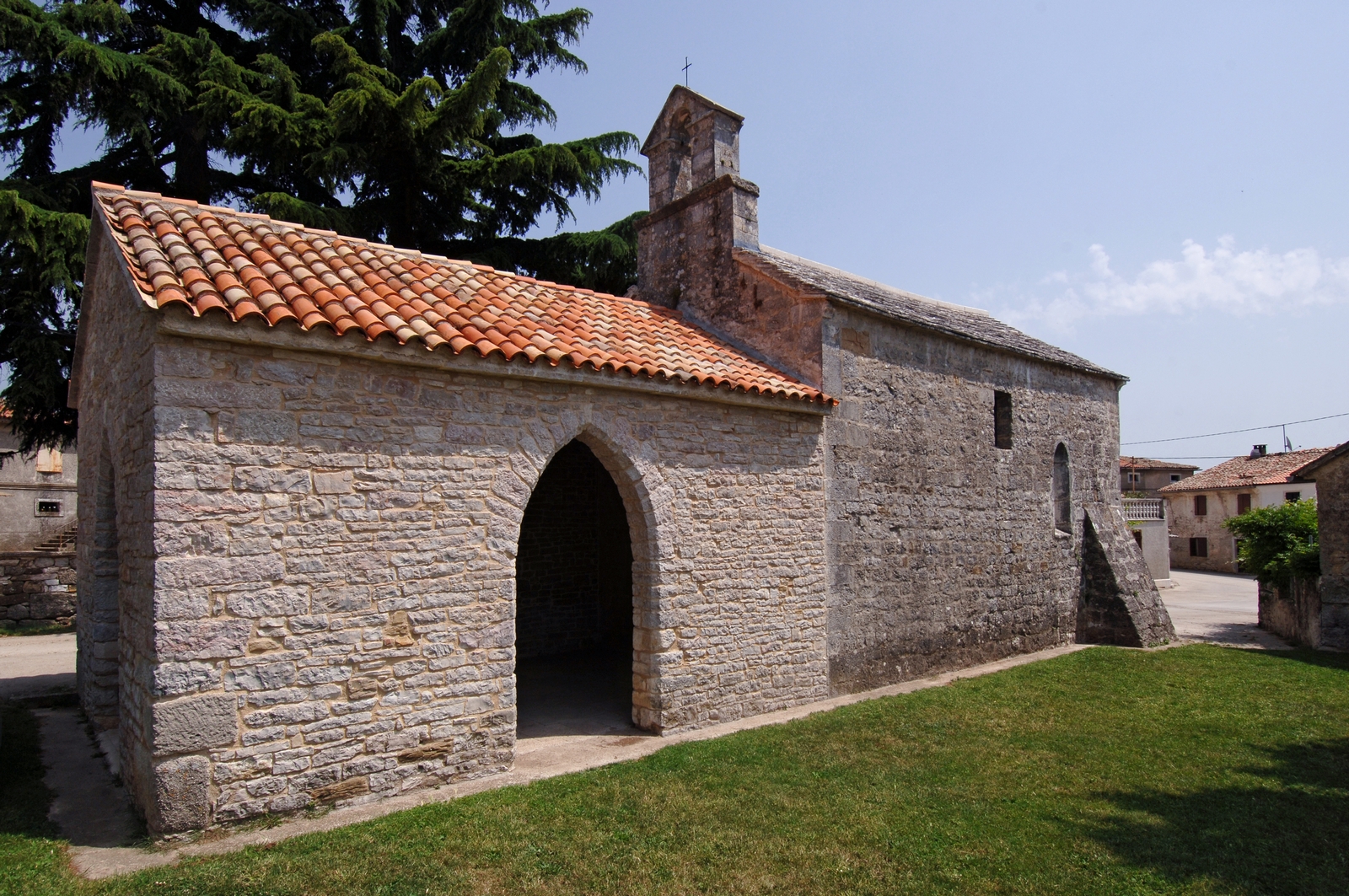
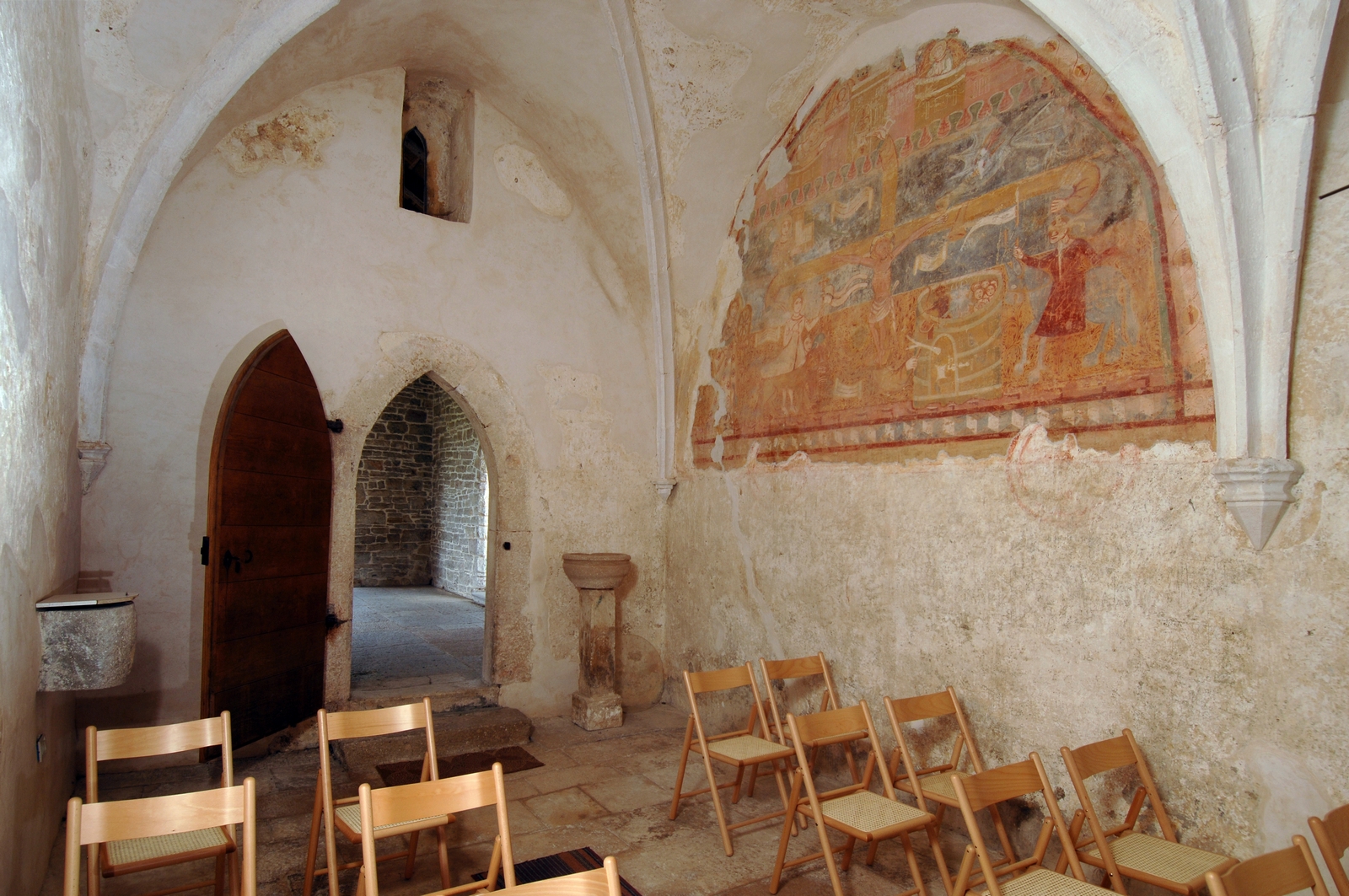
The fourteenth-century church of St Catherine, formerly the parish church of Lindar, is situated at the very entrance to the settlement. This single-nave church, terminating in a flat eastern wall, is divided into two bays articulated by a ribbed cross vault. The spatial division into two bays separates the sanctuary from the nave. The wall surfaces are articulated by a pointed entrance portal, a Gothic window above it, and a seven-lobed rose window on the east wall. A closed-type porch (lopica) with three pointed-arched openings was later added to the façade.
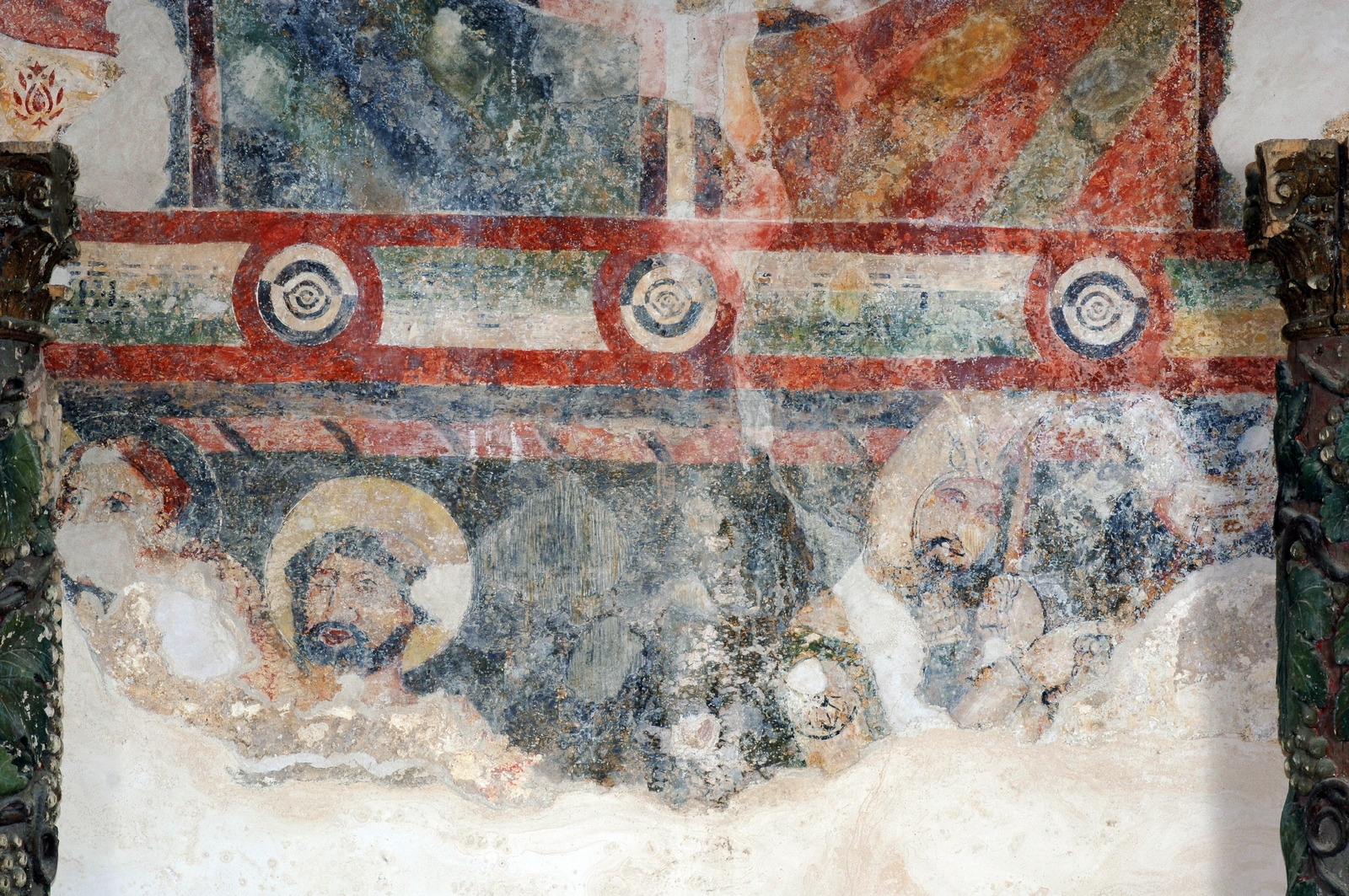
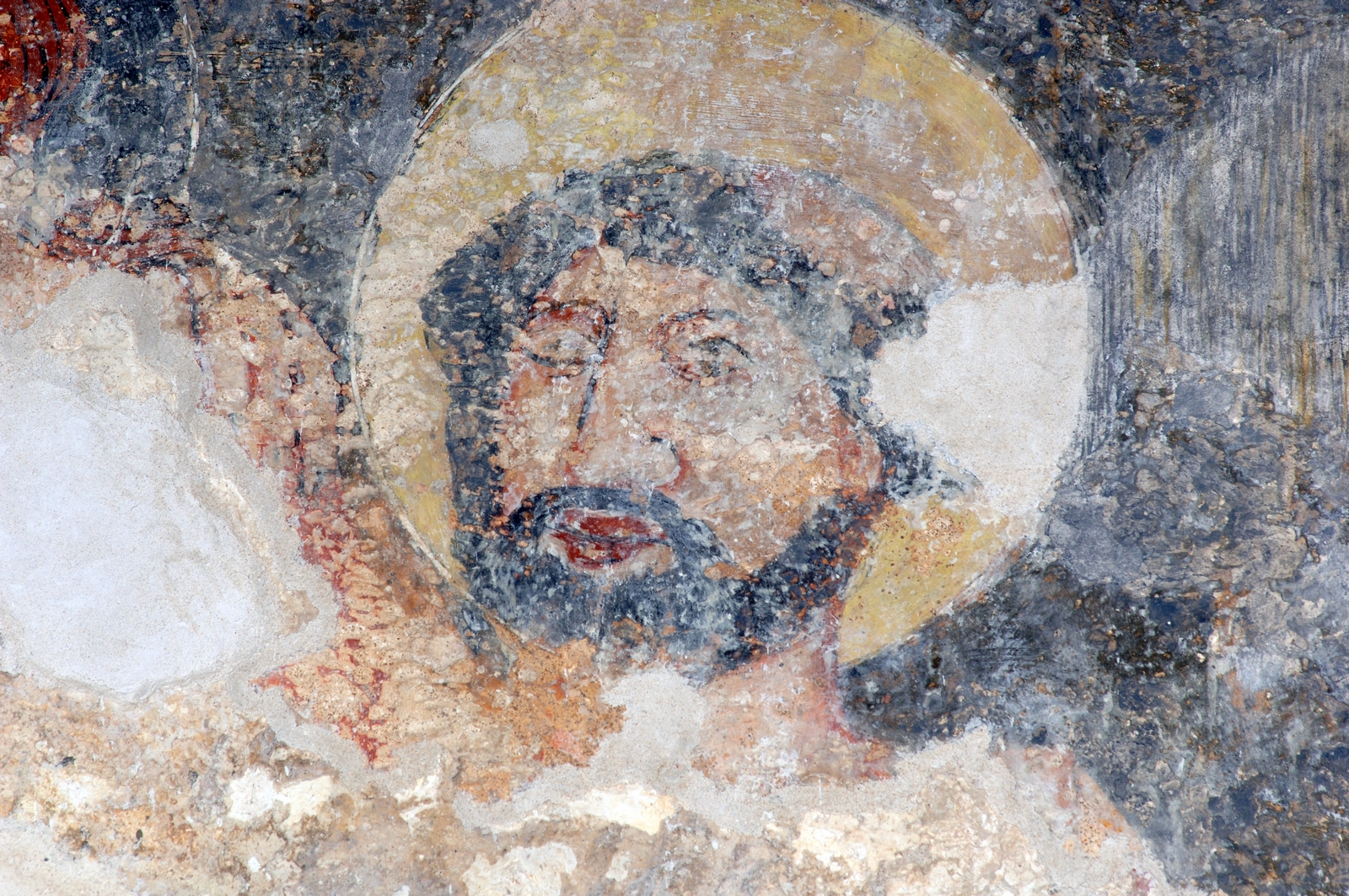
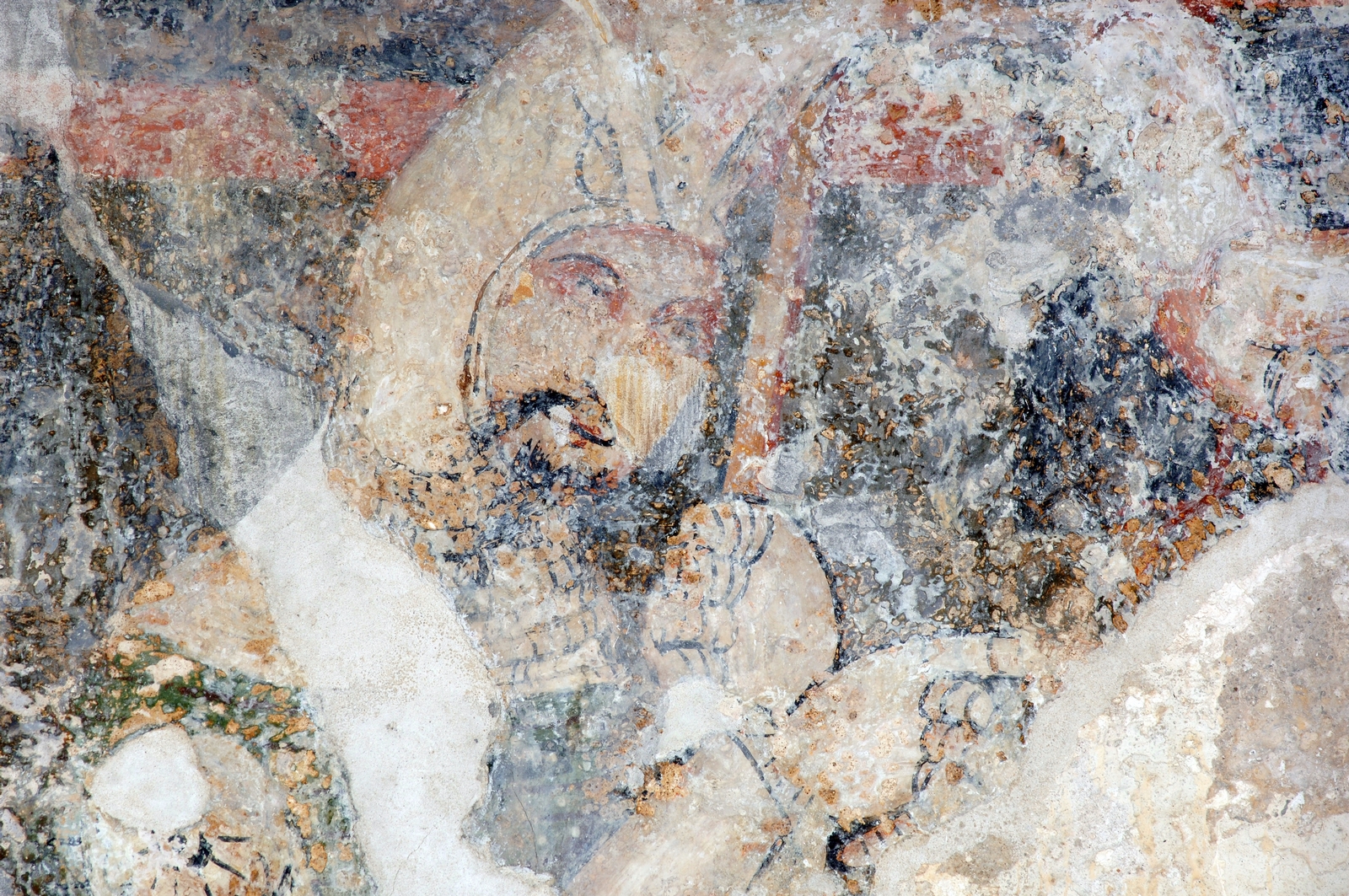
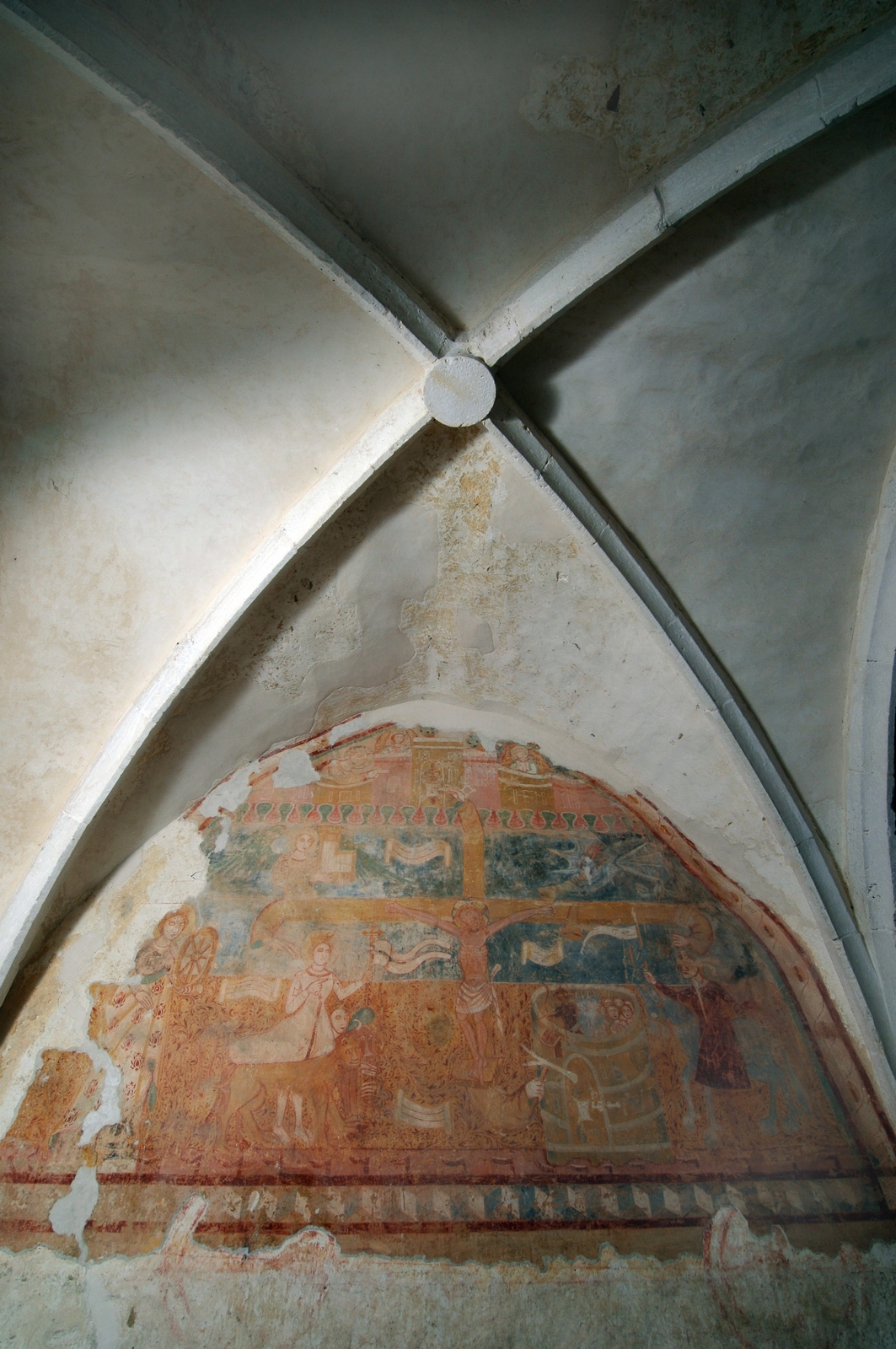
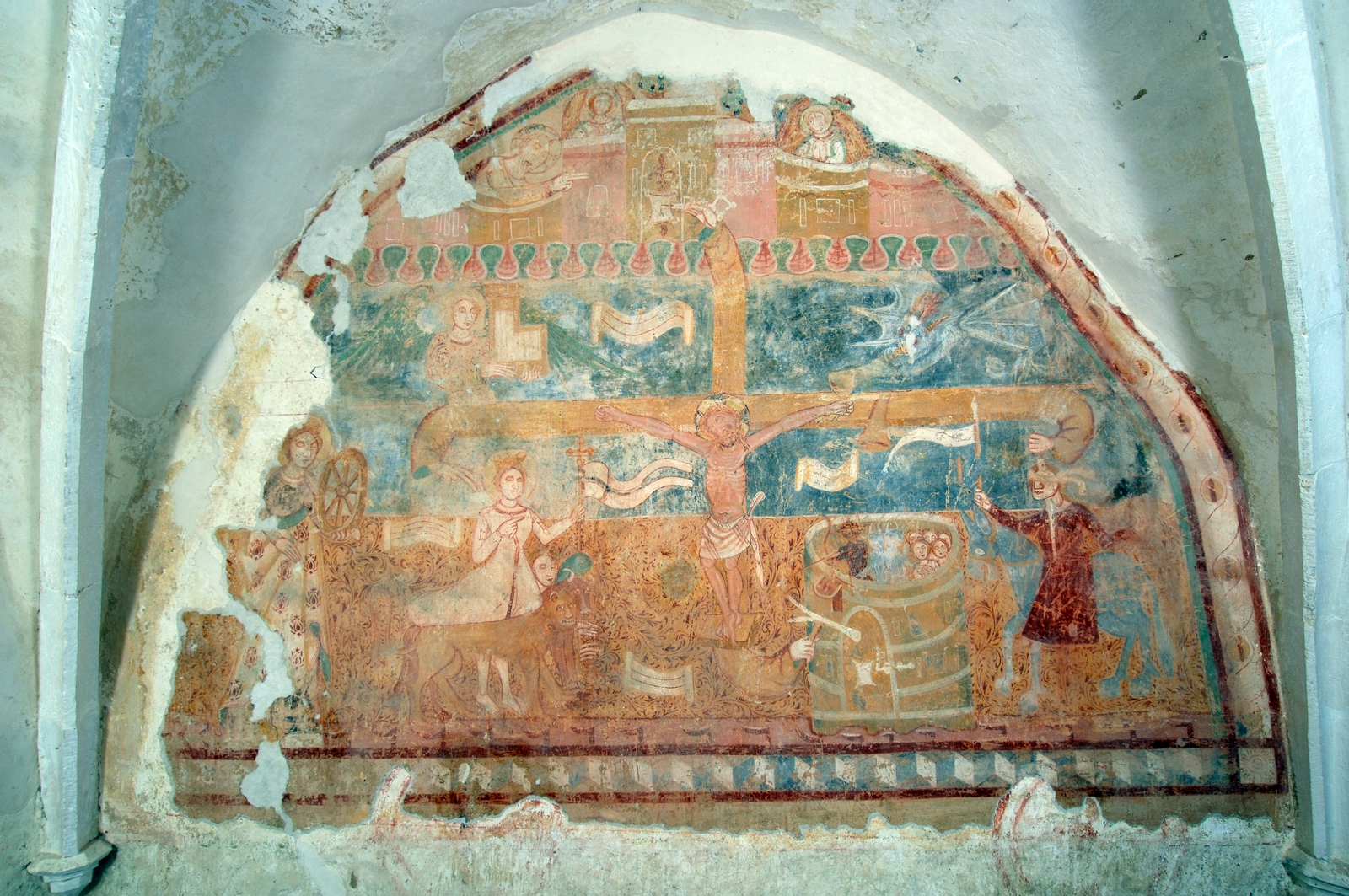
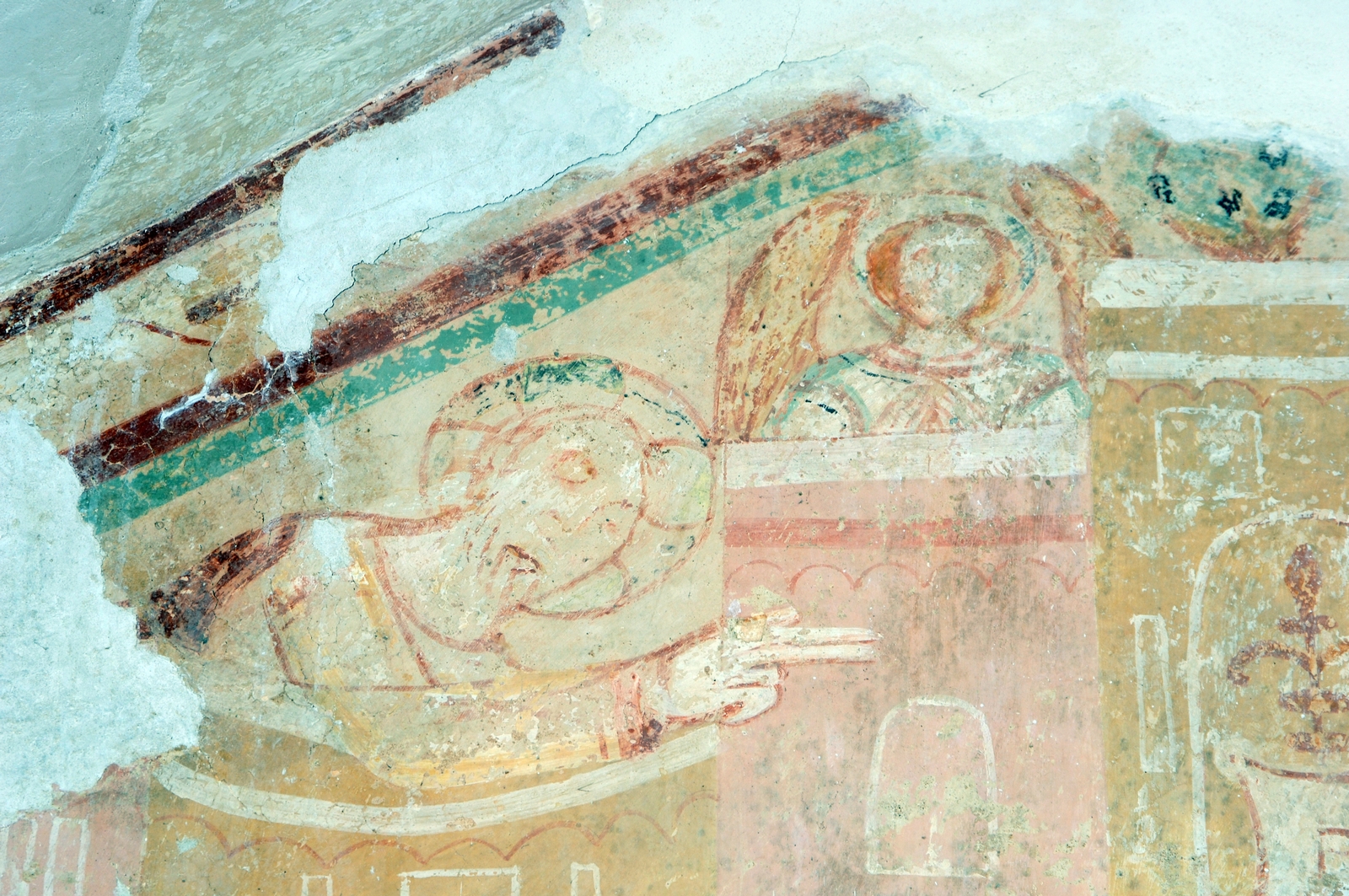
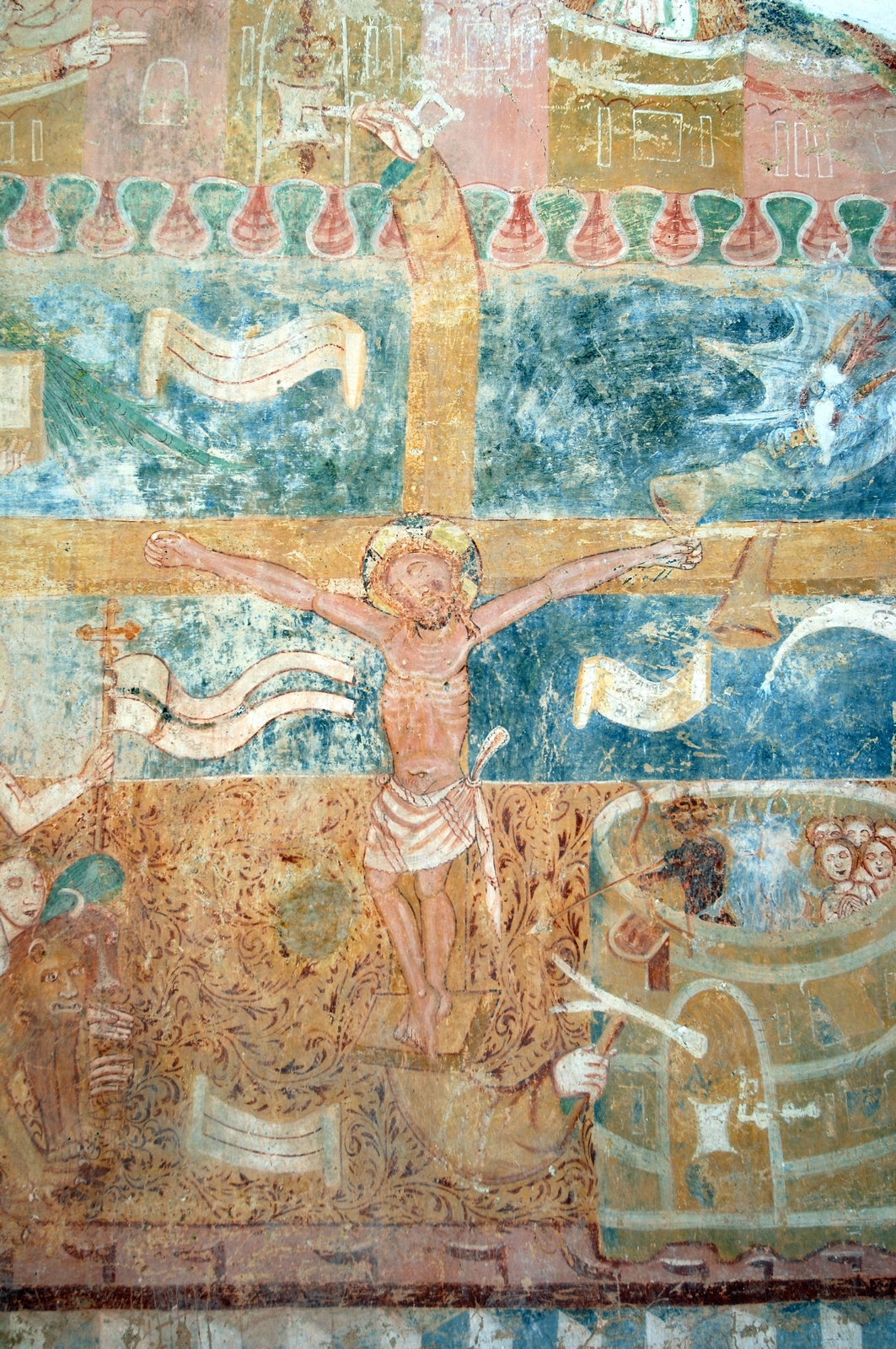
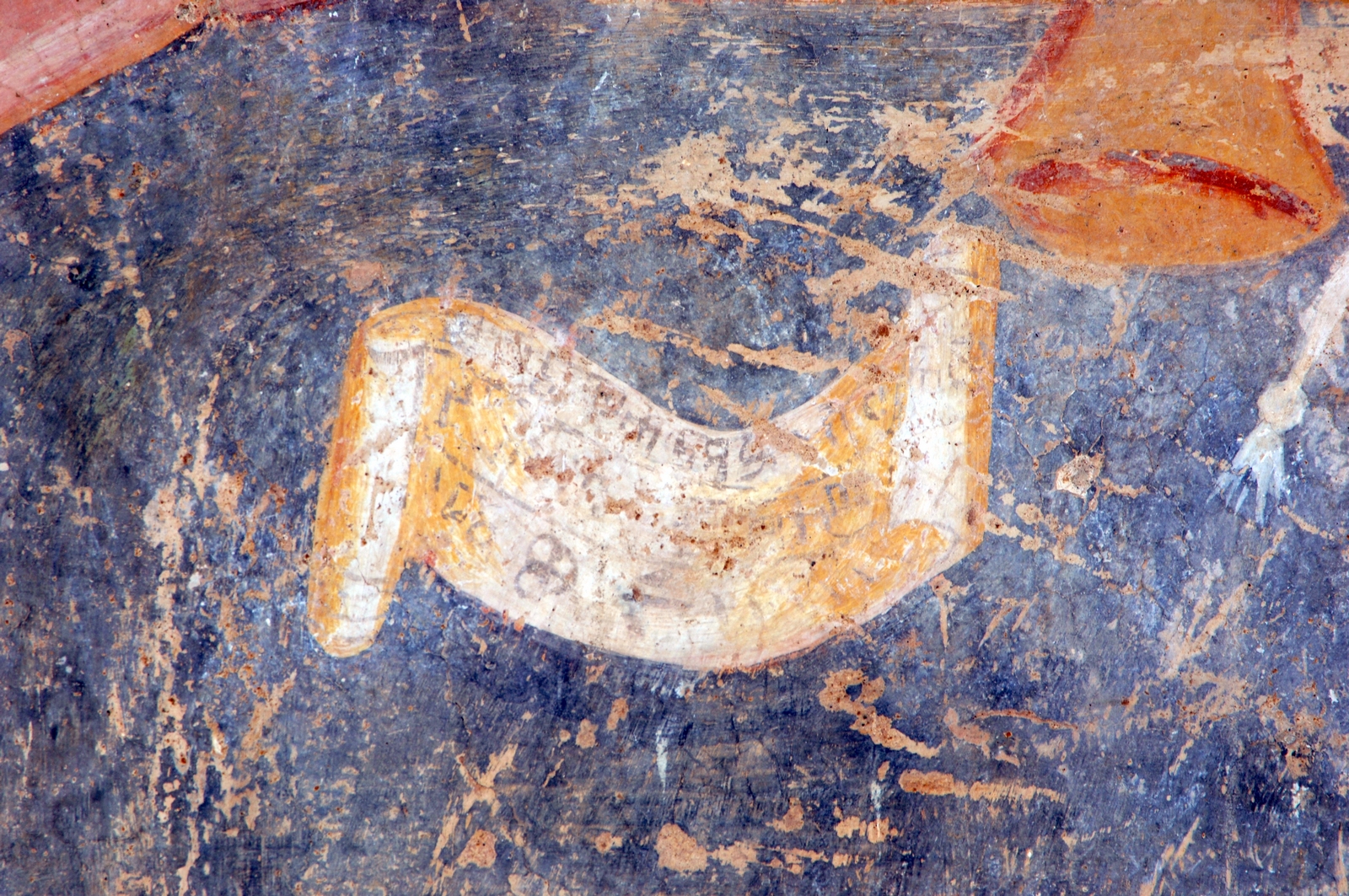
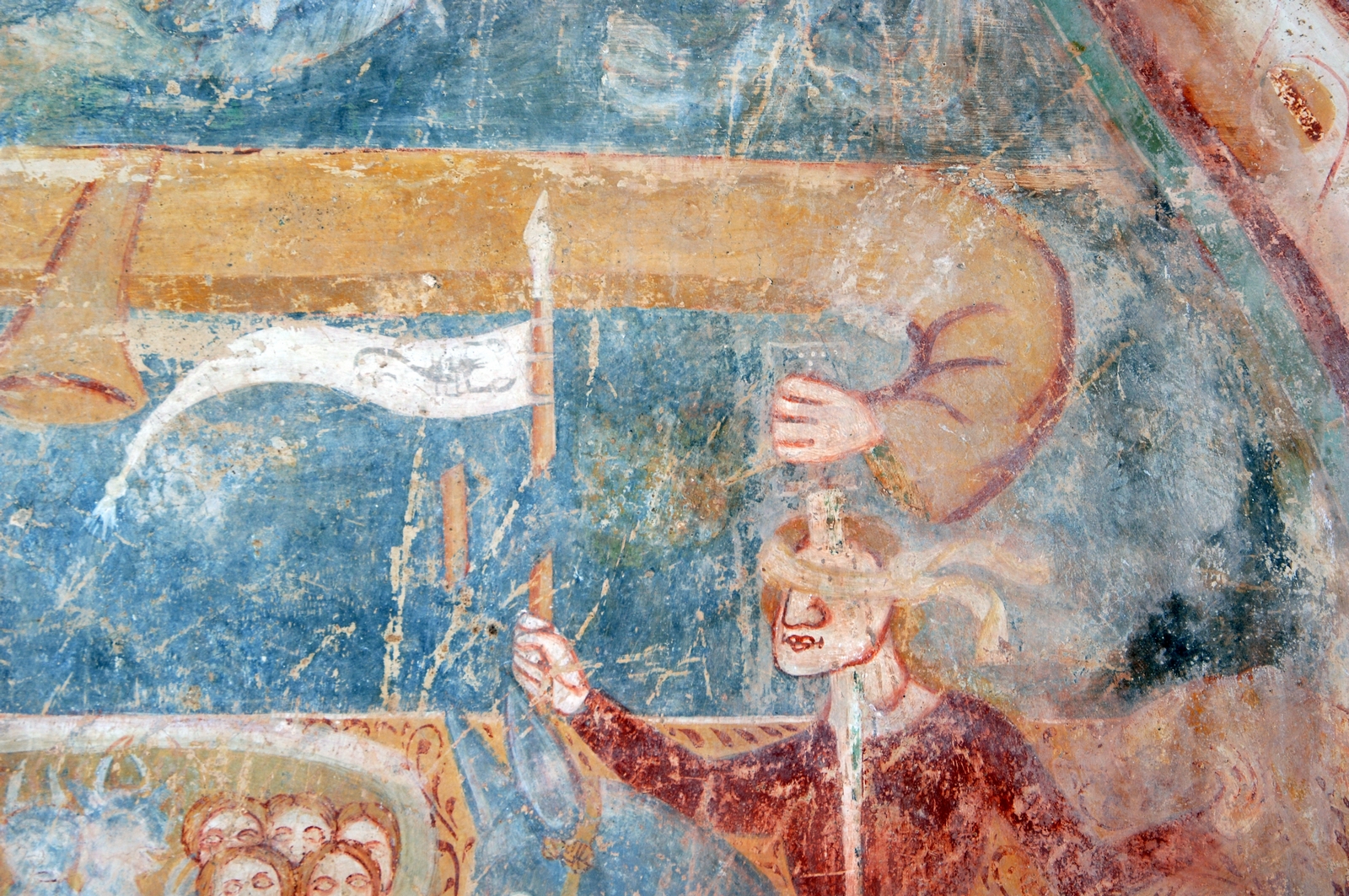
The interior of the church was originally entirely painted, as evidenced by the preserved fragments of the scene of the Kiss of Judas on the east wall and the well-preserved depiction of the Living Cross on the north wall of the first bay. The frescoes are dated to 1409, as confirmed by a Glagolitic inscription written on one of the painted scrolls within the Living Cross scene. The anonymous master responsible for these wall paintings belongs to a group of local painters who adapted Romanesque morphology to Gothic decorative elements. Similar formal characteristics can be observed in the wall paintings of the church of the Holy Cross in Butoniga.
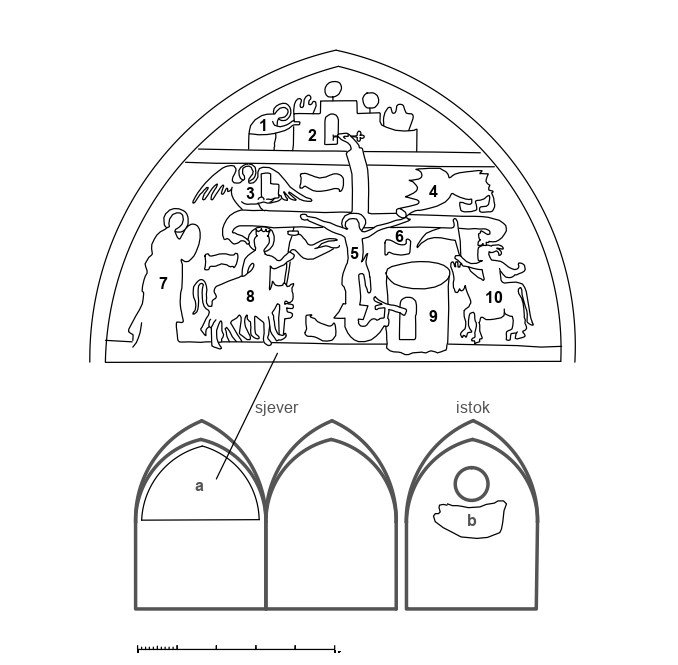
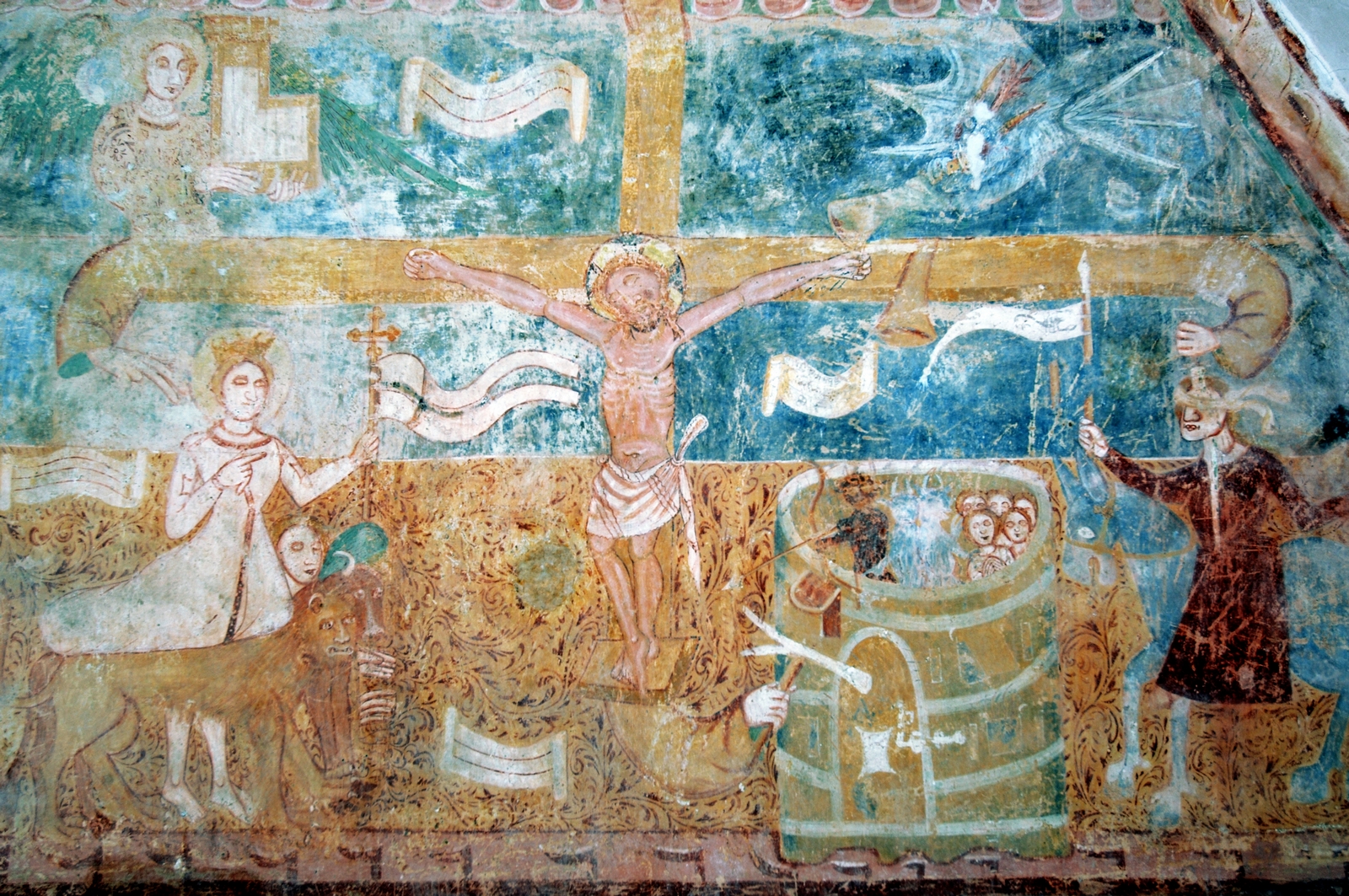
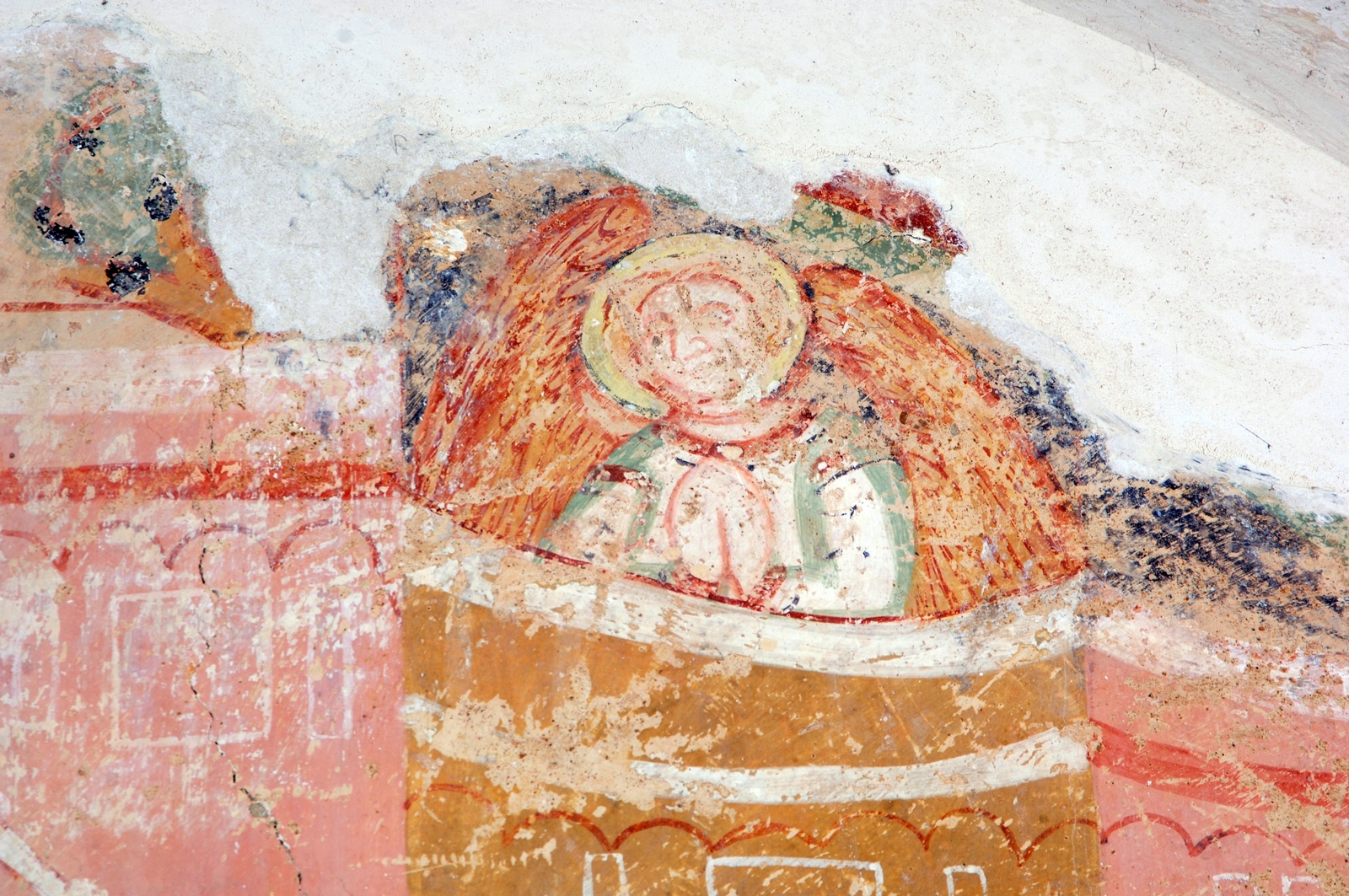
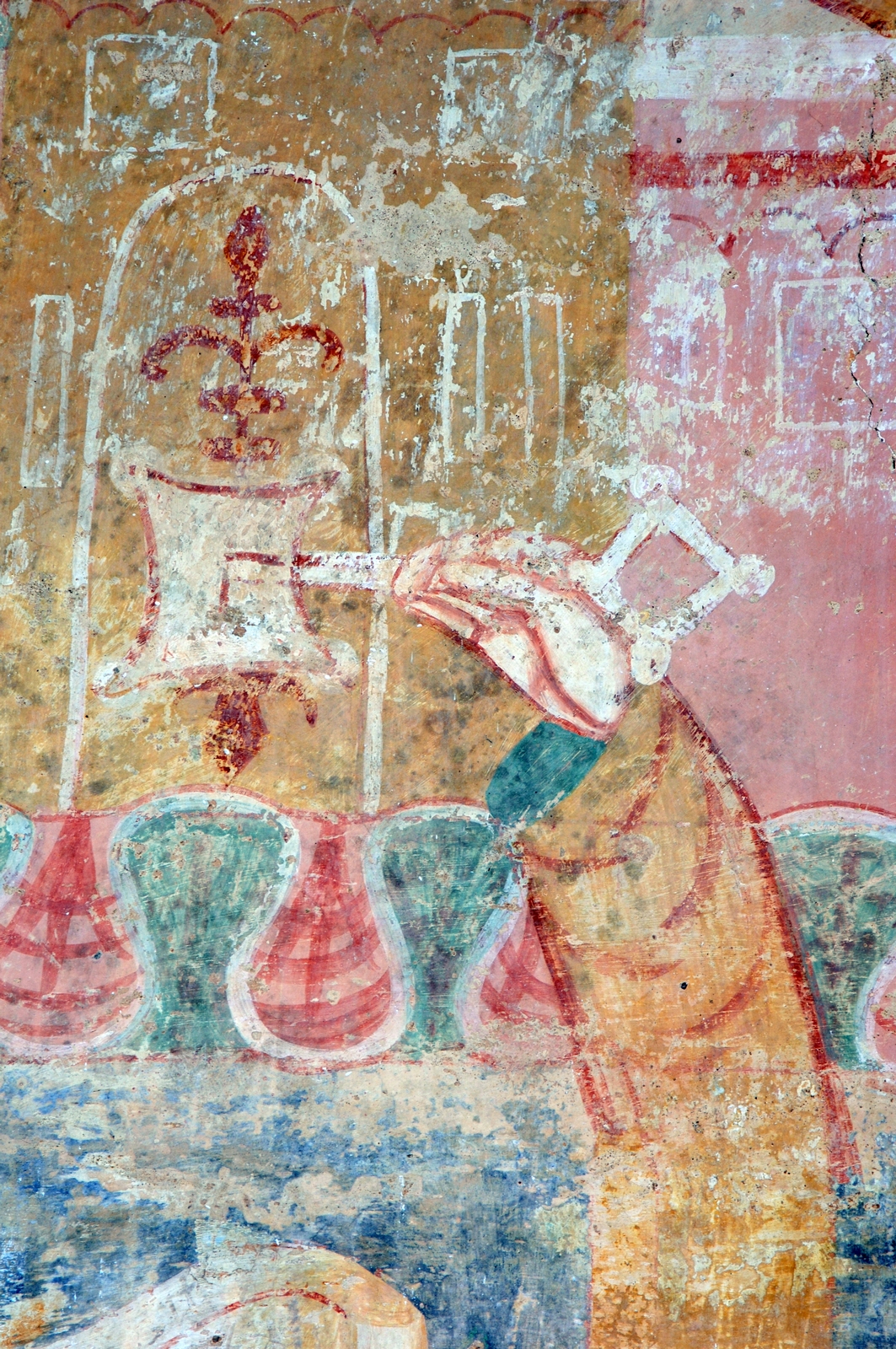
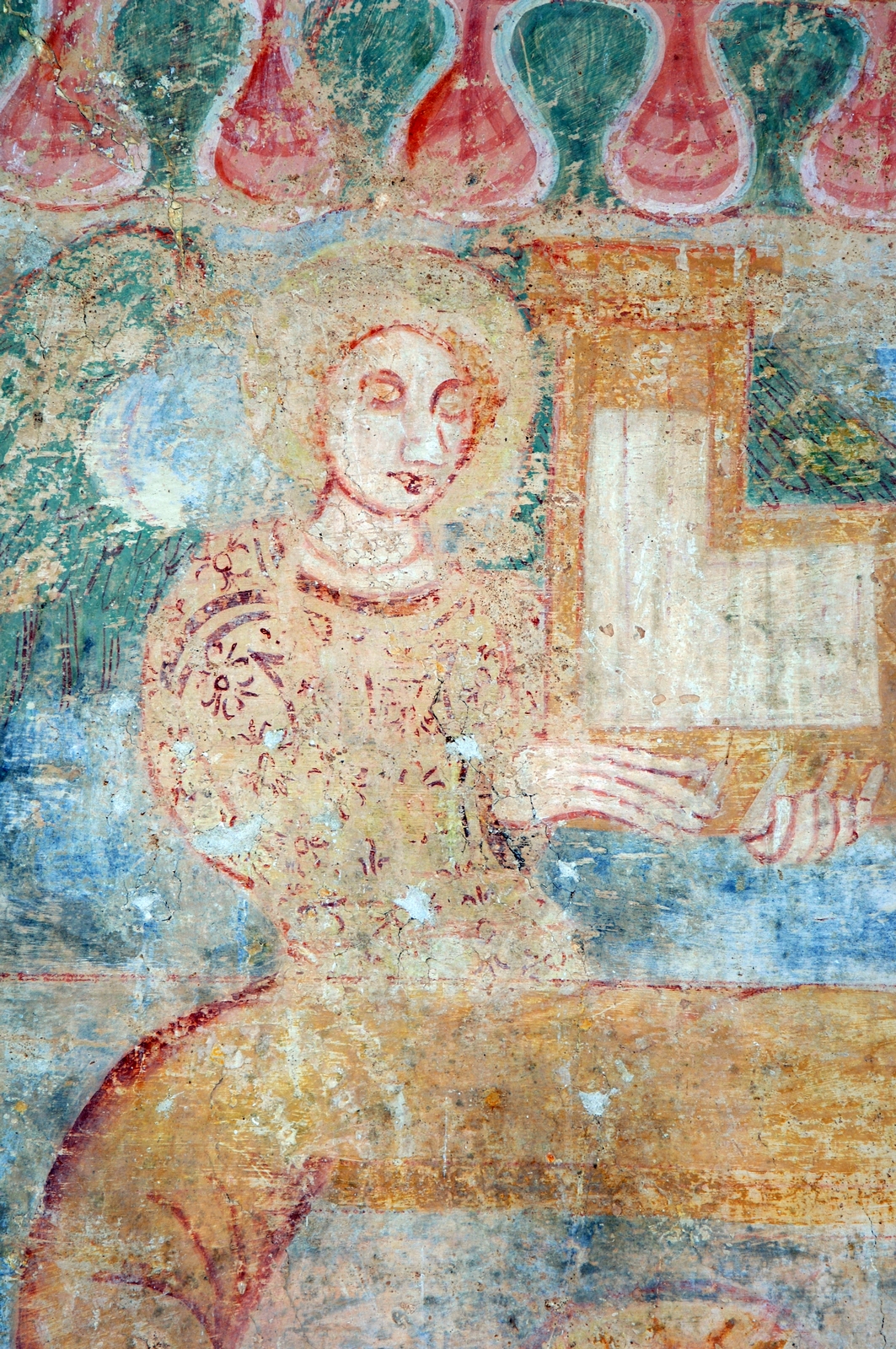
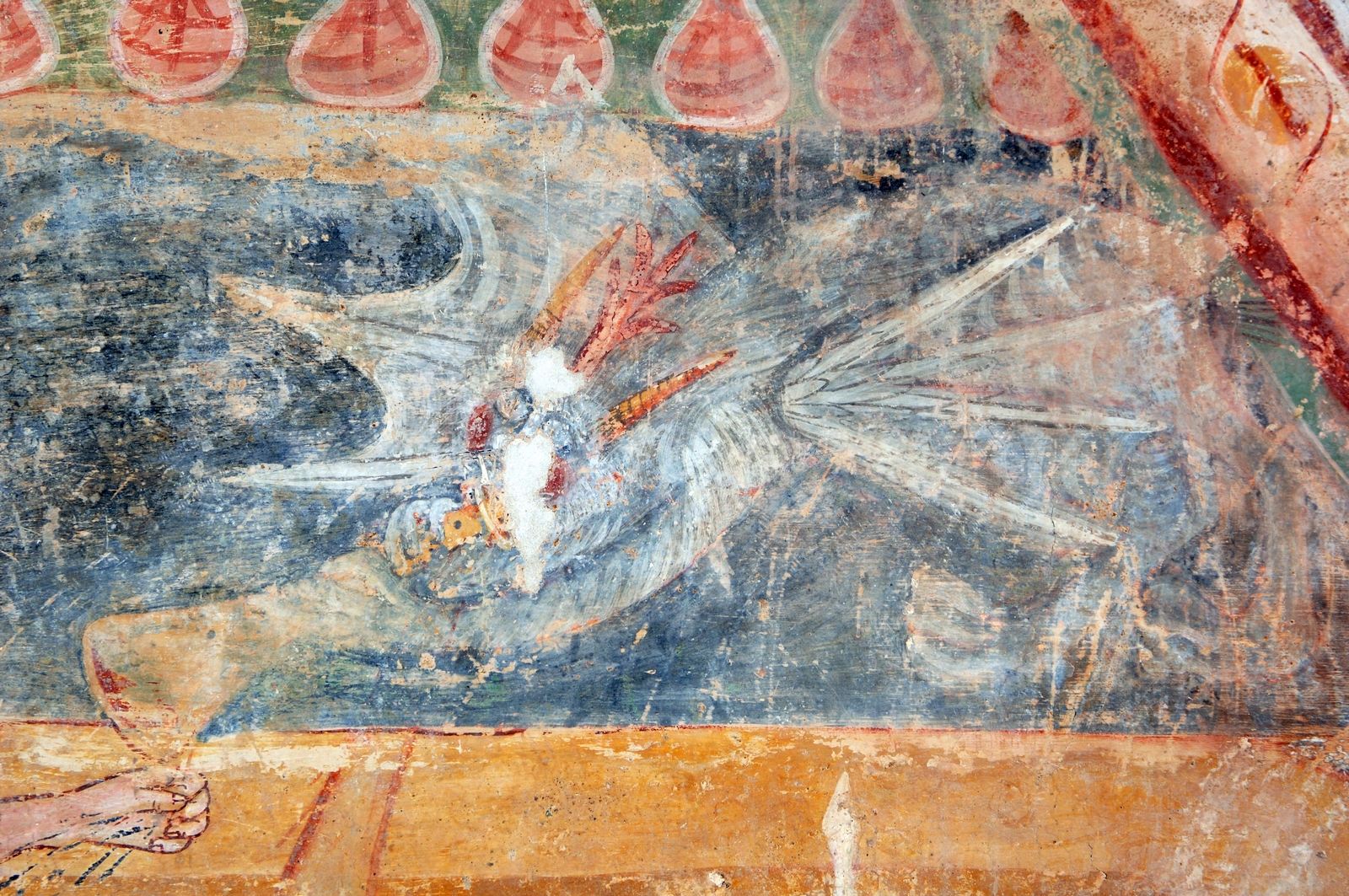
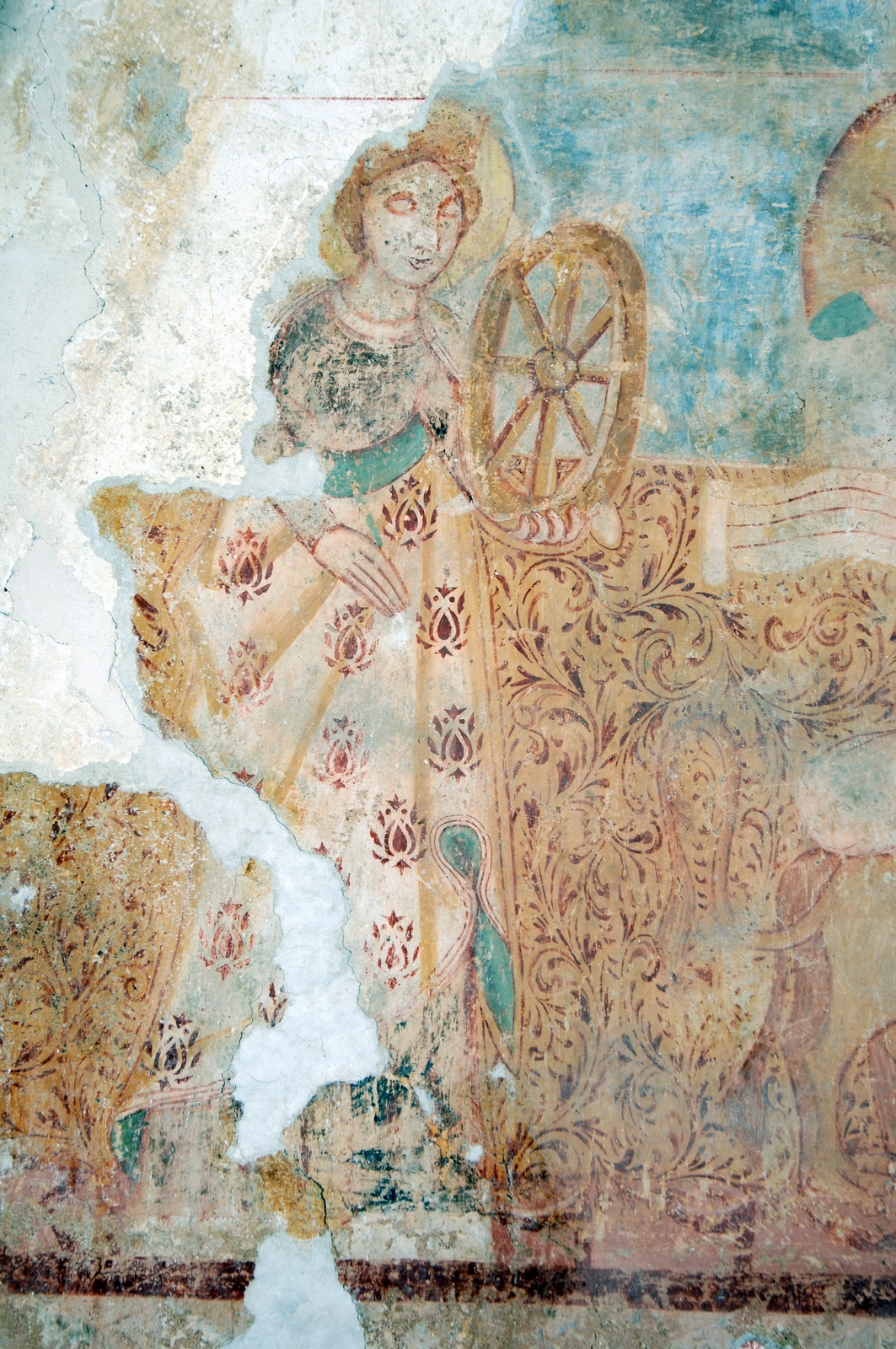
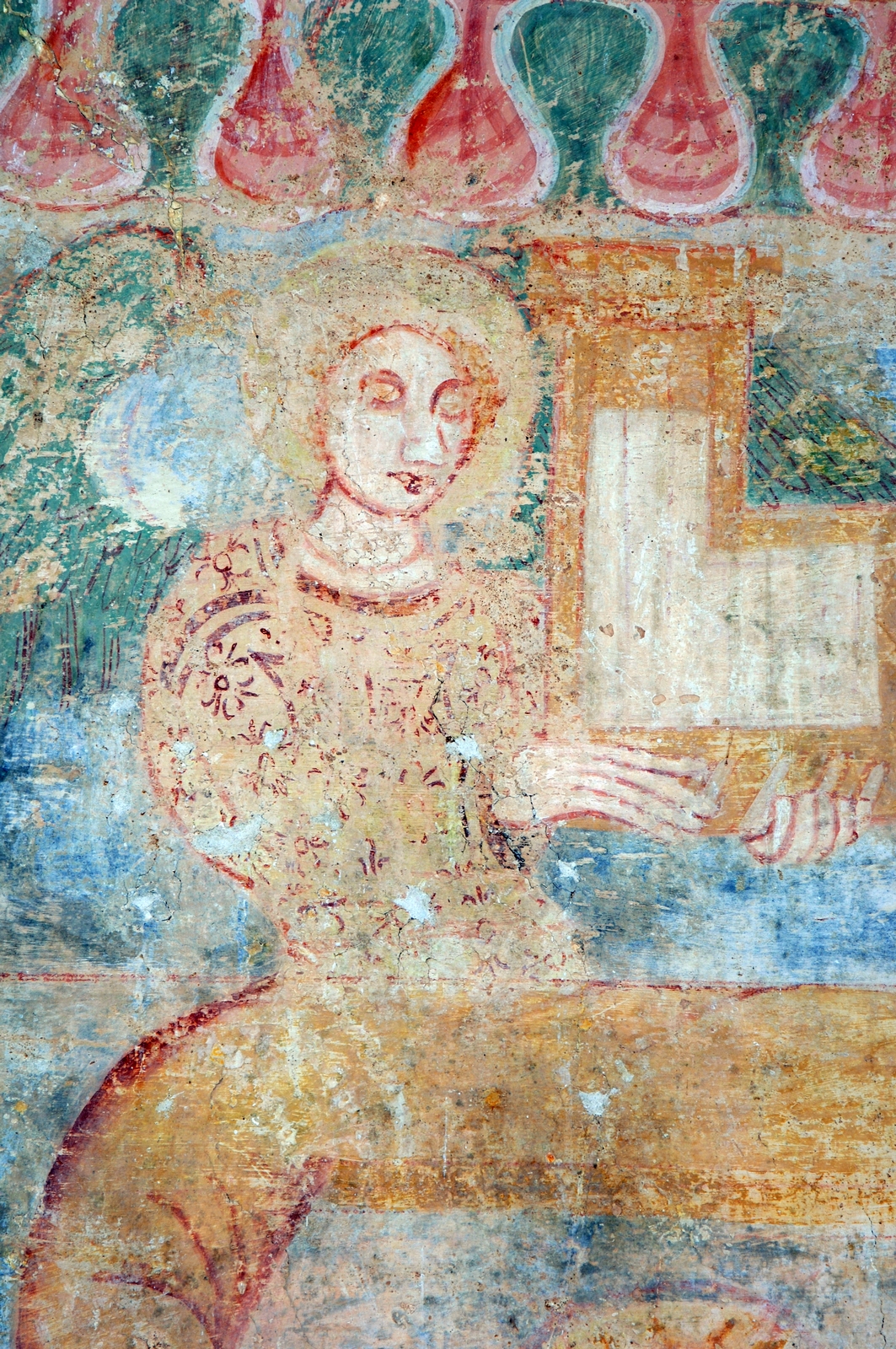
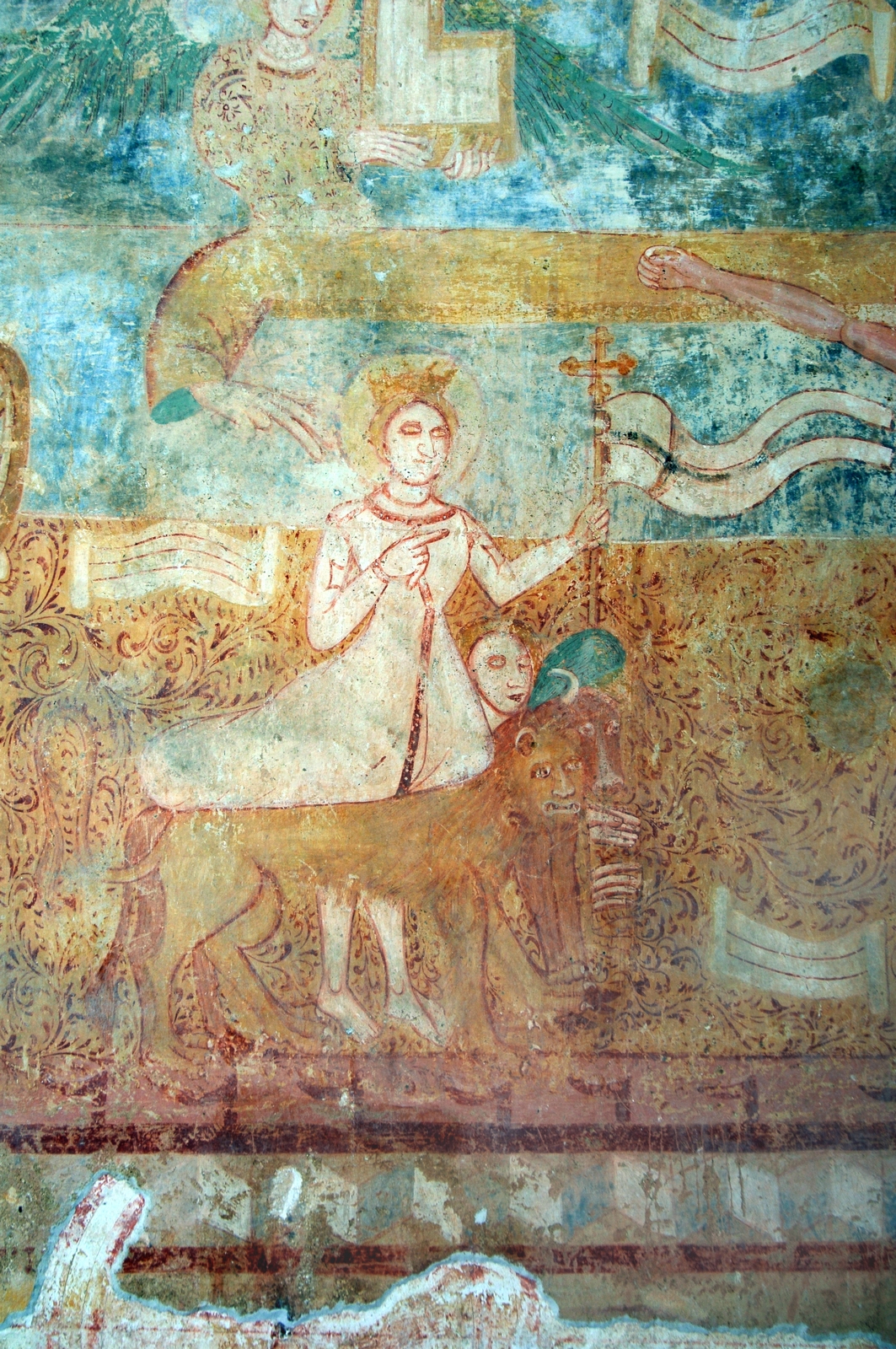
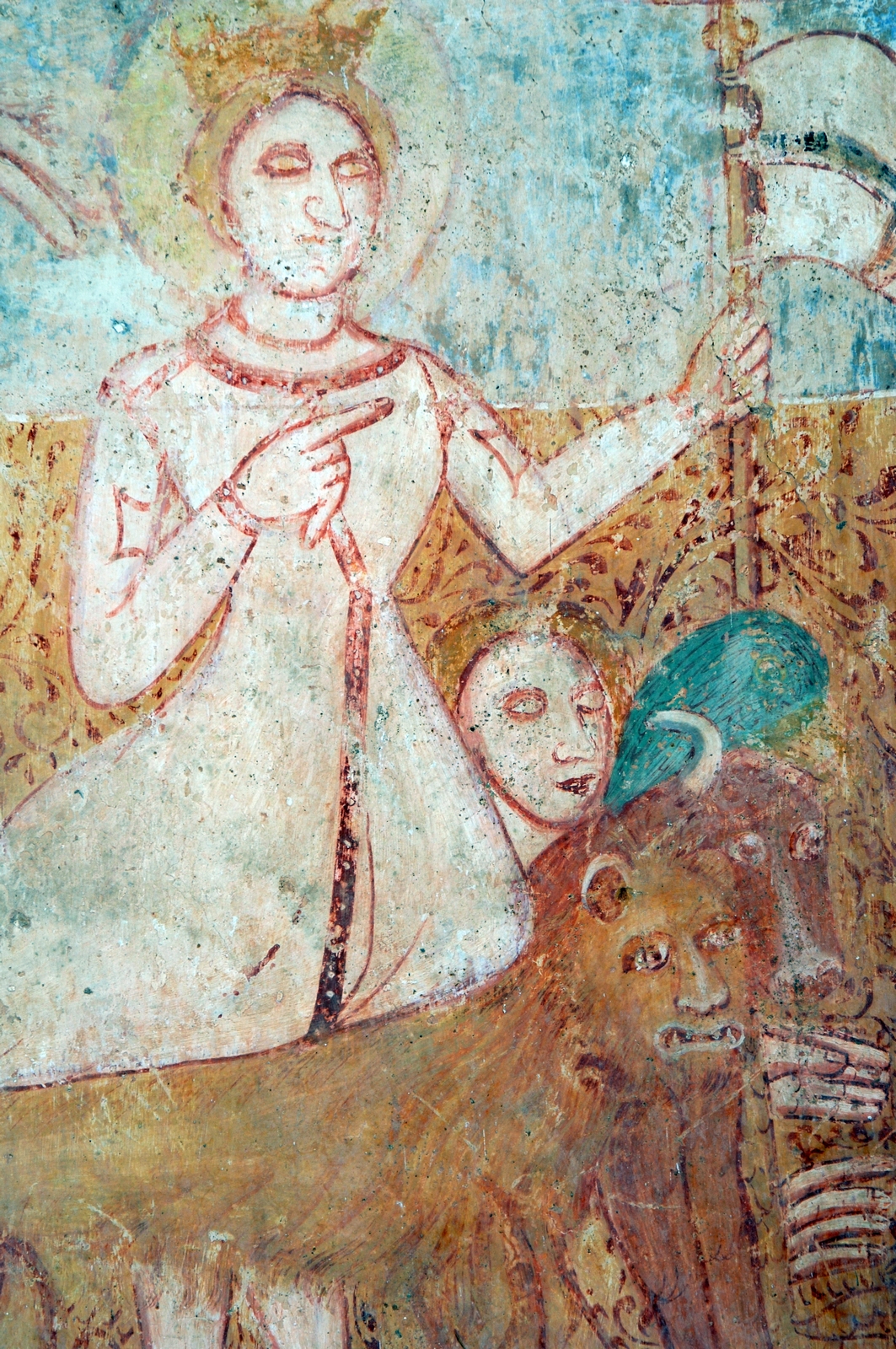
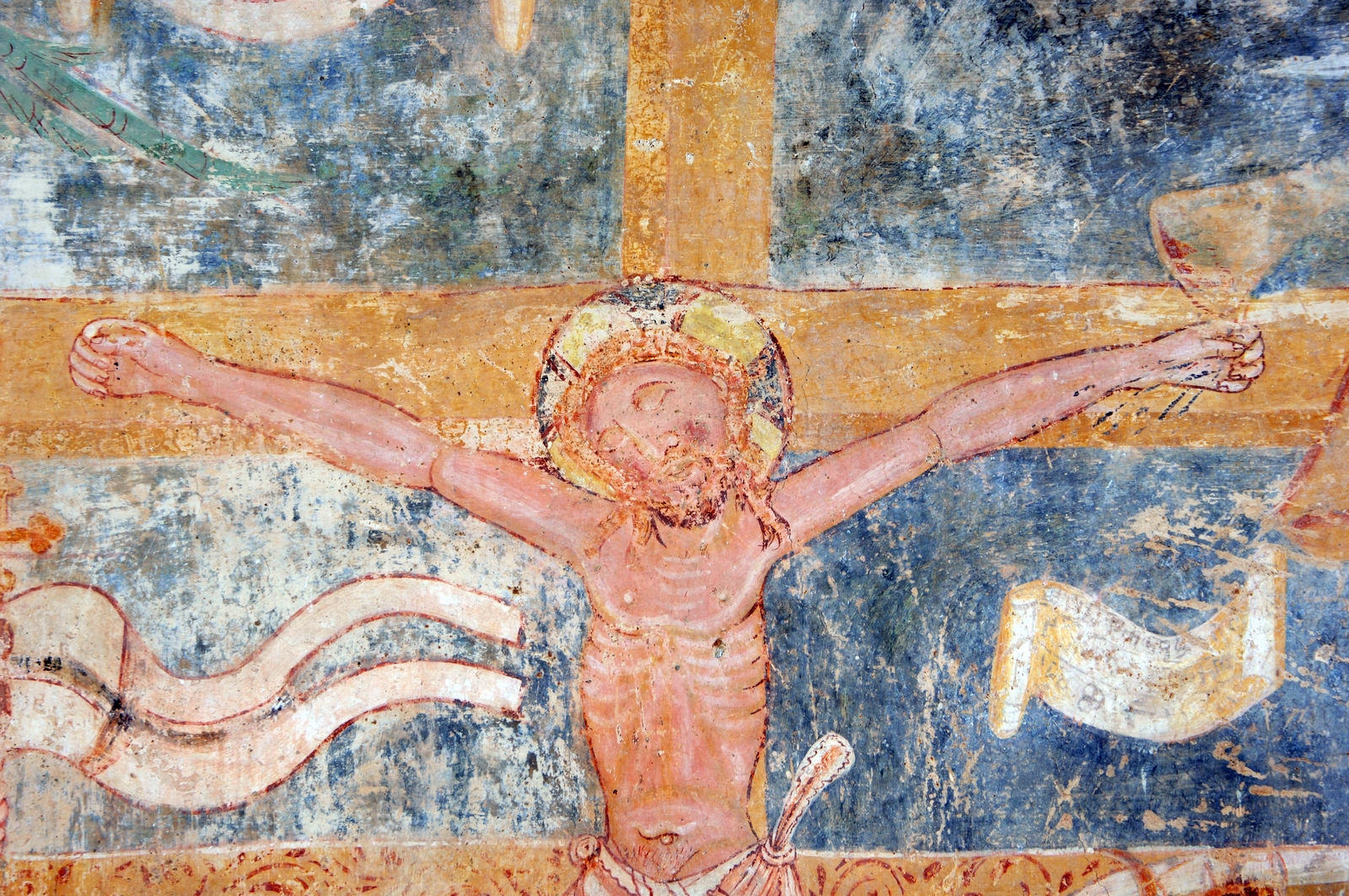
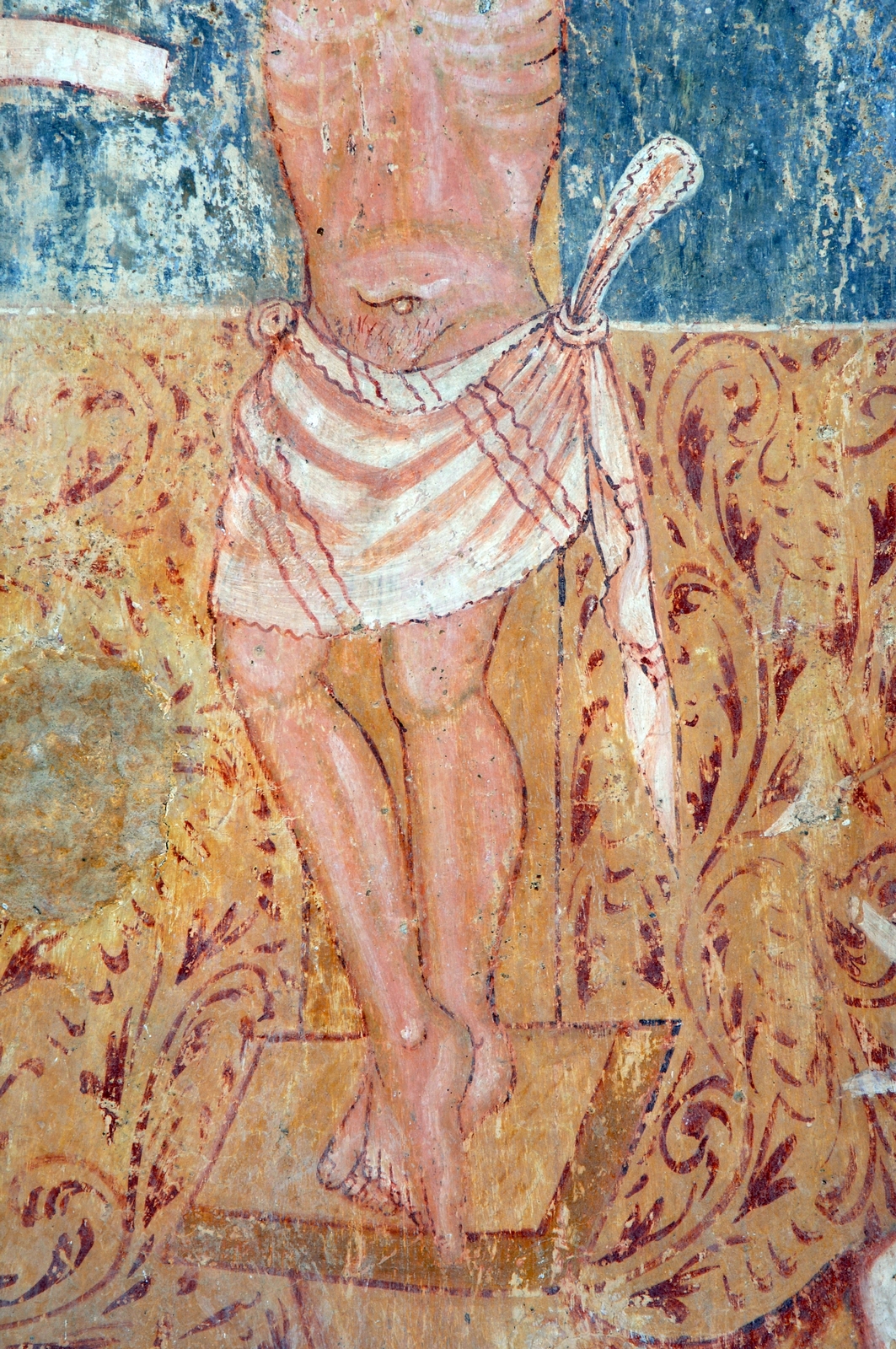
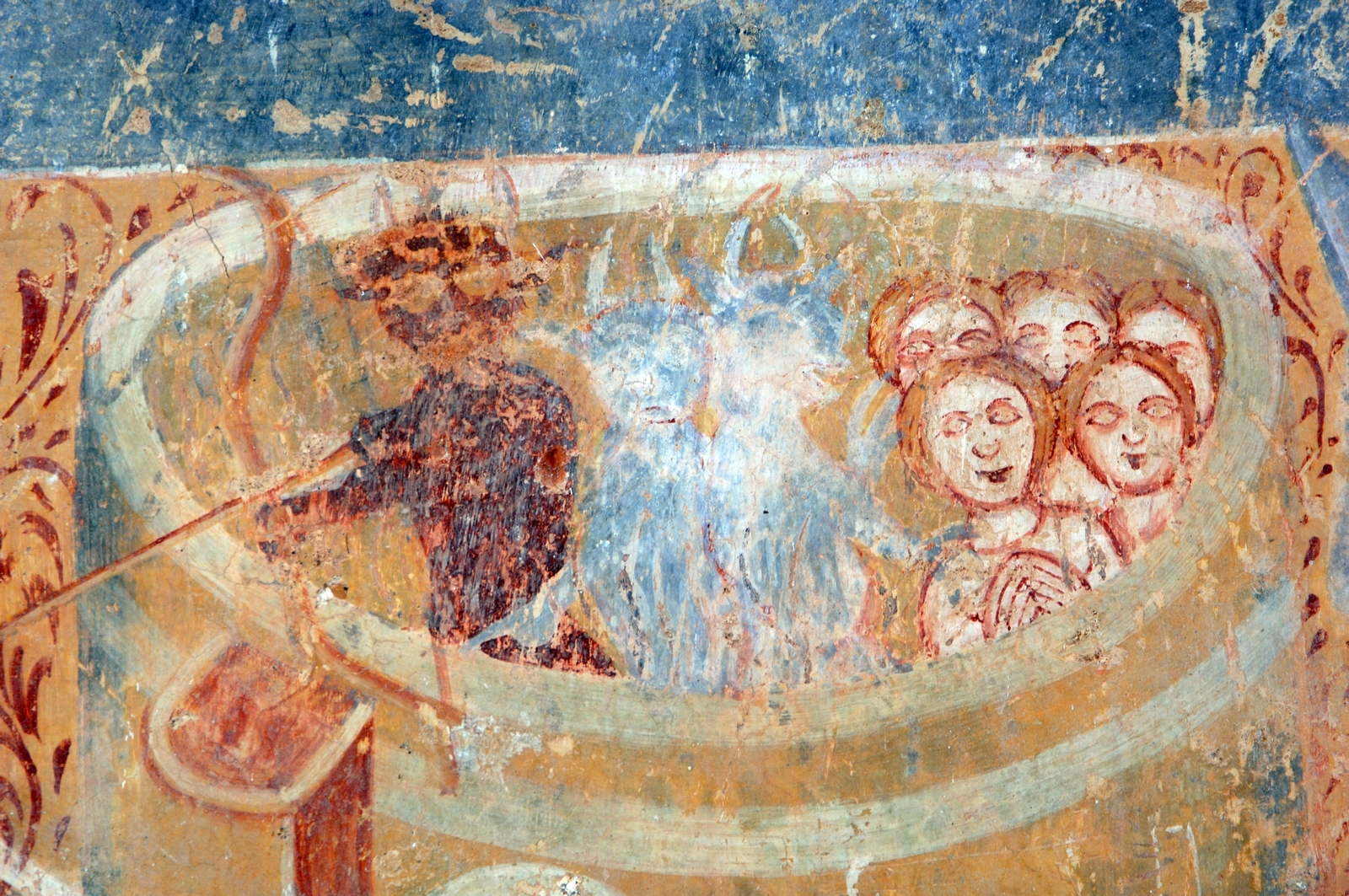
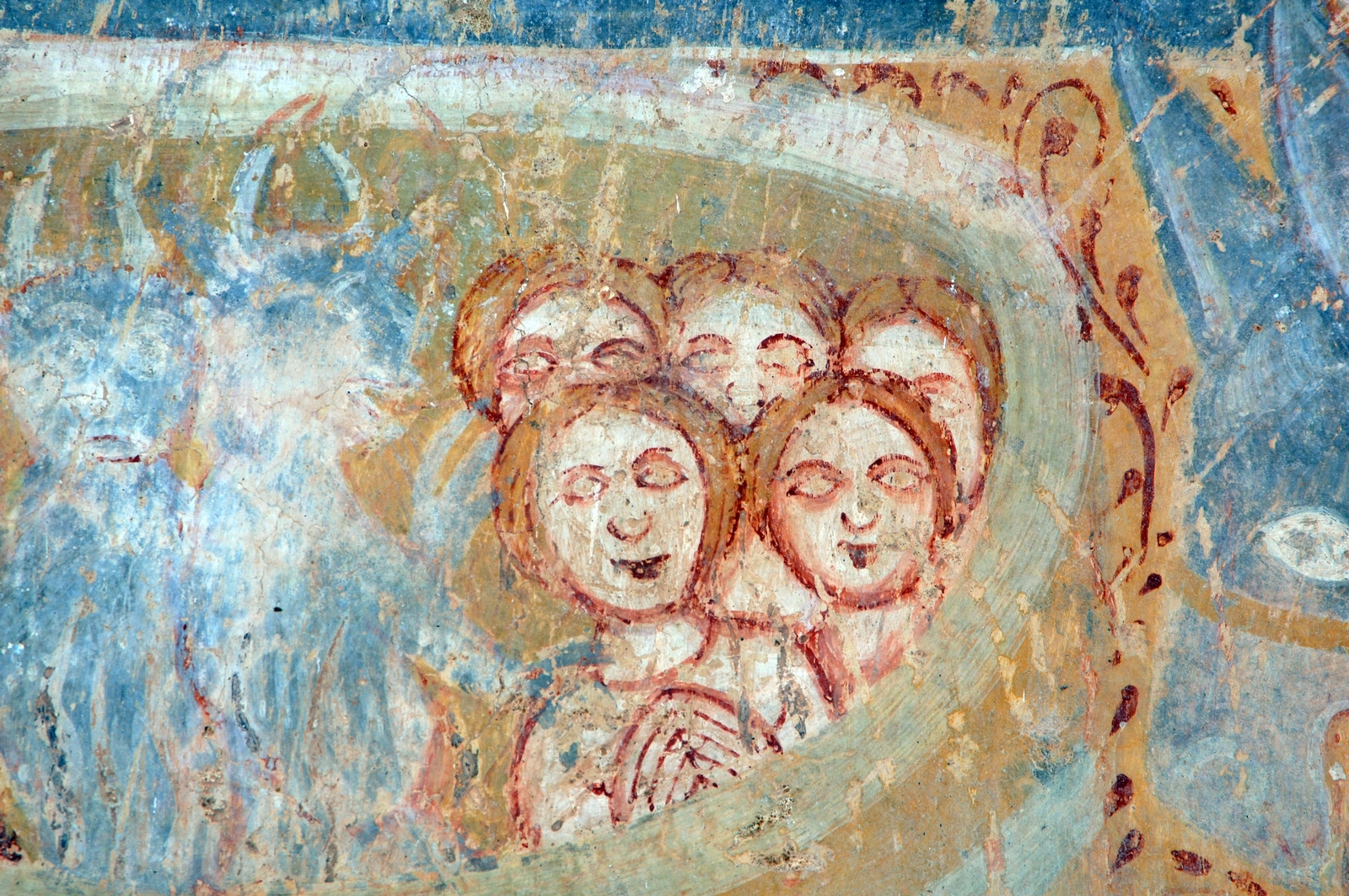
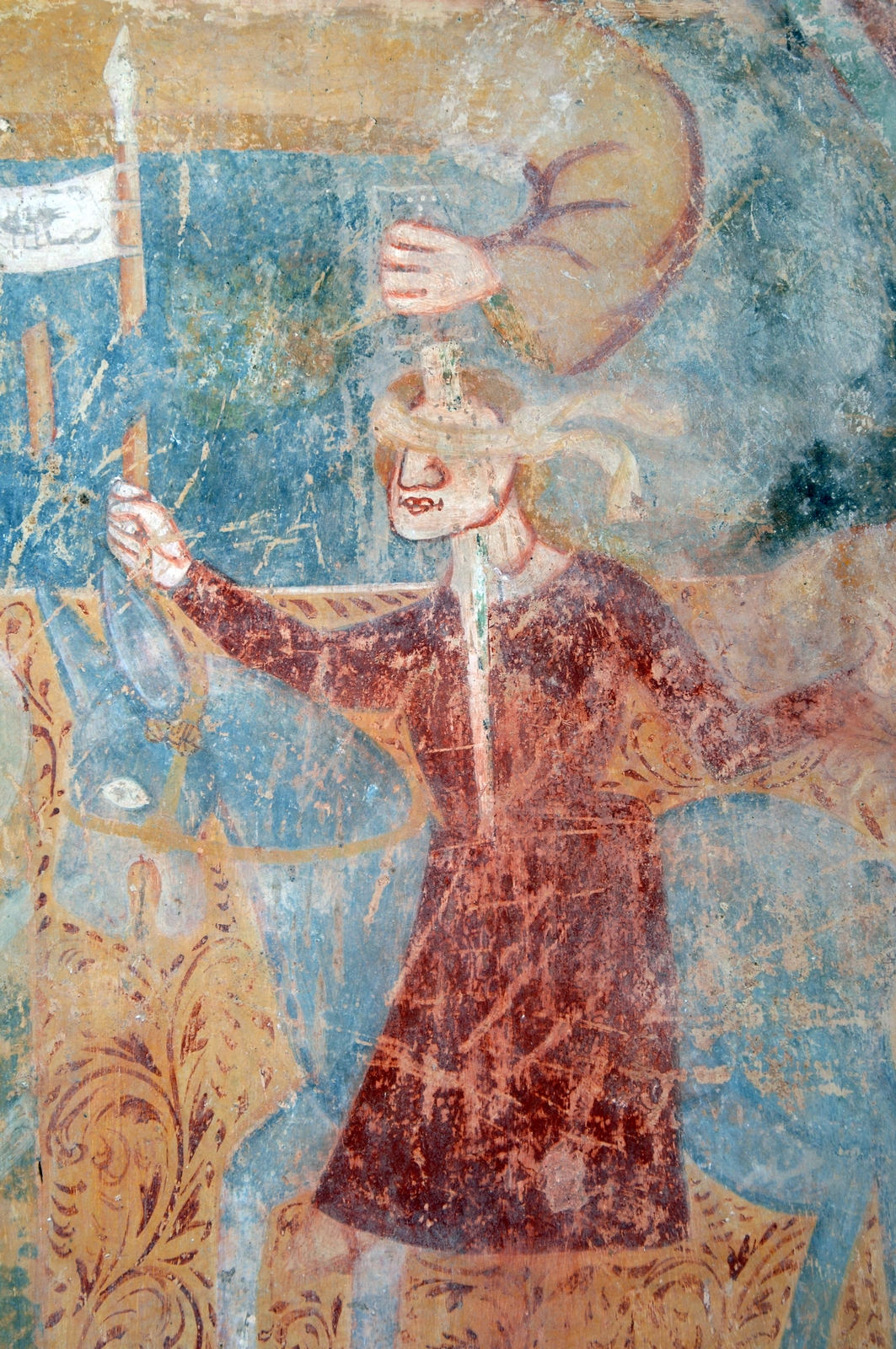
The depiction of the Living Cross occupies a unique place within the iconographic corpus of Gothic wall painting. The symmetrically conceived composition is positioned beneath the pointed junction of two prominent vault ribs. The scene is divided into three horizontal zones representing a schematised landscape. The lower zone is painted in a yellowish tone and decorated with red punched ornament; the central zone represents the sky; and the upper zone depicts the Heavenly Jerusalem in the form of a fortified city. At the centre of the composition is Christ crucified on the Cross, whose arms extend into four hands. The left hand blesses the personification of the Church, represented as a crowned female figure accompanied by the Tetramorph. In the left corner stands St Catherine, the titular saint of the church. The opposite arm of the Cross pierces with a sword the head of the personified Synagogue, depicted as a blindfolded woman riding a donkey. The lower hand of the Cross uses a hammer to break open the gates of Limbo, represented as a fortified structure, while the upper hand unlocks the entrance to Jerusalem. In the central zone of the composition, to the left of the Cross, an angel playing a portative organ is depicted, while on the right a devil with bat-like wings hovers in flight, blowing two trumpets.
The fresco depicting the Living Cross was already mentioned in 1895 in the field reports of Rudolf Weisshäupl and Eduard Gerisch. Its iconographic interpretation and dating were first presented by Branko Fučić in 1950 in the article “Živi križ u Lindaru,” published in Istarska Danica.
Iconographic programme: North wall (arrangement of figures in the Living Cross scene): 1. God the Father, 2. Heavenly Jerusalem, 3. Angel with portative organ, 4. Devil, 5. Christ on the Cross, 6. Scroll with Glagolitic inscription, 7. St Catherine, 8. Ecclesia, 9. Limbo, 10. Synagogue. East wall: 11. Kiss of Judas.
Scene locations
E. GERISCH, 1895., u: Mittheilungen der K.K. Central-Commission zur Erforschung und Erhaltung der Kunst- und Historischen Denkmale, Wien, 1895, 50-51, 129; R. WEISSHÄUPL, 1895., u: Mittheilungen der K.K. Central-Commission zur Erforschung und Erhaltung der Kunst- und Historischen Denkmale, Wien, 1895, 20; C. BUDINICH, 1916., Spitzbogige Bauwerke in Istrien und den angrenzenden Gebieten, Wien, 1916, 39-42; LJ. KARAMAN, 1949., O srednjovjekovnoj umjetnosti Istre, Historijski zbornik, 2, 1949, 115-130., 125; F. STELÈ, 1960., Umetnost v Primorju, Ljubljana, 1960, 71; B. FUČIĆ, 1950., Živi križ u Lindaru, u: Istarska Danica, Pazin, 1950, 81-86; ISTI. 1963., Istarske freske, Zagreb, 1963, 19, KAT. 10; ISTI, 1964a., Srednjovjekovno zidno slikarstvo u Istri, doktorska disertacija, Filozofski fakultet Sveučilišta u Ljubljani, Rijeka-Ljubljana,1964., 238-240, KAT. 455-457; I. PERČIĆ, 1963., Zidno slikarstvo Istre, katalog izložbe, Zagreb, 1963; R. L. FÜGLISTER, 1964., Das Lebende Kreuz: Ikonographisch-ikonologische Untersuchung der Herkunft und Entwicklung einer spätmittelalterlichen Bildidee und ihrer Verwurzelung im Wort, Köln, 1964, 24-25; K. KOS, 1969, Muzički instrumenti u srednjovjekovnoj likovnoj umjetnosti Hrvatske, Rad JAZU, 351, Zagreb, 1969, 167-270., 177-178, 182; Z. BALOG, 2008., Živi križ u Lindaru - ikonografsko-ikonološka studija, Peristil, 51, 2008.,131-148; Ž. BISTROVIĆ, 2007 Gotičko zidno slikarstvo u Istri (novi prilozi jednoj budućoj sintezi), Annales. Series Historia et Sociologia, 17/2, 2007, 277-290., 3; ISTI, 2011. Šareni trag istarskih fresaka, Pula, 2011, 94-98; T. HLAČA, 2017., The Living cross image in Lindar: contexts of style, iconography, and history, MA Thesis, CEU. Budapest, 2017.