


Svetvinčenat, Church of St. Vincent
Century/year: second half of the 13th century
Historical-cultural period: Romanesque period
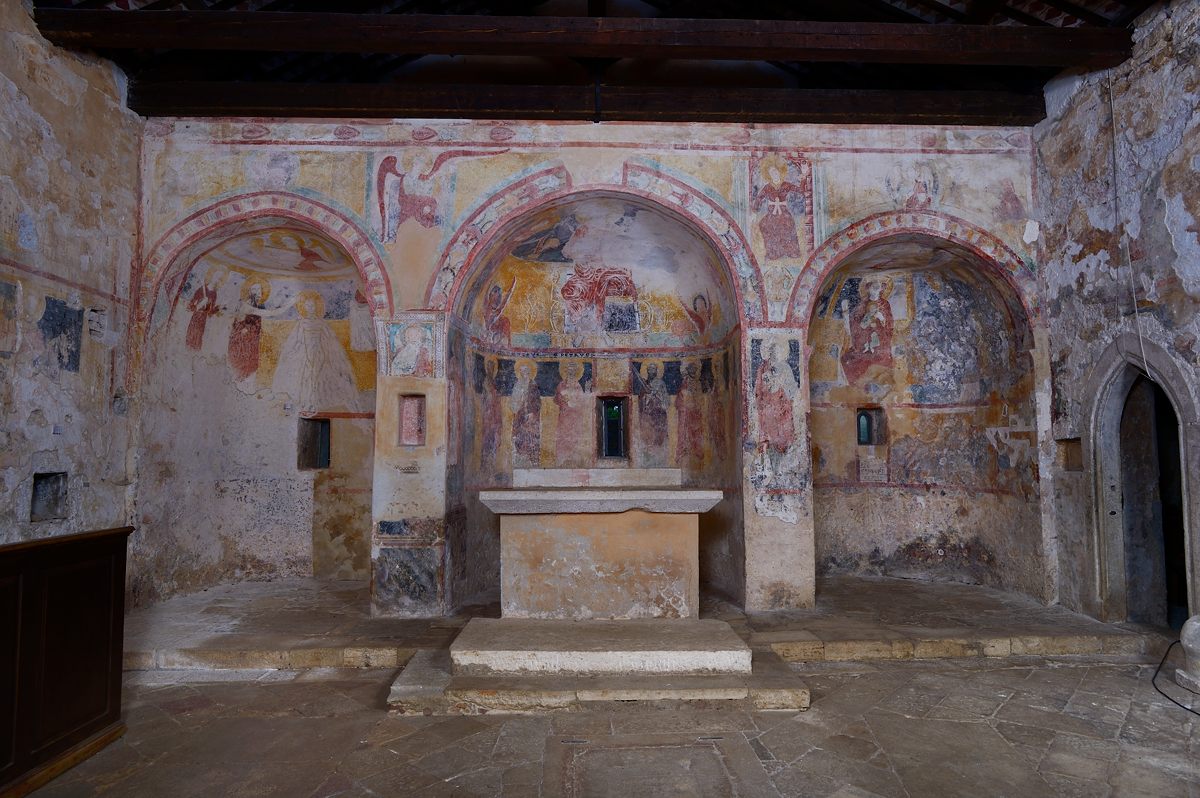
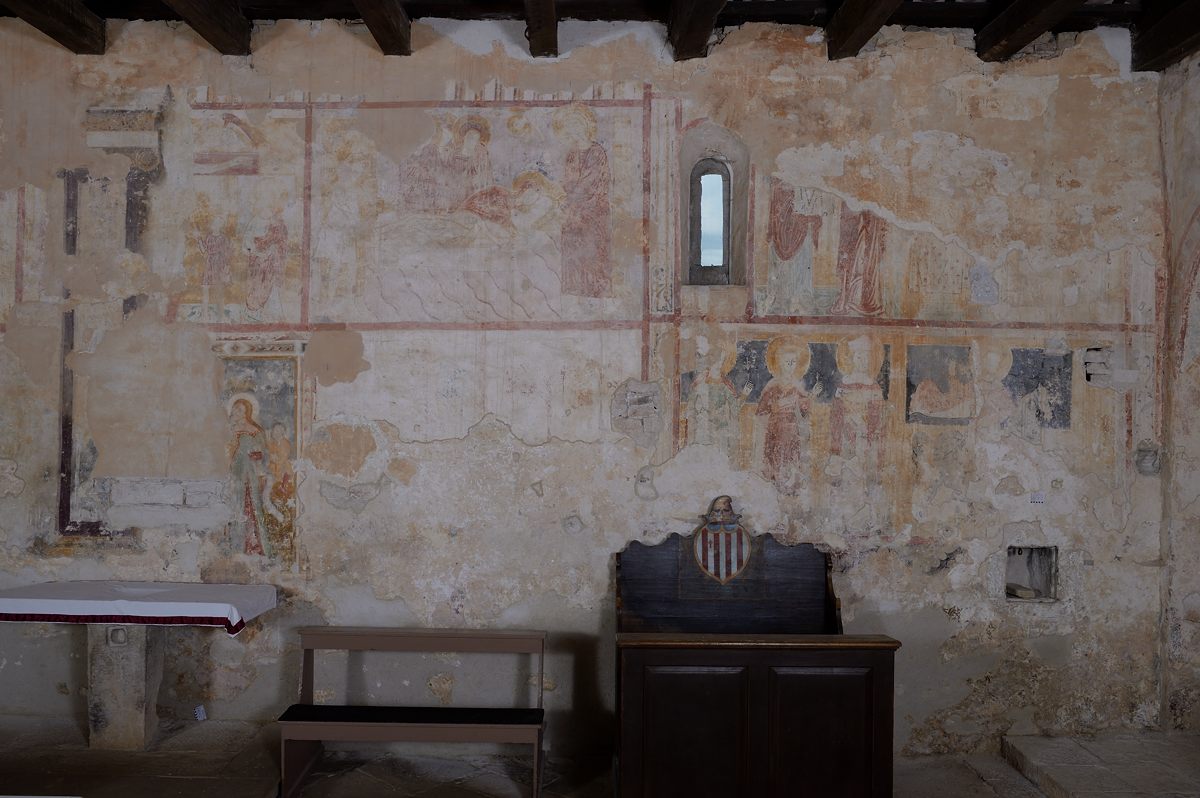
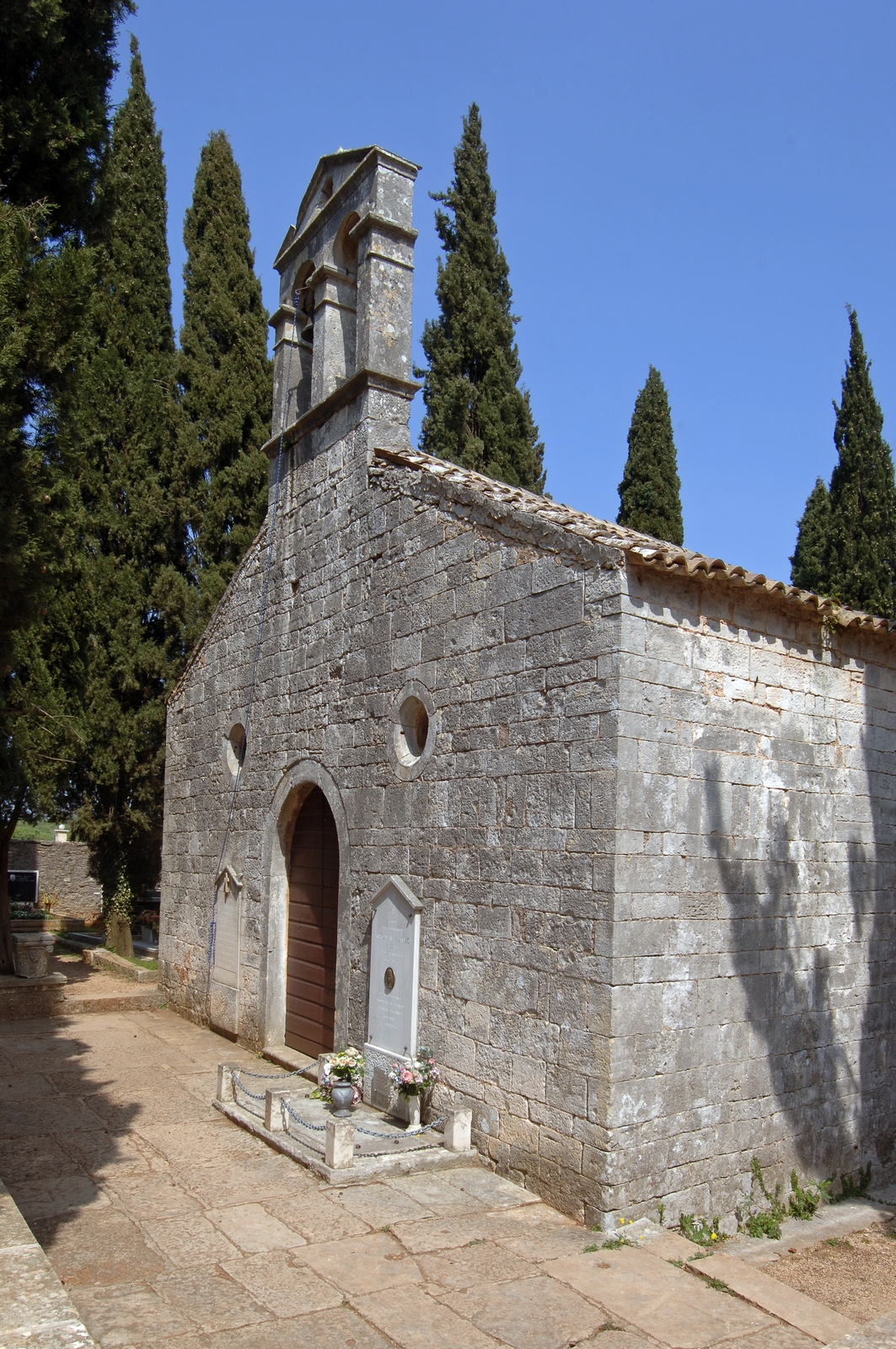
The Romanesque Church of St. Vincent is located in the cemetery of the settlement of Svetvinčenat. This single-nave hall church is concluded by three inscribed semi-circular apses. The western facade is highlighted by an arched entrance portal, above which are two oculi and a bell-gable.
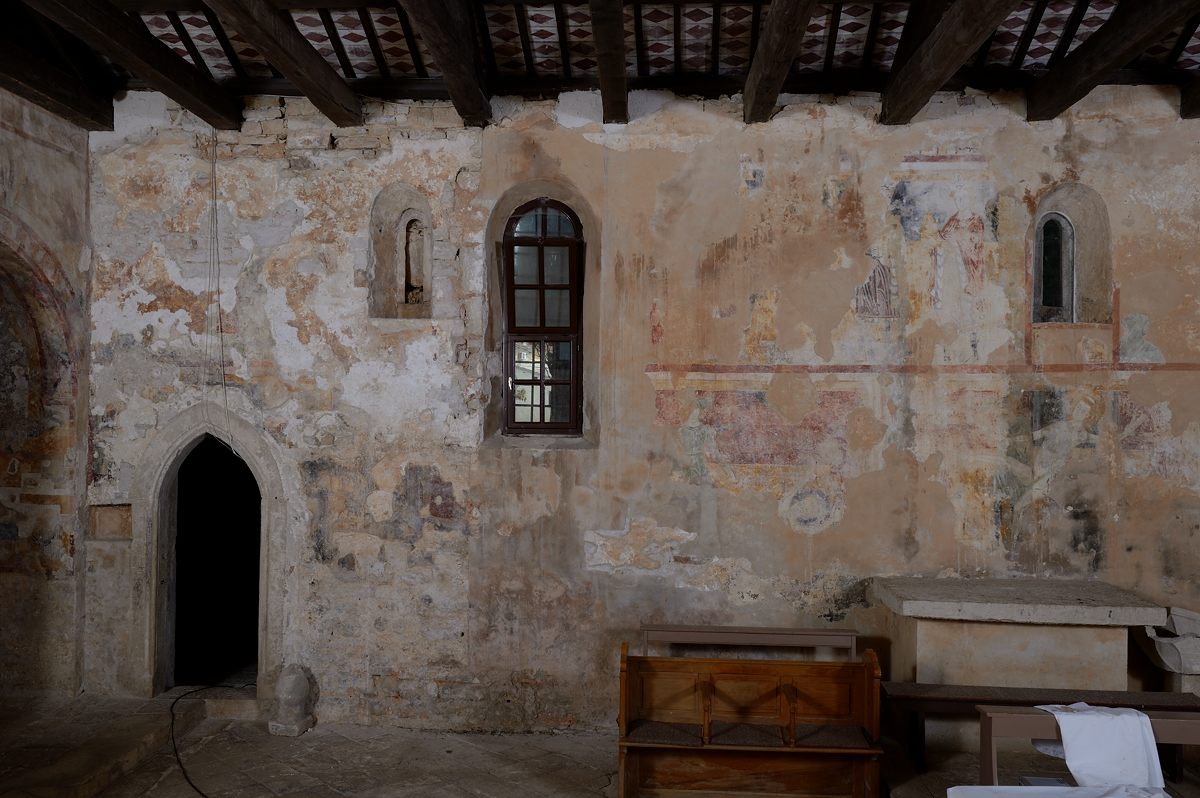
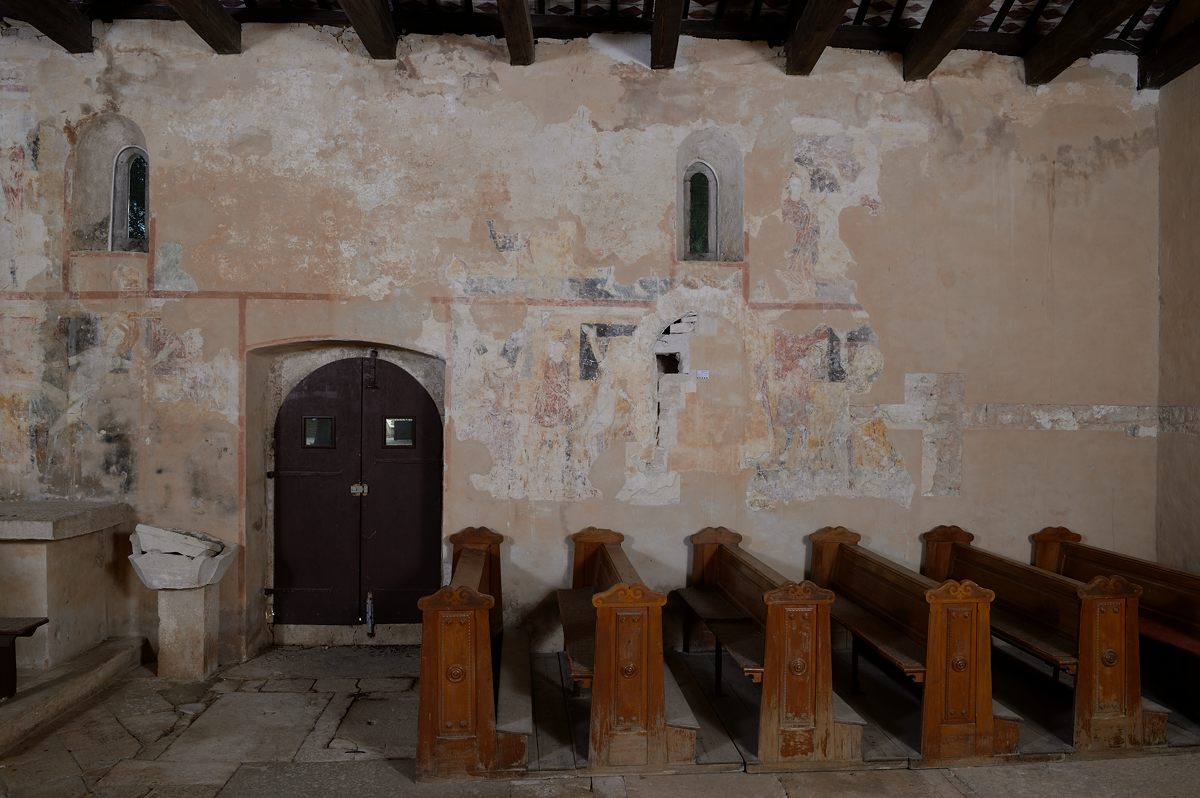
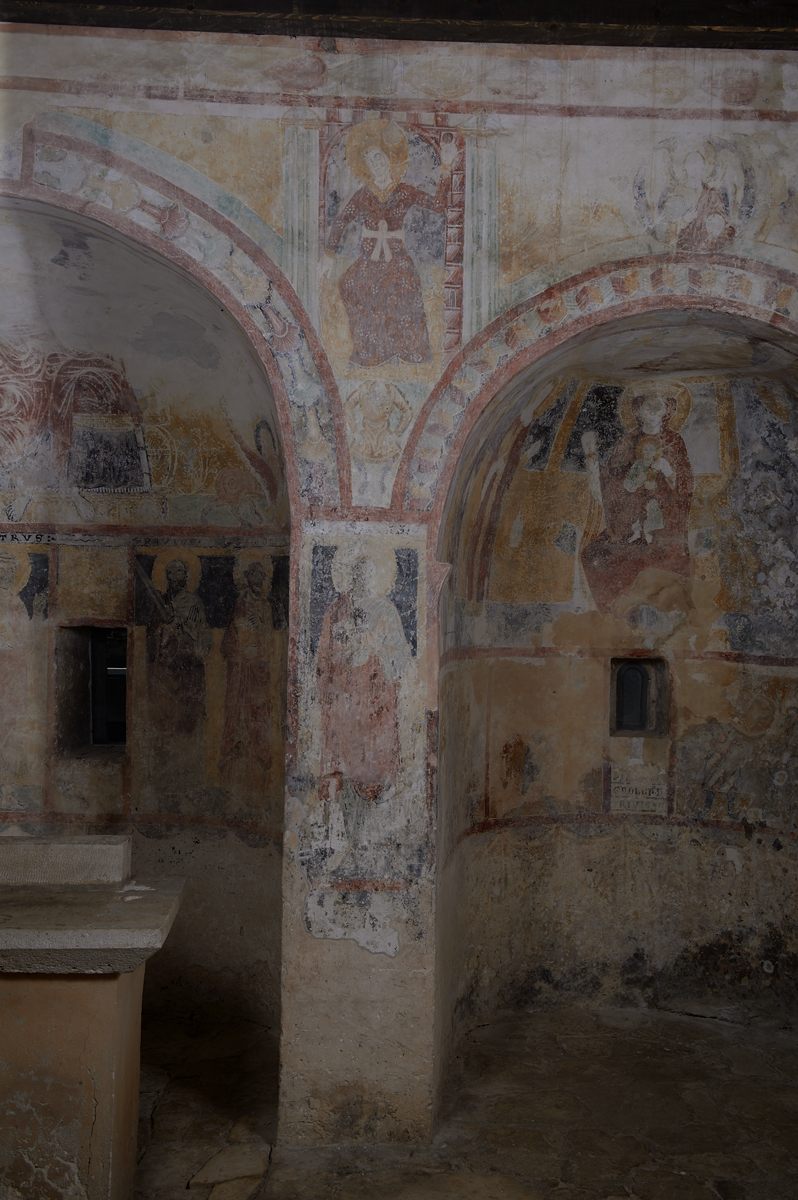
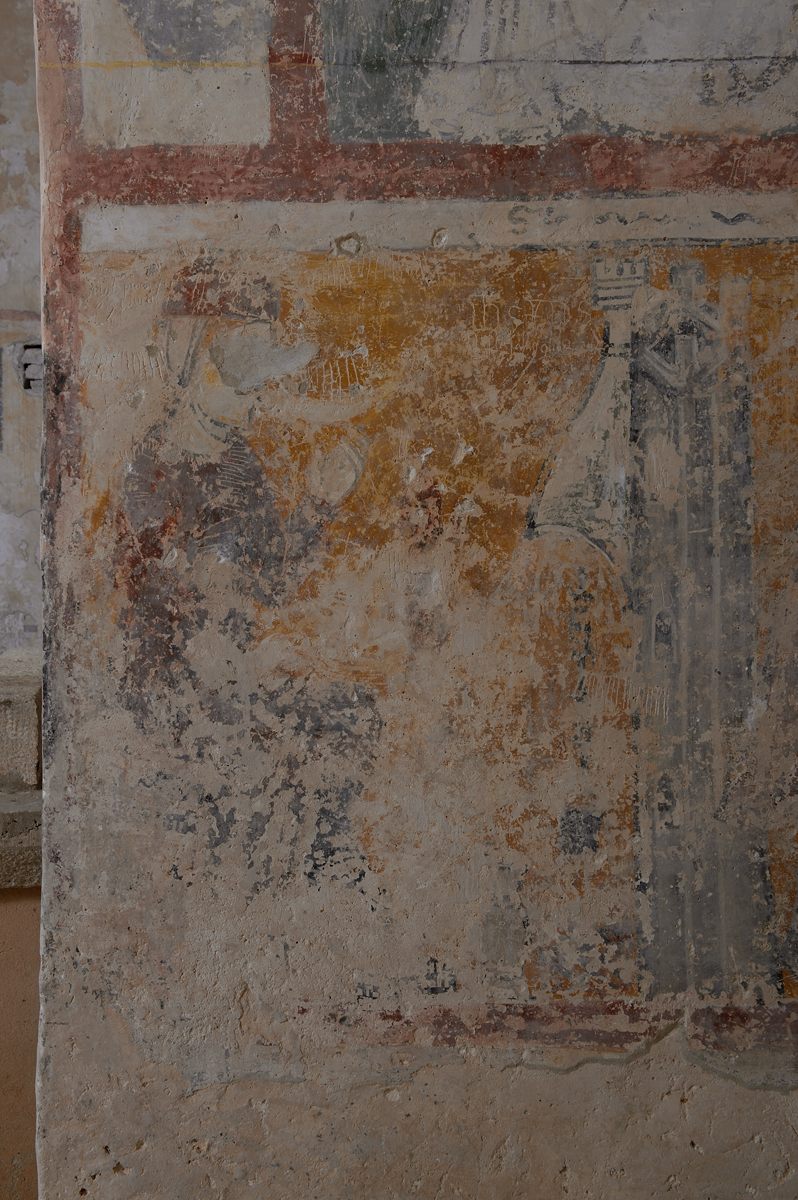
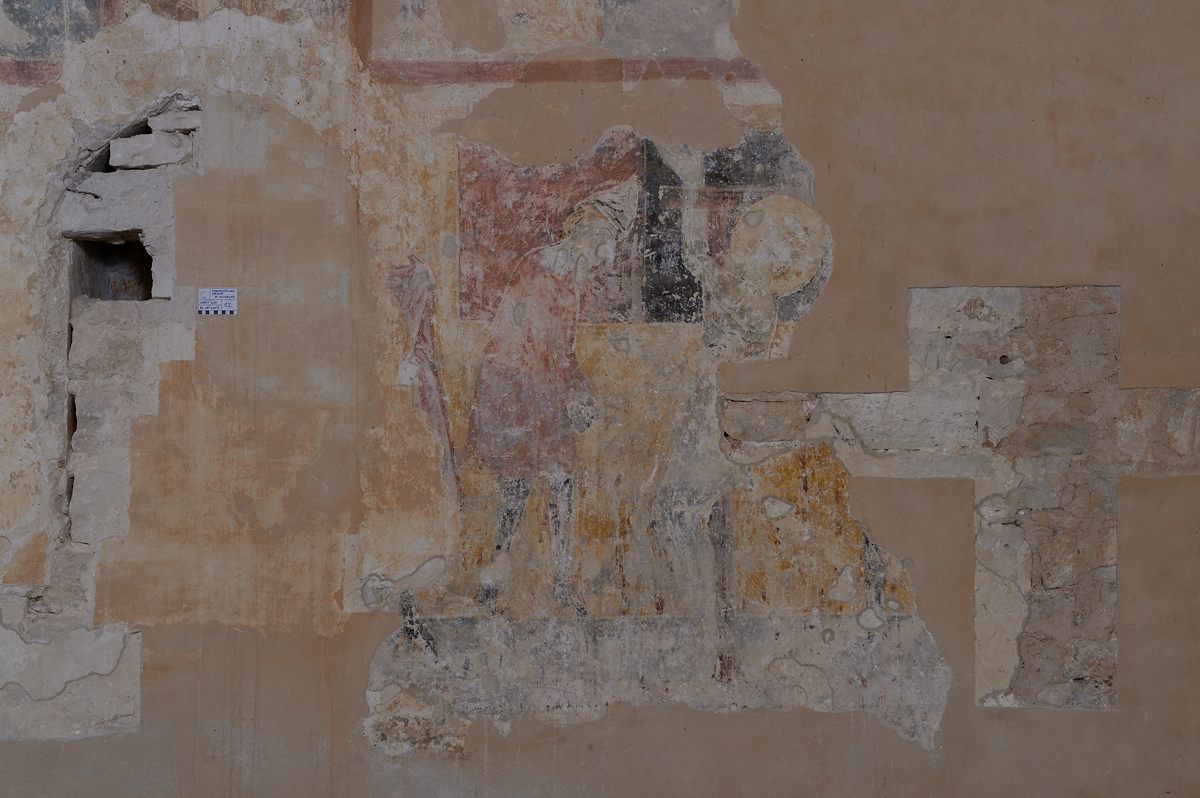
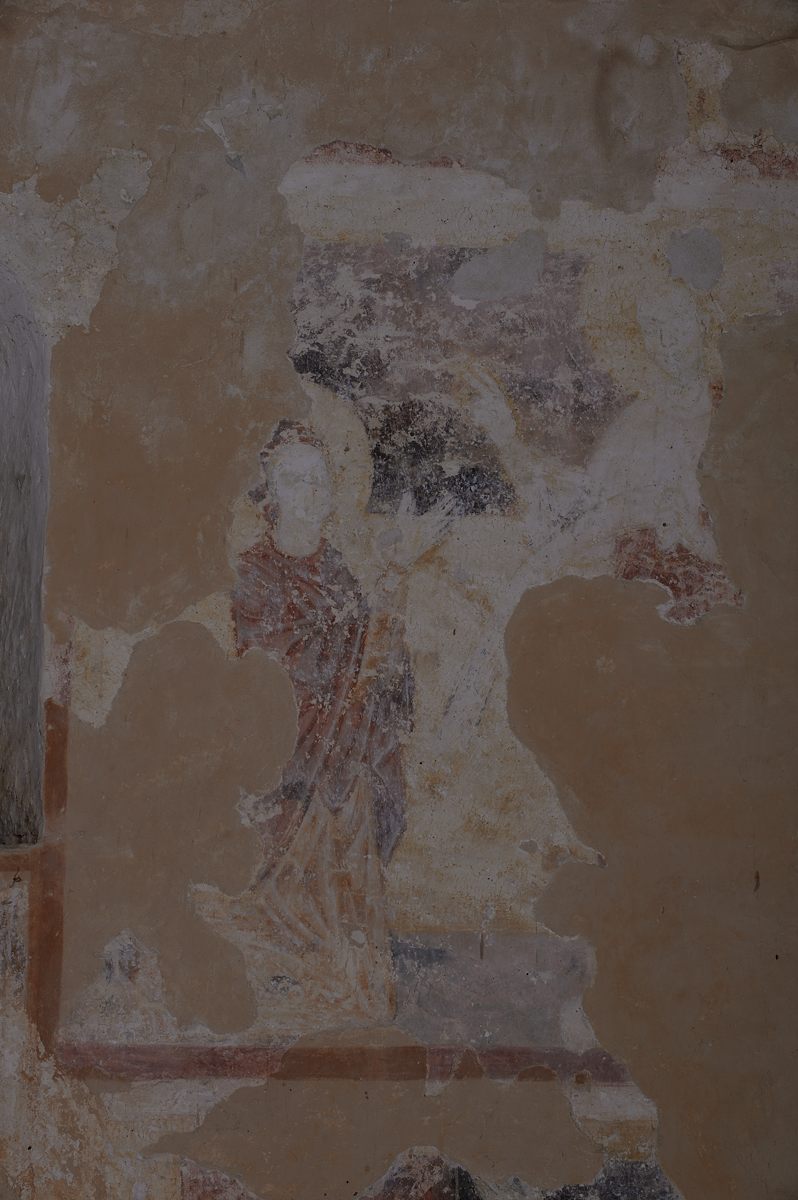
Three layers of frescoes have been preserved in the interior of the church. The oldest, Romanesque layer, was created shortly after the church's construction, but today it is preserved only in fragments. The layer from the mid-13th century covers all wall surfaces and represents the most complete Romanesque painting cycle in Istria. The author of these wall paintings, Ognobenus of Treviso, recorded his name beneath the window of the southern apse. The third and youngest layer was executed during the Gothic period and is attributed to an unknown master of Italian origin.
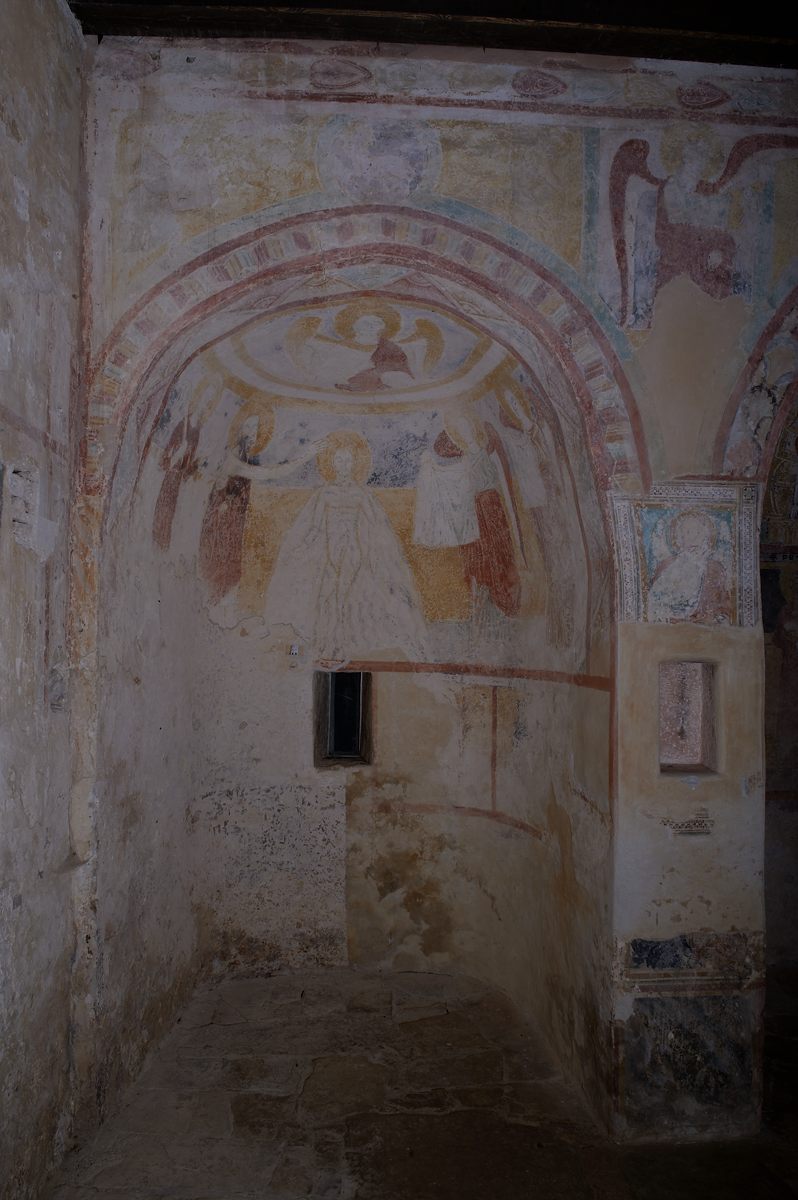
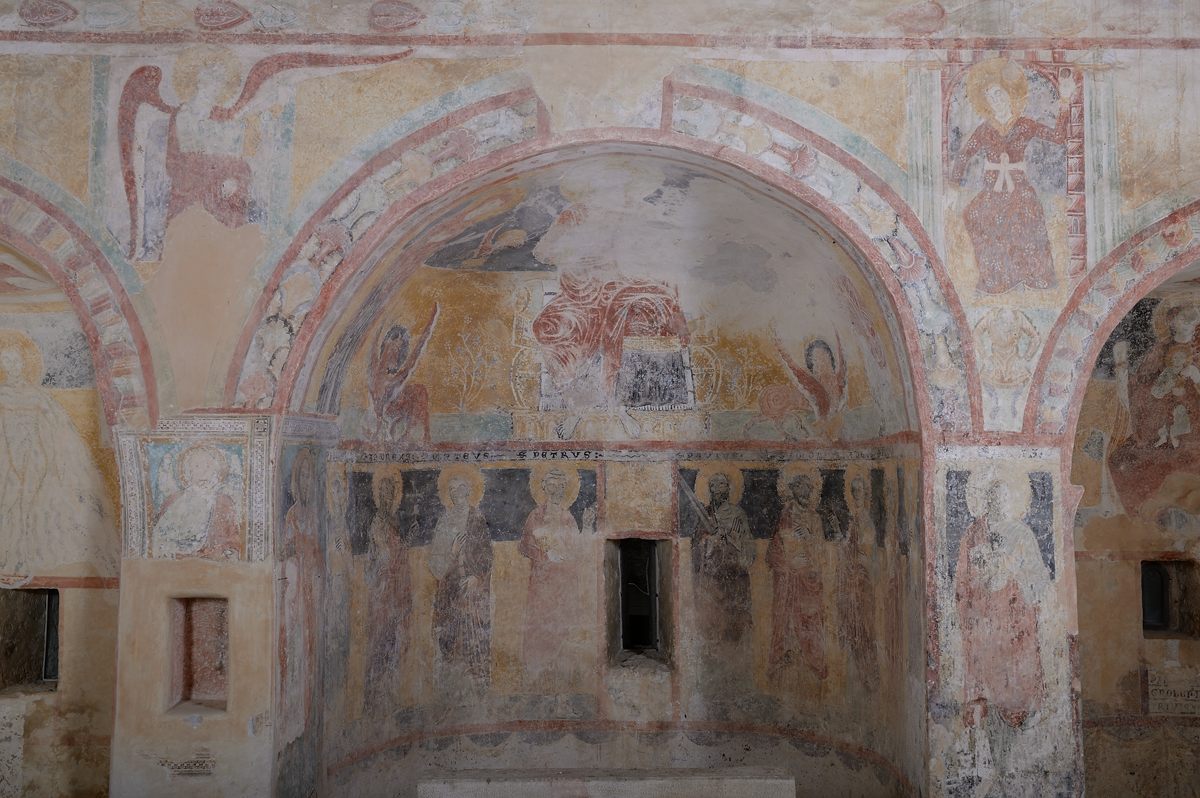
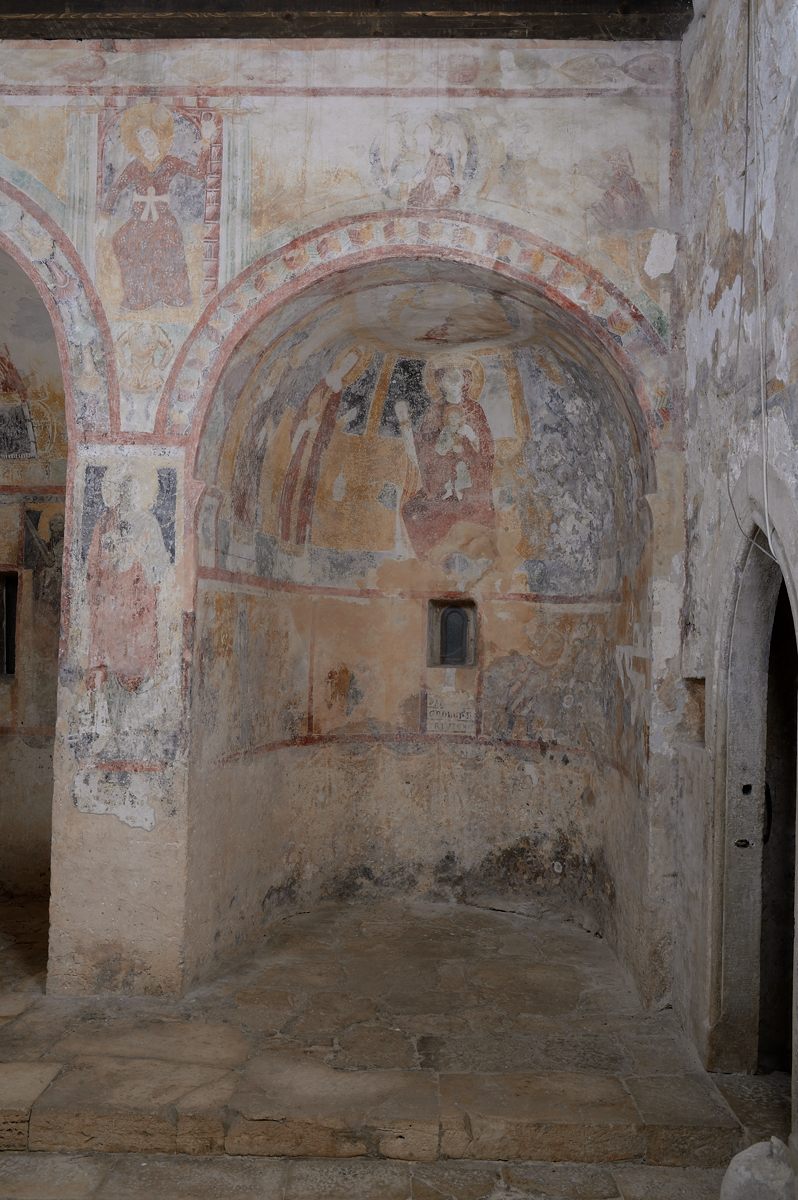
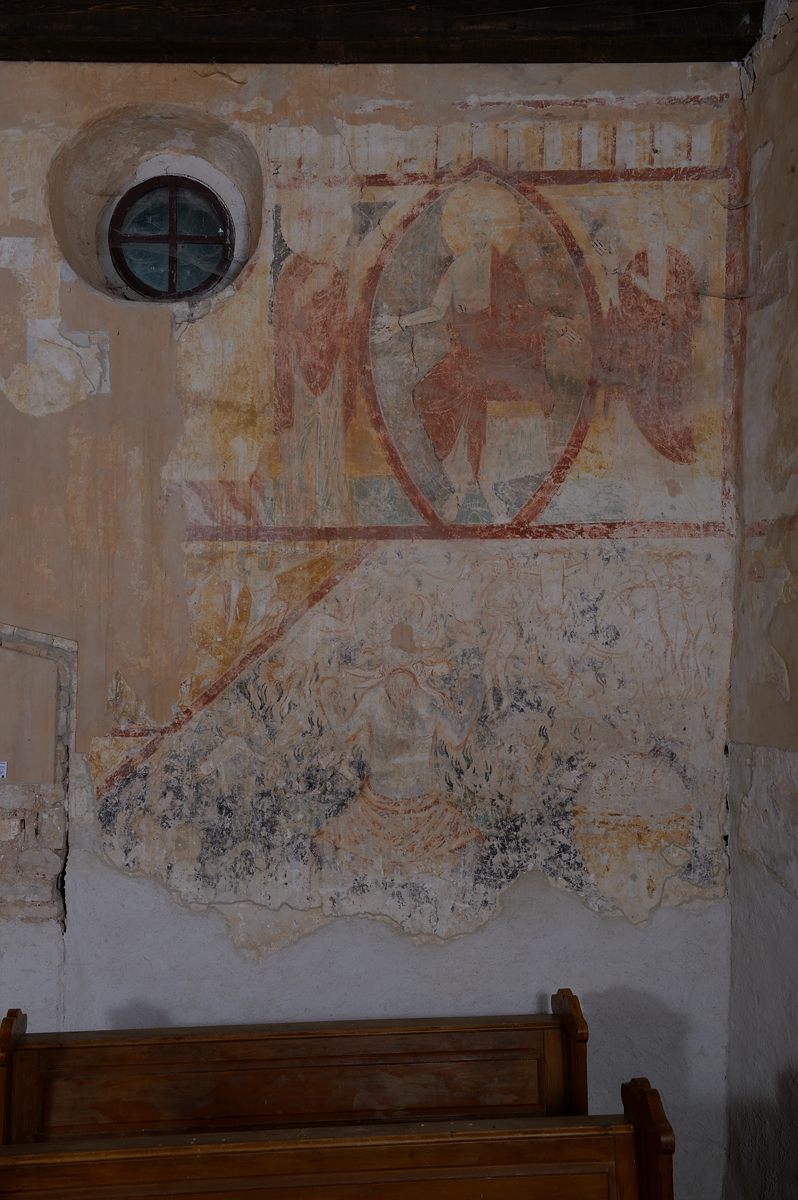
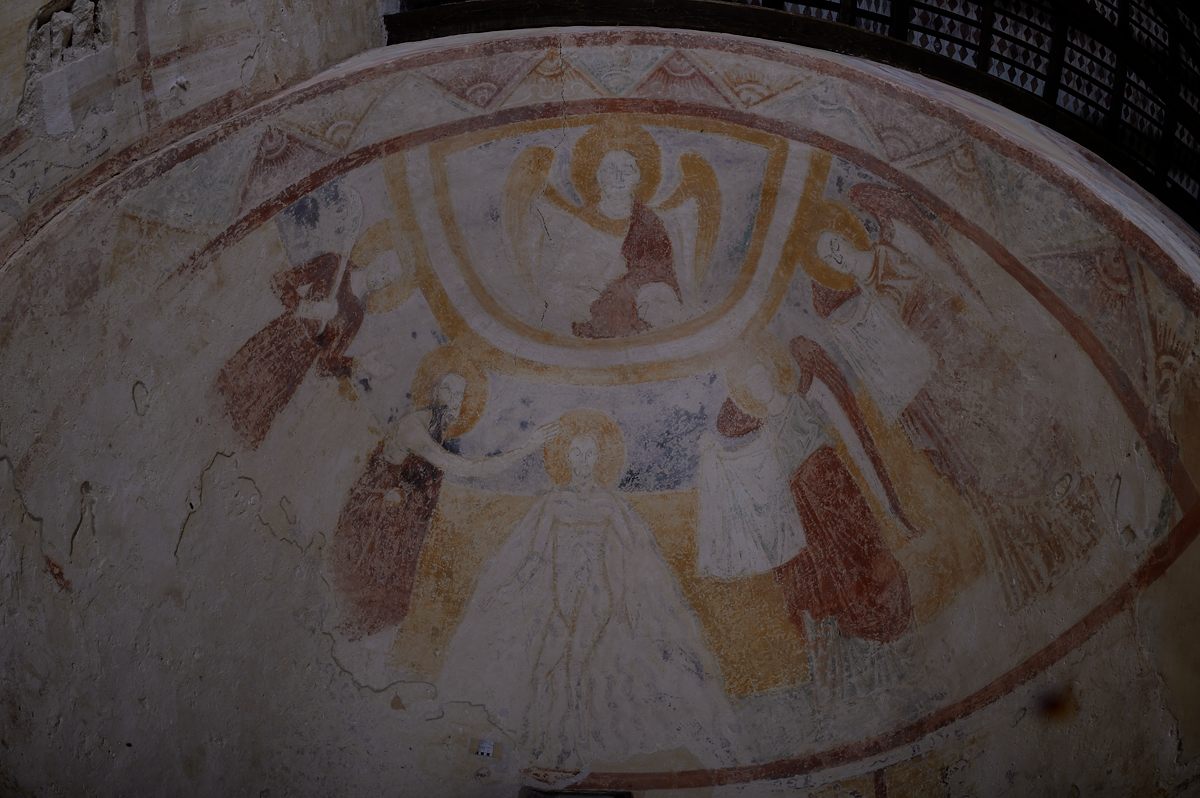
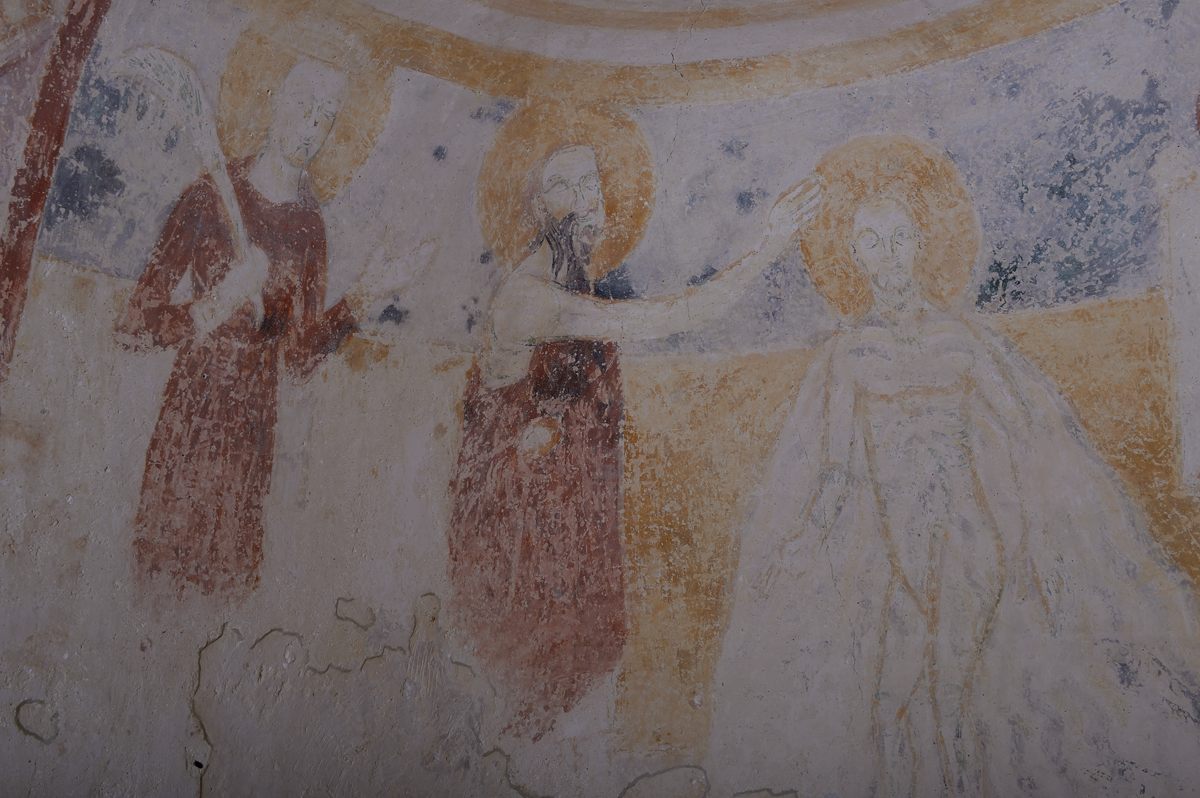
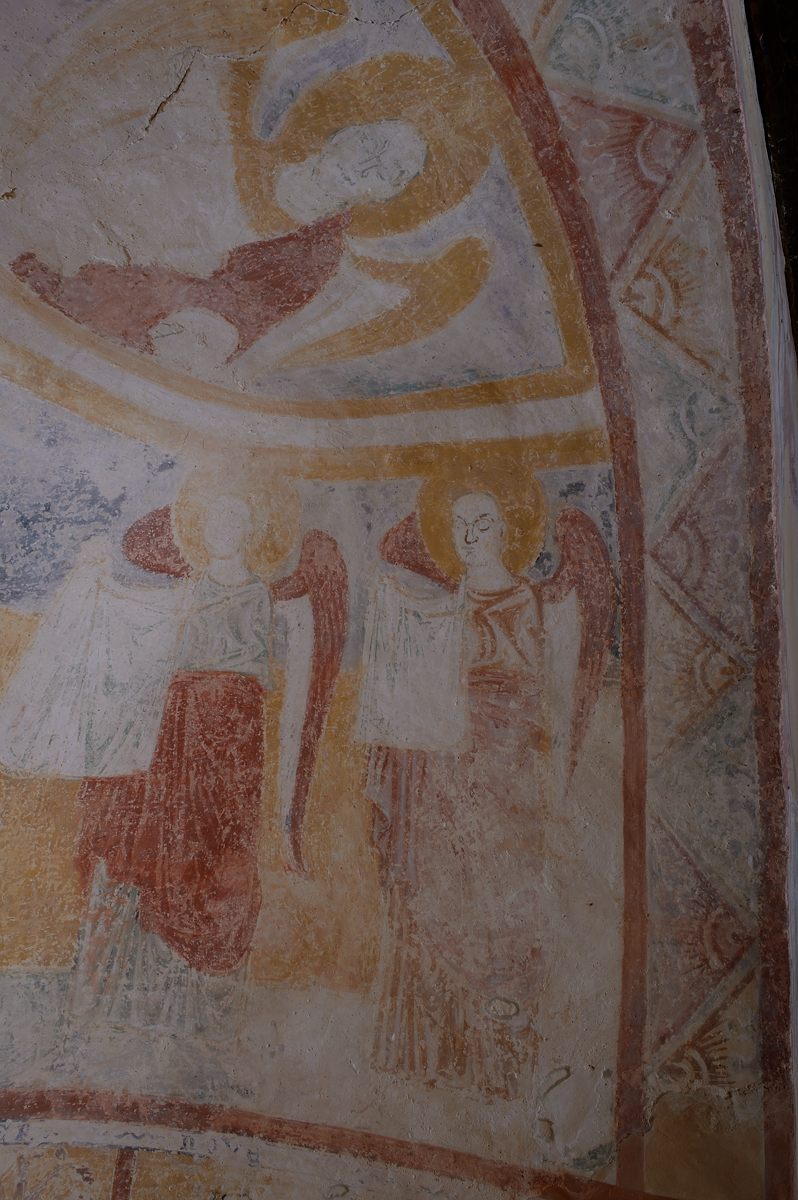
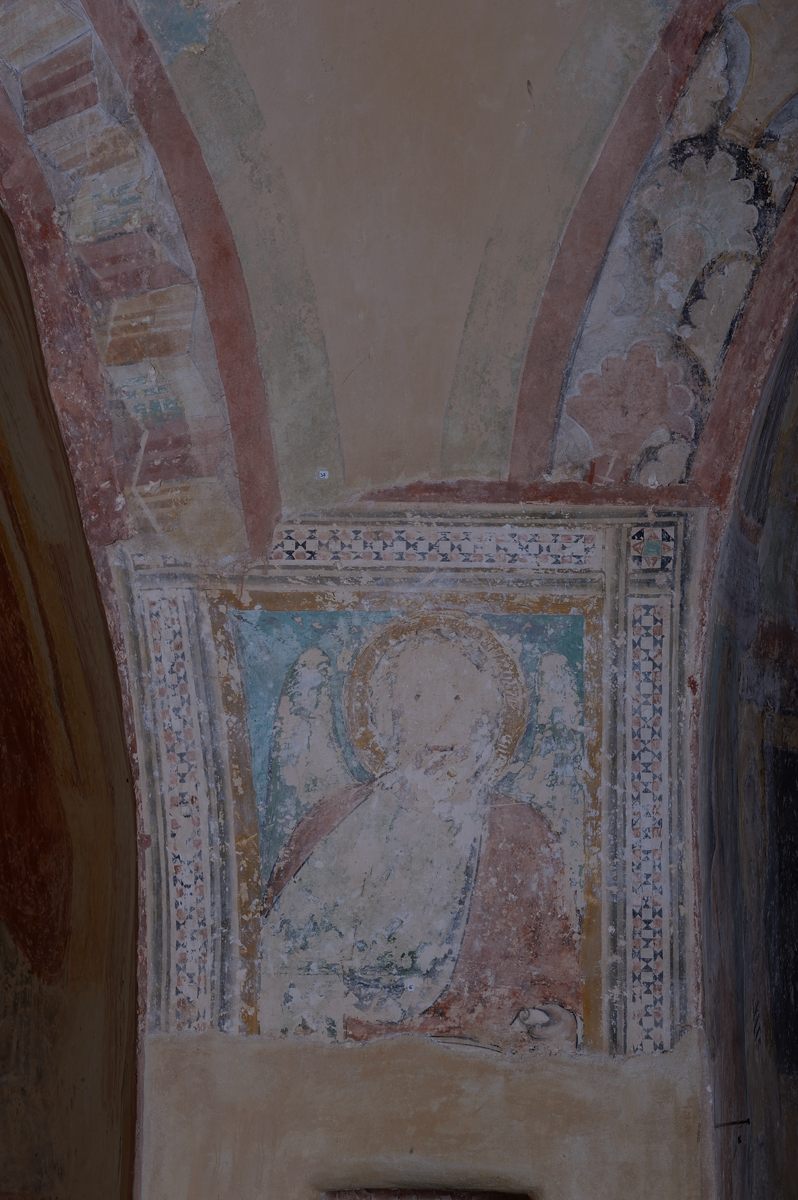
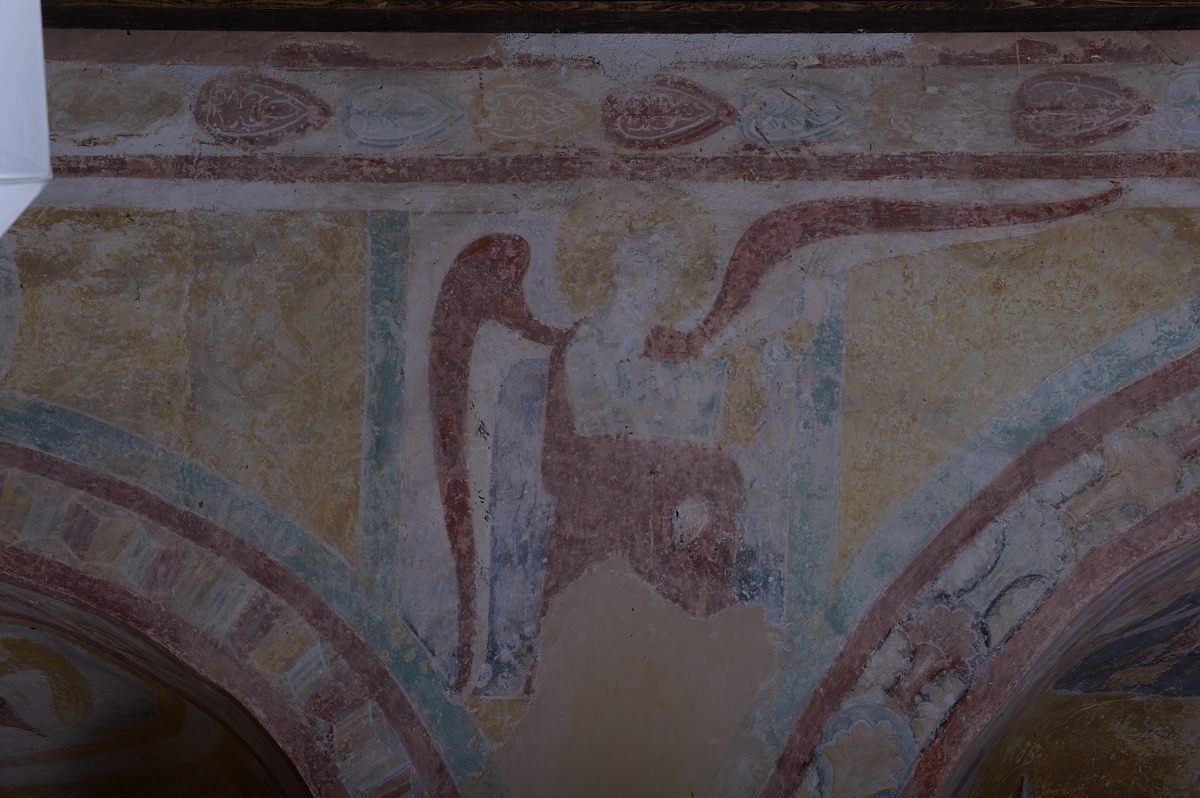
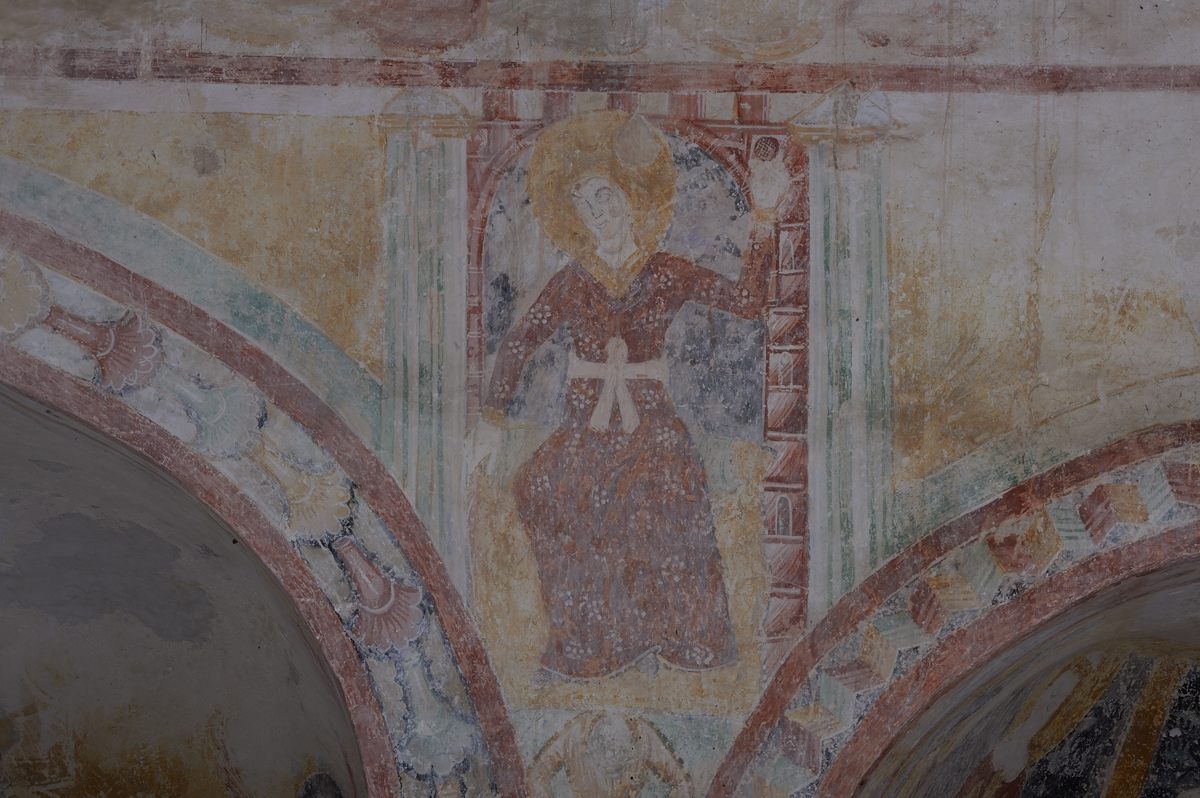
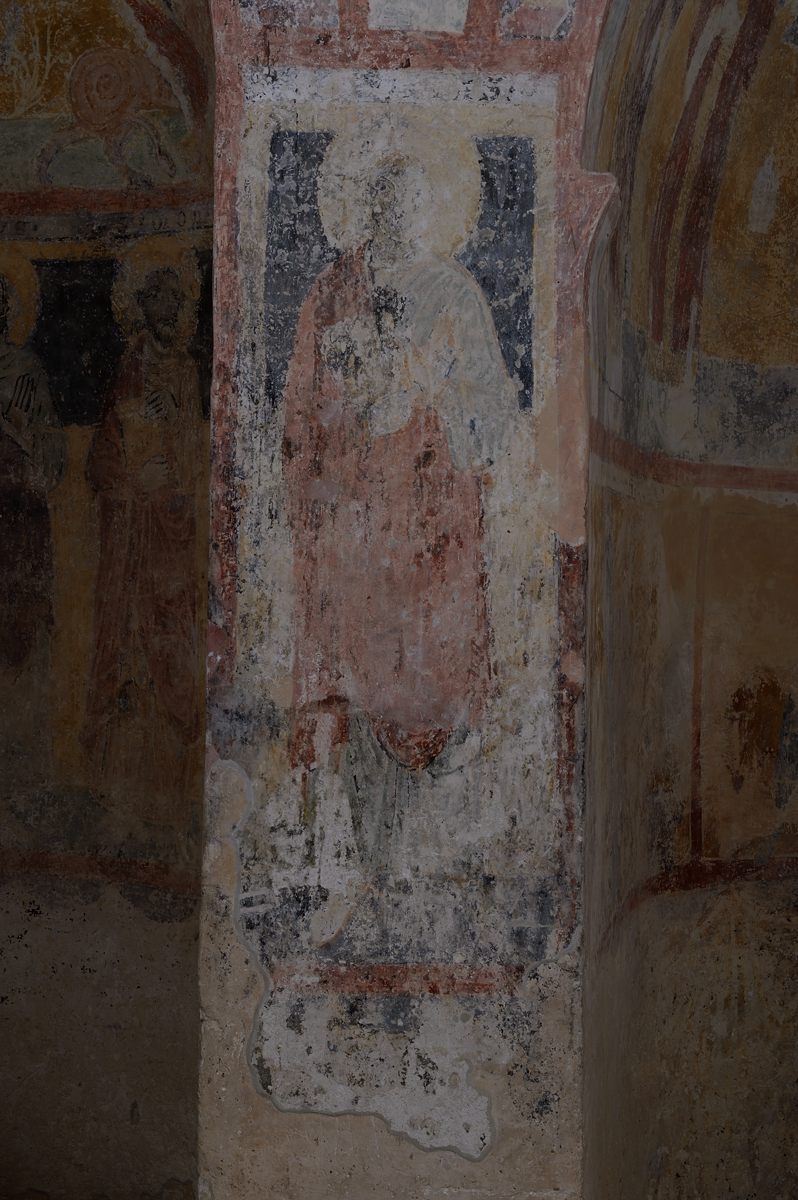
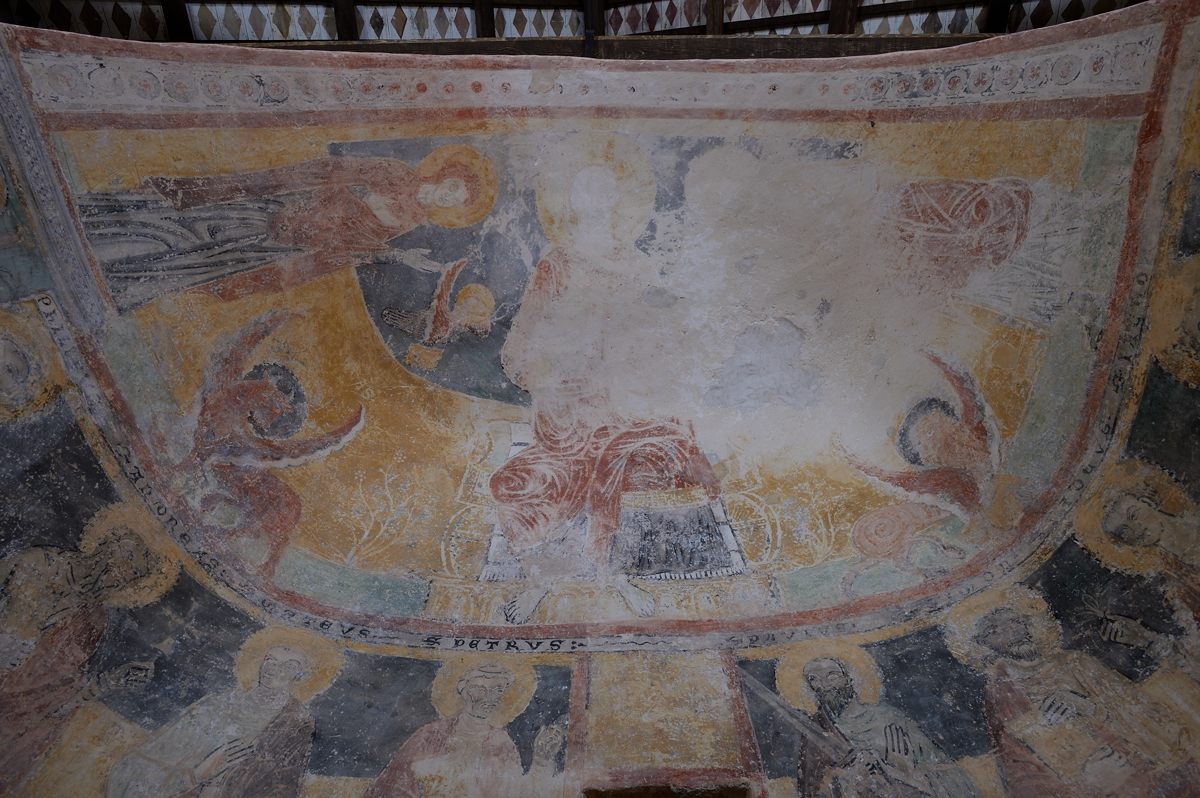
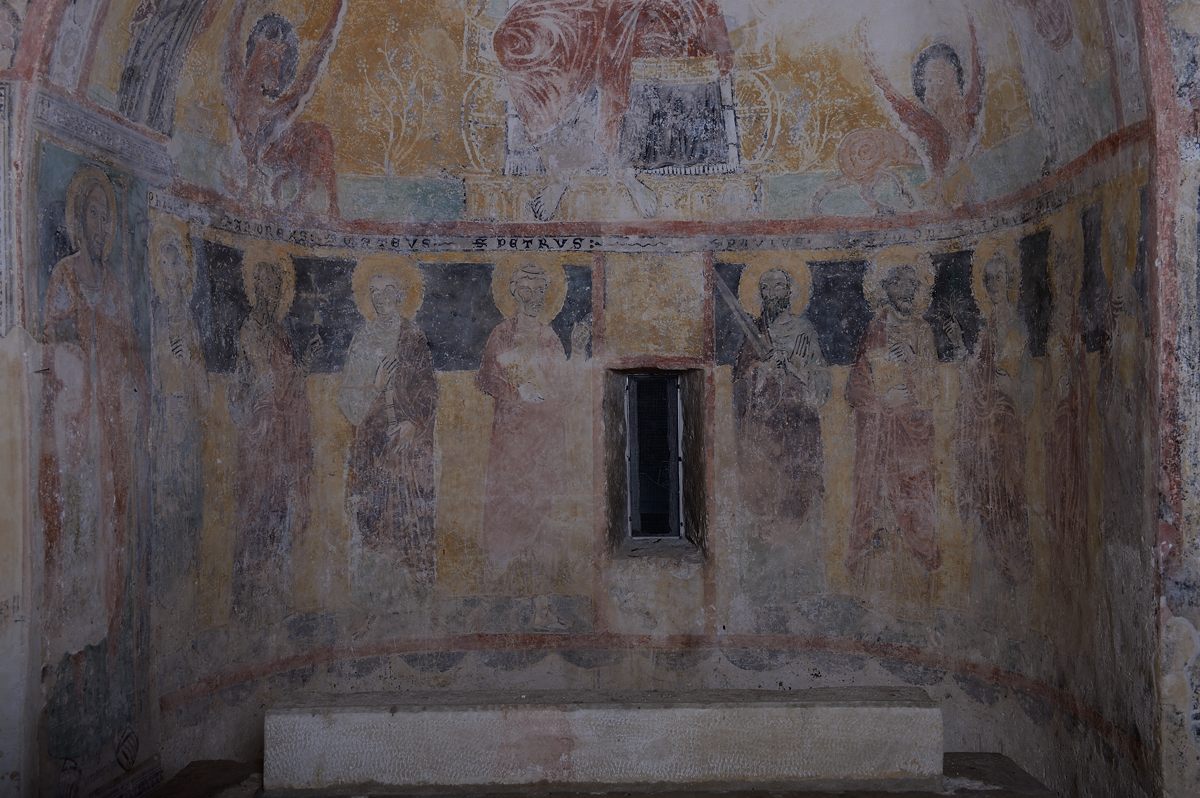
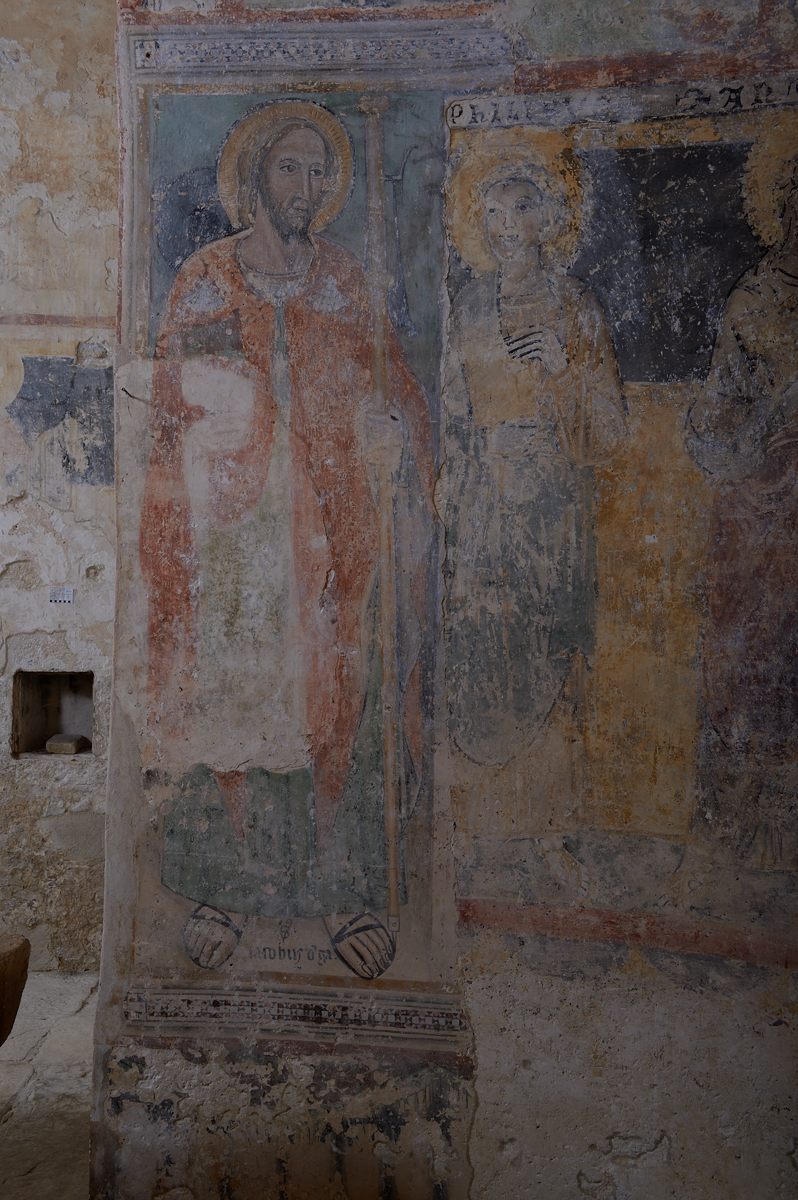
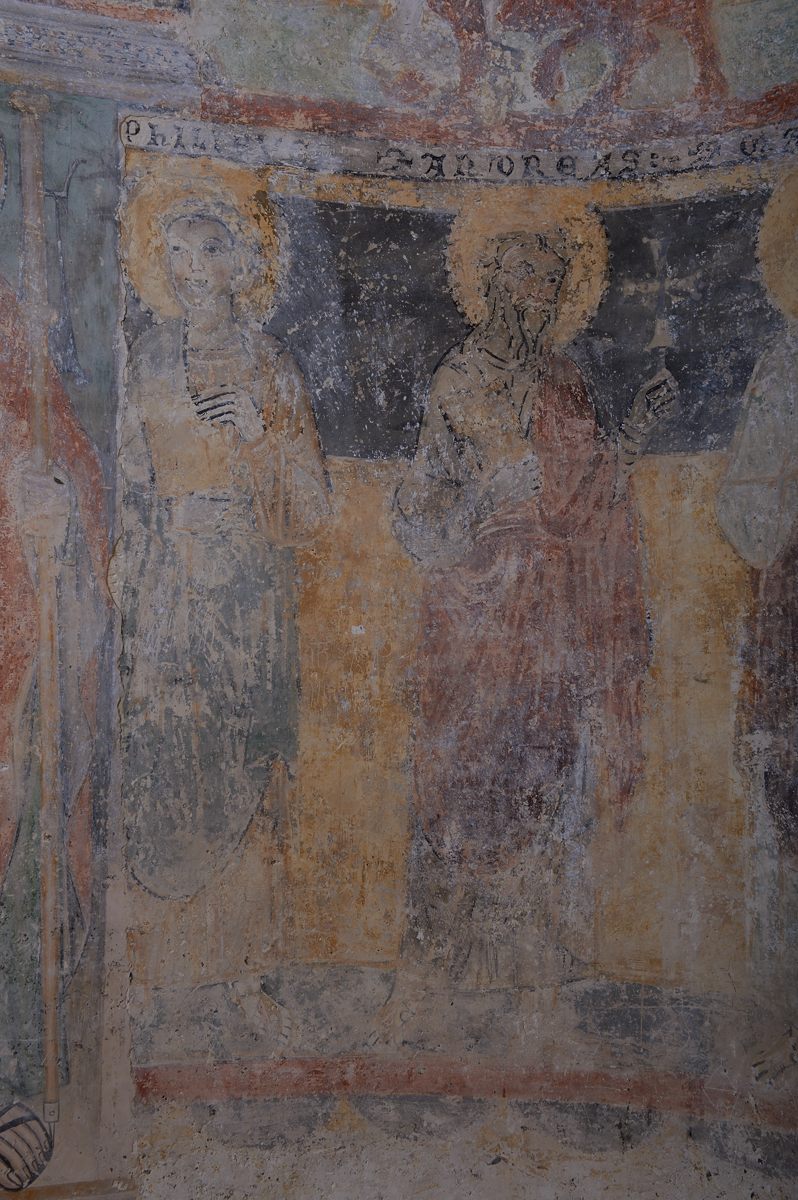
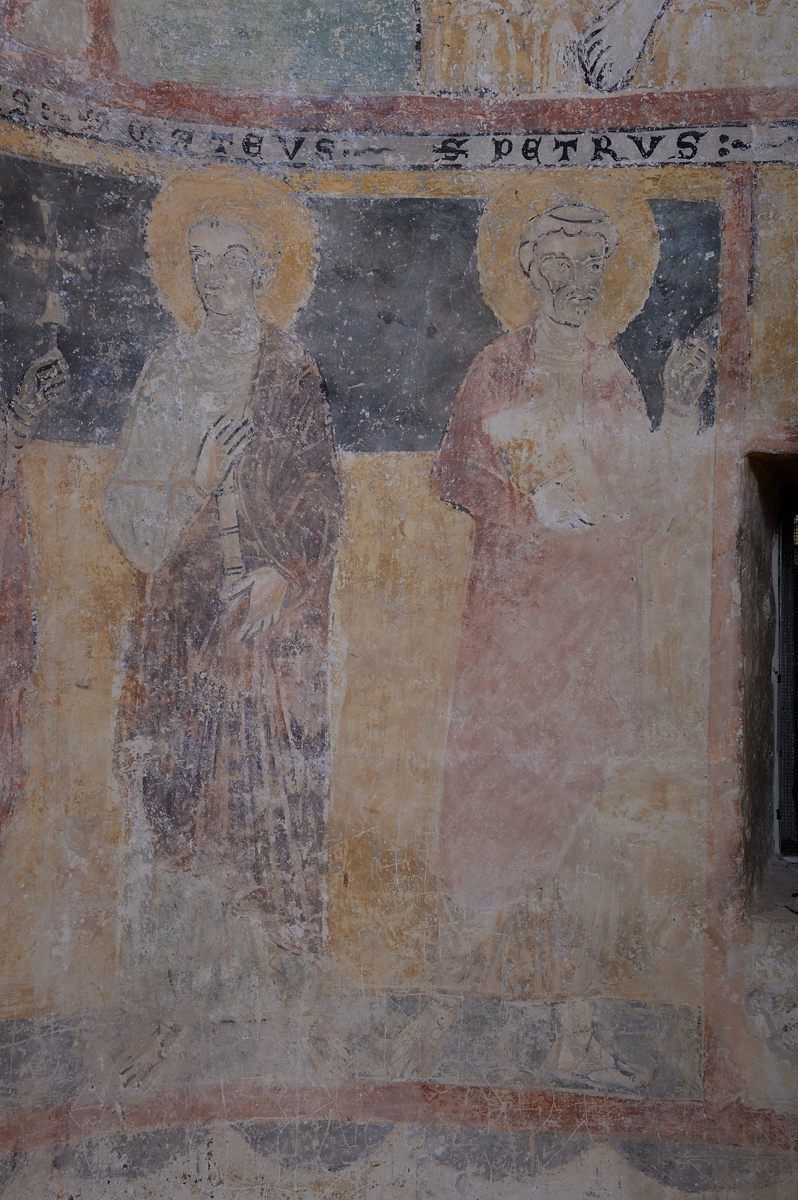
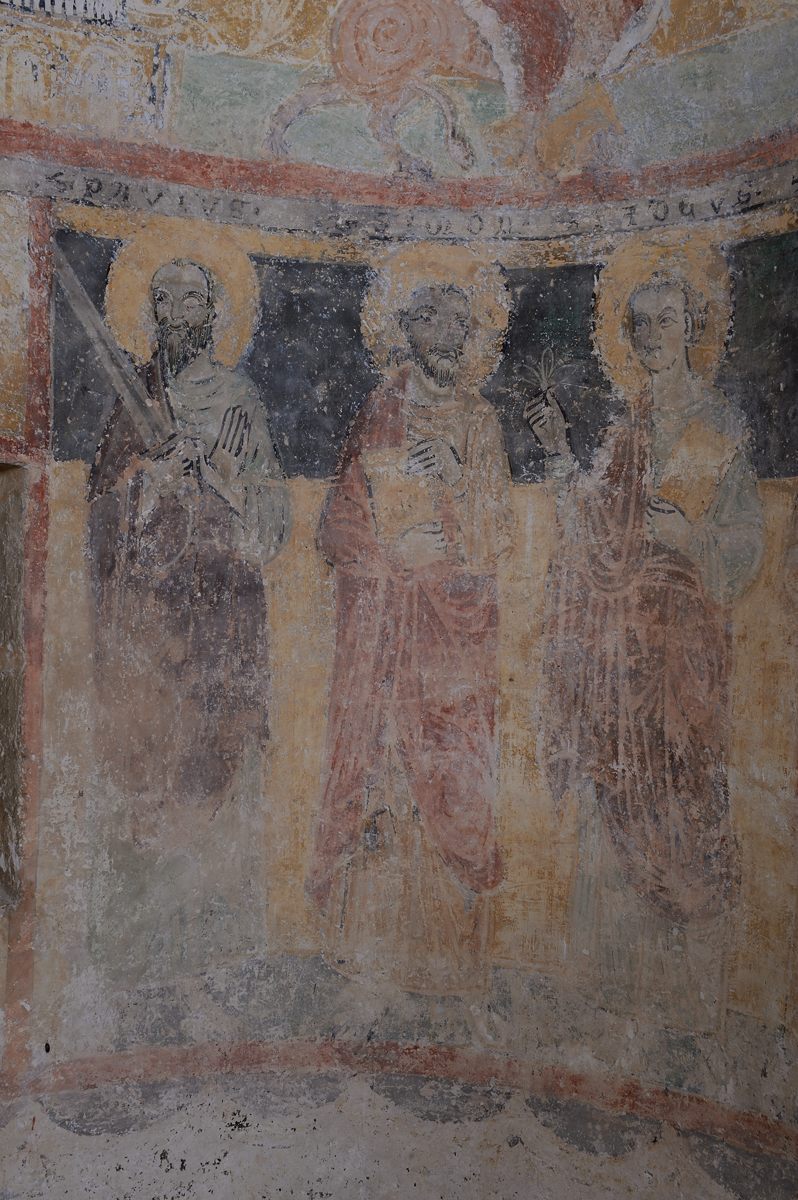
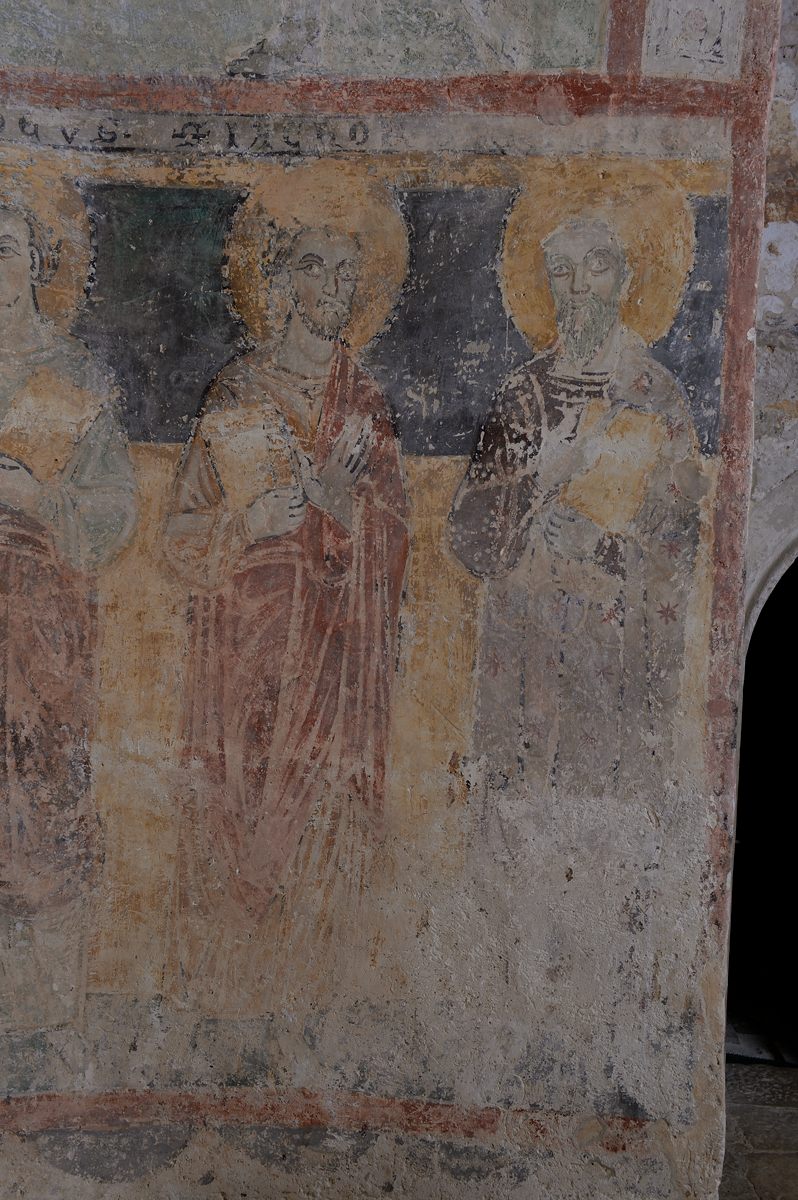
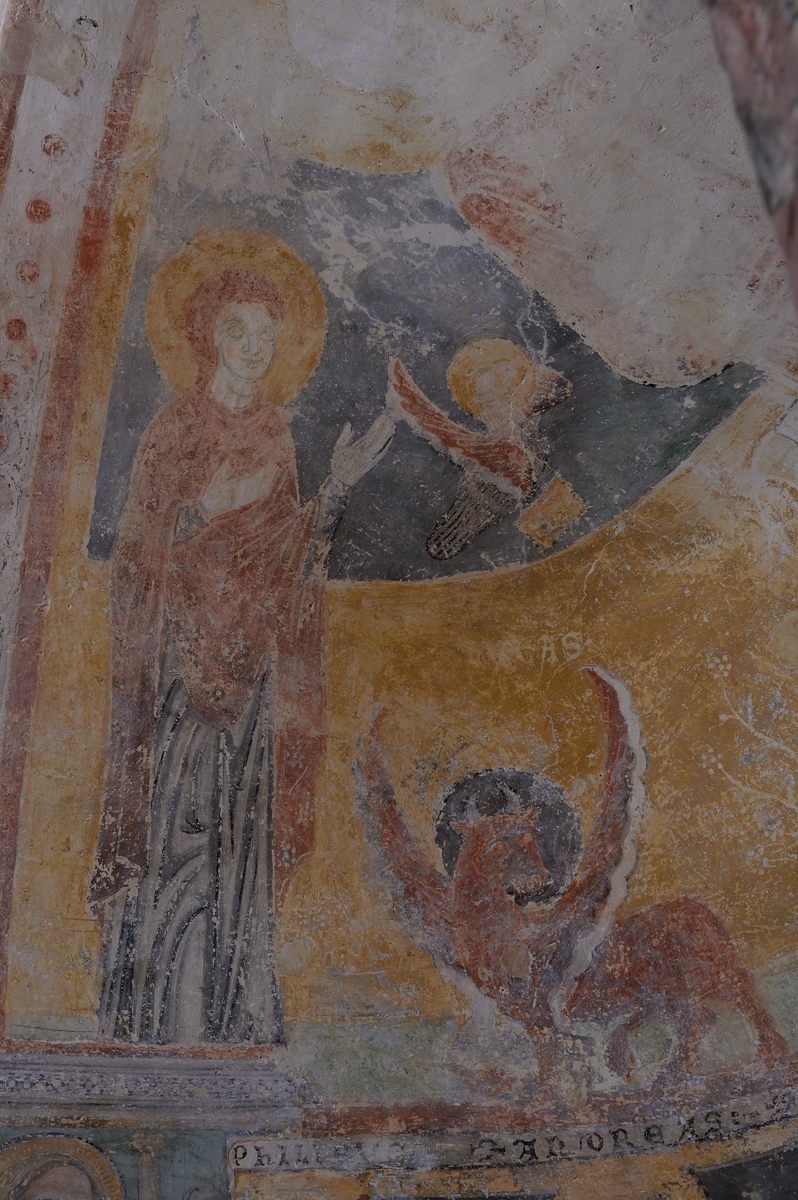
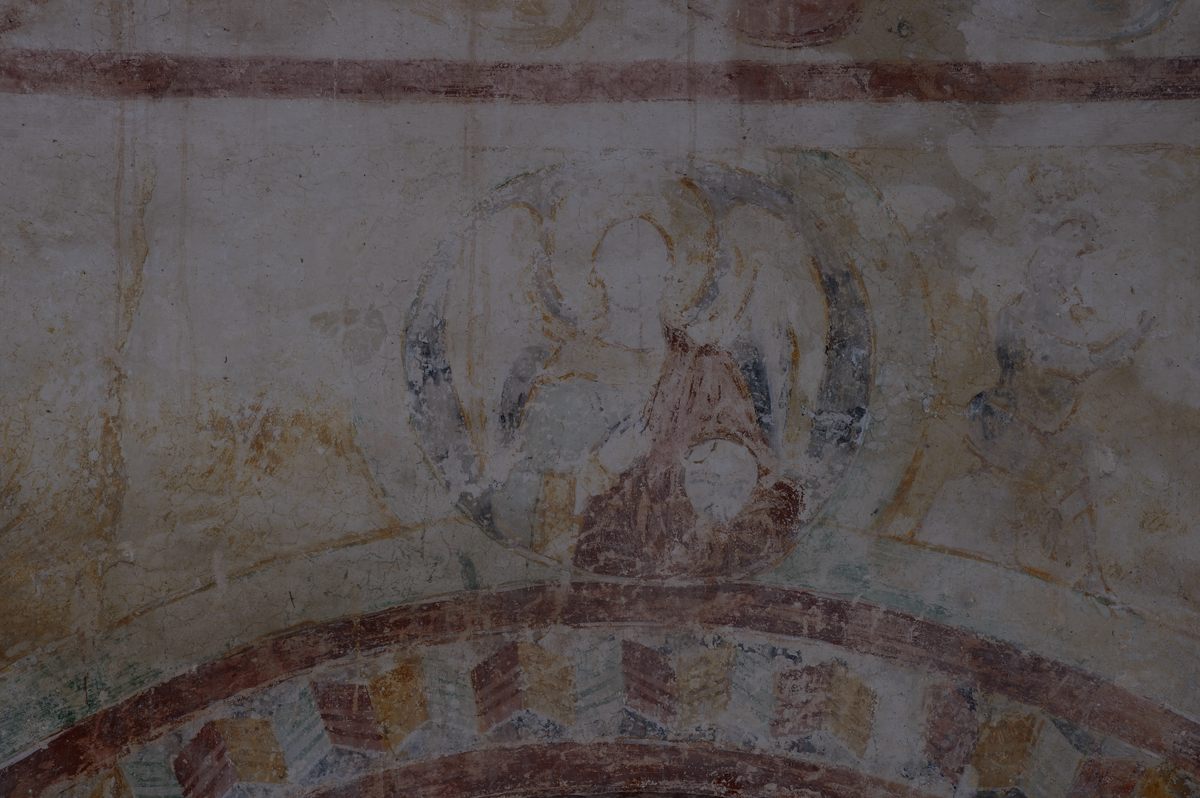
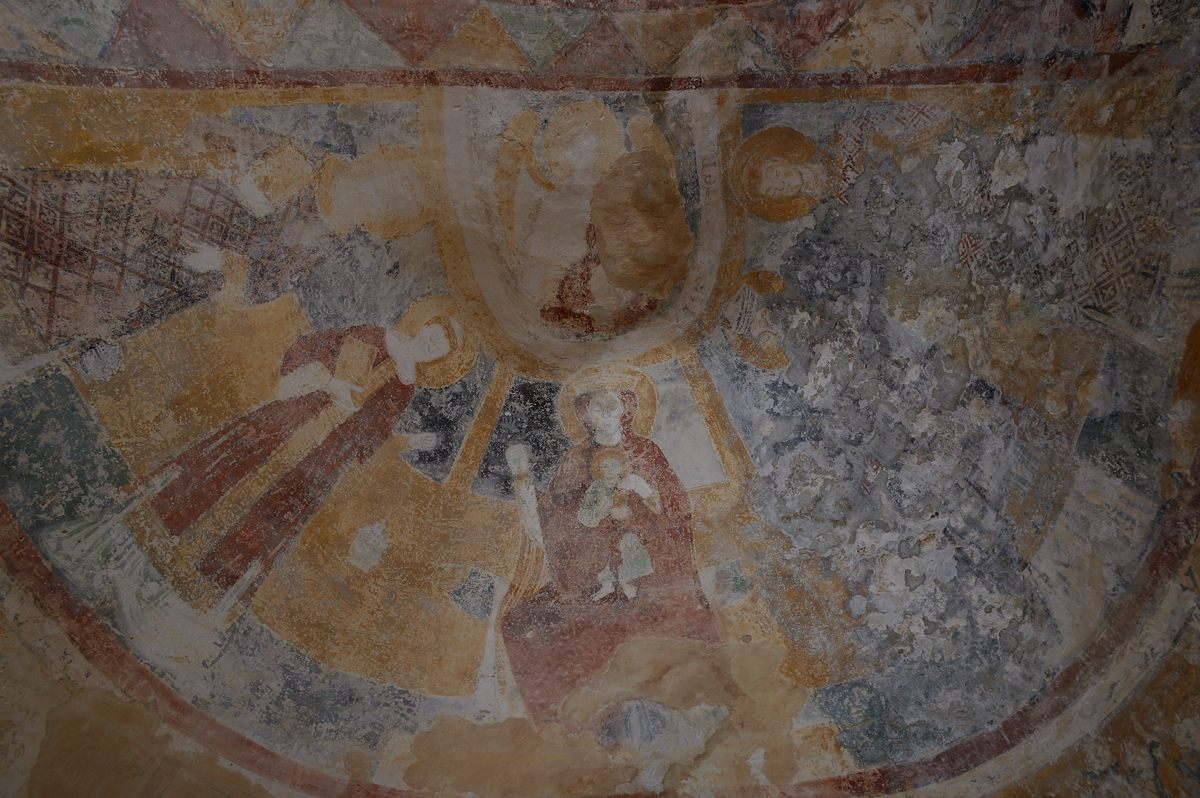
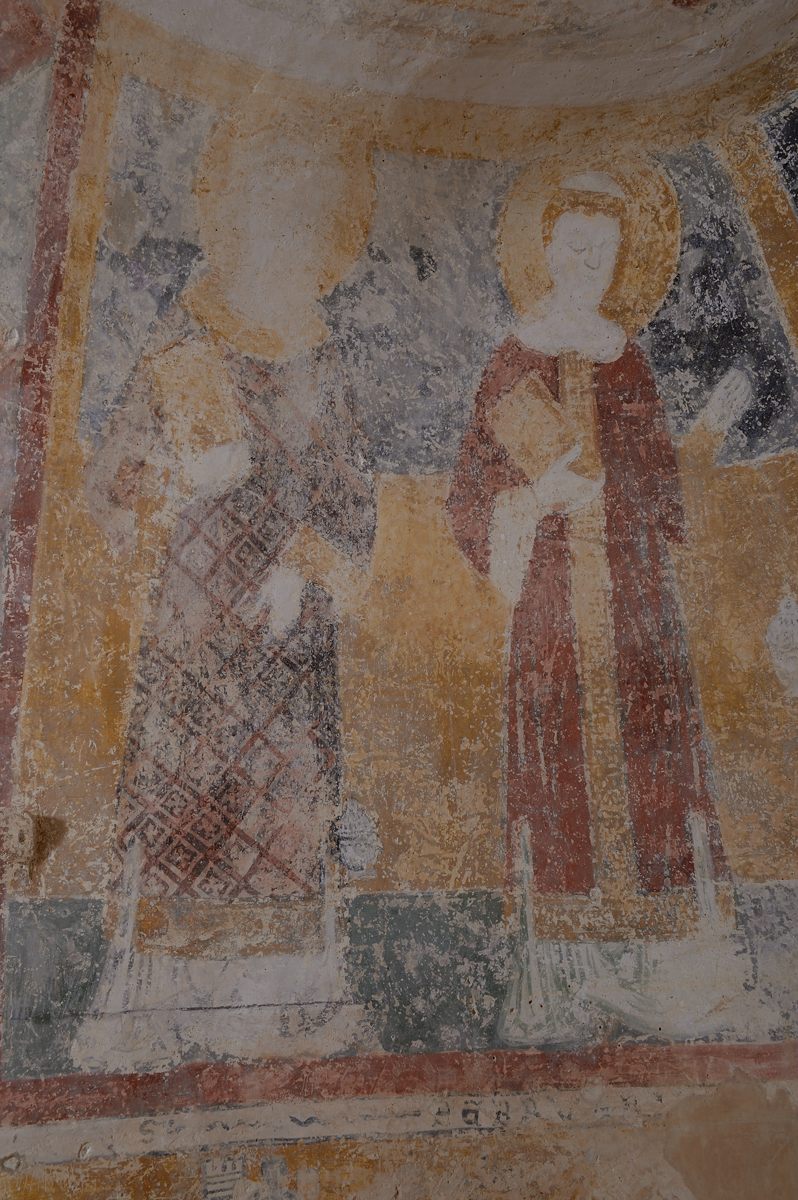
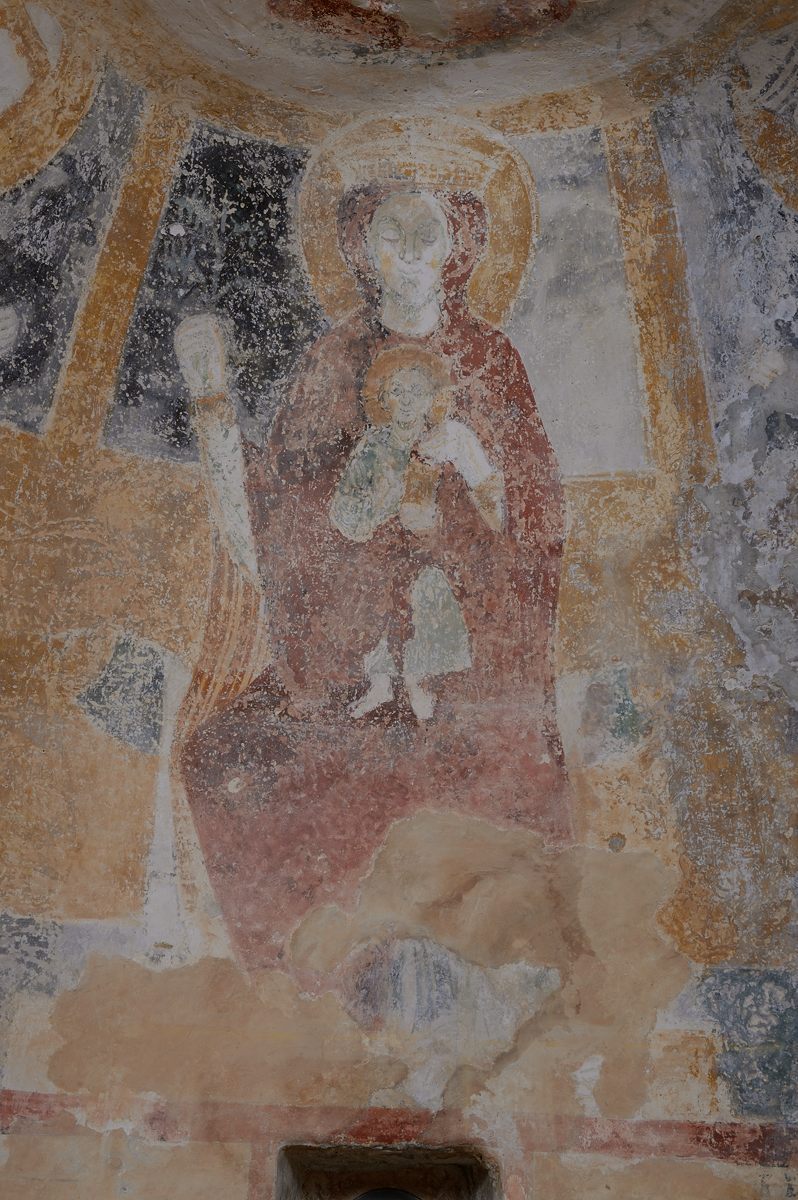
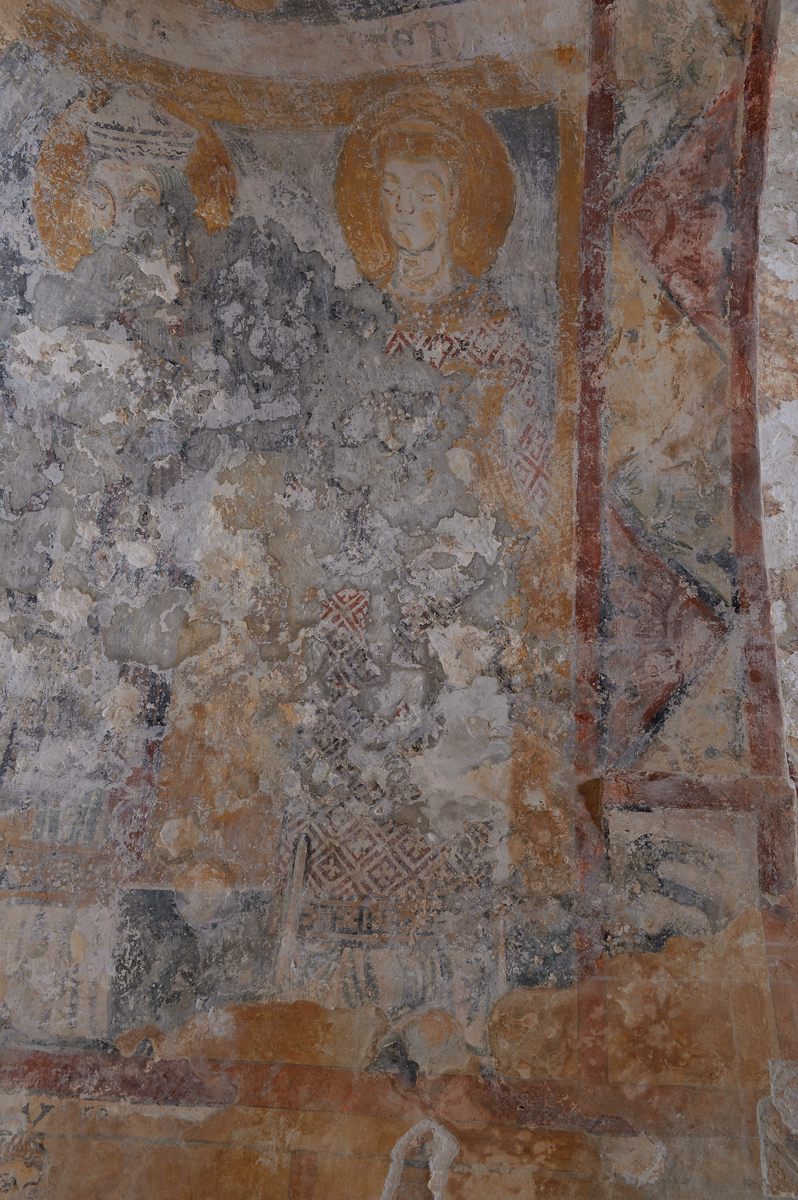
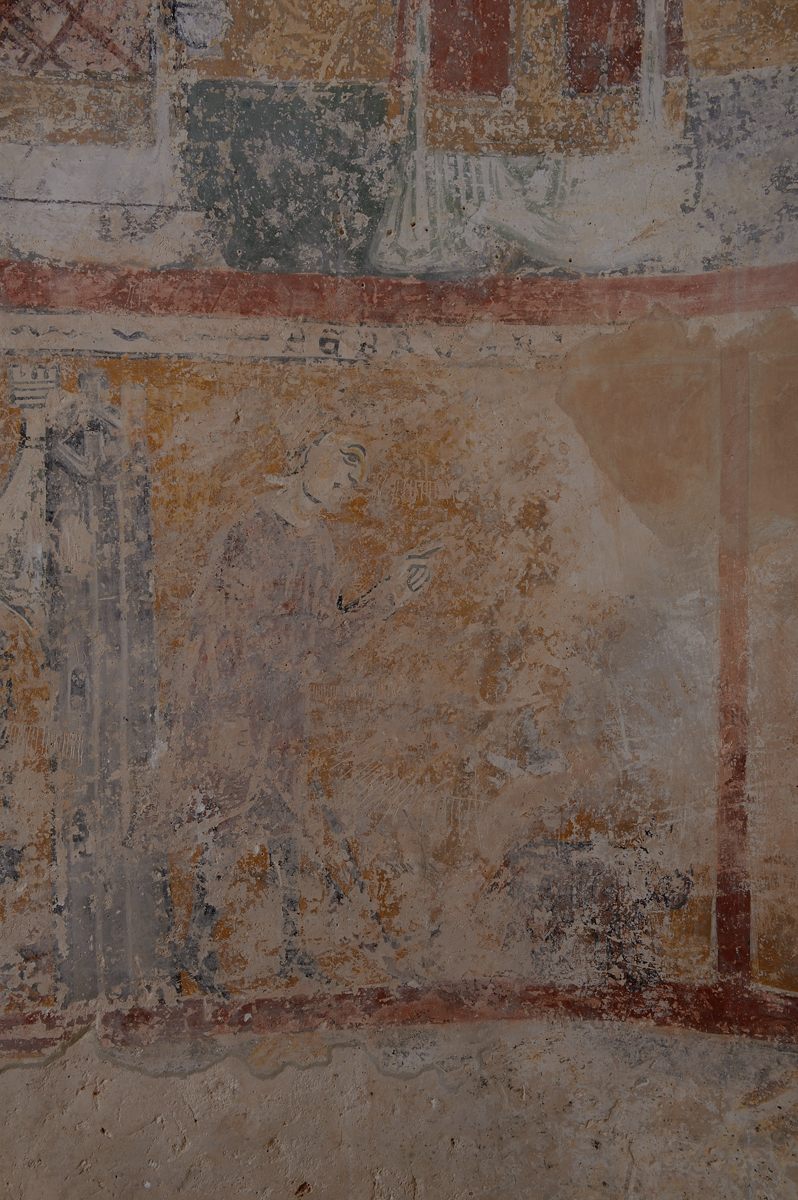
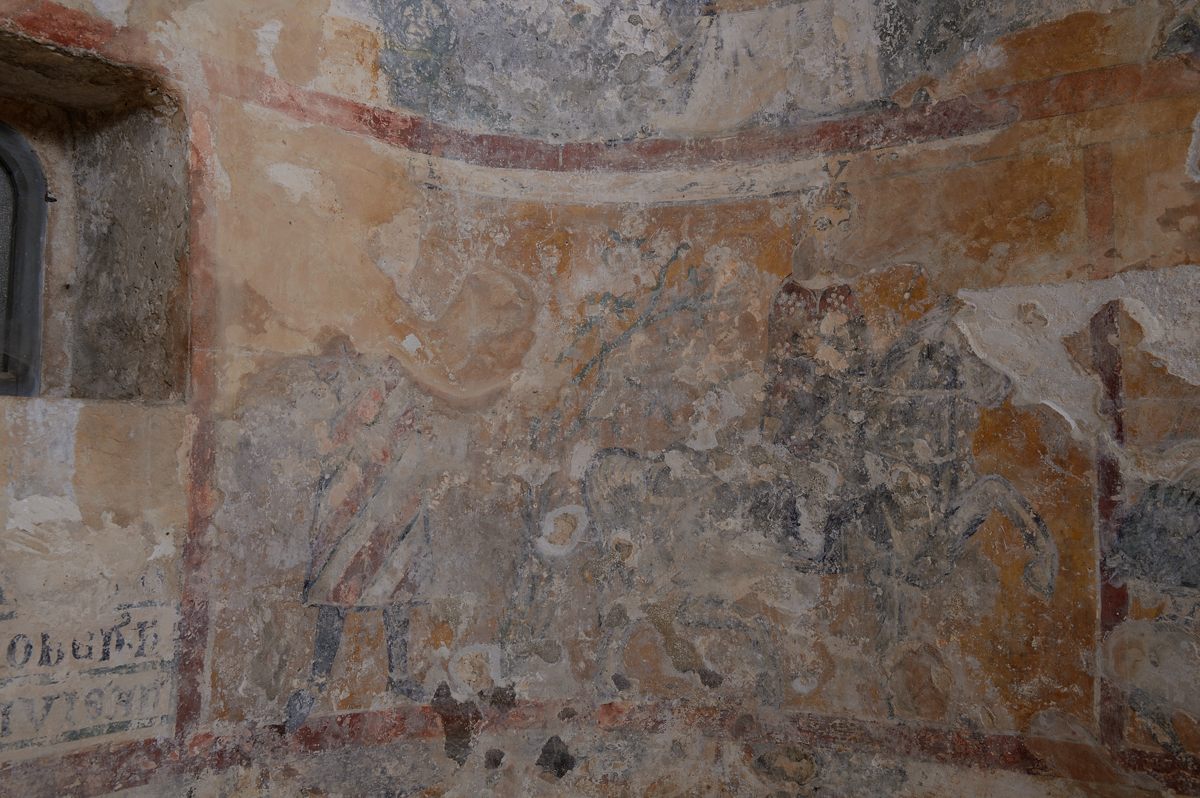
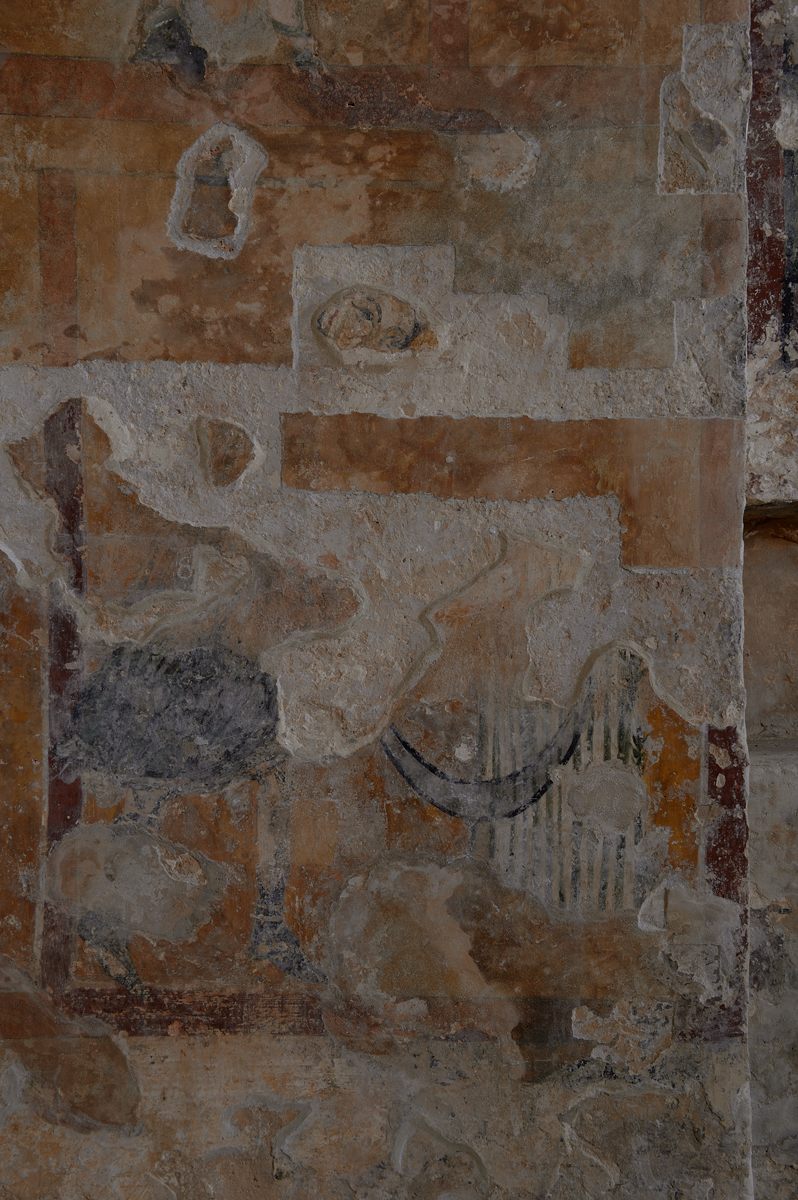
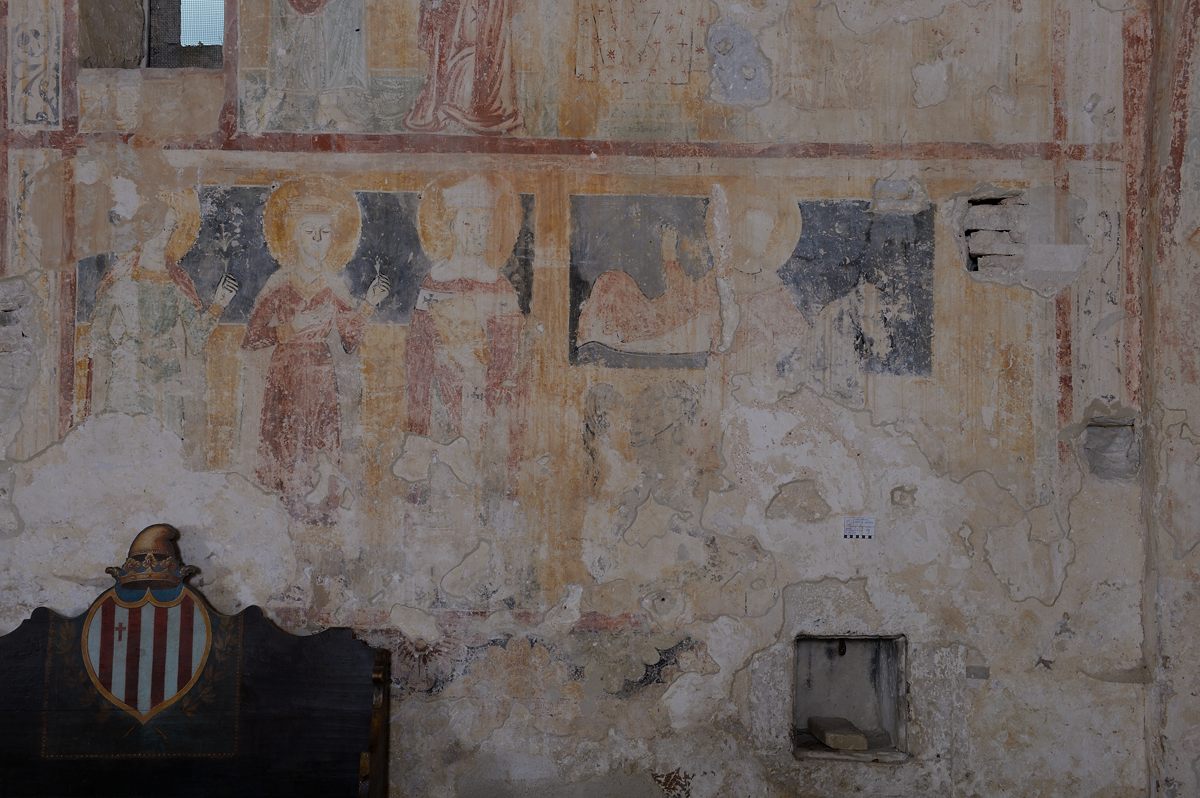
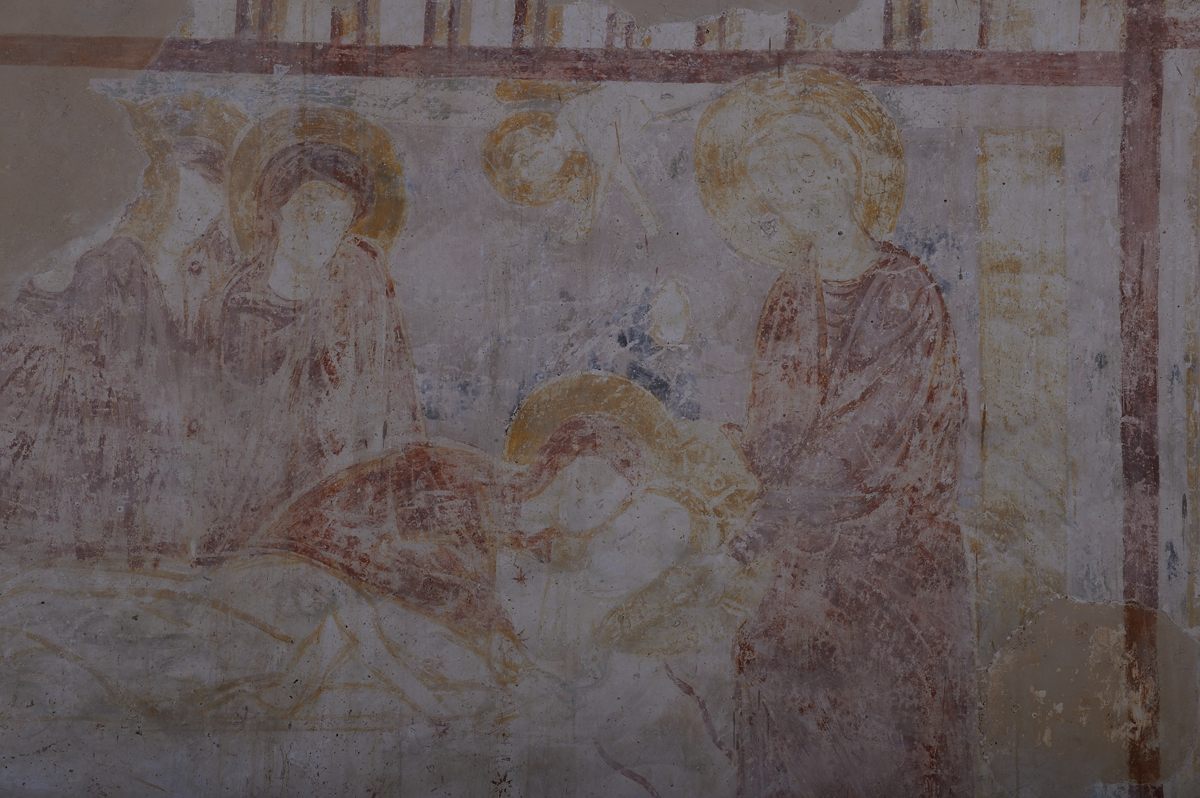
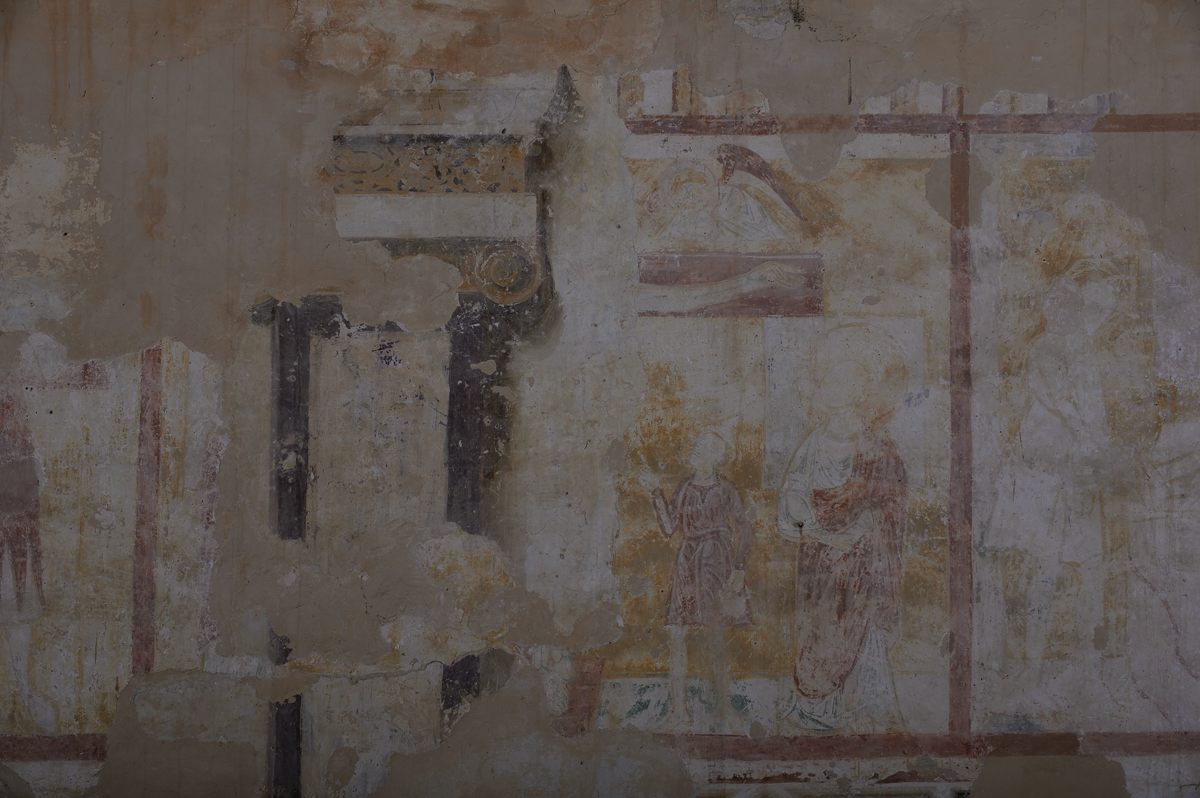
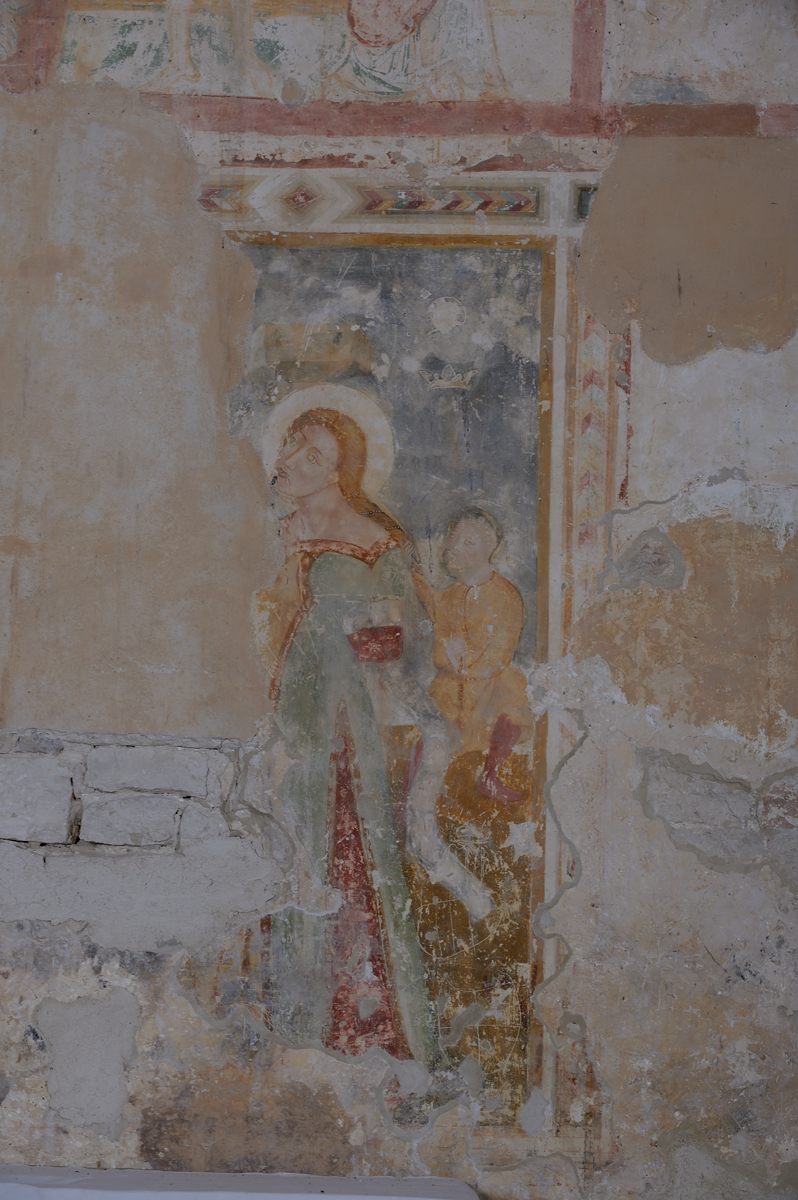
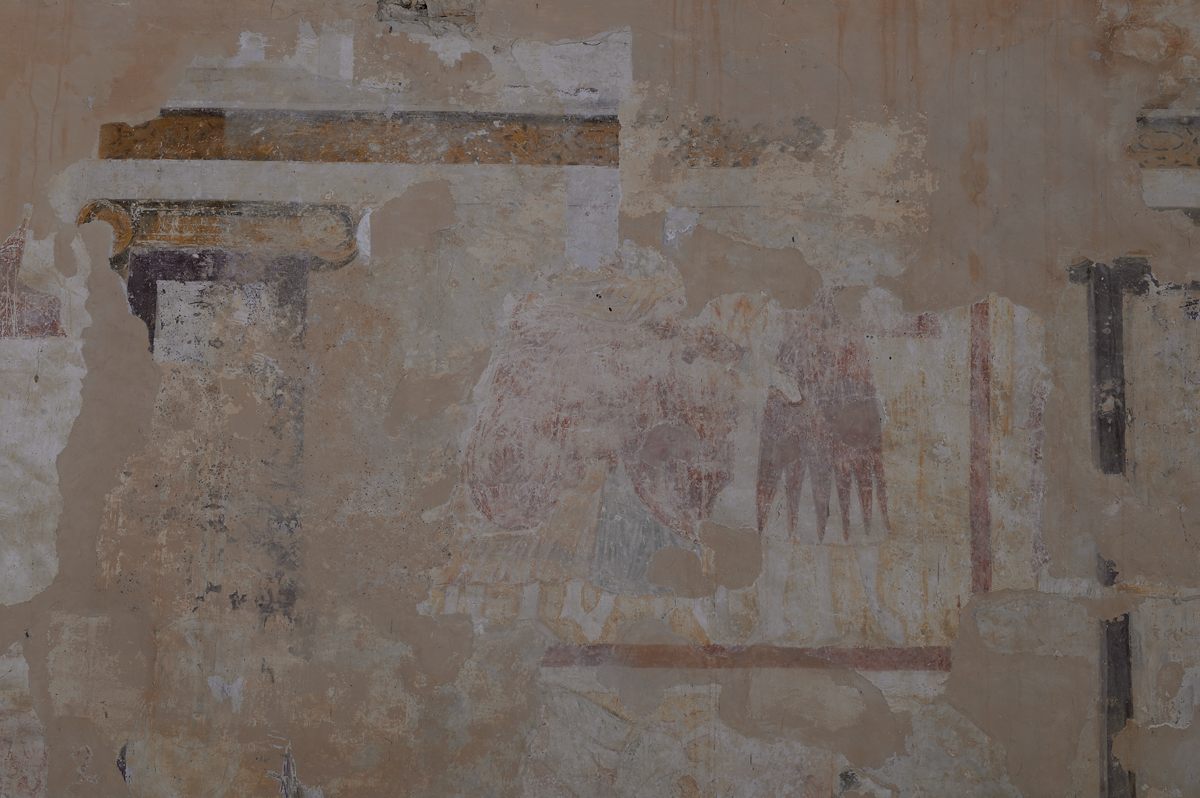
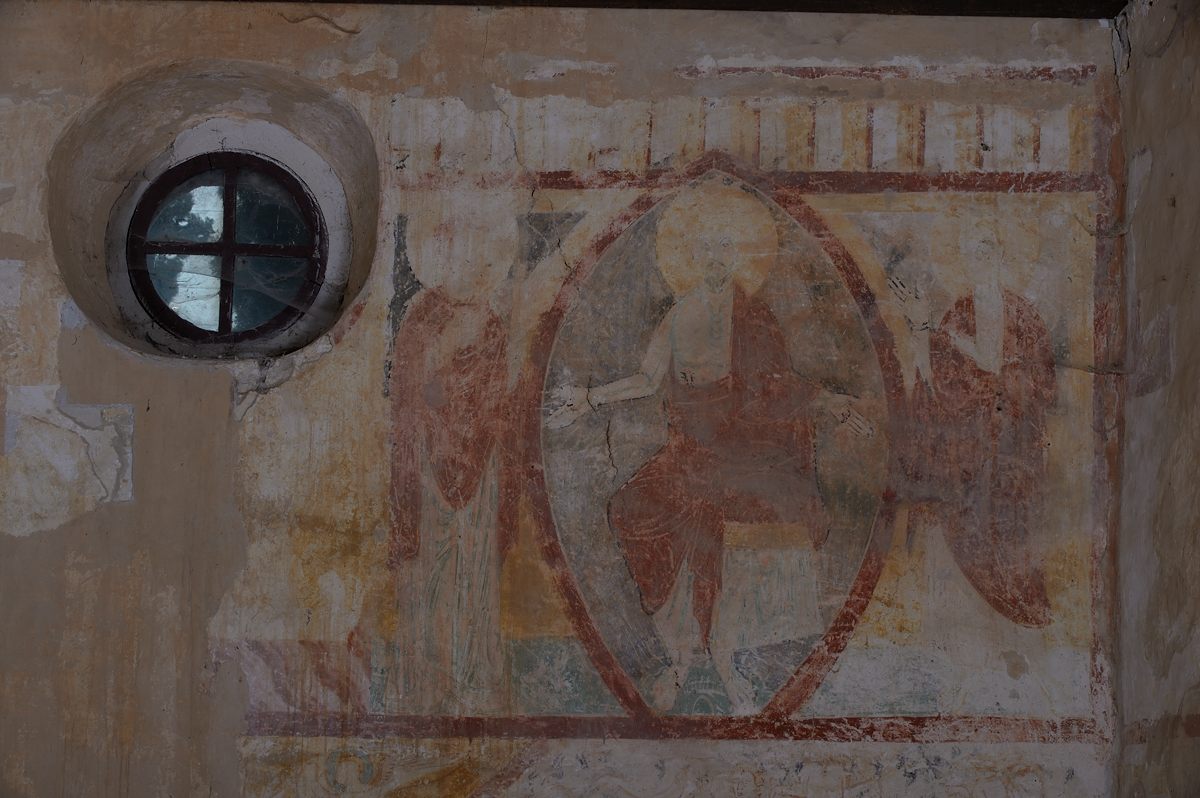
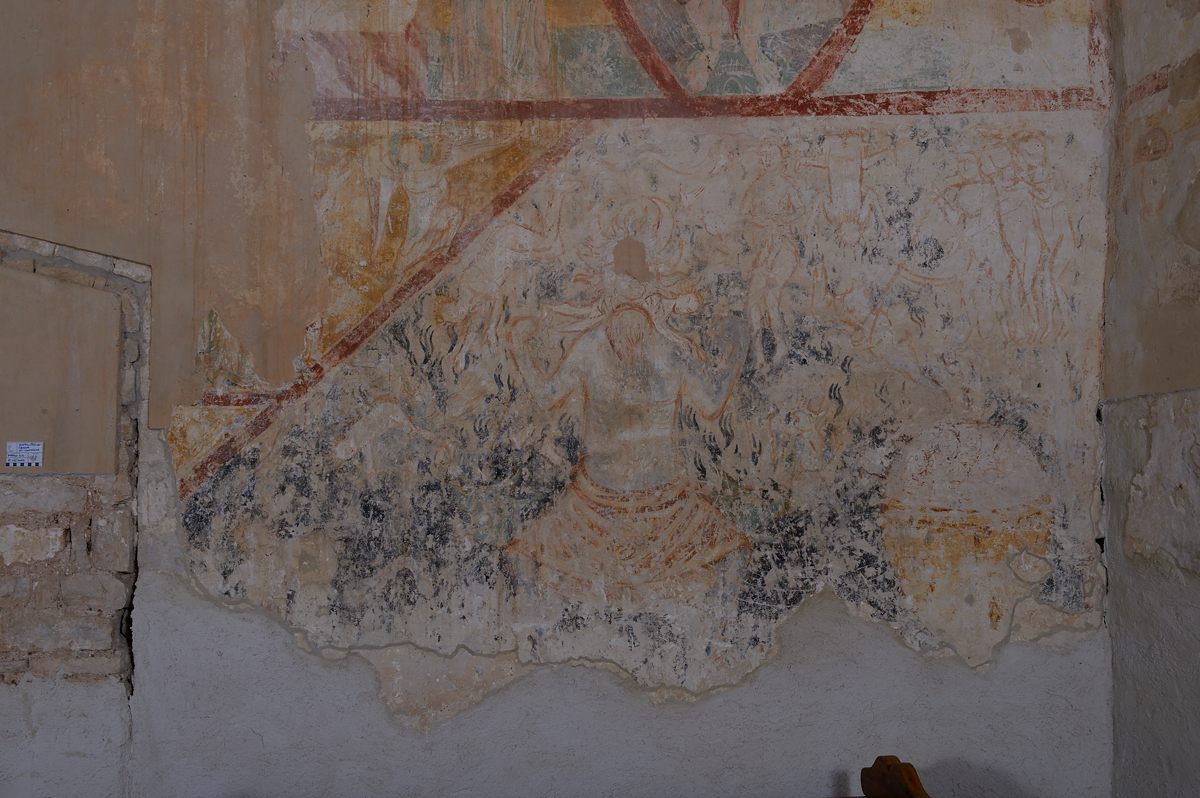
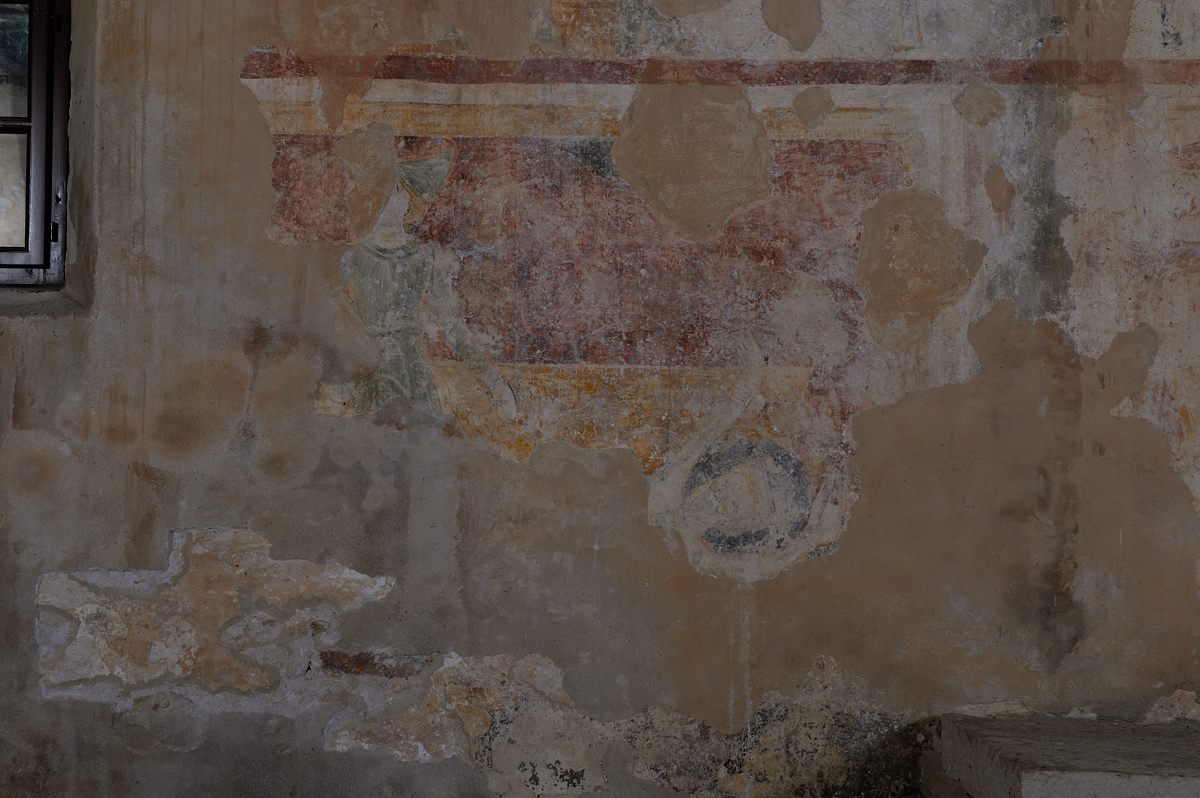
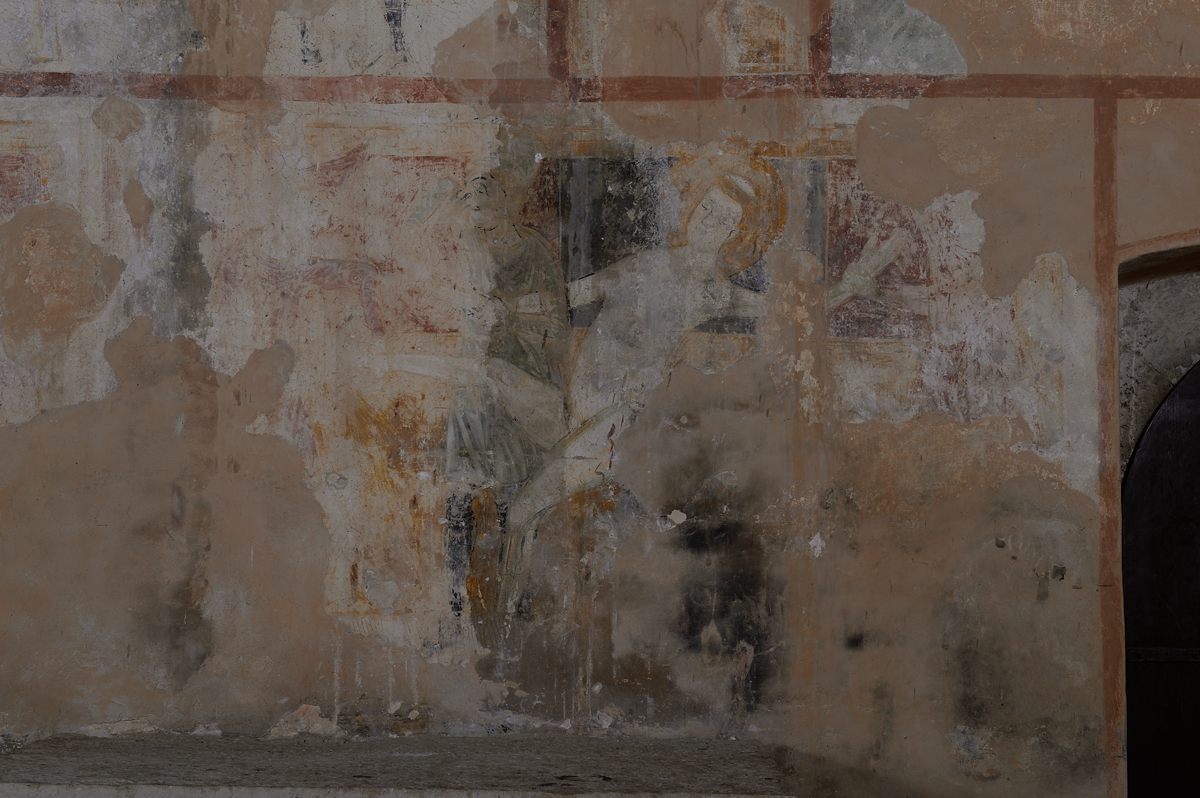
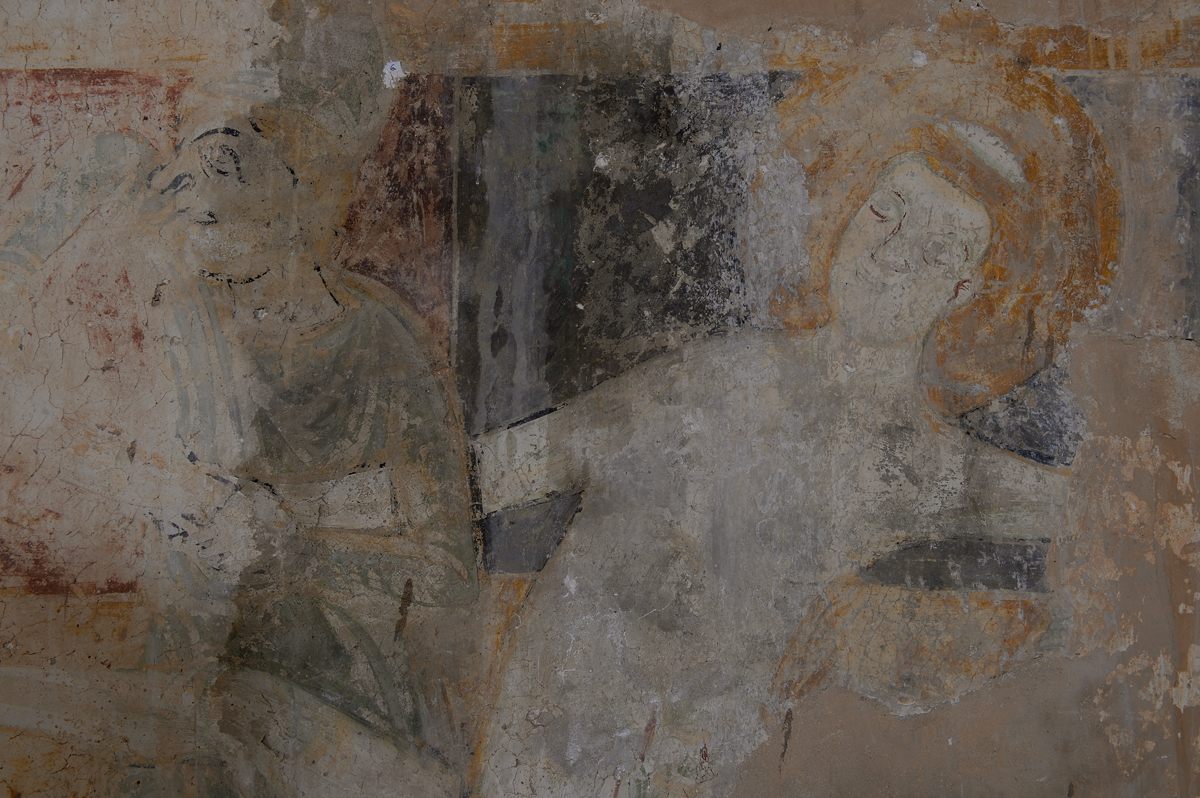
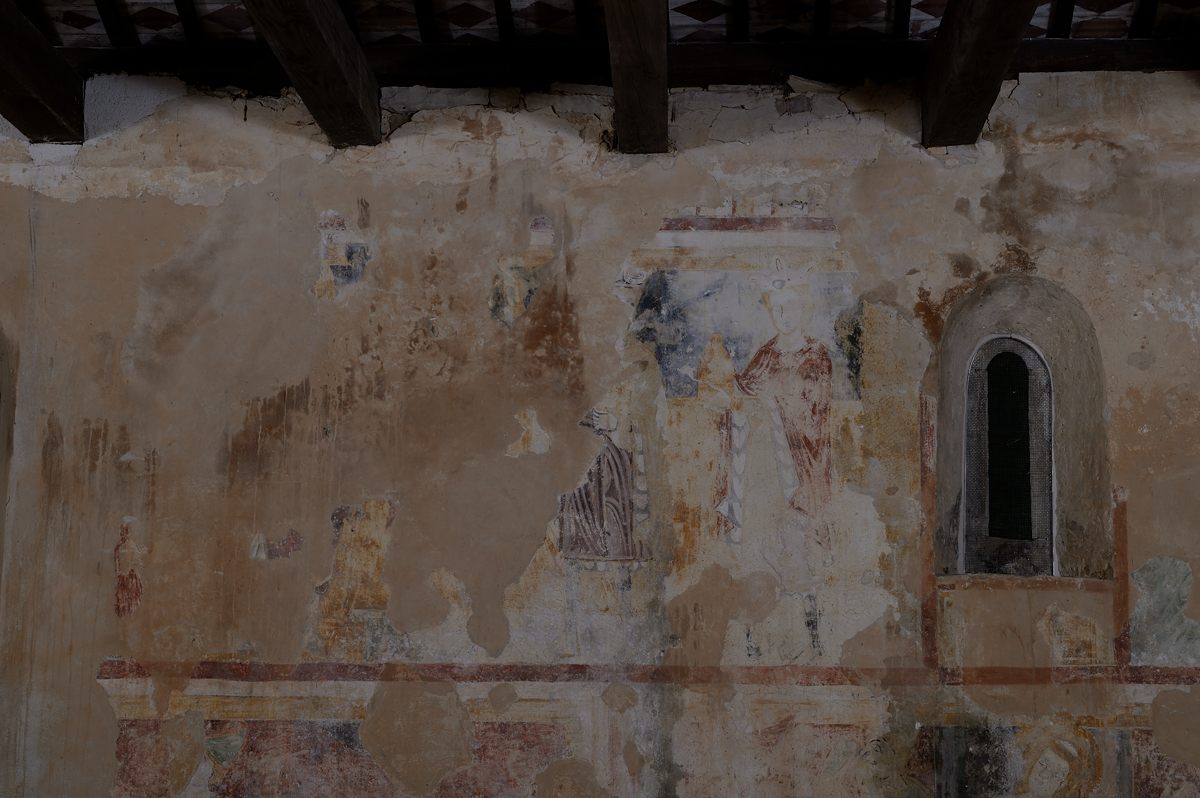
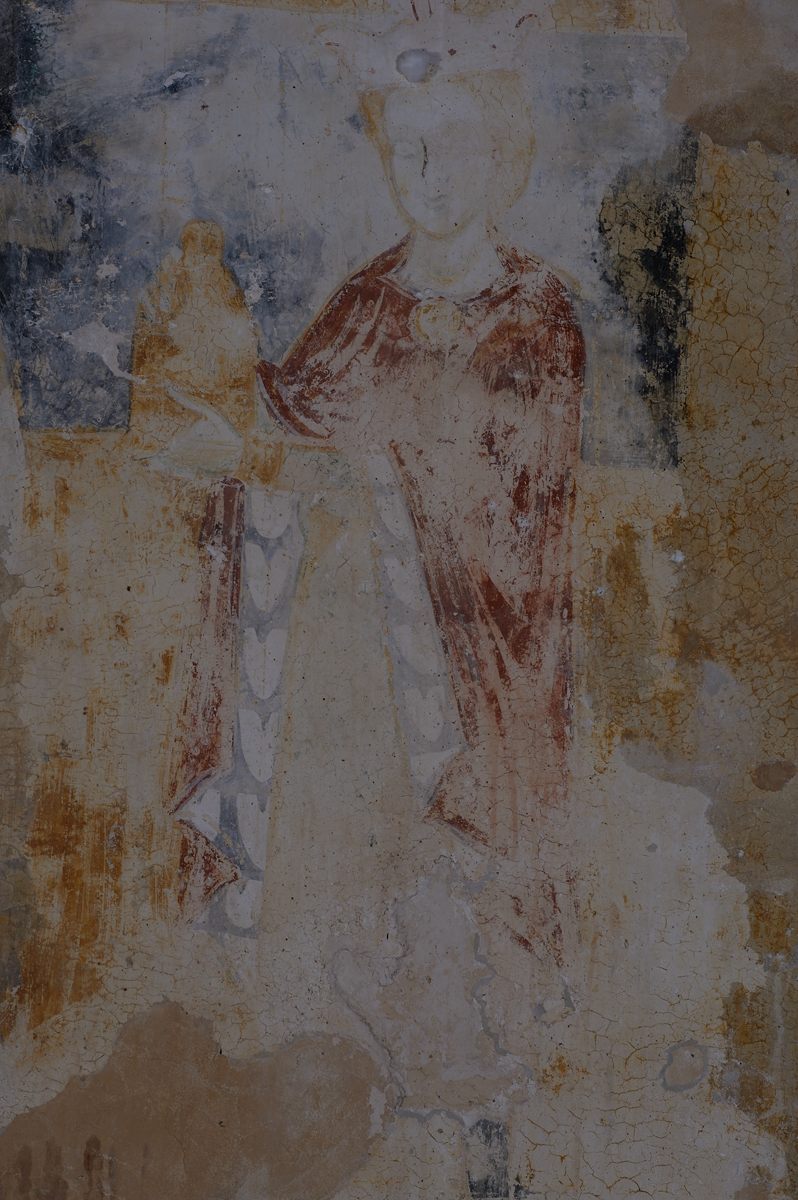
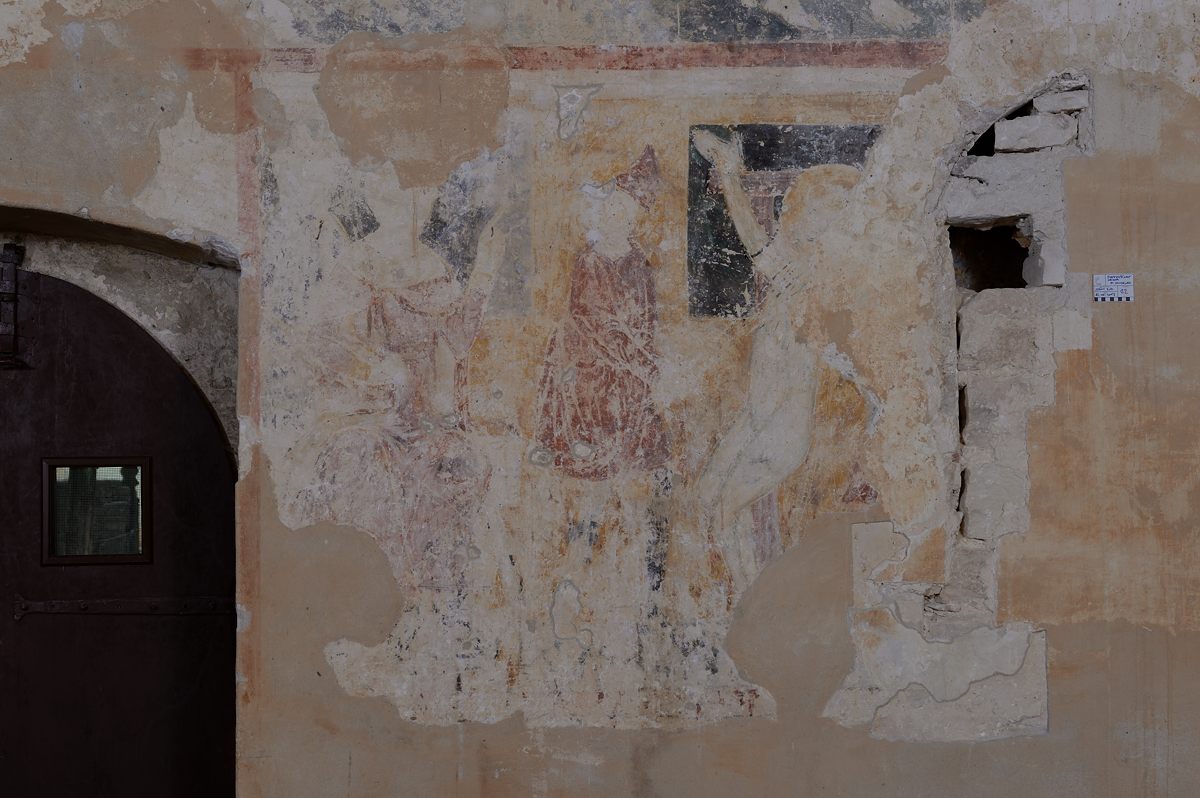
The Annunciation is depicted on the triumphal arch of the sanctuary, above the central apse. The scene is expanded by the Sacrifice of Cain and Abel, along with medallions featuring the Lamb of God and the Archangel Gabriel. The conch of the central apse features Christ Enthroned, surrounded by the symbols of the four Evangelists, alongside the Virgin and Saint John. A row of Apostles extends across the lower zone of the apse wall. The conch of the northern apse contains a depiction of the Baptism of Christ, beneath which a calendar cycle with seasonal labours unfolds. The same motif continues in the lower register of the southern apse. Its conch houses a depiction of the Virgin and Child, flanked by four saints. The frescoes on the side walls are organized into two registers. Scenes from the Life of Christ extend across the lower band, while the upper register is filled with the cycle of the Martyrdom of Saint Vincent, the church's titular saint. A depiction of the Last Judgment is fragmentarily preserved on the western wall, featuring Christ the Judge accompanied by the Virgin and Saint John. In the lower zone, an angel leads the souls of the righteous, while Hell is depicted on the right. The scenes are framed by a simple red border, whereas a richer decorative repertoire appears in the sanctuary, including a pleated ribbon motif and various geometric and floral ornaments.
The frescoes in the Church of St. Vincent were discovered at the beginning of the 20th century and were first mentioned by the Austrian conservator Anton Gnirs in 1913, in one of his reports. The complete iconographic program became visible after restoration works conducted in 1925. The first comprehensive scientific analysis was dedicated to them by Wart Arslan in the study “A Series of Thirteenth Century Frescoes at Sanvincenti”, published in 1934 in the international journal Art in America.
Iconographic Program:
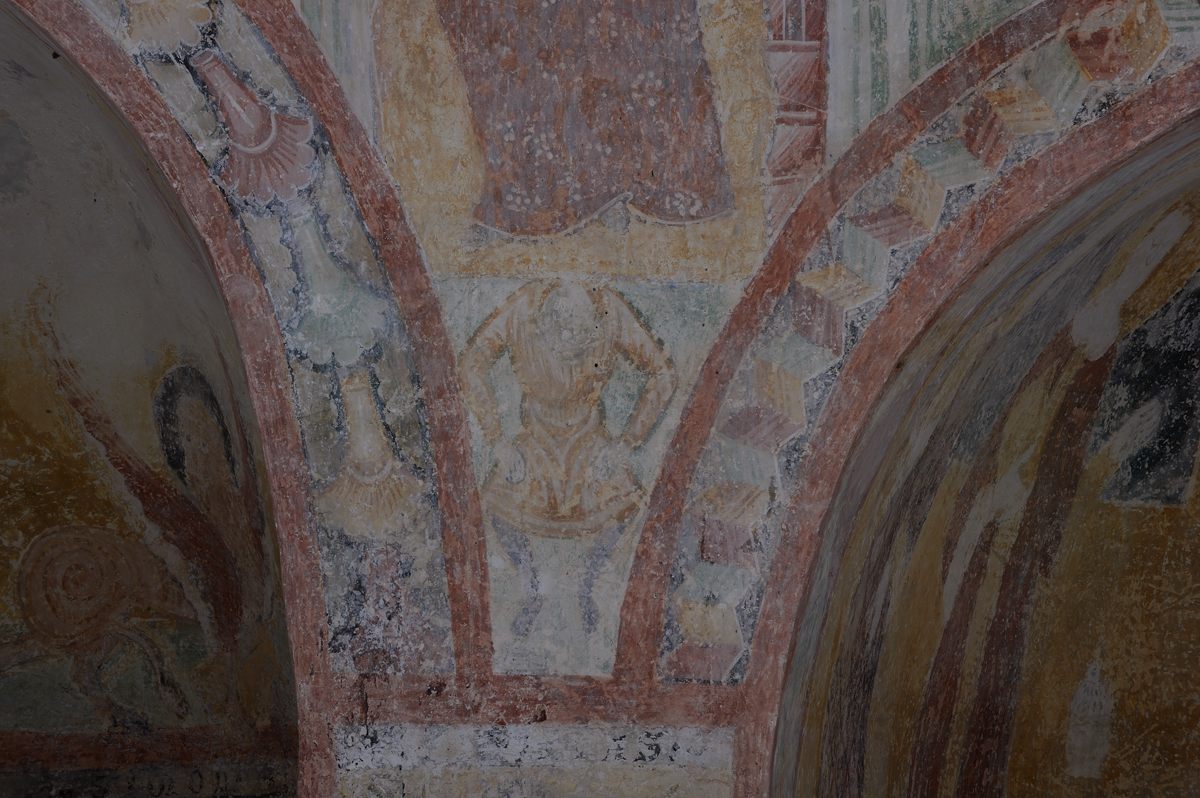
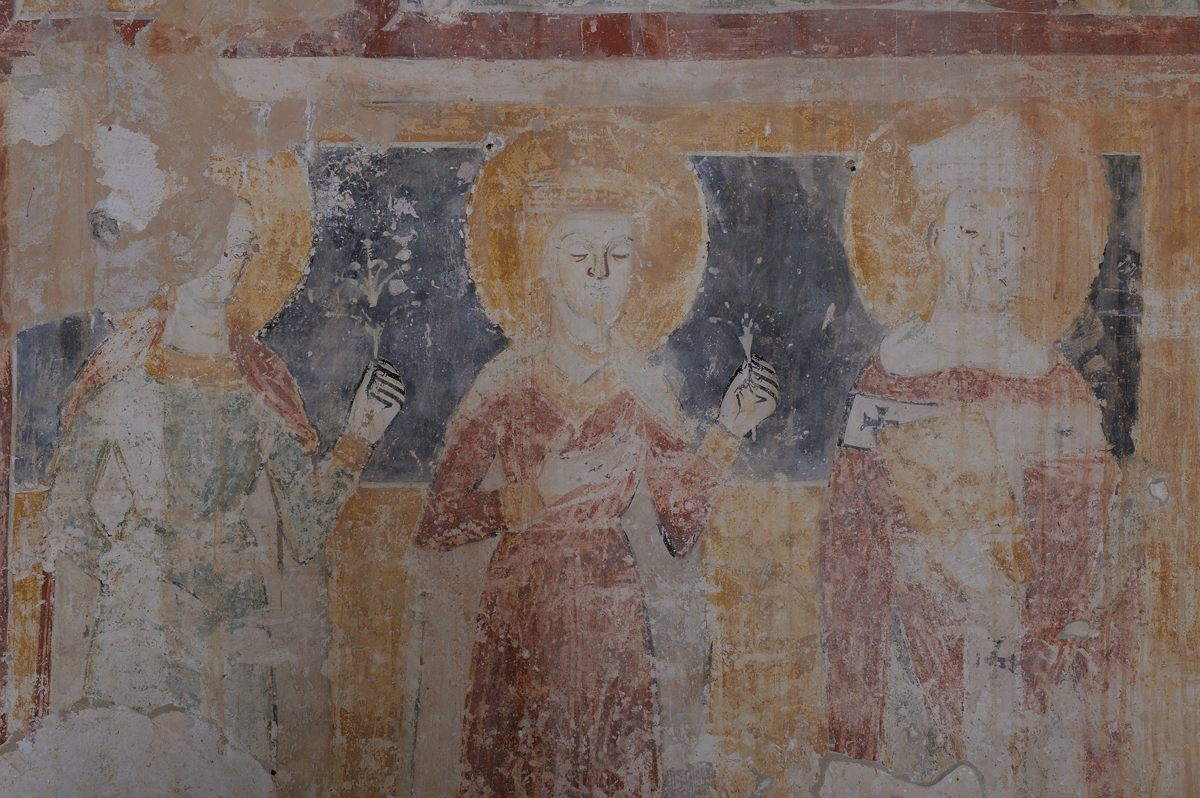
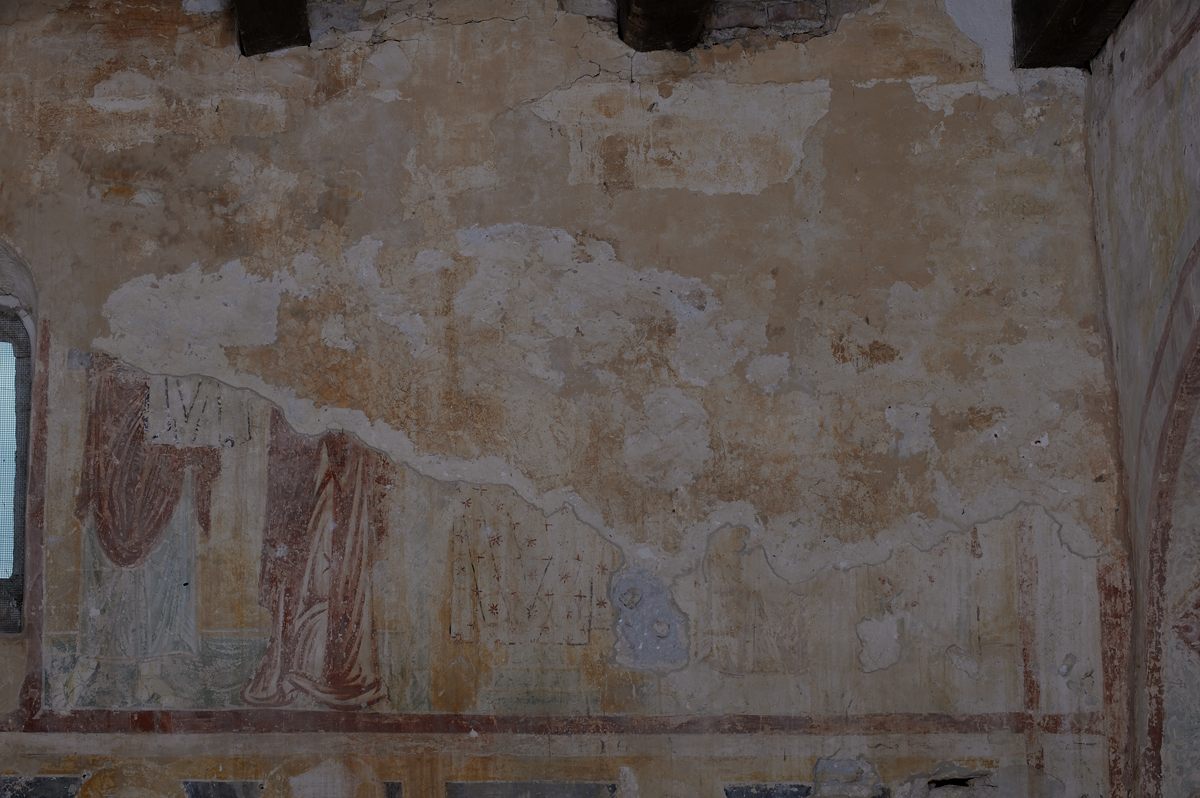
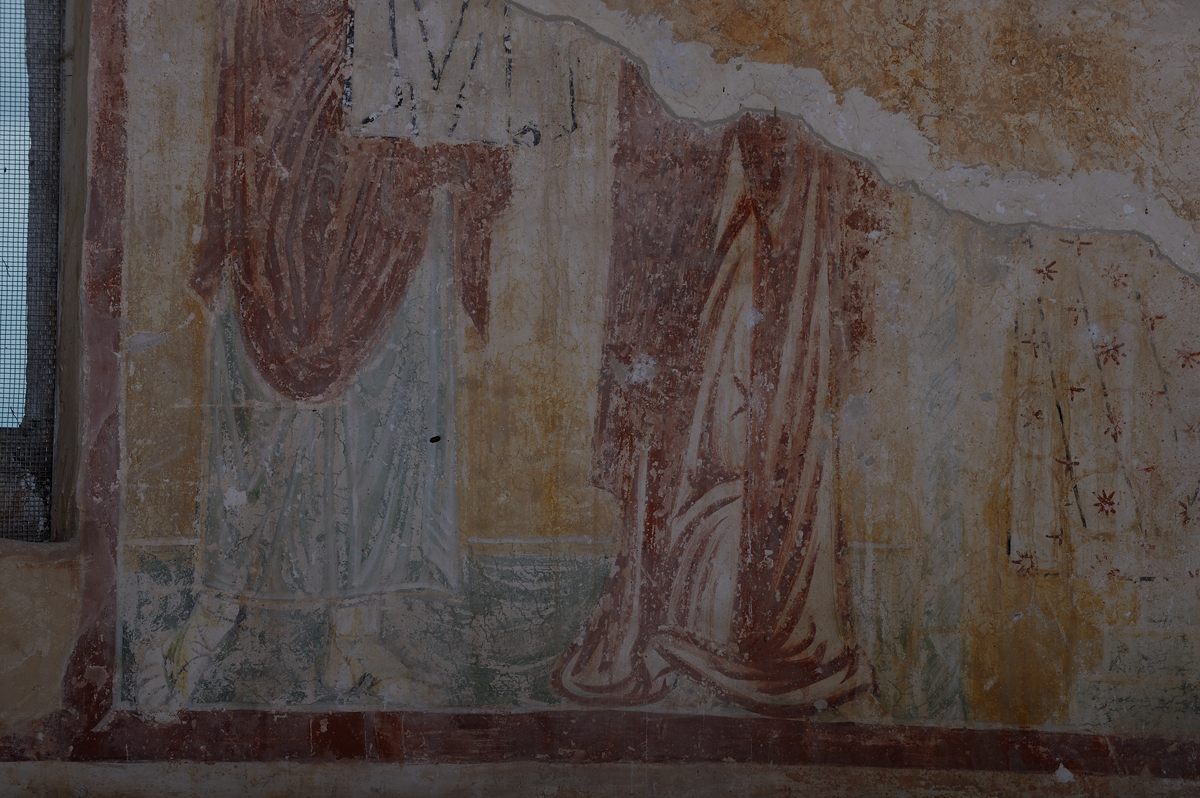
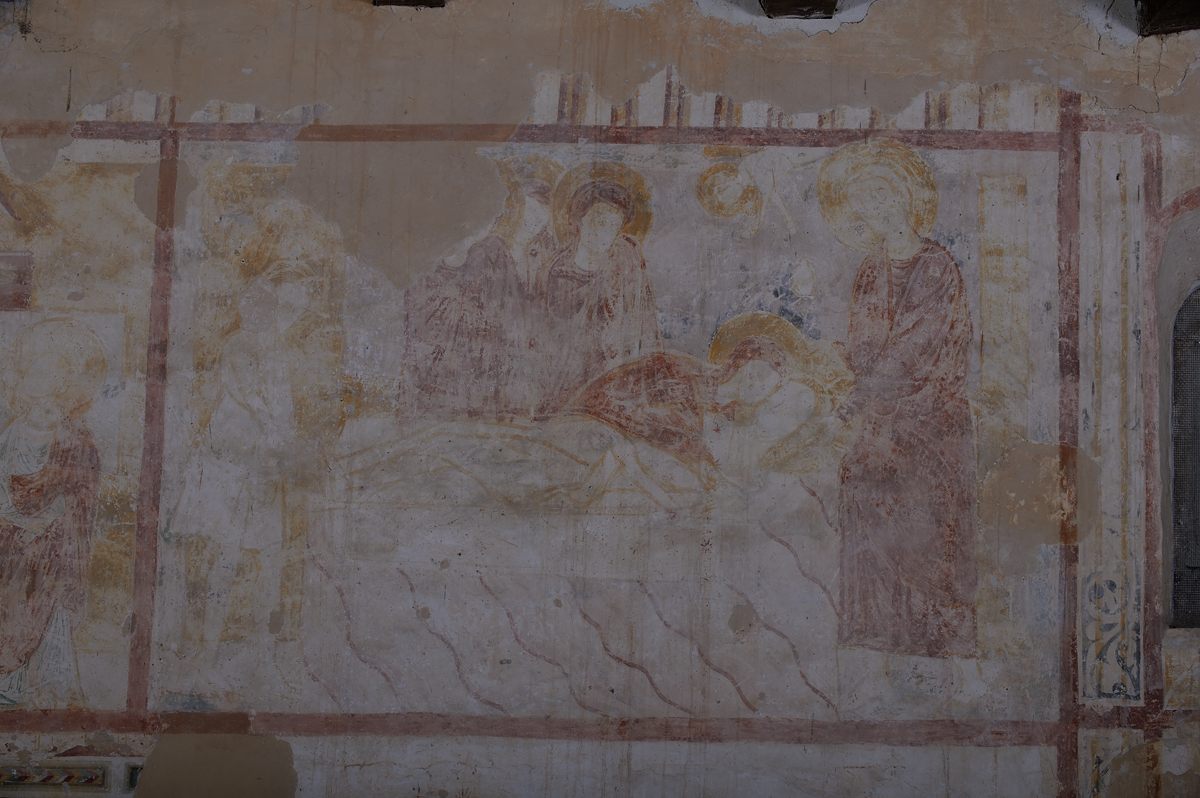
Eastern wall: 1 Annunciation, 2 Medallion with the Lamb of God, 3 Medallion with a half-length figure of Archangel Gabriel, 4 – 5 Sacrifice of Cain and Abel, 6 Atlantes, 7 Baptism of Christ, 8 Maiestas Domini expanded by a Deësis, 9 Maiestas Virginis, 10 Row of Apostles, 11 Saint Thomas, 12 A later layer of frescoes: Angel, 13 A later layer of frescoes: Saint James the Great, 14 Calendar (labours of the months). Southern wall: 15 Adoration of the Magi, 16 Dispute in the Temple, 27 Martyrdom of Saint Valerian, 28 Martyrdom of Saint Vincent, 29 Dacian witnessing the martyrdom of Saint Vincent with iron combs, 30 Martyrdom of Saint Vincent with hooks. Northern wall: 17 Kiss of Judas, 18 Crucifixion, 19 Entombment, 20 Presentation in the Temple, 21 Saint Julian, Saint Martin, and an unknown female saint, 22 Saint George slaying the dragon, 23 Martyrdom of Saint Apollonia (?) and later layer of frescoes. Western wall: 24 – 26 Last Judgment: Christ the Judge with the Virgin and Saint John, Angel leading the souls of the righteous, Hell.
Scene locations

A. GNIRS, 1913B, Sanvincenti, Mitteilungen der K.K. Zentral-Kommission für Denkmalpflege, 12, 1913, 174; ISTI, 1914, „Sanvincenti“, Mittheilungen der K.K. Zentralkommission für Denkmalpflege, 13, 1914, 22, 147, 173, 226., 22, 226; A. MORASSI, 1924, Antica pittura popolare nell'Istria, Le Vie d'Italia, 30/10 (ottobre) 1924, 1067-1072., 1077; W. ARSLAN, 1934, A Series of Thirteenth Century Frescoes at Sanvincenti, Art in America, 22, 1934, 60-76; B. FUČIĆ, 1963, Istarske freske, Zagreb, 1963., 16, KAT. 5-7; ISTI, 1964a, Srednjovjekovno zidno slikarstvo u Istri, doktorska disertacija, Filozofski fakultet Sveučilišta u Ljubljani, Rijeka-Ljubljana, 1964., 157-183, 523-528; G. GHIRARDI, 1972, Affreschi Istriani del Medioevo, Padova, 1972., 71-74; I. FISKOVIĆ, 1987, Romaničko slikarstvo u Hrvatskoj, Zagreb, 1987., 96; G. FOSSALUZZA, 2003, Gli affreschi nelle chiese della Marca Trevigiana dal Duocento al Quattrocento, I.1. Romanico e Gotico, Treviso 2003., 41-75; Ž. BISTROVIĆ, 2009, Predromaničko i romaničko slikarstvo u Istri, Annales. Series Historia et Sociologia, 19/1, 2009, 21-30; N. MARAKOVIĆ, 2009, Zidno slikarstvo u Istri od 11. do 13. stoljeća. Revalorizacija lokalne umjetničke baštine u europskom kontekstu, doktorska disertacija, Filozofski fakultet Sveučilišta u Zagrebu, 2009., 244-270; E. COZZI, 2016, Affreschi medievali in Istria, Trieste, 2016., 145-173; Ž. BISTROVIĆ, 2019, Problem naručitelja zidnih slika majstora Ognobenusa u crkvi Sv. Vincenta u Svetvinčentu u kontekstu vlasništva nad posjedom Svetvinčenta, u: Notabile castrum / castello ben munito e ornato. Kašteli Petrapilosa i San Vincenti u povijesnom i građevinskom kontekstu, Svetvinčenat, 2019, 54-61.